
The Role of Trade Routes in Advancing Metallurgical Knowledge

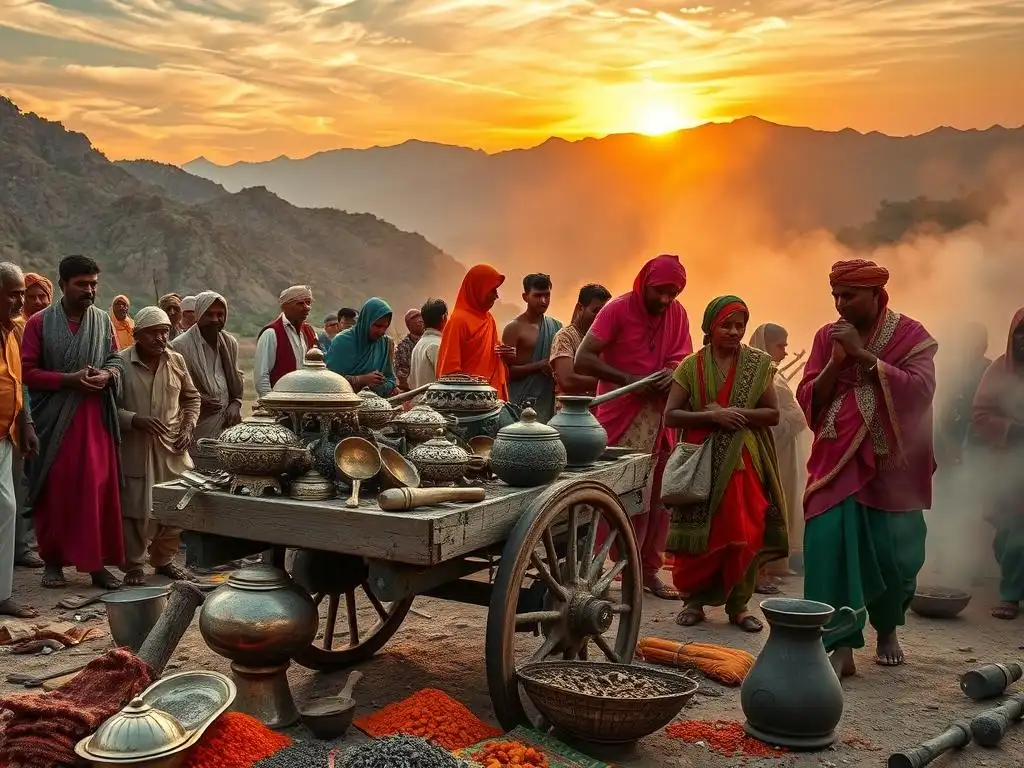
Welcome to Ancient India History, where we embark on an enthralling journey through the rich tapestry of ancient Indian civilizations. Here, we delve into the fascinating interplay between trade routes and metallurgy, exploring how these vital pathways not only facilitated commerce but also sparked innovative advancements in metallurgical knowledge. As you uncover the secrets of ancient Indian trade routes and their impact on technology and culture, prepare to ignite your curiosity and deepen your understanding of a civilization that shaped the world. Join us as we unravel the intricate connections that propelled India into an era of remarkable innovation!
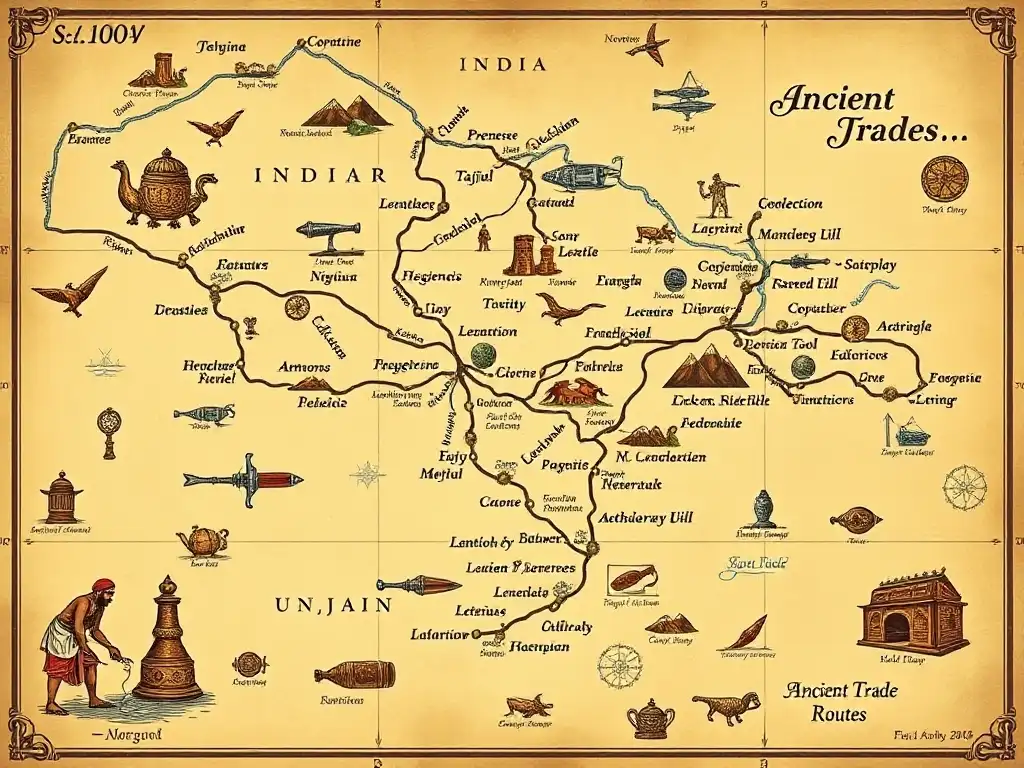
Introduction to Ancient Indian Trade Routes and Metallurgy
Ancient Indian trade routes played a pivotal role in the dissemination of metallurgical knowledge, significantly influencing the development of various technologies and innovations within the region. From the bustling markets of the Indus Valley Civilization to the flourishing trade networks that connected India to the wider world, these routes served not only as channels for goods but also as conduits for ideas and techniques.
The interaction among diverse cultures facilitated the exchange of sophisticated metallurgical practices, enabling ancient Indian civilizations to excel in the art of metallurgy. This article explores the intricate relationship between trade routes and metallurgical advancements in ancient India, highlighting the profound impact that commerce had on technology and culture.
Overview of Ancient Indian Trade Networks
The ancient Indian subcontinent was characterized by a complex web of trade routes that connected it to both neighboring regions and distant lands. These networks included:
- Land Routes: Facilitated trade across the northern plains, linking India with Central Asia and beyond.
- Maritime Routes: Enabled exchanges with the Mediterranean, Southeast Asia, and Africa, utilizing major ports along the western and eastern coasts.
Key trade cities such as Taxila, Ujjain, and Pataliputra emerged as vibrant centers of commerce, where merchants and artisans exchanged not only goods but also metallurgical techniques and innovations. The synergy created by these interactions was vital for the evolution of metallurgy in ancient India.
Importance of Trade Routes in Historical Context
Trade routes in ancient India were more than mere pathways for goods; they were crucibles of cultural exchange and technological advancement. The movement of people, ideas, and materials along these routes fostered an environment conducive to innovation. Some notable impacts include:
- Cultural Exchange: Interaction with traders from Persia, Greece, and Arabia introduced new ideas and techniques, enriching local metallurgical practices.
- Resource Access: Trade routes facilitated the import of essential raw materials such as copper, tin, and later, iron, which were crucial for metallurgical advancements.
- Economic Growth: The prosperity generated through trade allowed communities to invest in technological research and development, enhancing their metallurgical capabilities.
The Evolution of Metallurgical Techniques in Ancient India
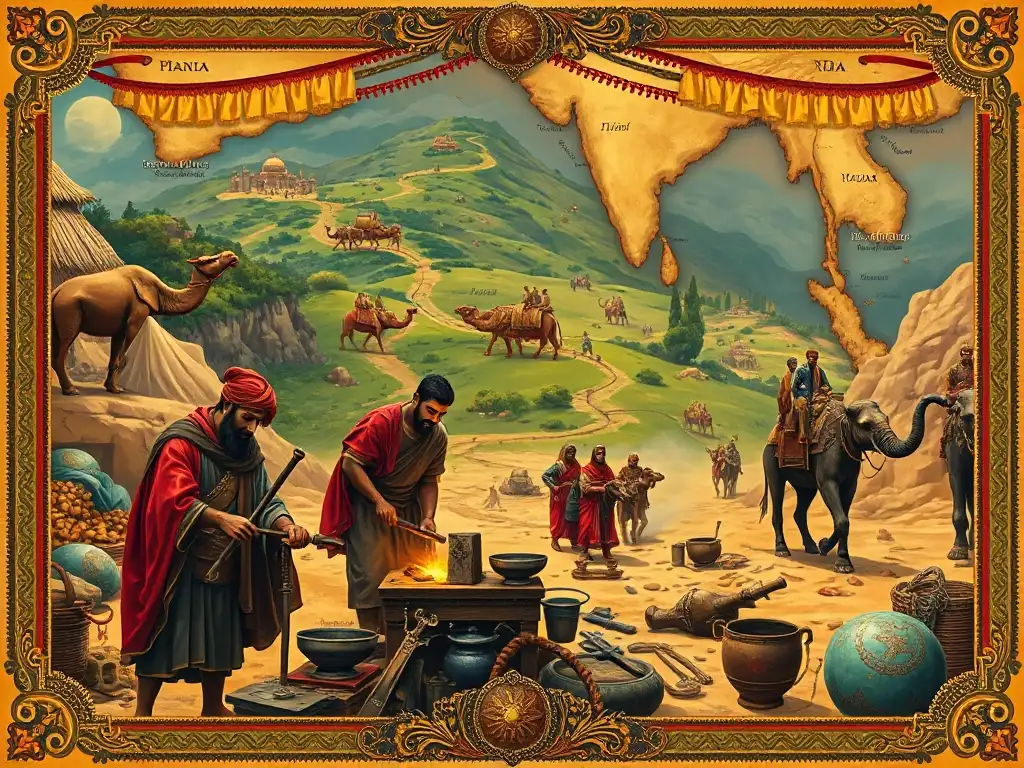
The evolution of metallurgy in ancient India was marked by significant advancements influenced by trade and cultural interactions. This section delves into the key periods that shaped metallurgical practices.
Early Metallurgical Practices in the Indus Valley Civilization
The Indus Valley Civilization (circa 2500–1900 BCE) is renowned for its early and sophisticated metallurgical techniques. Archaeological findings suggest:
- Copper and Bronze Work: The use of copper and bronze for tools, weapons, and ornaments was prevalent, showcasing advanced casting and alloying techniques.
- Standardization: The civilization exhibited a remarkable degree of standardization in metal objects, indicating a well-organized production system.
These early practices laid the groundwork for metallurgical advancements that would follow in subsequent eras.
Advancements During the Vedic Period
The Vedic period (circa 1500–500 BCE) witnessed further developments in metallurgy, characterized by:
- Iron Usage: The introduction of iron metallurgy, particularly through the process of smelting, revolutionized tool-making and agriculture.
- Cultural Influence: The exchange of ideas through trade routes contributed to the refinement of metallurgical techniques, as seen in the production of high-quality iron tools.
The advancements during this period were crucial for the economic and military strength of emerging kingdoms.
Metallurgy in the Maurya and Gupta Empires
The Maurya (322–185 BCE) and Gupta (circa 320–550 CE) empires marked the zenith of metallurgical achievements in ancient India. Notable features include:
- Innovative Techniques: The development of advanced techniques, including the production of high carbon steel known as Wootz steel, which became highly sought after globally.
- Trade Expansion: The extensive trade networks established during these empires further facilitated the exchange of metallurgical knowledge with foreign cultures.
The legacy of metallurgical innovations during these empires influenced not only India but also the broader world, as evidenced by the widespread use of Indian metals and metallurgy techniques in various regions.
Influence of Trade Routes on Metallurgical Knowledge
Trade routes played a pivotal role in the advancement of metallurgical knowledge in ancient India, serving as conduits for the exchange of both materials and techniques. The interaction between different cultures along these routes facilitated not only the trade of raw materials but also the sharing of expertise in metalworking practices. This exchange was crucial in developing sophisticated metallurgical techniques that would define the craftsmanship of ancient Indian artisans.
As traders and craftsmen traveled, they brought with them their metallurgical practices, tools, and knowledge. This led to a fusion of techniques that enhanced the quality and variety of metalwork produced in ancient India. Moreover, the demand for superior metals and alloys drove innovation, pushing metallurgists to experiment and adopt foreign methods, which resulted in improved manufacturing processes.
How Trade Routes Facilitated Knowledge Exchange
Trade routes served as vital links between various civilizations, allowing for the exchange of ideas and technologies. Merchants and artisans, often traveling long distances, would share their knowledge with local craftsmen upon reaching new regions. For instance, the exchange of ideas between the Indus Valley civilization and Mesopotamian traders introduced advanced smelting techniques that had a lasting impact on Indian metallurgy.
Additionally, documented trade agreements and interactions often included stipulations for teaching local artisans new techniques, further embedding foreign metallurgical knowledge into Indian practices. This collaborative spirit fostered an environment of innovation where ancient Indian metallurgists could adapt and enhance the techniques they encountered, leading to significant developments in metalworking.
Key Trade Partners and Their Metallurgical Contributions
Ancient India engaged in trade with several key partners, each contributing uniquely to its metallurgical landscape. Notable trade partners included:
- Persians: Introduced sophisticated goldsmithing techniques and methods for purifying metals.
- Greeks: Brought knowledge of advanced alloying techniques, particularly with bronze.
- Chinese: Shared techniques related to iron smelting and the production of high-quality steel, including the use of cast iron.
These interactions not only enriched the metallurgical practices in India but also helped establish a reputation for Indian artisans as skilled metalworkers, able to produce high-quality iron, steel, and precious metal artifacts that were sought after in various markets.
The Role of Silk Road in Spreading Metallurgical Techniques
The Silk Road was a crucial network for trade that connected India to the West, facilitating the movement of goods, culture, and knowledge. As one of the most important trade routes, it played a significant role in disseminating metallurgical techniques. Indian artisans were exposed to various metalworking practices from regions such as China, Persia, and the Mediterranean.
The exchange along the Silk Road allowed for cross-cultural collaborations that led to the refinement of techniques such as damascus steel production, which became highly sought after for its strength and aesthetic quality. Moreover, the demand for Indian textiles and spices created a reciprocal interest in Indian metallurgy, thereby enhancing the skills of local craftsmen through exposure to foreign techniques.
Specific Metals and Alloys Influenced by Trade
The influence of trade routes on specific metals and alloys was profound, leading to significant advancements in metallurgy across ancient India. Various metals were not only traded but also innovatively worked upon, resulting in distinct regional styles and techniques.
Iron and Steel Production Techniques
The trade of iron and steel was particularly significant, as ancient India became a pioneer in high-quality steel production, notably the famous Wootz steel. Trade routes facilitated the importation of iron ores and the sharing of smelting techniques from various cultures. Knowledge exchange led to innovations such as the crucible process, which allowed for the production of high-carbon steel that was both durable and malleable.
Furthermore, the establishment of ironworking centers along trade routes enabled the concentration of skilled artisans who could refine their techniques through collaboration and experimentation. This ultimately positioned India as a leader in iron production and steel quality in the ancient world.
Copper and Bronze Working Innovations
Copper and bronze were among the earliest metals used by ancient civilizations, and their production in India was greatly influenced by trade. The influx of copper from regions like Cyprus and the technological transfer from Mesopotamia allowed Indian metallurgists to develop advanced techniques in copper alloying.
Innovations included the creation of high-quality bronze through the precise mixing of copper and tin, leading to tools and weapons that were superior in strength and functionality. The trading of artifacts such as bronze statuettes and utensils further exemplified the advanced state of metallurgy in ancient India, showcasing the impact of trade on both quality and craftsmanship.
Precious Metals: Gold and Silver in Ancient India
Trade routes significantly impacted the working of precious metals like gold and silver in ancient India. The influx of these metals through trade with regions such as Arabia and Persia led to the flourishing of goldsmithing and silversmithing techniques. Indian artisans became renowned for their intricate craftsmanship, producing beautiful jewelry, ceremonial items, and coins that demonstrated both artistic and technical prowess.
The exchange of gold and silver not only enriched local economies but also spurred innovations in metallurgy, such as advanced techniques for alloying and gilding, which enhanced the aesthetic appeal of metal objects. As a result, the rich tradition of working with precious metals in ancient India was deeply intertwined with the legacy of trade routes, showcasing the global interconnectedness of metallurgy during this period.
The Interplay Between Culture and Metallurgy Along Trade Routes
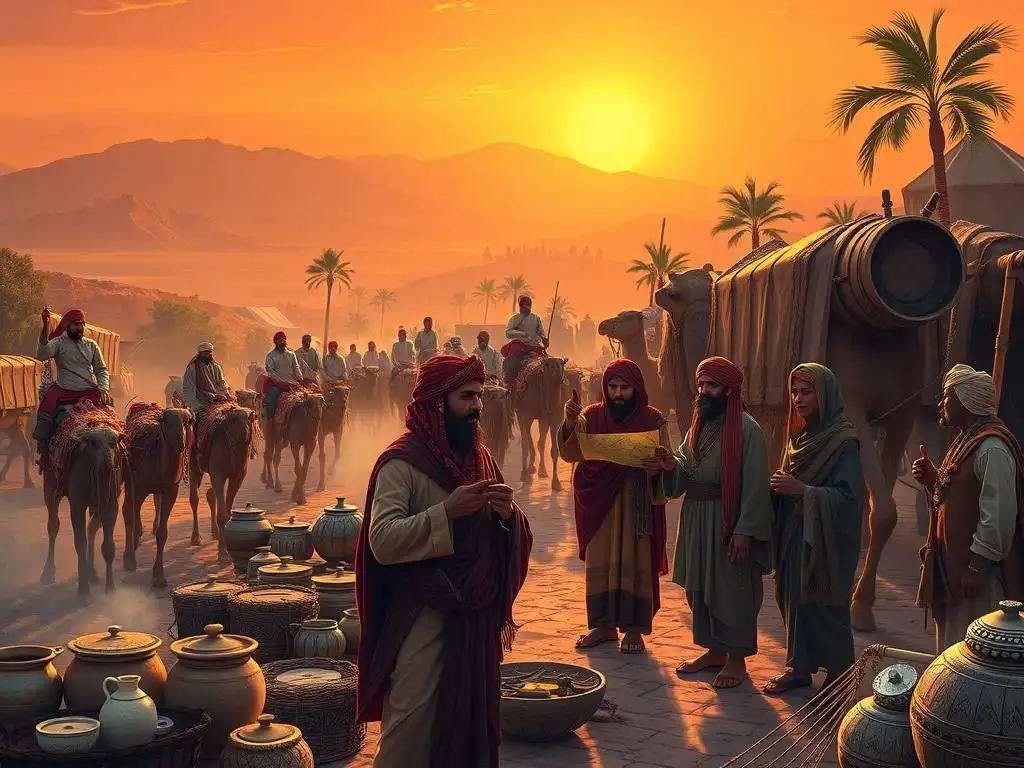
The trade routes of ancient India served as vital conduits for not only goods but also ideas and cultural practices, significantly impacting metallurgical knowledge and techniques. As merchants traveled along these routes, they exchanged not just commodities like spices, textiles, and metals, but also the technological advancements related to metallurgy. Different cultures influenced one another, leading to the incorporation of diverse metallurgical techniques and materials.
The movement of people and goods facilitated encounters between artisans and metallurgists from various regions. This rich tapestry of interactions allowed for the diffusion of knowledge, which was crucial for the development of sophisticated metallurgical practices. As cultures blended, so too did their metallurgical methods, leading to innovations that would shape the industry for centuries.
Moreover, the establishment of trade routes allowed for the specialization of certain regions in particular metallurgical practices. For example, the availability of specific ores influenced local metallurgical techniques, which were then shared along trade routes, enriching the metallurgical landscape of ancient India.
Cultural Exchanges and Their Impact on Metallurgical Advances
Cultural exchanges along ancient trade routes had profound implications for metallurgical advances. As traders and travelers interacted, they shared knowledge about different metalworking techniques, such as smelting, alloying, and crafting. This exchange was particularly evident in the case of iron and bronze metallurgy, where techniques from regions like Persia, Central Asia, and the Mediterranean influenced Indian practices.
For instance, the introduction of new alloys, such as brass, emerged from the amalgamation of knowledge from different cultures. The ability to produce high-quality bronze and brass items not only showcased artistic capabilities but also enhanced the functional applications of metals in tools and weapons. Additionally, the trade routes provided access to new resources, which further propelled innovation in metallurgy.
The cross-pollination of ideas led to advancements in furnace technology and the development of better tools for metalworking. This cultural synergy not only transformed local practices but also elevated the status of metallurgists within society as they became custodians of knowledge that was highly sought after.
Artistic Metallurgy: Crafting Techniques and Aesthetics
The artistic aspect of metallurgy flourished along ancient trade routes, where cultural influences melded to create unique crafting techniques and aesthetic forms. Metallurgists began to innovate, not just in functionality but also in artistry, leading to the creation of intricate metal artifacts that reflected the social and cultural narratives of their time.
Techniques such as damascening, where intricate patterns were inlaid into metal surfaces, became prominent. The fusion of different cultural styles resulted in distinctive items like jewelry, ceremonial weapons, and decorative pieces that were highly valued both for their beauty and craftsmanship. These artistic expressions were often tied to religious and cultural significance, illustrating the deep connection between metallurgy and the cultural identity of ancient civilizations.
Moreover, the demand for aesthetically pleasing metalwork fueled advancements in metallurgical techniques. The need for precision and detail in crafting led to the refinement of tools and methodologies used in metalworking. The artistry in metallurgy became a means of cultural expression, contributing to a legacy that would influence subsequent generations of artisans.
Conclusion: Legacy of Trade Routes in Metallurgical Development
The legacy of ancient Indian trade routes is evident in the significant advancements made in metallurgy through the exchange of knowledge and culture. These routes not only facilitated the movement of raw materials but also enabled the flow of ideas that were crucial for metallurgical innovation. The intertwining of cultures along these routes enriched metallurgical practices, leading to the development of sophisticated techniques that laid the foundation for future advancements.
Lasting Impacts on Modern Metallurgy
The influences of ancient Indian trade routes extend into modern metallurgy, as many foundational techniques and materials can be traced back to this rich history. The principles of alloying, smelting, and crafting developed during these times continue to inform contemporary metallurgical practices. Modern metallurgists still draw inspiration from ancient methods, adapting them to meet current technological demands.
Furthermore, the historical significance of these routes underscores the importance of collaboration and cultural exchange in the advancement of science and technology. As globalization continues to shape modern industries, the lessons learned from ancient trade routes remind us of the value of shared knowledge and cross-cultural interactions.
Reflection on Ancient Indian Trade Routes and Their Contributions
Reflecting on the ancient Indian trade routes reveals their crucial role in the development of metallurgy. These routes were more than just pathways for trade; they were avenues for cultural enrichment and technological progress. The metallurgical advancements spurred by these interactions not only shaped the economic landscape of ancient India but also contributed to a broader understanding of materials science that resonates to this day.
The contributions of these trade routes highlight the interconnectedness of civilizations and the importance of trade in the evolution of technology. As we explore the rich history of ancient Indian metallurgy, it becomes clear that the legacies of these trade routes continue to influence modern practices, celebrating a tradition of innovation that has endured through the ages.
References
The study of ancient Indian trade routes and their influence on metallurgy is greatly enriched by a variety of sources. These references span historical texts, archaeological reports, and modern research articles that provide insight into how trade facilitated the exchange of metallurgical knowledge across regions. Notable works include:
- "The Indus Civilization: A Contemporary Perspective": by Gregory L. Possehl, which discusses the technological advancements of the Indus Valley and its trading networks.
- "Metallurgy in Ancient India" by R. S. Sharma, which explores the techniques and materials used in ancient Indian metallurgy.
- "Trade and Traders in the Ancient World" by Peter J. Caesar, which examines the broader implications of trade in ancient civilizations, including India.
- "The Archaeology of Ancient India" by Ravi Korisettar, which provides a comprehensive overview of archaeological findings that link trade routes with metallurgical developments.
These references are essential for understanding the complex interplay between trade and metallurgy in ancient India.
Suggested Readings on Ancient Indian Metallurgy and Trade
For those interested in delving deeper into the topic of ancient Indian metallurgy and its connections to trade, the following readings are highly recommended:
- "Ancient Indian Metallurgy" by S. P. Gupta
- This book highlights the technological advancements in metallurgy across various ancient Indian civilizations and their implications for trade.
- "Silk Roads: Highways of Culture and Commerce" by Xinru Liu
- While focusing on the Silk Roads, this book provides context on how trade routes influenced technological exchanges, including metallurgy.
- "Trade and Technology in the Indian Ocean World" edited by R. A. B. Sutherland
- This compilation of essays covers various aspects of trade in the Indian Ocean, including the exchange of metallurgical techniques.
- "The Economic History of India" by Romila Thapar
- This text examines the economic aspects of ancient India, shedding light on how trade facilitated the spread of metallurgical knowledge.
- "Metals and Metalworking in Ancient India" by S. K. Gupta
- Focused specifically on metallurgy, this book discusses the various metals used in ancient India and their trade significance.
These readings provide a comprehensive understanding of how trade routes contributed to the advancement of metallurgical knowledge in ancient India.
Key Archaeological Findings Related to Trade and Metallurgy
Archaeological discoveries have played a pivotal role in revealing the connections between trade routes and metallurgical advancements in ancient India. Some key findings include:
- Indus Valley Civilization Sites: Excavations at sites such as Harappa and Mohenjo-Daro have uncovered sophisticated metallurgical workshops, revealing the production of copper, bronze, and bead-making techniques. These findings suggest that the Indus Valley was a significant center for metallurgy, with trade links extending to Mesopotamia and beyond.
- Taxila and the Gandhara Region: The ancient city of Taxila, a crucial hub on the trade routes, has yielded artifacts that demonstrate advanced metalworking techniques, including coins and sculpture. This indicates a flourishing trade network that facilitated the exchange of metallurgical knowledge.
- Archaeometallurgical Studies: Recent studies involving the analysis of ancient metal artifacts have shown the presence of specific alloys and techniques that suggest knowledge sharing between regions. For instance, the use of high-quality steel, known as Wootz steel, which was traded extensively, showcases advanced metallurgical practices linked to trade routes.
- Roman Trade Influence: Archaeological evidence indicates that ancient Indian goods, including metal products, were traded with Roman merchants. The discovery of Roman coins in Indian sites highlights the significance of trade in disseminating metallurgical expertise.
- Copper Mines of Rajasthan: Artifacts and mining tools found in the copper-rich regions of Rajasthan provide insight into the scale of copper production and its importance in trade. The interconnectedness of mining and trade routes contributed to advancements in metallurgy.
These archaeological findings underscore the significant role that trade routes played in advancing metallurgical knowledge in ancient Indian civilizations, illustrating a rich tapestry of cultural exchange and technological innovation.
- Introduction to Ancient Indian Trade Routes and Metallurgy
- Overview of Ancient Indian Trade Networks
- Importance of Trade Routes in Historical Context
- The Evolution of Metallurgical Techniques in Ancient India
- Influence of Trade Routes on Metallurgical Knowledge
- Specific Metals and Alloys Influenced by Trade
- The Interplay Between Culture and Metallurgy Along Trade Routes
- Conclusion: Legacy of Trade Routes in Metallurgical Development
- References
Frequently Asked Questions
What are the ancient Indian trade routes?
Ancient Indian trade routes were networks of paths that facilitated the exchange of goods and ideas across regions, linking India with Central Asia, China, and the Mediterranean.
How did trade routes influence metallurgy in ancient India?
Trade routes enabled the exchange of metallurgical knowledge, allowing craftsmen to access advanced techniques and materials, which significantly improved the quality of metalwork in ancient Indian civilizations.
What were some key metals traded along these routes?
Key metals traded included gold, silver, copper, and iron, which were essential for various applications, from jewelry to tools and weapons.
Which civilizations were most impacted by these trade routes?
Civilizations such as the Indus Valley, Maurya, and Gupta empires were significantly influenced, as they leveraged trade routes to enhance their metallurgical skills and economic prosperity.
What is the significance of metallurgy in ancient Indian history?
Metallurgy played a crucial role in ancient Indian history, impacting agriculture, craftsmanship, and trade, and contributing to the region's cultural and technological advancements.
Final Reflection: The Enduring Legacy of Ancient Trade Routes in Metallurgy
The intricate web of ancient Indian trade routes not only facilitated the exchange of goods but also served as a vital conduit for the dissemination of metallurgical knowledge. Today, as we navigate a world increasingly defined by globalization, the lessons from these historical pathways remind us of the profound impact that trade and cultural exchange have on technological advancement. The legacy of metallurgy, rooted in these ancient connections, continues to shape our understanding of materials and innovation.
The influence of these trade routes extends far beyond their historical context, weaving into the very fabric of our modern society. The sharing of metallurgical techniques among diverse cultures fostered advancements that laid the groundwork for contemporary practices. As we reflect on this, we are reminded of the words of historian Fernand Braudel: The Mediterranean is a world of exchanges, of trade routes, of the movement of goods and ideas.
This observation underscores the importance of interconnectedness in fostering progress, a principle that remains relevant as we face global challenges today.
As we conclude this exploration of ancient Indian trade routes and their role in metallurgy, I invite you to reflect on the interconnectedness of knowledge and culture in your own life. Consider how you can engage with diverse perspectives and share your own insights, just as those ancient traders did. By embracing the spirit of collaboration and exchange, we can continue to advance our understanding and appreciation of the world around us, ensuring that the legacy of these ancient routes lives on in our modern endeavors.
Unveil the Secrets of Ancient Trade Routes!
Thank you for joining us on this fascinating journey through the trade routes that shaped metallurgical knowledge in ancient India. Your interest helps illuminate our rich history and the remarkable innovations that altered societies. Now, it’s time to take that knowledge further!
Here’s how you can dive deeper and connect with this captivating subject:
- Explore Ancient Routes: Visit a local museum or heritage site that showcases artifacts from these trade routes. Engage with the displays and learn firsthand how these exchanges influenced metallurgy.
- Share with Your Network: Discuss this topic with friends or share your thoughts on social media! Start a conversation about how ancient trade can teach us valuable lessons relevant to today's global economy.
- Join Us: Connect with online history forums or groups focused on ancient civilizations. Share insights and contribute your perspective to enrich the community’s understanding.
What aspect of ancient trade routes intrigues you the most? Consider how they may have influenced modern technology and culture.