
The Transformation of Indian Society Through Metallurgical Advancements

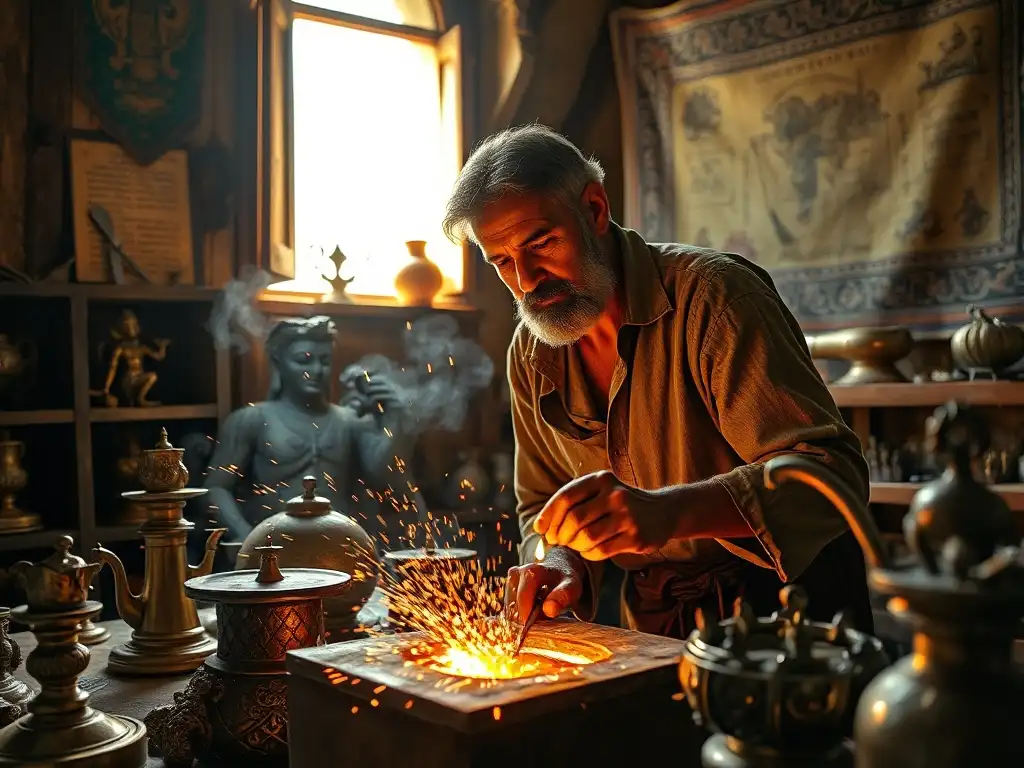
Welcome to Ancient India History, where we embark on an enlightening journey through the rich tapestry of India's past. Delve into the fascinating world of metallurgy in ancient India, a pivotal force that not only revolutionized technology but also transformed society as a whole.
In our featured article, "The Transformation of Indian Society Through Metallurgical Advancements," you'll uncover how innovations in metalworking shaped everything from trade to warfare, illuminating the ingenuity of civilizations from the Indus Valley to the Gupta Empire. Get ready to explore the captivating intersections of culture and innovation that defined an era—your adventure into the depths of ancient Indian history begins now!
- Introduction to Metallurgy in Ancient India
- Historical Context of Metallurgy in Ancient India
- Key Metallurgical Techniques and Innovations
- Impact of Metallurgy on Indian Society
- Case Studies of Prominent Metallurgical Developments
- Mythos and Realities of Metallurgy in Ancient India
- Conclusion: The Legacy of Metallurgy in Ancient India
-
Frequently Asked Questions
- What were the key metallurgical advancements in ancient India?
- How did metallurgy impact ancient Indian society?
- What were the main metals used in ancient Indian metallurgy?
- Which ancient Indian civilizations were known for their metallurgical skills?
- How did ancient Indian metallurgy compare to other ancient civilizations?
- Final Reflection: Metallurgy as a Catalyst for Change in Ancient India
- Unleash the Power of Metallurgy in India’s History!
Introduction to Metallurgy in Ancient India
Metallurgy in ancient India represents a pivotal chapter in the rich tapestry of Indian civilization, showcasing not only the technological prowess of its people but also the profound impact these advancements had on society, economy, and culture. From the sophisticated techniques developed during the Indus Valley Civilization to the refined processes that characterized the Gupta Empire, metallurgy played a crucial role in shaping the tools, weapons, and art forms that defined the era. As we delve into this fascinating topic, we will explore the various metallurgical advancements, their significance, and how they contributed to the transformation of Indian society.
Overview of Metallurgical Advancements
The journey of metallurgy in ancient India can be traced back to the early civilizations, where the knowledge of metal extraction and alloying began to flourish.
- Early Techniques: The Indus Valley Civilization (c. 3300–1300 BCE) is known for its early use of copper and bronze. Archaeological evidence suggests the production of tools, ornaments, and seals made from these metals, indicating advanced skills in metallurgy.
- Iron Age Innovations: The onset of the Iron Age around 1200 BCE marked a significant turning point. The development of iron smelting techniques allowed for the creation of stronger tools and weapons, which were pivotal in agriculture and warfare.
- Wootz Steel: One of the most remarkable metallurgical achievements was the production of Wootz steel, known for its durability and sharpness. This high-quality steel became renowned worldwide and was a significant export, influencing the development of metallurgy in other cultures.
- Alloying and Coating Techniques: Ancient Indian metallurgists also excelled in creating various alloys and employing coating techniques to enhance the properties of metals. For example, brass, an alloy of copper and zinc, became widely used for coins and decorative items.
Importance of Metallurgy in Ancient Indian Civilization
Metallurgy was not merely a technical achievement; it had far-reaching implications for the society and economy of ancient India.
- Economic Growth: The ability to produce metal tools and weapons contributed to agricultural productivity and military strength, leading to economic prosperity. This, in turn, facilitated trade both within and beyond Indian borders.
- Cultural Significance: Metallurgical advancements influenced art and craftsmanship, leading to intricate metalwork and sculptures that reflected the cultural and religious sentiments of the time.
- Societal Transformation: The availability of metal tools transformed everyday life, allowing for more efficient farming techniques, which supported growing populations and the emergence of urban centers.
- Technological Exchange: The advancements in metallurgy also fostered technological exchanges with neighboring cultures, enriching the Indian technological landscape and contributing to the global narrative of material science.
The evolution of metallurgy in ancient India was a complex interplay of technological innovation and societal change, laying the groundwork for future developments in both Indian history and the broader context of material science. As we continue to explore this subject, we will uncover the intricate details of these advancements and their lasting impact on Indian civilization.
Historical Context of Metallurgy in Ancient India
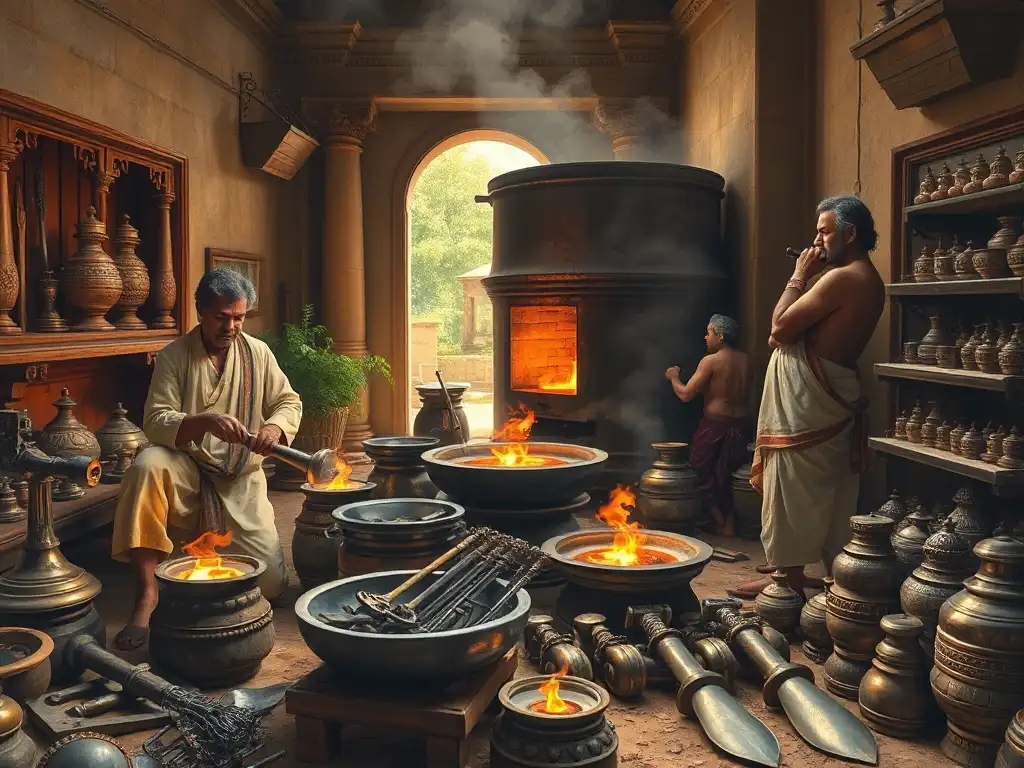
Metallurgy in ancient India represents a pivotal chapter in the technological advancements of human civilization. The origins of metalworking can be traced back to prehistoric times, and its evolution has significantly influenced the social, economic, and cultural aspects of Indian society. This section delves into the historical context of metallurgy, highlighting its development through various phases of ancient Indian history.
Prehistoric Metallurgy: The Earliest Evidence
The journey of metallurgy in ancient India begins with the prehistoric period, where the earliest evidence of metal usage is found. Archaeological excavations have uncovered traces of copper artifacts dating back to around 3000 BCE in regions like Baluchistan (modern-day Pakistan) and parts of northwestern India. These artifacts include:
- Copper tools and weapons: Such as knives, axes, and spearheads, which indicate the functional use of copper in daily life.
- Ornamental objects: Like beads and amulets, showcasing the aesthetic aspects of metalworking.
The advent of metallurgy in this era marked a significant transition from the Stone Age to the Metal Age, as communities began to exploit the properties of metals for various applications. The use of copper laid the foundation for more advanced metallurgical techniques in subsequent civilizations.
The Indus Valley Civilization and Early Metallurgical Practices
The Indus Valley Civilization (2600–1900 BCE) is often celebrated for its remarkable urban planning and sophisticated culture, but it also played a crucial role in the advancement of metallurgy. The evidence suggests that the inhabitants of this civilization employed metallurgy not just for utilitarian purposes, but also for trade and cultural expression. Key highlights include:
- Copper production: The Indus Valley artisans developed techniques for smelting and alloying copper with tin, resulting in the creation of bronze, which enhanced the durability and strength of tools and weapons.
- Trade networks: The metallurgy of the Indus Valley extended beyond local use; the region engaged in trade with contemporary civilizations, such as Mesopotamia, facilitating the exchange of metallurgical knowledge and materials.
- Craftsmanship and artistry: Artisans produced intricate metalwork, including figurines and decorative items, which reflect the high level of skill and creativity in metallurgy. The famous Dancing Girl statuette, made of bronze, exemplifies the artistry of the time.
The Role of Metallurgy in the Vedic Period
The Vedic period (1500–500 BCE) represents another significant phase in the evolution of metallurgy in ancient India. This era saw a transition in metallurgical practices that aligned with the socio-economic changes within society. Notable aspects include:
- Textual references: The Vedas, ancient Indian scriptures, contain descriptions of various metals and their uses. For example, references to gold (hiranya), silver (rajata), and copper (tāmra) indicate a growing appreciation and demand for these materials.
- Iron metallurgy: The introduction of iron marked a revolutionary advancement in metallurgy. The use of wrought iron for tools and weapons significantly improved agricultural productivity and warfare capabilities. Iron plows, for instance, transformed agriculture, allowing for the cultivation of previously uncultivated land.
- Cultural and religious significance: Metals also held important cultural and religious meanings. Rituals and ceremonies often involved the use of metal objects, further embedding metallurgy into the fabric of Vedic society.
Through these transformative phases, metallurgy in ancient India not only advanced technologically but also shaped the very structure of society, contributing to economic growth and cultural richness. The legacy of these metallurgical advancements continues to resonate in modern India, showcasing the enduring impact of ancient innovations.
Key Metallurgical Techniques and Innovations
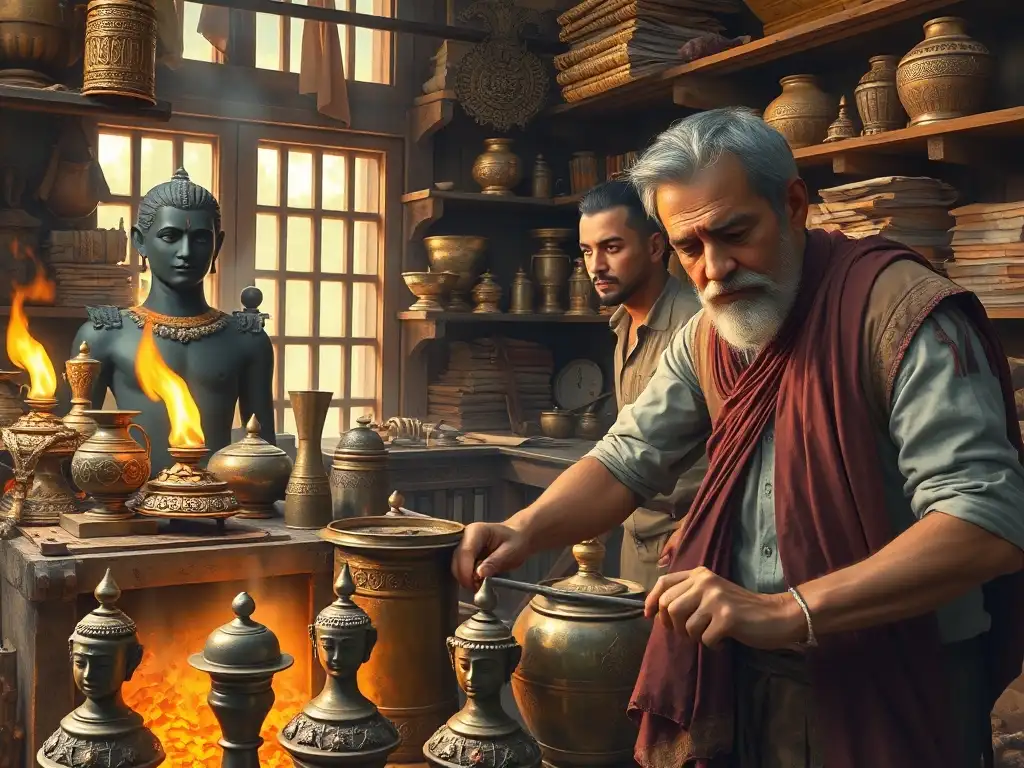
Techniques of Metal Extraction and Processing
In ancient India, metallurgy was not merely a craft but a sophisticated science that involved various techniques for the extraction and processing of metals. The two predominant methods for metal extraction were smelting and refining.
- Smelting: This process involved heating ores to their melting point in order to extract metal. The most commonly used raw materials were copper, tin, and lead.
- Copper Smelting: The Indus Valley Civilization (circa 3300–1300 BCE) showcased advanced copper smelting techniques. Archaeological sites such as Harappa and Mohenjo-Daro have revealed remnants of furnaces and slag, indicating high-temperature processes which could reach up to 1,100 °C.
- Iron Smelting: By the early centuries of the Common Era, iron metallurgy had gained prominence. The Wootz steel production, originating from South India, was particularly noted for its high carbon content, resulting in a superior quality of steel known for its ability to be crafted into sharp and durable blades.
- Refining: After extraction, metals often underwent refining to remove impurities. Techniques such as cupellation and blast furnace refining were employed.
- Cupellation: This method was used primarily for silver extraction. It involved heating the metal in a furnace with a flux to separate impurities, a practice that demonstrated an understanding of both chemistry and material properties.
- Blast Furnaces: With advancements in technology, large blast furnaces were developed, allowing for the efficient production of cast iron and later, steel.
The combination of these techniques led to significant advancements in metalworking and established a foundation for further innovations in metallurgy in ancient India.
Development of Alloys: Brass and Bronze in Ancient India
The development of alloys represents a significant milestone in ancient Indian metallurgy. Brass and bronze were two key alloys that played pivotal roles in various applications, ranging from tools to artistic creations.
- Bronze: An alloy primarily composed of copper and tin, bronze became increasingly popular in ancient India around 3000 BCE. The casting techniques employed for bronze allowed artisans to create intricate sculptures and tools.
- Lost-Wax Casting: This technique involved creating a wax model of the desired object, covering it with clay, and then heating it to melt away the wax, leaving a mold for bronze casting. Artifacts such as the famous Dancing Girl of Mohenjo-Daro exemplify this technique's effectiveness.
- Cultural Significance: Bronze tools and weapons revolutionized agriculture and warfare, contributing immensely to societal advancement during the Chalcolithic period.
- Brass: Brass, an alloy of copper and zinc, came into prominence later, around the 5th century BCE. Its malleability and resistance to corrosion made it ideal for various applications.
- Production Techniques: Techniques such as cementation were used for producing brass, where zinc ores were roasted with copper to create the alloy.
- Artistic Expressions: Brass was not only utilitarian but also used in religious artifacts and decorative items, showcasing the artistic prowess of ancient Indian artisans.
The mastery of alloy production in ancient India not only highlights the technological advancements of the time but also reflects the cultural and economic exchanges that shaped Indian civilization.
Advanced Smelting Techniques and Furnaces
The evolution of smelting techniques and furnace designs in ancient India demonstrates a remarkable understanding of thermodynamics and material properties that significantly advanced metallurgical practices.
- Types of Furnaces: Ancient Indian metallurgists developed various types of furnaces suited for different metals and processes.
- Pit Furnaces: Early smelting operations often used pit furnaces, which involved digging a pit and lining it with clay. They were primarily used for copper and bronze smelting.
- Blast Furnaces: By the late first millennium BCE, more sophisticated blast furnaces emerged, capable of reaching higher temperatures necessary for iron smelting. These furnaces incorporated bellows to increase air flow, enhancing combustion.
- Innovations in Smelting Techniques:
- Direct Reduction: This technique allowed for the extraction of metal from its ore without the need for melting it completely. The use of carbon-rich materials as reducing agents was a significant step towards efficient metal production.
- High-Temperature Smelting: The ability to achieve high temperatures in furnaces facilitated the transition from wrought iron to cast iron, enabling the production of more durable and versatile tools and weapons.
The advancements in smelting techniques and the design of furnaces not only improved the efficiency of metal production but also contributed to the economic and military strength of ancient Indian civilizations. This technological prowess laid the groundwork for future developments and innovations in metallurgy in the region.
Impact of Metallurgy on Indian Society
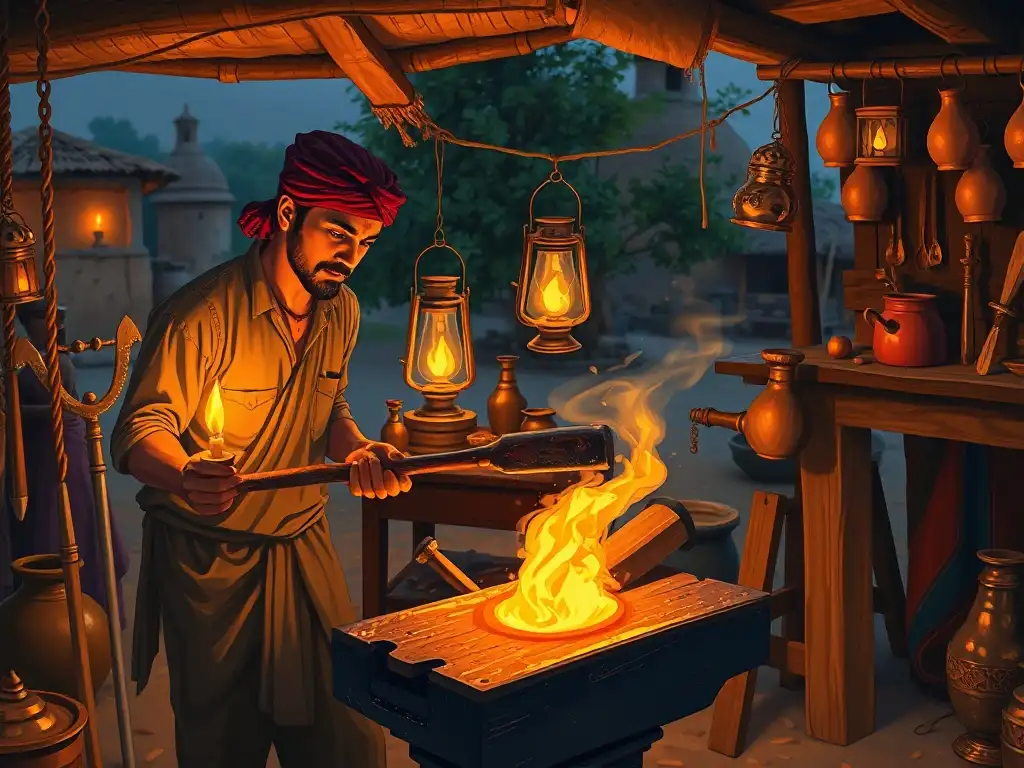
Metallurgy in ancient India played a crucial role in transforming various aspects of society, including economic structures, craftsmanship, and military capabilities. The advancements in metalworking techniques not only facilitated trade but also influenced cultural practices and societal organization.
Economic Growth and Trade Influences
The evolution of metallurgy in ancient India significantly contributed to economic growth and established robust trade networks.
- Metals and Currency: The introduction of metals such as copper, bronze, and later iron allowed for the creation of coins, which revolutionized trade practices. The use of metallic currency enabled easier commerce compared to barter systems, fostering economic interactions both locally and with distant regions.
- Trade Routes: Metallurgical advancements also enhanced the quality of tools and equipment used in agriculture and mining. Improved plows and irrigation systems increased agricultural productivity, which in turn supported larger populations and stimulated trade. Key trade routes, such as the Silk Road, facilitated the exchange of Indian metals and metallurgical expertise with other civilizations, leading to economic prosperity.
- Export of Metal Goods: Indian craftsmen were renowned for their metalwork, producing high-quality goods that were highly sought after in international markets. For instance, the export of iron tools and weapons not only brought wealth to Indian states but also established India as a dominant player in regional trade.
Metallurgy and Craftsmanship: The Role of Artisans
Artisans played a pivotal role in the development of metallurgy in ancient India, becoming key figures in the cultural and economic fabric of society.
- Specialization and Guilds: The rise of metallurgy led to the emergence of specialized artisan guilds. These guilds were responsible for the training and dissemination of metallurgical techniques, ensuring the preservation and evolution of skills across generations. Each guild focused on specific metalwork, such as goldsmithing or blacksmithing, contributing to a diverse range of metal products.
- Cultural Significance: Metalwork was not merely functional; it also held cultural importance. Artisans crafted intricate designs on metal objects, which were often used in religious rituals and ceremonies. The artistry displayed in metal sculptures, jewelry, and ceremonial weapons reflected the societal values and beliefs of the time.
- Technological Innovations: The collaboration among artisans led to technological innovations, such as the development of advanced smelting techniques and alloy production. For example, the creation of high-carbon steel in the form of wootz steel was a hallmark of Indian metallurgy, renowned for its strength and quality.
Metallurgical Innovations and Warfare
Metallurgical advancements had profound implications for warfare in ancient India, enhancing military effectiveness and changing the dynamics of conflict.
- Weaponry Development: The transition from bronze to iron metallurgy marked a significant evolution in weaponry. Iron weapons were not only stronger but also more durable, giving armies a substantial advantage in battles. The production of swords, spears, and shields became more efficient, allowing for better-equipped military forces.
- Fortifications and Tools: Metallurgy also contributed to the construction of fortifications and military tools. The ability to create strong metal components for gates, armor, and siege engines improved the defensive and offensive capabilities of kingdoms. This technological edge often determined the outcomes of territorial disputes.
- Impact on Military Strategies: The innovations in metallurgy influenced military strategies and tactics. Armies equipped with superior metal weapons could engage in prolonged conflicts and maintain larger fighting forces. This shift in capability led to the formation of more centralized and organized states, as the need for a structured military became apparent.
Metallurgy in ancient India was a transformative force that reshaped economic practices, craftsmanship, and military power. The advancements in metalworking not only fostered trade and artisanal specialization but also played a critical role in the evolution of warfare strategies, ultimately contributing to the development of ancient Indian civilization.
Case Studies of Prominent Metallurgical Developments
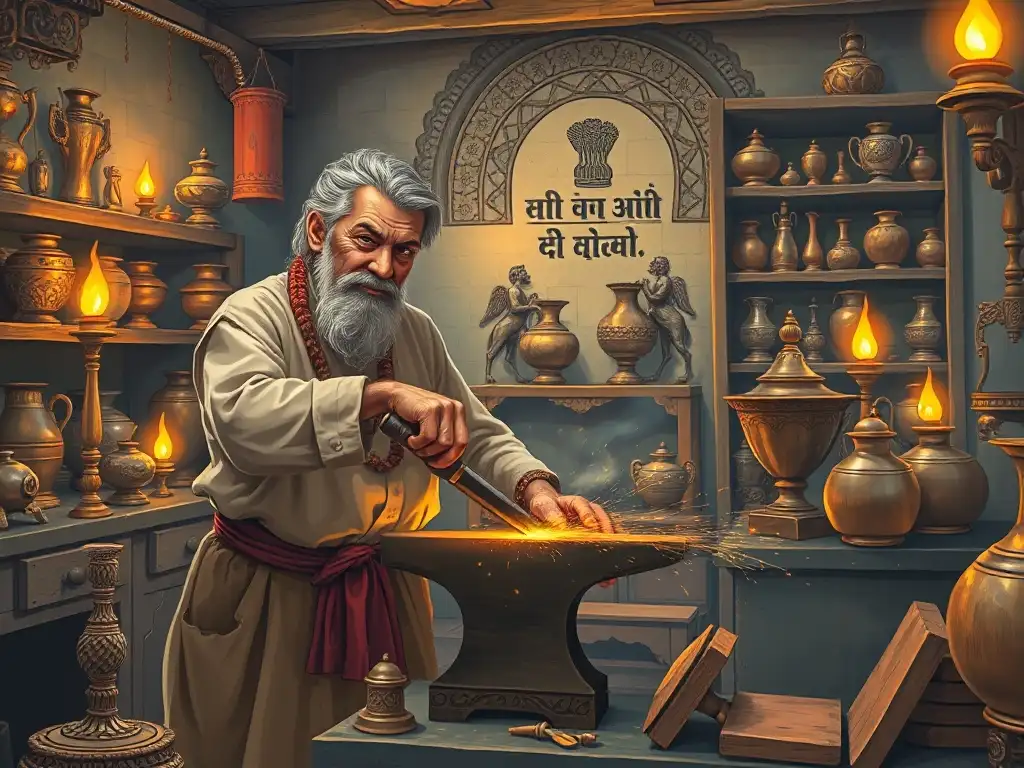
The Iron Pillar of Delhi: An Engineering Marvel
The Iron Pillar of Delhi, a remarkable example of ancient Indian metallurgy, stands as a testament to the advanced technological capabilities of the time. Erected during the reign of Chandragupta II around the 4th century CE, this 7-meter tall pillar weighs approximately 6,000 kilograms. Its unique composition and construction have intrigued historians and metallurgists alike.
Composition and Corrosion Resistance
- Material Composition: The pillar is primarily made of wrought iron, with a high phosphorus content, which contributes to its strength and durability.
- Corrosion Resistance: Remarkably, the pillar has withstood the test of time and the rigors of weather. Its resistance to corrosion is attributed to the formation of a protective layer of magnetite on its surface, a phenomenon that has been extensively studied.
The Iron Pillar is not just a marvel of engineering; it is a symbol of India's rich metallurgical heritage.
The Use of Steel in Ancient Indian Weaponry
Ancient India was renowned for its production of high-quality steel, particularly the famous Wootz steel, which was exported to various parts of the world. This steel was known for its exceptional hardness and ability to hold a sharp edge, making it ideal for weaponry.
Production Techniques
- Crucible Process: The Wootz steel was produced using a method known as the crucible process, where iron was melted with specific carbon-rich materials. This technique allowed for a uniform distribution of carbon, resulting in high-quality steel.
- Tampering Techniques: Ancient artisans employed complex tampering techniques to enhance the steel's properties, which included folding and hammering. This not only improved its strength but also created intricate patterns on the blades.
Applications in Weaponry
- Swords and Daggers: The superior quality of ancient Indian steel made it highly sought after for crafting swords, daggers, and other weapons.
- Cultural Significance: The craftsmanship involved in weapon making often reflected the social status of the owner, with elaborate designs signifying power and prestige.
Contributions of Ancient Indian Metallurgy to the World
The advancements in metallurgy in ancient India had a profound impact on global practices, influencing various regions and cultures.
Global Influence on Metallurgical Techniques
- Spread of Wootz Steel: The reputation of Wootz steel crossed borders, with artisans in regions such as the Middle East and Europe adopting the techniques for their own steel production.
- Cultural Exchange: The trade routes established during ancient times facilitated the exchange of metallurgical knowledge, allowing for the diffusion of techniques and innovations.
Innovations in Tool Making
- Agricultural Tools: The production of durable agricultural tools significantly improved farming practices, contributing to food security and economic stability in ancient Indian society.
- Architectural Advancements: The use of advanced metallurgy in construction techniques allowed for the development of intricate architectural marvels, further showcasing India's innovative spirit.
The study of metallurgy in ancient India reveals a rich tapestry of innovation and cultural significance that not only shaped the Indian subcontinent but also had lasting impacts across the globe. The legacy of ancient Indian metallurgical advancements continues to inspire and inform modern practices in material science and engineering.
Mythos and Realities of Metallurgy in Ancient India
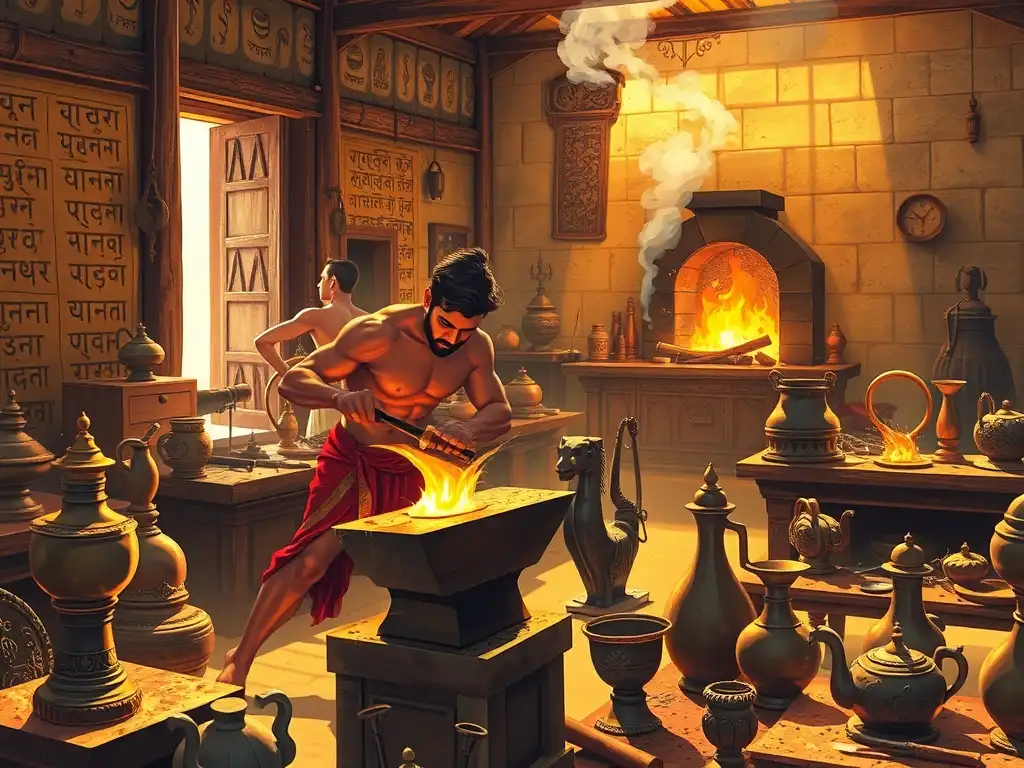
Common Misconceptions About Ancient Indian Metallurgy
Metallurgy in ancient India has often been shrouded in myths and misconceptions that obscure the true achievements of this civilization. One prevalent misconception is that ancient Indian metallurgists primarily focused on gold and silver, neglecting other metals. In reality, while precious metals were indeed valued, significant advancements were made in the extraction and use of various other metals, especially iron and copper.
Another myth is that the techniques used by ancient Indian metallurgists were rudimentary compared to those in other civilizations. Contrary to this belief, archaeological findings indicate that Indian metallurgists possessed sophisticated knowledge of metalworking processes. For example, the production of high-quality steel, known as Wootz steel, showcased advanced techniques such as carburization, which enhanced its strength and durability.
Moreover, some narratives suggest that metallurgy in ancient India was solely a product of external influences. However, evidence shows that Indian metallurgical practices evolved independently, driven by local resources and innovations. The Indus Valley Civilization (circa 3300–1300 BCE) is a prime example, where early forms of metallurgy were integrated into daily life, with tools and artifacts made from copper and bronze unearthed in various sites.
The Actual Achievements and Contributions
The contributions of ancient Indian metallurgy are both profound and far-reaching. One of the most notable achievements is the development of iron metallurgy, which revolutionized agricultural practices and warfare. The Iron Pillar of Delhi, a testament to advanced metallurgy, stands at 7 meters tall and weighs over 6 tons. This pillar, made of 98% wrought iron, showcases the knowledge of rust-resistant alloys, as it has withstood the test of time without significant corrosion for over 1,600 years.
Furthermore, ancient Indian metallurgists made significant strides in producing high-quality alloys. The mastery of brass production, combining copper and zinc, allowed for the creation of durable tools and decorative items. The Kalaripayattu, a traditional martial art form, utilized brass weapons, highlighting the practical applications of metallurgy in society.
The Chola dynasty (9th to 13th centuries CE) is another exemplary period for metallurgical advancements. The Cholas not only excelled in the production of bronze statues, which were intricately cast using the lost-wax technique, but they also contributed to the development of naval technology, enhancing maritime trade. These bronze sculptures are revered not just for their artistic value but also for the metallurgical techniques employed, which included the use of alloys that provided strength and aesthetic appeal.
The narrative of metallurgy in ancient India is one of innovation and resilience. By debunking misconceptions and highlighting actual achievements, we can appreciate the sophisticated metallurgical practices that significantly influenced not only Indian society but also the broader technological landscape of the ancient world.
Conclusion: The Legacy of Metallurgy in Ancient India
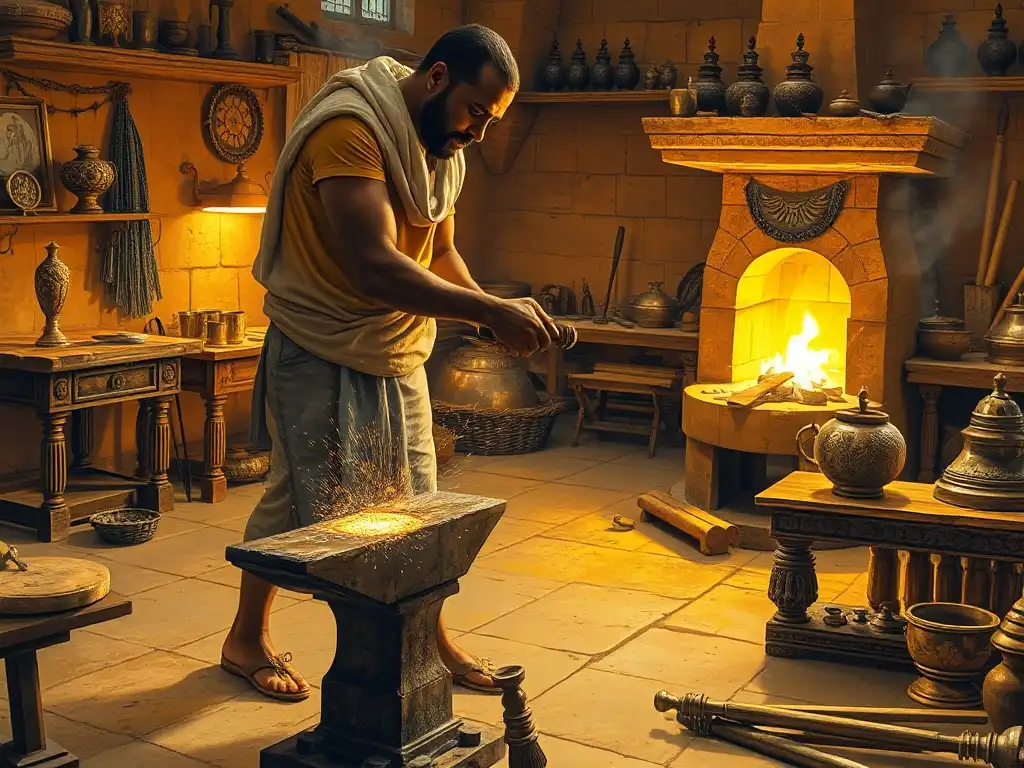
The legacy of metallurgy in ancient India is a testament to the ingenuity and resourcefulness of its civilizations. Spanning from the Indus Valley Civilization to the Gupta Empire, advancements in metallurgy not only transformed the material culture of the time but also laid the groundwork for modern practices. The techniques developed in ancient India, such as smelting, alloying, and metalworking, were not merely practical; they represented a deep integration of scientific understanding and cultural expression.
The skills of ancient metallurgists, who mastered the art of extracting and refining metals, resulted in the production of high-quality tools, weapons, and decorative items. The ability to create alloys like bronze and brass showcased the advanced knowledge of materials, which would influence metallurgical practices across the world. Moreover, the philosophical and spiritual dimensions associated with metallurgy, such as the significance of metals in religious rituals, enriched the cultural fabric of Indian society.
Lasting Influence on Modern Metallurgical Practices
The advancements in metallurgy during ancient India have profoundly influenced modern metallurgical practices. Techniques such as the production of high-quality steel, particularly the famed Wootz steel, exemplify how ancient methodologies have shaped contemporary metalworking. Wootz steel, known for its remarkable strength and ability to be honed to a sharp edge, became the precursor to various forms of modern steel production.
| Ancient Technique | Modern Application |
|---|---|
| Wootz Steel Production | Development of high-performance steel grades |
| Alloying Methods | Advanced alloy development in aerospace and automotive industries |
| Smelting Techniques | Modern metallurgical processes for metal extraction |
Additionally, the metallurgical knowledge passed down through generations has not only inspired engineers and scientists but also led to innovations in recycling and sustainable practices in metallurgy. The ancient emphasis on utilizing local resources and minimizing waste resonates with today’s focus on sustainable development and eco-friendly practices in material science.
Reflection on the Cultural Significance of Metallurgy in Ancient India
Metallurgy in ancient India was not solely a technical endeavor; it played a crucial role in the cultural and social dynamics of the time. The production of intricate metal artifacts, from ceremonial items to everyday tools, reflected the aesthetic values and technological prowess of ancient Indian societies. The craftsmanship involved in creating these objects was often celebrated in literature and art, illustrating the high regard for metalworkers and their skills.
Moreover, metallurgy was intertwined with the spiritual beliefs of the time. Metals were often associated with various deities, and the act of metalworking could be seen as both a scientific and sacred practice. Temples and shrines frequently featured metal sculptures and ornaments, emphasizing the importance of metallurgy in religious contexts.
The cultural significance of metallurgy in ancient India extends beyond its practical applications, revealing a rich tapestry of innovation, artistry, and spirituality. This multifaceted legacy continues to inspire and inform contemporary practices and values in metallurgy and beyond.
Frequently Asked Questions
What were the key metallurgical advancements in ancient India?
Ancient India saw significant metallurgical advancements, including the production of high-quality steel (Wootz steel) and brass, which were highly sought after for their durability and craftsmanship.
How did metallurgy impact ancient Indian society?
The advancements in metallurgy led to improved tools and weapons, facilitating agriculture, trade, and warfare, thus significantly transforming social and economic structures in ancient Indian society.
What were the main metals used in ancient Indian metallurgy?
The primary metals used included copper, bronze, and iron. Each played a crucial role in various applications, from tools and ornaments to construction and military equipment.
Which ancient Indian civilizations were known for their metallurgical skills?
Civilizations such as the Indus Valley Civilization and the Gupta Empire were renowned for their metallurgical skills, showcasing advanced techniques in producing various metals and alloys.
How did ancient Indian metallurgy compare to other ancient civilizations?
Ancient India was notable for its innovative techniques and high-quality metal production, often rivaling other civilizations like those in China and the Middle East in terms of quality and craftsmanship.
Final Reflection: Metallurgy as a Catalyst for Change in Ancient India
The exploration of metallurgy in ancient India reveals not only the technological prowess of the civilization but also its profound impact on societal transformation. As we delve into the intricate relationship between metallurgy and the evolution of Indian society, we recognize that these advancements were not merely about the creation of tools and artifacts; they were pivotal in shaping trade, culture, and social structures. Today, as we face rapid technological changes, the lessons from ancient metallurgical practices remind us of the enduring power of innovation and its ability to redefine communities.
The influence of metallurgy in ancient India extends far beyond the physical artifacts it produced; it has woven itself into the very fabric of cultural identity and social dynamics. The mastery of metalworking fostered economic growth, facilitated trade routes, and encouraged artistic expression, ultimately leading to a more interconnected society. This historical narrative resonates with the present, as we continue to witness how technological advancements can bridge gaps and foster collaboration. Innovation is the ability to see change as an opportunity – not a threat.
– Anonymous. This quote encapsulates the spirit of transformation that metallurgy ignited in ancient India, a spirit that remains relevant today.
As we reflect on the lessons of metallurgy and its transformative power, I invite you to consider how you can harness innovation in your own life. Whether through embracing new technologies, fostering creativity, or seeking collaborative opportunities, each of us has the potential to be a catalyst for change. Let the legacy of ancient Indian metallurgical advancements inspire you to forge your own path, transforming challenges into opportunities and contributing to the ongoing evolution of society.
Unleash the Power of Metallurgy in India’s History!
Thank you for diving into the transformative journey of metallurgical advancements in Indian society! By exploring these incredible innovations, you’ve uncovered how they paved the way for significant cultural and technological shifts throughout our history.
Now, it’s time to take action and continue your exploration:
- Join a local historical society or metallurgy workshop to learn firsthand about ancient techniques and tools.
- Share your insights with friends and family to spark conversations about India’s rich heritage.
- Discover lesser-known metallurgical achievements by visiting museums or exploring online exhibitions that celebrate India's ancient craftsmanship.
What aspect of India’s metallurgical innovations fascinates you the most, and how do you think it shapes our understanding of history?