
The Technological Advancements of Ancient India's Iron Age

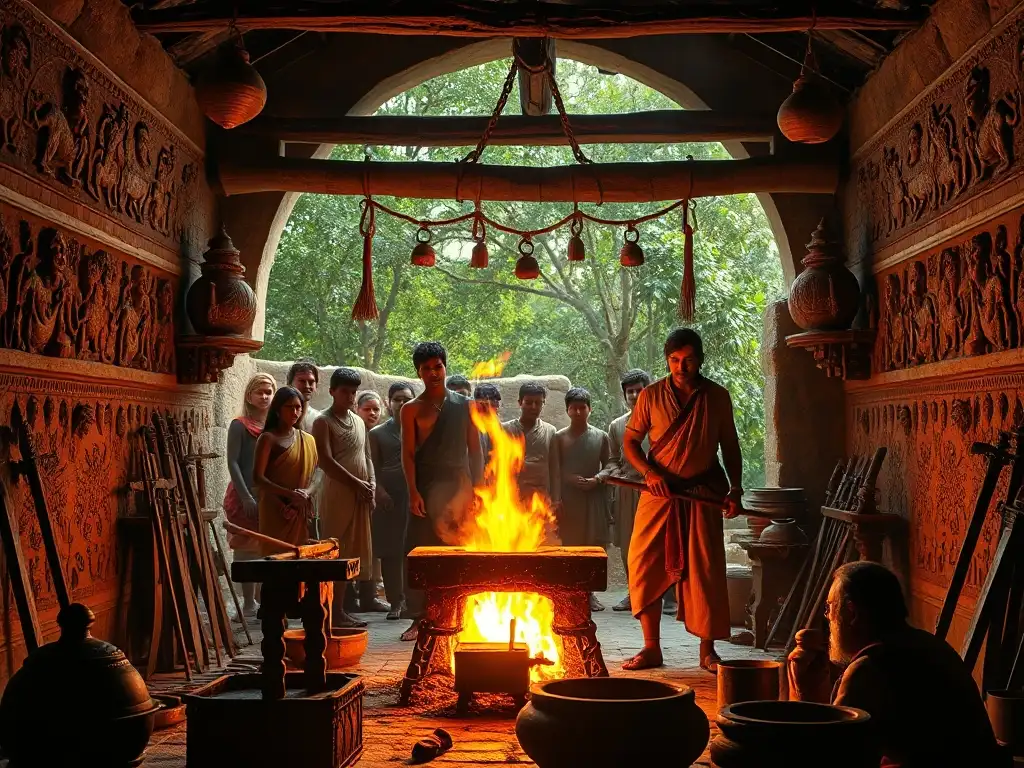
Welcome to Ancient India History, where we embark on a fascinating journey through time to uncover the rich tapestry of ancient Indian civilizations. From the bustling streets of the Indus Valley to the intellectual realms of the Gupta Empire, our website delves deep into the myriad contributions that have shaped history. In our featured article, "The Technological Advancements of Ancient India's Iron Age," we unveil the remarkable innovations in ancient Indian Iron Age technology that not only revolutionized daily life but also laid the groundwork for future advancements.
Prepare to be intrigued as we explore the ingenuity of those who came before us, and discover how their legacy continues to influence our world today. Dive in and let the exploration begin!
Introduction to Ancient Indian Iron Age Technology
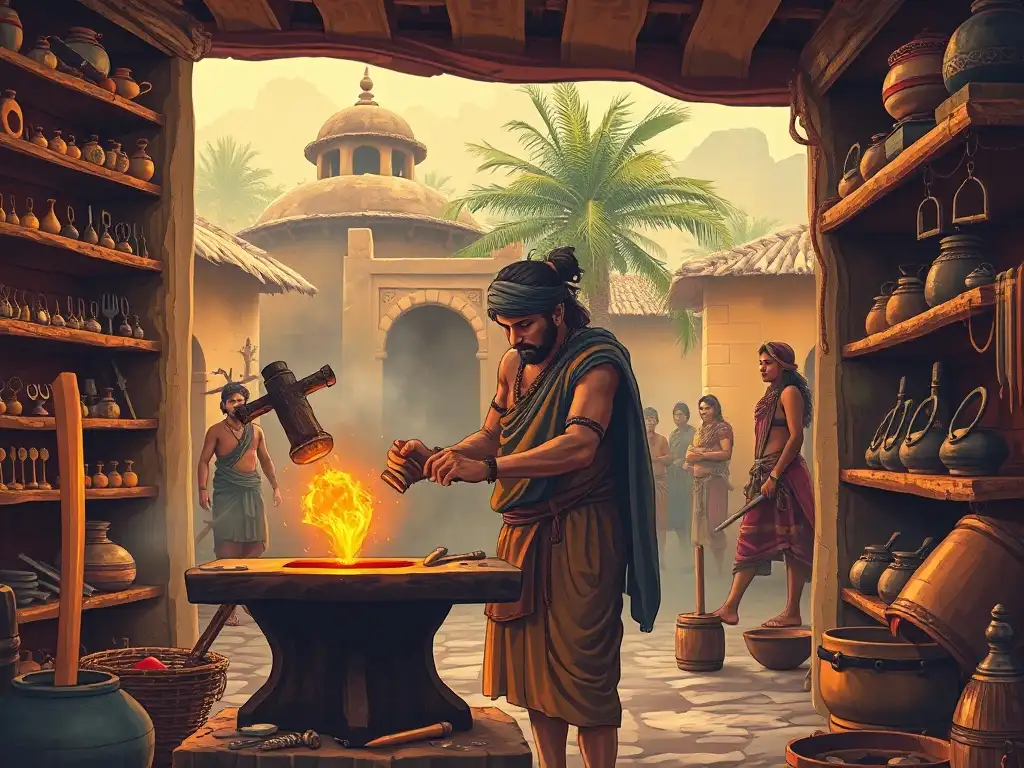
The Iron Age marks a pivotal era in the history of civilizations worldwide, characterized by the widespread use of iron tools and weapons that significantly transformed societies. In ancient India, this period was not only a time of technological innovation but also a phase that catalyzed socio-economic development, cultural exchanges, and urbanization.
From the Indus Valley to the later empires, the advancements in metallurgy and material science during this time laid the foundation for subsequent progress in various fields. This article will delve into the intricacies of ancient Indian Iron Age technology, examining its key innovations, the development of iron smelting techniques, and the critical role of carbon in ancient metallurgy.
Overview of the Iron Age in Ancient India
The Iron Age in ancient India is typically dated from around 1200 BCE to 300 CE, a time frame marked by significant changes in societal structures, agriculture, and trade. Archaeological findings suggest that iron was first used in the Indian subcontinent in the form of tools and weapons, which provided advantages over earlier bronze counterparts. The emergence of the Iron Age is closely linked to the rise of various regional cultures, including the Vedic civilization, which saw the integration of iron technology into daily life and warfare.
- Features of the Iron Age:
- Emergence of fortified settlements and urban centers.
- Expansion of agricultural practices due to improved tools.
- Increased trade networks facilitated by iron tools.
The Iron Age was not just about the introduction of a new material; it represented a transformative period in which iron became a symbol of power and prosperity, influencing various aspects of life, including warfare and agriculture.
Significance of Iron Age Technology in Indian Civilization
The technological advancements during the Iron Age played a critical role in shaping ancient Indian civilization. The introduction of iron tools and weapons allowed for more efficient farming, leading to increased productivity and surplus production. This surplus facilitated trade and the growth of urban centers, contributing to the rise of complex societies.
- Cultural Impact:
- Enhanced agricultural yields contributed to population growth.
- The proliferation of iron tools supported artisan crafts and trade.
The significance of ancient Indian Iron Age technology extends beyond mere utility; it represents a crucial chapter in the evolution of civilization, demonstrating how technological innovations can spur socio-economic development and cultural richness.
Key Innovations in Ancient Indian Iron Age Metallurgy
As we explore the specific innovations that defined ancient Indian Iron Age metallurgy, it becomes evident that this period was marked by remarkable advancements that set the stage for future developments in material science.
Development of Iron Smelting Techniques
The development of iron smelting techniques was a cornerstone of ancient Indian metallurgy. Various methods were employed to extract iron from ore, including the bloomery process, which allowed for the production of wrought iron. This process involved heating iron ore with charcoal in a furnace, resulting in the formation of a spongy mass of iron, known as a bloom, that could be further shaped into tools and weapons.
- Key aspects of iron smelting:
- Use of charcoal as a reducing agent, which was abundant and efficient.
- The transition from small-scale, localized smelting operations to larger, more organized production.
The mastery of iron smelting not only contributed to the availability of iron but also fostered local economies and trade networks.
Advances in Iron Production: From Wrought Iron to Steel
Ancient Indian metallurgists were pioneers in producing high-quality wrought iron, which was known for its strength and malleability. However, what set ancient Indian technology apart was the ability to produce steel, particularly through techniques like wootz steel, which was characterized by its high carbon content and unique properties.
- Characteristics of Wootz Steel:
- Durable and capable of being honed to a sharp edge.
- Highly sought after in trade, influencing global metallurgy.
The advances in iron production during this period not only met local demands but also placed ancient India at the forefront of metallurgical innovation.
Role of Carbon in Ancient Indian Metallurgy
Carbon played a crucial role in the development of iron and steel during the Iron Age. The control of carbon content in iron production allowed for the creation of different grades of steel, which could be tailored for specific uses, from weaponry to agricultural tools.
- Importance of Carbon:
- Enhanced the hardness and toughness of iron.
- Allowed for the creation of alloys that improved performance.
The understanding of carbon's role in metallurgy illustrates the sophistication of ancient Indian metallurgical practices, highlighting their contributions to material science that would influence future generations.
Tools and Implements: The Impact of Iron Age Technology
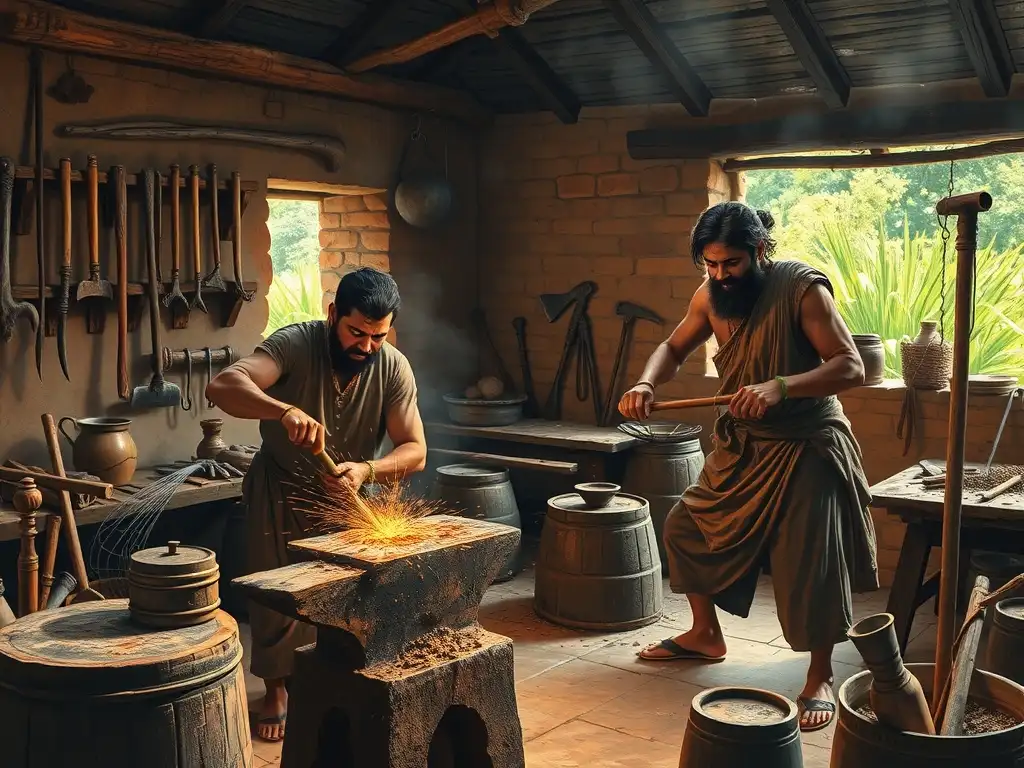
The Iron Age in ancient India marked a significant transition in various aspects of life, particularly through the development and use of iron tools and implements. The introduction of iron technology revolutionized agriculture, warfare, and domestic life, providing communities with improved efficiency and effectiveness in daily tasks. This period saw the emergence of specialized tools that catered to the diverse needs of society, ultimately leading to substantial advancements in productivity and economic stability. The ability to forge durable iron tools was a game changer, influencing both individual livelihoods and broader societal structures.
Agricultural Tools: Ploughs and Implements
The advent of iron technology significantly transformed agricultural practices in ancient India. Iron ploughshares replaced the wooden ones, offering greater durability and the ability to till tougher soil. This enhancement allowed farmers to cultivate larger expanses of land more efficiently. The use of iron sickles improved the harvesting process, making it quicker and less labor-intensive. Furthermore, the increased productivity from these advancements supported population growth, as surplus crops could be produced and stored.
Iron's strength also enabled the creation of other vital agricultural implements, such as hoes and spades, which facilitated various farming activities. With improved tools, farmers could engage in crop rotation and other advanced methods, enhancing soil fertility and yields. As a result, agricultural productivity flourished, contributing to the stability and prosperity of ancient Indian societies.
Weaponry: The Evolution of Iron Tools for Warfare
The introduction of iron tools fundamentally altered the landscape of warfare in ancient India. Iron weapons, including swords, spears, and arrows, became more prevalent, replacing earlier bronze and wooden implements. The superior strength and sharpness of iron allowed for more effective combat strategies and increased the lethality of warfare.
This technological evolution fostered the rise of powerful kingdoms and empires, as those equipped with advanced iron weaponry gained significant advantages over their rivals. The development of specialized iron armor and shields further enhanced the protective capabilities of warriors, leading to more organized and sophisticated military formations. The impact of iron technology on warfare not only shaped the political landscape but also influenced trade as the demand for iron weapons surged, further integrating various regions within ancient India.
Domestic Tools: Enhancing Daily Life with Iron
Iron technology also permeated domestic life, enhancing the quality of life for many individuals in ancient Indian societies. The production of iron cooking implements, such as pots and pans, improved food preparation and preservation, allowing families to prepare a wider variety of dishes.
Additionally, the use of iron nails and fasteners in construction led to stronger and more durable structures, which were essential for both residential and communal buildings. Iron tools such as knives and axes facilitated various domestic tasks, from cooking to crafting, thus increasing overall efficiency within households. As a result, the integration of iron into everyday life allowed for greater leisure time and the pursuit of crafts and arts, contributing to the rich cultural tapestry of ancient India.
Trade and Economic Impact of Iron Age Technology
The technological advancements of the Iron Age had profound implications for trade and economic development in ancient India. The ability to produce iron on a larger scale not only enhanced local economies but also fostered inter-regional trade. Iron became a key commodity, with its demand driving trade networks that connected various regions.
The Role of Iron in Trade Networks
Iron technology facilitated the establishment of extensive trade networks across ancient India. As iron tools and weapons became highly sought after, they were traded not only locally but also with neighboring regions. This exchange of goods led to the emergence of specialized iron production centers, where artisans honed their skills in metallurgy. These centers became hubs of economic activity, attracting traders and craftsmen alike.
Trade routes expanded as the demand for iron goods increased, contributing to the growth of urban centers. The ability to transport iron products over long distances helped to solidify trade relationships and cultural exchanges between diverse communities, further enriching the social fabric of ancient India.
Economic Growth and Iron Production Centers
The rise of iron production centers marked a significant economic transformation during the Iron Age. Regions renowned for their iron resources, such as the central Indian plateau, became focal points for production and trade. These centers not only supplied local markets but also exported iron goods to distant locations.
The economic growth spurred by iron production contributed to the development of specialized labor, as blacksmithing emerged as a respected craft. This specialization led to the formation of guilds and communities centered around iron production, fostering collaboration and knowledge sharing among artisans. The resultant economic stability allowed for infrastructural development, including roads and marketplaces, which further enhanced trade and commerce.
Influence of Iron Technology on Urban Development
Iron technology played a pivotal role in shaping urban development in ancient India. As agricultural productivity increased due to improved tools, population densities rose, leading to the growth of urban centers. These urban areas became vital hubs for trade, commerce, and cultural exchange.
The presence of iron production facilities within these urban centers attracted populations, fostering a vibrant economy. The influx of people contributed to the diversification of crafts and trades, as artisans and merchants settled in these areas. The interconnectedness of urban centers through trade networks facilitated the exchange of ideas, goods, and cultural practices, which were instrumental in shaping the rich and diverse history of ancient Indian civilizations.
The technological advancements of ancient Indian Iron Age technology had far-reaching impacts on various facets of life, from agriculture and warfare to trade and urban development, ultimately laying the foundation for future innovations and societal growth.
Cultural and Societal Changes Driven by Iron Age Technology
The emergence of iron technology during the Iron Age in ancient India heralded significant cultural and societal transformations. The introduction of iron tools and weapons facilitated advancements in agriculture, warfare, and craftsmanship, fundamentally altering the way communities interacted with their environment and each other.
Iron ploughshares enabled more efficient tilling of land, leading to increased agricultural productivity. This surplus in food production supported population growth and led to the formation of larger settlements. As a result, there was a shift from nomadic lifestyles to more permanent communities, promoting the development of complex social structures and trade networks.
Moreover, the ability to forge iron tools and weapons not only enhanced agricultural efficiency but also provided communities with better means of defense and conquest. This led to the emergence of powerful regional kingdoms and increased interactions between different cultures, fostering trade and the exchange of ideas. The societal hierarchy began to evolve, with new roles emerging that were linked to the control and distribution of iron resources.
Social Structure and Iron Age Communities
The social structure of Iron Age communities in ancient India was significantly influenced by the advent of iron technology. As communities settled and agriculture flourished, a more defined social hierarchy emerged. The ability to produce iron tools created a class of skilled artisans and blacksmiths, who gained prominence within their societies.
Agricultural surplus allowed for specialization of labor, leading to the rise of various professions, including traders, craftsmen, and priests. This diversification of roles contributed to increased social stratification, with landowners and those controlling iron production often holding significant power and influence over the community.
Additionally, the development of fortified settlements and the need for defense against rival groups led to the establishment of warrior classes. These changes reinforced the importance of military prowess, shaping the political dynamics of Iron Age societies and giving rise to powerful chieftains and kings.
The Influence of Iron Tools on Art and Craftsmanship
Iron Age technology not only revolutionized agriculture and warfare but also had a profound impact on art and craftsmanship in ancient India. The availability of iron tools allowed artisans to create more intricate and durable works, leading to significant advancements in various forms of artistic expression, including sculpture, pottery, and textiles.
Iron tools enabled artists to carve and shape materials such as stone and wood with greater precision. This resulted in the production of intricate sculptures and decorative elements that adorned temples and public spaces. Additionally, iron-based pigments were used to enhance the visual appeal of pottery and textiles, reflecting the technological innovations of the time.
Furthermore, the ironworking techniques developed during this period influenced the creation of jewelry and metal artifacts, which became symbols of status and wealth. The craftsmanship associated with iron, including the production of weapons and everyday tools, played a crucial role in both the economic and cultural life of Iron Age communities.
Religious and Symbolic Significance of Iron in Ancient India
In ancient India, iron held considerable religious and symbolic significance, transcending its practical applications. Iron was often associated with strength, resilience, and the divine, finding its way into various religious practices and beliefs.
Iron tools and weapons were frequently used in rituals, symbolizing the power of the gods and the protection of the community. For instance, iron was believed to have purifying properties, and its use in religious ceremonies was thought to invoke blessings and favor from the deities.
The symbolism of iron extended to literature and art, where it often represented concepts of power and authority. Iron was frequently depicted in mythological texts, highlighting its importance in the cultural consciousness of ancient Indian society. This deep-rooted reverence for iron contributed to its status as a valuable material not only for its practical uses but also for its spiritual and cultural significance.
Challenges and Limitations of Ancient Indian Iron Age Technology
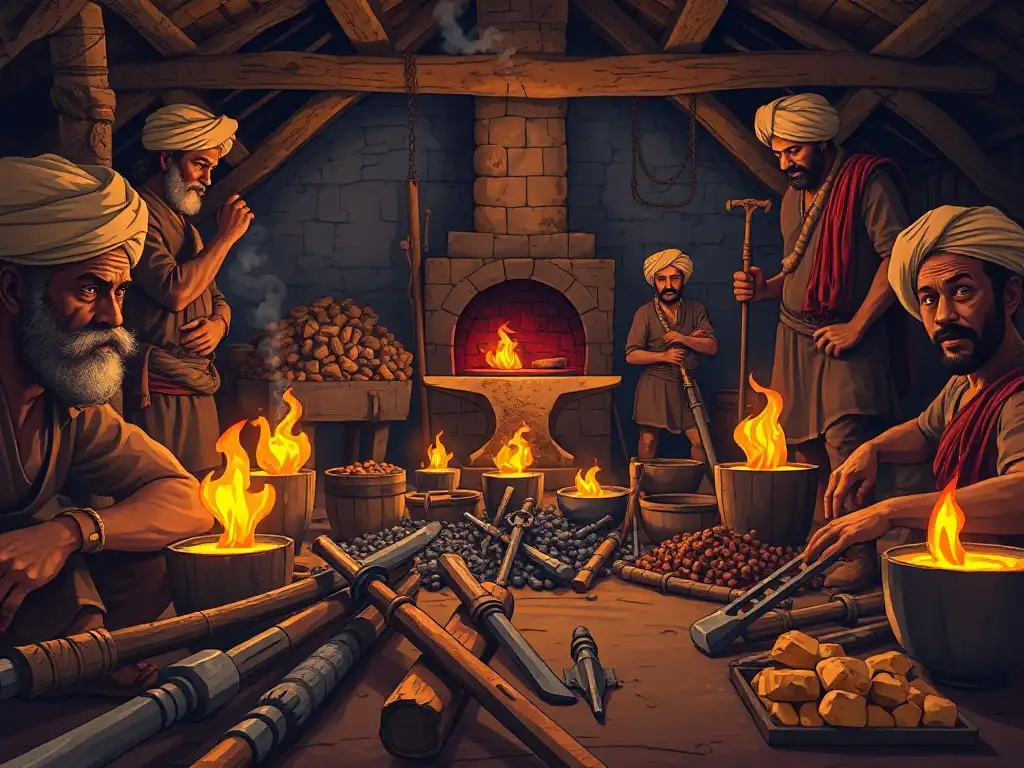
Despite the advancements brought about by iron technology, ancient Indian civilizations faced several challenges and limitations in its production and application. These issues affected the overall effectiveness of iron technology and its integration into daily life.
Environmental Challenges in Iron Production
The production of iron in ancient India was heavily reliant on natural resources, particularly the availability of suitable ores and fuel. Iron smelting required significant amounts of wood for charcoal production, leading to deforestation and environmental degradation in some regions. The depletion of forests not only impacted the local ecosystem but also posed challenges for sustaining iron production.
Furthermore, the geographical distribution of iron ore deposits was uneven across the subcontinent. Regions rich in iron ore, such as the eastern and central parts of India, thrived in iron production, while others faced scarcity. This disparity created economic imbalances and restricted access to iron technology for communities located in ore-deficient areas, limiting their ability to compete economically and militarily.
Technological Limitations and Regional Variations
While ancient Indian iron technology was advanced for its time, it was not without limitations. The techniques for smelting and forging iron varied significantly across different regions, leading to inconsistencies in the quality and durability of iron products. Some regions developed more sophisticated methods, while others relied on simpler techniques, resulting in a variety of iron artifacts with differing properties.
Additionally, the knowledge and skills associated with ironworking were often passed down through generations, leading to regional specialization. While this fostered unique local styles and innovations, it also meant that certain areas lagged in technological advancements compared to others. This variation ultimately affected the overall progress of iron technology and its widespread adoption.
The Transition from Iron to Other Materials
As ancient Indian society evolved, there was a gradual transition from the exclusive use of iron to other materials, particularly in the later periods. The emergence of new materials, such as steel and alloys, began to complement and, in some cases, replace traditional iron tools and weapons.
This shift was driven by the need for improved performance and durability. Steel, for instance, offered superior strength and flexibility compared to iron, making it a preferred choice for various applications, including weaponry and tools. The growing familiarity with metallurgy also led to innovations in alloying techniques, allowing for the production of more advanced materials.
Despite this transition, the foundational role of iron technology in shaping ancient Indian civilization remained significant. The skills and knowledge developed during the Iron Age continued to influence metallurgical practices in subsequent periods, demonstrating the lasting impact of ancient Indian Iron Age technology on the region's cultural and technological heritage.
Conclusion: Legacy of Ancient Indian Iron Age Technology
The Iron Age of ancient India marks a pivotal era that significantly influenced the region's technological landscape and societal development. The advancements achieved during this period, particularly in metallurgy, agriculture, and urban planning, laid a strong foundation for future civilizations. The introduction and widespread use of iron tools and weapons not only enhanced productivity but also transformed social structures, enabling the rise of more complex societies.
The legacy of ancient Indian Iron Age technology is evident in the sophisticated craftsmanship and engineering practices that persisted long after the Iron Age had ended. The techniques developed during this time influenced various aspects of daily life, from agriculture to warfare, and contributed to the cultural richness that defines Indian history today.
Lasting Impacts on Subsequent Indian Civilizations
The technological innovations of the Iron Age had profound impacts on subsequent Indian civilizations. The improved agricultural tools, such as iron plows, allowed for more efficient farming practices, leading to surplus production. This surplus was pivotal in supporting larger populations and urban centers, ultimately contributing to the emergence of powerful states in later periods, including the Maurya and Gupta Empires.
Additionally, the expertise in metallurgy and craftsmanship established during the Iron Age set a precedent for future artisans and blacksmiths. The ability to forge high-quality iron weapons and tools became a crucial factor in military strategies and territorial expansions, influencing the political dynamics of the region.
The Relevance of Ancient Iron Age Innovations Today
The innovations of the ancient Indian Iron Age resonate in modern times, particularly in the fields of metallurgy and material science. The principles of alloying and the techniques for smelting iron developed during this period have influenced contemporary practices in steel production. Furthermore, the sustainability practices adopted by ancient Indian societies in resource management are relevant today as we seek eco-friendly methods of production and agriculture.
The craftsmanship from this era, particularly in ironwork, continues to inspire modern artisans and engineers. The fusion of traditional methods with contemporary technology showcases the enduring nature of ancient techniques and their relevance in today’s world.
References and Further Reading on Ancient Indian Iron Age Technology
Suggested Books and Articles
- "The Archaeology of Ancient India" by R. S. Sharma: This book provides a comprehensive overview of ancient Indian civilizations, including detailed discussions on Iron Age technologies.
- "Ancient Indian Iron Technology" by D. P. Agrawal: A specialized work focusing on the metallurgical advancements during the Iron Age, exploring techniques and their implications.
- "Iron and Steel in Ancient India" by A. K. Sharma: This article delves into the specifics of iron production and usage, shedding light on the technological prowess of the time.
Online Resources for In-Depth Study
- Digital Library of India: Offers access to a wealth of texts and research papers related to ancient Indian history and technologies.
- The Indian Council of Historical Research (ICHR): Provides various publications and resources for those interested in in-depth studies of ancient Indian technologies.
- Archaeological Survey of India (ASI): Hosts numerous reports and research findings on excavations that highlight the technological advancements of ancient Indian civilizations, including the Iron Age.
- Introduction to Ancient Indian Iron Age Technology
- Overview of the Iron Age in Ancient India
- Significance of Iron Age Technology in Indian Civilization
- Key Innovations in Ancient Indian Iron Age Metallurgy
- Tools and Implements: The Impact of Iron Age Technology
- Trade and Economic Impact of Iron Age Technology
- Cultural and Societal Changes Driven by Iron Age Technology
- Challenges and Limitations of Ancient Indian Iron Age Technology
- Conclusion: Legacy of Ancient Indian Iron Age Technology
- References and Further Reading on Ancient Indian Iron Age Technology
Frequently Asked Questions
What is the Iron Age in ancient India?
The Iron Age in ancient India, typically dated from around 1200 BCE to 600 BCE, marks a significant period where iron technology advanced, leading to improved agricultural tools and weapons.
How did Iron Age technology impact agriculture?
The advancements in Iron Age technology allowed for the creation of stronger and more efficient agricultural implements, which resulted in increased crop yields and better farming practices, thus supporting larger populations.
What were some key technological innovations during the Iron Age?
Key technological innovations included the development of iron plows, furnaces for smelting iron, and improved weapons, which enhanced both agricultural productivity and military strength.
How did the Iron Age influence trade in ancient India?
The Iron Age saw the rise of more efficient tools and weapons, facilitating trade routes and economic exchanges, thus connecting various regional economies and cultures across ancient India.
What contributions did the Gupta Empire make to Iron Age technology?
During the Gupta Empire, advancements in iron metallurgy and arts were significant, including the production of high-quality iron tools and artifacts, reflecting the peak of ancient Indian technological achievement.
Final Reflection: Embracing the Legacy of Ancient Indian Iron Age Technology
The technological advancements of Ancient India's Iron Age are not just relics of the past; they serve as a profound reminder of human ingenuity and resilience. In a world increasingly driven by technology, understanding the innovations of our ancestors allows us to appreciate the foundations upon which modern advancements are built. The remarkable achievements in metallurgy, agriculture, and craftsmanship during this period highlight the importance of innovation in shaping societies and cultures.
The influence of ancient Indian Iron Age technology continues to resonate in our cultural and social landscapes today. From the sophisticated iron smelting techniques to the intricate tools that revolutionized agriculture, these advancements laid the groundwork for future generations. As we navigate the complexities of contemporary technology, we can draw inspiration from the words of Mahatma Gandhi: The future depends on what you do today.
This sentiment underscores the importance of learning from the past to inform our present and future actions.
As you reflect on the lessons of the ancient Indian Iron Age, consider how you can apply these insights in your own life. Embrace the spirit of innovation and resilience that characterized this era, and challenge yourself to think creatively in the face of modern challenges. Whether it's in your personal endeavors, professional pursuits, or community initiatives, let the legacy of ancient Indian technology inspire you to forge new paths and contribute positively to the world around you.
Unveil the Secrets of Ancient Iron Age Innovations!
Thank you for exploring the fascinating world of technological advancements in Ancient India's Iron Age! We hope you gained valuable insights into how these innovations shaped history and left a lasting legacy. Now, let's take the next step in embracing this knowledge and making it our own.
Here are a few actions you can take to deepen your understanding and connect with this incredible heritage:
- Dive deeper! Explore authentic archaeological sites or museums near you to see historical artifacts firsthand.
- Share your newfound knowledge with friends and family—initiate a conversation about how technological progress continues to evolve today.
- Consider writing a short blog post or social media update about a specific Iron Age innovation that intrigued you the most!
Which aspect of Ancient India's Iron Age technology resonates with you the most, and how do you think it influences our understanding of modern advancements?