
The Spice Trade: Ancient India’s Contribution to Global Culinary Practices

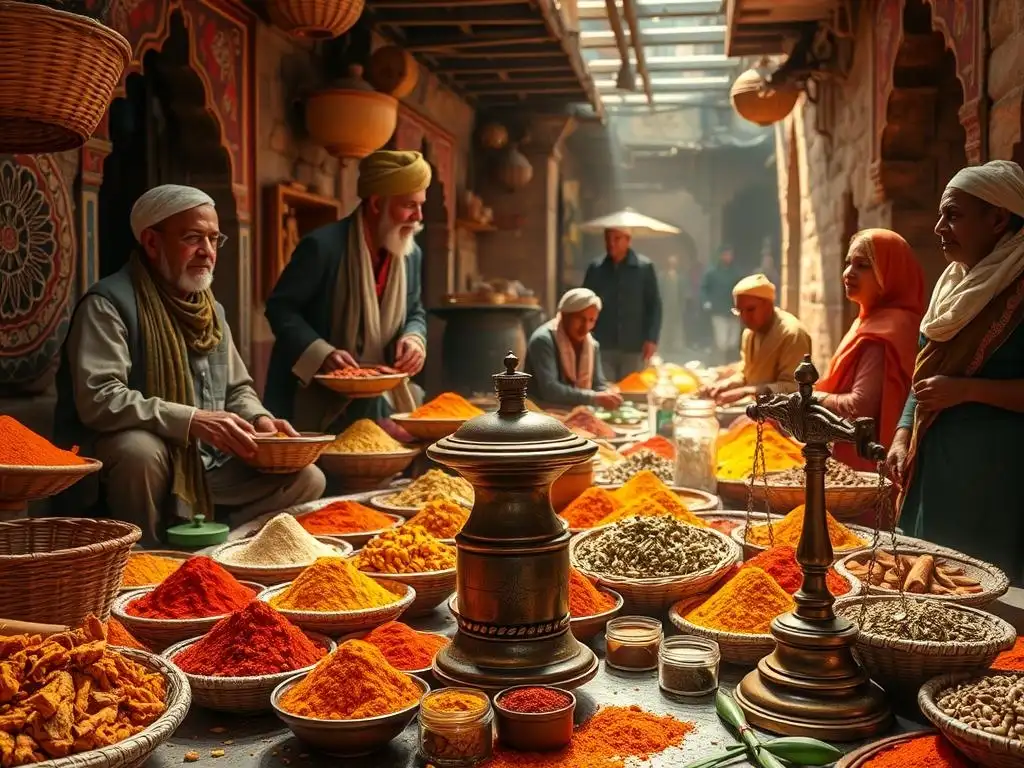
Welcome to Ancient India History, where we embark on a fascinating journey through the vibrant tapestry of India's rich and diverse past. In this exploration, we delve into the ancient India spice trade history, unearthing the remarkable ways in which Indian civilizations shaped global culinary practices. Prepare to be captivated by tales of thriving trade routes, exotic spices, and the cultural exchanges that transformed not only India but the world.
Join us as we uncover the secrets of this ancient legacy and discover how it continues to influence our lives today. Dive deeper into the story and let your curiosity guide you!
Introduction to Ancient India Spice Trade History
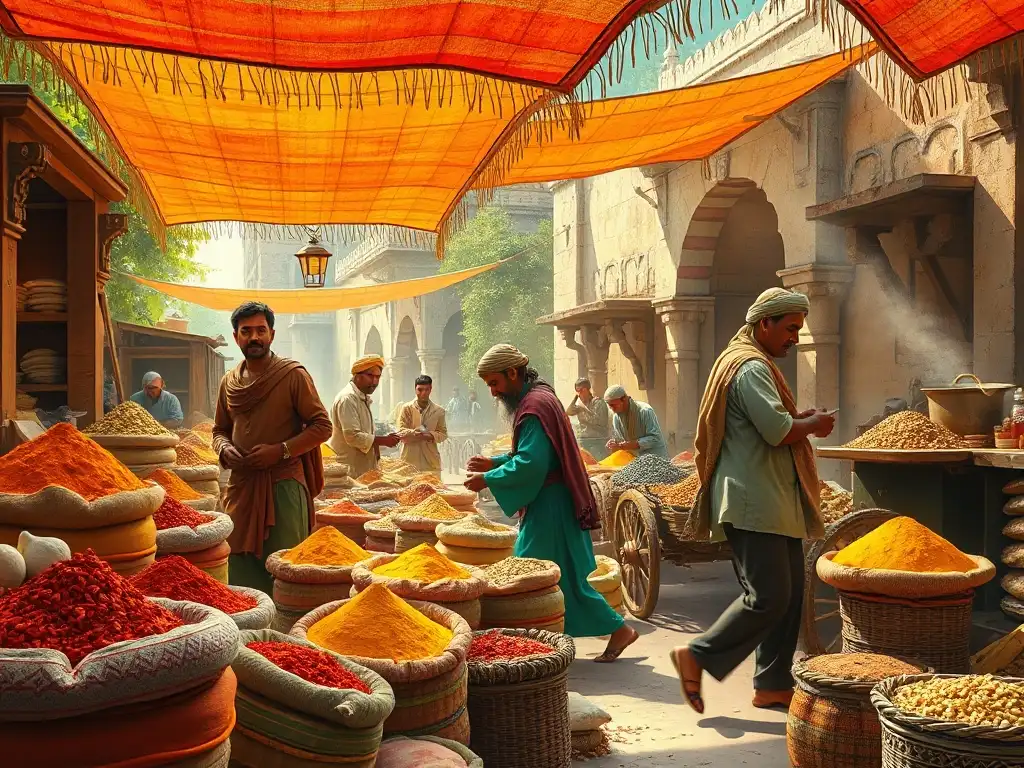
The spice trade in ancient India was not merely an economic activity; it was a vibrant tapestry woven into the very fabric of Indian culture and society. Spices, known for their rich flavors, medicinal properties, and preservative qualities, played a pivotal role in shaping culinary practices not only within the Indian subcontinent but also across the globe.
This article delves into the ancient India spice trade history, uncovering how this trade influenced global culinary landscapes and established India as a crucial player in international trade networks. By exploring the historical context of the spice trade, we can appreciate its significance in ancient Indian civilization and its lasting impact on the world.
Overview of Spice Trade in Ancient India
The spice trade in ancient India can be traced back thousands of years, emerging as a vital economic practice that facilitated cultural exchange and interaction. Spices such as black pepper, cardamom, cinnamon, and turmeric were highly sought after, making India a pivotal hub in the global spice trade. The demand for these spices from regions like Europe, the Middle East, and East Asia not only enriched Indian traders but also transformed culinary practices worldwide.
- Key Spices Traded:
- Black Pepper
- Turmeric
- Cardamom
- Cloves
- Cinnamon
The trade routes established during this period were instrumental in the movement of these spices, allowing for the diffusion of flavors, cooking techniques, and cultural practices across continents.
Importance of Spices in Ancient Indian Culture
In ancient India, spices transcended their culinary uses; they were intertwined with religious practices, medicinal systems, and social customs. Spices were often used in rituals, symbolizing prosperity and health. Moreover, they played a crucial role in Ayurveda, the traditional Indian system of medicine, where spices were recognized for their therapeutic properties.
- Cultural Significance of Spices:
- Religious Rituals: Used in offerings and ceremonies.
- Medicinal Uses: Integral to Ayurveda and health practices.
- Social Status: Ownership and trade of rare spices indicated wealth and influence.
Spices also fostered trade relationships, enabling cultural exchanges that enriched Indian society and contributed to its diverse culinary heritage.
Historical Context of the Spice Trade
The Origin of Spice Trade in Ancient India
The origins of the spice trade in ancient India can be traced back to the early Indus Valley Civilization (c. 3300–1300 BCE), where archaeological evidence suggests the cultivation of various spices. Over time, as trade networks expanded, India became known as the "land of spices," attracting merchants from all over the world. By the time of the Maurya Empire (c. 322–185 BCE), India had firmly established itself as a leader in the spice trade, with well-defined trade routes facilitating the exchange of goods.
Key Civilizations Involved in the Spice Trade
Various civilizations played significant roles in the spice trade, each contributing to its growth and development:
- Indus Valley Civilization: Early cultivation and trade practices.
- Maurya and Gupta Empires: Expansion of trade networks and increased demand for spices.
- Roman Empire: High demand for Indian spices, particularly black pepper.
- Arab Traders: Acted as intermediaries, connecting India with Europe and Asia.
These civilizations not only enriched the spice trade but also influenced culinary practices around the world, as spices became an integral part of various cuisines.
Trade Routes and Their Significance
The spice trade flourished along several critical trade routes, which were vital in connecting ancient India with other parts of the world:
- Silk Road: Facilitated trade between India, China, and the Mediterranean.
- Maritime Routes: Enabled the transport of spices via sea to regions like Arabia and Europe.
These routes were not just conduits for spices; they served as pathways for cultural exchange, spreading Indian culinary practices and spices far and wide, making ancient India a cornerstone of global culinary history. Through these trade networks, the legacy of Indian spices continues to influence culinary traditions around the world today.
Major Spices Traded by Ancient India
The spice trade in ancient India was a complex and flourishing network that played a significant role in the economy and culture. Spices were not merely culinary additives but also held great value in medicine, religion, and daily life. The trade routes connected India with various civilizations, enabling the exchange of spices across continents.
Overview of Popular Spices in Ancient India
Among the most prominent spices traded by ancient Indians were black pepper, turmeric, cardamom, cumin, and cinnamon. Each of these spices was not only valued for its flavor and aroma but also for its medicinal properties. Black pepper, known as "the king of spices," was particularly sought after in markets across Rome and the Middle East. Turmeric, revered for its vibrant color and health benefits, was used in rituals and cooking alike. Cardamom and cumin added depth to culinary practices, while cinnamon was prized for its sweetness and preservative qualities.
Role of Black Pepper in Trade
Black pepper was the cornerstone of ancient India's spice trade. Its high demand in Europe made it a symbol of wealth and status. The spice was often used as a currency in trade dealings. The journey of black pepper began in the Malabar Coast, where it was cultivated and harvested before being traded along ancient trade routes. Merchants transported it to ports in the Mediterranean, making it one of the most lucrative spices of the time. The quest for black pepper even spurred European exploration, leading to the discovery of new trade routes and lands.
The Significance of Turmeric and Its Uses
Turmeric, a vibrant yellow spice, held immense significance in ancient Indian civilization. Beyond its culinary uses, it was an essential ingredient in Ayurvedic medicine, believed to have anti-inflammatory and healing properties. Turmeric was also used in religious rituals, symbolizing purity and auspiciousness. Its role in dyeing textiles added to its economic value, as it became a sought-after commodity not only in India but also in international markets.
Other Notable Spices: Cardamom, Cumin, and More
In addition to black pepper and turmeric, several other spices contributed to ancient India's rich tapestry of trade. Cardamom, often referred to as the "queen of spices," was treasured for its unique flavor and aromatic qualities, being used in both cooking and perfumery. Cumin, known for its earthy taste, was commonly used in various dishes and also in traditional medicine. Additionally, spices like saffron and fenugreek found their place in the trade, enhancing culinary practices across cultures and regions.
Economic Impact of the Spice Trade
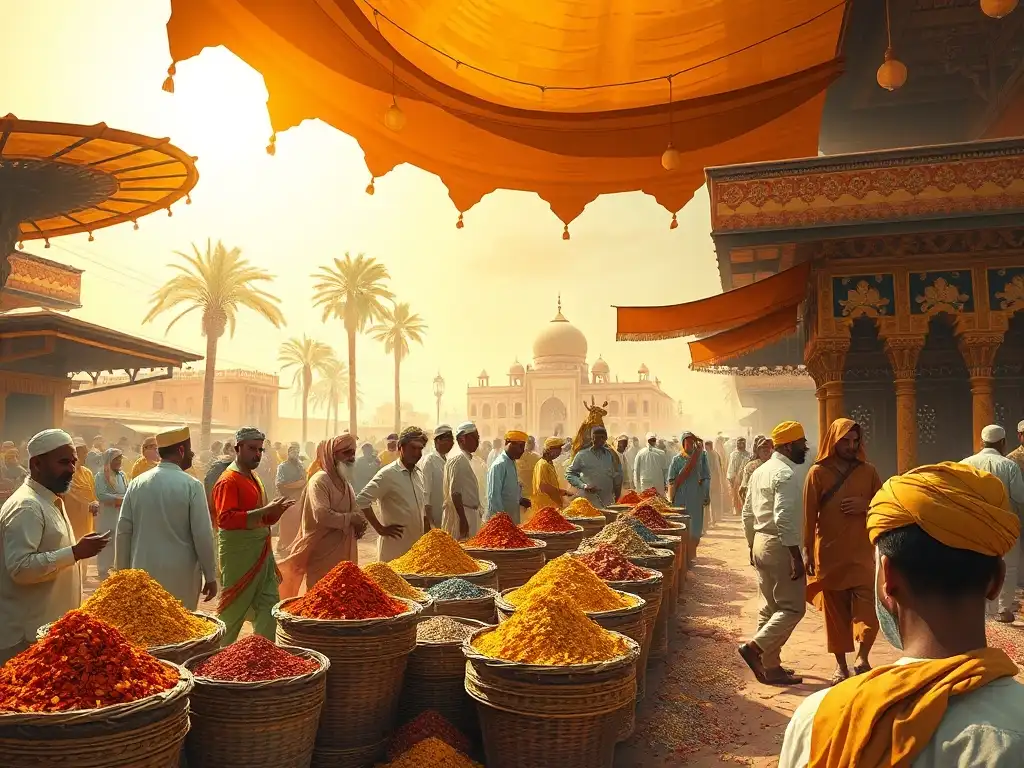
The spice trade significantly influenced the economic landscape of ancient India, catalyzing growth and international relationships. This vibrant trade network not only enriched the merchants but also contributed to the overall prosperity of the region.
Contribution to Ancient Indian Economy
The spice trade acted as a backbone for the ancient Indian economy. As spices became a key export, they generated substantial revenue, allowing for the development of trade cities and ports. The income from spice trading fostered the growth of related industries, including agriculture, processing, and transportation. This interdependence led to improved infrastructure and the establishment of bustling marketplaces, ultimately enhancing the overall economic stability of the region.
Spice Trade as a Catalyst for International Trade
The flourishing spice trade established India as a central hub in global commerce. It attracted traders from various regions, including Arabia, Persia, and Europe, who sought the exotic flavors and health benefits of Indian spices. This influx of merchants not only facilitated the exchange of goods but also ideas and cultures, creating a melting pot of influences that shaped ancient Indian society. The spice trade thus served as a catalyst for broader international trade, connecting diverse civilizations and fostering economic interdependence.
Influence on Local Economies and Agriculture
The demand for spices led to the cultivation of diverse agricultural practices across ancient India. Regions known for specific spices flourished as agricultural hubs, with farmers adapting their practices to meet market needs. This focus on spice cultivation also promoted innovations in farming techniques, irrigation, and crop management. As local economies thrived, communities benefited from job creation and increased trade opportunities, contributing to a robust and dynamic economic environment.
Cultural Exchange Through the Spice Trade
The spice trade was not only a commercial venture but also a significant avenue for cultural exchange between ancient India and various civilizations. As Indian merchants traversed land and maritime routes, they interacted with diverse cultures, leading to the sharing of ideas, traditions, and customs. This exchange enriched Indian society and left lasting impacts on the countries involved.
For instance, the arrival of foreign traders in Indian ports facilitated the spread of languages, religions, and artistic expressions. The integration of various culinary techniques and flavors can be traced back to these interactions. Additionally, spices such as black pepper, cardamom, and turmeric became conduits of cultural identity, representing India’s rich heritage on the global stage.
Moreover, the trade routes connected India to the Middle East, Africa, and Southeast Asia, creating a tapestry of cultural influences. Festivals, art forms, and even clothing styles were influenced by these exchanges, showcasing how trade can foster mutual respect and understanding between distinct cultures.
Culinary Practices Influenced by Spice Trade
The spice trade significantly transformed culinary practices in ancient India and beyond. Spices like cinnamon, ginger, and cloves were not only used for flavoring but also for preserving food, which was crucial in the days before refrigeration. This led to the development of various cooking techniques and recipes that are still prevalent in modern cuisine.
In India, regional cuisines emerged, each utilizing locally available spices to create distinct flavors and dishes. For example, the use of mustard seeds in the east contrasted with the heavy use of chili peppers in the south. The introduction of new spices from trade routes also encouraged experimentation, leading to the rich tapestry of Indian culinary practices we see today.
The influence of the spice trade extended beyond Indian borders, as spices were incorporated into the culinary traditions of other cultures. For instance, the use of Indian spices in Middle Eastern and European dishes reflects the profound impact of this ancient trade, shaping global culinary practices that persist to this day.
The Role of Spices in Religious and Cultural Rituals
Spices held significant importance in various religious and cultural rituals in ancient India. They were often used in ceremonies, offerings, and traditional practices, symbolizing purity, prosperity, and health. For instance, turmeric, known for its vibrant color and antiseptic properties, was used in marriage ceremonies and religious rituals, representing auspiciousness and purity.
Additionally, during festivals, spices played a crucial role in preparing special dishes, enhancing the overall sensory experience of the celebrations. The aromatic qualities of spices contributed to creating an atmosphere of joy and festivity.
Furthermore, as the spice trade expanded, it brought new spices into Indian culture, enriching its spiritual practices. This integration of spices into rituals not only highlights their culinary value but also their significance in the social and cultural fabric of ancient Indian society.
Spice Trade and Its Impact on Global Cuisines
The ancient Indian spice trade had a profound impact on global cuisines, as spices became highly sought after commodities across various cultures. Indian spices like black pepper, saffron, and cumin traveled along trade routes to Europe, the Middle East, and beyond, altering culinary landscapes worldwide.
The introduction of these spices contributed to the diversification of flavors and the evolution of cooking techniques in other regions. For example, the use of spices in Mediterranean cuisine owes much to the spice trade with India, influencing dishes that are now staples in many countries.
Additionally, the spice trade facilitated the exchange of culinary knowledge, with Indian cooking methods inspiring chefs and home cooks globally. Spices became symbols of wealth and luxury, leading to the establishment of trade networks that further enhanced culinary diversity and innovation across cultures.
The Decline of the Ancient Indian Spice Trade
The decline of the ancient Indian spice trade marked a significant turning point in global commerce and culinary practices. Several factors contributed to this downturn, impacting not only India but also the broader spice trade network.
Factors Leading to the Decline
One of the primary factors leading to the decline was the rise of alternative trade routes, particularly during the Age of Exploration in the 15th and 16th centuries. European powers, seeking direct access to the spice-rich regions of Asia, began to establish sea routes that bypassed traditional land-based trade networks. This shift diminished the importance of Indian ports as central trading hubs.
Furthermore, political instability and changing empires in India led to disruptions in trade practices. The invasions and dominance of foreign powers altered the dynamics of local economies and trade relationships. These changes made it increasingly difficult for Indian merchants to compete with newly established European trading companies.
Competition from Other Regions
As European powers expanded their reach, they encountered other spice-producing regions, such as the Spice Islands (the Maluku Islands) and the Americas. These regions began to supply spices at a lower cost, further challenging India's position in the spice trade. The establishment of monopolies by European traders, particularly the Portuguese and Dutch, effectively sidelined Indian merchants from international markets.
Additionally, the cultivation of spices in new territories, including the Caribbean and parts of Africa, diluted the exclusive nature of Indian spices. This competition reshaped global spice markets, making it increasingly challenging for ancient Indian spices to maintain their former prominence.
Historical Consequences of the Decline
The decline of the ancient Indian spice trade had far-reaching historical consequences. Economically, it led to a decrease in wealth and prosperity for regions that once thrived on spice commerce. This shift contributed to the gradual decline of powerful Indian kingdoms and the rise of colonial powers.
Culturally, the reduced prominence of Indian spices in the global culinary landscape altered culinary practices worldwide. While Indian cuisine retained its rich heritage, the global influence diminished, leading to a more homogenized approach to flavors in many regions.
The decline of the ancient Indian spice trade not only reshaped economic practices but also left an indelible mark on global culinary traditions, highlighting the intricate connections between trade, culture, and history.
Legacy of Ancient India’s Spice Trade
The legacy of ancient India’s spice trade is profound, influencing not only regional economies but also shaping global culinary practices. Spices such as black pepper, cardamom, and cinnamon were highly sought after in ancient times, often referred to as "black gold." The trade routes established by ancient Indian merchants laid the groundwork for a vibrant exchange of goods, culture, and ideas. The Silk Road and maritime routes facilitated the movement of spices across continents, allowing India to become a central hub in the global spice trade.
Indian spices were not just valued for their flavor; they were also prized for their medicinal properties and preservation capabilities. This multifaceted value contributed to the expansion of trade networks, connecting India with distant lands such as the Roman Empire, the Middle East, and Southeast Asia. The interactions fostered by these trade routes resulted in cultural exchanges that enriched both Indian society and its trading partners.
Continuing Influence on Modern Culinary Practices

The influence of ancient India’s spice trade is still evident in contemporary culinary practices around the world. Many spices that originated in India remain staples in global kitchens today. For instance, turmeric, which has its roots in Indian cuisine, is now celebrated for its health benefits and is widely used in various international dishes. Similarly, the use of spices in creating complex flavor profiles in cuisines from Thai to Moroccan reflects the enduring impact of ancient spice trade practices.
Furthermore, the techniques of blending spices, known as "masalas," have transcended borders, inspiring chefs globally to experiment with flavor combinations. The emphasis on seasoning and the art of cooking with spices can be traced back to ancient Indian culinary traditions, demonstrating how these practices have evolved yet remained rooted in the past.
Preservation of Ancient Spice Trade Knowledge
Preserving the knowledge of ancient spice trade has been essential for understanding its historical significance and contribution to global trade dynamics. Ancient texts, such as the "Arthashastra" by Kautilya, provide insights into trade practices, including the regulation of spices, trade routes, and economic policies. Additionally, manuscripts and records from various dynasties detail the cultivation, processing, and trading of spices, ensuring that this knowledge is not lost to time.
Moreover, the oral traditions and practices of indigenous communities that have cultivated spices for centuries play a crucial role in preserving this history. By passing down techniques and knowledge through generations, these communities contribute to a rich tapestry of culinary heritage that honors the legacy of ancient spice trade.
Lessons from Ancient India for Today’s Global Trade
The ancient spice trade offers valuable lessons for contemporary global trade practices. Firstly, the importance of building and maintaining strong trade relationships is evident from the interconnectedness forged during ancient times. Modern businesses can learn from the collaborative spirit of ancient Indian traders, who not only focused on profit but also on fostering cultural exchanges.
Moreover, the sustainability practices of ancient Indian agriculture provide insights into environmentally friendly trade methods. The cultivation of spices often involved traditional techniques that respected the ecosystem, a principle that is increasingly relevant in today’s discussions on sustainable trade and organic farming. By integrating these lessons, modern trade can foster a more equitable and sustainable global economy.
Conclusion
Summary of Ancient India Spice Trade History
The spice trade of ancient India is a fascinating chapter in the history of global commerce, characterized by the export of valuable spices that transformed culinary practices worldwide. From the bustling markets of the Indus Valley to the trade routes connecting continents, ancient India established itself as a leader in the spice trade. The exchange of spices not only contributed to the economy but also facilitated cultural interactions that enriched societies on both sides of trade routes.
The Lasting Impact of Spices on Global Culture and Economy
The impact of ancient India's spice trade is still felt today, as spices continue to shape culinary practices, cultural identities, and economic systems globally. The enduring popularity of Indian spices is a testament to their significance, influencing everything from local cuisines to international food trends.
As we explore the rich history of the spice trade, it becomes clear that the legacy of ancient India has not only shaped culinary practices but has also laid the foundation for a global economy interconnected through the love of spices. The story of the spice trade is, therefore, not just one of commerce but also one of cultural exchange and enduring influence.
- Introduction to Ancient India Spice Trade History
- Overview of Spice Trade in Ancient India
- Historical Context of the Spice Trade
- Major Spices Traded by Ancient India
- Economic Impact of the Spice Trade
- Cultural Exchange Through the Spice Trade
- The Decline of the Ancient Indian Spice Trade
- Legacy of Ancient India’s Spice Trade
- Continuing Influence on Modern Culinary Practices
- Preservation of Ancient Spice Trade Knowledge
- Lessons from Ancient India for Today’s Global Trade
- Conclusion
Frequently Asked Questions
What was the significance of ancient India's spice trade?
The spice trade was crucial in establishing trade routes that connected India with various regions, facilitating not only the exchange of goods but also of cultural practices and ideas.
How did spices influence global culinary practices?
Spices from ancient India introduced unique flavors and preserved food, leading to the development of diverse culinary traditions worldwide, which are still evident in modern cooking.
Which spices were primarily traded by ancient India?
Ancient India was known for its rich variety of spices, including pepper, cardamom, cinnamon, and turmeric, which were highly sought after in both local and international markets.
What were the main trade routes used in ancient India's spice trade?
The Silk Road and Maritime Spice Routes were key pathways that enabled the transport of spices from India to regions like Rome, China, and the Middle East.
How did the spice trade impact ancient Indian economy?
The spice trade significantly boosted the economy of ancient India, leading to prosperity, increased urbanization, and the rise of powerful trading cities along the coasts and inland.
Final Reflection: The Enduring Legacy of Ancient India's Spice Trade
The ancient spice trade not only shaped culinary practices but also forged connections between diverse cultures, illustrating how food can transcend borders. Today, as we navigate a globalized world, the significance of this historical exchange is more relevant than ever. The spices that once traveled thousands of miles are now staples in our kitchens, reminding us of the rich tapestry of human interaction and the shared heritage that continues to influence our palates.
The impact of the spice trade extends far beyond the kitchen; it has woven itself into the very fabric of our cultural identities and social interactions. The flavors and aromas that originated in ancient India have inspired countless culinary traditions worldwide, fostering a sense of unity through diversity. As the renowned chef and food activist Alice Waters once said, Food is a common ground, a universal experience.
This sentiment echoes the idea that the spice trade has not only enriched our diets but has also played a pivotal role in shaping our understanding of community and connection across different cultures.
As we reflect on the lessons of the ancient spice trade, let us embrace the opportunity to explore and celebrate the culinary diversity that surrounds us. I invite you to consider how the flavors you enjoy today are part of a larger story that connects us all.
Whether you experiment with new spices in your cooking or learn about the cultural significance behind them, remember that each dish is a testament to the enduring legacy of ancient India’s spice trade. Let us honor this history by continuing to share, learn, and appreciate the rich culinary traditions that unite us across time and space.
Unveil the Rich Flavors of Ancient Spice Trade!
Thank you for diving into the fascinating world of ancient India’s spice trade! We hope you discovered the profound impact this vibrant heritage has had on global culinary practices. Now, let’s bring that inspiration into action!
Here are some ways you can deepen your connection with the spices that transformed kitchens around the world:
- Explore local markets to find and try unique spices, experimenting with them in your own cooking.
- Share your culinary creations on social media with friends and family, discussing how these ancient spices can elevate modern dishes.
- Join or start a cooking group focused on exploring global cuisines and the historical significance of their ingredients.
How will you incorporate the legacy of ancient spices into your daily meals? Share your thoughts below!