
Ancient Techniques of Ayurvedic Massage: Benefits and Practices

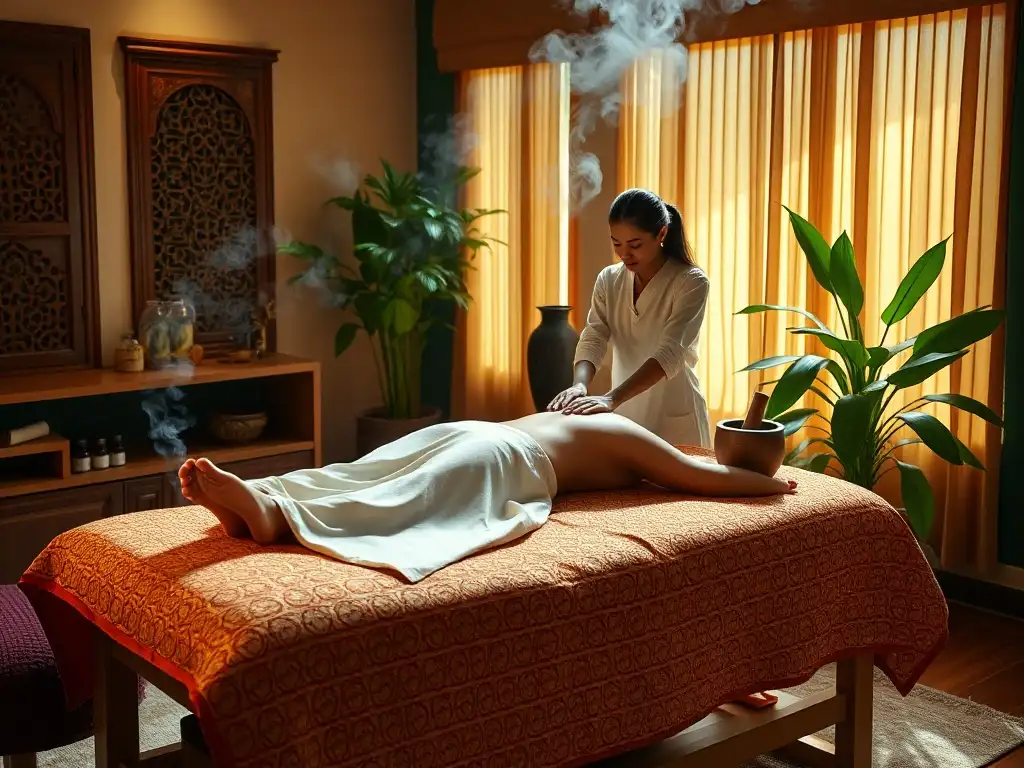
Welcome to Ancient India History, where we delve into the rich tapestry of ancient Indian civilizations and their profound contributions to the world. In this exploration, we invite you to discover the fascinating realm of Ayurvedic massage techniques—a holistic practice steeped in tradition, offering numerous benefits for mind and body. What secrets do these ancient methods hold, and how can they enhance your well-being today? Join us as we uncover the transformative power of these time-honored techniques and their relevance in modern science and medicine. Your journey into the past starts here!
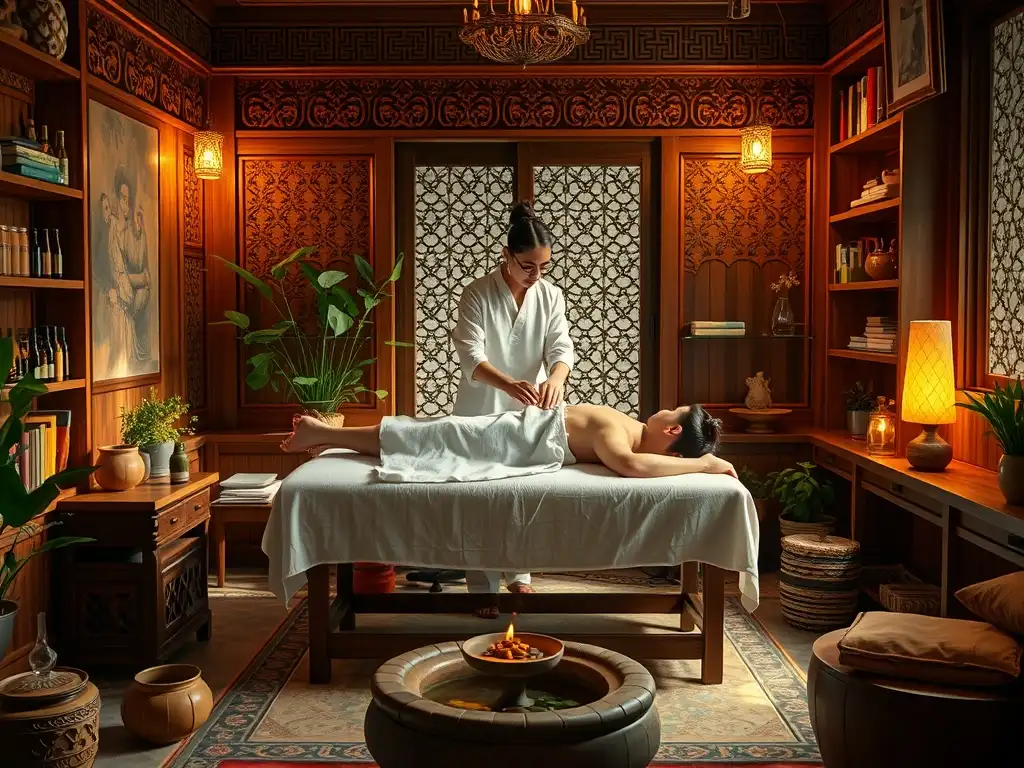
Introduction to Ayurvedic Massage Techniques
Ayurvedic massage, a cornerstone of the ancient Indian healing system known as Ayurveda, embodies a holistic approach to wellness that has been practiced for thousands of years. This age-old technique integrates a deep understanding of human anatomy, physiology, and the energetic pathways of the body.
By employing various massage modalities and natural oils infused with herbs, Ayurvedic massage aims to promote balance and harmony within the body, mind, and spirit. As we delve into the intricacies of Ayurvedic massage techniques and their myriad benefits, we will uncover not only the historical significance of these practices but also their relevance in today's fast-paced world.
Overview of Ayurveda and Its Historical Significance
Ayurveda, which translates to "the science of life," is one of the oldest medical systems in the world, with roots dating back over 5,000 years in ancient India. It encompasses a comprehensive approach to health that considers the physical, emotional, and spiritual aspects of an individual.
- Key Principles of Ayurveda:
- The concept of doshas (Vata, Pitta, and Kapha) which represent the different energies in the body.
- The belief in balance between body, mind, and spirit.
- The use of natural remedies, including herbs, diet, and lifestyle changes.
The historical significance of Ayurveda is profound, influencing not only Indian culture but also impacting various medical practices across the globe. Ancient texts such as the Charaka Samhita and Sushruta Samhita have served as foundational literature, detailing methods and philosophies that continue to guide practitioners today.
Understanding Ayurvedic Massage: A Holistic Approach
Ayurvedic massage, or Abhyanga, is a traditional practice that emphasizes the use of herbal oils tailored to an individual's specific constitution and health needs. This therapeutic technique is characterized by:
- Customizable Treatments: Each session is designed based on the individual's dosha, ensuring a personalized experience that addresses unique health concerns.
- Integration of Techniques: Various techniques such as kneading, tapping, and stroking are used to enhance circulation, promote detoxification, and increase energy flow.
- Mindfulness and Presence: The practice encourages a meditative state, allowing both the practitioner and recipient to connect deeply, fostering a sense of well-being and tranquility.
By harmonizing the body and mind through Ayurvedic massage, individuals can achieve a state of balance that promotes overall health and vitality.
Exploring the Benefits of Ayurvedic Massage Techniques
As we explore the benefits of Ayurvedic massage techniques, it becomes evident that these practices extend far beyond mere relaxation. The transformative effects of Ayurvedic massage can be categorized into physical, mental, and emotional benefits, each contributing to holistic well-being.
Physical Benefits of Ayurvedic Massage
Ayurvedic massage provides a wide range of physical benefits, including:
- Improved Circulation: The rhythmic motions of the massage stimulate blood flow, enhancing oxygen and nutrient delivery to tissues.
- Detoxification: The use of warm herbal oils aids in the removal of toxins from the body, promoting a natural cleansing process.
- Pain Relief: Regular sessions can alleviate chronic pain and muscle tension, making it beneficial for conditions such as arthritis and fibromyalgia.
- Enhanced Flexibility: The stretching techniques used during massage improve joint mobility and overall flexibility.
These physical benefits contribute to a more robust and resilient body, capable of facing the challenges of daily life.
Mental and Emotional Benefits of Ayurvedic Massage
In addition to physical advantages, Ayurvedic massage also offers significant mental and emotional benefits, such as:
- Stress Reduction: The calming effects of the massage help to lower cortisol levels, reducing stress and promoting relaxation.
- Improved Sleep Quality: Regular Ayurvedic massage can lead to better sleep patterns, helping individuals achieve restorative rest.
- Emotional Balance: The holistic nature of the practice fosters emotional well-being, facilitating a deeper connection with oneself and promoting positivity.
- Enhanced Mental Clarity: By alleviating stress and promoting relaxation, Ayurvedic massage can improve focus and mental clarity.
These mental and emotional benefits underscore the importance of integrating Ayurvedic massage into one’s self-care routine, enhancing overall quality of life.
Traditional Ayurvedic Massage Techniques
Ayurvedic massage is rooted in the ancient Indian system of medicine known as Ayurveda, which emphasizes balance in the body, mind, and spirit. This holistic approach uses various techniques to promote health and well-being, drawing upon centuries of knowledge and practice. The traditional techniques of Ayurvedic massage not only provide physical benefits but also support mental clarity and emotional stability. Below are some of the most renowned Ayurvedic massage techniques, each with its unique philosophy and application.
Abhyanga: The Art of Oil Massage
Abhyanga is a central practice in Ayurvedic therapy, characterized by the application of warm herbal oils to the body. Practitioners use specific oils based on an individual's dosha (body constitution) to address imbalances and promote overall wellness. This technique is performed with long, flowing strokes, which help to:
- Enhance Circulation: The rhythmic motions stimulate blood flow, aiding in detoxification and nourishing the tissues.
- Promote Relaxation: The warmth of the oil combined with gentle pressure soothes the nervous system, reducing stress and anxiety.
- Moisturize Skin: Herbal oils penetrate the skin, enhancing hydration and improving skin texture.
- Support Joint Health: Regular Abhyanga can alleviate joint pain and stiffness, making it beneficial for those with arthritis or muscle tension.
In addition to its physical benefits, Abhyanga is believed to promote mental clarity and emotional balance, making it a deeply restorative practice in Ayurvedic healing.
Shirodhara: The Healing Power of Oil Flow
Shirodhara is a unique and therapeutic Ayurvedic treatment that involves the continuous pouring of warm oil or herbal infusion onto the forehead, particularly the third eye area. This technique is renowned for its calming effects and is often used to address conditions such as:
- Anxiety and Stress: The gentle flow of oil helps to quiet the mind, promoting relaxation and reducing feelings of stress.
- Sleep Disorders: Shirodhara is effective in treating insomnia by calming the nervous system and balancing the doshas.
- Mental Clarity: This technique is believed to enhance cognitive function and improve concentration, making it beneficial for those with mental fatigue.
The experience of Shirodhara is both meditative and rejuvenating, providing a profound sense of peace and well-being.
Pindaswedana: Herbal Poultice Application
Pindaswedana involves the use of heated herbal poultices, or boluses, filled with a mix of medicinal herbs, rice, and other natural ingredients. These poultices are gently applied to the body, delivering therapeutic benefits through heat and herbal properties. Key benefits include:
- Muscle Relaxation: The heat from the poultices penetrates deeply into the muscles, alleviating tension and soreness.
- Detoxification: The herbal ingredients help to purify the body and remove toxins, promoting overall health.
- Pain Relief: Pindaswedana is particularly effective for addressing chronic pain conditions, including arthritis and sports injuries.
- Skin Nourishment: The herbal poultices also provide nourishment to the skin, enhancing its appearance and vitality.
This technique is often customized based on individual needs, making it a versatile option in Ayurvedic massage therapy.
Integrating Ayurvedic Massage into Modern Wellness Practices
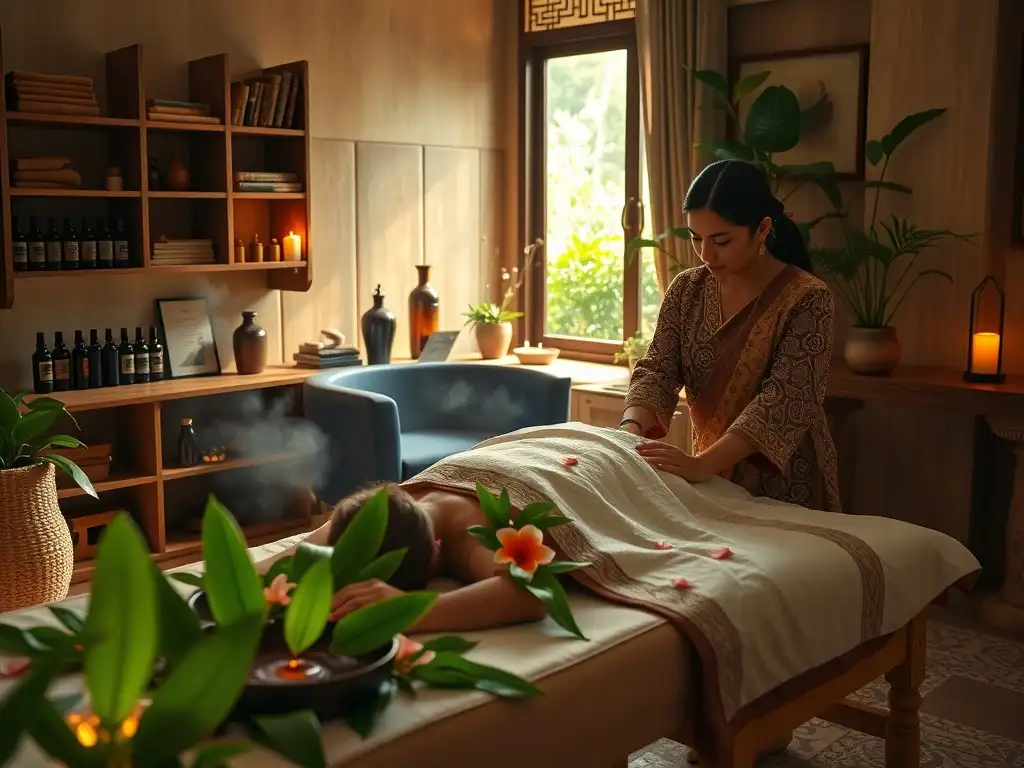
As the benefits of Ayurvedic massage become increasingly recognized, integrating these traditional techniques into modern wellness practices has gained popularity. Many wellness centers are now offering Ayurvedic-inspired treatments alongside contemporary massage therapies, creating a holistic approach to health.
Combining Ayurvedic Techniques with Contemporary Massage
Modern wellness practices can greatly benefit from Ayurvedic massage techniques by incorporating elements such as:
- Holistic Assessment: Integrating the Ayurvedic principle of dosha assessment ensures that treatments are tailored to the individual’s unique needs.
- Use of Natural Oils: Contemporary massage can utilize Ayurvedic oils that not only enhance physical benefits but also improve the overall sensory experience.
- Mindfulness Practices: Incorporating mindfulness and breathing techniques from Ayurveda can enhance relaxation and deepen the therapeutic effects of massage.
This combination of ancient wisdom and modern practices creates a comprehensive treatment approach, addressing both physical and mental aspects of wellness.
Importance of Professional Training in Ayurvedic Massage
To ensure the efficacy and safety of Ayurvedic massage, professional training is essential. Proper education provides practitioners with a solid understanding of:
- Anatomy and Physiology: Knowledge of the body’s systems is crucial for effective treatment and injury prevention.
- Ayurvedic Principles: Understanding the fundamental concepts of Ayurveda, including doshas and treatment protocols, is vital for delivering personalized care.
- Ethical Practices: Training emphasizes the importance of ethical considerations in client-practitioner relationships, ensuring respectful and professional interactions.
Investing in professional training not only enhances the skills of massage therapists but also ensures that clients receive authentic and effective Ayurvedic treatments, promoting better health outcomes.
Conclusion: Embracing the Wisdom of Ancient Ayurvedic Massage Techniques
The ancient techniques of Ayurvedic massage offer a profound understanding of holistic health and well-being that continues to resonate in modern times. By integrating the principles of Ayurveda, these massage practices not only focus on physical relaxation but also aim to balance the mind and spirit. The wisdom embedded in these techniques reflects a deep respect for the interconnectedness of body, mind, and environment, making them invaluable in our pursuit of wellness.
Summary of Benefits and Practices
Ayurvedic massage techniques are rich in benefits, both physical and psychological. Some of the key advantages include:
- Improved Circulation: Techniques such as Abhyanga (oil massage) enhance blood flow, promoting better oxygenation and nutrient delivery to tissues.
- Detoxification: Regular practice helps in the elimination of toxins, aiding overall health and vitality.
- Stress Relief: These massages induce deep relaxation, reducing stress and anxiety levels effectively.
- Enhanced Flexibility: The rhythmic movements help to loosen tight muscles and improve flexibility, which is essential for overall mobility.
- Skin Nourishment: The use of herbal oils in Ayurvedic massages provides nourishment to the skin, making it healthier and more radiant.
Incorporating these practices into one's self-care routine can lead to significant improvements in overall health and well-being, fostering a more balanced lifestyle.
Encouragement to Explore Ayurvedic Healing Traditions
As we embrace the ancient wisdom of Ayurvedic massage, it is essential to delve deeper into the broader spectrum of Ayurvedic healing traditions. This exploration can enrich our understanding of health and wellness, offering holistic approaches that address not just symptoms but the root causes of ailments. Practitioners and enthusiasts alike are encouraged to seek out qualified Ayurvedic therapists, participate in workshops, and engage with knowledgeable practitioners to fully appreciate the depth and breadth of Ayurvedic practices. By doing so, you can experience firsthand the transformative power of these ancient techniques and how they can enhance your life.
References and Further Reading on Ayurvedic Massage Techniques Benefits
For those interested in further exploring the benefits and practices of Ayurvedic massage techniques, the following resources are recommended:
- Books: Look for titles authored by renowned Ayurvedic practitioners, which often provide in-depth insight into techniques and their benefits.
- Research Articles: Numerous studies published in journals focus on the efficacy of Ayurvedic practices, including massage therapies.
- Online Courses: Platforms offering courses on Ayurvedic practices, including massage, can provide practical knowledge and hands-on experience.
- Workshops and Retreats: Participating in Ayurvedic workshops or retreats can offer immersive experiences, allowing individuals to practice techniques under expert guidance.
By engaging with these resources, you can deepen your knowledge and appreciation of Ayurvedic massage, embracing the holistic health benefits it offers.
- Introduction to Ayurvedic Massage Techniques
- Exploring the Benefits of Ayurvedic Massage Techniques
- Traditional Ayurvedic Massage Techniques
- Integrating Ayurvedic Massage into Modern Wellness Practices
- Conclusion: Embracing the Wisdom of Ancient Ayurvedic Massage Techniques
- References and Further Reading on Ayurvedic Massage Techniques Benefits
Frequently Asked Questions
What are Ayurvedic massage techniques?
Ayurvedic massage techniques are traditional practices derived from Ayurveda, an ancient Indian system of medicine. These techniques focus on balancing energy in the body and promoting overall well-being.
What are the main benefits of Ayurvedic massage?
The main benefits of Ayurvedic massage include reduced stress, improved circulation, enhanced flexibility, and detoxification of the body. It can also promote mental clarity and emotional balance.
How do Ayurvedic massage techniques differ from other massage therapies?
Ayurvedic massage techniques incorporate herbal oils and specific strokes tailored to an individual's dosha (body constitution). Unlike other massage styles, it emphasizes holistic wellness rather than just physical relaxation.
Can anyone receive an Ayurvedic massage?
Yes, most people can benefit from Ayurvedic massage; however, it’s essential to consult a trained Ayurvedic practitioner to ensure the techniques are suitable for your specific health needs and conditions.
How often should one undergo Ayurvedic massage for optimal benefits?
For optimal benefits, it is recommended to undergo Ayurvedic massage regularly, ideally once a week or bi-weekly. Consistency helps maintain balance and enhances the overall benefits to the body and mind.
Final Reflection: Embracing the Wisdom of Ayurvedic Massage
The ancient techniques of Ayurvedic massage are not merely relics of the past; they are powerful tools for enhancing our well-being in today's fast-paced world. As we navigate the complexities of modern life, the benefits of these time-honored practices resonate more than ever, offering us a pathway to balance and rejuvenation. The holistic approach of Ayurvedic massage invites us to reconnect with our bodies and minds, reminding us that self-care is not a luxury, but a necessity.
The influence of Ayurvedic massage techniques extends beyond individual wellness; they shape our cultural understanding of health and healing. In a society increasingly focused on quick fixes and superficial treatments, the depth of Ayurvedic wisdom encourages us to seek harmony within ourselves. As the renowned Ayurvedic practitioner Dr. Vasant Lad once said, The body is a temple; take care of it, and it will take care of you.
This perspective not only enriches our personal health journeys but also fosters a collective movement towards more mindful living.
As you reflect on the insights shared in this article, I invite you to explore how Ayurvedic massage can play a role in your life. Consider integrating these techniques into your wellness routine, allowing the ancient wisdom to guide you towards a more balanced existence. Embrace the opportunity to nurture your body and spirit, and remember that the journey towards holistic health is a continuous one—one that begins with a single, intentional step.
Unleash the Healing Power of Ayurvedic Massage!
Thank you for diving into the fascinating world of Ayurvedic massage techniques! You've discovered the incredible benefits that these ancient practices can bring to your well-being. Now, it’s time to put your newfound knowledge into action.
Here’s how you can start your journey towards a more rejuvenated and balanced life:
- Book your first Ayurvedic massage session with a local practitioner to experience the benefits firsthand.
- Explore at-home techniques by following credible online tutorials or reading about self-massage options that emphasize relaxation and wellness.
- Share your experience with friends and family – invite them to join you in discovering the healing art of Ayurveda!
Are you ready to embrace holistic healing and transform your well-being? What aspects of Ayurvedic massage are you most excited to explore further?