
Beyond the Taj Mahal: Hidden Gems of Ancient Indian Heritage Tours

Welcome to Ancient India History, where we invite you to embark on a journey through the rich tapestry of ancient Indian civilizations. From the majestic remnants of the Indus Valley to the intellectual splendor of the Gupta Empire, our exploration delves into the hidden gems of ancient Indian heritage sites that often lie beyond the well-trodden paths. In our feature article, "Beyond the Taj Mahal: Hidden Gems of Ancient Indian Heritage Tours," we uncover the stories, artistry, and architectural brilliance that await your discovery.
Prepare to be captivated by the luxury and depth of historical travel as you unearth the secrets of India’s past. Your adventure begins here—let's delve deeper into this extraordinary legacy!
Introduction to Ancient Indian Heritage Sites
Ancient India, a land steeped in history, culture, and architectural marvels, offers a treasure trove of heritage sites that narrate the stories of its glorious past. While the Taj Mahal, an epitome of love and grandeur, often steals the spotlight, many other remarkable sites await discovery. These hidden gems of ancient Indian heritage sites span from the enigmatic ruins of the Indus Valley Civilization to the splendid remnants of the Gupta Empire.
Each site not only showcases unique architectural styles but also reflects the rich tapestry of India's diverse cultures, religions, and traditions. Exploring these lesser-known sites provides a deeper understanding of India's historical significance and its contributions to art, science, and philosophy.
Why Explore Beyond the Taj Mahal?
Although the Taj Mahal is undeniably a must-visit, focusing solely on this iconic monument limits the experience of what ancient India has to offer. The country is dotted with numerous heritage sites that are equally, if not more, captivating. Here are several compelling reasons to venture beyond the Taj Mahal:
- Cultural Diversity:
- Ancient Indian heritage sites encapsulate various cultural influences, showcasing the coexistence of different religions and traditions over centuries.
- Each region boasts its own unique heritage, allowing travelers to experience a variety of customs, art forms, and culinary delights.
- Architectural Wonders:
- From the intricate carvings of Khajuraho Temples to the majestic forts of Rajasthan, these sites reveal the architectural prowess of ancient Indian civilizations.
- Many structures exhibit a blend of styles, reflecting the cultural exchanges that took place throughout history.
- Historical Insights:
- Exploring lesser-known sites offers a richer understanding of India's historical narratives, including the rise and fall of dynasties and the evolution of societal norms.
- Sites such as Hampi and Ajanta Caves provide profound insights into ancient Indian life and ideology.
- Personalized Experience:
- Visiting hidden gems often means fewer crowds, allowing for a more intimate and immersive experience.
- Travelers have the opportunity to connect with local guides and communities, gaining firsthand knowledge and insights.
- Sustainable Tourism:
- Focusing on off-the-beaten-path heritage sites promotes sustainable tourism practices, helping to preserve these locations for future generations.
- Engaging with local economies supports communities that depend on tourism for their livelihood.
Embarking on a journey to explore these hidden gems not only enriches the travel experience but also enhances appreciation for the rich heritage that ancient India has to offer.
Exploring the hidden gems of ancient Indian heritage sites offers travelers an opportunity to experience the rich tapestry of history, culture, and architecture that India has to offer beyond the famed Taj Mahal. These lesser-known sites are steeped in stories of past empires, artistic brilliance, and spiritual significance, making them essential stops on any heritage tour.
1. Hampi: The Forgotten Capital of Vijayanagara
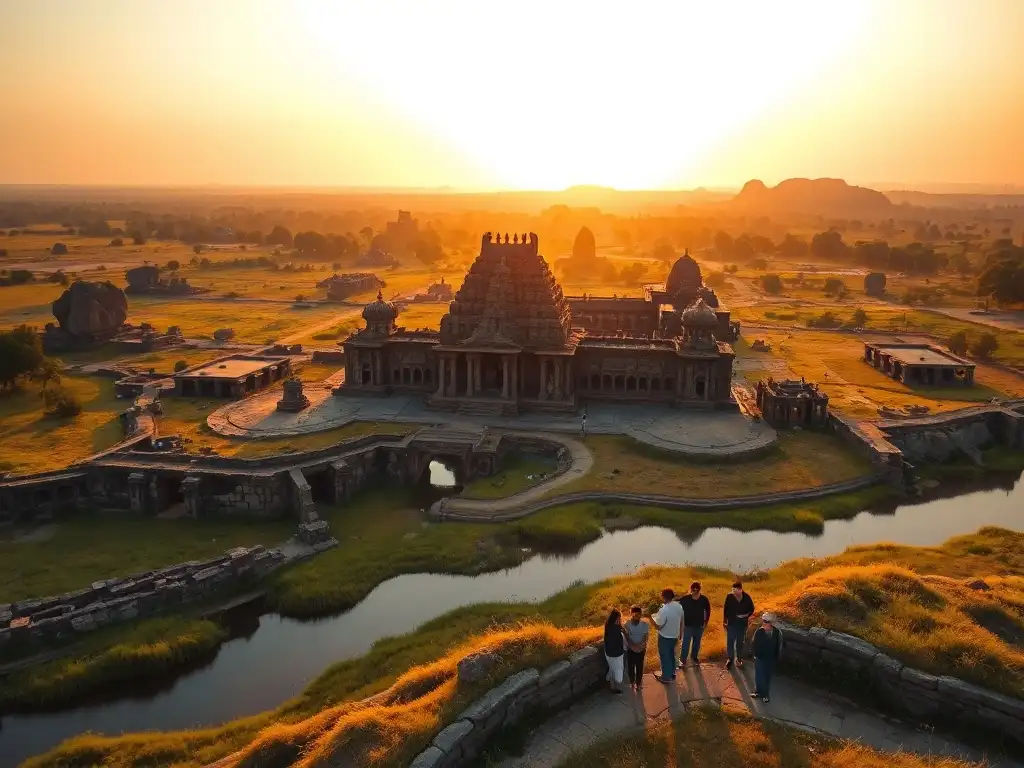
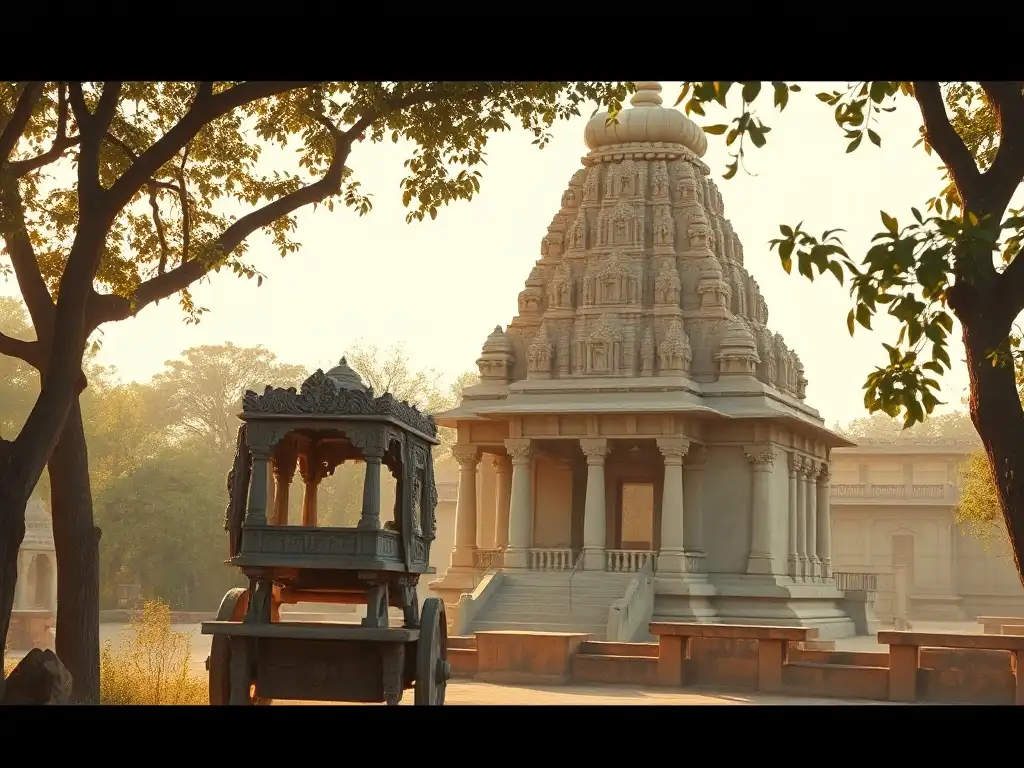
Hampi, a UNESCO World Heritage Site, was once the flourishing capital of the Vijayanagara Empire in the 14th century. Nestled amidst a surreal landscape of boulder-strewn hills, Hampi is home to remarkable ruins that speak to its glorious past. Key attractions include the Virupaksha Temple, renowned for its intricate sculptures, and the Vittala Temple, famous for its stone chariot and musical pillars. The site also offers breathtaking views from the Hemakuta Hill, where visitors can witness stunning sunrises and sunsets. Hampi's rich history and cultural significance make it a must-visit for heritage enthusiasts.
2. Khajuraho: Temples of Love
Khajuraho is celebrated for its stunning temples adorned with intricate erotic sculptures that explore themes of love, life, and spirituality. Built between 950 and 1050 AD during the Chandela dynasty, these temples are divided into three groups: Western, Eastern, and Southern. The Western group, which includes the iconic Kandariya Mahadev Temple, showcases exquisite craftsmanship and detailed carvings. Beyond their artistic allure, the temples of Khajuraho reflect the progressive attitudes towards sexuality and spirituality during their time. This UNESCO World Heritage Site is an essential destination for those interested in the interplay of culture and art in ancient India.
3. Ajanta and Ellora Caves: Masterpieces of Rock-Cut Architecture
The Ajanta and Ellora Caves, both UNESCO World Heritage Sites, offer a glimpse into the remarkable rock-cut architecture of ancient India. The Ajanta Caves, carved into a horseshoe-shaped cliff, feature stunning Buddhist frescoes and sculptures dating back to the 2nd century BCE.
Meanwhile, the Ellora Caves, known for their architectural grandeur, showcase a mix of Buddhist, Hindu, and Jain rock-cut temples, with the Kailash Temple being the most notable. These caves not only highlight the artistic achievements of their time but also represent the religious harmony that existed among different faiths in ancient India, making them a valuable addition to any heritage tour.
4. Mandu: The City of Joy
Mandu, often referred to as the "City of Joy," is a hidden gem situated in the Malwa region of Madhya Pradesh. This historic town is characterized by its stunning Afghan architecture, lush landscapes, and poignant tales of love and valor. Key sites include the Jahaz Mahal, an exquisite palace that appears to float on the water, and the Hindola Mahal, known for its unique sloping walls. The romantic backdrop of Mandu, coupled with its intriguing history, makes it an ideal destination for those seeking a blend of culture and tranquility.
5. Orchha: A Royal Town of Historical Significance
Orchha, located in the state of Madhya Pradesh, is a town steeped in royal heritage and architectural splendor. Founded in the 16th century by the Bundela Rajputs, Orchha boasts stunning palaces, temples, and cenotaphs that reflect the grandeur of its past. The Orchha Fort Complex, which includes the Jahangir Mahal and the Raj Mahal, showcases intricate frescoes and beautiful courtyards. The serene Betwa River adds to the charm of this historical town, making it a perfect stop for those keen on exploring India's royal legacy.
Planning Your Ancient Indian Heritage Tour
When planning a tour focused on ancient Indian heritage sites, several key factors come into play to ensure a rich and fulfilling experience.
Key Factors to Consider
- Duration of Travel: Depending on the number of sites you wish to visit, the duration of your trip should be planned accordingly. A week-long itinerary can cover multiple destinations, while a more extended stay allows for deeper exploration.
- Season and Weather: India experiences diverse climates, so it's crucial to consider the best times to visit specific regions. Generally, the cooler months from October to March are ideal for heritage tours.
- Cultural Sensitivity: Understanding the local customs and practices is essential when visiting religious sites. Dress modestly and be respectful of local traditions.
- Transportation: Assessing the best means of transport, whether by private vehicles or guided tours, can significantly enhance your travel experience, allowing you to comfortably access remote sites.
Recommended Travel Services for Heritage Tours
- Luxury Tour Operators: Several luxury travel agencies specialize in customized heritage tours. They often provide knowledgeable guides, comfortable accommodations, and curated experiences that highlight the cultural richness of the destinations.
- Local Guides: Hiring local guides at each destination can deepen your understanding of the history and significance of each site. They can share fascinating stories and insights that enrich your visit.
- Heritage Hotels: Staying in heritage hotels can enhance your travel experience, as these accommodations often blend luxury with historical significance, allowing you to immerse yourself in the local culture.
By considering these factors and utilizing recommended travel services, you can craft a memorable journey through the hidden gems of ancient Indian heritage sites.
Conclusion: Embrace the Richness of Ancient Indian Heritage
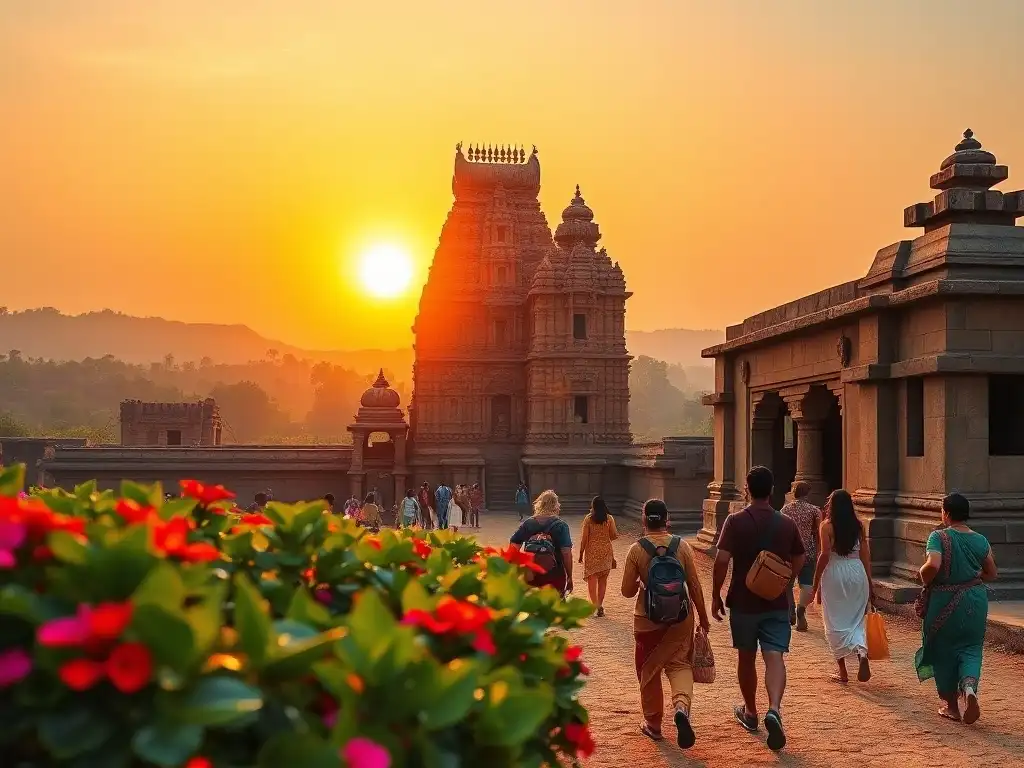
Exploring ancient Indian heritage sites allows travelers to delve deep into the rich tapestry of India's past. Beyond the iconic Taj Mahal, which often overshadows other remarkable locations, there lies a treasure trove of historical monuments, intricate temples, and age-old ruins that speak volumes about the cultural and architectural prowess of ancient civilizations. Each site, from the serene landscapes of Hampi to the majestic forts of Rajasthan, offers a unique glimpse into the diverse traditions, beliefs, and lifestyles that have shaped India over millennia.
Travelers who venture off the beaten path will find themselves immersed in stories of valor, spirituality, and artistry that resonate through the ages. Embracing these hidden gems not only enriches the travel experience but also fosters a deeper appreciation for the enduring legacy of ancient Indian heritage. As we uncover these lesser-known wonders, we contribute to their preservation and ensure that future generations can continue to explore and learn from the past.
Call to Action
Are you ready to embark on an unforgettable journey through the hidden treasures of ancient India? Start planning your heritage tour today! Discover the enchanting sites that lie beyond the Taj Mahal and immerse yourself in the history, culture, and beauty of ancient Indian civilizations. Whether you prefer guided tours or self-exploration, the richness of India's heritage awaits you.
🔍 Explore More: Research and curate your travel itinerary, consider local guides to enhance your experience, and connect with fellow travelers who share your passion for history. Don't miss out on the opportunity to witness the extraordinary charm of ancient Indian heritage sites!
Additional Resources
To further enrich your understanding and planning of ancient Indian heritage tours, consider the following resources:
- Books:
- "Ancient India: A Historical Perspective" by Romila Thapar
- "The Wonder That Was India" by A.L. Basham
- Documentaries:
- "The Story of India" narrated by Michael Wood
- "India: The Modi Question" for insights on contemporary heritage
- Online Platforms:
- Heritage India for travel tips and itineraries
- Archaeological Survey of India for the latest on site preservation and significance
These resources will provide you with valuable insights, historical context, and practical tips to ensure your journey through ancient Indian heritage is both enlightening and memorable. Happy exploring!
- Introduction to Ancient Indian Heritage Sites
- Why Explore Beyond the Taj Mahal?
- Top Hidden Gems of Ancient Indian Heritage Tours
- Planning Your Ancient Indian Heritage Tour
- Conclusion: Embrace the Richness of Ancient Indian Heritage
- Call to Action
- Additional Resources
- What are some lesser-known ancient Indian heritage sites?
- Why is the Taj Mahal often considered the pinnacle of Indian heritage?
- How can one explore the hidden gems of ancient India?
- What historical significance do sites like Hampi and Khajuraho hold?
- How can visiting these heritage sites contribute to understanding Indian culture?
Frequently Asked Questions
What are some lesser-known ancient Indian heritage sites?
Some hidden gems include Hampi with its stunning ruins, Khajuraho known for its intricate temples, and Ajanta and Ellora Caves featuring remarkable rock-cut architecture.
Why is the Taj Mahal often considered the pinnacle of Indian heritage?
The Taj Mahal is renowned for its exquisite Mughal architecture and symbolizes love. However, it is just one of many sites showcasing India's vast cultural history.
Travelers can join heritage tours that focus on lesser-known sites, visit local museums, or engage with tour guides who specialize in the rich history of ancient Indian civilizations.
What historical significance do sites like Hampi and Khajuraho hold?
Hampi was the capital of the Vijayanagara Empire, showcasing architectural brilliance, while Khajuraho is famous for its temple carvings that reflect the cultural and spiritual life of ancient India.
How can visiting these heritage sites contribute to understanding Indian culture?
Exploring these heritage sites provides insights into ancient architectural styles, religious practices, and the socio-political contexts that shaped the diverse cultures of ancient India.
Final Reflection: Unveiling the Depths of Ancient Indian Heritage
In exploring the hidden gems of ancient Indian heritage, we uncover the rich tapestry of history that extends far beyond the iconic Taj Mahal. Today, as we navigate a world increasingly driven by technology and rapid change, the significance of these ancient sites becomes even more pronounced. They serve as a reminder of our shared past and the cultural narratives that shape our identities. The preservation and appreciation of these sites are not just about tourism; they are about honoring the legacies that have shaped civilizations.
The influence of ancient Indian heritage sites on our cultural and social landscape is profound and enduring. These sites are not merely relics of the past; they are vibrant storytellers that connect us to our roots. They inspire a sense of belonging and continuity in a world that often feels fragmented. As Mahatma Gandhi once said, “A nation’s greatness is measured by how it treats its weakest members.” This sentiment resonates deeply when we consider how we engage with our heritage; it is our responsibility to protect and cherish these sites for future generations. The greatness of a culture can be found in its festivals.
– Siddhartha Gigoo.
As we conclude this exploration of ancient Indian heritage sites, I invite you to reflect on your own relationship with history and culture. Consider how you can engage with and support the preservation of these treasures in your community. Whether through visiting lesser-known sites, advocating for their protection, or sharing their stories with others, your actions can contribute to a greater appreciation of our shared heritage. Let us strive to look beyond the well-trodden paths and embrace the hidden gems that enrich our understanding of the world and ourselves.
Thank you for exploring the captivating world of ancient Indian heritage with us! We hope you’ve uncovered valuable insights that inspire your journey through India’s lesser-known treasures. Now, it’s time to take action and immerse yourself even deeper in this incredible adventure.
- Join a Heritage Tour: Sign up for a guided tour that takes you to one of these hidden gems; experience the rich culture and history firsthand.
- Connect with Fellow Enthusiasts: Share your newfound knowledge on social media or join forums dedicated to Indian heritage to ignite discussions and hear fascinating stories from others.
- Create Your Own Itinerary: Plan a trip to visit a lesser-known site, document your experience, and consider sharing it with friends or on a travel blog to inspire others.
Which hidden gem of ancient India do you most want to explore, and what draws you to it? We would love to hear your thoughts!