
The Dietary Impact of Agricultural Innovations in Ancient India

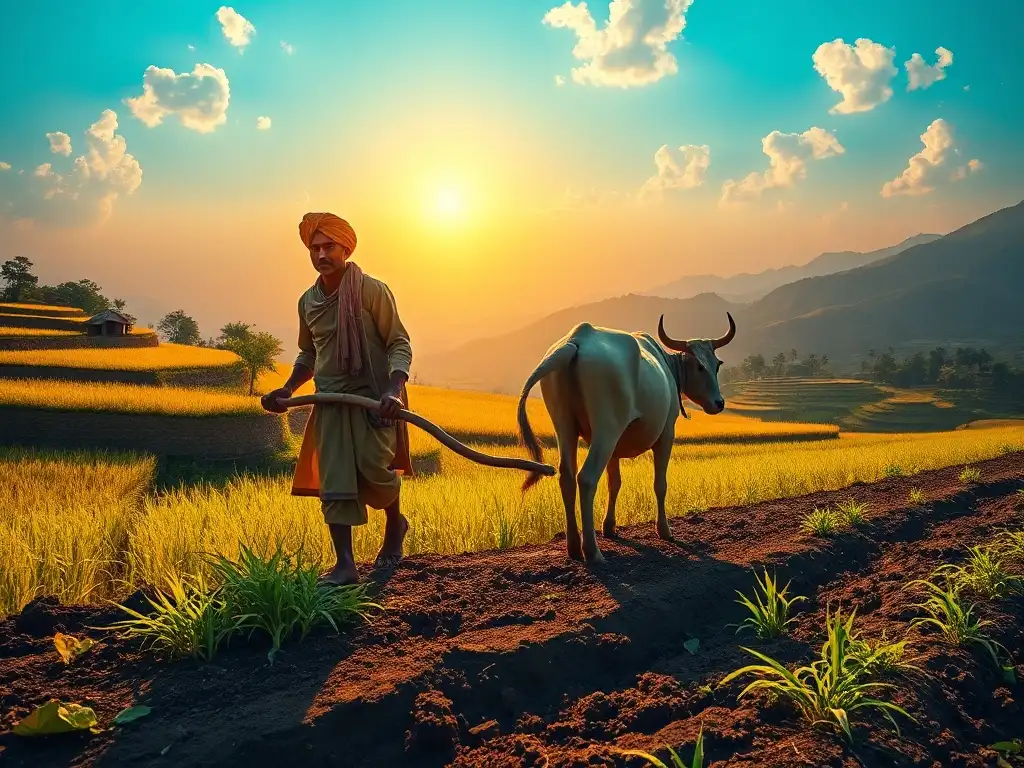
Welcome to Ancient India History, where we embark on a fascinating journey through the tapestry of one of the world's oldest civilizations. Here, we delve into the rich and diverse history, culture, and contributions of ancient India, from the enigmatic Indus Valley to the illustrious Gupta Empire. In our featured article, “The Dietary Impact of Agricultural Innovations in Ancient India,” we invite you to uncover the groundbreaking techniques that shaped not only the agricultural landscape but also the very essence of Indian cuisine and society.
What transformative innovations fueled this vibrant era, and how did they influence daily life? Prepare to satisfy your curiosity as we unravel the remarkable story of ancient Indian agricultural innovations!
Introduction to Ancient Indian Agricultural Innovations
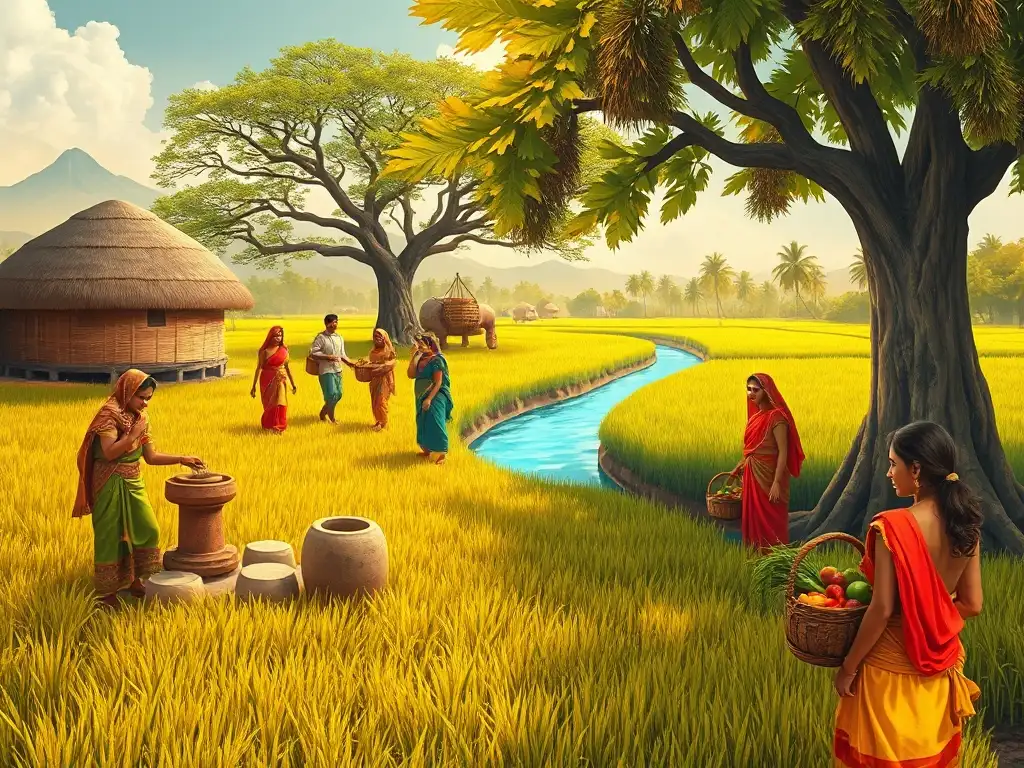
The dietary landscape of ancient India was profoundly shaped by a series of agricultural innovations that not only enhanced food production but also transformed the cultural and social fabric of its civilizations. From the early days of the Indus Valley civilization to the sophisticated agricultural practices of the Gupta Empire, these innovations played a pivotal role in ensuring food security, improving nutrition, and sustaining growing populations.
The exploration of ancient Indian agricultural innovations reveals not just the techniques employed but also the lasting impact these practices had on the diet and lifestyle of the people. This article delves into the various agricultural innovations that emerged throughout ancient Indian history, illustrating their significance and legacy.
Overview of Agricultural Practices in Ancient India
Agriculture in ancient India was characterized by a remarkable diversity of practices that were adapted to local climates and geographical conditions. The fertile plains of the Indo-Gangetic region, the arid lands of Rajasthan, and the lush fields of the Deccan Plateau all contributed to a mosaic of agricultural systems. Key practices included:
- Crop cultivation: Major staples included rice, wheat, barley, and millet, reflecting both regional preferences and climatic conditions.
- Domestication of animals: Livestock such as cattle, goats, and poultry played an essential role in agricultural productivity, providing labor, manure, and food.
- Traditional farming techniques: Simple tools like plows, sickles, and hoes were used, often made from locally available materials.
These practices laid the foundation for a thriving agrarian society, allowing ancient Indian civilizations to flourish.
Importance of Agriculture in Ancient Indian Civilization
Agriculture was not merely an economic activity in ancient India; it served as the backbone of civilization. Its importance can be highlighted through several key aspects:
- Economic Stability: Reliable agricultural output fostered trade and commerce, contributing to the prosperity of cities and towns.
- Nutritional Diversity: A variety of crops ensured a balanced diet, which was crucial for the health and well-being of the population.
- Cultural Significance: Agricultural cycles influenced religious practices, festivals, and social structures, embedding farming deeply into the cultural identity of communities.
The advancements made in agriculture during this period had profound implications for the dietary habits and overall lifestyle of ancient Indians.
Key Agricultural Innovations of Ancient India
Ancient Indian civilizations were marked by several key innovations that fundamentally transformed agricultural practices. Each of these innovations contributed to enhanced food production and efficiency, which in turn influenced dietary patterns.
Introduction of Irrigation Techniques
One of the most significant advancements in ancient Indian agriculture was the development of irrigation techniques. Early civilizations, particularly in the Indus Valley, employed sophisticated systems of canals and reservoirs to manage water resources effectively. This innovation allowed for:
- Increased crop yields: Consistent water supply led to multiple cropping seasons, significantly boosting food production.
- Expansion of arable land: Irrigation enabled the cultivation of previously unmanageable areas, diversifying the types of crops grown.
The mastery of irrigation techniques laid the groundwork for sustainable agricultural practices and supported the growing populations of ancient India.
Development of Crop Rotation Methods
Crop rotation emerged as another critical agricultural innovation, allowing farmers to maximize soil fertility and reduce pest infestations. By alternating crops, ancient Indian farmers could:
- Enhance soil health: Different crops replenish nutrients in the soil, leading to more robust harvests over time.
- Reduce disease: Rotating crops minimized the risk of plant diseases and pests, leading to more stable yields.
This method not only improved agricultural efficiency but also contributed to a more varied diet, as different crops could be cultivated in succession.
Use of Fertilizers and Natural Amendments
The utilization of fertilizers and natural amendments marked a significant leap in agricultural productivity. Ancient farmers recognized the benefits of enhancing soil fertility through:
- Organic fertilizers: Materials such as cow dung, compost, and plant residues were commonly used to enrich the soil.
- Natural amendments: The incorporation of ashes and lime helped to balance soil pH and nutrient levels.
These practices not only improved crop yields but also contributed to the sustainability of agricultural systems, ensuring food security for generations.
The agricultural innovations developed in ancient India had a profound impact on dietary practices and the overall health of its civilizations. From irrigation techniques to the use of natural fertilizers, these advancements laid the groundwork for a thriving agricultural society, enriching the lives of countless individuals throughout history.
Major Crops and Their Dietary Contributions
The agricultural innovations in ancient India led to the cultivation of a variety of crops, each contributing significantly to the dietary practices of its time. This diversification not only enhanced nutritional intake but also played a vital role in the socio-economic fabric of ancient Indian society. The introduction and refinement of techniques, such as irrigation and crop rotation, allowed communities to cultivate staple crops, legumes, and a variety of fruits and vegetables, forming the backbone of their diets.
Staple Crops: Rice and Wheat
Rice and wheat emerged as the two most important staple crops in ancient India, each promoting diverse dietary practices across different regions.
- Rice: Primarily cultivated in the fertile river valleys, such as the Ganges and Brahmaputra, rice became a fundamental part of the diet, particularly in the southern and eastern parts of India. The introduction of wet-rice cultivation techniques, including irrigation systems, significantly boosted yields, allowing communities to thrive. Rice is not only a source of carbohydrates but also contains essential nutrients like vitamins B and E, providing energy and bolstering overall health.
- Wheat: In contrast, wheat flourished in the northwestern regions, particularly the Indus Valley. The development of wheat cultivation techniques, including the use of plows and crop rotation, increased productivity. Wheat served as a versatile ingredient, forming the basis of various foods such as bread, porridge, and other baked goods. Its rich protein content and dietary fibers contributed to balanced nutrition, making it a staple in the northern diet.
Together, rice and wheat formed the cornerstone of ancient Indian diets, ensuring food security and influencing culinary traditions.
Legumes: The Role of Pulses in Nutrition
Legumes, particularly pulses, played a crucial role in the ancient Indian diet, complementing the staple crops and enhancing nutritional diversity.
- Nutritional Benefits: Pulses such as lentils, chickpeas, and mung beans are rich in proteins, fibers, and essential amino acids, making them an excellent plant-based protein source. Their incorporation into daily meals helped combat protein deficiencies, especially in vegetarian diets prevalent in many ancient Indian communities.
- Crop Rotation and Soil Fertility: The practice of rotating pulses with staple crops improved soil fertility through nitrogen fixation, which benefited subsequent crops. This agricultural innovation not only increased yield but also ensured a sustainable farming practice, promoting long-term agricultural health.
- Culinary Uses: Pulses were often used in a variety of dishes, from lentil soups to curries, making them integral to the culinary landscape of ancient India. Their versatility allowed for a range of flavors and textures in meals, enriching the diet.
Legumes not only enhanced nutritional value but also supported sustainable agricultural practices, making them vital to ancient Indian dietary habits.
Fruits and Vegetables: Diversifying the Diet
The cultivation of fruits and vegetables in ancient India added further diversity to the diet, providing essential vitamins and minerals.
- Fruits: The variety of fruits, including mangoes, bananas, and pomegranates, contributed to a balanced diet. Their cultivation was often facilitated by innovations in irrigation, allowing for year-round availability. Fruits were not only consumed fresh but also used in cooking and medicinal preparations, showcasing their importance in daily life.
- Vegetables: Vegetables such as gourds, carrots, and leafy greens were grown extensively, enriching the diet with necessary nutrients. The understanding of seasonal cycles allowed ancient farmers to grow a diverse range of vegetables, enhancing both flavor and nutrition in meals.
- Cultural Significance: The integration of fruits and vegetables into the ancient Indian diet reflected the cultural practices of the time. Festivals and rituals often included offerings of fresh produce, indicating their significance beyond mere sustenance.
The cultivation of fruits and vegetables, supported by agricultural innovations, played a pivotal role in diversifying diets and promoting health in ancient India.
The Influence of Climate and Geography on Agriculture
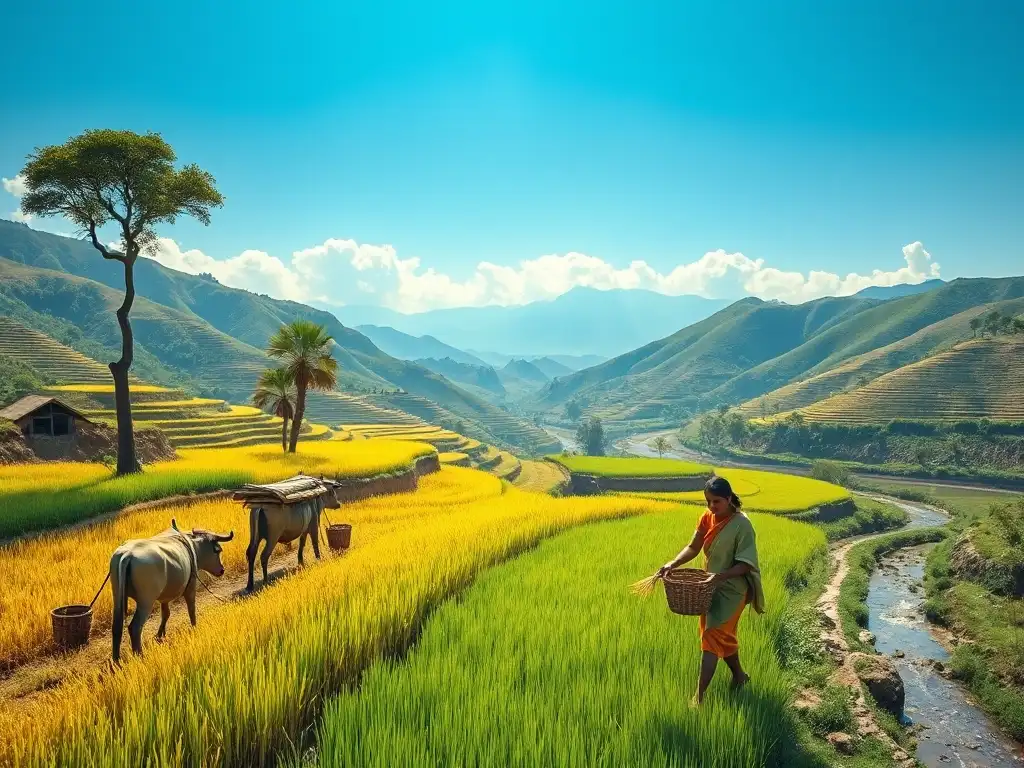
The climatic conditions and geographic features of ancient India significantly influenced agricultural practices, determining what crops could be cultivated and how agricultural innovations were applied.
Regional Variations in Agricultural Practices
India's diverse geography led to distinct agricultural practices across various regions:
- Himalayan Region: The mountainous terrain required terrace farming, which maximized arable land and utilized irrigation systems for water management. Crops such as barley and millet thrived in these areas.
- Gangetic Plains: Flat and fertile, this region benefited from the annual flooding of rivers, enriching the soil. Rice and wheat were the dominant crops, supported by innovations in plowing and irrigation.
- Deccan Plateau: The drier climate necessitated the development of drought-resistant crops, such as sorghum and pulses. Farmers employed techniques like rainwater harvesting to optimize water usage.
These regional variations illustrate how geography shaped agricultural practices, leading to innovations tailored to local conditions.
Adaptation to Monsoon and Seasonal Changes
The monsoon season was a critical factor in ancient Indian agriculture, dictating planting and harvesting cycles:
- Monsoon Dependence: The timely arrival of monsoon rains was vital for crop cultivation. Farmers developed calendars and agricultural practices aligned with seasonal changes, ensuring optimal planting times.
- Irrigation Innovations: To mitigate the risks of erratic monsoon patterns, ancient Indians implemented irrigation systems, including canals and wells. These innovations allowed for more reliable water supply, supporting crop growth even during dry spells.
- Crop Diversity: Farmers adapted to seasonal changes by diversifying crops, practicing intercropping, and rotating between different types according to the monsoon cycle. This adaptability not only safeguarded food supply but also contributed to ecological balance.
The ability to adapt to climatic and seasonal variations through innovative practices was crucial for the sustainability of ancient Indian agriculture, reflecting a deep understanding of the environment.
Agricultural innovations in ancient India had profound social and economic impacts that shaped the very fabric of society. As farming techniques evolved, they facilitated a transition from nomadic lifestyles to settled agricultural communities, leading to significant population growth. This increase in population required more efficient agricultural practices, prompting innovations such as irrigation systems, plowing techniques, and crop rotation.
The rise of agriculture also contributed to the development of social hierarchies. With the ability to produce surplus food, communities could support specialized occupations beyond farming, such as artisans, merchants, and scholars. This specialization led to increased trade and economic diversification, fostering urbanization in regions like the Indus Valley and later, in Mauryan cities. Consequently, the economic stability afforded by agricultural surplus allowed for advancements in arts, sciences, and culture, enriching ancient Indian civilization.
Agricultural Surplus and Trade
One of the most significant outcomes of agricultural innovations was the creation of agricultural surplus. Improved farming techniques, such as the use of the iron plow and the introduction of new crops, resulted in higher yields. This surplus not only ensured food security for local populations but also enabled trade. Regions with abundant agricultural output became centers of commerce, where grains, fruits, and spices were exchanged for goods and services.
The trade networks established during this period connected various parts of India and even extended to neighboring regions, including Central Asia and the Middle East. This interconnectedness facilitated the exchange of not only agricultural products but also ideas, technologies, and cultural practices. The flourishing trade economy contributed to the wealth of cities and the emergence of a merchant class, further enhancing social complexity and economic interdependence.
The Role of Agriculture in Social Structures
Agriculture played a pivotal role in shaping social structures in ancient India. The division of labor that emerged from agricultural practices led to the establishment of distinct social classes. Landowners, who controlled agricultural production, often held significant power and influence, while laborers and peasants formed the backbone of the agrarian economy.
This stratification was reflected in the caste system, which organized society based on occupational roles. Agricultural innovations thus not only transformed economic dynamics but also reinforced social hierarchies. Furthermore, the stability provided by agricultural surplus allowed societies to invest in education, religious practices, and governance, leading to the emergence of complex political systems and cultural developments.
Case Studies of Agricultural Techniques in Ancient India
Ancient India witnessed a variety of agricultural techniques that played a crucial role in enhancing food production and supporting the growing populations. Two notable case studies illustrate the innovations that emerged during this period: the Indus Valley Civilization and the Mauryan Empire.
The Indus Valley Civilization: Early Innovations
The Indus Valley Civilization (c. 3300–1300 BCE) is often celebrated for its sophisticated urban planning and advanced agricultural practices. Early innovations included the development of irrigation systems that harnessed river waters, enabling the cultivation of crops like wheat, barley, and cotton. The use of granaries for storing surplus grain indicates a strategic approach to agriculture, ensuring food security and facilitating trade.
Additionally, archaeological evidence suggests that the Indus Valley people engaged in crop rotation and employed plows, significantly increasing agricultural productivity. These innovations not only supported the local population but also laid the groundwork for trade networks that connected different regions, showcasing the importance of agriculture in the economy and social structure of ancient India.
The Mauryan Empire: Advancements in Agriculture
During the Mauryan Empire (c. 322–185 BCE), agricultural innovations continued to flourish, significantly impacting the empire's economy and society. Under the reign of Emperor Ashoka, the empire implemented advanced agricultural policies, including the establishment of state granaries and the promotion of irrigation projects to enhance crop yields.
Innovations such as improved seed selection and the introduction of new crops, including rice and sugarcane, diversified agricultural output. The Mauryan administration also encouraged agricultural research and education, recognizing the vital role of agriculture in sustaining the empire's vast population. This emphasis on agricultural advancement not only contributed to economic stability but also played a crucial role in the cultural and political developments of the time, solidifying the significance of agricultural innovations in ancient Indian history.
Conclusion: The Legacy of Ancient Indian Agricultural Innovations

The legacy of ancient Indian agricultural innovations has had a profound and lasting impact on both historical and contemporary agricultural practices. The transition from a nomadic lifestyle to settled farming communities marked a pivotal change in societal structures, enabling the growth of civilizations. Innovations such as irrigation techniques, crop rotation, and the domestication of various plant species not only increased food production but also laid the foundation for complex societies to flourish.
Ancient Indian farmers were adept at adapting their methods to local conditions, leading to a rich tapestry of agricultural practices that varied across regions. These practices contributed to food security and economic prosperity, allowing for trade and cultural exchange that enriched the subcontinent. The significance of these innovations extends beyond their historical context, influencing agricultural strategies that continue to evolve today.
Lasting Effects on Modern Indian Agriculture
Modern Indian agriculture still bears the imprint of ancient innovations, particularly in the areas of crop diversity and sustainable farming practices. Techniques such as communal irrigation systems, which were developed in ancient times, can still be seen in use today, especially in rural areas where water management is critical for crop yield.
Moreover, the knowledge of indigenous crops, such as millets and pulses, has gained renewed attention in the face of climate change and the need for resilient agricultural systems. Many farmers are rediscovering these traditional crops for their nutritional benefits and lower environmental impact. Furthermore, the emphasis on organic farming practices, rooted in ancient methods, is gaining momentum as consumers increasingly seek sustainable options. These lasting effects highlight the importance of integrating ancient wisdom into modern agricultural practices to enhance productivity and sustainability.
The Importance of Preserving Ancient Agricultural Knowledge
Preserving ancient agricultural knowledge is essential for several reasons. Firstly, it serves as a repository of wisdom that can inform contemporary agricultural practices. As modern agriculture faces challenges such as climate change, soil degradation, and biodiversity loss, ancient techniques offer valuable insights into sustainable practices that have stood the test of time.
Secondly, preserving this knowledge helps maintain cultural identity and heritage. Agricultural practices are often intertwined with local traditions, rituals, and community life. By safeguarding these practices, we not only honor the contributions of our ancestors but also empower current and future generations to maintain their cultural connections.
Lastly, the preservation of ancient agricultural knowledge can contribute to food security. By integrating traditional knowledge with modern scientific approaches, we can develop innovative solutions that enhance crop resilience, improve yields, and ensure a stable food supply. This holistic approach to agriculture draws from the strengths of both ancient wisdom and contemporary advancements, paving the way for a sustainable agricultural future.
- Introduction to Ancient Indian Agricultural Innovations
- Key Agricultural Innovations of Ancient India
- Major Crops and Their Dietary Contributions
- The Influence of Climate and Geography on Agriculture
- Social and Economic Impact of Agricultural Innovations
- Case Studies of Agricultural Techniques in Ancient India
- Conclusion: The Legacy of Ancient Indian Agricultural Innovations
- Lasting Effects on Modern Indian Agriculture
- The Importance of Preserving Ancient Agricultural Knowledge
- What were some key agricultural innovations in Ancient India?
- How did agricultural practices influence diet in Ancient India?
- What role did the Indus Valley Civilization play in agriculture?
- How did the Gupta Empire contribute to agricultural development?
- What impact did ancient Indian agriculture have on modern practices?
Frequently Asked Questions
What were some key agricultural innovations in Ancient India?
Ancient India saw significant agricultural innovations like the development of irrigation systems, the use of plows, and the introduction of crop rotation that enhanced productivity.
How did agricultural practices influence diet in Ancient India?
The advancements in agricultural practices led to a more diverse and stable food supply, resulting in a varied diet that included grains, legumes, and vegetables, which supported population growth.
What role did the Indus Valley Civilization play in agriculture?
The Indus Valley Civilization is known for its sophisticated urban planning and drainage systems, which facilitated agriculture and trade, marking a significant development in ancient farming techniques.
How did the Gupta Empire contribute to agricultural development?
During the Gupta Empire, there was a notable emphasis on land cultivation and the introduction of new crops, which led to an increase in agricultural output and trade.
What impact did ancient Indian agriculture have on modern practices?
Many ancient Indian agricultural techniques, such as organic farming and sustainable practices, continue to influence modern agriculture, promoting biodiversity and environmental sustainability today.
Final Reflection: The Enduring Legacy of Ancient Indian Agricultural Innovations
The dietary impact of agricultural innovations in ancient India is not just a relic of the past; it is a cornerstone of our current food systems and cultural practices. The advancements made by ancient Indian civilizations in agriculture have shaped not only their diets but also the very fabric of society, influencing everything from trade to nutrition. Today, as we grapple with modern agricultural challenges, the wisdom of these innovations offers valuable lessons on sustainability and resilience.
The influence of ancient Indian agricultural practices continues to resonate in our contemporary world, reminding us of the intricate relationship between agriculture and culture. These innovations laid the groundwork for diverse dietary practices that are still celebrated today, fostering a deep connection between people and their food sources. As Mahatma Gandhi once said, “To forget how to dig the earth and to tend the soil is to forget ourselves.” This quote encapsulates the essence of our ongoing relationship with agriculture, emphasizing the need to honor and learn from our agricultural heritage.
As we reflect on the remarkable achievements of ancient Indian agricultural innovations, let us take a moment to consider how we can apply these lessons in our own lives. I invite you to explore your own dietary choices and their origins, recognizing the profound impact of agriculture on your health and community. By embracing the principles of sustainability and mindfulness that these ancient practices embody, we can cultivate a future that honors our past while nurturing the planet for generations to come.
Unleash the Power of Ancient Agricultural Wisdom!
Thank you for diving into the fascinating world of agricultural innovations in Ancient India! You’ve uncovered the profound ways these practices have shaped dietary habits and influenced civilizations. Now, it’s time to take that knowledge further and make it a part of your life!
Here’s how you can connect with this rich heritage and inspire change in your own dietary choices:
- Explore local farms or markets to experience the benefits of fresh, traditional produce that has been cultivated for generations.
- Share your newfound knowledge with friends and family by organizing a themed dinner featuring dishes inspired by ancient Indian cooking methods.
- Consider starting a small herb garden at home to incorporate this rich history into your kitchen while promoting sustainability.
Now, we’d love to hear from you! In what ways do you think incorporating ancient agricultural practices could enhance modern diets and contribute to food sustainability?