
Ancient Texts of Ayurveda: A Journey Through the Charaka Samhita


Welcome to Ancient India History, where we embark on an enlightening journey through the rich tapestry of India's past. Dive deep into the intriguing world of the Charaka Samhita Ayurvedic texts, a cornerstone of ancient Indian medicine that has influenced health practices for centuries. Discover how these texts not only shaped the medical landscape but also reflect the profound wisdom of ancient civilizations.
Are you ready to explore the transformative ideas that continue to resonate today? Join us as we uncover the secrets of Ayurveda and its enduring legacy in our latest article, “Ancient Texts of Ayurveda: A Journey Through the Charaka Samhita.”
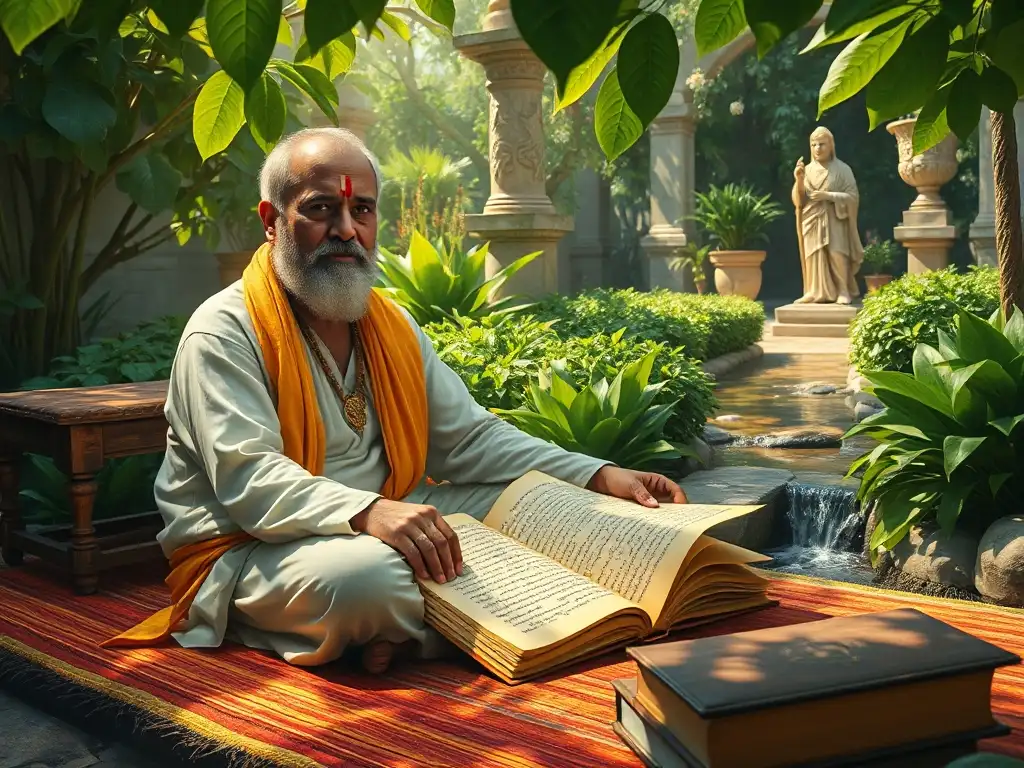
Introduction to Ayurveda and Its Ancient Texts
Ayurveda, often referred to as the "Science of Life," is an ancient system of medicine that originated in India over 3,000 years ago. This holistic approach emphasizes balance in the body, mind, and spirit, integrating physical health with mental and spiritual well-being. Central to Ayurveda are its ancient texts, which provide foundational knowledge and practical guidelines for maintaining health and treating diseases.
Among these texts, the Charaka Samhita stands out as one of the most significant works in the Ayurvedic canon. This article will explore the rich traditions surrounding the Charaka Samhita and its lasting influence on Ayurvedic practices today.
Understanding Ayurveda: A Holistic Approach to Health
Ayurveda is built on the belief that health is a harmonious balance of the body's three doshas—Vata, Pitta, and Kapha—each representing different physiological functions. This ancient practice encompasses various methods, including herbal medicine, dietary recommendations, yoga, and meditation, all aimed at achieving optimal health.
- Key Principles of Ayurveda:
- Balance: Health is seen as a state of balance among body, mind, and spirit.
- Individuality: Treatments are personalized, recognizing that each person is unique.
- Natural Remedies: Emphasis is placed on using natural substances for healing.
Through this holistic lens, Ayurveda offers a comprehensive understanding of health that transcends merely treating symptoms, aiming instead for long-term wellness.
Importance of Ancient Ayurvedic Texts in Medical History
The ancient Ayurvedic texts serve as a crucial foundation for understanding medical practices and philosophies in both historical and modern contexts. These texts, including the Charaka Samhita, not only document comprehensive medical knowledge but also reflect the cultural and philosophical nuances of their time.
- Contributions of Ayurvedic Texts:
- Documentation of Medical Knowledge: They preserve critical information on diseases, treatments, and surgical techniques.
- Influence on Modern Medicine: Many concepts from Ayurveda have been integrated into contemporary healthcare practices, particularly in holistic and integrative medicine.
The wisdom contained within these texts has transcended generations, influencing various medical systems worldwide and affirming Ayurveda's role as a pioneer in holistic health approaches.
Exploring the Charaka Samhita
The Charaka Samhita is a pivotal text within the tradition of Ayurveda, often regarded as the foremost authority on Ayurvedic medicine. It serves as an encyclopedic compendium, addressing various aspects of health, disease, and treatments.
Overview of the Charaka Samhita
Composed in Sanskrit, the Charaka Samhita is divided into eight sections or "Sthanas," each covering different aspects of Ayurveda, including general principles, diagnosis, treatment, and specific diseases. Its comprehensive nature makes it an indispensable resource for practitioners and scholars alike.
- Key Sections:
- Sutra Sthana: Fundamental principles and concepts.
- Nidana Sthana: Diagnosis and understanding of disease.
- Chikitsa Sthana: Treatment methodologies.
Through its detailed expositions, the Charaka Samhita elucidates the interconnectedness of bodily functions, emphasizing the importance of a holistic approach to health.
Historical Context of the Charaka Samhita
The Charaka Samhita is believed to have been compiled around 100 CE, during a period of significant development in Indian medicine and philosophy. Its origins can be traced back to the ancient Vedic texts, showcasing an evolution of medical knowledge that harmonized with prevailing cultural and spiritual paradigms.
- Cultural Significance:
- Reflects the integration of spirituality and medicine in ancient India.
- Serves as a mirror to the socio-political context of its time.
Understanding the historical backdrop of the Charaka Samhita enhances our appreciation of its insights and applications in both ancient and modern contexts.
Authorship and Compilation of the Charaka Samhita
Traditionally, the Charaka Samhita is attributed to the sage Charaka, who is believed to have been a physician in the ancient court. However, the text likely underwent numerous revisions and annotations over centuries, incorporating insights from various scholars and practitioners.
- Key Contributors:
- Charaka: The original author and sage, credited with foundational ideas.
- Subsequent Scholars: Various Ayurvedic scholars contributed to its compilation and interpretation over time.
This collaborative effort in the development of the Charaka Samhita underscores the dynamic nature of Ayurvedic knowledge, allowing it to adapt and thrive throughout history.
The Charaka Samhita remains a cornerstone of Ayurvedic literature, embodying centuries of medical wisdom and insight, essential for anyone exploring the depths of Ayurveda.
Structure and Content of the Charaka Samhita
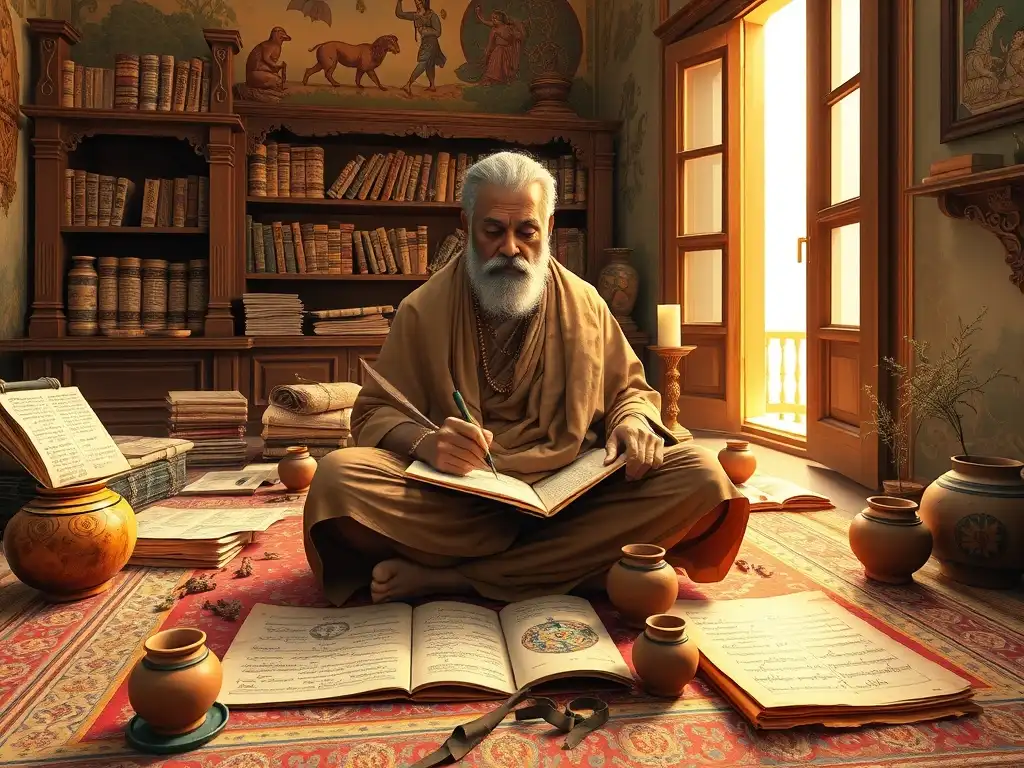
The Charaka Samhita is a foundational text of Ayurveda, composed by the ancient sage Charaka. This comprehensive work is structured into eight sections, called Sthanas, which systematically cover various aspects of health, medicine, and the practice of Ayurveda. The text is primarily written in the form of verses (shlokas) and prose, making it both a scholarly and practical resource. The organization allows practitioners to navigate through an extensive range of topics, from basic principles to complex medical treatments.
Each Sthana addresses specific themes, including the principles of diagnosis, treatment methods, and detailed descriptions of diseases. The Charaka Samhita emphasizes the interdependence of body, mind, and spirit, reflecting the holistic approach of Ayurveda. This text not only serves as a guide for medical practitioners but also acts as a philosophical treatise on the nature of life, health, and disease.
Key Concepts in the Charaka Samhita
The Charaka Samhita introduces several key concepts that form the basis of Ayurvedic medicine. These concepts are critical for understanding health and disease in the Ayurvedic paradigm. The text discusses the balance of bodily elements, the importance of diet, and lifestyle, and the role of mental health in physical well-being.
The core principles revolve around three primary categories: Doshas, Dhatus, and Malas. Each category plays a vital role in maintaining health and understanding disease processes. The following sections delve deeper into these concepts.
Doshas: The Three Vital Energies in Ayurveda
In Ayurveda, Doshas refer to the three fundamental energies that govern physiological and psychological processes in the body: Vata, Pitta, and Kapha. Each Dosha is characterized by distinct qualities and is associated with different bodily functions:
- Vata: Composed of air and ether, Vata governs movement, communication, and the nervous system. Its qualities are dry, light, cool, and irregular.
- Pitta: Formed from fire and water, Pitta is responsible for digestion, metabolism, and transformation. It is characterized as hot, sharp, and oily.
- Kapha: Made of earth and water, Kapha provides structure, stability, and lubrication to the body. Its qualities are heavy, slow, steady, and solid.
Imbalances in these Doshas can lead to various health issues, and the Charaka Samhita provides guidelines for restoring balance through diet, herbal remedies, and lifestyle adjustments.
Dhatus: The Seven Tissues and Their Importance
The Dhatus are the seven fundamental tissues that form the body, each playing a crucial role in maintaining health and vitality. The Dhatus are:
- Rasa (Plasma)
- Raktha (Blood)
- Mamsa (Muscle)
- Meda (Fat)
- Asthi (Bone)
- Majja (Bone marrow)
- Shukra (Reproductive tissue)
Each Dhatu is responsible for specific functions and nourishes the body based on the nutrients derived from food and the body's metabolic processes. The Charaka Samhita highlights the importance of these tissues not only for physical health but also for the overall well-being of an individual. Proper nourishment and balance among the Dhatus are essential for preventing diseases and promoting longevity.
Malas: Waste Products and Their Role in Health
In Ayurveda, Malas refer to the waste products generated by the body's metabolic processes. The Charaka Samhita identifies three primary Malas:
- Purisha (feces)
- Mutra (urine)
- Sveda (sweat)
The proper elimination of Malas is crucial for maintaining health. Accumulation or imbalance in these waste products can lead to various health issues. The text emphasizes the significance of regular detoxification and the importance of a balanced diet to ensure the efficient functioning of excretory systems. Recognizing and managing Malas are integral to the Ayurvedic approach to health, highlighting the need for a holistic view of bodily functions.
The Charaka Samhita's Influence on Modern Medicine
The Charaka Samhita, one of the foundational texts of Ayurveda, has significantly influenced modern medicine, particularly in the realms of holistic health and preventive care. Written around the 2nd century BCE, it emphasizes the importance of understanding the individual as a whole, including body, mind, and spirit. This holistic approach aligns closely with contemporary integrative medicine practices that seek to combine conventional medical treatments with alternative therapies.
Moreover, many principles found in the Charaka Samhita, such as the categorization of diseases and the emphasis on diet and lifestyle for maintaining health, echo in modern preventive medicine. For instance, the text discusses concepts like Agni (digestive fire), which is akin to metabolic health in current medical terminology. Research has shown that maintaining a balanced metabolism is crucial for preventing lifestyle diseases, reinforcing the relevance of ancient Ayurvedic wisdom in modern health paradigms.
Relevance of Charaka Samhita in Contemporary Ayurvedic Practices
The Charaka Samhita remains a cornerstone in contemporary Ayurvedic practices, influencing practitioners in their approach to diagnosis and treatment. The text outlines diagnostic methods, including pulse diagnosis and patient interviews, which are still employed by Ayurvedic physicians today. Its systematic treatment protocols for various ailments provide a comprehensive framework that practitioners utilize to develop personalized health plans for their patients.
Additionally, the Charaka Samhita emphasizes the significance of herbal remedies and natural therapies, which continue to play a vital role in modern Ayurvedic treatments. The detailed descriptions of medicinal plants and their properties can be found in contemporary herbal formulations, highlighting the text's enduring impact on natural medicine practices. Furthermore, the principles of balancing the doshas (Vata, Pitta, and Kapha), outlined in the Charaka Samhita, guide practitioners in tailoring treatments to individual patient needs, thus reinforcing the text's relevance in today’s holistic health strategies.
Charaka Samhita and Its Impact on Global Health Perspectives
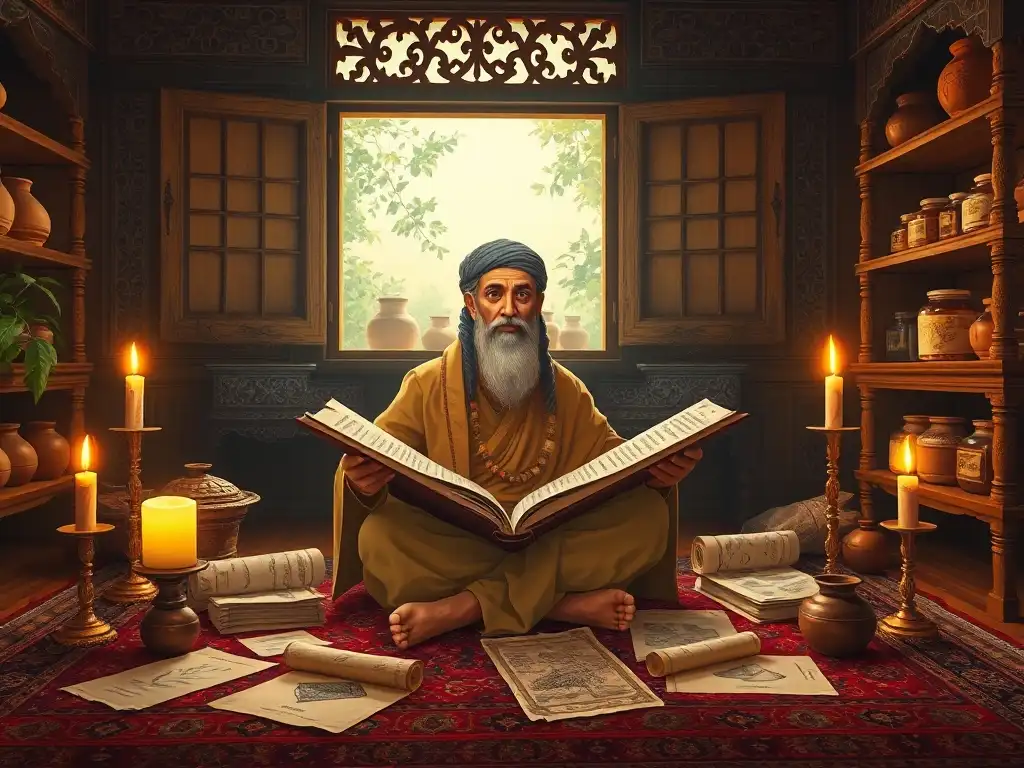
The Charaka Samhita has not only shaped Ayurvedic practices but has also contributed to a broader global health perspective. As interest in alternative medicine grows worldwide, the principles articulated in the Charaka Samhita offer valuable insights into disease prevention and health promotion. Its holistic framework encourages a shift from a purely symptom-focused approach to one that emphasizes overall well-being and lifestyle modification.
Moreover, international collaborations and research initiatives have emerged to explore the efficacy of Ayurvedic practices based on the Charaka Samhita. Studies examining the effects of Ayurvedic treatments on chronic diseases such as diabetes and hypertension have gained traction, showcasing the text's relevance to contemporary health challenges. This growing recognition of Ayurveda, rooted in texts like the Charaka Samhita, promotes a more integrative approach to health care globally, bridging the gap between ancient wisdom and modern scientific inquiry.
Comparing the Charaka Samhita with Other Ayurvedic Texts
Charaka Samhita vs. Sushruta Samhita: A Comparative Analysis
When comparing the Charaka Samhita with the Sushruta Samhita, another fundamental Ayurvedic text, distinct yet complementary perspectives on health emerge. The Charaka Samhita focuses primarily on internal medicine, emphasizing the diagnosis and treatment of diseases through lifestyle and dietary changes, herbal remedies, and holistic healing practices. It presents a detailed understanding of various diseases and their management, making it essential for practitioners focused on internal health.
Conversely, the Sushruta Samhita is often regarded as the foundational text for surgical practices in Ayurveda. It provides extensive insights into surgical techniques, anatomy, and post-operative care. While the Charaka Samhita addresses the preventive and therapeutic aspects of health, the Sushruta Samhita complements this by detailing surgical interventions and emergency care, illustrating the comprehensive nature of Ayurvedic medicine.
Influence of the Charaka Samhita on Later Ayurvedic Literature
The influence of the Charaka Samhita extends far beyond its time, laying the groundwork for subsequent Ayurvedic literature. Many later texts, including the Ashtanga Hridayam and the Bhavaprakasha, draw upon the principles established in the Charaka Samhita, adapting and expanding its teachings to suit the evolving needs of practitioners and patients.
These later texts often reference the classifications of diseases, treatment protocols, and herbal formulations found in the Charaka Samhita, highlighting its foundational role in shaping Ayurvedic knowledge. Additionally, the Charaka Samhita's emphasis on personalized medicine has paved the way for more nuanced approaches in later texts, reinforcing the importance of individuality in health care. The enduring legacy of the Charaka Samhita continues to inspire and inform Ayurvedic scholarship, ensuring its place as a vital resource in the study and practice of Ayurveda.
Conclusion: The Enduring Legacy of the Charaka Samhita
The Charaka Samhita stands as a monumental text in the realm of Ayurveda, encapsulating centuries of medical wisdom and practices. Its compilation is not merely a reflection of the medical knowledge of ancient India but also a testament to the philosophical frameworks that underpin Ayurvedic medicine.
By integrating principles of ethics, lifestyle, and holistic living, the Charaka Samhita emphasizes the importance of balance between the body, mind, and spirit, which continues to resonate in contemporary health paradigms. The enduring legacy of this text is evident in its ongoing influence on Ayurvedic practitioners, scholars, and those interested in holistic health worldwide.
The Role of Charaka Samhita in Preserving Ancient Wisdom
The Charaka Samhita plays a pivotal role in preserving the ancient wisdom of Ayurveda, serving as a comprehensive manual for practitioners. Its systematic approach to diagnosing and treating ailments, along with its detailed descriptions of medicinal herbs, formulations, and therapies, ensures that traditional knowledge is not lost to time. By documenting the teachings of Charaka and subsequent Ayurvedic scholars, this text has become an invaluable resource for understanding ancient medical practices. Furthermore, its emphasis on experiential knowledge and observation enriches the medical field, preserving practices that emphasize individualized treatment and preventive care.
Future Prospects for Ayurvedic Texts in Modern Healthcare
As interest in holistic and alternative medicine continues to grow globally, the Charaka Samhita and other Ayurvedic texts are finding new relevance in modern healthcare. With increasing research into the efficacy of Ayurvedic treatments and the integration of traditional knowledge with contemporary medical practices, there is a promising future for these texts. Ayurvedic principles are being incorporated into wellness programs, integrative medicine, and preventive health strategies. The challenge lies in scientifically validating ancient practices while respecting their cultural context, thus paving the way for a synergistic approach to health that honors both ancient wisdom and modern science.
References and Further Reading
Recommended Books and Articles on Charaka Samhita
- Charaka Samhita: Agnivesha's Treatise: - An English translation and commentary by Dr. P.V. Sharma.
- The Charaka Samhita: A Comprehensive Guide to Ayurvedic Medicine: - A detailed exploration of the text by Dr. K.R. Srikantia.
- Ayurveda: The Science of Self-Healing: - A practical guide by Dr. Vasant Lad, which includes discussions on the Charaka Samhita.
- The Essence of Charaka Samhita - An article by Dr. S. P. Mishra discussing the relevance of the text in contemporary times.
Online Resources for Exploring Ayurvedic Texts and Practices
- National Institute of Ayurveda - A wealth of information on Ayurvedic practices and research initiatives.
- Ayurveda Today - An online portal featuring articles, studies, and resources related to Ayurvedic medicine.
- The Ayurvedic Institute - Offers educational programs and a collection of resources on the Charaka Samhita and Ayurveda.
- Digital Library of India - A repository where one can find digital copies of ancient texts, including the Charaka Samhita.
- Introduction to Ayurveda and Its Ancient Texts
- Understanding Ayurveda: A Holistic Approach to Health
- Importance of Ancient Ayurvedic Texts in Medical History
- Exploring the Charaka Samhita
- Structure and Content of the Charaka Samhita
- Key Concepts in the Charaka Samhita
- The Charaka Samhita's Influence on Modern Medicine
- Relevance of Charaka Samhita in Contemporary Ayurvedic Practices
- Charaka Samhita and Its Impact on Global Health Perspectives
- Comparing the Charaka Samhita with Other Ayurvedic Texts
- Conclusion: The Enduring Legacy of the Charaka Samhita
- References and Further Reading
Frequently Asked Questions
What is the Charaka Samhita?
The Charaka Samhita is a foundational Ayurvedic text that outlines ancient Indian medical practices and philosophies, emphasizing holistic healing and the importance of lifestyle.
How does the Charaka Samhita contribute to modern medicine?
The Charaka Samhita provides insights into preventive care and treatments that influence modern holistic approaches in medicine, showcasing the relevance of ancient knowledge today.
What are some key themes explored in the Charaka Samhita?
Key themes include the importance of balance in health, the role of diet and herbs, and the significance of mental well-being, emphasizing a comprehensive approach to health.
Traditionally attributed to Charaka, an ancient physician, the text is believed to have been compiled in the 2nd century BCE, reflecting the medical knowledge of its time.
How is the Charaka Samhita structured?
The Charaka Samhita is divided into sections that cover various aspects of Ayurveda, including diagnosis, treatment, and the philosophy of health, making it a comprehensive guide.
Final Reflection: Embracing the Wisdom of the Charaka Samhita
The teachings of the Charaka Samhita continue to resonate profoundly in today's world, where the quest for holistic health and well-being is more relevant than ever. As we navigate the complexities of modern life, the ancient wisdom encapsulated in these Ayurvedic texts offers timeless insights into the balance of body, mind, and spirit. The Charaka Samhita serves as a beacon, guiding us toward a more harmonious existence amidst the chaos of contemporary living.
The influence of the Charaka Samhita extends far beyond its historical context; it shapes our cultural and social landscapes by fostering a deeper understanding of health and wellness. In an age where quick fixes dominate our approach to health, the principles outlined in this ancient text remind us of the importance of preventive care and the interconnectedness of all aspects of life.
As Mahatma Gandhi once said, “It is health that is real wealth and not pieces of gold and silver.” This perspective encourages us to prioritize our well-being and embrace practices that nurture our entire being, rather than merely treating symptoms.
As you reflect on the teachings of the Charaka Samhita, consider how you can integrate its wisdom into your daily life. Take a moment to evaluate your health practices, your relationship with nature, and your overall lifestyle. By embracing the holistic approach of Ayurveda, you can cultivate a deeper sense of balance and fulfillment. Let the insights from these ancient texts inspire you to embark on your own journey toward wellness, fostering a life that honors both your body and spirit.
Unveil Your Path to Wellness with Ayurveda!
Thank you for immersing yourself in the ancient wisdom of Ayurveda through foundational texts. By exploring these timeless resources, you've gained valuable insights into holistic health and natural well-being. Now is the perfect time to take action and integrate this knowledge into your life!
Here are some steps you can take right away:
- Dive into Ayurvedic practices: Start incorporating Ayurvedic routines into your daily life, such as mindfulness meditation or enjoying herbal teas that suit your unique constitution.
- Share your journey: Connect with friends or engage on social media to share fascinating insights from your studies and spark conversations about holistic health.
- Join a local Ayurveda community: Seek out workshops or online forums to discuss and learn more about Ayurvedic remedies and their applications in modern life.
As you embark on this enriching journey, ask yourself: How will you incorporate the timeless wisdom of Ayurveda into your own health regimen today?