
The Cultural Role of Women in Ancient Indian Society: A Deep Dive

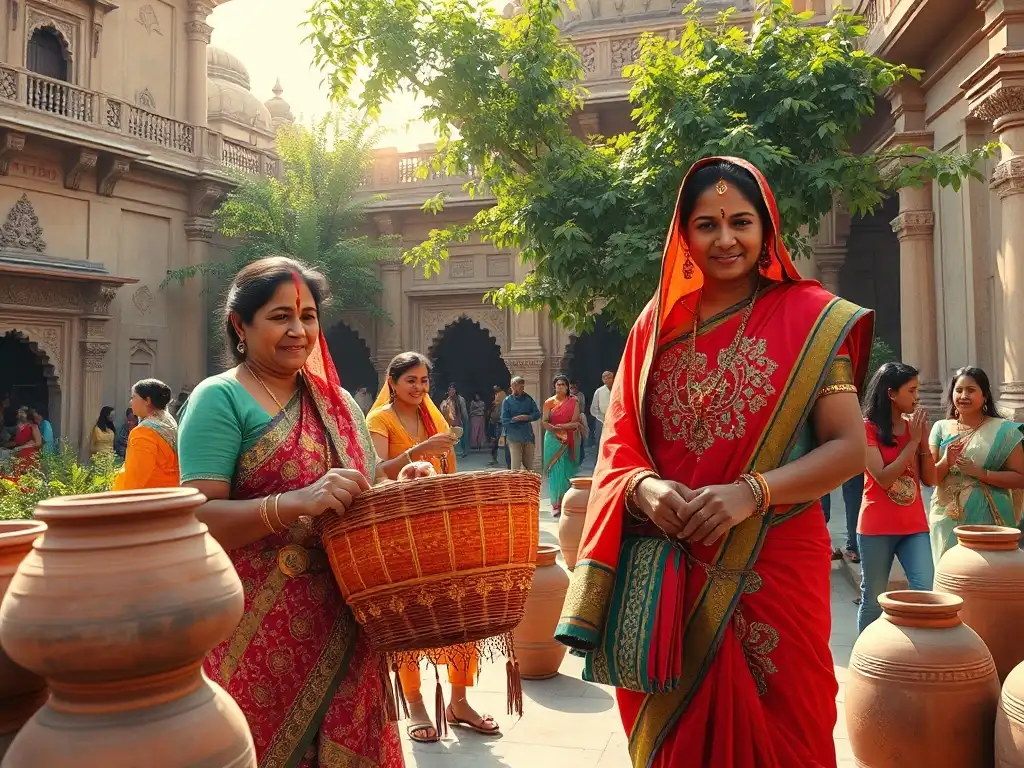
Welcome to Ancient India History, where we embark on a fascinating journey through the vibrant tapestry of ancient Indian civilization. In our featured article, "The Cultural Role of Women in Ancient Indian Society: A Deep Dive," we unveil the often-overlooked cultural contributions of women in India. From their pivotal roles in art, literature, and spirituality to their influence on social structures, the stories of these remarkable women are both inspiring and enlightening. Get ready to explore the profound impact they had on shaping the rich heritage of India—your adventure into the depths of history begins here!
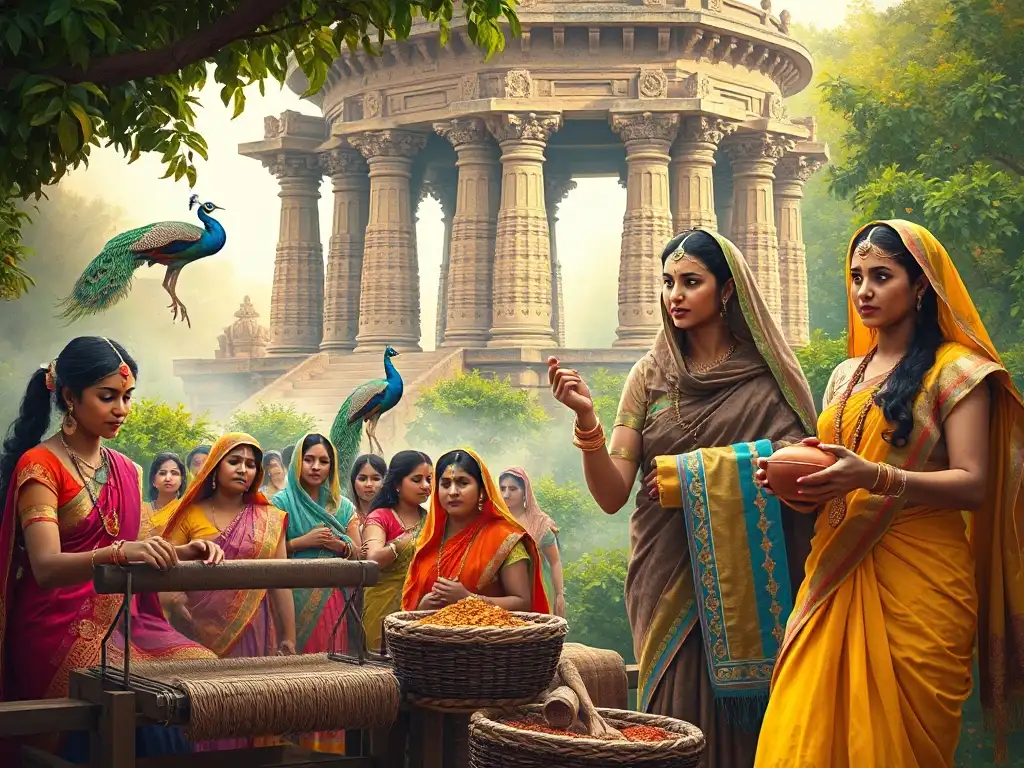
Introduction to the Cultural Contributions of Women in India
The history of ancient India is a tapestry woven with the threads of diverse cultures, religions, and traditions, where the cultural contributions of women played a pivotal role. From the Indus Valley Civilization to the grandeur of the Gupta Empire, women were not just passive figures but active participants in shaping society. Their influence spanned various domains, including art, literature, religion, and social structures, making it essential to explore this rich heritage.
Understanding the cultural role of women in ancient Indian society allows us to appreciate their contributions and the societal norms that defined their lives. This exploration sheds light on their resilience, creativity, and the profound impact they had on their communities.
Overview of Women's Roles in Ancient Indian Society
In ancient India, women's roles were multifaceted and evolved through various historical periods. Women were often seen as the backbone of family life, responsible for household management, nurturing children, and preserving cultural traditions. However, their roles extended beyond the confines of the home:
- Educators: Women like Gargi and Maitreyi were renowned scholars who contributed to philosophical discourses.
- Artisans and Creators: Many women engaged in textile production, pottery, and other crafts, contributing to the economic fabric of society.
- Spiritual Leaders: Women such as the poet-saint Mirabai and the various Devi cults illustrated the spiritual significance afforded to women.
These roles highlight the complex and dynamic nature of women's contributions, shifting with societal changes while maintaining a core influence that is often overlooked in mainstream historical narratives.
Importance of Understanding Women's Cultural Contributions
Recognizing the cultural contributions of women in ancient India is crucial for several reasons:
- Historical Accuracy: Acknowledging women's roles provides a more comprehensive and accurate picture of ancient Indian society.
- Cultural Heritage: It helps in preserving and celebrating the rich cultural heritage that women have contributed to, from literature to the arts.
- Modern Perspectives: Understanding these contributions can empower contemporary discussions about gender roles and women's rights in India today.
By delving into the historical context, we can better appreciate the nuanced roles that women played in shaping the cultural landscape of ancient India.
Historical Context of Women in Ancient India
To fully grasp the cultural contributions of women in ancient Indian society, it is essential to examine the historical context in which they lived. This includes understanding the societal structures and gender roles that defined their experiences.
Societal Structure and Gender Roles in Ancient India
Ancient Indian society was predominantly patriarchal, with distinct gender roles that often dictated the lives of women. Despite this, the societal structure was not monolithic, and variations existed across different regions and periods:
- Patriarchy and Matriliny: While many communities followed patriarchal norms, others, such as the Nairs of Kerala, practiced matriliny, where inheritance and lineage were traced through the female line.
- Religious Influence: The role of women in religious practices varied, with some serving as priestesses, while others were restricted from participating in certain rituals.
- Legal Rights: Women had varying degrees of legal rights, including property ownership in some texts, though these rights were often limited and subject to male guardianship.
Understanding these nuances provides insight into the complex interplay of societal expectations and women's capabilities.
Key Periods Influencing Women's Cultural Contributions
Several key historical periods significantly influenced the role of women in ancient India:
- Indus Valley Civilization (c. 3300–1300 BCE): Evidence suggests women participated in trade and held positions of status, indicating a degree of social equality.
- Vedic Period (c. 1500–500 BCE): This era saw women becoming integral to religious ceremonies and education, with figures like Gargi representing women's intellectual prowess.
- Gupta Empire (c. 320–550 CE): The Gupta period is often regarded as a golden age for Indian culture, where women contributed to literature, arts, and philosophy, exemplified by poets like Chandrabati.
These periods reveal the evolving nature of women's roles and underscore their lasting impact on the cultural heritage of India. Understanding these historical contexts is vital for appreciating the depth of women's contributions throughout ancient Indian history.
Prominent Women and Their Cultural Influence
Throughout ancient Indian history, women played a pivotal role in shaping the cultural landscape of society. Notable figures such as Gargi, Maitreyi, and Sarada exemplified intellectual prowess and spiritual depth, influencing philosophical thought and religious practices. Their contributions extended beyond mere participation; they actively engaged in dialogues that challenged contemporary norms, fostering a more inclusive cultural framework.
Women like the poetess Aditi, who flourished during the Vedic period, utilized their artistic talents to express societal values and personal experiences. The cultural contributions of these women were not limited to the literary realm but also encompassed various forms of art, music, and dance, leaving a lasting legacy that inspired future generations. Their influence can be seen in the rich tapestry of Indian culture, where the interplay of gender roles continues to evolve.
Women in Literature and Arts
The literary contributions of women in ancient India are profound, with texts such as the Mahabharata and Ramayana showcasing female characters that embody strength, wisdom, and resilience. These texts not only reflect the societal values of the time but also highlight the centrality of women in storytelling and cultural narratives. Women like Kalidasa’s fictional characters, such as Shakuntala, symbolize the complexities of love and duty, providing a nuanced understanding of women's roles in ancient society.
In the realm of visual arts, ancient Indian women were instrumental in the creation of intricate sculptures and frescoes. The Ajanta and Ellora caves, for instance, feature exquisite representations of female figures that celebrate beauty and femininity. These artistic expressions not only served aesthetic purposes but also conveyed spiritual and cultural narratives, emphasizing the integral role of women in the artistic heritage of India.
Women in Religion and Spirituality
Women in ancient India held significant positions within religious contexts, often serving as priestesses and spiritual leaders. The Rigveda mentions women like Lopamudra, who were revered for their knowledge of rituals and hymns. Their active participation in religious ceremonies underscored the belief in the divine feminine and the essential role of women in maintaining spiritual traditions.
Moreover, women were central to the transmission of oral traditions and spiritual teachings, ensuring the continuity of cultural practices. The role of women in the spiritual domain reflects a broader understanding of gender equality in ancient Indian society, where both men and women contributed to the religious and cultural fabric of their communities.
Women as Leaders and Innovators
In addition to their cultural contributions, women in ancient India also emerged as leaders and innovators. Figures such as Rani Durgavati and Razia Sultan exemplified women's capabilities in governance and military leadership, challenging the patriarchal structures of their time. These women not only ruled with authority but also implemented progressive policies that promoted education and welfare within their realms.
Innovators like the mathematician and astronomer Aryabhata, who was influenced by female scholars of his time, demonstrate how women's intellectual contributions were pivotal in advancements across various fields. Their legacy as leaders and innovators continues to inspire contemporary discussions on women's empowerment and leadership in modern society.
Daily Life and Cultural Practices Involving Women
Women's Roles in Family and Community
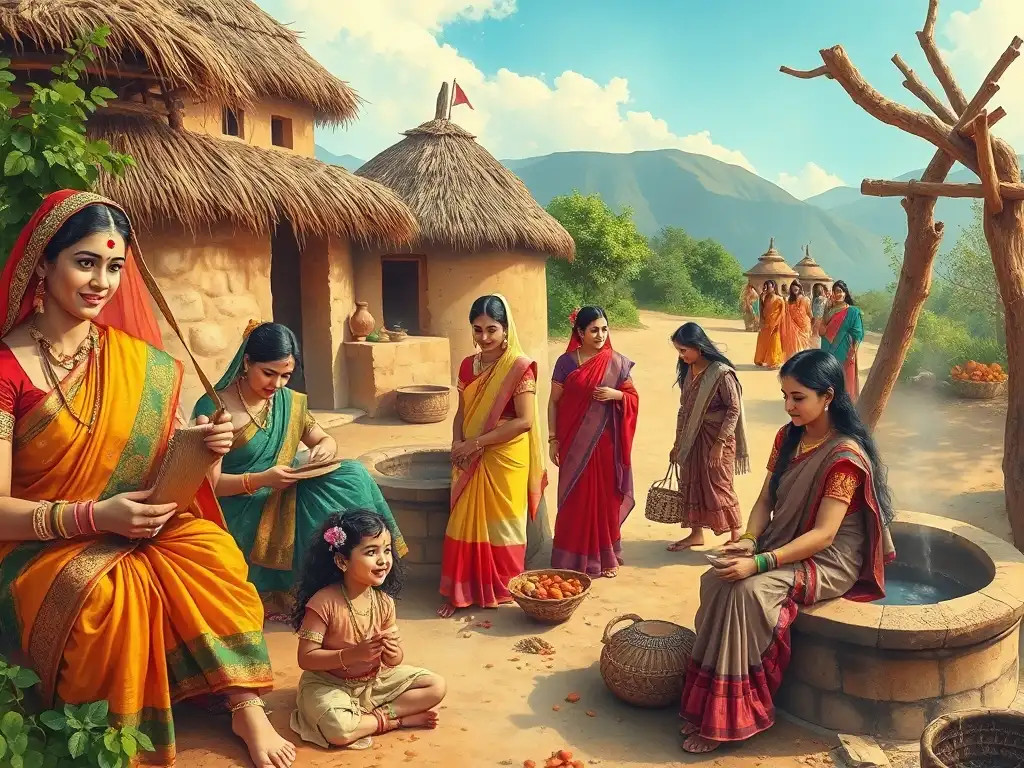
Women in ancient Indian society held crucial roles within both the family and community frameworks. Traditionally viewed as the primary caregivers, women were responsible for managing household affairs, educating children, and preserving cultural values through oral traditions and rituals. Their influence extended to community gatherings and decision-making processes, where their insights were valued.
In many communities, women participated in agricultural practices, contributing to food production and local economies. Their involvement in daily life not only reinforced family bonds but also established a sense of solidarity among women, fostering networks of support that were essential for their survival and cultural continuity.
Festivals and Rituals Celebrating Women’s Contributions
Festivals and rituals in ancient India often celebrated the contributions of women, reflecting their importance in societal life. Festivals such as Navaratri and Durga Puja honor the divine feminine, showcasing the cultural reverence for women's strength and resilience. These celebrations included rituals performed by women, highlighting their roles as custodians of tradition and culture.
Additionally, rites of passage, such as marriages and childbirth ceremonies, were steeped in rituals that emphasized women's vital roles in family lineage and cultural transmission. Through these festivals and rituals, women were not only celebrated but also recognized as integral to the social fabric, reinforcing their cultural significance in ancient Indian society.
The Evolution of Women’s Cultural Roles
The cultural roles of women in ancient India have undergone significant transformations over the centuries, reflecting broader social, political, and economic changes. Women in ancient India were not monolithic; their identities and contributions varied widely based on regional, caste, and class differences. Initially, during the Indus Valley Civilization, women enjoyed a relatively high status, often depicted in various artistic forms, suggesting their involvement in religious and cultural practices.
As society evolved, particularly during the Vedic period, women began to play essential roles in the religious and educational spheres. They were allowed to participate in rituals, and some even composed Vedic hymns. However, this status fluctuated with time, influenced by changing societal norms and the encroaching patriarchal structures.
In subsequent periods, particularly during the Maurya and Gupta empires, women's roles in society became more defined yet constrained. While women continued to contribute to arts, literature, and spirituality, their public presence diminished, often relegated to domestic spheres. Despite this, many women emerged as influential figures, contributing to cultural advancements, and leaving a lasting impact on Indian heritage.
Changes Through the Ages: Vedic to Gupta Period
The transition from the Vedic to Gupta periods marked a significant shift in the cultural roles of women in ancient India. During the Vedic period, women were relatively empowered, participating in philosophical discussions and spiritual practices. The Rigveda, one of the oldest texts, contains hymns composed by women, highlighting their intellectual contributions.
However, with the onset of the later Vedic and post-Vedic periods, societal structures began to shift towards patriarchy. The introduction of the Manusmriti codified stricter norms regarding women’s behavior and roles, emphasizing domesticity and obedience.
By the time of the Gupta Empire, the cultural landscape had transformed significantly. Women’s roles became largely confined to the household, with an emphasis on motherhood and virtue. Despite these constraints, the Gupta period also saw women participating in the arts, with some becoming patrons of literature and music. The emergence of female figures in courtly contexts, such as queens and scholars, indicates that women still held a degree of influence, albeit within limited spheres.
Impact of Historical Events on Women’s Cultural Contributions
Throughout ancient Indian history, various historical events profoundly impacted the cultural contributions of women. The invasions and migrations, such as those by the Aryans and later, the Greeks and Huns, led to significant cultural exchanges that altered societal structures.
The rise of Buddhism and Jainism provided women with alternative avenues for expression and empowerment. These religions often advocated for more egalitarian principles, allowing women to become nuns and participate in spiritual life.
Conversely, periods of political instability, such as the decline of the Mauryan Empire, often resulted in the reinforcement of patriarchal norms as societies sought to maintain control. The cultural contributions of women during these times were largely confined to oral traditions and domestic arts, reflecting both their resilience and the constraints imposed upon them.
Conclusion: The Lasting Legacy of Women’s Cultural Contributions in India
The cultural contributions of women in ancient India have left an indelible mark on the nation’s history and heritage. From the Vedic sages to the artistic patrons of the Gupta period, women have played vital roles in shaping the cultural landscape of India. Their involvement in literature, music, dance, and spiritual practices contributed significantly to the richness of Indian culture.
Summary of Key Contributions and Their Impact
Key Contributions:
- Literature and Philosophy: Women composed hymns and philosophical texts during the Vedic period.
- Arts and Patronage: Women were patrons of the arts, influencing dance, music, and visual arts.
- Religious Roles: Many women participated in and contributed to spiritual practices across various religions.
These contributions not only enriched the cultural fabric of ancient India but also laid the groundwork for future generations. The enduring legacy of these women continues to inspire and inform contemporary discussions about gender roles in Indian society.
Reflection on the Importance of Acknowledging Women’s Roles in Ancient Indian History
Acknowledging the roles of women in ancient Indian history is essential for a comprehensive understanding of the country's cultural evolution. Women's contributions have often been marginalized or overlooked, leading to an incomplete narrative of India’s past. Recognizing these contributions not only honors the legacy of these women but also highlights the importance of diverse perspectives in historical scholarship.
In modern times, this reflection serves as a reminder of the need for gender equality and the celebration of women's achievements in all fields. By embracing the rich tapestry of women's roles in ancient India, we can foster a deeper appreciation for cultural contributions and inspire future generations to continue this legacy of creativity and resilience.
- Introduction to the Cultural Contributions of Women in India
- Historical Context of Women in Ancient India
- Prominent Women and Their Cultural Influence
- Daily Life and Cultural Practices Involving Women
- The Evolution of Women’s Cultural Roles
- Conclusion: The Lasting Legacy of Women’s Cultural Contributions in India
- What were the primary cultural roles of women in ancient Indian society?
- How did women's contributions impact the arts and literature in ancient India?
- Were women involved in religious practices in ancient India?
- How did the status of women vary across different ancient Indian civilizations?
- What are some notable examples of women from ancient India who made cultural contributions?
Frequently Asked Questions
What were the primary cultural roles of women in ancient Indian society?
Women in ancient India played significant roles in family life, education, and ritual practices. They were often responsible for maintaining household traditions and passing down cultural values.
How did women's contributions impact the arts and literature in ancient India?
Women contributed to literature and arts by being patrons and practitioners. Their influence is evident in ancient texts and poetry, showcasing their vital role in cultural expressions.
Were women involved in religious practices in ancient India?
Yes, women participated actively in religious rituals and ceremonies. They held positions as priestesses and were integral to spiritual life, reinforcing their importance in societal structures.
How did the status of women vary across different ancient Indian civilizations?
The status of women varied significantly; for instance, in the Indus Valley Civilization, women enjoyed greater freedom compared to later periods like the Gupta Empire, where patriarchal norms became more pronounced.
What are some notable examples of women from ancient India who made cultural contributions?
Prominent figures like Savitribai Phule and Anandibai Joshi exemplify women's contributions, advocating for education and social reform, reflecting the broader cultural landscape shaped by women throughout history.
Final Reflection: Embracing the Legacy of Women's Cultural Contributions in Ancient India
The cultural contributions of women in ancient Indian society are not just relics of the past; they are vibrant threads woven into the fabric of our present. As we explore the profound impact women had in shaping art, literature, and spirituality, we uncover a legacy that continues to inspire and empower. The stories of these remarkable women remind us that their voices, though often silenced, resonate through time, urging us to acknowledge and celebrate their invaluable roles in our shared history.
The influence of these women extends far beyond their time, shaping the cultural and social landscape of India even today. Their contributions to philosophy, education, and the arts laid the groundwork for future generations, fostering a rich heritage that we are still discovering. As we reflect on their achievements, we are reminded of the words of the renowned poetess Sarojini Naidu: We want deeper sincerity of motive, a greater courage in speech and earnestness in action.
This call to sincerity and courage echoes through the ages, urging us to recognize and honor the contributions of women in our society.
As we move forward, let us take a moment to reflect on how we can honor this legacy in our own lives. Consider how you can amplify the voices of women in your community, support their endeavors, and celebrate their achievements. By doing so, we not only pay homage to the women of ancient India but also pave the way for a more inclusive and equitable future. Embrace the lessons of the past, and let them guide you in creating a world where every woman's cultural contributions are recognized and valued.
Unleash the Legacy: Empower Yourself through Ancient Knowledge!
Thank you for immersing yourself in the fascinating world of women in ancient Indian society! Your curiosity has unveiled the profound impact and contributions of women throughout history. Now, it’s time to take that knowledge and create meaningful connections.
Here are some impactful actions you can take right now:
- Dive deeper into the stories of influential women from ancient India. Choose a remarkable figure, research their life, and share your findings on social media to inspire others!
- Join a local or online history group focused on women’s roles in various cultures. Engage in discussions that bring these historical contexts to life.
- Raise awareness by writing an article or blog post that highlights the lessons we can learn from the experiences of ancient Indian women today.
What insights from these remarkable women inspire you most, and how can they shape our conversations in today's society?