
Festivals of Eastern India: Celebrating Ancient Traditions Through Time

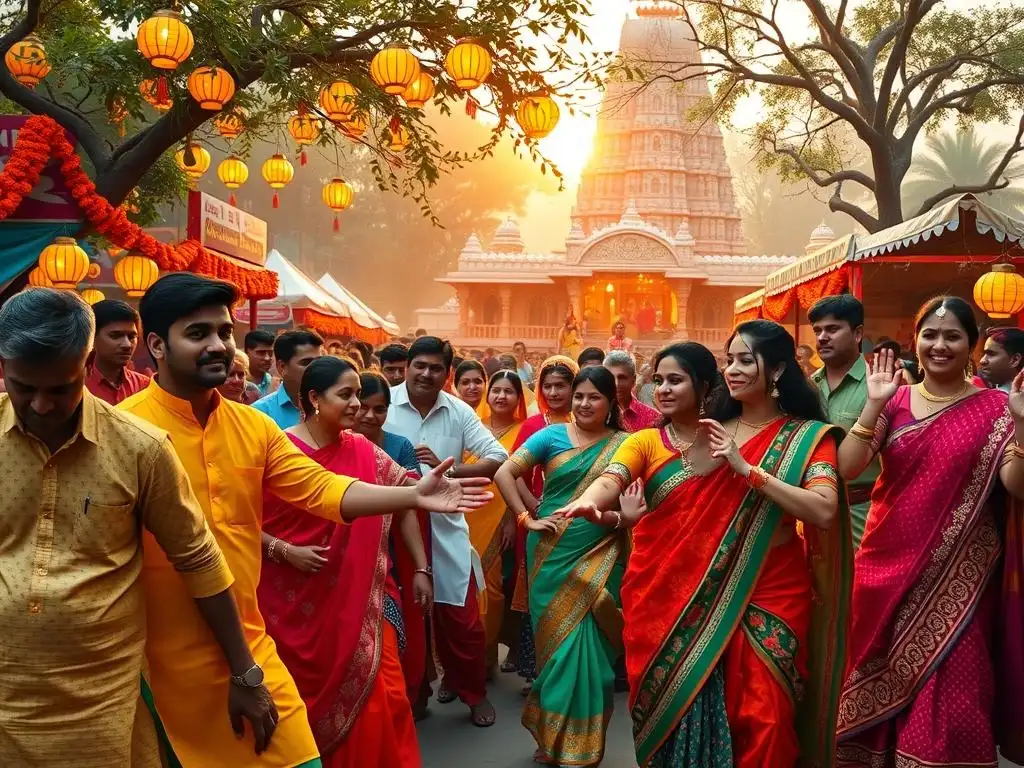
Welcome to Ancient India History, where we embark on a fascinating journey through the vibrant tapestry of ancient Indian civilizations. Dive into our featured article, "Festivals of Eastern India: Celebrating Ancient Traditions Through Time," as we unravel the rich festival traditions that have shaped the cultural landscape of this remarkable region. Discover the stories behind each celebration, the customs that have endured through the ages, and how these ancient practices continue to resonate in modern times. Get ready to ignite your curiosity and explore the timeless legacies that define Eastern India's vibrant heritage!
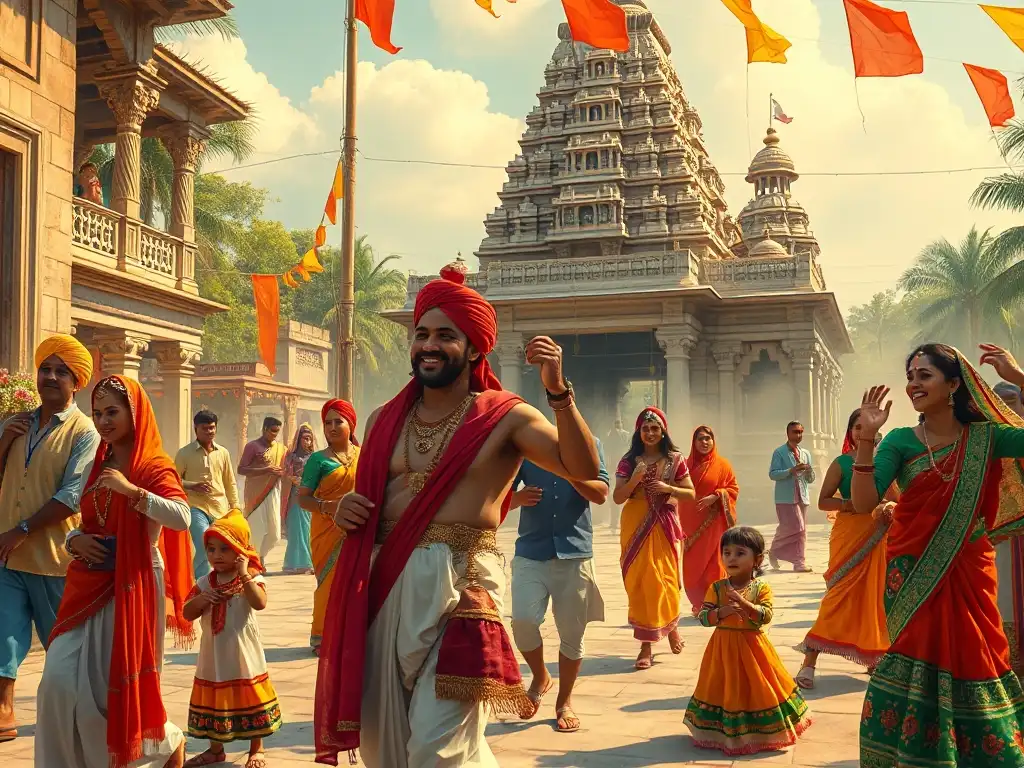
Introduction to Ancient Indian Festival Traditions
Festivals are an intrinsic part of the cultural tapestry of ancient India, reflecting the rich traditions, beliefs, and social values that have shaped its civilizations over millennia. In Eastern India, particularly, these celebrations are not merely events marked on a calendar but are vibrant expressions of community, spirituality, and history.
From the serene shores of Bengal to the lush landscapes of Odisha, the festivals of this region serve as a window into the ancient customs and practices that have endured through time. Exploring these ancient Indian festival traditions provides insight into the cultural identity and heritage that continue to thrive in contemporary society.
Overview of Eastern India's Cultural Heritage
Eastern India boasts a diverse cultural heritage that is a confluence of various ethnic, linguistic, and religious groups. This region, encompassing states like West Bengal, Odisha, Assam, and Bihar, has witnessed the rise and fall of numerous dynasties, each contributing to the rich mosaic of traditions. Key elements include:
- Art and Craft: Traditional crafts such as Pattachitra painting from Odisha and Kantha embroidery from Bengal reflect the artistic prowess and deep-rooted cultural narratives.
- Cuisine: The culinary diversity, characterized by unique flavors and ingredients, is often highlighted during festivals, with dishes that have historical significance.
- Music and Dance: Folk traditions, including Odissi and Baul music, play an essential role in the festivities, preserving ancient art forms that narrate stories of the past.
Importance of Festivals in Ancient Indian Society
Festivals in ancient Indian society were not only occasions for celebration but also held significant social, religious, and economic importance. They served to:
- Reinforce Social Bonds: Festivals acted as a catalyst for community gatherings, strengthening relationships among individuals and families.
- Promote Agricultural Cycles: Many festivals were linked to harvest seasons, fostering gratitude towards nature and ensuring communal participation in agricultural practices.
- Preserve Cultural Identity: They provided a platform for the transmission of cultural values, folklore, and traditions from one generation to the next.
Historical Context of Festivals in Eastern India
The history of festivals in Eastern India is deeply intertwined with its ancient civilizations, reflecting the evolution of cultural practices over centuries.
Ancient Indian Festival Traditions: Origins and Evolution
The origins of many festivals can be traced back to ancient rituals and agrarian practices. For instance:
- Durga Puja: Rooted in the worship of the goddess Durga, this festival has evolved from ancient agricultural rites to a grand celebration of artistry and community spirit.
- Rath Yatra: This chariot festival dedicated to Lord Jagannath in Puri represents a blend of ancient beliefs and contemporary religious practices, showcasing the enduring nature of spiritual traditions.
Influence of Religion and Spirituality on Festivities
Religion and spirituality have played a pivotal role in shaping the festivals of Eastern India. The intertwining of various faiths, including Hinduism, Buddhism, and Jainism, has given rise to a plethora of celebrations that reflect both local and pan-Indian traditions. Key influences include:
- Hindu Festivals: Celebrations such as Makar Sankranti and Diwali highlight the agricultural calendar and the victory of light over darkness, rooted in ancient scriptures and mythologies.
- Buddhist Influences: Festivals such as Buddha Purnima celebrate the teachings and life of Buddha, marking the region's historical connection to Buddhism.
The festivals of Eastern India encapsulate the essence of ancient Indian festival traditions, offering a glimpse into the past while continuing to inspire present-day celebrations. As we delve deeper into this vibrant heritage, we uncover the narratives that have shaped the cultural landscape of the region.
Major Festivals Celebrated in Eastern India
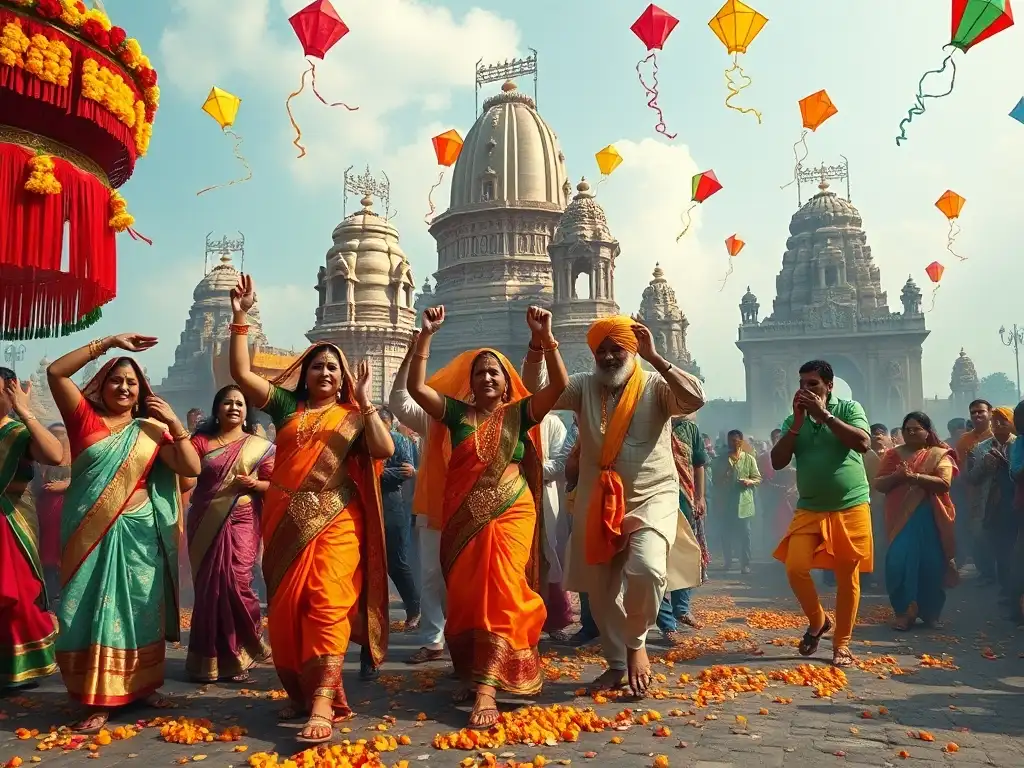
Eastern India is renowned for its vibrant and diverse festival traditions that reflect the rich cultural tapestry of the region. These festivals not only mark significant religious occasions but also embody the historical and social values of ancient Indian civilizations. Each festival is characterized by unique rituals, music, dance, and food, showcasing the profound connection between the people and their cultural heritage. The following are some of the major festivals celebrated in Eastern India:
Durga Puja: A Celebration of Goddess Durga
Durga Puja is one of the most prominent and widely celebrated festivals in Eastern India, particularly in West Bengal. This festival honors Goddess Durga, symbolizing the victory of good over evil. The celebration typically lasts for ten days, culminating in a grand immersion ceremony.
The origins of Durga Puja trace back to ancient times, and it is believed to have evolved from various folk traditions. The festival features intricate idol-making, with artisans crafting beautiful representations of the goddess. The rituals include anjali (offering of flowers), aarti (waving of lights), and recitations from ancient scriptures.
During Durga Puja, the streets come alive with colorful decorations, music, and dance performances, while traditional Bengali cuisine plays a significant role in the festivities. Families and friends gather to enjoy delicacies such as bhog (offerings of food to the goddess) and various sweets. Durga Puja not only reinforces religious beliefs but also strengthens community bonds, making it a celebration of unity and cultural identity.
Rath Yatra: The Chariot Festival of Lord Jagannath
Rath Yatra, or the Chariot Festival, is a significant event celebrated in Puri, Odisha, dedicated to Lord Jagannath, a form of Lord Krishna. This ancient festival typically occurs in June or July and attracts thousands of devotees and tourists.
The festival involves the grand procession of three colossal chariots, each representing Lord Jagannath, his brother Balabhadra, and sister Subhadra. The chariots are pulled through the streets of Puri by the devotees, symbolizing the journey of the deities to their garden, known as Gundicha Temple. This act of pulling the chariot is seen as a way for devotees to earn blessings and spiritual merit.
Rath Yatra is steeped in rich traditions and rituals, including the ceremonial bathing of the deities before their journey and the singing of devotional songs. The festival not only provides a spiritual experience but also serves as a platform for showcasing traditional art forms, dance, and music, reflecting the cultural heritage of Odisha.
Bihu: The Harvest Festival of Assam
Bihu is a set of three festivals celebrated in Assam, marking the agricultural cycles of the region. The most important of these is Rongali Bihu, celebrated in April, which signifies the onset of the harvest season. This festival is a time of joy and gratitude, as it celebrates fertility, prosperity, and the rich cultural heritage of Assam.
During Rongali Bihu, traditional Assamese music and dance forms, such as Bihu dance, take center stage. People adorn themselves in traditional attire and participate in community gatherings, where they sing and dance to the beat of drums and folk instruments.
The culinary aspect of Bihu is also significant, featuring a variety of traditional dishes that highlight the region's agricultural bounty. The festival fosters a sense of unity among communities, as families and friends come together to celebrate the spirit of harvest and express their appreciation for nature's abundance.
Regional Variations in Festival Celebrations
Eastern India boasts a plethora of festivals, each celebrated with distinct regional characteristics. While the essence of the festivals remains the same, the methods of celebration can differ significantly across states.
Differences in Celebrating Festivals Across Eastern States
In West Bengal, Durga Puja is celebrated with grandiosity and artistic flair, often involving elaborate pandals (temporary structures) and artistic representations of the goddess. The focus is on community participation, with neighborhoods competing to create the most stunning displays.
In Odisha, the Rath Yatra is marked by a deep-rooted religious significance and a focus on the rituals associated with the deities. The emphasis is on the spiritual experience, with many devotees undertaking pilgrimages to participate in the grand procession.
Assam's Bihu festivals, on the other hand, are characterized by their agricultural roots, with various forms of folk music and dance integral to the celebrations. The focus is on community gatherings and the collective joy of harvest, showcasing a blend of cultural and rural traditions.
These regional variations highlight the rich diversity of ancient Indian festival traditions in Eastern India, where each state contributes to a collective celebration of life, culture, and spirituality. Through these festivals, the people of Eastern India not only preserve their heritage but also pass it on to future generations, ensuring that these ancient traditions continue to thrive.
The Role of Festivals in Preserving Ancient Traditions
Festivals in Eastern India serve as vibrant expressions of the region's rich cultural heritage, deeply rooted in ancient traditions. These celebrations not only mark significant religious events but also play a crucial role in preserving the customs, rituals, and social values that define the identity of various communities. Each festival is a tapestry woven with stories, symbols, and practices passed down through generations, ensuring that the essence of ancient Indian civilization remains alive.
Through lively processions, traditional music, elaborate dances, and culinary delights, festivals create a sense of community and belonging. They provide a platform for individuals to reconnect with their roots, fostering intergenerational bonds as families come together to participate in time-honored rituals. By engaging in these practices, the younger generation learns about their cultural history, ensuring its continuity even in the face of rapid societal changes.
Festivals as a Means of Cultural Transmission
Cultural transmission through festivals occurs in several ways. Firstly, these events serve as educational experiences where participants and onlookers alike gain insights into the historical and spiritual significance behind various rituals. For instance, Durga Puja, one of the most celebrated festivals in Bengal, not only commemorates the goddess Durga's victory over the buffalo demon Mahishasura but also reinforces themes of woman empowerment and the cyclical nature of life and death.
Additionally, many festivals integrate local folklore and mythologies, allowing communities to share their unique narratives with broader audiences. This storytelling aspect ensures that the wisdom and lessons from ancient texts and oral traditions are kept alive. Furthermore, the artistic expressions—be it through folk dances, crafts, or performances—provide a living museum of the region's heritage, showcasing the creativity and skill of its people.
The Impact of Modernization on Ancient Festival Traditions
While festivals continue to thrive in Eastern India, the forces of modernization pose significant challenges to their authenticity and practice. Urbanization and the fast-paced lifestyle of modern society have led to changes in how festivals are celebrated. Traditional rituals may be simplified or commercialized, altering their original meanings and significance. For instance, the grandeur of Durga Puja in urban centers often comes with extravagant pandals and high-budget celebrations that can overshadow the spiritual essence of the event.
Moreover, the influence of global culture and technology has introduced new forms of entertainment, drawing younger generations away from traditional practices. While some festivals adapt to include modern elements—such as incorporating digital media or contemporary music—there is a risk that the core values and teachings of these festivals may become diluted over time.
Conclusion: The Enduring Legacy of Ancient Indian Festival Traditions
The festivals of Eastern India are a testament to the region's enduring legacy of ancient Indian festival traditions. They encapsulate a rich tapestry of history, spirituality, and community engagement that reflects the values and beliefs of ancient civilizations. Despite the challenges posed by modernization, the essence of these festivals continues to resonate with people, reminding them of their roots and shared heritage.
Reflection on the Importance of Festivals in Eastern India
Festivals in Eastern India are more than mere celebrations; they are an integral part of the cultural fabric that binds communities together. They provide opportunities for reflection, gratitude, and a reaffirmation of faith. The rituals and practices associated with these festivals foster a sense of continuity and belonging, allowing individuals to connect with their ancestors and the history that shaped their identities.
As social gatherings, festivals also promote unity and harmony among diverse groups, showcasing the pluralism that characterizes Indian society. This collective experience of joy and reverence reinforces social bonds and fosters a sense of pride in one’s cultural heritage.
Future of Ancient Indian Festival Traditions in a Changing World
Looking ahead, the future of ancient Indian festival traditions in Eastern India will likely depend on the delicate balance between embracing modernity and preserving authenticity. Communities must find innovative ways to adapt their celebrations without compromising the core values and teachings that have been passed down through generations.
Engaging the youth through educational initiatives, community involvement, and the use of technology can help ensure that these ancient traditions continue to thrive. By fostering an appreciation for cultural heritage, Eastern India can safeguard its festival traditions against the tide of globalization while allowing them to evolve in meaningful ways. As guardians of their cultural legacy, the people of Eastern India have the opportunity to celebrate their history while paving the way for future generations to honor and cherish their ancient roots.
- Introduction to Ancient Indian Festival Traditions
- Overview of Eastern India's Cultural Heritage
- Importance of Festivals in Ancient Indian Society
- Historical Context of Festivals in Eastern India
- Major Festivals Celebrated in Eastern India
- Regional Variations in Festival Celebrations
- The Role of Festivals in Preserving Ancient Traditions
- Conclusion: The Enduring Legacy of Ancient Indian Festival Traditions
- What are some major ancient Indian festival traditions celebrated in Eastern India?
- How do ancient festival traditions influence contemporary celebrations in Eastern India?
- What role do religious beliefs play in Eastern Indian festivals?
- Are there any unique customs associated with festivals in Eastern India?
- How do festivals in Eastern India promote community bonding?
Frequently Asked Questions
What are some major ancient Indian festival traditions celebrated in Eastern India?
Eastern India celebrates several ancient festival traditions, including Durga Puja, Baisakhi, and Makar Sankranti, which reflect the rich cultural heritage and diversity of the region.
How do ancient festival traditions influence contemporary celebrations in Eastern India?
Many contemporary celebrations in Eastern India are deeply rooted in ancient festival traditions, showcasing rituals, customs, and cultural practices that have been passed down through generations.
What role do religious beliefs play in Eastern Indian festivals?
Religious beliefs are central to Eastern Indian festivals, with many events commemorating mythological stories, deities, and seasonal changes, reinforcing the region's spiritual significance.
Are there any unique customs associated with festivals in Eastern India?
Yes, festivals in Eastern India often feature unique customs, such as elaborate rituals, traditional dances, and cuisine, which vary from region to region, enhancing their cultural richness.
How do festivals in Eastern India promote community bonding?
Festivals in Eastern India foster community bonding by encouraging collective participation, sharing of resources, and promoting a sense of belonging among local populations, strengthening social ties.
Final Reflection: Embracing the Essence of Ancient Indian Festival Traditions
The vibrant tapestry of ancient Indian festival traditions continues to weave its way through the fabric of modern society, reminding us of our rich heritage and the values that bind us together. In today's fast-paced world, where technology often overshadows cultural practices, the significance of these festivals serves as a beacon of hope and unity. They not only celebrate our history but also foster a sense of belonging and community that is essential in an increasingly fragmented society.
The enduring influence of these festivals is evident in the way they shape our cultural identity and social interactions. From the colorful celebrations of Durga Puja to the serene rituals of Poush Mela, each festival encapsulates stories of resilience, devotion, and joy. As we participate in these time-honored traditions, we connect with our ancestors and honor their legacies. Tradition is not the worship of ashes, but the preservation of fire.
This quote resonates deeply as it highlights the importance of keeping the spirit of our ancient customs alive, ensuring they continue to inspire future generations.
As you reflect on the significance of these ancient Indian festival traditions, consider how you can incorporate their values into your own life. Embrace the lessons of unity, gratitude, and celebration that these festivals impart, and seek to share them with those around you. Whether it's through participating in local festivities, learning about their history, or simply sharing stories with friends and family, you have the power to keep the flame of these traditions burning bright. Let us honor our past while paving the way for a future rich in cultural appreciation and connection.
Thank you for exploring the vibrant festivals of Eastern India with us! We hope you feel inspired by the rich traditions and cultural celebrations that bring communities together. Now, it’s time to take that inspiration and turn it into action.
Here are a few ways you can immerse yourself further into these beautiful festivals:
- Participate in a local festival: Find a nearby celebration that resonates with you and join in the festivities. Embrace the culture and connect with others!
- Share your experience: After attending a festival, share your photos and stories on social media to inspire others to join in the fun.
- Explore deeper: Consider reading more about the history and significance of these festivals. You might discover fascinating legends that enhance your understanding!
What festival are you most excited to experience or learn about next, and how do you plan to incorporate that into your life?