
Ancient Art and Architecture: Exploring the Marvels of Eastern Indian Temples

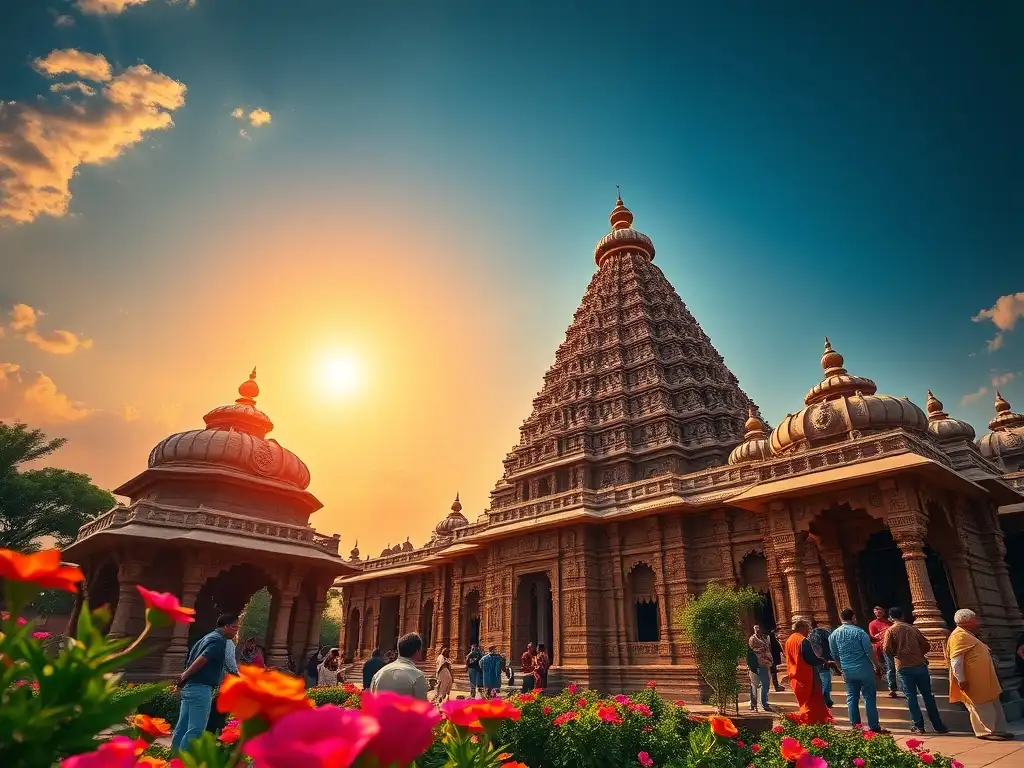
Welcome to Ancient India History, where we embark on a fascinating journey through the rich tapestry of ancient Indian civilizations. From the majestic Indus Valley to the illustrious Gupta Empire, our exploration unveils the profound cultural heritage that shaped the subcontinent. In this article, we delve into the captivating world of Eastern Indian temple architecture, revealing the intricate artistry and spiritual significance that define these architectural marvels.
What stories lie within the stone carvings and towering spires? Join us as we uncover the secrets of these ancient structures and their enduring legacy, inviting you to deepen your appreciation for a vibrant past that continues to inspire the present.
- Introduction to Eastern Indian Temple Architecture
- Historical Context of Eastern Indian Temple Architecture
- Key Features of Eastern Indian Temple Architecture
- Notable Eastern Indian Temples and Their Architectural Marvels
- Evolution of Eastern Indian Temple Architecture
- Conclusion: The Legacy of Eastern Indian Temple Architecture
- References and Further Reading
-
Frequently Asked Questions
- What are the key features of Eastern Indian temple architecture?
- Which dynasties contributed to the development of Eastern Indian temples?
- How does Eastern Indian temple architecture differ from other regional styles?
- What materials were primarily used in the construction of Eastern Indian temples?
- Why is the study of Eastern Indian temple architecture significant?
- Final Reflection: The Timeless Legacy of Eastern Indian Temple Architecture
- Unveil the Wonders of Eastern Indian Temples!
Introduction to Eastern Indian Temple Architecture
The temples of Eastern India stand as monumental testaments to the architectural brilliance and spiritual devotion of ancient Indian civilizations. These structures, intricately designed and rich in symbolic meaning, serve not only as places of worship but also as cultural hubs that reflect the societal values, artistic prowess, and technological advancements of their time.
From the grandeur of the temples built during the Kalinga dynasty to the exquisite carvings seen in the later Gupta period, Eastern Indian temple architecture encompasses a fascinating array of styles and influences. This article delves into the diverse characteristics and historical significance of these temples, offering insights into how they have shaped the cultural landscape of India.
Overview of Eastern Indian Temples
Eastern India boasts a remarkable variety of temple architecture, primarily influenced by regional traditions and historical developments. Key features of Eastern Indian temples include:
- Stupas and Viharas: Early Buddhist architecture, characterized by dome-shaped stupas and monastic complexes.
- Shikhara and Vimana: The tall, spire-like structures that define Hindu temple architecture, seen in classics like the Konark Sun Temple.
- Intricate Sculptures: Temples adorned with detailed carvings depicting deities, mythological narratives, and daily life scenes, reflecting the artistic skill of ancient craftsmen.
Some notable examples of Eastern Indian temples include:
- The Jagannath Temple in Puri: Renowned for its massive chariot festival and unique architectural style.
- The Sun Temple at Konark: A UNESCO World Heritage site, famous for its chariot-like structure and intricate stone carvings.
- The temples of Khajuraho: Celebrated for their erotic sculptures and artistic finesse, though slightly west of the designated eastern region.
Importance of Temple Architecture in Ancient Indian Culture
The significance of temple architecture in ancient Indian culture extends beyond mere aesthetics; these structures served as focal points for community life, spiritual practices, and artistic expression. Key aspects include:
- Cultural Identity: Temples were central to the identity of local communities, often reflecting regional beliefs, traditions, and customs.
- Artistic Innovation: The architectural styles and decorative arts pioneered in these temples influenced subsequent generations, setting standards for craftsmanship and design.
- Socio-political Power: Many temples were commissioned by powerful dynasties as a means of demonstrating their wealth and divine favor, serving both religious and political purposes.
Eastern Indian temple architecture is a vital component of the broader narrative of ancient India's cultural and historical evolution, embodying the spiritual aspirations and artistic achievements of its people. As we explore these marvels, we uncover not just the structures themselves but the rich tapestry of beliefs and practices that brought them to life.
Historical Context of Eastern Indian Temple Architecture
The Origins of Temple Construction in Eastern India
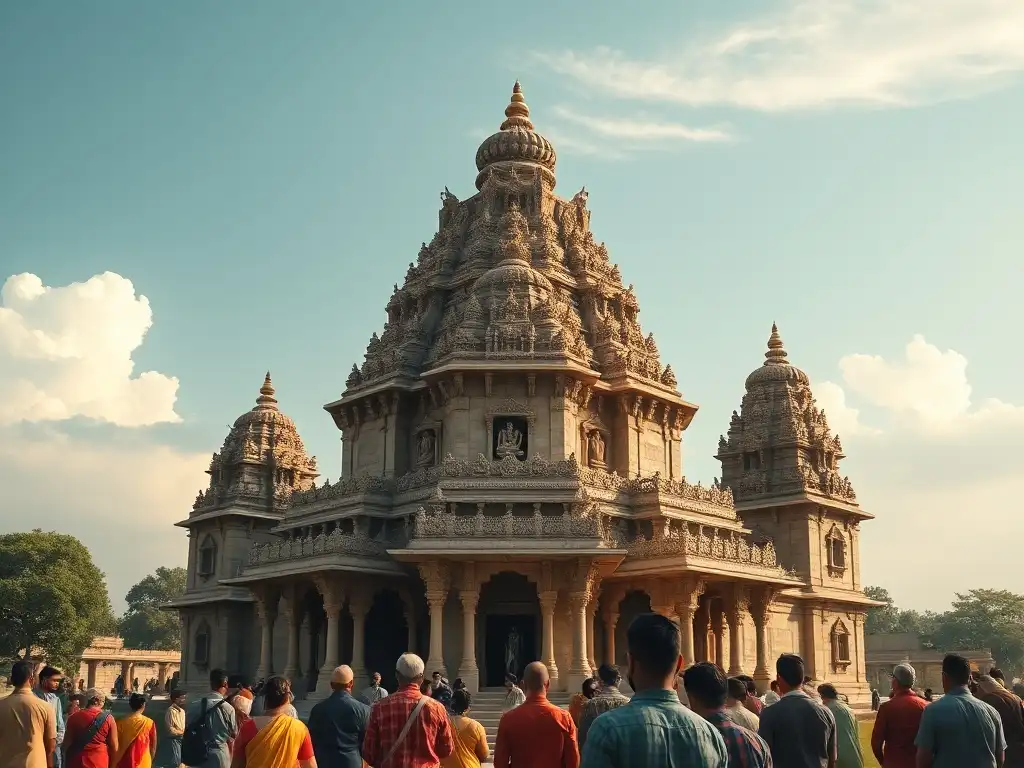
The roots of Eastern Indian temple architecture can be traced back to the early centuries of the Common Era, particularly during the reign of the Maurya Empire (322–185 BCE). The Mauryan period marked a significant turning point in the development of architectural styles, as the need for religious structures became pronounced. The construction of temples was deeply influenced by earlier traditions, including the stupas and rock-cut caves prevalent in the region.
One of the earliest examples of temple construction is found in the archaeological remains of the Buddhist stupas at Sanchi and Bharhut, which date back to the 3rd century BCE. These structures were primarily built for the veneration of the Buddha and served as focal points for religious gatherings. The architectural principles established during this time laid the groundwork for later temple designs, which would incorporate intricate carvings, columns, and elaborate facades.
The Gupta period (approximately 320–550 CE) is particularly noteworthy as it saw a significant evolution in temple architecture. This era is often referred to as the "Golden Age" of Indian culture, where religious tolerance and diverse worship practices flourished. Temples began to adopt Nagara and Dravidian styles, characterized by their towering shikharas (spires) and intricate ornamentation.
Influences on Eastern Indian Temple Designs
Several factors contributed to the distinctive features of Eastern Indian temple architecture, including geographical, cultural, and religious influences.
- Geographical Influences: The diverse landscape of Eastern India, with its lush forests and river valleys, played a significant role in the choice of materials and construction techniques. Temples were often constructed using locally sourced red sandstone and laterite, which were abundant in the region. The availability of these materials allowed for more elaborate carvings and decorative elements.
- Cultural Influences: Eastern India has been a melting pot of various cultures and traditions. The interaction between local communities and migrating populations led to the amalgamation of different architectural styles. For instance, the Bengali style of temple architecture emerged, characterized by its chala (curved) roofs and intricate terracotta work, reflecting the region's rich artistic heritage.
- Religious Influences: The rise of Hinduism, Buddhism, and Jainism in Eastern India played a crucial role in shaping temple designs. Each religion contributed distinct elements to temple architecture. For example, Hindu temples often feature intricate sculptures of deities, while Buddhist temples emphasize stupas and monastic complexes. This diversity is evident in notable sites such as Konark, known for its Sun Temple, and the Buddhist caves at Udayagiri.
Significant Historical Periods Influencing Temple Architecture
Eastern Indian temple architecture evolved significantly through various historical periods, each leaving an indelible mark on the design and construction of temples.
- Maurya and Post-Maurya Period (322 BCE – 2nd century CE): The foundations of temple architecture were laid during this period, with the emphasis on stupas and rock-cut caves. The influence of Buddhism was particularly strong, as seen in the early stupas.
- Gupta Period (320–550 CE): Marked by the rise of Hinduism, this era saw the introduction of the shikhara style and the integration of intricate carvings depicting mythological scenes. Temples from this period, such as the Dashavatara Temple in Deogarh, showcase the architectural advancements of the time.
- Pala and Sena Dynasties (8th–12th centuries CE): The Pala dynasty is known for its Buddhist architecture, while the Sena dynasty contributed to the Hindu temple landscape. The Vikramshila Monastery and Kali Temple at Kalighat are prime examples of the artistic and architectural achievements during this era.
- Mughal Influence (16th–18th centuries CE): Although primarily associated with Islamic architecture, the Mughal period also influenced Eastern Indian temples, as seen in the incorporation of Persian motifs and gardens in temple layouts.
The historical context of Eastern Indian temple architecture is a testament to the region's rich cultural heritage and the dynamic interplay of various influences that shaped its evolution. Each period contributed unique characteristics that continue to inspire and inform contemporary architectural practices.
Key Features of Eastern Indian Temple Architecture
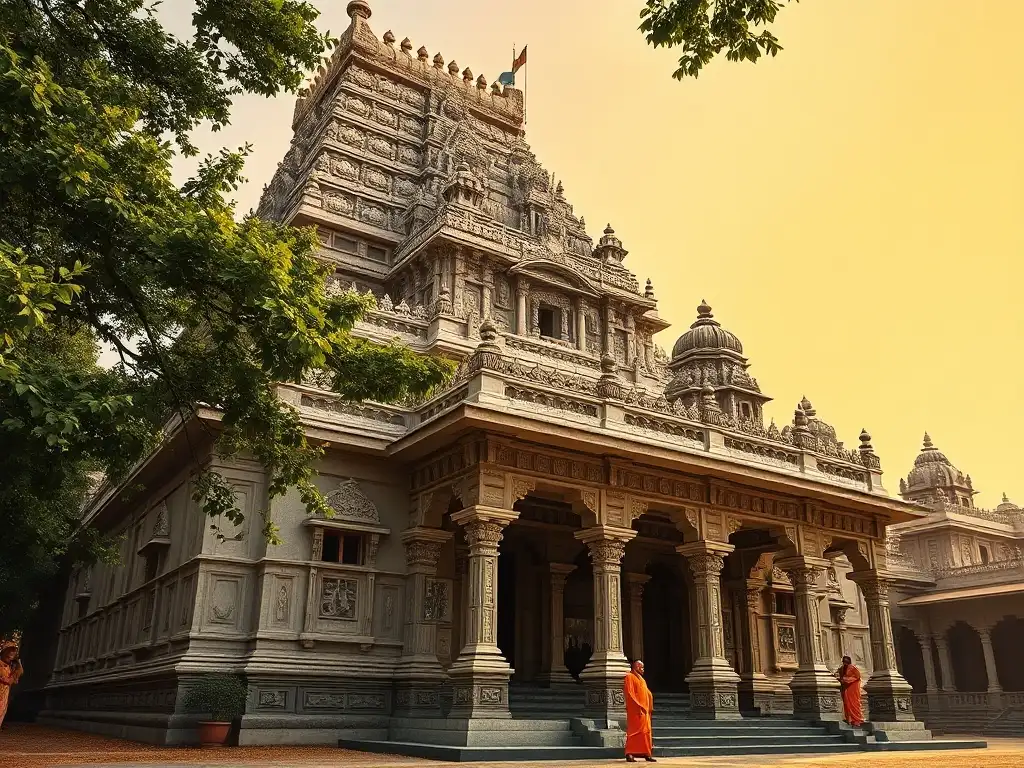
Eastern Indian temple architecture is distinguished by its intricate designs, monumental structures, and rich symbolism. This architectural style reflects the cultural diversity and artistic excellence of ancient India, particularly from the early medieval period to the late medieval period. The key features of Eastern Indian temple architecture can be categorized into several aspects, including architectural styles, materials used, and the significance of various elements in temple design.
Architectural Styles of Eastern Indian Temples
The architectural styles of Eastern Indian temples showcase a blend of regional influences and unique characteristics. Three predominant styles are notable in this region:
Nagara Style
The Nagara style is primarily associated with the temples of northern and eastern India. Characterized by its curvilinear shikhara (spire), the Nagara style emphasizes verticality and intricate ornamental detailing. Key features include:
- Shikhara: The prominent tower over the sanctum, often adorned with elaborate sculptures and motifs.
- Mandapa: An open hall supported by columns, which serves as a gathering place for devotees.
- Garbhagriha: The innermost sanctum housing the main deity, typically a simple yet sanctified space.
The temples of Bhubaneswar, particularly the Lingaraj Temple, exemplify the Nagara style with their ornate carvings and towering shikharas.
Dravidian Style
Predominantly seen in southern India, the Dravidian style also influenced Eastern Indian temples, particularly in regions like Odisha. This style is characterized by:
- Gopuram: Tall, ornate entrance towers that lead into the temple complex, often embellished with vivid sculptures of deities and mythological figures.
- Vimana: The structure over the sanctum is usually pyramidal, contrasting the Nagara’s curvilinear form.
- Prakaras: Encircling walls that create a sacred space around the temple, allowing for circumambulation.
The Jagannath Temple in Puri is a prime example of the Dravidian influence, showcasing grand gopurams and a rich iconographic tradition.
Vesara Style
The Vesara style represents a fusion of the Nagara and Dravidian styles, emerging as a distinct architectural form. This style is characterized by:
- Hybrid Features: Incorporating elements of both Nagara and Dravidian architectures, such as a lower-profile vimana and elaborate shikhara.
- Complex Layouts: Vesara temples often feature intricate plans that include multiple sanctums and mandapas, catering to diverse worship practices.
- Sculptural Richness: A strong emphasis on detailed sculpture, often depicting stories from Hindu epics.
Temples like the Khandagiri Cave temples reflect the Vesara style's complexity and artistic richness.
Materials Used in Eastern Indian Temple Construction
The construction of Eastern Indian temples utilized a variety of materials, each chosen for its availability and symbolic significance. The most common materials include:
- Stone: Sandstone and granite were the preferred choices, allowing for intricate carvings and durability. Temples like the Konark Sun Temple are renowned for their detailed stonework.
- Brick: Used in earlier temple constructions, particularly in the Gupta period, where fired bricks offered both strength and aesthetic appeal.
- Wood: While less common in temple structures, wooden elements were often used in the construction of mandapas and decorative features, showcasing local craftsmanship.
- Mortar and Lime: Essential for binding stone and brick, these materials were critical in ensuring the structural integrity of the temples.
The selection of materials not only influenced the aesthetic quality of the temples but also reflected the technological advancements and cultural practices of the time.
Eastern Indian temple architecture is a testament to the region's rich history and cultural heritage. Through the exploration of architectural styles such as Nagara, Dravidian, and Vesara, along with the materials used in construction, one can appreciate the complexity and artistry that define these ancient structures.
Symbolism and Iconography in Eastern Indian Temples
Eastern Indian temples are a treasure trove of symbolism and iconography, reflecting the rich spiritual and cultural tapestry of the region. Each element of the temple's design, from the intricate carvings to the deities depicted, serves to convey deeper meanings and religious narratives.
Divine Representation
One of the most striking features of Eastern Indian temple architecture is the portrayal of deities. Temples are often adorned with sculptures of gods and goddesses that represent various aspects of the divine. For instance, the Buddhist stupas in Eastern India frequently depict scenes from the life of Buddha, symbolizing his teachings and the path to enlightenment. Meanwhile, Hindu temples might feature intricate carvings of deities like Vishnu, Shiva, and Durga, each embodying different principles and powers.
- Vishnu: Often depicted in various avatars, such as Krishna and Rama, symbolizing preservation and protection.
- Shiva: Represented through symbols like the linga, embodying creation and destruction.
- Durga: Frequently depicted riding a lion, symbolizing strength and the victory of good over evil.
Architectural Symbolism
The architecture itself is laden with symbolism. The temple layout typically follows a geometric pattern, often representing the cosmos. The sanctum sanctorum (garbhagriha), which houses the main deity, is usually a square, symbolizing stability and the earth. Surrounding this are various mandapas (halls) that serve specific purposes, each designed to facilitate a connection between the divine and the devotee.
- Shikhara: The towering spire of a temple, symbolizing the connection between the earthly and the divine.
- Chakra: Often found on temple domes, representing the cycle of life and the eternal nature of the universe.
Cultural Narratives in Iconography
The iconography within Eastern Indian temples also narrates cultural stories and moral lessons. Mythological tales, often depicted through relief sculptures and frescoes, serve as educational tools for worshippers. These stories are not just decorative; they convey important ethical and spiritual teachings.
For example, the Kalinga War is depicted on the walls of some temples, representing the transformative journey of Emperor Ashoka from a warrior to a proponent of peace after embracing Buddhism. Such representations are crucial in understanding the historical context of the region.
Pilgrimage and Ritual Significance
The symbolism in Eastern Indian temples extends beyond the artistic elements; it plays a vital role in the rituals and practices associated with these sacred spaces. Temples are designed to enhance the spiritual experience of devotees, facilitating a deeper connection to the divine. The path taken by pilgrims through the temple complex often mirrors a spiritual journey, with each step symbolizing a progression towards enlightenment.
The symbolism and iconography in Eastern Indian temples are integral to understanding the region's historical and cultural significance. These elements not only enhance the aesthetic appeal of the temples but also serve as a medium for storytelling, spiritual reflection, and cultural identity, ensuring that the rich heritage of Eastern Indian temple architecture continues to inspire and educate generations.
Notable Eastern Indian Temples and Their Architectural Marvels

The Konark Sun Temple: A Marvel of Architecture
The Konark Sun Temple, located in Odisha, is one of the most remarkable examples of Eastern Indian temple architecture. Constructed in the 13th century during the reign of King Narasimhadeva I of the Eastern Ganga dynasty, this temple is dedicated to Surya, the Sun God. Its design is a representation of a gigantic chariot, symbolizing the sun's journey across the sky.
Architectural Highlights of Konark
The temple's architecture is distinguished by its intricate carvings and elaborate sculptures. Key features include:
- Chariot Form: The temple is built in the shape of a colossal chariot with twelve pairs of wheels, which are symbolic of the twelve months of the year.
- Sculptural Detail: The walls are adorned with detailed carvings depicting scenes of everyday life, celestial beings, and various deities. The craftsmanship showcases the artistic excellence of the period.
- Declining Structure: Originally, the temple had a towering spire (shikhara) that has since collapsed, but the remaining structure still displays a blend of Kalinga and vernacular architectural styles.
<table>
  <tr>
    <th>Feature</th>
    <th>Description</th>
  </tr>
  <tr>
    <td>Chariot Wheels</td>
    <td>12 pairs representing the months</td>
  </tr>
  <tr>
    <td>Sculptures</td>
    <td>Depicting everyday life and deities</td>
  </tr>
  <tr>
    <td>Material</td>
    <td>Sandstone and laterite</td>
  </tr>
</table>
Historical Significance of the Konark Temple
The Konark Sun Temple not only serves as an architectural marvel but also holds historical significance. It was a center for worship and pilgrimage, attracting devotees from all over India and beyond. The temple's construction reflects the socio-political conditions of the time, showcasing the wealth and artistic patronage of the Eastern Ganga dynasty. Furthermore, it has been designated as a UNESCO World Heritage Site, emphasizing its importance in the history of Eastern Indian temple architecture.
The Jagannath Temple in Puri: A Cultural Icon
The Jagannath Temple in Puri is one of the most revered pilgrimage sites in India, known for its vibrant culture and unique architectural style. Dedicated to Lord Jagannath, an incarnation of Vishnu, this temple plays a vital role in the religious life of Eastern India.
Unique Features of Jagannath Temple Architecture
The architecture of the Jagannath Temple exhibits several distinct characteristics:
- Rekha Deula Style: The temple is built in the Rekha Deula style typical of Kalinga architecture, characterized by a curvilinear shikhara.
- Rath Yatra (Chariot Festival): The temple is famous for its annual Rath Yatra, where the deities are paraded in massive wooden chariots, showcasing the temple's dynamic cultural practices.
- Iconography: The deities of Jagannath, Balabhadra, and Subhadra are represented as wooden idols, which is unique compared to the stone images typically found in other temples.
<details>
  <summary>Key Architectural Elements</summary>
  <ul>
    <li><strong>Shikhara:</strong> Curvilinear and towering</li>
    <li><strong>Garbha Griha:</strong> The sanctum sanctorum housing the deities</li>
    <li><strong>Mandapas:</strong> Pillared halls for congregation and rituals</li>
  </ul>
</details>
Role of Jagannath Temple in Eastern Indian Society
The Jagannath Temple plays a crucial role in shaping the cultural identity of Eastern India. It serves as a focal point for various festivals, rituals, and social gatherings, promoting a sense of community among devotees. The temple's influence extends beyond religion, impacting art, music, and dance in the region, thereby enriching the cultural heritage of Eastern India. The festival of Rath Yatra attracts millions of devotees annually, showcasing the temple's continued relevance and importance in contemporary society.
The Khajuraho Temples: A Blend of Art and Architecture
The Khajuraho Temples, a UNESCO World Heritage Site located in Madhya Pradesh, India, are celebrated for their intricate sculptures and stunning architectural design. Constructed between 950 and 1050 AD during the Chandela dynasty, these temples exemplify a harmonious blend of art and architecture, showcasing the pinnacle of Eastern Indian temple architecture. Each temple is adorned with exquisite carvings that depict various themes, including mythology, daily life, and eroticism, making them a testament to the rich cultural and artistic heritage of ancient India.
The temples are primarily dedicated to Hindu and Jain deities, reflecting the religious plurality of the time. Among the most notable temples are the Kandariya Mahadeva Temple, dedicated to Lord Shiva, and the Lakshmana Temple, dedicated to Vishnu. The architectural design of these temples is characterized by a unique layout, where the main shrine, or garbhagriha, is surrounded by a series of smaller shrines and intricately carved facades.
The temples not only serve as places of worship but also as a celebration of human form and emotion, capturing the spiritual and sensual aspects of life. Their artistic representations have become a source of inspiration for generations, reflecting the ethos and values of the society that built them.
Architectural Techniques Used in Khajuraho
The architectural techniques employed in the construction of the Khajuraho Temples are remarkable, showcasing the advanced skills of artisans of that era. The temples are primarily built using sandstone, which was quarried from the nearby areas. The choice of material not only ensured durability but also allowed for detailed carvings that have withstood the test of time.
One of the key architectural features is the shikhara or tower, which rises majestically above the sanctum and symbolizes Mount Meru, the mythical center of the universe in Hindu cosmology. The temples exhibit a distinctive Nagara style of architecture, characterized by the curvilinear form of the shikhara and the horizontal bands of relief sculptures.
The use of precise geometry and symmetry is evident in the layout of the temples. The skillful craftsmanship extends to the intricate relief work that adorns the exterior walls, depicting a multitude of figures, from divine beings to everyday life scenes. The artisans utilized a technique called chisel cutting, which allowed for fine details and textures, enhancing the visual appeal of the sculptures.
Cultural Significance of Khajuraho Temples
The cultural significance of the Khajuraho Temples extends far beyond their architectural beauty. They serve as a vital link to understanding the socio-religious dynamics of ancient Indian civilization. The temples reflect the integration of art, religion, and daily life, demonstrating how spirituality was interwoven with the cultural fabric of society.
The erotic sculptures, often considered the hallmark of Khajuraho, convey messages about love, relationships, and the celebration of life. These representations challenge contemporary notions of sexuality and provide insight into the liberal attitudes of ancient Indian society, where eroticism was viewed as a natural part of human experience.
Moreover, the Khajuraho Temples are crucial in preserving the history of Eastern Indian temple architecture. They inspired later architectural developments and cultural expressions, influencing subsequent generations of artists and architects. The temples continue to attract scholars, tourists, and spiritual seekers alike, making them a focal point for exploring the rich heritage of Eastern India and its enduring legacy in the realm of art and architecture.
Evolution of Eastern Indian Temple Architecture

The evolution of Eastern Indian temple architecture is a remarkable journey that showcases the artistic, cultural, and religious developments from ancient times to the present day. This architectural style is characterized by intricate carvings, towering spires, and a deep connection to the spiritual beliefs and practices of the time. The temples not only served as places of worship but also as centers of community life and cultural expression.
Changes in Design and Construction Techniques Over Time
The design and construction of Eastern Indian temples underwent significant transformations over the centuries, influenced by various dynasties, religious movements, and technological advancements.
- Early Period (Indus Valley Civilization to Gupta Period)
- The earliest temples in Eastern India were constructed using simple materials like mud and brick. The Indus Valley Civilization (around 2500 BCE) featured early forms of worship spaces, though they lacked the grandeur of later temples.
- By the time of the Gupta Empire (around 320-550 CE), architecture began to incorporate more permanent materials like stone and featured more refined designs. Temples such as those at Deogarh exhibit early Indo-Aryan architectural styles.
- Medieval Period (Post-Gupta to Mughal Era)
- The Medieval period saw the rise of the Bengal School of Architecture, characterized by intricate terracotta work and a unique blend of Hindu and Buddhist elements. Temples like the Kedarnath and Jagannath showcase this blend.
- Construction techniques evolved, leading to the use of large stone blocks, which allowed for more stability and the ability to create elaborate sculptures.
- Colonial Period and Beyond
- The colonial era introduced new materials and techniques, such as the use of iron and concrete. This led to a fusion of traditional styles with Western architectural influences.
- Restoration efforts in the 19th and 20th centuries aimed to preserve the original designs while adapting to modern needs.
Impact of Regional Variations on Temple Architecture
Regional variations played a crucial role in shaping the distinct styles of Eastern Indian temple architecture. The diverse cultural, ethnic, and religious backgrounds contributed to the unique characteristics of temples across the region.
- Bengal Temples
- Temples in Bengal often feature the chala (curvilinear roof) style, with a strong emphasis on terracotta decorations. Examples include the Jor Bangla temples, which are noted for their unique thatched-roof appearance.
- Odisha Temples
- In Odisha, temples like the Konark Sun Temple are renowned for their intricate stone carvings and monumental scale. The Kalinga style is characterized by the use of sandstone and a pyramidal structure.
- Assamese Temples
- Assamese architecture is influenced by the Ahom dynasty, with temples like the Kamakhya Temple showcasing a blend of indigenous styles and elements borrowed from neighboring regions.
These regional distinctions not only highlight the diversity within Eastern Indian temple architecture but also reflect the socio-political and cultural dynamics that shaped each area.
Preservation and Restoration of Historical Temples
The preservation and restoration of Eastern Indian temples are critical for maintaining the cultural heritage and architectural integrity of the region. Various challenges, such as environmental factors, urbanization, and neglect, threaten these historical structures.
- Conservation Efforts
- Organizations like the Archaeological Survey of India (ASI) have been instrumental in the restoration of numerous temples. Their initiatives focus on documenting, conserving, and restoring ancient structures to ensure their longevity.
- Community Involvement
- Local communities often play a vital role in the preservation of temple sites. Festivals and rituals attract visitors, fostering a sense of ownership and responsibility towards these heritage sites.
- Modern Techniques
- Advancements in technology have enabled the use of non-invasive restoration techniques that help maintain the original fabric of the temples while ensuring their safety. Techniques such as laser scanning and 3D modeling are now employed to assess and plan restoration projects effectively.
- Legislation and Protection
- Government regulations and heritage laws are in place to protect these ancient structures from encroachment and degradation. Awareness campaigns serve to educate the public on the importance of these temples in preserving the region's history.
The evolution of Eastern Indian temple architecture reflects a rich tapestry of historical influences, regional variations, and a commitment to preservation, ensuring that these magnificent structures continue to inspire awe and reverence for generations to come.
Conclusion: The Legacy of Eastern Indian Temple Architecture
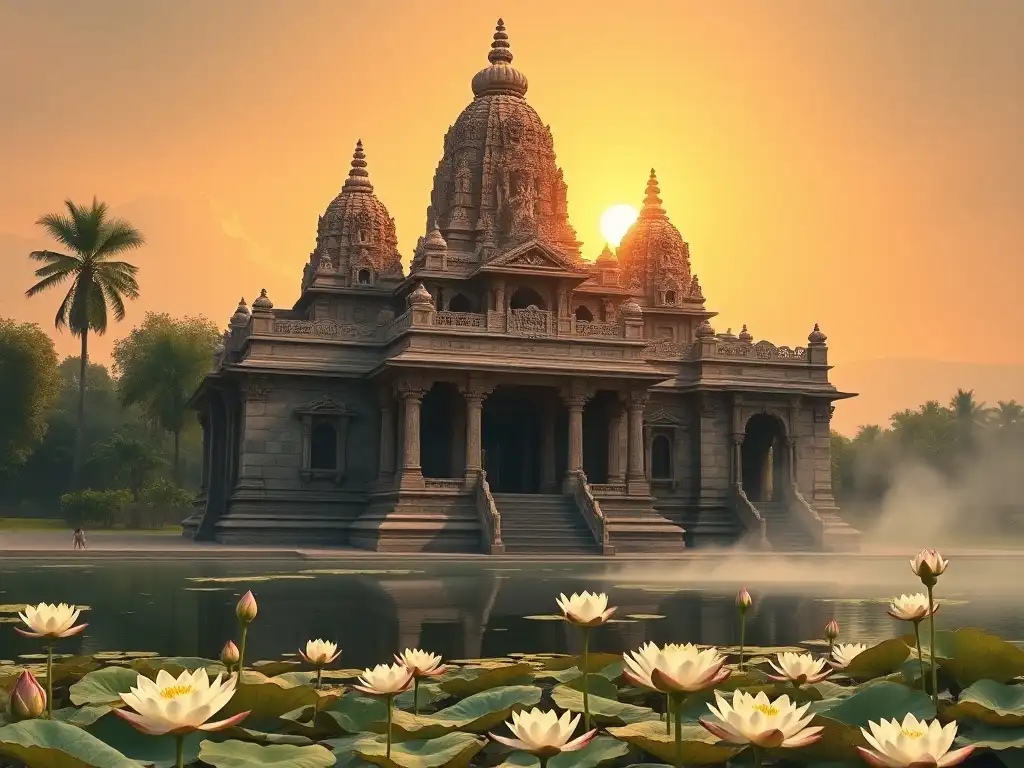
The legacy of Eastern Indian temple architecture is profound, stretching back to ancient times and continuing to resonate in the modern era. These temples are not merely places of worship; they are monumental expressions of art, culture, and spirituality. The intricate carvings, grand designs, and unique architectural styles reflect the diverse religious practices and community values of their time.
Eastern India, particularly regions like Bengal, Odisha, and Bihar, showcases a variety of temple styles that evolved through different dynasties. The temples serve as historical records, capturing the socio-political and cultural contexts of their eras. They have become symbols of regional pride and identity, often influencing local customs and traditions.
Moreover, the study of Eastern Indian temple architecture illuminates the technical prowess of ancient architects and artisans. Their ability to integrate local materials, environmental considerations, and spiritual beliefs into architectural forms is a testament to their ingenuity. The legacy of these designs continues to inspire new generations of architects and historians, ensuring that the essence of Eastern Indian temple architecture remains alive and relevant today.
The Role of Temples in Modern Eastern Indian Society
In contemporary Eastern Indian society, temples continue to play a pivotal role beyond their spiritual significance. They act as community gathering spaces, hosting festivals, rituals, and social events that strengthen communal bonds. The temples are often the focal point of local culture, serving as venues for traditional music, dance, and art performances.
Additionally, temples contribute to the local economy through pilgrimage tourism. Thousands of visitors flock to these ancient sites each year, drawn not only by their spiritual allure but also by their architectural beauty. This influx of tourists provides economic benefits to surrounding communities, fostering the growth of local businesses, handicrafts, and tourism services.
Temples also serve educational purposes, where various cultural and religious teachings are imparted to younger generations. Many temples have established schools and learning centers to promote traditional knowledge, arts, and crafts, ensuring the continuity of Eastern Indian heritage. This multifaceted role of temples underscores their enduring significance in modern society, reinforcing their position as pillars of community life.
Continuing Influence of Ancient Temple Architecture on Contemporary Designs
The influence of ancient Eastern Indian temple architecture is evident in contemporary architectural practices. Modern architects increasingly draw inspiration from the intricate designs, spatial organization, and symbolic elements of these ancient structures. For instance, the use of intricate carvings and sculptures in contemporary buildings reflects a desire to connect with cultural roots and convey a sense of heritage.
Moreover, the principles of symmetry and balance found in ancient temples are often integrated into modern architectural designs, promoting harmony between structure and environment. Many new temples being built today incorporate traditional elements such as shikharas (spires) and mandapas (pillared halls), blending them with modern materials and techniques to create unique spaces that pay homage to their ancient predecessors.
Architectural preservation efforts are also on the rise, with many contemporary projects focusing on restoring and maintaining ancient temples. These initiatives not only help to safeguard historical sites but also foster an appreciation for traditional craftsmanship and architectural methods. As society evolves, the enduring legacy of Eastern Indian temple architecture remains a source of inspiration, ensuring that the art and culture of ancient civilizations continue to thrive.
References and Further Reading
Books on Eastern Indian Temple Architecture
-
"The Architecture of the Indian Temple" by A. R. S. Venkataraman
This book provides a comprehensive overview of temple architecture across India, with a dedicated section focused on the unique features and styles of Eastern Indian temples. It delves into the historical significance of temple designs and their architectural evolution.
-
"Temples of Eastern India: A Historical Perspective" by R. K. Sharma
Sharma's work offers an in-depth analysis of key temple complexes in Eastern India, examining their artistic and architectural elements. The author also discusses the socio-political contexts that influenced the construction of these temples.
-
"Sacred Architecture of India: Eastern Styles" by Meera Rajput
This visually rich book explores various Eastern Indian temple styles, emphasizing their religious significance and artistic intricacies. The author combines historical context with detailed architectural analysis, making it a valuable resource for both scholars and enthusiasts.
-
"The Art and Architecture of India: Buddhist, Hindu, Jain" by Benjamin Rowland Jr.
While this book covers a broad spectrum of Indian architecture, it includes critical insights into Eastern Indian temple architecture, particularly the influences of Buddhism and Hinduism on temple designs.
-
"Indian Temple Architecture: Form and Function" by J. C. Harle
Harle’s book discusses the functional aspects of temple architecture in India, with a detailed focus on the Eastern region. It addresses how architectural styles reflect the cultural and religious practices of the time.
Academic Journals and Articles on Ancient Indian History
-
"Journal of the Society of Architectural Historians"
This journal frequently publishes articles on Indian architecture, including Eastern Indian temple architecture. Specific issues have featured studies on temple layouts, sculptures, and the role of temples in ancient society.
-
"Indian Historical Review"
This publication includes peer-reviewed articles that often discuss the socio-political context of temple constructions in Eastern India. Researchers can find valuable insights into how temple architecture was influenced by historical events.
-
"Asian Art"
This journal is dedicated to the study of Asian art forms, including the rich tradition of Eastern Indian temples. Articles explore various architectural styles, iconography, and the cultural significance of temples.
-
"The Indian Journal of History of Science"
This journal offers articles that discuss the scientific and mathematical principles that influenced ancient Indian architecture. It often features studies specifically on the engineering aspects of Eastern Indian temples.
-
"Artibus Asiae"
A leading journal on Asian art, which includes comparative studies of temple architecture across regions. It provides a platform for scholars to present their findings on Eastern Indian temple structures and their artistic elements.
These resources serve as a foundation for further exploration of Eastern Indian temple architecture, providing both historical context and detailed analyses of architectural styles and their cultural significance.
Frequently Asked Questions
What are the key features of Eastern Indian temple architecture?
Eastern Indian temple architecture is characterized by intricate carvings, ornate sculptures, and distinctive shikhara styles, showcasing a blend of artistry and spiritual significance.
Which dynasties contributed to the development of Eastern Indian temples?
The Gupta, Mughal, and Maitraka dynasties played a significant role in the evolution of Eastern Indian temple architecture, leaving behind a rich legacy of design and construction techniques.
How does Eastern Indian temple architecture differ from other regional styles?
Unlike Western or Southern Indian temple architecture, Eastern Indian temples often feature rectangular layouts, curvilinear roofs, and a focus on local materials, reflecting the region's unique cultural influences.
What materials were primarily used in the construction of Eastern Indian temples?
Eastern Indian temples were primarily constructed using sandstone, granite, and sometimes brick, allowing for detailed sculptural work and durability in various weather conditions.
Why is the study of Eastern Indian temple architecture significant?
Studying Eastern Indian temple architecture provides insights into the religious, cultural, and historical contexts of ancient Indian civilizations, highlighting their contributions to art and engineering.
Final Reflection: The Timeless Legacy of Eastern Indian Temple Architecture
The marvels of Eastern Indian temple architecture continue to resonate in today’s world, showcasing the profound connection between spirituality and artistry. As we explore these magnificent structures, we uncover not only their historical significance but also their relevance in contemporary society, where the quest for meaning and beauty remains ever-present. The intricate designs and sacred spaces of these temples serve as a reminder of the enduring human spirit and our desire to create lasting legacies.
The influence of Eastern Indian temple architecture extends far beyond its geographical roots, shaping cultural identities and inspiring artistic expressions across generations. The architectural brilliance and spiritual symbolism found in these temples invite us to reflect on our own beliefs and values.
As the renowned architect Louis Kahn once said, "> A great building must begin with the unmeasurable, must go through measurable means when it is being designed and in the end must be unmeasurable." This sentiment encapsulates the essence of Eastern Indian temples, where the unmeasurable aspects of faith and devotion are intricately woven into the measurable elements of design and structure.
As we conclude our exploration of Eastern Indian temple architecture, I invite you to reflect on the lessons these ancient marvels impart. Consider how the principles of harmony, balance, and reverence for nature can be integrated into your own life and surroundings. Let the beauty and wisdom of these temples inspire you to seek out and create spaces that foster connection, contemplation, and a deeper understanding of the world around you. Embrace the legacy of these architectural wonders, and allow them to guide you on your own journey of discovery and appreciation for the art of living.
Unveil the Wonders of Eastern Indian Temples!
Thank you for diving into the mesmerizing world of ancient art and architecture! We hope you've gained valuable insights into the rich heritage of Eastern Indian temples. Now, it’s time to take that knowledge and inspire your journey further.
Here are some exciting steps you can take:
- Explore your local art scene or museum to find exhibits that celebrate ancient cultures, enriching your understanding of their enduring legacy.
- Share your newfound knowledge with friends and family—discuss your favorite facts or even host a gathering focused on the beauty and significance of Eastern Indian temples!
- Join an online community or forum dedicated to ancient history and architecture, where you can learn from others and share your insights.
What aspect of Eastern Indian temples captivates you the most, and how can you incorporate that interest into your daily life?