
Ancient Legal Codes: How the Manusmriti Shaped Indian Society


Welcome to Ancient India History, where we embark on a fascinating journey through the intricate tapestry of India's past. Dive deep into the influence of the Manusmriti on Indian society, a cornerstone of ancient legal codes that shaped social structures and cultural norms. Have you ever wondered how these ancient texts continue to echo in modern times? Join us as we unravel the profound impact of the Manusmriti and discover the legacy it has left on contemporary Indian civilization. Your exploration starts here—let's delve into a world where history and law intertwine!
- Introduction to the Manusmriti and Its Historical Context
- The Manusmriti: An In-Depth Analysis
- Manusmriti Influence on Indian Society
- Legal Framework Established by the Manusmriti
- Comparison with Other Ancient Legal Codes
- Critiques and Debates Surrounding the Manusmriti
- Lasting Impact of the Manusmriti on Modern Indian Society
- Conclusion: The Enduring Legacy of the Manusmriti in Shaping Indian Society
- Frequently Asked Questions
- Final Reflection: The Enduring Influence of the Manusmriti on Indian Society
- Unlock the Wisdom of Ancient Law: Take Action Today!
Introduction to the Manusmriti and Its Historical Context
The Manusmriti, also known as the Manu Smriti, is one of the most significant legal texts in ancient Indian history, providing profound insights into the legal and social structure of its time. Composed around 200 BCE to 200 CE, this ancient code of law not only outlines the rules for ethical behavior and social order but also reflects the complex interplay of religion, morality, and governance in ancient Indian society. As a foundational text, the Manusmriti has profoundly influenced various aspects of life in India, shaping societal norms and expectations for centuries.
In exploring the Manusmriti's influence on Indian society, it is essential to understand its historical context and the broader framework of ancient Indian legal codes. This article delves into the intricacies of the Manusmriti, examining its content, significance, and the legacy it left on the Indian legal landscape. Through this exploration, we aim to illuminate how this ancient text has contributed to the evolution of law and social structure in India, as well as its lasting impact on contemporary society.
Overview of Ancient Indian Legal Codes
Ancient India was home to a variety of legal codes that governed the lives of its citizens, reflecting the diverse cultural and philosophical ideas of the time. Legal texts from this period can be categorized into several notable works, including:
- Dharmashastras: Texts that discuss legal principles, ethical conduct, and duties.
- Arthashastra: A treatise on statecraft, economics, and military strategy written by Kautilya (Chanakya).
- Smritis: Texts that serve as manuals of law and ethics, often derived from the teachings of revered sages.
Among these, the Manusmriti stands out due to its comprehensive approach to law and society. It encompasses various aspects of life, including:
- Social hierarchies: Defining roles and responsibilities based on caste.
- Family law: Outlining marriage, inheritance, and family relations.
- Criminal law: Prescribing punishments for various offenses.
- Rituals and ethics: Guiding moral conduct and religious duties.
The Manusmriti's detailed regulations provided a framework for societal order, influencing not only legal practices but also cultural norms.
The Significance of the Manusmriti in Ancient Indian Society
The Manusmriti holds a pivotal role in shaping ancient Indian society, acting as both a legal guide and a reflection of the values of its time. Its significance can be dissected into several key areas:
- Social Order: The Manusmriti established a structured social hierarchy, which categorized individuals into specific roles based on their birth and occupation. This hierarchical framework influenced social interactions and established expectations for conduct.
- Legal Authority: As a legal text, the Manusmriti provided the basis for judicial practices and the administration of justice. It served as a reference for rulers and judges, guiding their decisions and reinforcing the authority of law.
- Cultural Norms: The text emphasized moral and ethical conduct, impacting everyday life and cultural practices. Its teachings permeated various aspects of society, including marriage, family dynamics, and community relations.
- Legacy: Despite criticisms and reinterpretations in modern times, the Manusmriti's influence persists in contemporary discussions about law and social justice in India. Its historical significance continues to be a subject of scholarly debate and public discourse.
The Manusmriti is not merely an ancient legal document; it is a crucial piece of India's historical fabric that has shaped its legal, social, and cultural landscapes. Understanding its influence on Indian society provides valuable insights into the evolution of legal systems and social structures throughout history.
The Manusmriti: An In-Depth Analysis

The Manusmriti, often referred to as the "Laws of Manu," stands as one of the oldest and most significant texts in ancient Indian legal literature. Composed between the 2nd century BCE and the 2nd century CE, it emerged during a period of profound transition in Indian society, where traditional values intertwined with evolving socio-political dynamics. This text not only codified laws but also reflected the prevailing ethical and moral standards of its time, thus playing a crucial role in shaping the foundations of Indian society.
Historical Background of the Manusmriti
The Manusmriti was written during the early centuries of the Common Era, a time marked by the consolidation of Brahmanical authority and the establishment of the caste system. It is attributed to the sage Manu, who is considered a legendary figure in Hindu tradition. The text emerged in a milieu where oral traditions were gradually being committed to writing, preserving cultural norms and laws that governed daily life.
- Cultural Context: The Manusmriti was created in a society characterized by a strict social hierarchy, where the principles of dharma (duty, righteousness) were paramount. The codification of laws was essential for maintaining order and justice in a rapidly developing society.
- Influence of Earlier Texts: The Manusmriti draws upon earlier texts such as the Vedas and the Dharmashastras, integrating their philosophical and ritualistic aspects into a coherent legal framework. This synthesis helped to legitimize the authority of Brahmins and reinforced their role as custodians of knowledge and law.
Key Themes and Concepts in the Manusmriti
The Manusmriti is a comprehensive text that addresses various aspects of life, including law, morality, and social conduct. Its key themes can be summarized as follows:
- Dharma: Central to the Manusmriti is the concept of dharma, which encompasses moral, ethical, and legal duties. It emphasizes the importance of adhering to one's responsibilities according to one's caste and stage of life.
- Caste System: The text delineates the roles and responsibilities of the four primary varnas (castes): Brahmins (priests), Kshatriyas (warriors), Vaishyas (traders), and Shudras (servants). This stratification was instrumental in establishing social order but also led to rigid hierarchies.
- Gender Roles: The Manusmriti articulates specific roles for men and women, often placing women in subordinate positions. It outlines their duties primarily as caretakers of the household and advocates for their protection, while simultaneously limiting their autonomy.
- Legal Procedures: The text provides detailed instructions on legal proceedings, including the roles of judges, the importance of witness testimony, and the administration of justice. It emphasizes fairness and adherence to established laws.
- Penalties and Punishments: The Manusmriti prescribes various penalties for transgressions, reflecting a strict legal code aimed at deterring immoral behavior. These punishments varied significantly based on the social status of the offender.
The Manusmriti's Structure and Composition
The Manusmriti is structured into 12 chapters, encompassing over 2,600 verses. Its organization facilitates a systematic exploration of law and ethics, with each chapter focusing on specific aspects of societal norms.
- Chapters Overview:
- Chapter 1: Introduction to the nature of dharma and the importance of law.
- Chapter 2: The duties of different varnas.
- Chapter 3: Guidelines for the conduct of women.
- Chapter 4: Legal procedures and roles of judges.
- Chapter 5-12: Detailed laws regarding various topics, including marriage, inheritance, and crimes.
- Language and Style: The Manusmriti is written in a poetic style, employing verses that are often mnemonic in nature, aiding in memorization and oral transmission. The use of Sanskrit reflects its intended audience—primarily the learned elite of society.
The Manusmriti holds a pivotal place in the historical and cultural landscape of ancient India. Its influence on Indian society is profound, as it not only codified laws but also shaped societal attitudes towards duty, morality, and justice, leaving a lasting legacy that continues to resonate in contemporary discussions surrounding law and ethics in India.
Manusmriti Influence on Indian Society
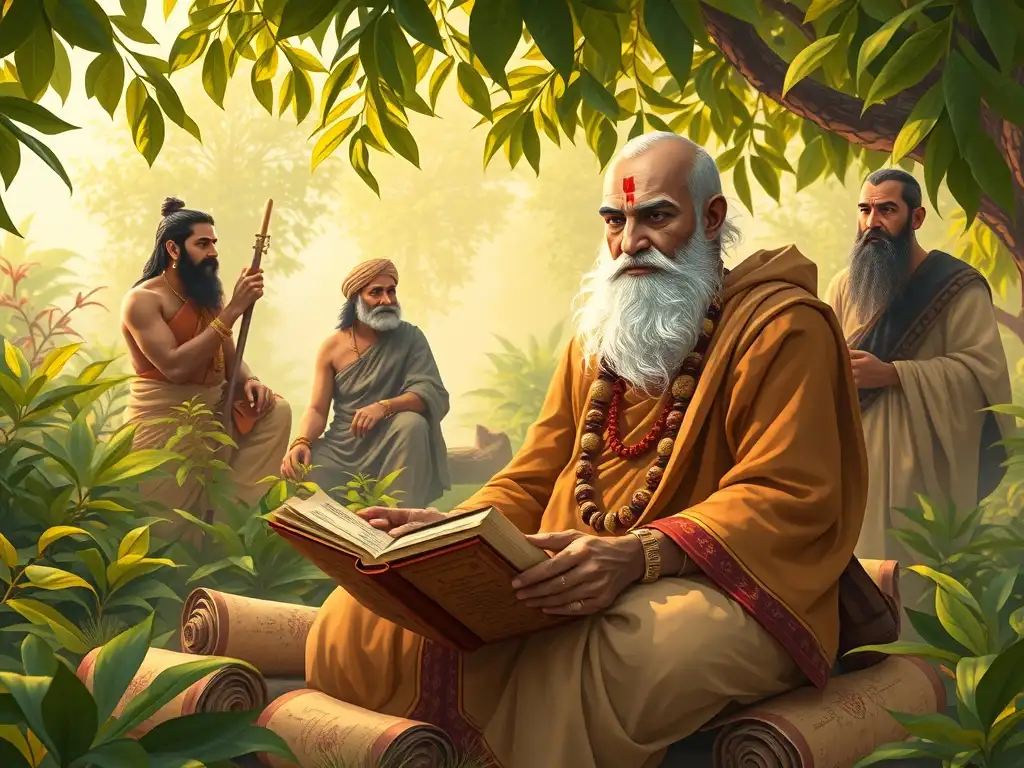
The Manusmriti, also known as the Manusmṛti or Manava Dharmasastra, is one of the most significant texts in ancient Indian legal literature. Composed between 200 BCE and 200 CE, it has had a lasting impact on the legal and social fabric of Indian society. The text outlines laws, ethical guidelines, and duties for individuals within the framework of a hierarchical society. Its influence on the caste system, gender roles, and moral standards remains a subject of study and debate among scholars.
The Manusmriti is perhaps best known for its detailed codification of the caste system, which has structured Indian society for centuries. The text divides society into four primary varnas (classes):
- Brahmins (priests and scholars)
- Kshatriyas (warriors and rulers)
- Vaishyas (traders and agriculturists)
- Shudras (laborers and service providers)
The Manusmriti prescribes specific duties (dharma) for each caste, reinforcing the concept of social hierarchy. For instance, it states that:
- Brahmins should focus on study, teaching, and rituals.
- Kshatriyas are tasked with protection and governance.
- Vaishyas are expected to engage in trade and agriculture.
- Shudras must serve the above three varnas.
This codification legitimized the caste system, making it a fundamental aspect of Indian society. The text also prescribes severe penalties for those who violate caste boundaries, which has led to the entrenchment of caste-based discrimination over centuries. As a result, the Manusmriti has played a crucial role in shaping social interactions and power dynamics in India, influencing everything from marriage practices to economic opportunities.
Gender Roles and the Status of Women in Society
The Manusmriti offers a complex picture of gender roles in ancient India. While it acknowledges the importance of women in family and society, it enshrines a patriarchal framework that often subjugates their rights and freedoms. Key points include:
- Women's Roles: The text emphasizes that women should adhere to their roles as dutiful daughters, wives, and mothers. It prescribes that a woman's primary duty is to serve her husband and family.
- Marriage and Property Rights: Women are often depicted as dependent on male guardians. The Manusmriti states that women cannot inherit property, which significantly limits their economic independence.
- Education: While the text recognizes the importance of education, it restricts it primarily to men, further entrenching the gender gap in knowledge and societal contributions.
- Moral Conduct: The Manusmriti outlines strict codes of conduct for women, emphasizing chastity and fidelity. It states that a woman who strays from these norms faces severe social ostracism.
These stipulations have had a profound impact on the status of women in Indian society, influencing cultural perceptions and practices that persist even in modern times.
Moral and Ethical Guidelines Shaped by the Manusmriti
The Manusmriti serves as a moral and ethical framework that has shaped Indian civilization's understanding of right and wrong. Key elements include:
- Dharma: The concept of dharma, or duty, is central to the Manusmriti. It outlines the responsibilities of individuals based on their caste and stage of life (ashrama). This has instilled a sense of duty and obligation within Indian culture, where the well-being of the community often takes precedence over individual desires.
- Penalties for Transgressions: The text specifies various penalties for moral and legal transgressions, reinforcing the idea of accountability. For instance, it prescribes punishments for theft, adultery, and dishonoring one's caste, which has historically led to strict adherence to social norms.
- Ritual Purity: The Manusmriti emphasizes the importance of ritual purity, shaping practices related to cleanliness, dietary restrictions, and social interactions. This has influenced various facets of daily life, from religious practices to social gatherings.
The ethical guidelines enshrined in the Manusmriti have had a lasting effect on Indian society, fostering a collective identity shaped by shared values and moral principles. Even today, the text is referenced in discussions about morality, law, and social conduct, illustrating its enduring legacy.
The Manusmriti influence on Indian society is profound and multifaceted, affecting social hierarchies, gender roles, and moral conduct. Its contributions to the legal and cultural landscape of ancient India continue to be felt, making it a crucial text for understanding the evolution of Indian civilization.
Legal Framework Established by the Manusmriti

The Manusmriti, also known as the Manu Smriti, is one of the oldest and most significant legal texts in ancient India, deeply influencing the structure of legal frameworks and societal norms. Written in Sanskrit, this ancient code outlines various aspects of law and governance, significantly shaping Indian society from the Vedic period and continuing its relevance through the ages.
The Manusmriti defines the principles of dharma (righteousness) and lays out duties and responsibilities of individuals based on their varna (social class) and ashrama (stage of life). This codification not only provided a legal framework but also established moral and ethical guidelines that directed the behavior and interactions within society.
Laws Governing Civil Rights and Duties
The Manusmriti extensively covers civil rights and duties, delineating the roles of individuals in various societal contexts. Here are some key aspects:
- Varna System: The text categorizes society into four primary classes—Brahmins (priests and scholars), Kshatriyas (warriors and rulers), Vaishyas (traders and agriculturists), and Shudras (laborers and service providers). Each class has distinct rights and responsibilities, as detailed below:
- Brahmins: Duty to teach and uphold religious rituals.
- Kshatriyas: Responsibility to protect and govern.
- Vaishyas: Engage in trade and agriculture.
- Shudras: Serve the above three classes.
- Gender Roles: The Manusmriti also prescribes specific duties for men and women, often emphasizing the subordinate position of women in society. Women are expected to adhere to their roles as homemakers and caretakers, with limited rights in property and inheritance matters.
- Personal Conduct: The text outlines various rules regarding personal conduct, including codes of ethics, rituals, and the importance of truthfulness and non-violence, which were essential for maintaining societal harmony.
- Property Rights: In matters of inheritance and property, the Manusmriti delineates the rights of individuals, particularly focusing on the male heirs while placing restrictions on female inheritance rights. This has had a long-lasting impact on the legal status of women in Indian society.
The Role of the Manusmriti in Criminal Justice
The Manusmriti significantly influenced the criminal justice system of ancient India, detailing laws and punishments for various offenses. Key features include:
-
Classification of Crimes: The text categorizes offenses into different types, such as theft, murder, and adultery, with specified penalties for each. This classification helped in the systematic administration of justice.
-
Punishments: The Manusmriti prescribes varying degrees of punishment based on the severity of the crime and the social status of the offender. For instance:
Crime Punishment Theft Fines or corporal punishment Murder Death penalty Adultery Severe fines or banishment -
Influence on Judicial Procedures: The text outlines the roles of judges and the process of administering justice, emphasizing the importance of evidence and witness testimonies in legal proceedings. This laid the groundwork for future legal practices in India.
-
Restorative Justice: While it prescribes strict punishments, the Manusmriti also hints at the concept of restorative justice, where the offender is encouraged to make amends to the victim or their family, reflecting an early understanding of justice beyond mere retribution.
Dispute Resolution Mechanisms in Ancient India
Dispute resolution in ancient India, as guided by the Manusmriti, relied heavily on community involvement and traditional practices. Key mechanisms include:
- Panchayati System: Local councils (panchayats) played a crucial role in resolving disputes at the village level. Composed of respected elders, these councils would mediate conflicts and deliver judgments based on the principles outlined in the Manusmriti.
- Arbitration: The text encourages arbitration as a preferred method for settling disputes, advocating for peaceful resolutions rather than resorting to litigation. This was particularly significant in civil matters, where community harmony was prioritized.
- Legal Rituals: Certain legal proceedings involved rituals that were believed to invoke divine justice. The Manusmriti emphasizes the role of oaths and divine intervention in affirming the truth during disputes, thus intertwining legal and religious practices.
- Documentation of Agreements: The text suggests maintaining written records of agreements and contracts as a means to avoid future disputes, highlighting the importance of documentation in legal matters.
The Manusmriti not only provided a comprehensive framework for civil rights, duties, and criminal justice but also established mechanisms for dispute resolution that emphasized community involvement and ethical conduct. Its influence on Indian society is profound, as it shaped legal practices and societal norms for centuries.
Comparison with Other Ancient Legal Codes
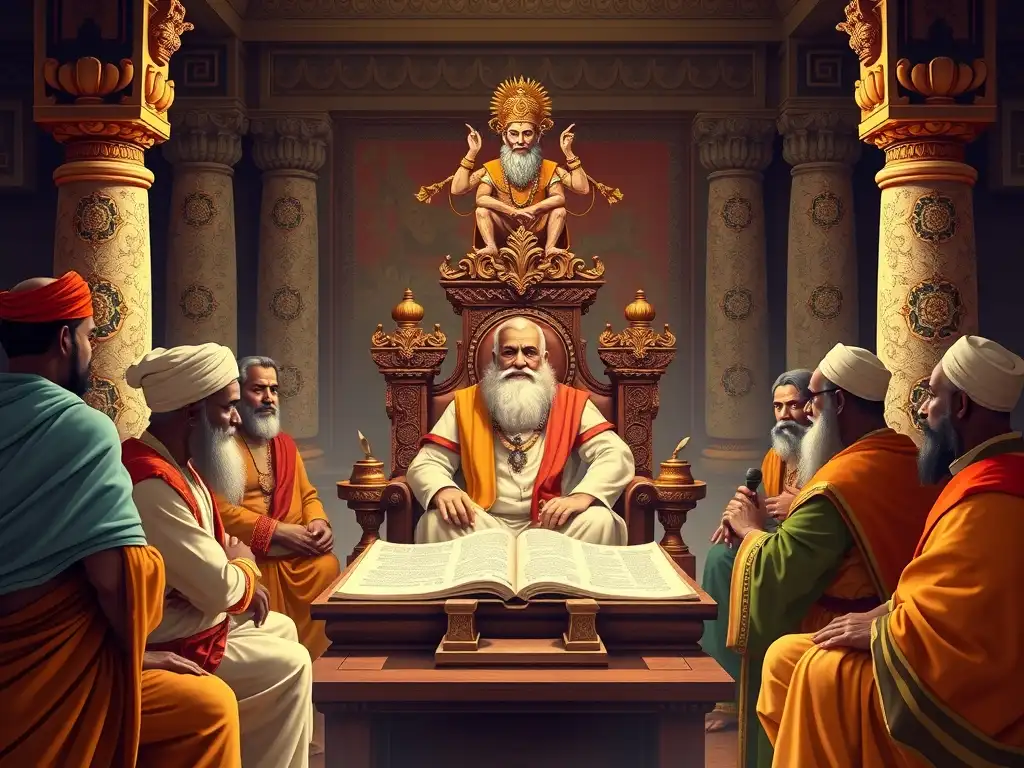
Manusmriti vs. Arthashastra: Governance and Law
The Manusmriti and Arthashastra are two of the most significant ancient legal texts in Indian history, each reflecting distinct perspectives on governance and law. While the Manusmriti, attributed to the sage Manu, emphasizes dharma (moral duty) and the social order, the Arthashastra, written by Kautilya (also known as Chanakya), focuses on statecraft, economics, and realpolitik.
- Core Philosophies:
- The Manusmriti is deeply rooted in the concept of dharma, advocating a moral and ethical framework for society. It delineates duties based on varna (social classes) and ashrama (stages of life), which are pivotal in shaping social conduct.
- In contrast, the Arthashastra adopts a pragmatic approach to governance. It is less concerned with morality and more focused on practical governance, strategies for power, and maintaining state security. Kautilya's work discusses various techniques for economic management and political maneuvering.
- Legal Framework:
- The Manusmriti outlines laws that govern personal conduct, family relations, and social interactions, emphasizing the importance of tradition and the roles of different social groups. It presents a hierarchical view of society where each class has specific rights and responsibilities.
- The Arthashastra, however, addresses issues such as taxation, war strategies, and diplomacy, providing a comprehensive guide for rulers on how to maintain and expand their power. It includes discussions on legal procedures, the administration of justice, and the use of spies.
- Influence on Society:
- The Manusmriti has had a lasting influence on Indian social structure, contributing to the caste system and defining gender roles within society. Its prescriptions have often been interpreted and adapted over centuries to fit evolving societal norms.
- The Arthashastra, while also influential, primarily impacted the administrative and military practices of ancient Indian kingdoms. Its insights into governance have been utilized by rulers to create efficient states, but it did not shape societal norms to the same extent as the Manusmriti.
While both texts are foundational to understanding ancient Indian legal and governance frameworks, the Manusmriti's influence on Indian society is more pronounced in shaping social hierarchies and moral duties, whereas the Arthashastra provides a practical guide for rulers focused on wealth and power.
Manusmriti vs. Roman Legal Codes: A Comparative Study
The Manusmriti and the legal codes of ancient Rome, such as the Twelve Tables and later Justinian Code, represent two profound legal traditions that shaped their respective societies. A comparative analysis reveals both similarities and differences in their approach to law, governance, and societal structure.
- Structure of Legal Systems:
- The Manusmriti is a comprehensive document that combines law with ethics and philosophy. It provides prescriptive norms for personal conduct, family law, and societal duties, thus integrating legal rules with moral obligations.
- The Twelve Tables, established in 450 BCE, marked the foundation of Roman law. Unlike the Manusmriti, which is a single text, the Twelve Tables were a compilation of various laws and customs. Roman law evolved over time, becoming more structured and codified, culminating in the Justinian Code, which aimed to consolidate and clarify existing laws.
- Social Hierarchy:
- Both the Manusmriti and Roman law reflect existing social hierarchies; however, they do so in different contexts. The Manusmriti emphasizes a rigid caste system, assigning duties and rights based on varna, which directly influences social mobility and judicial processes.
- Roman law, while also hierarchical, was based more on citizenship than on birth. It allowed for greater social mobility, with laws that could be applied relatively uniformly across different classes, although patricians still held more privileges than plebeians.
- Rights and Responsibilities:
- The Manusmriti prescribes a detailed account of rights and responsibilities tailored to various social classes and genders. It reflects a worldview where societal order is maintained through adherence to prescribed duties.
- Roman legal codes, particularly the Justinian Code, laid out rights and protections for citizens, establishing a legal framework that emphasized individual rights. This evolution led to principles that would later influence modern legal systems, such as due process and the presumption of innocence.
While both the Manusmriti and Roman legal codes played vital roles in their respective societies, the Manusmriti's influence on Indian society is characterized by its integration of law and morality within a rigid social structure, whereas Roman law evolved towards a more individualistic and universal application of justice. The comparative study highlights the distinct cultural values and societal needs that shaped these ancient legal systems.
Critiques and Debates Surrounding the Manusmriti

The Manusmriti, often regarded as one of the most significant ancient legal texts in India, has been the subject of extensive critiques and debates. Scholars, historians, and social activists have scrutinized its teachings, particularly concerning its influence on Indian society. This section delves into the historical criticisms and contemporary interpretations of the Manusmriti, highlighting the complexities of its legacy.
Historical Criticism of the Manusmriti
Historically, the Manusmriti has faced criticism for its caste-based prescriptions and gender roles, which many argue have contributed to social stratification and inequality. Here are some key points of criticism:
-
Caste Hierarchy: The Manusmriti explicitly outlines a hierarchical structure of society, dividing people into four primary varnas (castes):
- Brahmins (priests and scholars)
- Kshatriyas (warriors and rulers)
- Vaishyas (traders and agriculturists)
- Shudras (laborers and service providers)
This division has been criticized for institutionalizing discrimination and perpetuating a rigid social order that marginalized lower castes.
-
Gender Discrimination: The text delineates strict roles for women, often emphasizing their subservience to men. For instance, it states that a woman should always be under the protection of a male figure—be it her father, husband, or son. Critics argue that such views have historically led to the oppression of women in various aspects of life, including education and property rights.
-
Punitive Measures: The Manusmriti prescribes harsh penalties for various offenses, reflecting an authoritarian approach to law that contrasts with more rehabilitative frameworks. Critics point out that these punitive measures often disproportionately affected the marginalized sections of society, entrenching cycles of violence and retribution.
Historically, these critiques have sparked significant debates among scholars about the Manusmriti's role in shaping social norms and legal practices in ancient India. While some view it as a reflection of its time, others argue it has had long-lasting detrimental effects on the fabric of Indian society.
Contemporary Interpretations and Their Implications
In contemporary discourse, the Manusmriti's influence on Indian society continues to be a contentious topic, dividing opinions among various groups. Here are some current interpretations and their implications:
- Reformist Perspectives: Many modern scholars advocate for a critical reading of the Manusmriti, arguing that while it reflects certain regressive views, it should not be wholly condemned. They suggest that elements of the text can be reinterpreted to promote social justice and equality. For example, some reformists propose that the text's emphasis on dharma (righteous duty) can be harnessed to advocate for progressive values that uphold human rights and gender equality.
- Cultural Identity: Some groups within India view the Manusmriti as a cultural artifact that embodies traditional values. They argue that it plays a crucial role in maintaining cultural continuity and identity. This perspective often clashes with reformist views, leading to a polarized debate over the relevance of ancient texts in contemporary society.
- Legal Reforms: The criticisms of the Manusmriti have fueled discussions about legal reforms in India, especially concerning caste and gender rights. Activists have used the text's precepts as a basis for advocating for more inclusive laws and policies that counteract its historical injustices.
The contemporary interpretations of the Manusmriti reveal a complex landscape of opinions. Its influence on Indian society remains significant, prompting ongoing discussions about how ancient legal codes should be understood and applied in modern contexts. The debate surrounding the Manusmriti's legacy is indicative of broader societal struggles concerning identity, justice, and equality in India today.
Lasting Impact of the Manusmriti on Modern Indian Society
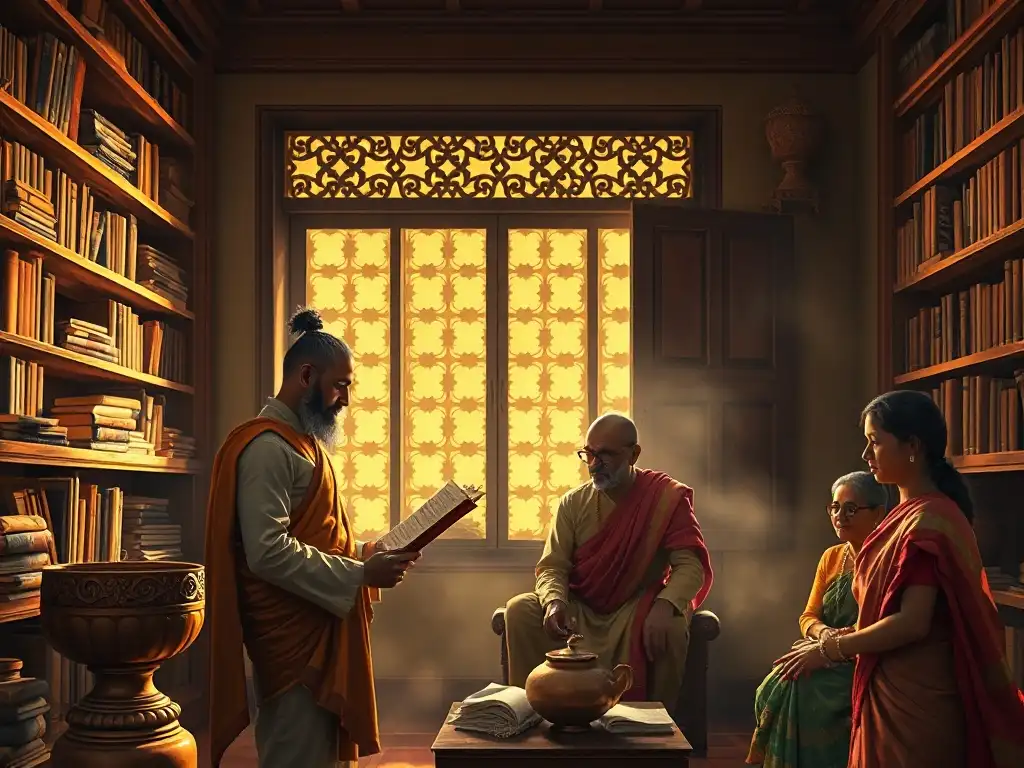
Influence on Modern Legal Systems
The Manusmriti, also known as the Laws of Manu, has left a profound imprint on the legal frameworks and societal norms of contemporary India. Written approximately between 200 BCE and 200 CE, this ancient text codifies laws, duties, and ethical guidelines that have been referenced throughout Indian history. Its influence on modern legal systems can be observed in several key areas:
-
Caste System and Social Hierarchy
The Manusmriti delineates specific duties and responsibilities for various castes, which has contributed to the persistence of caste-based distinctions in modern India. While the Indian Constitution abolished caste discrimination, the legacy of the Manusmriti's hierarchical structure continues to shape social interactions and community dynamics.
-
Family Law
Many aspects of Hindu personal law, particularly in matters of marriage, inheritance, and property rights, are rooted in the principles established by the Manusmriti. For example, the text outlines the roles and responsibilities of husbands and wives, which have influenced modern interpretations of family law, despite the progressive reforms that have been introduced.
-
Gender Roles
The Manusmriti presents a traditional view of gender roles, assigning women a subordinate status in both familial and societal contexts. This perspective has historically influenced legal standards regarding women's rights in India. Although contemporary laws strive for gender equality, the echoes of Manusmriti's teachings can still be found in societal attitudes and legal challenges women face today.
-
Judicial Precedents
While modern Indian law is rooted in a secular framework, references to Manusmriti have occasionally emerged in judicial pronunciations, particularly in cases involving personal law. This reflects the ongoing dialogue between ancient texts and contemporary legal interpretations.
| Aspect | Manusmriti Influence | Modern Interpretation |
|---|---|---|
| Caste System | Codifies caste duties | Abolished but still influential |
| Family Law | Defines marital roles | Evolving but rooted in tradition |
| Gender Roles | Assigns subservient roles to women | Striving for equality |
| Judicial Precedents | Occasionally referenced in court cases | Secular legal framework predominates |
The Manusmriti's Role in Contemporary Cultural Discussions
The Manusmriti is not merely an ancient legal text; it remains a focal point in contemporary cultural debates in India. Its interpretations and implications are often discussed in the context of social justice, equality, and cultural identity. Here are some ways the Manusmriti is engaged in modern cultural discussions:
-
Debate on Gender Equality
Feminist scholars and activists frequently cite the Manusmriti to highlight the historical subjugation of women. This has led to a broader discourse on gender justice, prompting critical evaluations of how ancient texts can influence current gender dynamics. The discussions often emphasize the need for reinterpretation or rejection of certain doctrines that perpetuate inequality.
-
Caste and Social Justice Movements
The caste-based prescriptions in the Manusmriti have fueled social justice movements advocating for the rights of marginalized communities. Activists use the text to critique ongoing caste discrimination, urging for a re-examination of social structures that are rooted in ancient beliefs. This has led to a rethinking of cultural identity and social cohesion in modern India.
-
Cultural Identity and Heritage
Some proponents of Hindu cultural identity argue for the relevance of the Manusmriti as a historical document that reflects the values and norms of ancient Indian society. They advocate for a revival of certain principles from the text, believing that it can provide a framework for moral and ethical living in contemporary society.
-
Legal Reforms and Reinterpretation
The Manusmriti is often referenced in discussions about legal reforms. Scholars advocate for a critical reassessment of the text's influence on modern laws, urging lawmakers to differentiate between ancient customs and contemporary human rights principles.
The Manusmriti remains a double-edged sword in discussions about morality, law, and societal structure, challenging us to navigate its teachings with both respect and critical scrutiny.
The influence of the Manusmriti on Indian society extends far beyond its time of composition. Its role in shaping modern legal systems and cultural discussions underscores its enduring relevance and the complexities involved in reconciling ancient wisdom with contemporary values. As society continues to evolve, the ongoing dialogue surrounding the Manusmriti will likely persist, reflecting the dynamic interplay between history and modernity.
Conclusion: The Enduring Legacy of the Manusmriti in Shaping Indian Society
The Manusmriti, often referred to as the "Laws of Manu," stands as one of the most significant legal texts in ancient Indian history. Its influence on Indian society is profound, extending beyond mere legal frameworks to encompass cultural, social, and moral dimensions. This ancient legal code not only provided a structure for governance and social order but also embedded ethical values and norms that continue to resonate in various aspects of modern Indian life.
The Manusmriti's teachings on dharma (duty), varna (class), and ashrama (stages of life) have shaped societal roles and responsibilities across generations. Its hierarchical view of society—dividing people into four varnas—has led to long-lasting implications regarding caste and social stratification that still affect contemporary Indian society. Despite criticisms and calls for reform, elements of the Manusmriti remain deeply rooted in cultural practices, family structures, and community interactions.
The dialogue around the Manusmriti is not merely academic; it evokes passionate discussions about gender roles, caste dynamics, and the evolution of legal principles in India. The text encourages a reflection on how ancient wisdom can inform modern legal systems and social justice frameworks, highlighting its complex legacy in shaping contemporary values and practices.
Reflection on the Manusmriti's Relevance Today
The relevance of the Manusmriti in today's context cannot be overstated, as it continues to spark debates about law, morality, and ethics within Indian society. While many of its prescriptions are considered outdated or regressive—particularly regarding gender roles and caste discrimination—its historical significance provides a foundation for understanding the evolution of legal thought in India.
In contemporary discussions, the Manusmriti is often juxtaposed with modern legal codes and constitutional values. For instance, the principles of justice and equality enshrined in the Indian Constitution challenge many of the Manusmriti's hierarchical norms. However, the ongoing presence of caste-based discrimination and gender biases in society suggests that the Manusmriti's impact is still felt, necessitating a critical examination of its teachings.
Moreover, the Manusmriti illustrates the complexities of legal evolution, where ancient texts inform modern jurisprudence. Legal scholars and practitioners often explore its interpretations to understand the cultural underpinnings of current laws. This reflection is crucial in addressing the challenges that arise in the dynamic interplay between tradition and modernity.
Future Perspectives on Ancient Legal Texts in India
As India continues to evolve, the study of ancient legal texts like the Manusmriti offers valuable insights into the foundations of Indian law and society. Future perspectives on these texts will likely focus on several key areas:
- Legal Reform and Social Justice: There is a growing need to reinterpret ancient texts in light of contemporary values. Advocating for a legal framework that balances historical insights with modern principles of equality and justice is essential.
- Interdisciplinary Approaches: Scholars are increasingly adopting interdisciplinary methodologies, integrating anthropology, sociology, and history to explore the Manusmriti's influence more holistically. This approach can provide a richer understanding of its societal implications.
- Global Comparatives: Examining the Manusmriti alongside other ancient legal codes from different cultures may yield comparative insights that enhance our understanding of legal evolution and social norms globally.
- Cultural Resilience: The resilience of ancient legal codes in shaping cultural identities and practices will continue to be a focal point of study. Understanding how these texts are reinterpreted and adapted in modern contexts can shed light on their ongoing relevance.
The Manusmriti's influence on Indian society is a multifaceted topic that invites ongoing exploration. Its enduring legacy serves as a reminder of the complex relationship between ancient wisdom and contemporary values. As India navigates its path forward, engaging with these ancient legal texts will be crucial in fostering a just and equitable society.
Frequently Asked Questions
What is the Manusmriti?
The Manusmriti is an ancient legal text that outlines the social, moral, and legal codes for individuals in ancient Indian society. It is considered one of the most significant texts in Hindu law and philosophy.
How did the Manusmriti influence Indian society?
The Manusmriti significantly shaped social hierarchies and caste systems in India, reinforcing traditional roles and customs that affected social dynamics for centuries.
What were the key principles outlined in the Manusmriti?
The Manusmriti emphasizes dharma (duty), rituals, and moral behavior, providing guidelines for personal conduct, family life, and governance, which influenced both individual behavior and social norms.
How has the perception of the Manusmriti changed over time?
In contemporary discussions, the Manusmriti is often debated regarding its relevance and appropriateness, especially concerning its views on gender roles and caste. Many see it as reflective of historical context rather than a prescriptive guide for modern society.
Yes, texts such as the Arthashastra and other Buddhist and Jain scriptures often provide contrasting views on laws and ethics, offering a more inclusive perspective on societal structures and governance in ancient India.
Final Reflection: The Enduring Influence of the Manusmriti on Indian Society
The Manusmriti remains a pivotal text that continues to shape the socio-legal landscape of India today. Its principles, deeply rooted in ancient traditions, resonate in contemporary discussions about justice, equality, and societal roles. As we navigate the complexities of modern Indian society, it becomes increasingly clear that understanding the Manusmriti's influence is essential for grasping the historical context of our current legal and cultural frameworks. The echoes of its teachings remind us that the past is never truly behind us; it is woven into the very fabric of our present.
Culturally, the Manusmriti has left an indelible mark that influences not only legal systems but also social norms and values. Its interpretations and applications have sparked debates that continue to shape public discourse around caste, gender, and morality. As we reflect on these ongoing discussions, we are reminded of the words of Mahatma Gandhi: An unjust law is itself a species of violence. Arrest for its breach is more so.
This quote encapsulates the tension between ancient codes and modern justice, urging us to critically assess the Manusmriti's role in both upholding and challenging societal structures.
As we look to the future, I invite you to engage with the lessons of the Manusmriti in your own life. Consider how ancient wisdom can inform your understanding of justice and equality today. Reflect on the ways in which historical texts can guide our actions and beliefs, and challenge yourself to contribute to a society that honors the principles of fairness and compassion. By doing so, we can ensure that the legacy of the Manusmriti evolves into a force for positive change, fostering a more equitable and just society for all.
Unlock the Wisdom of Ancient Law: Take Action Today!
Thank you for diving into the fascinating world of the Manusmriti and its profound impact on Indian society! You've gained a deeper understanding of how ancient legal codes shaped cultural practices and societal norms. Now, it's time to put that knowledge into action. Here’s how you can further explore this rich heritage and contribute to the ongoing dialogue about law and society:
- Dive Deeper: Explore additional texts from ancient Indian legal traditions to discover the broader context of the Manusmriti. Your journey doesn’t have to stop here—look for other codes and their interpretations!
- Share Your Thoughts: Engage in discussions with friends or in online forums. Talking with others can enrich your perspective and inspire meaningful conversations about the relevance of ancient laws today.
- Get Involved: Visit local museums or cultural centers that focus on ancient Indian history. Participating in events or workshops will deepen your understanding and connection to the past.
As you reflect on these actions, here’s a question to ponder and share: How do you perceive the influence of ancient laws like the Manusmriti in today’s legal and cultural frameworks?