
The Role of Pilgrimage in Buddhism: Sacred Sites and Spiritual Journeys

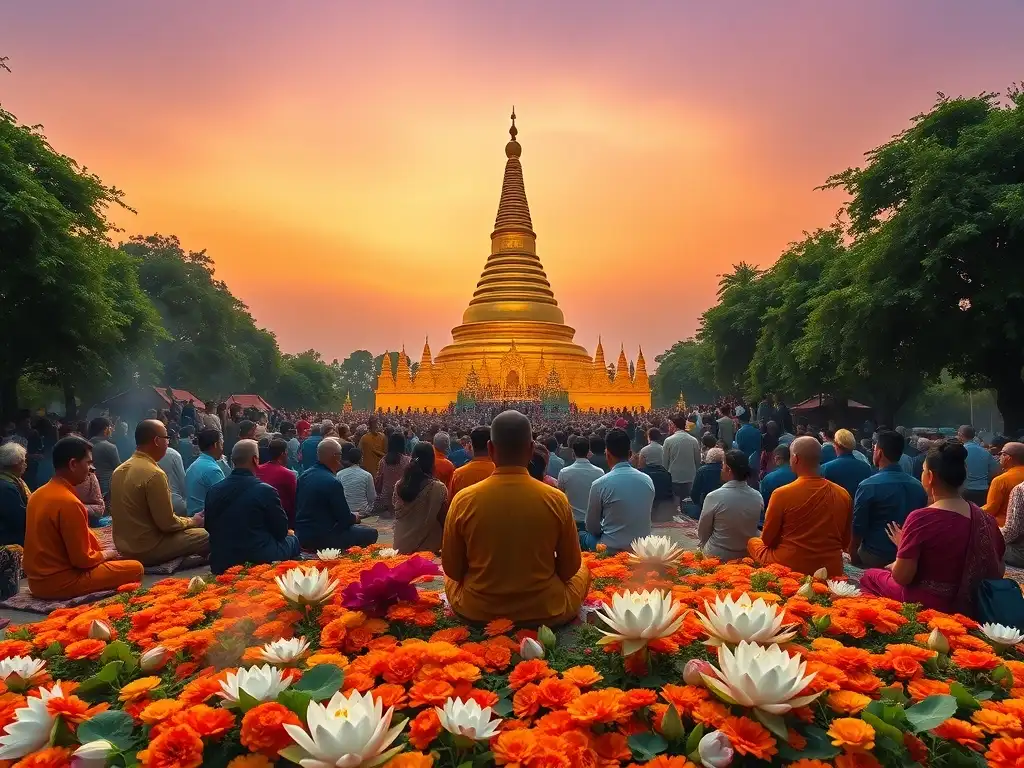
Welcome to Ancient India History, where we delve into the profound tapestry of India's past, celebrating its vibrant civilizations and their remarkable contributions to the world. Today, we invite you to embark on a journey through the sacred sites of Buddhist pilgrimage, exploring how these hallowed grounds have shaped spiritual practices and enriched the lives of countless devotees. What secrets lie within these ancient pathways? Join us as we uncover the significance of these revered destinations and their role in the spiritual journeys of Buddhism. Your adventure into the heart of ancient Indian religions begins now!
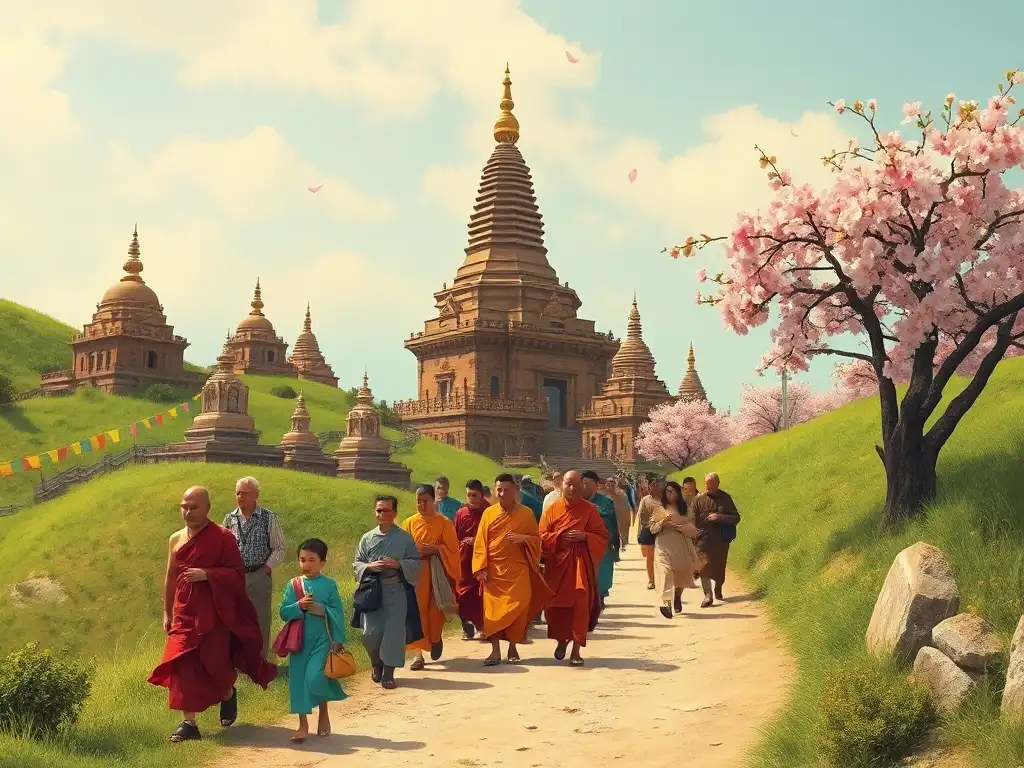
Introduction to Buddhist Pilgrimage
Buddhist pilgrimage represents a profound aspect of the spiritual journey undertaken by practitioners of Buddhism. It serves as a means to deepen one's faith, connect with the historical roots of the religion, and engage with sacred landscapes that hold immense significance in Buddhist tradition.
From the serene banks of the Ganges to the revered stupas of Bodh Gaya, these sacred sites are not merely destinations; they are vibrant manifestations of the Buddha's teachings and the path to enlightenment. By exploring the Buddhist pilgrimage sacred sites, we can understand how these journeys foster spiritual growth and communal identity among followers, while simultaneously preserving the rich cultural heritage of ancient India.
Definition of Pilgrimage in Buddhism
In the context of Buddhism, pilgrimage refers to the act of traveling to significant sites associated with the life of the Buddha, his teachings, and the core principles of Dharma. Unlike some other religious practices, Buddhist pilgrimage emphasizes personal transformation and the pursuit of wisdom rather than mere devotion. It is often characterized by both physical and spiritual journeys, where practitioners seek to cultivate mindfulness, reflect on their beliefs, and foster a deeper connection with the teachings of the Buddha.
Importance of Pilgrimage in Buddhist Practice
Pilgrimage plays a crucial role in Buddhist practice for several reasons:
- Spiritual Growth: Engaging in pilgrimage allows practitioners to step away from their daily lives and immerse themselves in a spiritual environment, promoting introspection and personal growth.
- Community and Shared Experience: Pilgrimages often involve group travel, fostering a sense of community and shared purpose among participants.
- Connection to History: Visiting sacred sites connects practitioners to the historical events and teachings of Buddhism, which can enhance their understanding and appreciation of the faith.
Overview of Sacred Sites in Buddhism
Buddhist sacred sites are scattered across Asia, with some of the most notable including:
- Bodh Gaya: The site of the Buddha's enlightenment.
- Sarnath: Where the Buddha delivered his first sermon.
- Kushinagar: The place of the Buddha's death and parinirvana.
- Lumbini: The birthplace of the Buddha.
Each of these sites holds unique significance and attracts millions of pilgrims each year, highlighting the enduring legacy of Buddhism and its teachings.
Historical Context of Buddhist Pilgrimage
Understanding the historical context of Buddhist pilgrimage is essential to appreciate its significance in the modern practice of Buddhism. The roots of pilgrimage can be traced back to the early days of Buddhism, evolving alongside the religion itself.
Origins of Pilgrimage in Early Buddhism
The origins of Buddhist pilgrimage can be found in the life of Siddhartha Gautama, who became the Buddha. His own travels through India, seeking enlightenment and teaching the Dharma, set the stage for future generations of followers to embark on similar journeys. Early Buddhist texts describe the importance of visiting sites associated with the Buddha's life, establishing the foundation for pilgrimage practices that would follow.
Development of Pilgrimage Traditions Over Time
Over the centuries, pilgrimage traditions evolved as Buddhism spread across different regions, adapting to local cultures and practices. The emergence of various sects and schools of Buddhism, such as Theravada and Mahayana, brought distinct interpretations of pilgrimage, with some focusing on the veneration of relics and others emphasizing the journey itself. This diversification enriched the pilgrimage experience, creating a tapestry of spiritual practices that reflect the dynamic nature of Buddhism.
Key Historical Figures Influencing Buddhist Pilgrimage
Several key historical figures have played significant roles in shaping the practice of pilgrimage in Buddhism:
- Ashoka the Great: The Mauryan emperor who embraced Buddhism and established many stupas and monasteries, promoting pilgrimage to sacred sites.
- Xuanzang: A Chinese monk who traveled to India in the 7th century to study Buddhist texts and document sacred sites, influencing pilgrimage routes.
- Buddhaghosa: A 5th-century scholar whose writings on meditation and practice encouraged the importance of pilgrimage in seeking enlightenment.
These figures, among others, have contributed to the rich tapestry of Buddhist pilgrimage, ensuring that it remains a vital component of spiritual practice today.
Major Buddhist Sacred Sites
Buddhist pilgrimage sacred sites are central to the faith, marking significant events in the life of Siddhartha Gautama, the Buddha, and serving as focal points for devotion, reflection, and spiritual growth. These sites attract millions of pilgrims and tourists each year, providing a tangible connection to the teachings of Buddhism and the history of its development. Here are some of the most important sacred sites in Buddhism:
Bodh Gaya: The Enlightenment Site
Bodh Gaya is perhaps the most revered pilgrimage site in Buddhism, as it is the location where Siddhartha Gautama attained enlightenment under the Bodhi tree. This transformative event is believed to have occurred around the 5th century BCE. The Mahabodhi Temple, which stands at the site, is a UNESCO World Heritage Site and features a towering stupa that is a key pilgrimage destination.
Pilgrims often engage in meditation and rituals here, reflecting on the significance of awakening and the path to enlightenment. The annual celebrations during Buddha Purnima (the full moon day that commemorates the Buddha's birth, enlightenment, and death) draw thousands of devotees from all over the world.
Lumbini: The Birthplace of the Buddha
Lumbini, located in present-day Nepal, is considered the birthplace of Siddhartha Gautama. This sacred site is marked by the Maya Devi Temple, which contains the exact spot where the Buddha was born in 623 BCE. Recognized as a UNESCO World Heritage Site, Lumbini is surrounded by beautiful gardens, monasteries, and the ancient pond where Queen Maya is said to have bathed before giving birth. Pilgrims flock to Lumbini to pay homage to the Buddha's origins, often participating in rituals that celebrate the themes of birth and new beginnings in their spiritual journeys.
Sarnath: The First Sermon
Sarnath, located near Varanasi, India, is the site where the Buddha delivered his first sermon after attaining enlightenment. This pivotal event, known as the Dhammacakkappavattana Sutta, introduced the Four Noble Truths and the Eightfold Path, which are foundational teachings in Buddhism. The Dhamek Stupa, built to commemorate this event, stands as a prominent structure in Sarnath. Pilgrims often visit to reflect on the teachings shared by the Buddha and to engage in meditation in the serene surroundings. The annual celebrations and gatherings at Sarnath serve to strengthen the sense of community among Buddhists.
Kushinagar: The Buddha's Parinirvana
Kushinagar is the site where the Buddha attained Parinirvana, the final passing away, at the age of 80. The Mahaparinirvana Temple houses a reclining statue of the Buddha, symbolizing his last moments. This site is particularly important for Buddhists as it represents the culmination of the Buddha's life and teachings. Pilgrims visit Kushinagar to pay their respects and to contemplate the impermanence of life, often engaging in rituals that honor the Buddha's teachings on death and rebirth.
Other Notable Sacred Sites across Asia
In addition to the major sites mentioned, several other sacred locations across Asia hold significant importance for Buddhist pilgrims. These include:
- Mount Kailash in Tibet: Revered as a sacred mountain, it is considered the abode of Lord Shiva and holds profound significance in both Buddhism and Hinduism.
- Nalanda in Bihar, India: Once a renowned ancient university, it played a crucial role in the dissemination of Buddhist teachings and philosophy.
- Shwedagon Pagoda in Myanmar: This golden stupa is a major pilgrimage site for Theravada Buddhists, housing relics of the Buddha.
- Borobudur in Indonesia: This massive stupa is adorned with intricate carvings depicting the life of the Buddha and serves as a pilgrimage destination for many.
Spiritual Significance of Pilgrimage in Buddhism
Pilgrimage in Buddhism transcends mere travel to sacred sites; it embodies a deep spiritual journey that fosters personal growth, reflection, and connection to the core tenets of the faith. The act of pilgrimage is considered a vital practice that enhances one's understanding of Buddhist teachings and the path to enlightenment.
Pilgrimage as a Path to Enlightenment
Engaging in pilgrimage is seen as a means to cultivate mindfulness and awareness. As pilgrims traverse sacred sites, they often reflect on the teachings of the Buddha and their personal spiritual journeys. This physical journey to revered locations simultaneously serves as a metaphorical journey toward inner enlightenment. The commitment to undertake pilgrimage, often involving physical and mental challenges, symbolizes the dedication required to attain spiritual awakening.
The Role of Sacred Sites in Personal Transformation
Sacred sites are more than just historical markers; they are spaces imbued with spiritual energy that can facilitate personal transformation. Pilgrims report feelings of peace, clarity, and heightened spirituality when visiting these locations. The rituals performed at these sites, such as meditation, prayer, and offerings, serve to deepen one's connection to the teachings of Buddhism and foster a sense of community among fellow practitioners. This shared experience can lead to profound insights and personal growth.
Rituals and Practices Associated with Pilgrimage
Various rituals and practices are associated with Buddhist pilgrimage, enhancing the spiritual experience. Common activities include:
- Meditation: Pilgrims often engage in meditation at sacred sites, allowing them to connect deeply with the teachings of the Buddha and reflect on their spiritual journeys.
- Offering Flowers and Candles: Acts of devotion, such as offering flowers, candles, or incense, symbolize respect for the Buddha and his teachings.
- Circumambulation: Walking clockwise around stupas or sacred objects is a common practice, representing the cycle of life and the journey toward enlightenment.
- Group Prayers and Chanting: Participating in group prayers fosters a sense of unity and shared purpose among pilgrims, reinforcing the community aspect of Buddhism.
These rituals not only honor the sacred sites but also serve to deepen the pilgrim's understanding and commitment to their faith.
Pilgrimage Routes and Journeys
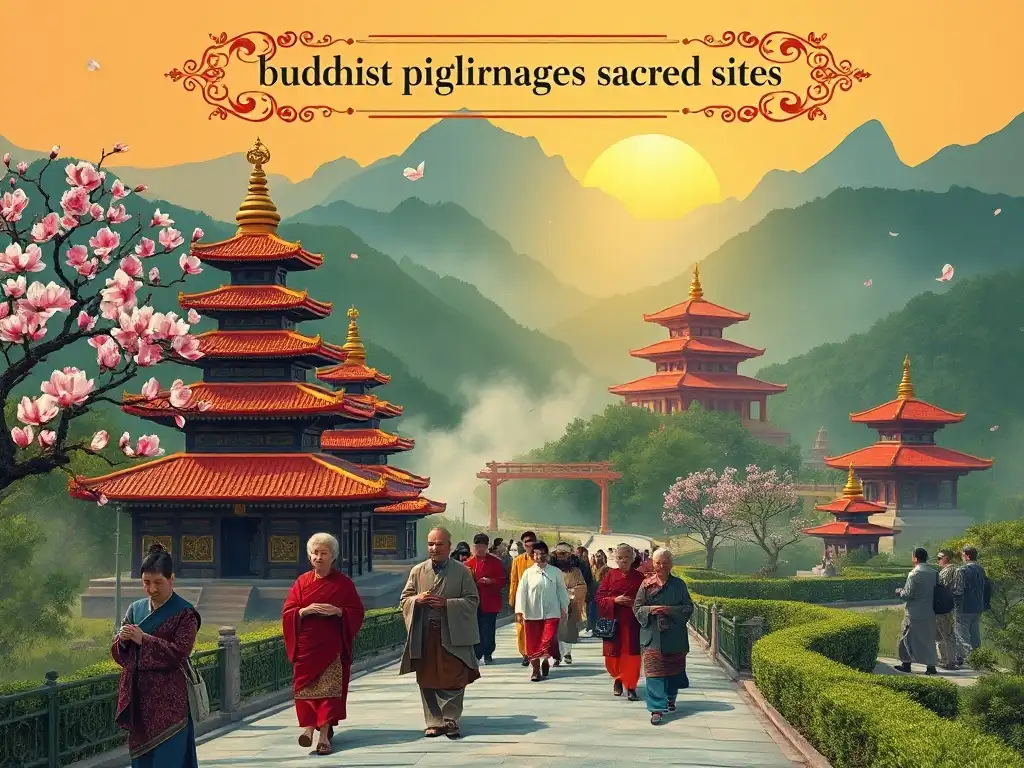
Buddhist pilgrimage routes are intricately woven into the fabric of the religion's history and spiritual practice. These routes not only serve as pathways to sacred sites but also symbolize the journey towards enlightenment. Traditionally, they connect major sites associated with the life of the Buddha, providing practitioners and followers a profound opportunity to reflect and engage with their faith.
Traditional Routes of Buddhist Pilgrimage
The traditional routes of Buddhist pilgrimage are primarily centered around four key sites in India, which are significant in the life of Gautama Buddha:
- Lumbini: This is the birthplace of Siddhartha Gautama. Pilgrims often visit the sacred garden, where the Maya Devi Temple stands, marking the exact spot of Buddha's birth.
- Bodh Gaya: Here, under the Bodhi Tree, Buddha attained enlightenment. The Mahabodhi Temple, a UNESCO World Heritage Site, attracts countless pilgrims who come to meditate and reflect on the significance of enlightenment.
- Sarnath: This site is where Buddha delivered his first sermon after attaining enlightenment. The Dhamek Stupa and the Sarnath Archaeological Museum are focal points for pilgrims seeking to deepen their understanding of the Dharma.
- Kushinagar: The place of Buddha's parinirvana, or final passing away. The reclining Buddha statue and the numerous stupas in the area serve as poignant reminders of Buddha’s teachings and his impermanence.
These routes create a spiritual map for devotees, inviting them to engage with the history of Buddhism and its teachings through physical travel.
Modern Pilgrimage Journeys: Trends and Changes
In recent years, modern Buddhist pilgrimage has seen notable trends and changes. With the rise of global tourism, many traditional sites have experienced an influx of visitors, leading to a more diverse group of pilgrims. This has resulted in:
- Increased Accessibility: Modern transportation has made sacred sites more accessible, allowing a greater number of people to embark on pilgrimage journeys.
- Integration of Technology: Many pilgrims now utilize mobile applications and online resources to plan their journeys, enhancing their experiences through digital guides and virtual tours.
- Focus on Personal Growth: Contemporary pilgrims often seek transformative experiences, emphasizing personal growth and spiritual development over mere visitation.
These changes reflect a dynamic evolution of pilgrimage practices, adapting to the needs and values of modern practitioners while maintaining the essence of spiritual journeys.
The Experience of Pilgrimage: Reflections from Practitioners
The experience of pilgrimage varies widely among individuals, often shaped by personal motivations and cultural backgrounds. Practitioners reflect on their journeys with deep emotional resonance, highlighting several common themes:
- Spiritual Renewal: Many pilgrims report feeling renewed and revitalized after visiting sacred sites, often describing a profound connection with the teachings of Buddha.
- Community and Solidarity: Pilgrimage often fosters a sense of community among participants, as they share experiences and support one another in their spiritual quests.
- Introspection and Mindfulness: The act of pilgrimage encourages mindfulness and introspection, allowing individuals to reflect on their lives, beliefs, and paths toward enlightenment.
These reflections emphasize the rich, transformative nature of the pilgrimage experience, reinforcing its importance in Buddhist practice.
Challenges and Contemporary Issues in Buddhist Pilgrimage
As pilgrimage continues to evolve, several challenges and contemporary issues have emerged that impact both the sacred sites and the experiences of pilgrims.
Environmental Concerns at Sacred Sites
The increase in pilgrimage traffic has raised significant environmental concerns at sacred sites. Overcrowding can lead to:
- Erosion of Natural Resources: The physical presence of large numbers of pilgrims can contribute to soil erosion and degradation of sacred landscapes.
- Waste Management Issues: Many sites struggle with waste disposal and pollution, impacting both the environment and the experience for future pilgrims.
- Conservation Efforts: There is a growing call for sustainable practices and conservation efforts to protect these sacred locations while accommodating visitors.
Addressing these environmental challenges is crucial to preserving the integrity and sanctity of sacred sites.
Cultural Preservation vs. Tourism Development
The tension between cultural preservation and tourism development poses another significant challenge for Buddhist pilgrimage. As sacred sites become more commercialized:
- Alteration of Traditions: The influx of tourists can lead to the commodification of religious practices, altering traditional rituals and experiences.
- Loss of Authenticity: Pilgrims often express concern that the spiritual essence of these sites is diluted by the need to cater to tourists.
- Balancing Act: Local communities and religious leaders face the challenge of balancing economic benefits from tourism with the preservation of cultural and spiritual heritage.
Finding a harmonious balance is essential for maintaining the dignity of these sacred spaces.
The Impact of Globalization on Pilgrimage Practices
Globalization has significantly influenced Buddhist pilgrimage practices, resulting in both positive and negative outcomes. Key impacts include:
- Cross-Cultural Exchange: Increased interaction among diverse groups has led to a rich exchange of ideas and practices, enriching the pilgrimage experience.
- Commercialization: The commercialization of pilgrimage can sometimes overshadow spiritual goals, leading to a focus on material experiences rather than inner transformation.
- Changing Demographics: Globalization has diversified pilgrimage demographics, introducing new perspectives and practices that challenge traditional norms.
As globalization continues to shape pilgrimage, it is vital for practitioners to remain grounded in the core teachings of Buddhism while embracing the changes that come with modernity.
Conclusion: The Enduring Legacy of Buddhist Pilgrimage
Buddhist pilgrimage represents a profound tradition that transcends the mere act of travel; it is a spiritual journey deeply rooted in the teachings of the Buddha. The sacred sites associated with key events in the Buddha's life—such as Lumbini, Bodh Gaya, Sarnath, and Kushinagar—serve as focal points of devotion and reflection. These locations not only symbolize the physical journey undertaken by countless devotees but also embody the spiritual path of enlightenment that Buddhism advocates. Through centuries, pilgrimage has remained a vital practice, fostering a sense of community and shared faith among Buddhists worldwide.
The impact of these sacred sites extends beyond the religious sphere, influencing art, culture, and architecture. Many temples and stupas built at pilgrimage sites carry rich histories and showcase the artistic expressions of various Buddhist cultures. The enduring legacy of these journeys is a testament to the resilience and adaptability of Buddhist practice, as pilgrims continue to undertake these sacred journeys, seeking spiritual growth and connection to their heritage.
Reflection on the Relevance of Pilgrimage Today
In the contemporary world, where rapid urbanization and technological advancement often overshadow spiritual practices, the significance of pilgrimage remains robust. Many modern pilgrims find solace and inspiration in retracing the footsteps of the Buddha amidst the chaos of daily life. The act of pilgrimage offers a retreat from the modern hustle, providing a space for introspection and spiritual renewal.
Moreover, the communal aspect of pilgrimage strengthens bonds among practitioners, fostering a sense of unity and shared purpose. As individuals from diverse backgrounds come together at these sacred sites, they participate in a living tradition that honors both history and spirituality. This relevance is evident in various global initiatives promoting Buddhist pilgrimage, where both seasoned and novice pilgrims engage in the ancient practice and explore the rich tapestry of Buddhist teachings.
The Future of Buddhist Pilgrimage and Sacred Sites
The future of Buddhist pilgrimage and its sacred sites faces both challenges and opportunities. On one hand, the preservation of these sites is crucial amid the threats posed by commercial development, environmental changes, and political tensions. Efforts to protect and restore these locations are essential to maintain their spiritual significance and historical integrity.
On the other hand, the increasing interest in mindfulness and spirituality in modern society presents a unique opportunity for growth in the pilgrimage tradition. As more people seek meaningful experiences away from conventional tourism, Buddhist pilgrimage can attract a new generation of seekers. To adapt to contemporary needs, pilgrimage practices may evolve, incorporating technology such as virtual tours or apps that provide educational content about the sites, enriching the spiritual experience.
Additional Resources for Exploring Buddhist Pilgrimage
For those interested in deepening their understanding of Buddhist pilgrimage and sacred sites, a wealth of resources is available. These materials can provide insights into the historical, cultural, and spiritual dimensions of pilgrimage in Buddhism.
Recommended Readings on Buddhist Sacred Sites
- "The Sacred Sites of Buddhism" by John S. Strong: This book explores the major pilgrimage sites and their significance in Buddhist tradition.
- "Buddhist Pilgrimage: The Tradition of Pilgrimage in Buddhism" by Richard Gombrich: Offering a comprehensive overview of pilgrimage practices, this text delves into the motivations and experiences of pilgrims.
- "Buddhism: A Very Short Introduction" by Damien Keown: A concise entry point into Buddhist beliefs, including the importance of pilgrimage in the faith.
Documentaries and Films on Buddhist Pilgrimage
- "The Buddha" (PBS Documentary): This film provides an overview of the life of the Buddha and includes segments on significant pilgrimage sites.
- "Walking the Path of the Buddha": This documentary follows pilgrims as they journey to key locations in India, highlighting personal stories and spiritual experiences.
- "Buddhist Pilgrimage in Japan": This film showcases the unique practices and sacred sites in Japan, offering insights into the diverse expressions of Buddhism.
Online Resources and Communities for Pilgrims
- Buddhist Pilgrimage Forums: Online platforms where pilgrims can share experiences, tips, and guidance on various pilgrimage routes.
- Social Media Groups: Facebook and other social media platforms host groups dedicated to Buddhist pilgrimage where members can connect and share resources.
- Virtual Pilgrimage Experiences: Websites offering virtual tours of significant Buddhist sites, allowing individuals to explore and learn about the sacred spaces remotely.
Through these resources, individuals interested in the significance of Buddhist pilgrimage can deepen their understanding and engage more fully with this enduring spiritual practice.
- Introduction to Buddhist Pilgrimage
- Historical Context of Buddhist Pilgrimage
- Major Buddhist Sacred Sites
- Spiritual Significance of Pilgrimage in Buddhism
- Pilgrimage Routes and Journeys
- Challenges and Contemporary Issues in Buddhist Pilgrimage
- Conclusion: The Enduring Legacy of Buddhist Pilgrimage
- Additional Resources for Exploring Buddhist Pilgrimage
Frequently Asked Questions
What are the major Buddhist pilgrimage sacred sites?
The major Buddhist pilgrimage sacred sites include locations such as Bodh Gaya, where Buddha attained enlightenment, and Lumbini, his birthplace. Each site holds significant spiritual importance for practitioners.
Why are sacred sites important in Buddhism?
Sacred sites serve as places of worship, reflection, and learning for Buddhists. They embody the historical and spiritual journey of the Buddha, allowing followers to deepen their connection to his teachings.
How do pilgrims prepare for a journey to Buddhist pilgrimage sacred sites?
Pilgrims often engage in spiritual practices such as meditation and prayer before embarking on their journey. They may also study Buddhist texts to enhance their experience at the sacred sites.
What role does ritual play in Buddhist pilgrimages?
Ritual is integral to Buddhist pilgrimages, as it helps to cultivate mindfulness and respect for the sacred sites. Activities like circumambulation and offerings are common practices that enhance the pilgrimage experience.
How have Buddhist pilgrimage sacred sites evolved over time?
Over time, Buddhist pilgrimage sacred sites have expanded beyond their original locations, influenced by cultural exchanges and globalization. This evolution reflects the adaptability of Buddhism and its teachings across different regions.
Final Reflection: The Enduring Significance of Buddhist Pilgrimage Sacred Sites
The exploration of Buddhist pilgrimage sacred sites reveals a profound connection between spirituality and physical journeys. In today’s fast-paced world, where many seek meaning and purpose, the practice of pilgrimage serves as a reminder of the importance of intentionality in our spiritual lives. The act of traveling to sacred sites is not merely about the destination; it is about the transformative journey that unfolds along the way. This timeless practice continues to resonate, inviting individuals to reconnect with their inner selves and the teachings of the Buddha.
Cultural and social landscapes are deeply influenced by the traditions of pilgrimage, shaping communities and fostering a sense of belonging. As pilgrims traverse these sacred paths, they engage in a shared experience that transcends individual differences, creating a tapestry of collective spirituality. Pilgrimage is a journey that transforms not only the body but also the heart and mind.
This ongoing influence reminds us that the act of pilgrimage is not confined to historical contexts but is a living tradition that enriches contemporary spiritual practices.
As you reflect on the insights shared in this article, consider how the principles of pilgrimage can be integrated into your own life. Embrace the journey, both literal and metaphorical, as you seek your own sacred sites of meaning and connection. Whether through meditation, travel, or community engagement, allow the spirit of pilgrimage to guide you toward greater understanding and fulfillment. The path may be challenging, but it is in these challenges that we often find our greatest growth.
Embark on Your Own Spiritual Journey!
Thank you for taking the time to explore the transformative role of pilgrimage in Buddhism with us. Your interest in sacred sites and spiritual journeys is a step toward deepening your understanding of this rich tradition. Now, it’s time to take that knowledge a step further!
Here are a few actionable steps you can take to connect with the spirit of pilgrimage:
- Plan a Visit: Choose a local Buddhist site or temple and schedule a visit. Experience the tranquility and wisdom it has to offer firsthand.
- Engage with the Community: Join a meditation group or a community focused on spiritual growth. Sharing in these experiences can enhance your journey.
- Document Your Journey: Consider keeping a journal or blog about your experiences and reflections on the teachings you encounter. You never know who you might inspire!
What does pilgrimage mean to you, and how could it shape your spiritual journey moving forward? We’d love to hear your thoughts!