
The Spiritual Practices Derived from the Vedas: Mantras, Rituals, and More

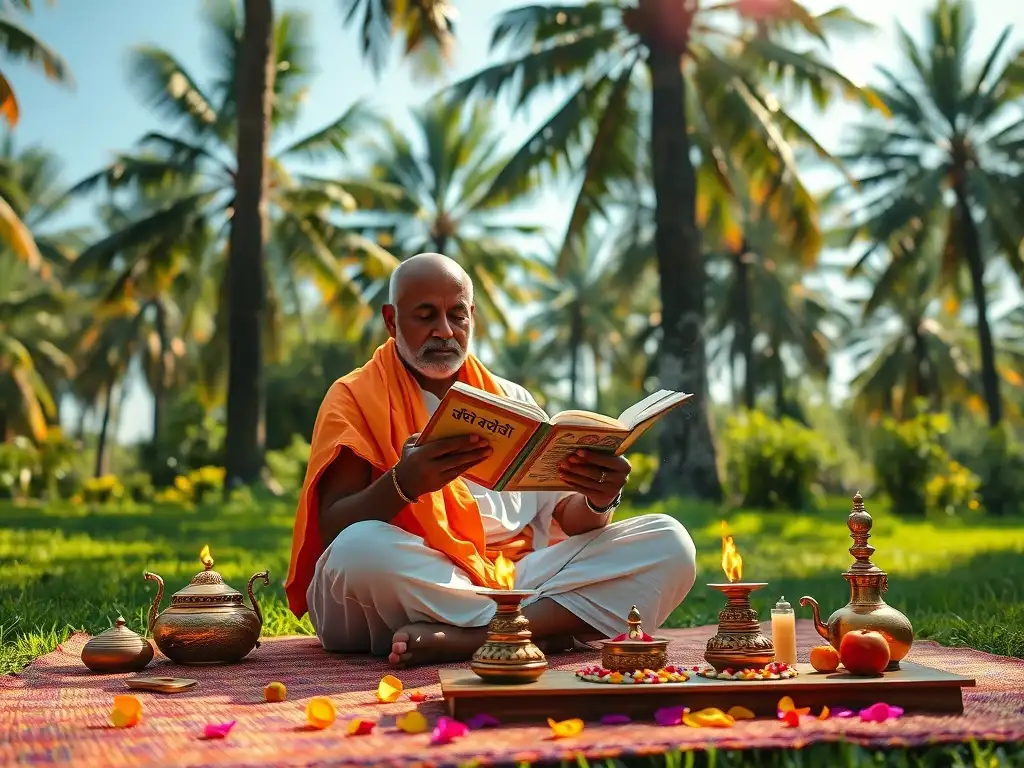
Welcome to Ancient India History, where we embark on a fascinating journey through the rich tapestry of ancient civilizations that shaped the Indian subcontinent. In our exploration, we delve into the Vedic spiritual practices, a cornerstone of ancient Indian religions that continue to influence modern spirituality. Our featured article, "The Spiritual Practices Derived from the Vedas: Mantras, Rituals, and More," invites you to uncover the profound wisdom of the Vedas, revealing the intricate rituals and powerful mantras that have been passed down through millennia.
Prepare to ignite your curiosity as we unravel the spiritual legacy of the Vedas and its enduring impact on culture and society. Dive in, and let the journey begin!
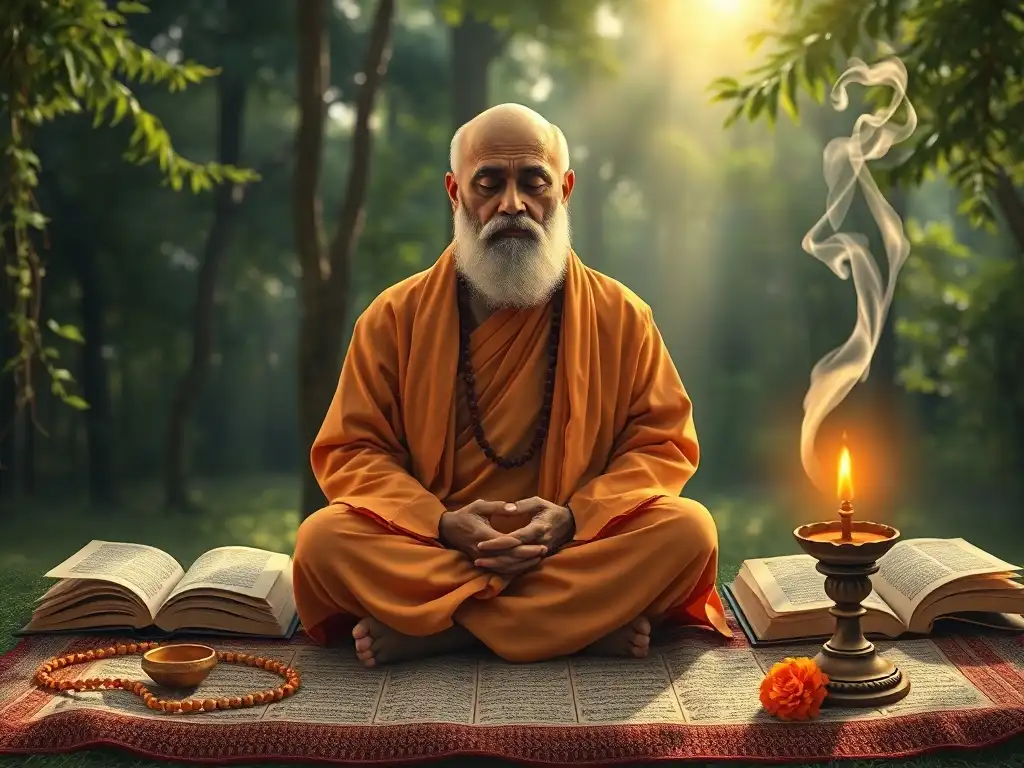
Introduction to Vedic Spiritual Practices Explained
Vedic spiritual practices form the cornerstone of Hinduism, drawing from the profound wisdom encapsulated in the Vedas—ancient texts that are revered as the oldest scriptures of Indian spirituality. These practices encompass a wide range of elements, including mantras, rituals, and philosophical insights that have shaped not only the spiritual landscape of ancient India but also the cultural ethos that continues to resonate today. As we explore the intricate tapestry of these practices, we will uncover their significance, historical context, and the transformative power they hold in the quest for spiritual knowledge and enlightenment.
Overview of the Vedas and Their Importance in Hinduism
The Vedas, composed in Sanskrit, are divided into four main texts: the Rigveda, Samaveda, Yajurveda, and Atharvaveda. Each of these texts serves distinct purposes, ranging from hymns and chants to philosophical discourses and rituals. The Rigveda, for example, primarily consists of hymns that invoke deities and express deep reverence for the natural world. The Samaveda focuses on melodies and chants used in rituals, while the Yajurveda provides guidelines for performing sacrifices. Lastly, the Atharvaveda includes a variety of spells, incantations, and practical knowledge aimed at everyday life challenges.
The Vedas are not merely religious texts; they are considered a comprehensive library of knowledge that informs various aspects of life, including philosophy, governance, and ethics. Their teachings have transcended time, influencing not only Hindu practices but also other spiritual traditions across the globe. By studying the Vedas, one gains insight into the foundational beliefs that have shaped Indian civilization for millennia.
Significance of Spiritual Practices in Ancient Indian Culture
Spiritual practices derived from the Vedas were integral to the socio-religious fabric of ancient Indian society. They provided a framework through which individuals could connect with the divine, seek guidance, and achieve personal and communal harmony. Rituals, often accompanied by intricate chants (mantras), served not only as offerings to the deities but also as a means to foster unity within communities.
Moreover, these practices played a crucial role in the transmission of knowledge and cultural values. They were often accompanied by a sense of duty (dharma) and were seen as essential for maintaining cosmic order (rita). The meticulous execution of rituals, the recitation of mantras, and the adherence to prescribed practices were believed to invoke blessings, prosperity, and spiritual growth, thus weaving a strong connection between the individual and the universe.
Understanding Vedic Spiritual Practices
Definition and Scope of Vedic Spiritual Practices
Vedic spiritual practices encompass a broad spectrum of activities designed to enhance the spiritual experience and foster a deeper connection with the divine. These practices include:
- Mantras: Sacred sounds or phrases that are recited during rituals or meditative practices. They are believed to hold vibrational energy that can invoke spiritual transformation.
- Yajnas: Fire sacrifices that involve offerings to deities, performed with the intention of securing blessings and prosperity.
- Meditation and Yoga: Techniques aimed at achieving self-realization and inner peace, which have their roots in Vedic philosophy.
- Rituals and Ceremonies: Time-honored practices that mark significant life events, seasons, and festivals, reinforcing community bonds and spiritual awareness.
Through these practices, adherents seek to align themselves with the universal principles of harmony, balance, and spiritual wisdom articulated in the Vedas.
Historical Context of Vedic Practices in Ancient India
The historical context of Vedic spiritual practices is deeply intertwined with the evolution of ancient Indian civilization. Emerging around 1500 BCE, the Vedic period marked a significant transition in the cultural and religious landscape of India. The nomadic tribes who settled in the Indo-Gangetic plains began to develop a complex society that emphasized spiritual exploration and communal rituals.
As Vedic practices evolved, they laid the foundation for various schools of thought, philosophical inquiries, and the eventual development of major Hindu texts, including the Upanishads, which introduced profound metaphysical concepts. The practices were not static; they adapted over time, influencing and being influenced by the diverse cultures and traditions that coexisted in ancient India.
Understanding Vedic spiritual practices provides a lens through which the rich tapestry of ancient Indian history, culture, and spiritual thought can be appreciated, revealing the enduring legacy of these practices in contemporary Hinduism and beyond.
Mantras: The Power of Sacred Sound
Mantras hold a pivotal place in Vedic spiritual practices, encapsulating the essence of sacred sound and vibration. Derived from the root words "man" (to think) and "tra" (to free), mantras are considered tools for thought and liberation. They are not merely words; each mantra is imbued with spiritual significance and potent energy that can transform the practitioner's consciousness and connect them with the divine.
The practice of chanting mantras can be traced back to the Vedic texts, where they were used for various purposes, including meditation, invocation, and healing. The vibrational quality of the sounds created through mantra chanting is believed to resonate with the cosmos, bringing harmony to the mind and spirit. This ancient practice encourages individuals to experience a deeper state of awareness and understanding of their inner selves and the universe around them.
What are Mantras? An In-Depth Explanation
Mantras are syllabic sounds or phrases that hold profound spiritual meaning. They can be composed in Sanskrit or other languages, and their recitation is believed to invoke specific energies and deities. Each mantra is carefully crafted; its phonetics, rhythm, and intonation are essential for harnessing its full power.
The primary purpose of mantras is to aid in meditation and spiritual practice. By repeating a mantra, practitioners focus their minds, allowing them to enter a state of deep concentration and ultimately reach higher levels of consciousness. This repetition creates a rhythm that calms the mind, reducing distractions and fostering a sense of peace.
Additionally, mantras are often used in rituals and ceremonies, serving as a means of communication with the divine. They act as a bridge between the earthly and the spiritual realms, facilitating a connection with higher powers.
Types of Mantras in Vedic Tradition
Vedic tradition recognizes several types of mantras, each serving distinct purposes. Key categories include:
- Bija Mantras: These are seed mantras, consisting of a single syllable or sound that encapsulates the essence of a specific deity or element. For instance, the bija mantra "Om" represents the universal consciousness.
- Sankalpa Mantras: These are intention-setting mantras used to affirm desires and aspirations during rituals. They focus the practitioner's mind on achieving specific goals.
- Stotra Mantras: These are hymns of praise dedicated to deities, often recited during worship to express devotion and gratitude.
- Laghunyasa Mantras: These mantras involve a series of gestures and sounds that help align the body and mind with the divine energy being invoked.
Each type of mantra plays a crucial role in the practitioner's spiritual journey, contributing to their overall growth and understanding.
The Role of Mantras in Meditation and Spiritual Growth
Mantras serve as a powerful tool in meditation, guiding practitioners toward deeper states of awareness and spiritual growth. When integrated into meditation practices, mantras help to quiet the mind, allowing individuals to delve into their consciousness.
The rhythmic repetition of a mantra can induce a state of tranquility, making it easier for practitioners to detach from distracting thoughts and feelings. This process facilitates inner reflection and self-discovery, enabling individuals to connect with their true nature.
Moreover, the use of mantras in meditation is believed to amplify spiritual energy. By focusing on a specific sound or phrase, practitioners align themselves with the vibrations of the universe, fostering a sense of unity with all creation. This connection not only enhances spiritual growth but also nurtures a profound sense of peace and fulfillment.
Rituals: The Framework of Vedic Worship
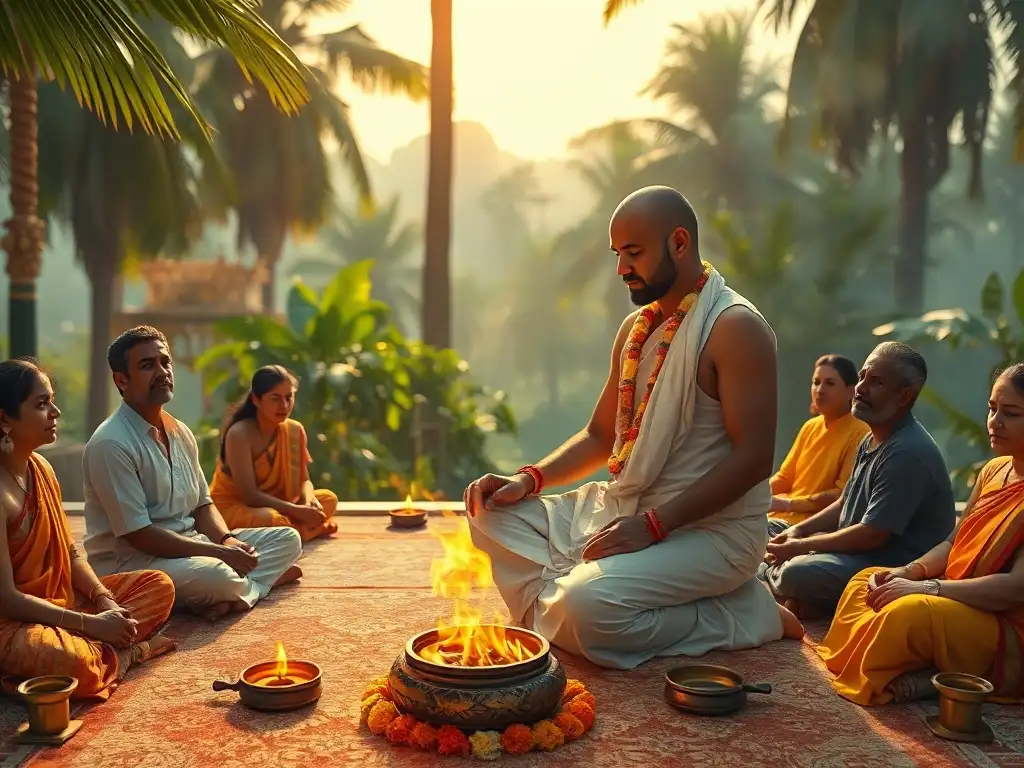
Rituals are integral to Vedic spiritual practices, providing a structured framework for worship and devotion. They encompass a range of ceremonies, from daily offerings to elaborate festivals, all designed to honor the divine and cultivate a spiritual connection. Rituals in the Vedic tradition are steeped in symbolism, each action and offering representing a deeper spiritual truth.
These rituals serve multiple purposes, including purification, celebration, and communion with the divine. Through the performance of rituals, practitioners express their reverence and commitment to their spiritual path, reinforcing their connection to the cosmic order.
Introduction to Vedic Rituals: Purpose and Meaning
Vedic rituals, or "yajnas," are systematic practices that emphasize the importance of sacred actions in connecting with the divine. The purpose of these rituals goes beyond mere formality; they are seen as a means to harness spiritual energy and create harmony in the universe.
Each ritual is meticulously designed, involving specific chants, offerings, and actions that align with Vedic teachings. The rituals are often conducted in accordance with astrological timings and auspicious days to maximize their effectiveness. This attention to detail reflects the belief that every aspect of the ritual contributes to its spiritual potency.
At a deeper level, Vedic rituals symbolize the interconnectedness of all beings and elements in the universe. By participating in these practices, individuals recognize their role within the larger cosmic order, fostering a sense of responsibility and reverence for life.
Major Types of Vedic Rituals
Vedic rituals encompass a wide variety of practices, each with unique significance. Some of the major types include:
- Homa: A fire ritual involving offerings made to the sacred fire, symbolizing the connection between the earthly and divine realms.
- Puja: A devotional worship ceremony that includes offerings of flowers, fruits, and incense to deities, expressing love and gratitude.
- Samskaras: Life-cycle rituals that mark significant transitions in a person's life, such as birth, marriage, and death, reinforcing the spiritual significance of these milestones.
- Yajnas: Elaborate sacrificial rituals conducted for the benefit of the community, aimed at invoking divine blessings and restoring cosmic balance.
Each type of ritual serves to deepen the practitioner's connection with the divine, fostering a sense of community and shared purpose among participants.
The Importance of Rituals in Connecting with the Divine
Rituals play a crucial role in fostering a connection with the divine by providing structured pathways for worship and devotion. Through these sacred practices, individuals express their reverence, intentions, and desires, creating a bridge between the earthly and celestial realms.
The act of performing rituals often elicits a profound sense of devotion and surrender. Participants immerse themselves in the process, allowing the ritual to evoke feelings of connection, love, and gratitude toward the divine. This engagement fosters a sense of community among practitioners, reinforcing their shared spiritual journey.
Moreover, rituals serve as a reminder of the impermanence of life and the importance of living in alignment with spiritual principles. By participating in Vedic rituals, individuals cultivate mindfulness and awareness, nurturing their spiritual growth and deepening their understanding of the divine's presence in their lives.
Meditation and Mindfulness in Vedic Practices
Meditation and mindfulness are central to Vedic spiritual practices, serving as powerful tools for self-realization and enlightenment. Rooted in ancient texts, these practices aim to cultivate a deep connection with the self and the universe. The Vedas, revered as the oldest scriptures of Hinduism, provide a comprehensive framework for understanding meditation within a spiritual context.
In Vedic traditions, meditation is not merely a practice of calming the mind; it is a transformative journey toward discovering one's true nature. By engaging in meditation, practitioners seek to transcend the mundane aspects of existence and connect with higher consciousness. This connection is believed to foster inner peace, clarity, and a profound sense of belonging to the cosmos.
The Role of Meditation in Vedic Spirituality
In Vedic spirituality, meditation serves multiple purposes. Primarily, it acts as a means of achieving self-realization. Through focused introspection, individuals can gain insights into their true selves, which is often described as Atman or the individual soul. This realization leads to a profound understanding of the relationship between the self and the Brahman, the ultimate reality.
Moreover, meditation is integral to various rituals and spiritual practices outlined in the Vedas. It is often employed to enhance the efficacy of yajnas (sacrificial rituals) and other religious ceremonies. By incorporating meditation, practitioners believe they can align themselves with the cosmic energies invoked during these rituals, thus amplifying their spiritual impact.
Different Meditation Techniques Derived from the Vedas
The Vedas introduce various meditation techniques, each designed to cater to different spiritual goals and dispositions. Some of the prominent techniques include:
- Dhyana: This is often referred to as the practice of focused meditation, where the practitioner concentrates on a single point, object, or thought to achieve mental stillness.
- Upasana: This form of worship involves meditative contemplation on deities, merging devotional practices with meditative techniques to foster a deeper connection with the divine.
- Mantra Meditation: This technique involves the repetition of sacred sounds or phrases (mantras) to elevate consciousness and align with spiritual energies. The recitation of mantras is believed to resonate with universal vibrations, facilitating a spiritual awakening.
By exploring these diverse techniques, practitioners can find a method that resonates with their individual spiritual journey, allowing for a more personalized and effective meditation practice.
Benefits of Meditation in Enhancing Spiritual Awareness
The benefits of meditation in enhancing spiritual awareness are manifold. Regular practice can lead to:
- Increased Clarity and Focus: Meditation sharpens the mind, allowing individuals to discern between the transient and the eternal, thereby fostering deeper insights into the nature of reality.
- Emotional Healing: By promoting mindfulness, meditation helps in releasing negative emotions and cultivating compassion and empathy, essential for spiritual growth.
- Connection with the Divine: Through meditation, practitioners often report a heightened sense of connection to the divine, experiencing profound moments of transcendence and unity with the universe.
These benefits not only enhance spiritual awareness but also contribute to overall well-being, making meditation a cornerstone of Vedic spiritual practices.
Vedic Philosophy: Underlying Principles of Spiritual Practices
Vedic philosophy forms the bedrock of spiritual practices derived from the Vedas. It encompasses a rich tapestry of concepts that guide practitioners in their spiritual journeys. Understanding these principles is crucial for anyone looking to delve into the essence of Vedic spirituality.
At its core, Vedic philosophy emphasizes the interconnectedness of all beings and the importance of living in harmony with the universe. It advocates for a life of righteousness ( dharma), truth, and selflessness, encouraging individuals to seek knowledge and wisdom as pathways to liberation.
Core Philosophical Concepts in Vedic Texts
Several core concepts are pivotal in Vedic philosophy:
- Brahman: The ultimate, unchanging reality that transcends the physical universe. Understanding Brahman is fundamental to achieving spiritual enlightenment.
- Atman: The individual soul, which is considered a manifestation of Brahman. Realizing the unity between Atman and Brahman is a central goal of Vedic spirituality.
- Karma: The principle of cause and effect, where every action has consequences that influence one's spiritual journey across lifetimes.
These concepts collectively illuminate the path toward understanding one's place within the cosmos and the journey toward liberation ( moksha).
How Vedic Philosophy Influences Spiritual Practices
Vedic philosophy profoundly influences spiritual practices by providing a conceptual framework that guides practitioners in their pursuits. For instance, the understanding of karma informs ethical living, encouraging individuals to act with integrity and compassion, thus enhancing their spiritual growth.
Moreover, the concepts of dharma guide practitioners in aligning their actions with cosmic order, fostering a sense of purpose and fulfillment. This alignment is often reflected in rituals and ceremonies, which are designed not only as acts of devotion but also as expressions of the underlying truths of Vedic philosophy.
The interplay between meditation, mindfulness, and Vedic philosophy creates a holistic approach to spiritual practices. By embracing these principles, individuals can navigate their spiritual journeys with greater clarity and depth, ultimately leading to a richer understanding of themselves and their connection to the universe.
The Impact of Vedic Spiritual Practices on Modern Hinduism
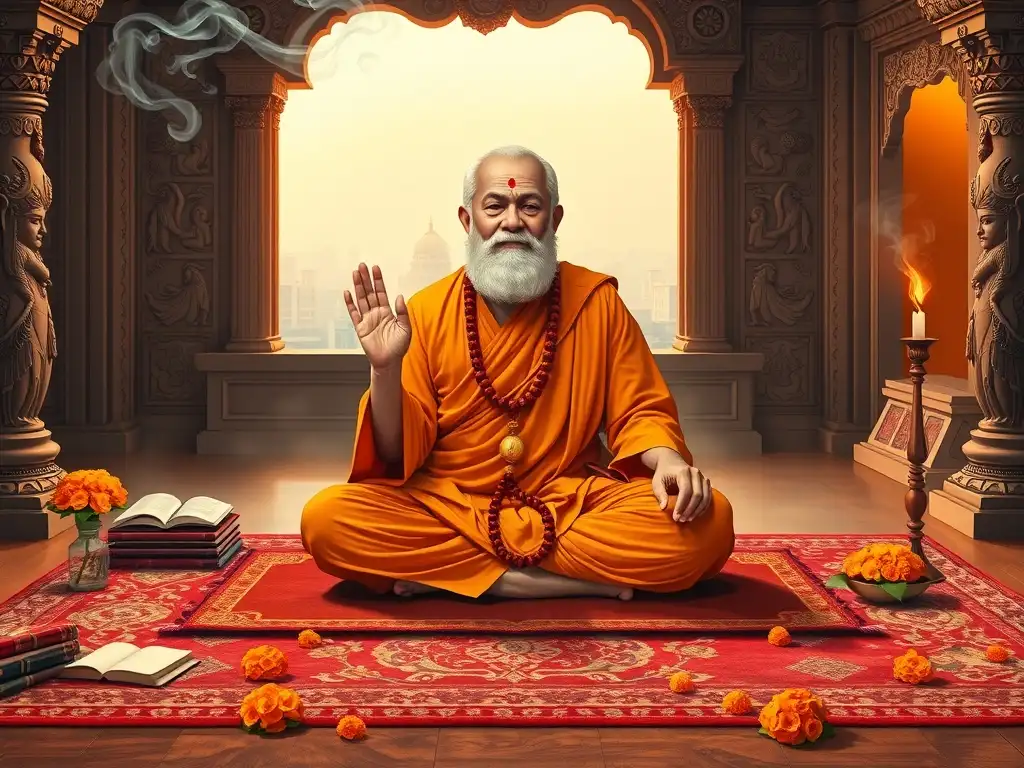
The Vedic texts form the foundation of Hindu philosophy, spirituality, and rituals. Their influence permeates various aspects of modern Hinduism, shaping beliefs, practices, and cultural traditions. Vedic spiritual practices, such as chanting mantras, performing yajnas (sacrificial rituals), and engaging in meditation, continue to be significant in contemporary worship and personal spiritual journeys.
Many modern Hindu rituals can trace their roots back to Vedic practices, illustrating how ancient wisdom is interwoven into daily life. For example, the use of mantras—sacred sounds or phrases—is prevalent in both personal and communal worship settings. These mantras, derived from the Vedas, are believed to hold intrinsic power, enabling practitioners to align themselves with cosmic energies. The recurring emphasis on dharma (duty) and karma (action and its consequences) in Vedic teachings also continues to guide ethical and moral decisions among modern Hindus.
Resurgence of Vedic Practices in Contemporary Society
In recent years, there has been a notable resurgence of interest in Vedic practices among various segments of society. This revival can be attributed to a growing desire for authenticity in spiritual experiences and a quest for deeper connections to one's cultural heritage. Many individuals and communities are increasingly engaging in Vedic rituals and ceremonies, often as a means of reclaiming traditional practices that may have been neglected over time.
The rise of spiritual tourism in India has also contributed to this resurgence. Retreats and workshops centered around Vedic rituals, philosophy, and practices offer both locals and tourists the opportunity to immerse themselves in ancient traditions. Additionally, the accessibility of Vedic texts through translations and commentaries has made it easier for people to understand and incorporate these teachings into their lives.
Vedic Practices and Their Influence on Yoga and Meditation Today
Vedic practices have significantly influenced the development of yoga and meditation, which are essential components of modern spiritual and wellness movements. The Vedas outline various forms of meditation and yogic techniques aimed at achieving physical, mental, and spiritual harmony.
- Yoga Sutras of Patanjali: Although composed later than the Vedas, these texts draw heavily on Vedic principles, integrating meditation and ethical practices that echo Vedic teachings.
- Mantras in Meditation: The use of mantras, a core aspect of Vedic spirituality, is widely adopted in modern meditation practices. Chanting specific mantras is believed to enhance concentration and elevate spiritual awareness.
The increasing popularity of yoga classes and meditation retreats worldwide reflects a broader recognition of the profound benefits these practices can offer, including stress reduction, improved well-being, and spiritual growth.
Conclusion: Embracing Vedic Spiritual Practices for Personal Growth
Vedic spiritual practices provide timeless wisdom and tools for personal growth and transformation. By engaging with these ancient teachings, individuals can cultivate a deeper understanding of themselves and their place in the universe. The practices encourage self-inquiry, discipline, and a connection to the divine, fostering holistic well-being.
Summary of Key Insights on Vedic Spiritual Practices Explained
Vedic spiritual practices encompass a rich array of rituals, mantras, and philosophies that have shaped Hinduism and continue to influence modern spiritual practices. The resurgence of interest in these traditions highlights their relevance in today's world, where individuals seek authentic and meaningful connections to their heritage and spirituality.
Encouragement to Explore and Integrate Vedic Practices in Daily Life
As we navigate the complexities of modern life, integrating Vedic practices into daily routines can be immensely beneficial. Whether through meditation, daily mantra recitation, or embracing the ethical principles of dharma and karma, individuals can find pathways to personal growth and spiritual fulfillment. Exploring these ancient practices not only enriches one's own life but also contributes to the preservation and evolution of cultural heritage. Embrace the journey of discovery and let the wisdom of the Vedas guide you in your spiritual quest!
- Introduction to Vedic Spiritual Practices Explained
- Understanding Vedic Spiritual Practices
- Mantras: The Power of Sacred Sound
- Rituals: The Framework of Vedic Worship
- Meditation and Mindfulness in Vedic Practices
- Vedic Philosophy: Underlying Principles of Spiritual Practices
- The Impact of Vedic Spiritual Practices on Modern Hinduism
- Resurgence of Vedic Practices in Contemporary Society
- Conclusion: Embracing Vedic Spiritual Practices for Personal Growth
Frequently Asked Questions
What are Vedic spiritual practices?
Vedic spiritual practices refer to various rituals, mantras, and philosophies derived from the Vedas, the ancient sacred texts of India, which focus on achieving spiritual growth and understanding.
How do mantras function in Vedic practices?
Mantras are sacred sounds or phrases that are chanted or recited during rituals to invoke divine energies, promote meditation, and enhance spiritual connection.
What role do rituals play in Vedic spirituality?
Rituals in Vedic spirituality serve as a means to express devotion, maintain cosmic order, and facilitate a deeper connection with the divine, often involving offerings and ceremonies.
Can anyone practice Vedic spirituality?
Yes, Vedic spirituality is accessible to everyone, as it emphasizes personal experience and self-discovery through practices like meditation, chanting, and rituals, regardless of one's background.
What is the significance of the Vedas in these practices?
The Vedas are considered the foundation of spiritual knowledge in Hinduism, providing insights into the nature of reality, human existence, and the pathways to spiritual enlightenment.
Final Reflection: Embracing the Wisdom of Vedic Spiritual Practices
In an age where the hustle and bustle of modern life often overshadows our inner peace, the relevance of Vedic spiritual practices has never been more pronounced. These ancient teachings, rooted in profound wisdom, offer us a pathway to reconnect with our true selves and the universe around us. As we navigate the complexities of contemporary existence, the timeless nature of mantras, rituals, and meditative practices serves as a guiding light, reminding us of the importance of spiritual grounding in our daily lives.
The influence of Vedic spiritual practices extends far beyond their historical context; they continue to shape cultural and social landscapes across the globe. These practices invite us to cultivate mindfulness, gratitude, and a deeper understanding of our interconnectedness. As we embrace these teachings, we find ourselves part of a larger tapestry of human experience. The Vedas are not just texts; they are a living tradition that speaks to the soul of humanity.
This ongoing dialogue with the Vedic tradition encourages us to explore our spirituality and fosters a sense of community among those who seek enlightenment.
As you reflect on the insights shared in this article, I invite you to consider how you can integrate Vedic spiritual practices into your own life. Take a moment each day to recite a mantra, engage in a simple ritual, or meditate on the wisdom of the Vedas. By doing so, you not only honor these ancient teachings but also embark on a transformative journey toward self-discovery and inner peace. Let the wisdom of the Vedas inspire you to cultivate a more mindful and spiritually enriched life, one that resonates with the essence of your being.
Unveil the Power of Vedic Wisdom Today!
Thank you for journeying through the spiritual practices derived from the Vedas! As you've explored the profound impact of **mantras** and **rituals**, it's time to take these teachings into your daily life. Embrace the transformative power of Vedic traditions and elevate your spiritual journey.
Here are some practical steps to get started:
- Incorporate a daily mantra practice: Choose a mantra that resonates with you and dedicate just 5-10 minutes each day to chant it, allowing its vibrations to enhance your mindfulness.
- Explore a Vedic ritual: Try incorporating a simple ritual, such as lighting a lamp or creating a small altar space in your home to cultivate spiritual energy.
- Engage with the community: Share your insights on social media or in spiritual forums to connect with others who are also on their Vedic paths.
What specific Vedic practice are you most excited to try in your life, and how do you think it will contribute to your spiritual growth?