
Bridging the Gap: Nyaya’s Influence on Interfaith Dialogues

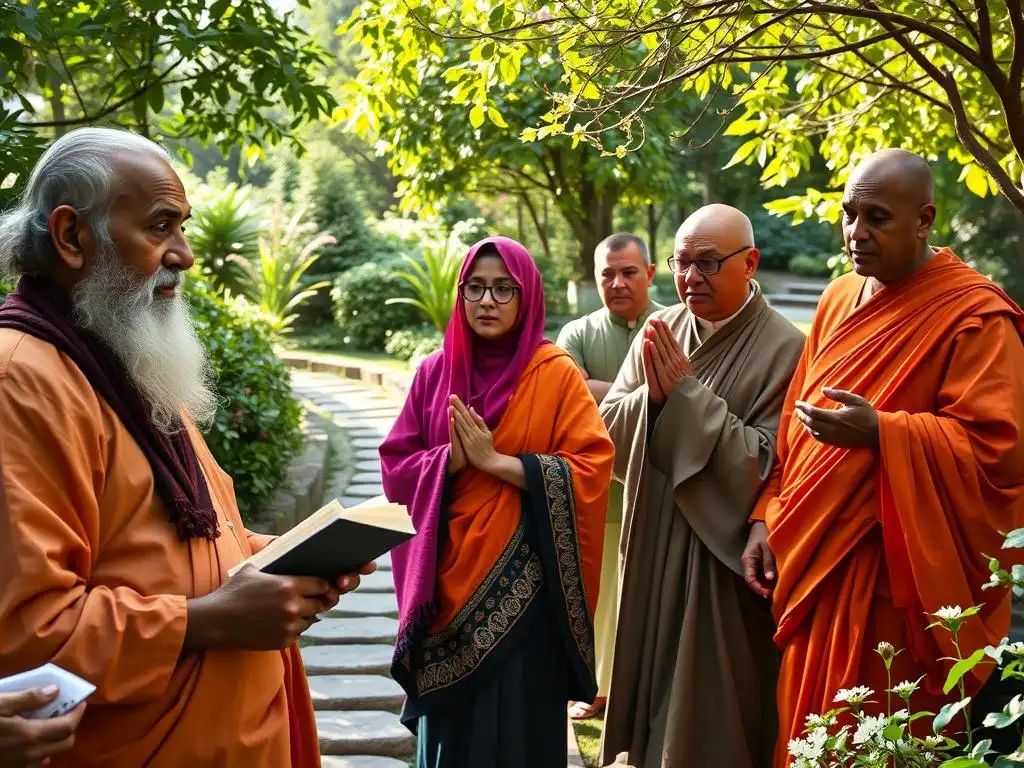
Welcome to Ancient India History, where we embark on a journey through the rich tapestry of ancient civilizations that shaped the world we know today. In our featured article, "Bridging the Gap: Nyaya’s Influence on Interfaith Dialogues," we delve into the profound insights of Nyaya philosophy, revealing how its principles foster meaningful conversations across diverse faiths. Prepare to uncover the intricate connections between ancient thought and contemporary dialogue, sparking your curiosity and inviting you to explore the depth of India’s philosophical heritage. Join us as we illuminate the past and inspire the future!
- Introduction to Nyaya Philosophy and Its Historical Context
- Key Principles of Nyaya Philosophy
- The Influence of Nyaya on Interfaith Dialogues
- Nyaya Philosophy and Its Relevance Today
- Challenges and Critiques of Nyaya in Interfaith Contexts
- Conclusion: The Lasting Legacy of Nyaya in Promoting Interfaith Dialogue
- Frequently Asked Questions
- Final Reflection: Embracing Nyaya Philosophy for a Harmonious Future
- Embrace Unity: Take Action for Interfaith Harmony!
Introduction to Nyaya Philosophy and Its Historical Context
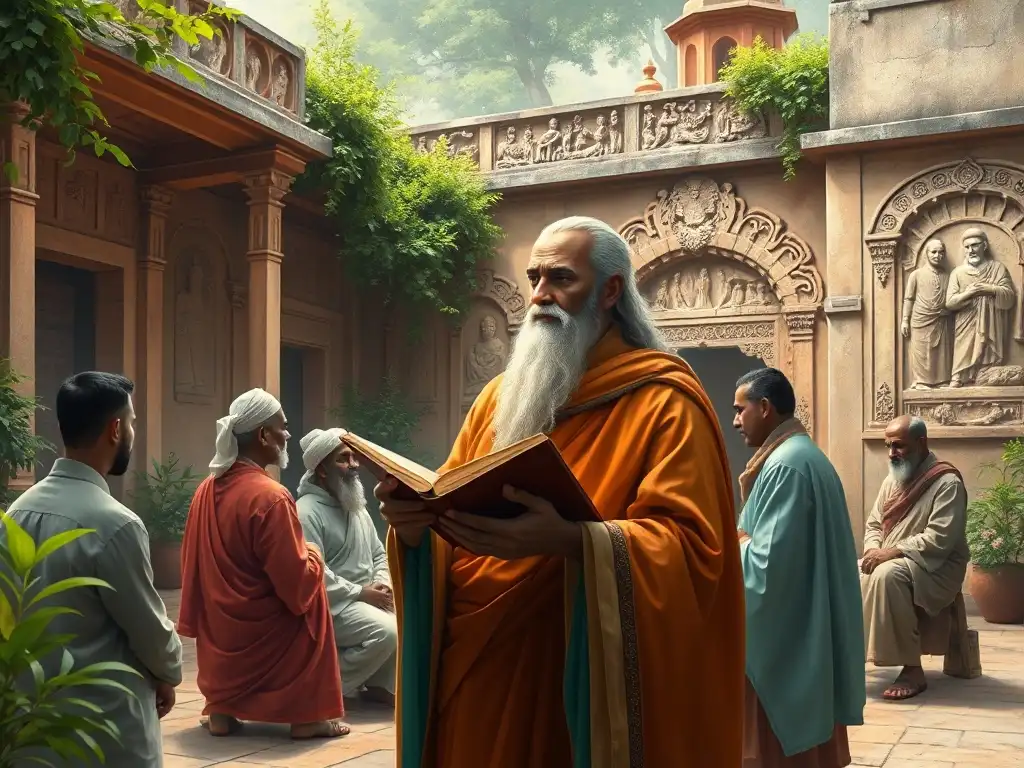
Nyaya philosophy, one of the six orthodox schools of Indian thought, plays a pivotal role in the rich tapestry of ancient Indian philosophy. Originating in the early centuries of the Common Era, Nyaya focuses on the principles of logic, epistemology, and metaphysics, providing a structured framework for understanding reality and acquiring knowledge. The term "Nyaya" translates to "justice" or "rule," reflecting its emphasis on rational discourse and logical reasoning. This school not only forms the foundation for philosophical inquiry but also significantly influences interfaith dialogues throughout history.
As we delve into the intricate relationship between Nyaya philosophy and interfaith dialogue, it is essential to explore its core tenets and how these principles facilitated communication and understanding among diverse religious traditions in ancient India. The evolution of Nyaya thought, shaped by the socio-political context of its time, underscores its relevance in fostering a culture of debate and discussion that transcended doctrinal boundaries.
Overview of Nyaya Philosophy
The Nyaya system is characterized by its rigorous approach to logic and epistemology, which distinguishes it from other philosophical traditions. Central to Nyaya philosophy are the pramanas or means of knowledge, which include perception, inference, comparison, and testimony. These methods provide a structured approach to understanding truth and reality, allowing individuals to engage in thoughtful discourse.
The foundational text of Nyaya, the Nyaya Sutras attributed to Gautama (or Akshapada), outlines key concepts such as:
- Pramanas: The four reliable means of acquiring knowledge.
- Anumana: The process of inference, which plays a crucial role in logical reasoning.
- Pratyaksha: Direct perception as a source of knowledge.
- Upamana: Knowledge obtained through analogy.
Nyaya not only establishes a framework for philosophical inquiry but also emphasizes the importance of logical debate, which serves as a precursor to interfaith dialogues.
The Role of Nyaya in Ancient Indian Thought
Nyaya philosophy was instrumental in shaping the intellectual landscape of ancient India. It provided the tools necessary for critical thinking and debate, allowing scholars and practitioners from various schools of thought to engage in discussions that challenged and refined their ideas. The emphasis on logic and reasoning facilitated a culture of inquiry, where divergent viewpoints could be examined and reconciled.
The interactions between Nyaya and other philosophical systems, such as Buddhism and Jainism, exemplify its role in fostering intellectual exchange. Notably, the dialogues between these schools often revolved around the nature of reality, perception, and knowledge—core tenets of Nyaya philosophy. By encouraging a respectful exchange of ideas, Nyaya contributed to a rich tradition of philosophical discourse that transcended sectarian boundaries.
Significance of Interfaith Dialogue in Ancient India
Interfaith dialogue in ancient India was not merely an exchange of ideas but a necessary practice for social cohesion in a pluralistic society. The diverse religious landscape, encompassing Hinduism, Buddhism, Jainism, and various folk traditions, necessitated an atmosphere of understanding and respect.
Nyaya philosophy, with its focus on logical reasoning and critical discourse, provided an essential framework for these interfaith dialogues. It allowed for the exploration of shared ethical values and philosophical concepts, fostering a spirit of cooperation among different faiths. This dialogue was particularly significant in addressing common questions about existence, morality, and the nature of the divine, enabling various traditions to coexist and flourish in a dynamic cultural milieu.
The interplay between Nyaya philosophy and interfaith dialogue highlights the importance of logical reasoning and respectful discourse in a diverse society. The foundational principles of Nyaya not only shaped ancient Indian thought but also laid the groundwork for a tradition of dialogue that continues to resonate in contemporary discussions about religion and philosophy.
Key Principles of Nyaya Philosophy

Nyaya philosophy, one of the six orthodox schools of Indian philosophy, emphasizes the importance of logic, reasoning, and the pursuit of truth. It provides a framework for understanding not just philosophical concepts, but also ethical and practical dimensions of life. Below are some of its fundamental principles that significantly contribute to interfaith dialogues.
The Concept of Pramanas (Sources of Knowledge)
At the heart of Nyaya philosophy lies the concept of Pramanas, which refers to the valid means of acquiring knowledge. The Nyaya school identifies four primary sources of knowledge:
- Pratyaksha (Perception) - This is the direct observation of an object or event, which serves as the most immediate source of knowledge.
- Anumana (Inference) - This involves drawing conclusions based on premises or evidence. For instance, if one sees smoke, they can infer that there is fire.
- Upamana (Comparison) - This method relies on analogy and comparison with known entities to gain understanding, such as comparing a new fruit to a familiar one.
- Shabda (Testimony) - This source involves knowledge derived from authoritative sources, such as scriptures and wise individuals.
The emphasis on these diverse sources reflects a nuanced understanding of knowledge that can facilitate interfaith dialogues by acknowledging various epistemological perspectives. By recognizing that different traditions may validate knowledge through unique Pramanas, Nyaya encourages openness and respect in discussions among differing faiths.
The Importance of Logic and Reasoning in Nyaya
Logic and reasoning are central to Nyaya philosophy, making it a powerful tool for interfaith dialogue. Nyaya philosophers, particularly Gautama, developed a rigorous analytical framework that includes:
- Syllogism: A structured form of argumentation that helps clarify points of contention and establish common ground.
- Fallacies: Awareness of logical fallacies helps participants avoid misunderstandings and misrepresentations during discussions.
Nyaya’s systematic approach to logical reasoning enables individuals from different faith backgrounds to articulate their beliefs clearly and engage in constructive debates. The use of logical frameworks can lead to a more profound understanding of differing viewpoints, fostering an environment where dialogue can flourish.
Nyaya's Approach to Truth and Justice
The Nyaya school places a high value on truth and justice, advocating for a rational quest for knowledge as a means to achieve ethical living. Key aspects include:
- Objective Truth: Nyaya philosophers argue that truth exists independently of individual beliefs. This assertion encourages participants in interfaith dialogues to seek common truths that transcend their doctrines.
- Justice through Reason: Nyaya emphasizes that justice is best achieved through rational discourse and logical reasoning. This principle aligns with interfaith dialogues aimed at resolving conflicts or misunderstandings between different faiths.
By promoting a rational pursuit of truth and a commitment to justice, Nyaya philosophy provides a robust framework for interfaith dialogue. It encourages individuals to engage respectfully and thoughtfully, ensuring that discussions are grounded in reason and mutual understanding.
The key principles of Nyaya philosophy—Pramanas, logic and reasoning, and the pursuit of truth and justice—play a vital role in shaping interfaith dialogues. By fostering a culture of respect and understanding, Nyaya not only enriches philosophical discourse but also cultivates harmonious relationships among diverse faith communities.
The Influence of Nyaya on Interfaith Dialogues

Interpreting Diverse Philosophical Perspectives
Nyaya philosophy, rooted in the ancient Indian tradition, emphasizes logic and epistemology as essential tools for understanding truth. This school of thought offers a unique framework for interpreting diverse philosophical perspectives, especially in the context of interfaith dialogues. By promoting the use of logical reasoning and systematic inquiry, Nyaya encourages individuals from different faith backgrounds to articulate their beliefs clearly and coherently.
- Logical Framework: Nyaya's commitment to logical analysis allows for a structured approach to discussing differing viewpoints. This framework helps participants avoid misunderstandings and encourages a deeper exploration of concepts.
- Epistemological Tools: Nyaya identifies various sources of knowledge (pramāṇas), such as perception, inference, and testimony, that can be utilized in dialogues. This focus on epistemology fosters a respectful exchange of ideas, as each faith tradition can present its own sources of knowledge and truth.
For example, when engaging in a dialogue about the nature of divinity, representatives from different faiths can use Nyaya's logical premises to evaluate their beliefs against each other. This method not only clarifies misunderstandings but also cultivates a mutual respect for differing beliefs.
Promoting Rational Discourse Among Different Faiths
The Nyaya school's emphasis on rational discourse plays a pivotal role in facilitating productive interfaith dialogues. By prioritizing reason and argumentation, Nyaya philosophy encourages participants to engage with one another's beliefs critically yet respectfully. This approach is vital in creating an environment where ideas can be discussed without fear of dogmatism or hostility.
- Cultivating Open-mindedness: Nyaya philosophy fosters an open-minded attitude, where individuals are encouraged to question their assumptions and consider alternative viewpoints. This is essential for meaningful dialogue, as it allows for a genuine exploration of beliefs.
- Conflict Resolution: The logical frameworks within Nyaya can also aid in resolving conflicts that arise during interfaith discussions. By focusing on rational argumentation and evidence, participants can navigate disagreements without resorting to emotional disputes.
In practice, this means that when representatives from different faiths come together to discuss ethical dilemmas or moral teachings, they can apply Nyaya's principles to find common ground. By engaging in reasoned debates, they may identify shared values that transcend their differences.
Case Studies of Interfaith Dialogues Influenced by Nyaya
Several contemporary interfaith dialogues have drawn inspiration from Nyaya philosophy, showcasing its practical application in fostering understanding among diverse religious groups. These case studies highlight how Nyaya principles can effectively bridge gaps between faiths.
- The Interfaith Council of India: This council brings together leaders from various religious backgrounds to discuss pressing social issues. Utilizing Nyaya's logical frameworks, participants engage in structured debates that allow for a clearer understanding of differing perspectives on social justice.
- Academic Conferences on Religion and Ethics: Many academic institutions have integrated Nyaya philosophy into interfaith discussions. Scholars present arguments based on Nyaya's epistemological tools, analyzing religious texts and doctrines through a logical lens. This method encourages a scholarly approach to religious dialogue, where participants can critically assess each other's beliefs.
- Community Workshops: Local interfaith initiatives often employ Nyaya principles to facilitate discussions among diverse faith communities. Workshops encourage participants to articulate their beliefs using logical reasoning, fostering an environment of respect and understanding.
The influence of Nyaya philosophy on interfaith dialogue is profound. By promoting rational discourse, encouraging the interpretation of diverse perspectives, and providing practical frameworks for discussions, Nyaya serves as a vital tool in bridging the gaps between different faith traditions.
Nyaya Philosophy and Its Relevance Today

Nyaya philosophy, one of the six orthodox schools of Indian philosophy, offers a systematic approach to logic, epistemology, and metaphysics. Originating in ancient India, its primary texts, notably the Nyaya Sutras authored by Gautama, delve into the principles of reasoning and debate. In the contemporary landscape, Nyaya philosophy is increasingly recognized for its relevance in fostering interfaith dialogue. Its emphasis on logical reasoning, debate, and the pursuit of truth can serve as a bridge between diverse religious beliefs, promoting mutual understanding and respect.
Contemporary Applications of Nyaya in Interfaith Relations
The framework of Nyaya provides a valuable methodology for engaging in interfaith discussions. By employing its principles, individuals can navigate complex theological ideas with clarity and precision. Here are some contemporary applications of Nyaya philosophy in interfaith relations:
- Critical Examination of Beliefs: Nyaya encourages a critical examination of one's own beliefs and those of others. This reflective process can help individuals articulate their perspectives while remaining open to dialogue.
- Structured Debates: Utilizing the Nyaya method of logical discourse, interfaith dialogues can be structured around clear premises and conclusions, facilitating productive conversations.
- Conflict Resolution: The logical approach of Nyaya can aid in resolving conflicts by identifying underlying issues and fostering a collaborative atmosphere for finding solutions.
- Promotion of Rational Discourse: By prioritizing rationality over emotional responses, Nyaya philosophy can help mitigate tensions that often arise in interfaith discussions.
In practice, these applications have been observed in various interfaith forums and dialogues, where participants utilize Nyaya principles to foster mutual respect and understanding.
Bridging Cultural Divides Through Nyaya Principles
Nyaya philosophy, with its core focus on the pursuit of knowledge and truth, offers a robust framework for bridging cultural divides. Here are key ways in which Nyaya principles facilitate this process:
- Shared Rationality: At its foundation, Nyaya emphasizes the importance of reasoning. By establishing a common ground of rational discourse, individuals from different cultural backgrounds can engage in meaningful conversations.
- Respect for Different Perspectives: Nyaya promotes the idea that multiple perspectives can lead to a fuller understanding of truth. This principle encourages respect for diverse beliefs and practices, fostering an environment of inclusivity.
- Methodology of Inquiry: The Nyaya approach encourages systematic inquiry into various cultural practices and beliefs. This method not only enhances mutual understanding but also enriches one's own perspective through exposure to different worldviews.
- Ethical Considerations: Nyaya philosophy also encompasses ethical dimensions, which can guide interfaith dialogues towards compassionate and respectful exchanges, thereby reducing misunderstandings and promoting harmony.
Through these principles, Nyaya philosophy acts as a powerful tool for bridging cultural divides, fostering a spirit of cooperation and unity among diverse communities.
The Role of Nyaya in Modern Philosophical Discussions
In modern philosophical discussions, Nyaya holds significant weight, especially in contexts that require logical rigor and epistemological clarity. Its contributions can be observed in various areas:
- Logic and Reasoning: The analytical rigor of Nyaya has influenced contemporary logical theories. Its methods of reasoning can be integrated into modern philosophical debates, enhancing the quality of discourse.
- Epistemology: Nyaya’s insights into the nature of knowledge, perception, and inference offer valuable perspectives in epistemological discussions that are relevant to both Eastern and Western philosophies.
- Interdisciplinary Dialogues: The principles of Nyaya can foster interdisciplinary exchanges, particularly in areas like ethics, law, and science, where logical reasoning is paramount.
- Global Philosophical Discourse: As an ancient school of thought, Nyaya contributes to global philosophical discourse by offering unique insights that challenge and complement modern philosophical frameworks.
Nyaya philosophy continues to play a crucial role in shaping contemporary discussions, particularly in interfaith dialogues, by providing a strong foundation for logical reasoning, ethical considerations, and mutual respect among diverse cultural perspectives.
Challenges and Critiques of Nyaya in Interfaith Contexts

Nyaya philosophy, with its emphasis on logic and epistemology, presents a significant framework for interfaith dialogue; however, it is not without its challenges and critiques. These challenges arise from various misunderstandings, critiques from other philosophical schools, and the inherent complexities of interfaith dialogues themselves.
Common Misunderstandings of Nyaya Philosophy
One of the primary challenges facing Nyaya philosophy in interfaith contexts is the prevalence of misunderstandings regarding its core principles.
- Reduction to Logic: Many perceive Nyaya solely as a system of formal logic, neglecting its broader implications for ethics and metaphysics. This narrow view can lead to the dismissal of Nyaya's relevance in spiritual discussions.
- Misinterpretation of Epistemology: Nyaya’s epistemological framework, which includes pramana (means of knowledge), may be misconstrued as rigid or dogmatic. Critics argue that this rigidity can hinder open dialogues, as practitioners may focus excessively on logical validation rather than understanding diverse perspectives.
- Cultural Context: The historical and cultural context of Nyaya may be overlooked. Readers unfamiliar with the nuances of ancient Indian thought may misinterpret its applications to contemporary interfaith issues.
To address these misunderstandings, it is essential to promote a comprehensive understanding of Nyaya, emphasizing its holistic approach that integrates logic with ethical considerations.
Critiques from Other Philosophical Schools
Nyaya’s interaction with other philosophical traditions often results in critiques that can impact its role in interfaith dialogues.
- Advaita Vedanta: Proponents of Advaita Vedanta critique Nyaya for its dualistic approach, emphasizing non-duality as a more profound path to understanding the ultimate reality (Brahman). This critique can lead to tensions during interfaith discussions, as Advaita advocates may dismiss Nyaya’s logical frameworks as insufficient.
- Buddhist Philosophy: Buddhists often challenge Nyaya’s reliance on eternalism and the existence of a self. The Buddhist concept of anatta (non-self) fundamentally contradicts Nyaya’s assertions about the individual’s existence, complicating dialogues between the two schools.
- Postmodern Critiques: Modern thinkers may argue that Nyaya’s structured approach to logic does not adequately account for the fluidity of truth and meaning in a postmodern context. This criticism suggests that interfaith dialogues may need to shift away from strictly logical frameworks to embrace more narrative and experiential dimensions.
Understanding these critiques allows practitioners of Nyaya to engage more thoughtfully in interfaith dialogues, recognizing and addressing the concerns of other philosophical perspectives.
Addressing Challenges in Interfaith Dialogues
To effectively navigate the challenges posed by misunderstandings and critiques, practitioners of Nyaya can employ several strategies in interfaith dialogues:
- Promoting Inclusivity: Encouraging an open-minded approach that values diverse perspectives can help bridge gaps between Nyaya and other philosophies. Emphasizing shared values, such as the pursuit of truth and ethical living, can foster a collaborative spirit.
- Educational Initiatives: Developing workshops and seminars focused on Nyaya’s contributions to ethics, spirituality, and social justice can clarify its relevance in contemporary interfaith contexts. These initiatives can facilitate better understanding among practitioners of different traditions.
- Interdisciplinary Collaboration: Engaging with scholars from various philosophical backgrounds can enrich Nyaya’s dialogue with other traditions. By incorporating insights from psychology, sociology, and theology, Nyaya can adapt its frameworks to address modern interfaith challenges.
- Flexibility in Interpretation: Emphasizing the adaptability of Nyaya principles to contemporary issues can promote a more dynamic engagement with interfaith dialogues. This flexibility can counteract criticisms of rigidity while reinforcing Nyaya’s commitment to inquiry and understanding.
By addressing these challenges and critiques head-on, Nyaya philosophy can play a vital role in enriching interfaith dialogues, fostering a deeper understanding of diverse spiritual traditions.
Conclusion: The Lasting Legacy of Nyaya in Promoting Interfaith Dialogue
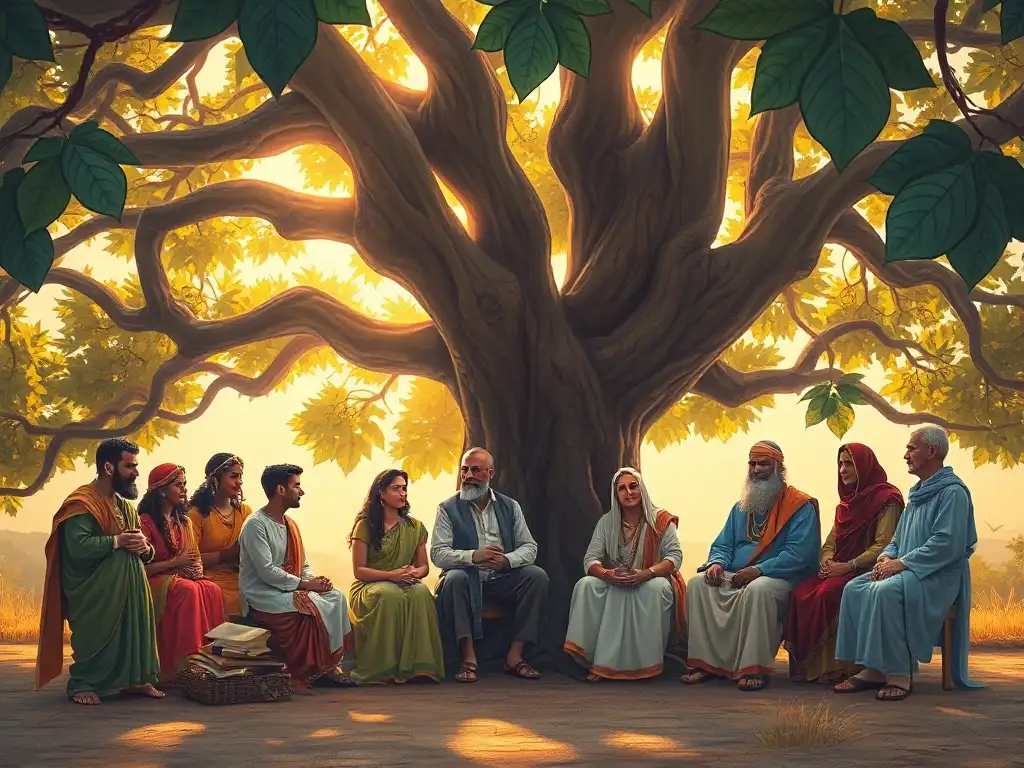
Summary of Nyaya's Contributions
Nyaya philosophy, rooted in logical reasoning and epistemology, has made significant contributions to the framework of interfaith dialogue. It emphasizes the importance of valid reasoning and evidence-based conclusions, fostering an environment where diverse beliefs can be discussed constructively. The core premise of Nyaya is that knowledge is attainable through proper methods, which encourages practitioners to engage in dialogues that are respectful and grounded in rational discourse.
-
Logical Framework:
Nyaya provides a robust logical structure that aids in dissecting arguments from various faiths. By utilizing tools such as:
- Pramanas (valid means of knowledge)
- Anumana (inference)
- Upamana (comparison)
Nyaya allows adherents to analyze and understand different viewpoints, fostering a culture of mutual respect and understanding.
-
Conflict Resolution:
The principles of Nyaya can be applied to resolve conflicts arising from religious differences. By focusing on logical arguments rather than emotional responses, practitioners can navigate contentious issues in a manner that prioritizes dialogue over discord.
-
Inclusivity in Philosophical Discourse:
Nyaya philosophy encourages inclusivity, allowing for the integration of ideas from other philosophical schools. This adaptability makes it a suitable foundation for interfaith dialogues, where varying perspectives can be shared and explored collaboratively.
The Future of Nyaya Philosophy in Interfaith Engagement
As society continues to evolve, the relevance of Nyaya philosophy in interfaith dialogue will likely grow. Here are several factors that indicate a promising future for its application:
-
Globalization and Cultural Exchange:
The increasing interconnectedness of cultures necessitates dialogues that can bridge differences. Nyaya's emphasis on rationality and discourse can serve as a model for constructive engagement across faiths.
-
Educational Initiatives:
Incorporating Nyaya principles into educational curricula can prepare future generations for interfaith discussions. By teaching students the value of logic and reasoning, they can learn to navigate complex theological landscapes with confidence and respect.
-
Interfaith Organizations:
Various interfaith organizations are beginning to adopt Nyaya's principles to facilitate discussions. These platforms can benefit from the systematic approach of Nyaya, ensuring that dialogues remain productive and focused on understanding rather than debate.
-
Technological Advancements:
With the rise of digital communication, Nyaya's framework can be adapted for online discussions, allowing for broader participation. Virtual interfaith dialogues can utilize Nyaya's logical methodologies to foster respectful engagement in diverse online communities.
The enduring legacy of Nyaya philosophy not only enriches the discourse within Indian tradition but also serves as a crucial tool for promoting interfaith dialogue in an increasingly pluralistic world. By leveraging its principles, we can strive toward a more harmonious coexistence among the myriad beliefs that shape our global society.
Frequently Asked Questions
What is Nyaya philosophy?
Nyaya philosophy is an ancient Indian system of logic and epistemology that emphasizes the importance of reasoning and debate in understanding truth and knowledge.
How does Nyaya philosophy contribute to interfaith dialogue?
Nyaya philosophy promotes rational discussion and critical thinking, making it a valuable framework for fostering understanding and respect among different faiths during interfaith dialogues.
What are the key principles of Nyaya?
The key principles of Nyaya include the four valid means of knowledge (pramanas), which are perception, inference, comparison, and testimony, all aimed at achieving truth and clarity.
Why is interfaith dialogue important in today's world?
Interfaith dialogue is crucial for promoting tolerance, reducing conflict, and fostering cooperation among diverse religious groups in an increasingly interconnected world.
How can Nyaya philosophy be applied in modern contexts?
Nyaya philosophy can be applied in modern contexts by encouraging reasoned debates and discussions, helping individuals navigate complex moral and ethical issues in a pluralistic society.
Final Reflection: Embracing Nyaya Philosophy for a Harmonious Future
In an increasingly polarized world, the principles of Nyaya philosophy and interfaith dialogue resonate more than ever. The teachings of Nyaya, with their emphasis on logic, reasoning, and the pursuit of truth, provide a robust framework for fostering understanding and collaboration among diverse faiths. As we navigate the complexities of modern society, the call for meaningful dialogue and mutual respect is not just relevant; it is imperative for our collective progress.
The influence of Nyaya philosophy extends beyond academic discourse; it shapes the cultural and social landscape by encouraging individuals to engage thoughtfully with differing beliefs. This philosophy invites us to reflect on our own convictions while remaining open to the perspectives of others. As Mahatma Gandhi once said, An eye for an eye only ends up making the whole world blind.
This sentiment underscores the importance of dialogue rooted in understanding rather than conflict, highlighting Nyaya's potential to bridge divides and cultivate a more inclusive society.
As we look to the future, I invite you to embrace the lessons of Nyaya philosophy in your own life. Consider how you can engage in interfaith dialogues within your community, fostering connections that transcend differences. Reflect on your beliefs and be open to the insights of others, for it is through this exchange that we can cultivate a more harmonious world. Let us take action, inspired by Nyaya, to build bridges of understanding and compassion, ensuring that our shared humanity prevails over division.
Embrace Unity: Take Action for Interfaith Harmony!
Thank you for exploring the influential role of Nyaya in interfaith dialogues with us! Your time and interest not only enrich your understanding but also contribute to a more harmonious world. Now that you're equipped with valuable insights, it’s time to put that knowledge into action.
Here are some practical steps you can take today:
- Engage in Conversations: Start discussions about interfaith perspectives in your community or online—your voice can inspire others to share their experiences.
- Organize a Local Event: Consider hosting an interfaith gathering or workshop to promote dialogue and understanding among diverse beliefs.
- Share Your Insights: Post on social media or write a blog about what you learned today—let's spread awareness and foster unity!
Which action will you take to help bridge the gap between communities? Let’s cultivate a space where dialogue thrives!