
The Role of Caste in Shaping Economic Roles and Practices


Welcome to Ancient India History, where we embark on a fascinating journey through the rich tapestry of ancient Indian civilizations. From the bustling streets of the Indus Valley to the flourishing Gupta Empire, our exploration unveils the profound cultural and historical contributions that have shaped India’s identity. In this article, we delve into the intriguing relationship between the caste system and its economic impact on India.
What roles did caste play in trade and economic practices, and how did it influence societal structure? Prepare to uncover answers that may challenge your perceptions and deepen your understanding of India's past. Join us as we unravel the complexities of ancient economics and social stratification!
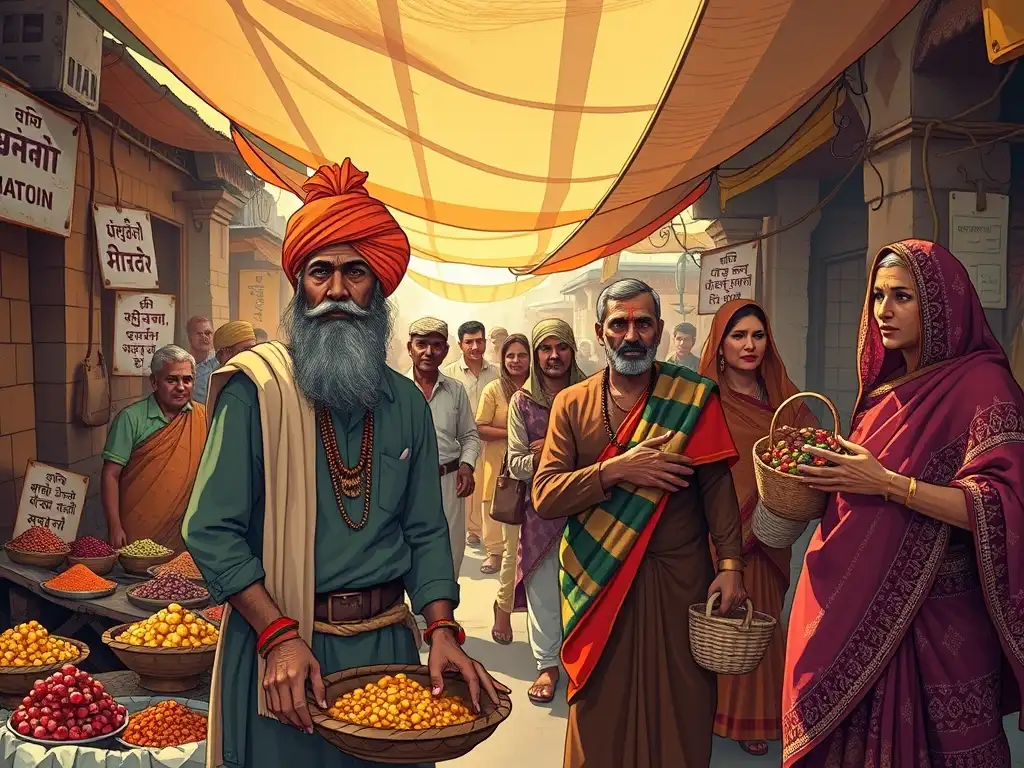
The caste system in India is a complex social hierarchy that has deep historical roots and significant implications for economic practices and roles. This system, which categorizes individuals into distinct groups based on birth and occupation, has not only shaped the social fabric of Indian society but also influenced economic interactions, labor divisions, and wealth distribution across various regions and periods.
Understanding the caste system's economic impact in India is crucial for comprehending how historical practices continue to affect contemporary economic dynamics. This article delves into the intricate relationship between the caste system and economic roles, exploring its historical context, major castes, and the evolving nature of caste-based occupations.
Understanding the Caste System in Ancient India
Definition of the Caste System
The caste system, known as "varna" in ancient texts, is traditionally divided into four main categories:
- Brahmins - Priests and scholars, responsible for religious rituals and the preservation of sacred knowledge.
- Kshatriyas - Warriors and rulers, tasked with governance and protection of the realm.
- Vaishyas - Merchants and landowners, engaged in agriculture, trade, and commerce.
- Shudras - Laborers and service providers, often performing menial tasks and serving the higher castes.
This hierarchical structure is further complicated by numerous sub-castes, or "jatis," which arose based on regional, occupational, and social factors. The caste system is not merely a social construct; it encapsulates a legacy of economic roles that have persisted through time.
Historical Context of the Caste System in India
The origins of the caste system can be traced back to ancient texts such as the Rigveda, where the division of society is mentioned. Over centuries, this system evolved through a combination of religious, cultural, and economic factors. The establishment of the Maurya and Gupta Empires further solidified caste roles as they intertwined with statecraft and governance. Economic practices became closely linked to caste identity, leading to the specialization of skills and occupations according to caste.
Major Castes and Their Economic Functions
The economic roles played by different castes were crucial in shaping India's economy. Here are some key examples:
- Brahmins: Primarily engaged in education and religious services, they also played a role in advising rulers, thus influencing economic policies.
- Kshatriyas: As landowners and military leaders, they contributed to agriculture and protection of trade routes, ensuring economic stability.
- Vaishyas: They formed the backbone of trade and commerce, facilitating economic exchange and the prosperity of urban centers.
- Shudras: Their labor was essential for agricultural production and various crafts, contributing significantly to the economy's functioning.
Economic Impact of the Caste System in India
How Caste Influences Economic Roles
The caste system distinctly influenced the allocation of economic roles, determining who could engage in certain professions and who had access to resources. This led to a clear demarcation of duties and responsibilities based on caste identity, often hindering social mobility and economic fluidity.
Caste-Based Occupations and Their Evolution
Over time, the rigid structure of caste-based occupations has seen both continuity and change. While traditional roles still exist, globalization and modernization have introduced new economic dynamics. Many individuals from lower castes have begun to enter professions previously dominated by higher castes, reflecting changing attitudes and economic necessity.
The Relationship Between Caste and Wealth Distribution
The caste system's impact on wealth distribution in India is profound. Historically, higher castes have had greater access to resources, education, and economic opportunities, leading to significant disparities in wealth among different castes. This uneven distribution has perpetuated cycles of poverty among lower castes, influencing contemporary economic policies and social reforms aimed at addressing these inequalities.
The caste system's economic impact in India is a multifaceted topic that continues to shape the country's socio-economic landscape. Understanding its historical roots and present implications is essential for grasping the complexities of India's economic practices.
Caste System and Trade Practices in Ancient India
The caste system in ancient India was a complex social stratification that significantly influenced various aspects of life, including trade practices. Rooted in religious and cultural beliefs, this system divided society into distinct groups, each with specific duties and roles. Craftsmanship, agriculture, and trade were often linked to caste, creating a structured economic framework that dictated who could engage in which professions. This delineation shaped not only the nature of economic activities but also the relationships among different castes, transforming trade into a community-oriented endeavor.
Role of Castes in Trade and Commerce
Each caste within the ancient Indian society had its designated role in trade and commerce, which was vital for the overall economic structure. Merchants, primarily from the Vaishya caste, were responsible for trade, which included the exchange of goods both locally and across long distances. They established markets and trade routes, facilitating the flow of commodities like spices, textiles, and precious metals. The Kshatriyas, although primarily warriors, also engaged in commerce, particularly in regions under their control, thereby enhancing economic opportunities.
Furthermore, the Brahmins, who were traditionally seen as priests and scholars, sometimes participated in trade by managing temple wealth, collecting taxes, and engaging in financial transactions. The interdependence of castes in trade fostered a network of collaborations, wherein artisans, farmers, and merchants worked together to sustain economic growth, thus highlighting the integral role of caste in shaping the commercial landscape of ancient India.
Impact of Caste on Trade Networks
The caste system significantly impacted the formation and sustainability of trade networks in ancient India. By organizing society into specific occupational groups, it enabled the specialization of skills, which in turn facilitated the establishment of complex trading routes. Merchants from different regions often belonged to the same caste, forming guilds that provided mutual support and protection. These guilds played a crucial role in negotiating trade agreements and maintaining quality control over goods.
Moreover, the caste-related restrictions on certain professions ensured that trade networks were reliable and predictable. For instance, certain castes were known for specific goods, such as weavers producing textiles or potters creating ceramics. This specialization not only improved efficiency but also strengthened trust among consumers and traders, ultimately resulting in the expansion of trade networks that spanned across the Indian subcontinent and beyond.
Caste and Artisanal Production
Artisanal production in ancient India was deeply intertwined with the caste system, where each caste was often associated with specific crafts and trades. For example, the Shudras, who were primarily laborers, engaged in various forms of craftsmanship, including pottery, carpentry, and metalwork. This specialization allowed artisans to hone their skills, leading to high-quality goods that became highly sought after in trade.
The relationship between caste and artisanal production fostered a sense of community among craftsmen, as they passed down techniques and knowledge through generations. This lineage of skills not only preserved traditional crafts but also contributed to the economic fabric of society through the creation of goods for local markets and trading hubs. The caste-based organization of artisans ensured that their contributions were recognized and valued, reinforcing the significance of caste in the economic landscape of ancient India.
The social structure of ancient India, heavily influenced by the caste system, played a pivotal role in shaping economic dynamics. The interactions between different castes created a complex web of economic activities that defined the social hierarchy and influenced resource distribution. As such, understanding the relationship between caste and economic practices is essential to grasp the broader implications of social organization in ancient Indian civilizations.
The Interplay Between Caste and Class
The interplay between caste and class in ancient India is a nuanced aspect of its socio-economic framework. While caste determined the occupation and social status of individuals, class could be influenced by wealth and economic success. For instance, wealthy merchants from lower castes could attain a higher social standing through their economic power, challenging the rigid caste hierarchy.
Moreover, the emergence of new economic classes, such as wealthy landowners or influential traders, led to a gradual evolution of the caste system. As trade flourished and cities expanded, the distinctions between caste and class became more pronounced, allowing for a more dynamic social landscape. This interplay also created tensions, as traditional caste roles were challenged by new economic realities, leading to shifts in power dynamics within society.
Mobility within the Caste System and its Economic Implications
Mobility within the caste system, although limited, had significant economic implications in ancient India. While the rigid structure often restricted movement between castes, there were instances of upward mobility, especially for those who excelled in trade or craft. Successful merchants could gain social prestige and sometimes even shift their caste identity through wealth accumulation.
This limited mobility allowed for the exchange of skills and knowledge across caste lines, enriching the economic landscape. For example, artisans could collaborate with merchants to create products that catered to wider markets, enhancing economic opportunities for their communities. However, the barriers to mobility also meant that many individuals remained confined to their caste roles, limiting the overall economic potential of society.
The Role of Caste in Resource Allocation
The caste system played a significant role in resource allocation in ancient India, influencing access to land, capital, and opportunities. Land ownership was often linked to caste identity, with higher castes, such as the Kshatriyas and Vaishyas, typically controlling more resources. This control over land and wealth allowed certain castes to dominate agricultural production and trade, reinforcing their economic power.
Additionally, the allocation of resources was often determined by caste-based regulations, which dictated who could engage in specific trades or access certain markets. This control over resource distribution not only sustained the existing caste hierarchy but also shaped the economic development of various regions. Consequently, the caste system created an economic framework where resource allocation was closely tied to one’s caste identity, impacting both individual livelihoods and the overall economic health of society.
Case Studies on Caste and Economic Practices

The caste system in India has historically influenced various economic sectors, shaping roles, responsibilities, and social hierarchies. Understanding this relationship is essential to grasp the intricate dynamics of ancient Indian economies. Below, we explore specific case studies that illustrate the economic practices tied to different caste roles, as well as their lasting impacts on contemporary society.
Case Study 1: The Role of Brahmins in Education and Administration
Brahmins, traditionally regarded as the priestly and scholarly caste, played a crucial role in the administration and education of ancient India. Their responsibilities included:
- Education: Brahmins were the custodians of knowledge, responsible for preserving and transmitting sacred texts, philosophy, and sciences. They established educational institutions, such as Gurukuls, where students learned various subjects, including mathematics, astronomy, and ethics.
- Administration: Many Brahmins served as advisors and administrators in royal courts, utilizing their knowledge to manage state affairs. Their positions allowed them to influence economic policies and decisions, ultimately shaping trade practices and resource allocation.
The impact of Brahmins on education and administration significantly contributed to the intellectual and bureaucratic framework of ancient Indian society, establishing a legacy that continued to affect governance and economic practices for centuries.
Case Study 2: The Economic Contributions of Vaishyas in Trade
The Vaishya caste, primarily associated with commerce and agriculture, has historically been integral to the economic development of ancient India. Their contributions include:
- Trade Networks: Vaishyas were instrumental in establishing extensive trade networks, both locally and internationally. They engaged in the exchange of goods such as textiles, spices, and precious stones, connecting India with regions as far as the Mediterranean and Southeast Asia.
- Agricultural Innovations: As landowners and merchants, Vaishyas contributed to agricultural advancements, adopting new techniques and crops that enhanced productivity. This not only improved local economies but also supported trade by increasing the surplus available for exchange.
The role of Vaishyas in trade and agriculture underscores the importance of this caste in driving economic growth, fostering inter-regional connections, and facilitating cultural exchanges.
Comparative Analysis of Different Caste Practices
The caste system's influence on economic practices varied significantly across different regions and time periods in India. A comparative analysis reveals the following key distinctions:
- Regional Variations: In southern India, for instance, the Nadar community emerged as a powerful force in the silk and textile trade, challenging traditional caste hierarchies. Conversely, in northern India, the Kshatriyas often dominated agricultural lands and military roles, impacting local economies differently.
- Role Flexibility: Some castes, such as the Shudras, historically faced restrictions on economic activities. However, there were instances where individuals from lower castes broke barriers, engaging in trades that were typically reserved for higher castes, thus indicating a degree of fluidity within the system.
- Economic Mobility: Over time, certain caste groups adapted to changing economic conditions, leading to shifts in their roles. For example, the rise of the merchant class during the medieval period allowed some lower castes to ascend economically, demonstrating the system's complexity and adaptability.
This analysis highlights the diverse economic roles shaped by caste practices, revealing a nuanced understanding of how social structures influenced economic development throughout ancient India.
The Legacy of the Caste System's Economic Impact
The legacy of the caste system continues to influence economic practices in modern India, as its historical roots have left indelible marks on societal structures and economic interactions.
Long-Term Economic Effects of Caste in India
The long-term effects of the caste system on India's economy are profound:
- Inequality in Economic Opportunities: The historical restrictions imposed by the caste system have perpetuated economic disparities, limiting access to resources, education, and employment for lower caste groups. This has resulted in a cycle of poverty that persists in various forms today.
- Social Mobility Challenges: Although some progress has been made, the caste system has created barriers to social mobility, restricting individuals' ability to ascend economically based on merit alone. This has led to a lack of representation of lower castes in higher economic roles.
- Regional Economic Disparities: The legacy of caste has contributed to regional economic inequalities, with certain areas benefiting from historical advantages associated with higher castes, while others remain marginalized.
Modern Perspectives on Caste and Economics
In contemporary India, perspectives on caste and its economic implications are evolving:
- Affirmative Action Policies: The Indian government has implemented affirmative action policies aimed at uplifting marginalized caste groups through reservations in education and employment, attempting to rectify historical injustices.
- Changing Attitudes: Increasing awareness and activism against caste discrimination have prompted shifts in societal attitudes, with younger generations advocating for equality and merit-based opportunities, irrespective of caste.
- Economic Contributions of Lower Castes: The recognition of the economic contributions made by lower caste individuals and communities is gaining traction, as many entrepreneurs and skilled workers from these backgrounds carve out successful paths in various industries.
These modern perspectives indicate a gradual transformation in how caste is perceived within the context of economic roles and practices, fostering hope for a more equitable future.
Lessons Learned from the Caste System's Economic Legacy
The history of the caste system offers valuable lessons for economic development and social policy:
- Importance of Inclusivity: Promoting economic inclusivity and equal opportunities for all caste groups is essential for fostering a balanced and prosperous economy. This includes addressing systemic barriers that hinder participation.
- Cultural Sensitivity in Policy-Making: Understanding the historical context of caste-related issues is crucial for formulating effective policies aimed at economic upliftment. Policymakers must consider cultural sensitivities and work towards dismantling entrenched biases.
- Empowerment through Education: Education remains a powerful tool for breaking the cycle of poverty perpetuated by the caste system. Initiatives to enhance educational access for marginalized communities can lead to broader economic benefits and social mobility.
Learning from the caste system's economic legacy can help shape a more equitable and prosperous society in India, where opportunities are available to all, regardless of caste affiliations.
Conclusion
The caste system has played a pivotal role in shaping the economic landscape of India for centuries, influencing not only individual livelihoods but also the broader economic structures of society. It has dictated occupational roles, access to resources, and social mobility, leading to a complex interplay between social status and economic opportunity. As we reflect on the historical significance of the caste system, it is evident that its implications extend far beyond social stratification, deeply impacting economic practices, trade relationships, and the overall economic development of the region.
Summary of the Caste System's Economic Role
The caste system's economic role in India can be summarized through several key points:
- Occupational Segregation: The caste system traditionally assigned specific jobs to different caste groups, leading to a form of occupational segregation. This structure ensured that certain professions were passed down through generations, reinforcing economic roles based on caste identity.
- Access to Resources: Economic opportunities were often limited by caste, affecting access to land, capital, and education. Higher castes typically had greater access to resources, which perpetuated wealth disparities among different groups.
- Trade and Commerce: Caste affiliations influenced trade practices, with particular castes dominating certain markets. For instance, merchant castes facilitated trade across regions, contributing to the economic vitality of ancient Indian cities.
- Social Mobility: The rigidity of the caste system restricted social mobility, making it challenging for individuals from lower castes to improve their economic standing. This limitation had lasting effects on the overall economic development and productivity of the society.
The Future of Caste and Economic Practices in India
Looking forward, the interplay between caste and economic practices in India is poised for transformation.
- Economic Liberalization: Since the liberalization of the Indian economy in the 1990s, there has been a gradual shift in the traditional caste-based economic roles. Increased access to education and employment opportunities has begun to break down some of the barriers imposed by the caste system.
- Social Movements: The rise of various social movements advocating for the rights of lower castes has prompted legislative changes aimed at promoting equality and social justice. These movements are essential for challenging entrenched economic disparities and fostering a more inclusive economic environment.
- Technological Advancements: The advent of technology and digital platforms is creating new economic opportunities that transcend traditional caste boundaries. Online marketplaces and remote work options are enabling individuals from diverse backgrounds to participate in the economy, potentially diminishing the impacts of caste on economic roles.
- Future Challenges: Despite these positive trends, the caste system continues to influence many aspects of life in India. Structural inequalities persist, and ongoing efforts are needed to ensure that economic growth is inclusive and equitable.
While the caste system has historically shaped economic roles and practices in India, its future impact will depend on the continued evolution of social norms, economic policies, and technological advancements.
- Understanding the Caste System in Ancient India
- Economic Impact of the Caste System in India
- Caste System and Trade Practices in Ancient India
- Social Structure and Economic Dynamics
- Case Studies on Caste and Economic Practices
- The Legacy of the Caste System's Economic Impact
- Conclusion
- What is the caste system in ancient India?
- How did the caste system affect economic practices in ancient India?
- What were the economic contributions of different castes in ancient India?
- Did the caste system have any long-term economic impacts?
- How has the understanding of the caste system evolved in modern discussions about economic impact?
Frequently Asked Questions
What is the caste system in ancient India?
The caste system is a social hierarchy that divided people into different groups based on their occupations and roles in society, significantly influencing social and economic structures.
How did the caste system affect economic practices in ancient India?
The caste system determined individuals' economic roles, restricting certain jobs to specific castes, which led to a division of labor and impacted overall economic development.
What were the economic contributions of different castes in ancient India?
Various castes contributed uniquely to the economy; for instance, Brahmins were often involved in education and administration, while Shudras engaged in agriculture and manual labor, affecting the economic landscape.
Did the caste system have any long-term economic impacts?
Yes, the caste system established social norms that persisted for centuries, influencing economic mobility and shaping the distribution of resources and wealth across different communities.
How has the understanding of the caste system evolved in modern discussions about economic impact?
Modern discussions highlight the caste system's historical economic implications, exploring how it continues to affect socioeconomic status and opportunities in contemporary India, despite legal reforms.
Final Reflection: Understanding the Caste System's Economic Impact in India
The caste system continues to shape economic roles and practices in India, influencing opportunities and outcomes for millions. Despite advancements in technology and globalization, the deep-rooted structures of caste persist, creating disparities that are often overlooked. The economic impact of the caste system is not just a historical concern; it remains a pressing issue that affects the livelihoods and aspirations of individuals today.
Caste dynamics have a profound influence on the social and economic landscape of India, dictating not only the professions individuals can pursue but also their access to resources and networks. The ongoing struggle for equality and justice in economic opportunities highlights the need for systemic change.
As Mahatma Gandhi once said, "> The true measure of any society can be found in how it treats its most vulnerable members." This quote resonates deeply in the context of the caste system, reminding us that the fight against economic inequality is intrinsically linked to the broader battle for human rights and dignity.
As we reflect on the insights presented in this article, I invite you to consider your role in challenging the status quo. How can you contribute to dismantling the barriers created by the caste system in your community? Whether through advocacy, education, or simply fostering inclusive practices in your workplace, every action counts. Let us commit to creating a more equitable society where economic opportunities are accessible to all, regardless of caste, and where the legacy of discrimination is replaced with one of empowerment and unity.
Unveil the Impacts: Take Action on Caste and Economy!
Thank you for exploring the intricate relationship between caste and economic roles in ancient India. We hope you found valuable insights that illuminate how historical practices shape our understanding of the economy today. Now, let’s transform that newfound knowledge into impactful actions!
- Engage with your community: Share this article with friends or on social media to ignite discussions about caste and its enduring economic implications.
- Explore further: Discover additional articles and resources on ancient economic practices to enhance your understanding.
- Join the conversation: We invite you to leave a comment below, sharing your thoughts on how caste influences modern economic roles in your community.
What surprising connections have you uncovered between caste and the economy that challenge your perceptions?