
The Role of Women in Eastern Indian Ancient Societies: A Hidden History

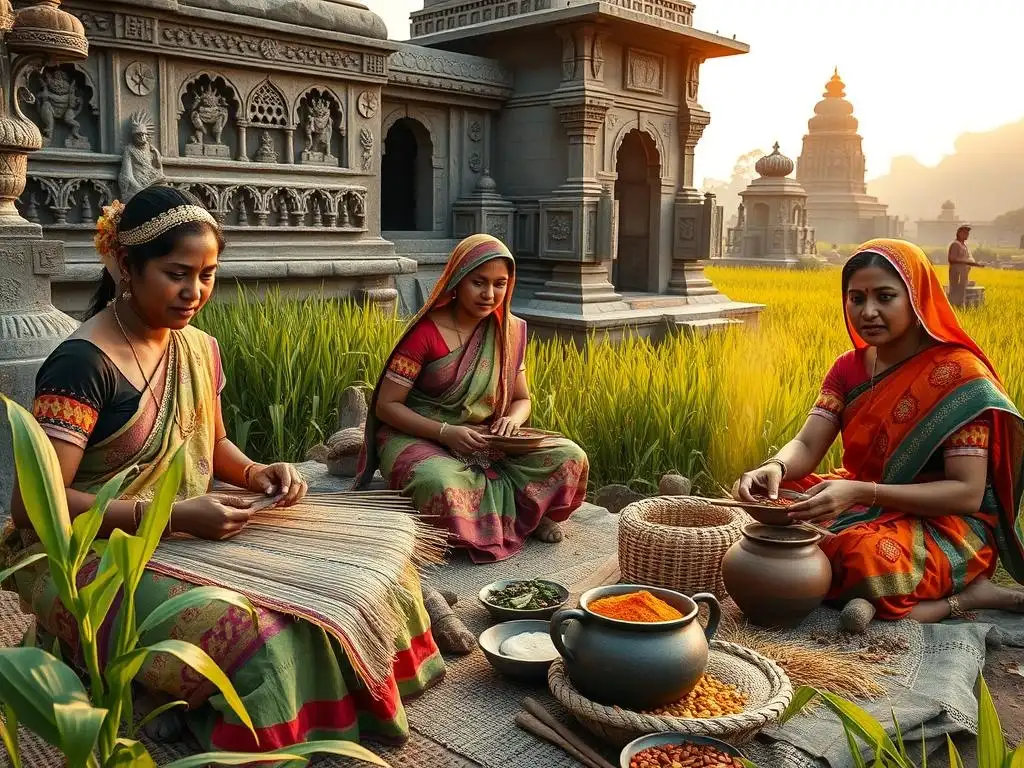
Welcome to Ancient India History, where we embark on a fascinating journey through the rich tapestry of India's past. In our featured article, "The Role of Women in Eastern Indian Ancient Societies: A Hidden History," we delve into the often-overlooked contributions and experiences of women who shaped the cultural and social landscapes of their time.
Join us as we uncover the stories that have been lost to history, revealing how these remarkable women navigated their roles in societies that were both vibrant and complex. Prepare to be intrigued as we open the door to a world where history meets the resilience and strength of women, inspiring you to explore further into the depths of ancient Indian civilization.
Introduction to Women in Ancient Indian Societies
The history of women in ancient Indian societies, particularly in Eastern India, is a narrative often overshadowed by the more prominent tales of rulers, warriors, and philosophers. However, women played integral roles in shaping the cultural, social, and economic landscapes of these ancient civilizations.
From the matriarchal structures in certain tribal communities to the significant contributions of women in agriculture, trade, and spirituality, their stories are both compelling and essential to understanding the holistic view of ancient Indian societies. This article seeks to uncover the hidden history of women in Eastern India, examining their roles, challenges, and contributions, thus providing a more inclusive perspective on the historical narrative.
Overview of Women’s Roles in Ancient Civilizations
Throughout ancient civilizations, women were often viewed through a dual lens of reverence and restriction. In many instances, they served as the backbone of familial and community structures, responsible for nurturing and education. Their roles, however, were not limited to domestic spheres. Women participated in various activities such as:
- Agriculture: Contributing to farming and food production.
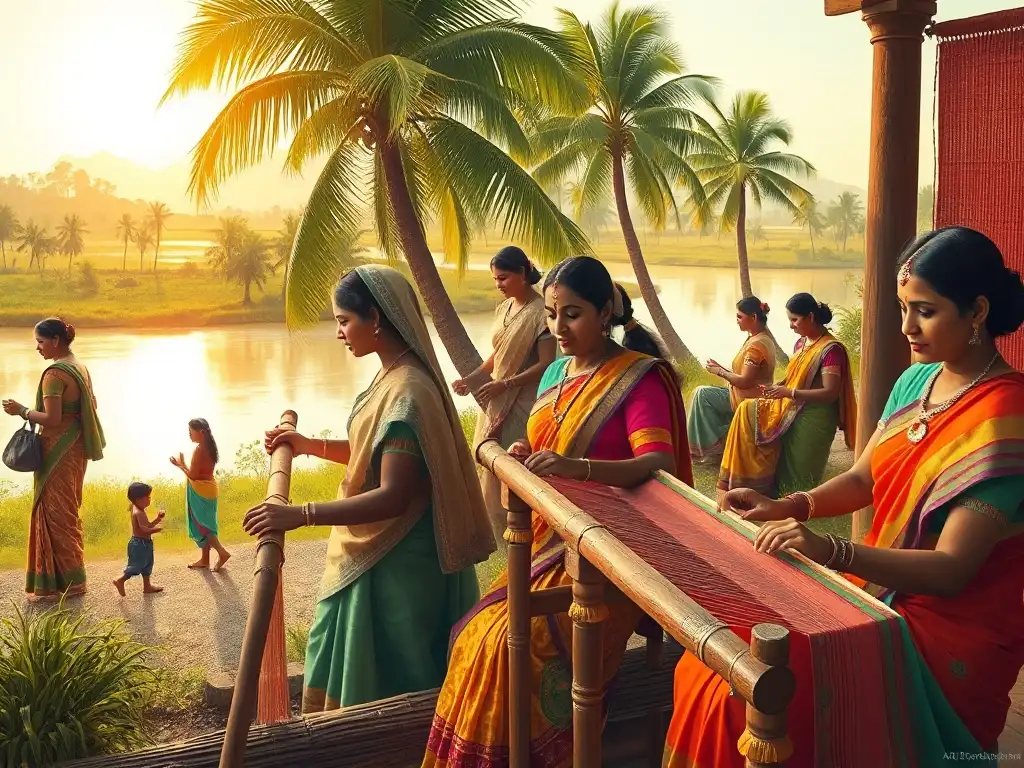
- Craftsmanship: Engaging in textile production and other artisan crafts.
- Religious Practices: Acting as priestesses or involved in rituals, showcasing their spiritual significance.
- Trade and Commerce: Involvement in local markets and trade routes.
Despite these contributions, the documentation of women’s roles often remains sparse, leading to a historical narrative that overlooks their importance.
Importance of Studying Women in Eastern Indian Societies
Understanding the roles of women in Eastern Indian societies is crucial for several reasons:
- Diverse Perspectives: It enriches our comprehension of historical narratives by incorporating diverse perspectives.
- Cultural Insights: Women’s contributions reflect the cultural dynamics and values of ancient societies.
- Challenging Stereotypes: Highlighting women’s agency helps challenge prevailing stereotypes about gender roles in history.
- Social Evolution: Insights into women's roles can reveal the evolution of social structures and gender relations over time.
Recognizing the multifaceted roles of women allows for a more nuanced understanding of Eastern India's historical tapestry.
Historical Context of Eastern India
Overview of Ancient Indian Societies
Ancient Indian societies were characterized by a complex interplay of various cultures, religions, and economic systems. The region of Eastern India was no exception, with its rich tapestry woven from diverse influences, including tribal traditions, agrarian societies, and urban centers. The social structure was often hierarchical, yet there were significant variations in status and roles depending on local customs and traditions.
Key features of these societies included:
- Agricultural Practices: A majority of the population was engaged in agriculture, with women often participating actively.
- Religious Beliefs: Various religions, including Hinduism and Buddhism, flourished, impacting women's societal roles and spiritual involvement.
- Trade Networks: Eastern India was part of extensive trade networks, contributing to economic activities in which women may have participated.
Key Civilizations of Eastern India
Eastern India has been home to several prominent civilizations that shaped its historical landscape:
- Maurya Empire: Known for its administrative efficiency and the promotion of trade, this empire also saw women in influential roles, both socially and politically.
- Gupta Empire: Often regarded as a golden age, the Gupta period showcased advancements in arts and sciences, with women leading in cultural expressions and education.
- Buddhist Influence: The spread of Buddhism in Eastern India brought significant changes in gender dynamics, offering women new opportunities for spiritual leadership and autonomy.
These civilizations not only contributed to the broader narrative of Indian history but also played a pivotal role in defining the status and significance of women in their societies. Understanding these contexts is essential to uncovering the multifaceted roles women played throughout ancient Eastern India.
In ancient Eastern Indian societies, the social structure was largely influenced by regional customs, religious beliefs, and economic conditions. Traditional gender roles were often defined within a patriarchal framework, where men held the majority of power in public and domestic spheres. However, the nuances of these roles varied significantly across different communities. Women's roles, while often restricted, were critical in maintaining social cohesion and cultural continuity.
Patriarchal Norms in Ancient India
Patriarchy was a dominant social system in ancient India, including Eastern regions, where lineage and inheritance typically followed male lines. This resulted in a society where men were seen as the primary breadwinners and decision-makers. Women's identities were often tied to their relationships with male family members, such as fathers, husbands, and sons.
Despite these constraints, women were not entirely devoid of agency. Historical texts and literature occasionally depict women engaging in business, owning property, and even participating in governance. However, societal norms imposed limitations on their freedom, leading to a complex interplay between dependence and autonomy.
Matrilineal Societies in Eastern India
In contrast to the predominant patriarchal norms, certain regions of Eastern India, particularly among tribal communities, exhibited matrilineal practices. In these societies, lineage and inheritance were traced through the female line, granting women significant status and authority.
For instance, among the Khasi and Jaintia tribes of Meghalaya, women enjoyed a prominent role in decision-making processes and controlled family assets. This matrilineal structure allowed women to maintain a degree of independence and influence that was often absent in patriarchal societies. Such examples illustrate the diversity of gender roles across different communities in Eastern India.
The Dual Role of Women: Domestic and Public Spheres
Women in ancient Eastern Indian societies often navigated a dual role encompassing both domestic responsibilities and public participation. While their primary duties revolved around household management, child-rearing, and agriculture, many women also engaged in social and economic activities beyond the home.
Women contributed to agriculture, trade, and crafts, often working alongside men or in female-dominated industries. In some instances, women participated in local governance, addressing community issues and representing their families' interests. This duality highlights the complexity of women's roles, as they balanced societal expectations with personal aspirations.
Contributions of Women in Eastern Indian Societies
The contributions of women in ancient Eastern Indian societies were multifaceted, impacting various aspects of life, including leadership, education, and spirituality. Despite societal constraints, women played crucial roles in shaping their communities and preserving cultural heritage.
Women as Leaders and Rulers
Historically, women in Eastern India occasionally rose to positions of power and influence. Instances of female rulers and leaders can be found in various dynasties, where women held significant sway in political matters. For example, Rani Durgawati of Gondwana was known for her valor and leadership in battle, showcasing women's capabilities in governance and military affairs.
Additionally, noblewomen often acted as regents or advisors, exercising authority in their own right. These examples challenge the notion of women as passive participants in history and highlight their contributions to political and social dynamics.
Women in Education and Knowledge
Education for women in ancient Eastern Indian societies was limited, yet there were notable exceptions in certain communities where women were educated and contributed to literary and intellectual pursuits. Texts from the time reveal women engaging in philosophical discussions, poetry, and other forms of art.
Institutions like the ancient universities of Nalanda and Vikramashila, while predominantly male-dominated, had instances of women's participation in learning. Additionally, families that valued education often educated their daughters, resulting in influential female scholars who contributed to the cultural and intellectual landscape.
Women in Religion and Spirituality
Women played an essential role in religious and spiritual practices in ancient Eastern India. They were often central figures in rituals, ceremonies, and festivals, embodying the spiritual and cultural ethos of their communities.
Goddesses and female deities were worshipped, reflecting the reverence for feminine power in various traditions. Women served as priestesses and spiritual leaders, guiding their communities in religious practices. Their involvement in spirituality not only reinforced their social significance but also contributed to the continuity of cultural and religious traditions.
Challenges Faced by Women in Ancient Times
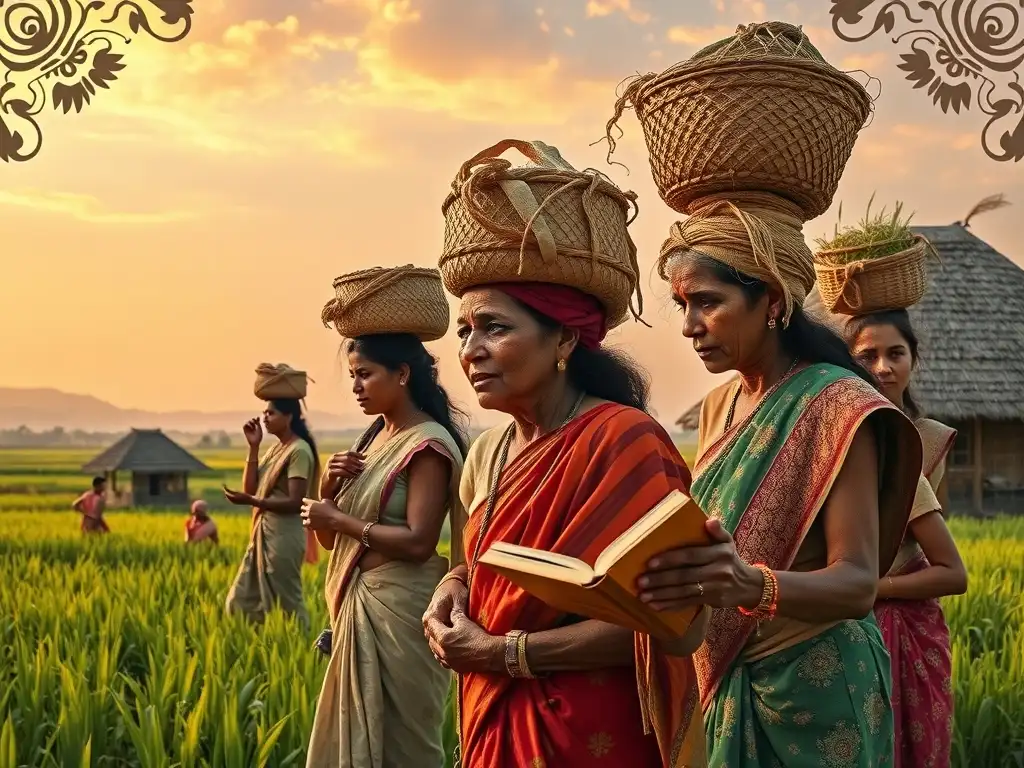
In ancient Eastern Indian societies, women encountered various challenges that significantly influenced their roles and status. These challenges were shaped by deeply entrenched societal norms, economic conditions, and historical events. Understanding these hurdles is crucial for appreciating the multifaceted experiences of women in ancient India.
Societal Expectations and Limitations
Women in ancient Eastern India were often subjected to rigid societal expectations that dictated their behavior, roles, and aspirations. The prevailing patriarchal norms restricted their participation in public life and governance. Marriages were typically arranged, with women expected to prioritize family and household duties over personal ambitions or education. This societal framework created a limiting environment, where women's identities were largely defined by their relationships with male family members, often reducing them to mere caretakers.
Moreover, cultural practices such as Sati (the practice of widow immolation) and child marriage further restricted women's autonomy. These customs not only posed significant risks to their safety but also curtailed their freedom to make choices about their lives. Consequently, many women were trapped in cycles of dependency and oppression, unable to pursue education, careers, or personal development.
Violence and Discrimination Against Women
Violence and discrimination were pervasive issues that women faced in ancient Eastern Indian societies. Social norms often justified domestic violence, with women having little recourse to protection or justice. The legal frameworks of the time largely favored men, leaving women vulnerable to exploitation and abuse.
Additionally, women belonging to lower castes faced compounded discrimination, facing both gender-based and caste-based violence. Instances of abduction, forced labor, and sexual violence were common, reflecting a societal disregard for women's rights. Despite these adversities, some women resisted and fought against their circumstances, often becoming symbols of resilience in their communities.
Impact of Invasions and Wars on Women’s Status
Historical invasions and conflicts profoundly impacted the status of women in Eastern Indian societies. Wars not only led to the loss of male lives but also created social upheaval. During periods of invasion, women were often subjected to abduction, enslavement, and violence. The instability caused by these events led to a further entrenchment of patriarchal values, as societies sought to regain control by imposing stricter norms on women.
Moreover, the aftermath of invasions brought about significant changes in societal structure, often relegating women to more subordinate positions. With the focus on male warriors and protectors, women’s contributions to society were minimized, and their roles became increasingly limited to domestic spheres. This shift had lasting implications for how women were perceived and treated in subsequent generations.
The Legacy of Women in Ancient Indian Societies
The legacy of women in ancient Indian societies is a testament to their resilience, strength, and contributions, despite the myriad challenges they faced. Their stories, often overlooked in historical narratives, reveal a complex picture of empowerment and struggle.
Historical Narratives and Their Evolution
Over the centuries, historical narratives regarding women in ancient Eastern Indian societies have evolved. Initially, many texts and accounts focused primarily on male figures, often sidelining women's contributions and experiences. However, modern historians are increasingly recognizing the importance of including women's voices and perspectives in historical discourse. This shift has led to a more nuanced understanding of women's roles, highlighting their involvement in various fields such as literature, arts, and spirituality.
The re-examination of ancient texts, inscriptions, and artifacts has unveiled stories of women who were not only caregivers but also leaders, warriors, and scholars. Such revelations challenge the traditional narratives and encourage a more balanced representation of history.
Modern Interpretations of Women’s Roles in Ancient History
Today, modern interpretations of women's roles in ancient history are reshaping our understanding of gender dynamics. Scholars are employing interdisciplinary approaches, drawing from anthropology, sociology, and feminist studies to analyze the complexities of women's lives in ancient societies. This multifaceted perspective allows for a deeper appreciation of the cultural, social, and economic factors that influenced women's status.
Furthermore, contemporary feminist movements are invoking historical examples of women's resilience and activism, using them as a source of inspiration for ongoing struggles for gender equality. By linking past and present, these interpretations promote a greater awareness of the challenges women continue to face in contemporary society.
Influence of Ancient Women on Contemporary Society
The influence of ancient women in Eastern Indian societies extends into contemporary culture, shaping modern perceptions of gender roles and empowerment. Figures such as the poetess and philosopher Mirabai and the warrior queen Rani Durgavati serve as powerful symbols of resistance and strength. Their legacies inspire modern women to challenge societal norms and strive for equality.
Additionally, the historical contributions of women in fields such as education, spirituality, and governance continue to resonate today. The recognition of these contributions fosters a sense of pride and identity among women, encouraging them to reclaim their narratives and assert their place in history.
The exploration of the role of women in ancient Eastern Indian societies reveals a rich tapestry of experiences marked by both challenges and achievements. Understanding this hidden history is crucial for acknowledging the significant contributions of women and their enduring legacy in shaping the cultural landscape of India.
Conclusion
The exploration of women's roles in Eastern Indian ancient societies reveals a complex tapestry of contributions, experiences, and cultural significance that has often been overlooked. From their involvement in economic activities to their influence in spiritual practices and political spheres, women in these societies shaped their communities in ways that merit recognition and appreciation. The historical narratives that have predominantly focused on male figures need to incorporate the vital roles played by women, thus allowing for a more comprehensive understanding of Eastern India's past.
Summary of Women’s Contributions to Eastern Indian History
Women in ancient Eastern Indian societies were instrumental in various domains, including agriculture, trade, and preservation of cultural traditions. They not only participated in the economic activities of their communities but also engaged in the arts, literature, and religious practices. For instance, female poets and scholars contributed to the rich tapestry of ancient literature, while women acted as custodians of rituals and traditions, ensuring the continuity of cultural practices across generations. Furthermore, historical records indicate that women held positions of power and influence, challenging the notion that their roles were limited to the domestic sphere.
The Importance of Recognizing Women’s Hidden Histories
Acknowledging the contributions of women in ancient Indian societies is crucial for several reasons. Firstly, it rectifies historical narratives that have marginalized women's experiences and achievements, fostering a more inclusive understanding of history.
Secondly, recognizing these contributions empowers contemporary discussions about gender equality and women's rights by highlighting the long-standing roles women have played in shaping society. Finally, it enriches the study of history itself, as it unveils the complexity of social structures and interactions in ancient civilizations, demonstrating that history is not solely the story of prominent male figures but a shared legacy that includes voices of all genders.
Further Reading and Resources
Suggested Books and Articles on Women in Ancient Indian Societies
- "Women in Ancient India" by R. Kumudini: This book offers a comprehensive overview of women's roles throughout different periods of ancient Indian history, highlighting their contributions and societal status.
- "The History of Women in India: A Study of Their Status" by R. S. Sharma: This article delves into the historical context of women's lives, providing insights into their social, economic, and political roles.
- "Gender and Society in India: Historical Perspectives" by Anjali Ghosh: A scholarly work that explores the intersection of gender and social structures in ancient India, with a focus on women’s contributions.
Online Resources for Exploring Eastern Indian History
- Digital South Asia Library: A treasure trove of resources, this site provides access to texts and documents related to the history of South Asia, including sections on women’s roles.
- The Indian History Congress: An organization that hosts conferences and publishes research papers on various aspects of Indian history, including studies on women in ancient societies.
- Women in History: India: A dedicated website that curates articles, biographies, and studies focused on women’s roles and contributions throughout Indian history.
By tapping into these resources, readers can gain a deeper understanding of the hidden histories of women in ancient Indian societies and appreciate their vital roles in shaping the cultural and historical landscape of Eastern India.
- Introduction to Women in Ancient Indian Societies
- Historical Context of Eastern India
- Social Structure and Gender Roles
- Contributions of Women in Eastern Indian Societies
- Challenges Faced by Women in Ancient Times
- The Legacy of Women in Ancient Indian Societies
- Conclusion
- Further Reading and Resources
- What was the role of women in ancient Indian societies?
- How did the status of women vary across different regions in ancient India?
- Were women involved in any professions in ancient Indian civilizations?
- How did religious texts influence the role of women in ancient India?
- What are some notable women from ancient Indian history?
Frequently Asked Questions
What was the role of women in ancient Indian societies?
Women in ancient Indian societies held significant roles in various aspects of life, including family, spirituality, and the economy, often contributing to cultural and social development.
How did the status of women vary across different regions in ancient India?
The status of women varied significantly, with some areas, like the Indus Valley, showcasing more egalitarian practices, while others, influenced by later cultural norms, often restricted women's freedoms.
Were women involved in any professions in ancient Indian civilizations?
Yes, women participated in various professions, including textile production, medicine, and even scholarship, indicating their economic and intellectual contributions to society.
How did religious texts influence the role of women in ancient India?
Religious texts often depicted women in traditional roles, but they also included strong female figures who exercised power and influence, illustrating the complex view of women in spiritual contexts.
What are some notable women from ancient Indian history?
Notable women include Gautami Balashri, a prominent scholar and poet, and Vasavadatta, who was a significant figure in literature, showcasing the intellectual and cultural contributions of women in ancient India.
Final Reflection: Unveiling the Strength of Women in Ancient Indian Societies
The exploration of women’s roles in Eastern Indian ancient societies reveals a profound truth: their contributions have often been overshadowed by historical narratives. Today, as we strive for gender equality and recognition of women's rights, understanding this hidden history is more crucial than ever. The stories of these women not only enrich our understanding of the past but also challenge us to reconsider the narratives we accept as truth.
The legacy of women in ancient Indian societies continues to resonate within our cultural and social frameworks. Their influence can be seen in the arts, literature, and even in the spiritual realms of our communities. As we reflect on their resilience and strength, we are reminded of the words of the renowned feminist scholar, Simone de Beauvoir: One is not born, but rather becomes, a woman.
This observation underscores the idea that the roles of women have been shaped by societal constructs, and recognizing their historical significance can empower contemporary movements for gender equity.
As we conclude this exploration, I invite you, dear reader, to reflect on the lessons learned from the past and consider how they can inform our present and future. Embrace the stories of these remarkable women and let their legacy inspire you to advocate for equality and recognition in your own communities. By acknowledging and celebrating the contributions of women in ancient Indian societies, we can pave the way for a more inclusive and equitable future for all.
Unveil the Untold Stories of Eastern Indian Women!
Thank you for exploring the fascinating history of women in Eastern Indian societies with us. Your interest helps illuminate a rich and often overlooked narrative. Now, let's take action to celebrate and amplify these voices!
- Join the conversation: Share your thoughts on the pivotal role women played in shaping historical narratives by commenting below.
- Explore further: Visit your local library or online archives to uncover books or articles that highlight the contributions of women throughout history.
- Spread the knowledge: Share this article with friends or on social media to inspire others to appreciate and learn about this hidden history.
What surprising stories about women from Eastern India have you discovered that inspire you today?