
The Philosophical Exploration of Death in Hinduism: A Journey Beyond

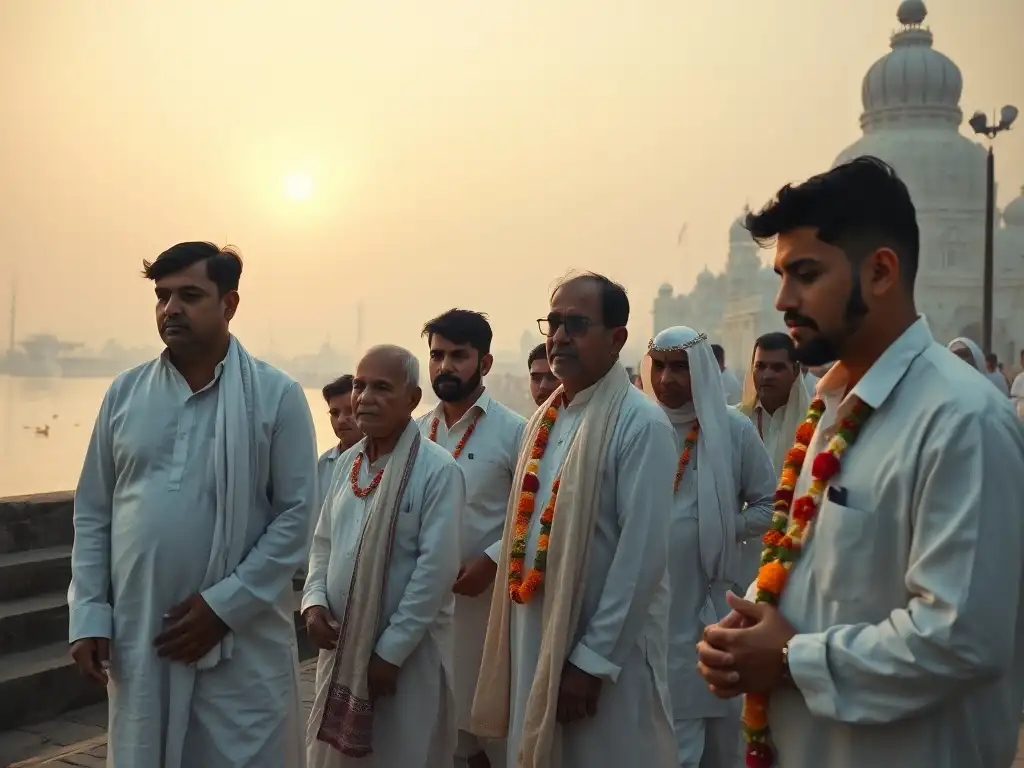
Welcome to Ancient India History, where we embark on a captivating journey through time, uncovering the rich tapestry of ancient Indian civilizations. Today, we delve into the profound Philosophy of Death in Hinduism, a topic that invites contemplation and introspection. What lies beyond the veil of mortality? How have ancient beliefs shaped our understanding of life and death? Join us as we explore these intriguing questions and many more, shedding light on the spiritual insights that have influenced millions. Prepare to be inspired and enlightened as you navigate through the depths of this ancient wisdom!
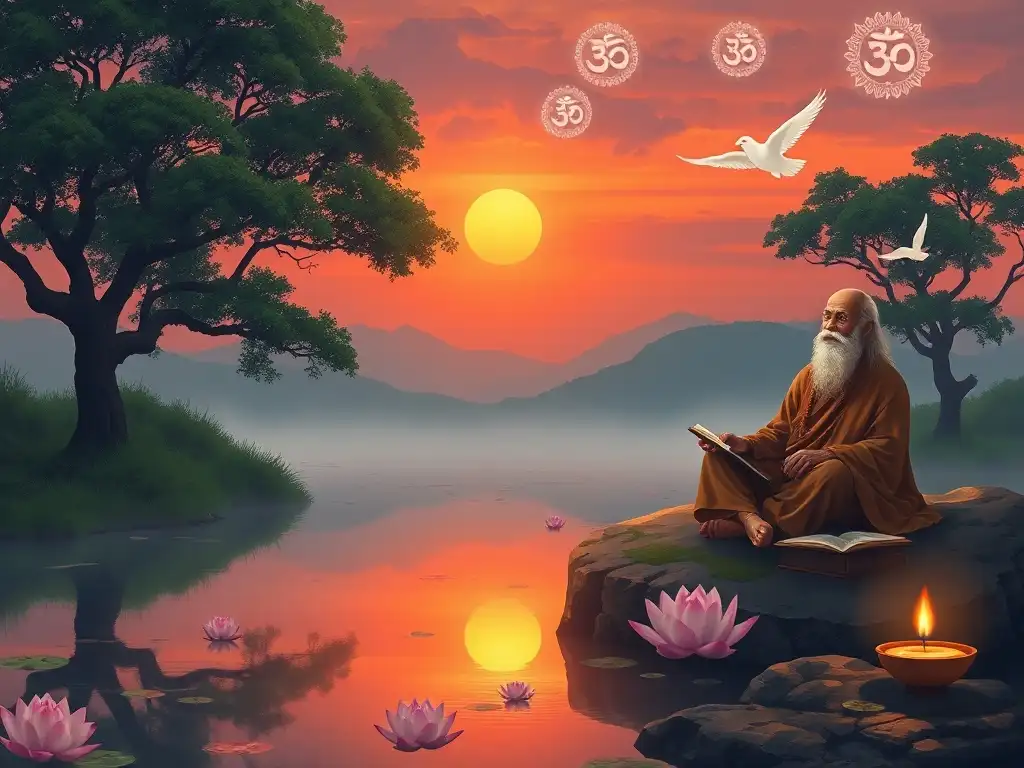
Introduction to the Philosophy of Death in Hinduism
The philosophy of death in Hinduism represents a profound and complex aspect of the broader spiritual and ethical frameworks that characterize this ancient religion. From the early Vedic texts to contemporary interpretations, death is not merely an end but a critical transition in the cyclical nature of existence.
Hindu thought perceives death through the lens of rebirth, karma, and the eternal soul (Atman), offering a unique perspective that encourages individuals to reflect on the nature of life and the inevitable passage into another realm. This article delves deep into the philosophical underpinnings surrounding death in Hinduism, exploring its significance, historical evolution, and the various interpretations found within ancient texts.
Understanding the Concept of Death in Hindu Thought
In Hindu philosophy, death is intricately linked to the concepts of samsara (the cycle of birth, death, and rebirth) and moksha (liberation from this cycle). The understanding of death varies across different schools of thought within Hinduism, yet several key ideas remain central:
- Atman and Brahman: The Atman, or the individual soul, is believed to be eternal and divine, merging back with Brahman, the ultimate reality, upon death.
- Karma: Actions in one's life directly influence the circumstances of future rebirths. This principle instills a sense of moral responsibility, encouraging individuals to live virtuously.
- Rituals: Death rituals, such as Antyesti (last rites), serve as a means of ensuring the soul's safe passage and aiding in its journey towards its next life.
Understanding these concepts is crucial for comprehending how death is perceived not as an end, but as a transformative process that shapes the soul's journey.
Importance of Death in Hindu Philosophy
Death holds significant importance within Hindu philosophy, serving as a reminder of the transience of life and the eternal nature of the soul. The contemplation of death encourages adherents to:
- Cultivate Detachment: Recognizing the impermanence of the physical world leads to a healthier detachment from material possessions and desires.
- Pursue Dharma: Understanding the consequences of actions reinforces the importance of living in accordance with one's dharma (righteous duty).
- Seek Liberation: The ultimate goal in Hinduism is to attain moksha, thus emphasizing the need for spiritual growth and enlightenment throughout one’s life.
This philosophical framework provides a holistic understanding of life's purpose and the role death plays in the grand tapestry of existence.
Historical Context of Death in Hinduism
The historical context of death in Hinduism reflects the evolution of beliefs and practices surrounding this profound aspect of life. Over the centuries, various texts and cultural shifts have shaped how death is perceived and ritualized.
Ancient Texts and Scriptures on Death
Hindu scriptures, such as the Vedas, Upanishads, and Mahabharata, offer rich insights into ancient beliefs about death. These texts illustrate diverse viewpoints:
- Vedas: The earliest texts emphasize rituals and sacrifices designed to ensure a favorable afterlife.
- Upanishads: These philosophical texts introduce concepts of the Atman and Brahman, focusing on the metaphysical aspects of death and existence.
- Bhagavad Gita: This pivotal scripture discusses the nature of life and death, highlighting the eternal soul's journey and the importance of performing one's duty.
These ancient texts collectively contribute to a deep and nuanced understanding of death in Hindu thought.
Evolution of Death Perception in Hindu Culture
Throughout history, the perception of death in Hindu culture has evolved, influenced by philosophical developments, regional practices, and interactions with other cultures. Key factors in this evolution include:
- Regional Variations: Different regions of India have developed unique customs and beliefs surrounding death, reflecting local traditions and practices.
- Philosophical Schools: The emergence of various philosophical schools, such as Advaita Vedanta and Jainism, has contributed to diverse interpretations of the afterlife and the soul's journey.
- Modern Influences: Contemporary thought continues to shape the discourse on death, with a growing emphasis on the psychological and existential aspects of dying.
This historical evolution showcases the dynamic nature of Hindu beliefs about death, highlighting their adaptability and resilience through time.
Core Philosophical Beliefs Regarding Death
Hinduism offers a profound and intricate philosophy of death that is deeply intertwined with its cosmology and moral framework. Central to this philosophy is the belief that death is not an end, but rather a transition to another state of existence. This perspective shapes the views of life, morality, and the ultimate purpose of human existence. The philosophy of death in Hinduism is rooted in the understanding of the soul, or atman, which is eternal and transcends the physical body. As individuals navigate their lives, they accumulate experiences and karma that influence their journey after death.
The Cycle of Life and Death: Samsara
The concept of samsara, or the cycle of birth, death, and rebirth, is foundational to Hindu philosophy. According to Hindu beliefs, all beings are trapped in this cycle, undergoing countless lifetimes in various forms. Each life is an opportunity for the soul to learn, grow, and evolve.
The experiences and choices made in one lifetime directly impact the circumstances of future lives. This cyclical nature emphasizes the transient quality of existence and the importance of living a righteous life to improve one's future incarnations. The ultimate goal is to break free from this cycle and achieve a higher state of being.
Karma and Its Role in the Philosophy of Death
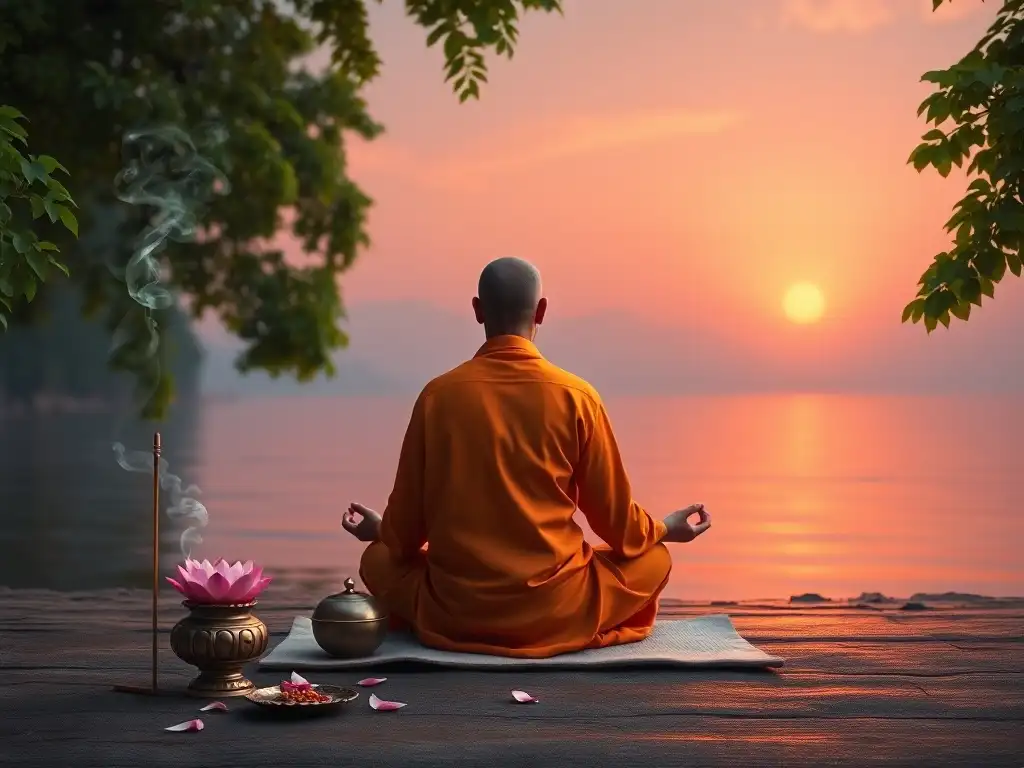
Karma, the law of cause and effect, is crucial in understanding the philosophy of death in Hinduism. Every action, thought, and intention generates karma, which influences not only the present life but also future existences. Positive actions lead to good karma and favorable rebirths, while negative actions result in bad karma, which can manifest as suffering in subsequent lives.
This belief system emphasizes personal responsibility and ethical living, reinforcing the idea that one's choices have profound implications on the journey through samsara. Thus, the philosophy of death in Hinduism is inextricably linked to the understanding of karma and its effects.
Moksha: Liberation from the Cycle of Birth and Death
Moksha is the ultimate goal in Hindu philosophy, representing liberation from the cycle of birth and death. It is achieved through self-realization, understanding the true nature of the self ( atman), and realizing its unity with the ultimate reality ( Brahman). This liberation is not merely the cessation of physical existence but is also a profound state of bliss and peace.
Various paths, including devotion ( bhakti), knowledge ( jnana), and disciplined practice ( yoga), serve as means to attain moksha. The pursuit of moksha reflects the recognition that death is not to be feared but understood as a transition toward spiritual fulfillment.
Rituals and Practices Surrounding Death in Hinduism
Hinduism encompasses a rich array of rituals and practices that honor the dead and navigate the complexities of mourning and remembrance. These rituals are not only acts of devotion but also serve to reinforce the community's beliefs regarding the afterlife and the soul's journey. The rituals surrounding death are deeply symbolic, reflecting the philosophical underpinnings of Hindu beliefs about life, death, and rebirth.
Death Rites and Funerary Practices
Death rites, or antyeshti, are significant events in Hindu culture, marked by specific rituals designed to ensure a smooth passage for the deceased's soul. The process often begins with the washing and dressing of the body, followed by a ceremony where relatives chant sacred verses. These rites are intended to honor the individual's life and facilitate a favorable rebirth. The rituals can vary widely depending on regional customs, family traditions, and specific sect beliefs, but they consistently emphasize the importance of ritual purity and ancestral homage.
The Role of the Family and Community in Mourning
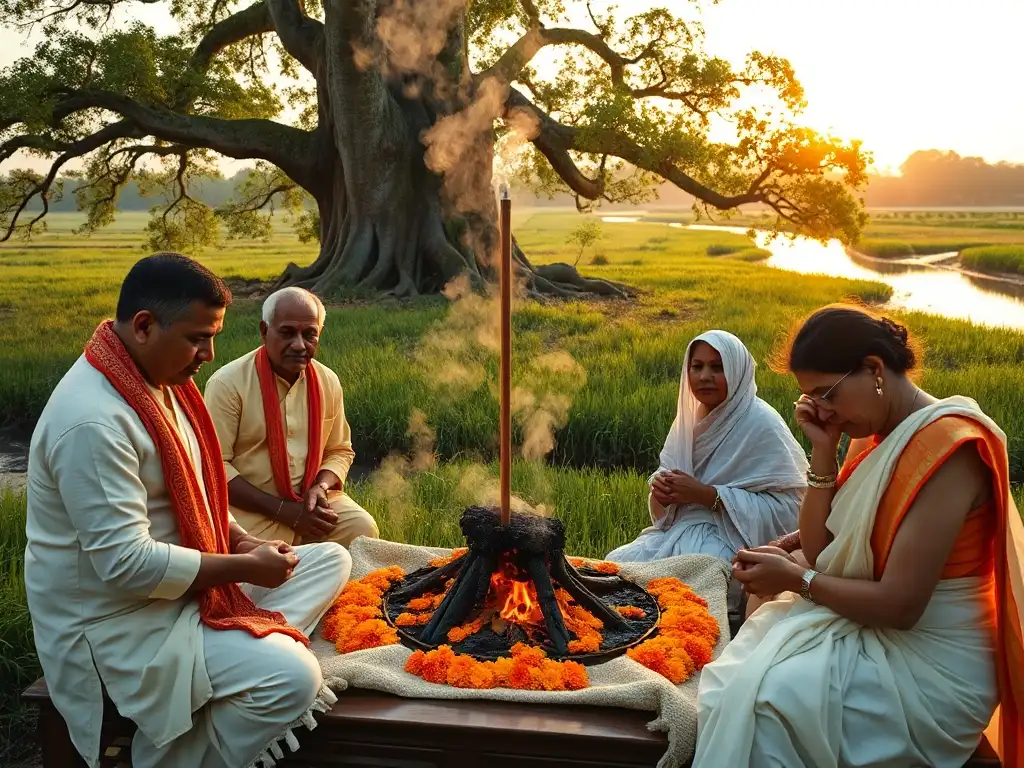
In Hinduism, the family and community play a vital role in the mourning process. Mourning rituals, or shraddha, are performed to honor the deceased and provide them with peace in their journey. The involvement of family is essential, as it reflects the interconnectedness of life and the support system that aids the grieving process. Community participation in these rituals fosters a sense of solidarity and collective remembrance, reinforcing social bonds and shared beliefs regarding life and death.
Significance of Cremation in Hindu Death Rituals
Cremation is the predominant method of disposing of the dead in Hinduism, symbolizing the release of the soul from the physical body. The act of cremation is believed to facilitate the soul's journey to the afterlife and its eventual rebirth. Traditionally, the body is placed on a pyre, and the eldest son or a close male relative performs the final rites, known as dharma.
The ashes are often scattered in sacred rivers, emphasizing the connection between the living and the divine. This practice reflects the belief in the impermanence of the physical form and the enduring nature of the soul, aligning with the core philosophical beliefs surrounding death in Hinduism.
Comparative Perspectives on Death in Hinduism
The philosophy of death in Hinduism offers a profound exploration of the nature of existence, the soul, and the afterlife. Central to Hindu thought is the belief in samsara, the cyclical process of birth, death, and rebirth, which is driven by karma. This understanding shapes how death is perceived—not as a final end but as a transitional phase in the soul's journey. Death is seen as an opportunity for liberation ( moksha) from the cycle of rebirth, allowing the soul to reunite with the divine.
Hindu texts, notably the Bhagavad Gita and the Upanishads, delve deeply into these concepts, emphasizing the impermanence of the physical body and the eternal nature of the soul. In this context, death is often viewed with acceptance and even reverence, as it forms a critical part of the soul's evolution. Rituals surrounding death, such as cremation and the performance of shraddha (rituals for the deceased), underscore the importance of honoring the departed while also acknowledging the continuity of life beyond death.
Contrasting Views of Death in Other Ancient Indian Religions
While Hinduism presents a unique perspective on death and the afterlife, other ancient Indian religions, such as Buddhism and Jainism, offer contrasting views. Buddhism, for instance, emphasizes the concept of anatta (non-self) and views death as an inevitable part of the life cycle that should be faced with detachment. Unlike Hinduism, which posits an eternal soul, Buddhism teaches that the self is an illusion, and thus, death is a natural cessation of the aggregates that constitute a being.
Jainism, on the other hand, shares similarities with Hinduism regarding the cycle of birth and rebirth but places significant emphasis on the individual's actions. For Jains, death is a critical juncture where one's accumulated karma determines the nature of future births. The goal is to achieve liberation by purifying the soul through right conduct, knowledge, and devotion.
These diverse views reflect the rich philosophical landscape of ancient Indian religions, showcasing the varied ways in which death is understood and approached.
Influence of Buddhism on Hindu Philosophical Views of Death
The interaction between Buddhism and Hinduism has led to a dynamic exchange of ideas regarding the philosophy of death. While Hinduism traditionally focuses on the eternal soul, Buddhism's emphasis on impermanence and the non-self has prompted some Hindu thinkers to reassess these concepts.
This influence can be observed in the development of the Bhakti movement, which emphasized personal devotion to deities and the idea of surrendering one's ego. Some Hindu texts began to incorporate Buddhist themes, such as the transient nature of life and the importance of compassion in dealing with the suffering associated with death.
Additionally, modern interpretations within Hinduism have increasingly embraced the Buddhist perspective on the interconnectedness of all beings, promoting a more universal understanding of death that transcends individual existence. This philosophical blending illustrates the adaptability of Hindu thought as it responds to other religious influences.
Contemporary Interpretations of Death in Hinduism
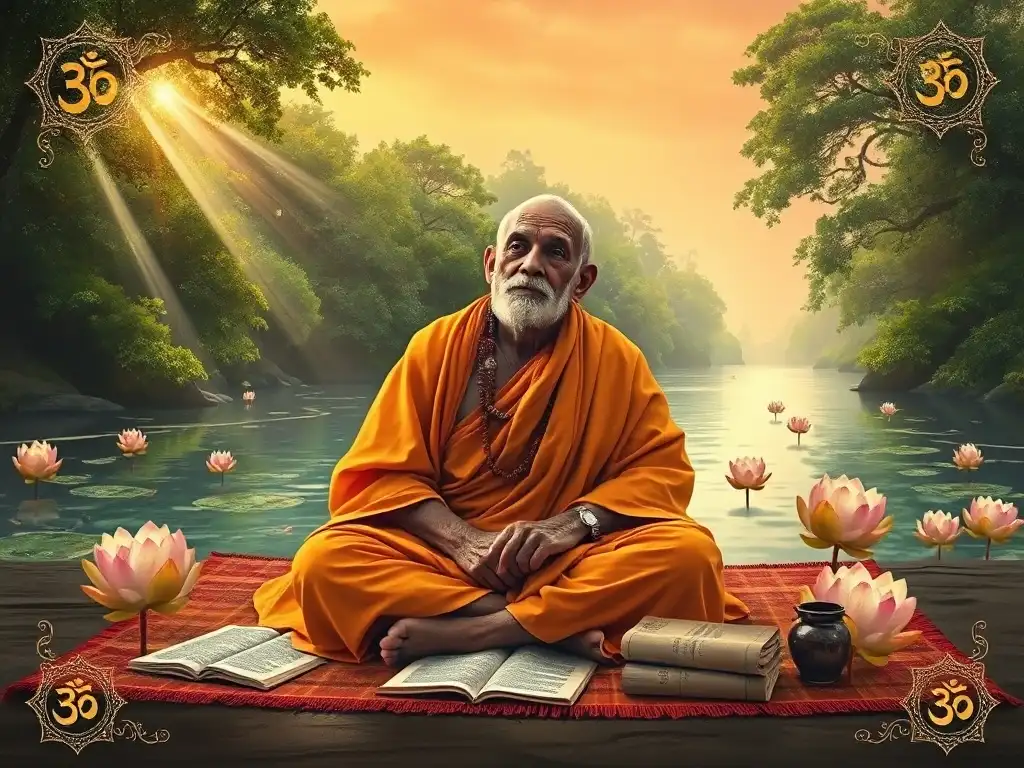
In contemporary society, the philosophy of death in Hinduism continues to evolve, engaging with modern philosophical discussions and cultural shifts. The traditional views on death are being reexamined in light of scientific advancements, psychological insights, and changing social norms.
Modern Philosophical Discussions on Death and Afterlife
Today, scholars and practitioners alike engage in dialogues that explore the implications of death and the afterlife within a modern context. Philosophers are increasingly interested in how ancient Hindu concepts can coexist with contemporary existential questions. Discussions often revolve around the meaning of life, the nature of consciousness, and the ethical implications of death.
The resurgence of interest in mindfulness and meditation practices rooted in Hindu philosophy also impacts contemporary interpretations of death. Many practitioners view death as an opportunity for personal growth and spiritual exploration, fostering a sense of peace and acceptance in the face of mortality.
The Impact of Globalization on Traditional Beliefs About Death
Globalization has significantly influenced traditional beliefs about death in Hinduism. As cultural exchanges become more common, Western ideas about death and dying are intermingling with Hindu philosophies. This has led to a shift in how individuals perceive death, with increasing emphasis on personal autonomy and the celebration of life rather than solely mourning.
Moreover, the rise of technology and social media has transformed how death is commemorated. Virtual memorials and online rituals are becoming commonplace, allowing families to connect with loved ones across distances. These changes indicate a dynamic evolution of beliefs about death in Hinduism, reflecting broader societal transformations while still honoring ancient traditions.
The philosophy of death in Hinduism remains a rich field of inquiry that adapts to contemporary challenges, preserving its core principles while engaging with new ideas and practices.
Conclusion: The Continuing Journey Beyond Death in Hindu Philosophy
The philosophy of death in Hinduism encompasses a rich tapestry of beliefs and teachings that guide individuals through the existential query of what lies beyond this life. Central to this exploration is the concept of moksha, or liberation, which signifies the end of the cycle of birth, death, and rebirth ( samsara). The ancient texts, including the Vedas, Upanishads, and the Bhagavad Gita, provide profound insights into the nature of the self ( atman), emphasizing that true understanding transcends the physical realm.
As one contemplates death, Hindu philosophy encourages a focus on the eternal aspect of existence rather than the transient nature of the material world. This perspective fosters a sense of acceptance and peace, as individuals recognize that death is not an end, but a transition to another state of being. The rituals surrounding death, such as shraddha and antyesti, further embody this philosophy, reinforcing the belief in the continuity of the soul's journey and the importance of honoring those who have passed.
Summary of Key Philosophical Insights
- The Nature of the Self: Hindu philosophy posits that the atman (soul) is eternal and distinct from the physical body. Death, therefore, is viewed as a mere transition rather than a finality.
- Samsara and Moksha: The cycle of birth and rebirth ( samsara) is central to Hindu thought. The ultimate goal is to attain moksha, which signifies liberation from this cycle and unity with the divine.
- Karma and Ethical Living: The philosophy of death is intricately linked to the concept of karma, where one's actions in life determine the nature of future existences. Ethical living is thus emphasized as a means to achieve better rebirths or ultimately reach moksha.
- Rituals and Beliefs: Hindu death rituals reflect the belief in the continuity of existence. Practices like shraddha serve to honor and facilitate the transition of the deceased's soul.
These insights collectively illustrate how Hindu philosophy provides a framework for understanding death that is both intellectually rigorous and spiritually enriching.
The Relevance of the Philosophy of Death in Modern Hindu Thought
In contemporary society, the philosophy of death in Hinduism continues to resonate, offering guidance in a world that often grapples with existential uncertainties. The teachings surrounding death, rebirth, and liberation encourage individuals to find meaning and purpose in their lives, fostering resilience in the face of loss and grief.
Modern Hindu thinkers and spiritual leaders often emphasize the importance of mindfulness and living in accordance with dharma (righteousness) as a way to prepare for the inevitable reality of death. This perspective not only alleviates the fear associated with death but also inspires a deeper appreciation for life itself.
Furthermore, as globalization and cultural exchanges increase, the universal themes found in the Hindu philosophy of death—such as the quest for meaning, the pursuit of ethical living, and the hope for transcendence—find relevance across diverse contexts, inviting dialogue and contemplation among various philosophical and spiritual traditions.
References and Further Reading on the Philosophy of Death in Hinduism
- The Bhagavad Gita: A foundational text that discusses duty, righteousness, and the eternal nature of the soul.
- The Upanishads: Philosophical texts that explore the nature of reality, the self, and the cosmos.
- Hinduism: A Very Short Introduction by Kim Knott: An accessible overview of Hindu beliefs, practices, and philosophies, including those related to death.
- Death and Afterlife in Hinduism by Sudhir Kakar: This book examines the rituals, beliefs, and psychological aspects of death in the Hindu tradition.
- Moksha: The Concept of Liberation in Hinduism by R. C. Dutt: An exploration of the idea of liberation and its implications for understanding life and death.
These resources provide further insights into the intricate relationship between Hindu philosophy and the concept of death, enriching the reader's understanding of this profound topic.
- Introduction to the Philosophy of Death in Hinduism
- Historical Context of Death in Hinduism
- Core Philosophical Beliefs Regarding Death
- The Cycle of Life and Death: Samsara
- Karma and Its Role in the Philosophy of Death
- Moksha: Liberation from the Cycle of Birth and Death
- Rituals and Practices Surrounding Death in Hinduism
- Death Rites and Funerary Practices
- The Role of the Family and Community in Mourning
- Significance of Cremation in Hindu Death Rituals
- Comparative Perspectives on Death in Hinduism
- Contemporary Interpretations of Death in Hinduism
- Conclusion: The Continuing Journey Beyond Death in Hindu Philosophy
- References and Further Reading on the Philosophy of Death in Hinduism
Frequently Asked Questions
What is the philosophy of death in Hinduism?
The philosophy of death in Hinduism revolves around the belief in reincarnation and the soul's journey after physical demise. Death is viewed as a transition rather than an end.
How does karma relate to death in Hindu beliefs?
In Hinduism, karma plays a crucial role in determining the soul's next life. Good deeds lead to favorable rebirths, while negative actions can result in suffering in future existences.
What significance does the ritual of cremation hold in Hindu culture?
Cremation is significant in Hinduism as it is believed to liberate the soul from the physical body, allowing it to move on to its next life. This practice embodies respect for the cycle of life and death.
Are there different philosophical views on death within various Hindu traditions?
Yes, various Hindu traditions, such as Advaita Vedanta and Bhakti, offer different perspectives on death. Some emphasize non-duality and the illusion of the material world, while others focus on devotion and surrender to the divine.
How does the concept of moksha relate to death?
Moksha, or liberation, is the ultimate goal in Hinduism, signifying the release from the cycle of birth and death. Achieving moksha means transcending worldly existence and uniting with the divine.
Final Reflection: Embracing the Philosophy of Death in Hinduism
The exploration of death in Hindu philosophy offers profound insights that resonate deeply in our contemporary lives. As we navigate a world filled with uncertainty and change, understanding the cyclical nature of existence, as articulated in Hindu beliefs, can provide solace and clarity. The notion that death is not an end but a transition invites us to reconsider our relationship with mortality and the impermanence of life.
Hinduism's rich philosophical tapestry continues to shape our cultural and social landscapes, encouraging us to confront the inevitable with grace and acceptance. The teachings surrounding karma, dharma, and the soul's journey through reincarnation remind us that our actions have lasting consequences, not just for ourselves but for the collective. Death is not the opposite of life, but a part of it.
This perspective fosters a deeper appreciation for the present moment, urging us to live with intention and compassion.
As you reflect on the insights shared in this article, consider how the philosophy of death in Hinduism can inspire you to embrace life more fully. Take a moment to contemplate your own beliefs about mortality and the legacy you wish to leave behind. By integrating these teachings into your daily life, you can cultivate a sense of peace and purpose, transforming your understanding of death into a powerful motivator for living authentically and meaningfully.
Embrace the Journey: Discover the Wisdom Beyond Death
Thank you for joining us on this enlightening exploration of how Hinduism contemplates the profound subject of death. Through understanding its philosophies, you have gained valuable insights that can transform your perspective on life and the hereafter. Now, let's take those insights and put them into action!
Here are a few steps you can take to deepen your understanding and strengthen your connection to this ancient wisdom:
- Reflect on your beliefs about life and death: Take a moment to journal about your reflections. What resonates with you? Consider meditating on these themes to cultivate inner peace.
- Engage with a community: Explore local or online discussion groups focused on Hindu philosophy or spirituality. Sharing thoughts with others can broaden your understanding and provide fresh perspectives.
- Share your insights: Don’t keep this knowledge to yourself! Discuss what you’ve learned with friends or family, or write a post to inspire others in your social circles.
What is one profound insight about death that you believe can reshape how we live our lives today?