
The Interplay of Bhakti and Jnana: Paths to Divine Understanding


Welcome to Ancient India History, where we embark on a fascinating journey through the rich tapestry of ancient Indian civilizations. Dive into the intricate relationships between spirituality and knowledge as we explore "Bhakti and Jnana in Ancient India." In this enlightening article, discover how these two profound paths shaped the spiritual landscape of the subcontinent and led countless seekers toward divine understanding. What secrets lie within the interplay of devotion and wisdom? Join us as we unravel the complexities of ancient Indian religions and their enduring influence on today's world.
Introduction to Bhakti and Jnana in Ancient India
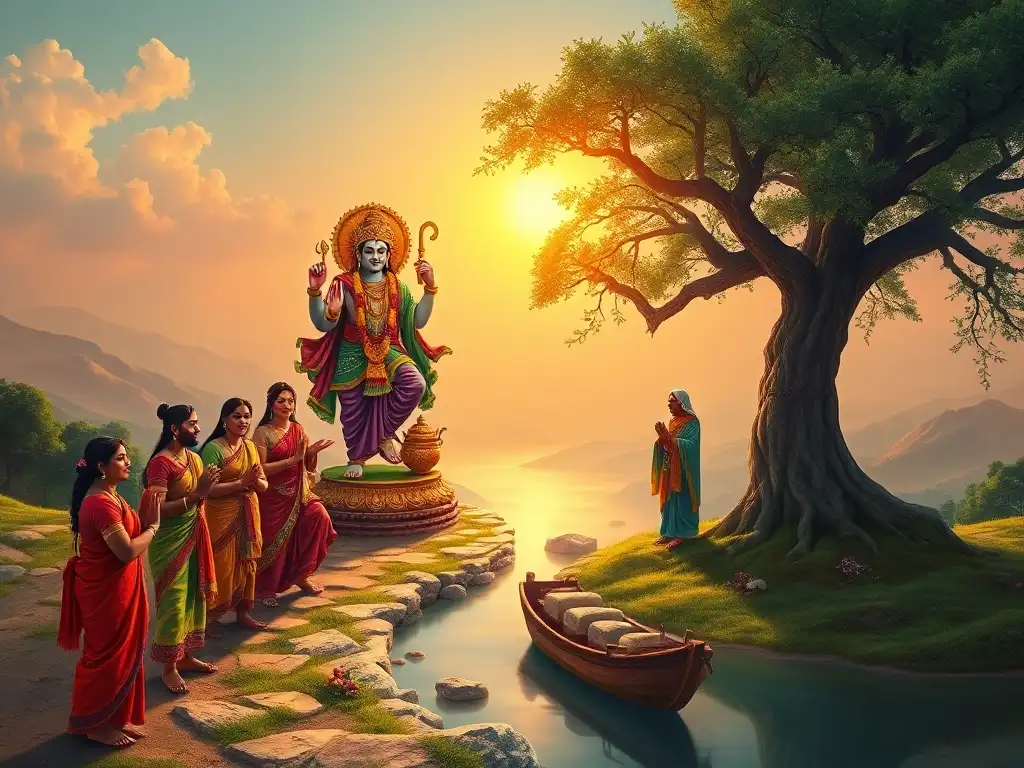
The philosophical landscape of ancient India is rich and diverse, characterized by a profound exploration of spirituality and the nature of the divine. Among the most significant themes that emerged during this period are the concepts of Bhakti and Jnana. These two paths represent distinct yet complementary approaches to understanding and experiencing divinity.
Bhakti, often translated as devotion, emphasizes a personal and emotional connection with the divine, encouraging individuals to cultivate love and surrender to a chosen deity. In contrast, Jnana, meaning knowledge or wisdom, focuses on the intellectual pursuit of truth, urging seekers to engage in rigorous philosophical inquiry and self-reflection.
Throughout ancient Indian history, these two paths have played a crucial role in shaping religious practices and philosophical thought. The interplay between Bhakti and Jnana reflects the dynamic dialogue within Hinduism, where emotional devotion and intellectual understanding coalesce to foster a more profound comprehension of existence and spirituality. This article explores the significance of Bhakti and Jnana in ancient India, highlighting their contributions to the spiritual tapestry of Hindu philosophy and their enduring influence on contemporary practices.
The Significance of Bhakti and Jnana in Hindu Philosophy
In the realm of Hindu philosophy, the significance of Bhakti and Jnana cannot be overstated. Bhakti, as a path of devotion, emphasizes the importance of personal relationships with the divine. This emotional engagement fosters a sense of belonging and community among practitioners, often leading to the formation of devotional movements that transcend social and cultural barriers.
The Bhakti movement, which gained momentum from the 7th century onwards, saw the emergence of numerous saints and poets who expressed their devotion through lyrical poetry, music, and dance. Notable figures such as Tulsidas, Mirabai, and Kabir played pivotal roles in popularizing Bhakti, making spirituality accessible to the masses and encouraging a more inclusive understanding of religion.
On the other hand, Jnana represents a more analytical approach to spirituality, emphasizing the pursuit of knowledge and wisdom as a means to attain liberation. It invites seekers to question the nature of reality, the self, and the universe through philosophical discourse and meditation. Texts such as the Upanishads and the Bhagavad Gita illustrate the profound insights of Jnana, discussing concepts like Brahman (the ultimate reality) and Atman (the individual soul). The synthesis of Jnana with Bhakti has often led to a holistic understanding of spirituality, where knowledge and devotion work in tandem to lead practitioners towards ultimate truth.
The interplay of Bhakti and Jnana represents a rich tapestry of beliefs and practices that have shaped the spiritual landscape of ancient India. By exploring these paths, we can gain a deeper appreciation for the profound philosophical contributions of Hinduism and their relevance in contemporary spiritual discourse.
- Introduction to Bhakti and Jnana in Ancient India
- The Significance of Bhakti and Jnana in Hindu Philosophy
Understanding Bhakti: The Path of Devotion
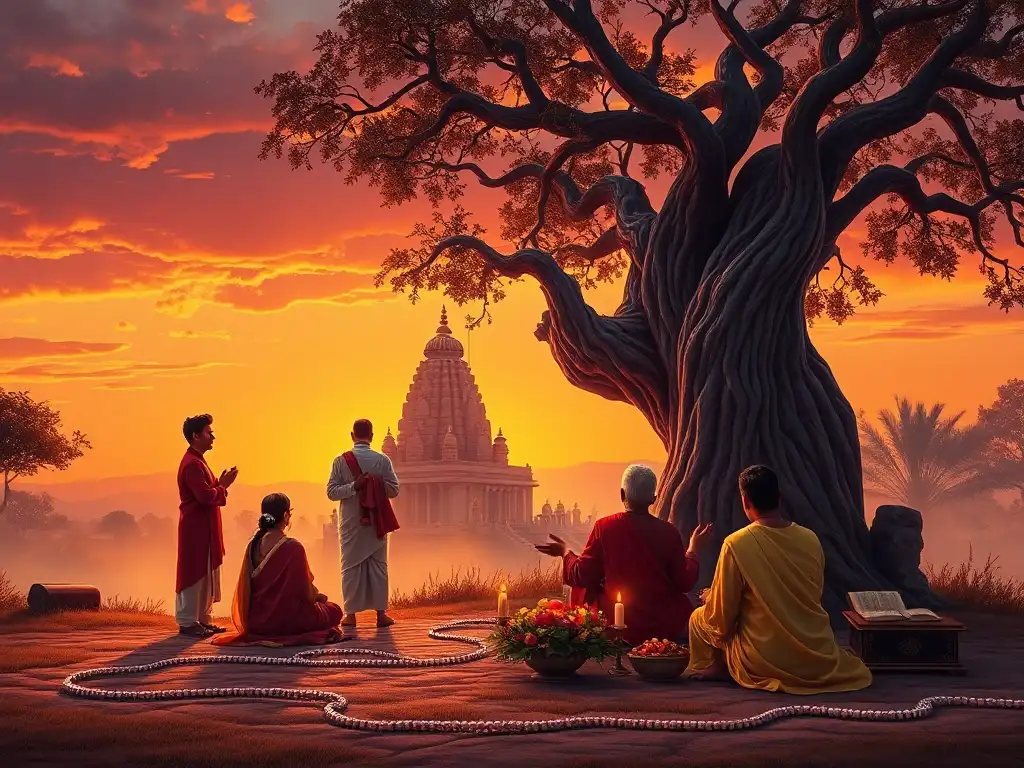
The concept of Bhakti, or devotion, is a significant aspect of Hindu spirituality and philosophy. It represents a personal, emotional connection to the divine, which contrasts with more intellectual approaches to spirituality such as Jnana, or knowledge. Bhakti encourages practitioners to cultivate a profound love and devotion toward a personal deity, fostering an intimate relationship that transcends mere ritualistic practices. This path emphasizes surrender, emotional devotion, and the belief that divine grace can be attained through heartfelt worship.
Defining Bhakti: Key Concepts and Principles
Bhakti is rooted in several key concepts that shape its practice and understanding:
- Personal Relationship with the Divine: Unlike other spiritual paths that may focus on abstract principles or impersonal forms of divinity, Bhakti emphasizes a direct and personal relationship with a chosen deity. This could range from deities like Krishna, Rama, or Shiva to goddesses like Durga or Lakshmi.
- Emotional Expression: Bhakti places a strong emphasis on emotional expression in worship. This can manifest in various forms such as singing hymns, chanting, dancing, and storytelling, allowing devotees to express their love and devotion freely.
- Inclusivity: Bhakti movements historically aimed to transcend societal barriers, including caste and gender. This inclusivity allowed people from various backgrounds to engage with spirituality without the constraints of traditional hierarchies.
- Surrender and Grace: A central tenet of Bhakti is the idea of surrendering to divine will. Devotees believe that through total surrender, they can receive divine grace, which is essential for spiritual liberation.
Historical Roots of Bhakti in Ancient Indian Texts
The roots of Bhakti can be traced back to ancient Indian texts, where it gradually evolved as a distinct spiritual path.
- Vedic Literature: Early references to devotional practices can be found in the Vedas, where hymns of praise (Suktas) are addressed to various deities. These texts highlight the importance of reverence and ritualistic worship.
- The Upanishads: The philosophical treatises of the Upanishads began to hint at a more personal approach to spirituality, suggesting that understanding the divine could be achieved through love and devotion, rather than solely through knowledge.
- Bhakti Sutras: Texts like the Bhakti Sutras of Narada further elaborate on the principles of Bhakti, defining it as a means to attain liberation through devotion and love for God.
- Puranas: The Puranas, with their rich narratives about the lives and exploits of deities, played a crucial role in popularizing Bhakti. They provided a vast array of stories that devotees could relate to, fostering a personal connection with the divine.
Prominent Figures in Bhakti Movement
The Bhakti movement saw the emergence of numerous saints and poets who played pivotal roles in advocating and disseminating the principles of devotion across ancient India.
The Role of Saints and Poets in Bhakti
- Ramanuja (1017-1137 CE): A theologian who emphasized the importance of loving devotion to God. He advocated for the concept of Vishishtadvaita (qualified non-dualism), arguing for a personal relationship with the divine.
- Kabir (1440-1518 CE): A mystic poet whose verses criticized ritualistic practices and emphasized the importance of inner devotion and direct experience of God. His teachings transcended religious boundaries, appealing to Hindus and Muslims alike.
- Mirabai (1498-1547 CE): A Rajput princess and poetess, Mirabai's passionate love for Krishna resonated deeply with her followers. Her poetry emphasized the depths of devotion and the trials of a devotee.
- Tulsidas (1532-1623 CE): Renowned for his epic poem Ramcharitmanas, Tulsidas's work popularized the worship of Lord Rama and reinforced the ideals of devotion in everyday life.
Influence of Bhakti on Society and Culture
The Bhakti movement significantly influenced various aspects of society and culture in ancient India:
- Social Reform: Bhakti challenged the rigid caste system, promoting the idea that devotion is accessible to all, regardless of social status. This led to greater social cohesion and a sense of community among diverse groups.
- Literary Contributions: The movement inspired a rich body of literature in regional languages, making spiritual teachings more accessible to the masses. This democratization of knowledge allowed for the flourishing of local cultures and dialects.
- Art and Music: Bhakti also inspired various forms of artistic expression, including devotional music (Bhajans and Kirtans), dance, and painting, which celebrated the divine and expressed the emotional intensity of devotion.
- Pilgrimage Practices: The establishment of pilgrimage sites dedicated to various deities facilitated communal gatherings and strengthened the bonds of devotion across different regions.
The interplay of Bhakti and Jnana in ancient India reflects a profound spiritual landscape where devotion and knowledge coexisted and complemented each other, ultimately enriching the cultural and spiritual fabric of Hinduism.
Exploring Jnana: The Path of Knowledge
Defining Jnana: Key Concepts and Principles
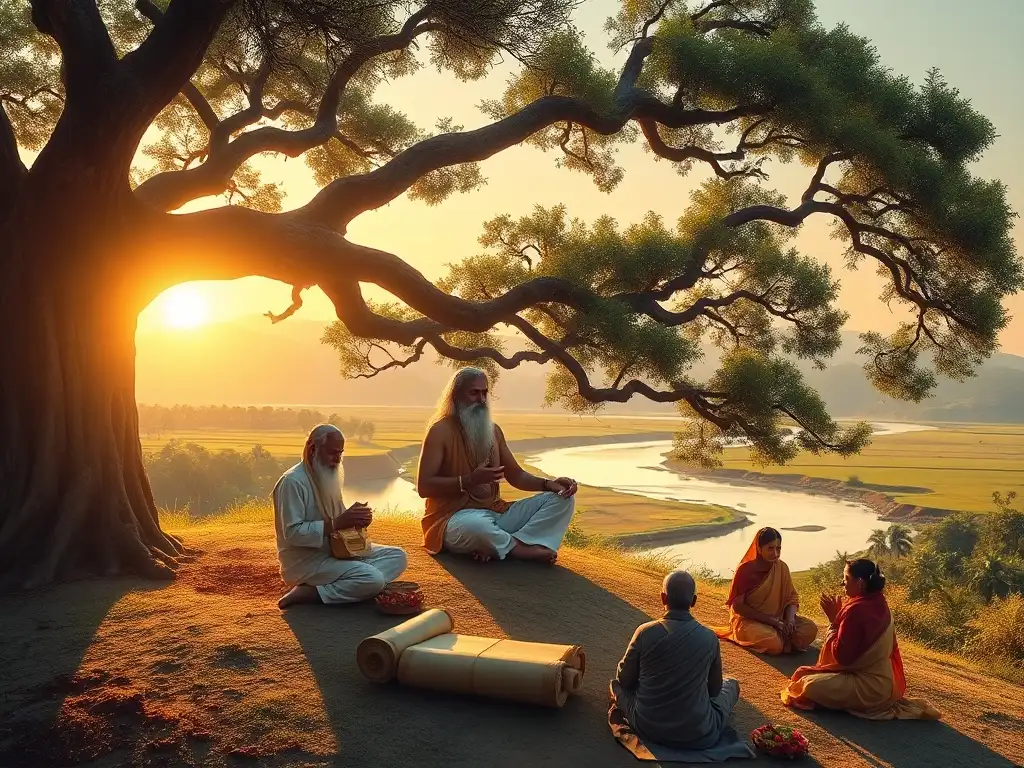
Jnana, often translated as "knowledge," is a central tenet in the philosophical landscape of ancient India, particularly within the context of Hinduism. Unlike conventional knowledge, which is often associated with the acquisition of facts and information, Jnana embodies a deeper, transformative understanding of the self and the universe. It emphasizes the following key concepts:
- Self-Realization: Jnana is intrinsically linked to the concept of Atman, the true self, which is believed to be identical to Brahman, the ultimate reality. This realization is the culmination of spiritual inquiry and introspection.
- Discrimination (Viveka): A critical principle of Jnana is the ability to discern between the eternal (the self) and the temporary (the material world). This discrimination is essential for liberation ( moksha).
- Direct Experience: Jnana advocates that true knowledge comes from personal experience and spiritual practice, rather than mere intellectual understanding or dogma.
This philosophical approach to knowledge serves as a counterbalance to the emotional devotion found in Bhakti, creating a comprehensive framework for understanding the divine.
Historical Development of Jnana in Ancient India
The evolution of Jnana philosophy in ancient India can be traced through several key periods, each contributing to its depth and complexity:
- Vedic Period (1500-500 BCE): The roots of Jnana can be found in the early Vedic texts, where rituals and hymns were predominant. However, philosophical questions began to emerge regarding the nature of existence and the self.
- Upanishadic Period (800-200 BCE): This era marked a significant shift from ritualistic practices to introspective inquiry. The Upanishads, composed during this time, laid the groundwork for Jnana by exploring concepts such as Brahman, Atman, and the nature of reality.
- Classical Period (200 BCE-800 CE): Various philosophical schools, including Advaita Vedanta, emerged during this period, refining and expanding upon Jnana. Thinkers like Adi Shankaracharya synthesized earlier teachings into coherent philosophical systems that emphasized non-duality.
- Medieval Period and Beyond (800 CE-Present): Jnana continued to evolve with the introduction of new interpretations and the interplay with Bhakti. The synthesis of these paths became a focal point in later philosophical explorations.
Major Texts and Philosophers of Jnana
The Upanishads and Their Influence
The Upanishads are seminal texts in the development of Jnana philosophy, forming the concluding part of the Vedic literature. They delve into metaphysical questions and emphasize the importance of meditative practices and self-inquiry. Key themes include:
- Unity of Atman and Brahman: The assertion that the individual self (Atman) and the universal essence (Brahman) are one and the same, leading to the famous declaration, "Tat Tvam Asi" ("That Thou Art").
- Meditative Practices: The Upanishads advocate for meditation as a means to attain Jnana, with techniques aimed at quieting the mind and fostering enlightenment.
The influence of the Upanishads extended throughout Indian philosophy and continues to inspire spiritual seekers to this day.
Contributions of Advaita Vedanta and Other Schools
Advaita Vedanta, founded by Adi Shankaracharya, is perhaps the most influential school of Jnana philosophy. It articulates the concept of non-duality and argues that:
- Illusion of Duality: The perception of duality between self and the divine is an illusion ( Maya), and only through Jnana can one realize the ultimate truth of non-duality.
- Path of Knowledge: Shankaracharya emphasized the importance of Jnana Yoga, the path of knowledge, as a means to achieve liberation.
Other schools, such as Buddhism and Jainism, also contributed to the discourse on Jnana, albeit with different interpretations. For instance, Buddhism focuses on the concept of emptiness (Śūnyatā) and the cessation of suffering through knowledge, while Jainism emphasizes right knowledge ( Samyag Jnana) as a means to liberation.
The interplay of Jnana, particularly in its various historical contexts and philosophical developments, offers a profound understanding of the quest for knowledge and self-realization in ancient India, distinctly complementing the devotional path of Bhakti.
The Interrelationship Between Bhakti and Jnana
Comparative Analysis of Bhakti and Jnana
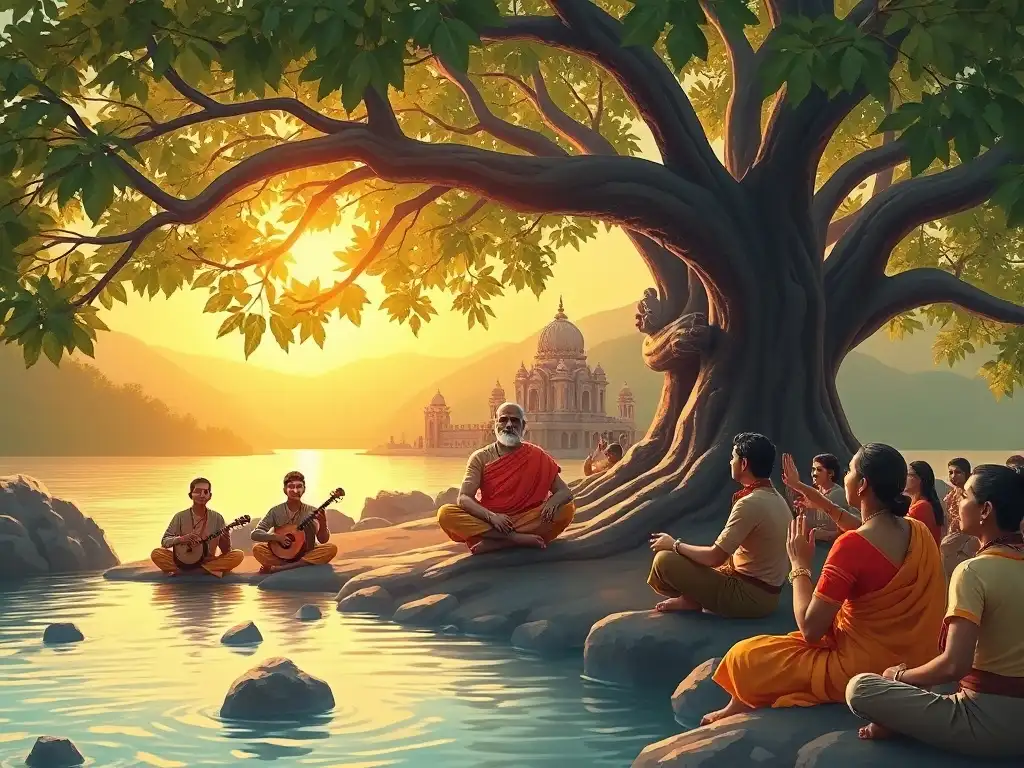
Bhakti and Jnana represent two fundamental pathways within Hindu philosophy, each offering unique insights and practices aimed at attaining divine understanding. While both paths ultimately strive toward the same goal—moksha, or liberation—there are distinct characteristics that define their approaches and philosophies.
Similarities in Goals: Divine Understanding and Liberation
Both Bhakti and Jnana seek to achieve a profound understanding of the divine and the realization of one's true self. The ultimate aim is liberation from the cycle of birth and death (samsara), leading to eternal union with the divine.
- Moksha: Both paths emphasize the importance of moksha as the ultimate goal. In Bhakti, the focus is on surrendering to a personal deity, while in Jnana, liberation is sought through self-realization and understanding the nature of reality.
- Unity with the Divine: Practitioners of both paths believe in the concept of unity with the divine. Bhakti practitioners express this through devotion and love for a personal god, while Jnana practitioners seek to understand the impersonal Brahman or ultimate reality.
- Ethical Living: Both emphasize ethical conduct and virtues. Compassion, truthfulness, and selflessness are integral to both Bhakti and Jnana, helping practitioners cultivate a life conducive to spiritual growth.
Differences in Approach: Emotion vs. Intellect
While Bhakti and Jnana share similar goals, their methodologies diverge significantly.
- Bhakti: This path is characterized by emotional devotion and personal connection to a deity. It involves practices such as chanting, prayer, and ritual worship. The emotional engagement fosters a sense of belonging and love for the divine.
- Jnana: In contrast, Jnana emphasizes intellectual inquiry and philosophical exploration. It involves studying scriptures, engaging in contemplation, and practicing meditation to understand the nature of reality and the self. The focus is on discernment and wisdom through contemplation and analysis.
Synergy Between Bhakti and Jnana
Despite their differences, Bhakti and Jnana are not mutually exclusive; rather, they can effectively complement each other in the pursuit of spiritual enlightenment.
How Devotion Enhances Knowledge
The emotional aspect of Bhakti can significantly enrich the intellectual pursuit of Jnana. Devotion stimulates a profound sense of love and surrender, which can open the heart to deeper insights and revelations.
- Inspiration through Love: Devotional practices often inspire practitioners to seek knowledge about their beloved deity and the nature of existence. This emotional drive can lead to a more profound understanding of spiritual truths.
- Experiential Knowledge: Bhakti can lead to direct experiences of the divine, which are often described as transformative. Such experiences can deepen intellectual understanding, as practitioners may find themselves grasping concepts that were previously abstract or elusive.
The Role of Knowledge in Deepening Devotion
Conversely, knowledge gained through Jnana can enhance the depth of devotion in Bhakti. Understanding the philosophical underpinnings of devotion can lead to a more profound commitment and sincerity in one's practices.
- Intellectual Appreciation: Knowledge about the scriptures and philosophical concepts can help devotees appreciate the significance of their practices, fostering a deeper connection with the divine.
- Critical Reflection: Jnana encourages practitioners to engage in critical reflection about their beliefs and experiences, allowing for a more mature and informed devotion that can withstand challenges and doubts.
The interplay between Bhakti and Jnana in ancient Indian philosophy illustrates a dynamic relationship where emotion and intellect enrich one another. Together, they offer a holistic approach to understanding the divine, guiding seekers toward liberation and ultimate truth.
The Relevance of Bhakti and Jnana in Contemporary Hinduism
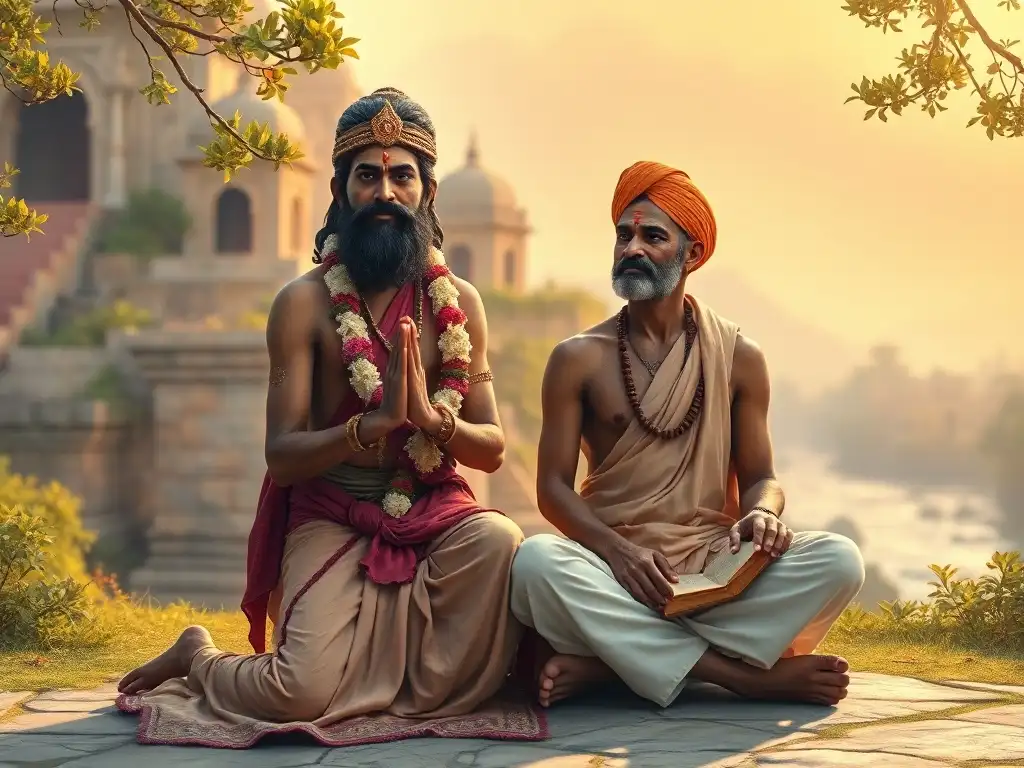
The concepts of Bhakti and Jnana, originating in ancient Indian philosophy, continue to hold significant relevance in contemporary Hinduism. These two paths offer distinct yet complementary approaches to understanding the divine, shaping the spiritual landscape for millions of practitioners today. While Bhakti emphasizes devotion and emotional connection to a personal deity, Jnana focuses on knowledge, wisdom, and the pursuit of understanding the ultimate reality (Brahman). This interplay not only enriches individual spiritual journeys but also fosters a sense of community and shared beliefs among diverse sects within Hinduism.
In modern times, the integration of Bhakti and Jnana reflects a holistic approach to spirituality. Many contemporary practitioners blend these paths, finding balance between heartfelt devotion and intellectual inquiry. This synthesis is seen in various forms, including devotional literature, rituals, and philosophical discussions, which engage both the heart and mind. As a result, the relevance of Bhakti and Jnana extends beyond personal spirituality, influencing broader cultural and social dynamics within Hindu communities.
Modern Interpretations of Bhakti and Jnana
Modern interpretations of Bhakti and Jnana often arise from the need to contextualize ancient teachings within the framework of contemporary life. Various sects and spiritual leaders have adapted these concepts to resonate with the challenges and aspirations of present-day practitioners. For instance, the Bhakti movement, which emphasized personal devotion to God, has evolved to include diverse expressions such as music, dance, and art, making spirituality accessible and relatable to a broader audience.
In the realm of Jnana, contemporary thinkers have sought to reinterpret ancient texts and philosophies, making them relevant to current philosophical debates and scientific understandings. For example, the integration of quantum physics and Vedanta has sparked discussions on the nature of reality and consciousness, attracting those who seek to reconcile spirituality with modern science. This dialogue between ancient wisdom and contemporary thought enables practitioners to explore the depths of Jnana while remaining grounded in Bhakti.
Moreover, social movements have emerged that emphasize the ethical implications of Bhakti and Jnana, advocating for social justice, environmental sustainability, and communal harmony. By interpreting these paths through a modern lens, practitioners are not only deepening their spiritual understanding but also actively contributing to societal transformation.
The Impact of Bhakti and Jnana on Contemporary Spiritual Practices
The impact of Bhakti and Jnana on contemporary spiritual practices is profound and multifaceted. One of the most significant influences is the rise of spiritual communities that celebrate both paths. These communities often host workshops, retreats, and gatherings that encourage participants to explore Bhakti and Jnana through meditation, chanting, and philosophical inquiry. Such activities foster a sense of belonging and provide support for individuals on their spiritual journeys.
Additionally, the proliferation of digital media has facilitated the spread of Bhakti and Jnana teachings. Online platforms allow for the sharing of devotional songs, lectures, and discussions that reach a global audience. This accessibility has enabled individuals from various backgrounds to engage with these concepts, leading to a resurgence of interest in ancient practices and philosophies.
Furthermore, the blending of Bhakti and Jnana in contemporary spiritual practices often manifests in yoga and mindfulness practices. Many modern yoga schools incorporate elements of devotion alongside philosophical teachings, creating a holistic approach to well-being that nurtures both the body and the spirit. Practitioners find that this integration enhances their experience, allowing them to cultivate a deeper connection to themselves and the divine.
The interplay of Bhakti and Jnana in contemporary Hinduism enriches the spiritual landscape by providing diverse avenues for exploration and understanding. As practitioners navigate their spiritual paths, they draw on the wisdom of ancient traditions while adapting to the realities of modern life, ensuring that these paths remain vibrant and relevant for future generations.
Conclusion: The Harmonious Paths to Divine Understanding
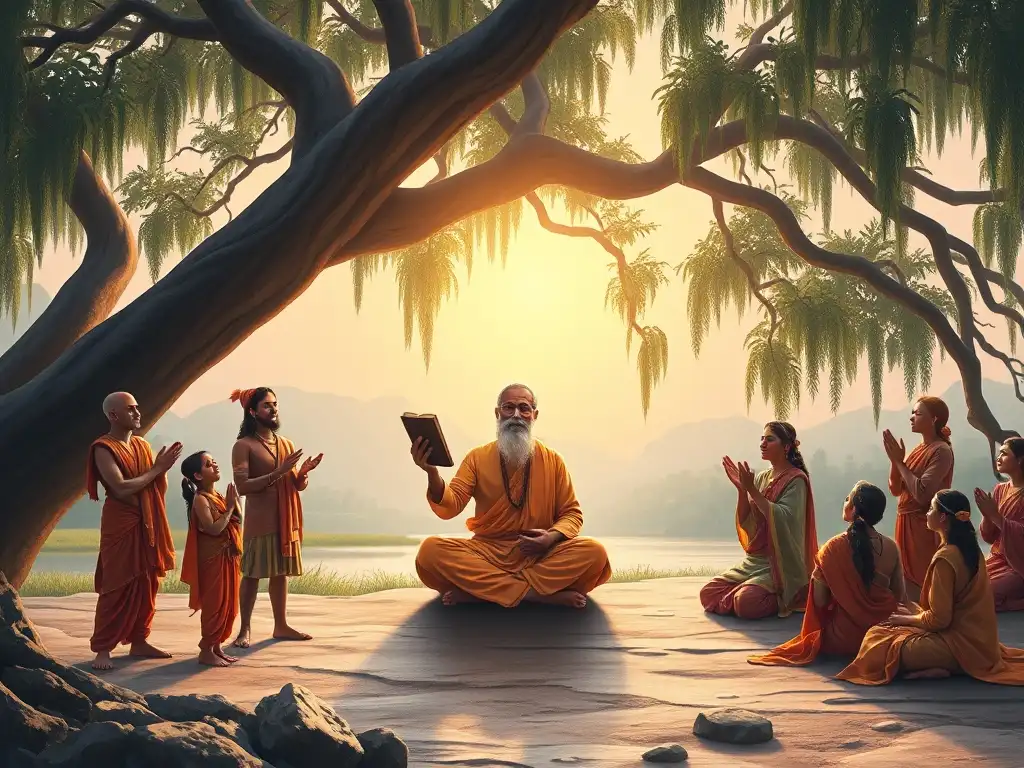
Summary of Bhakti and Jnana's Contributions to Hindu Thought
The concepts of Bhakti and Jnana represent two integral paths within Hindu philosophy that have shaped the spiritual landscape of ancient India. Bhakti, the path of devotion, emphasizes a personal relationship with the divine, characterized by love, surrender, and unwavering faith. This approach democratizes spirituality, making it accessible to all, regardless of caste, gender, or social status. Key figures such as Ramanuja and Mirabai exemplified Bhakti through their passionate devotion, inspiring countless followers.
On the other hand, Jnana, or knowledge, focuses on the pursuit of wisdom and understanding of the self and the universe. It seeks to unravel the nature of reality through meditation, study, and intellectual inquiry. Philosophers like Adi Shankaracharya advanced Jnana by interpreting the Upanishads and advocating for the non-dualistic understanding of Brahman, the ultimate reality.
Both paths contribute significantly to Hindu thought, offering complementary approaches to achieving moksha (liberation). While Bhakti fosters emotional connection and communal harmony, Jnana cultivates introspection and philosophical insight. Together, they illustrate the multifaceted nature of spirituality in ancient India, enabling practitioners to engage with the divine in ways that resonate deeply with their personal experiences and aspirations.
Final Thoughts on the Interplay of Devotion and Knowledge in Ancient India
The interplay between Bhakti and Jnana is a testament to the richness of spiritual exploration in ancient India. These paths, though distinct, often overlapped, creating a dynamic dialogue between emotion and intellect. The synthesis of devotion and knowledge allowed seekers to approach the divine through multiple lenses, enriching their understanding and experience of spirituality.
In various texts and teachings, we see the integration of Bhakti and Jnana, as exemplified by the Bhagavad Gita, where Lord Krishna imparts wisdom not just through philosophical discourse but also emphasizes the importance of devotion. This holistic approach encourages individuals to embrace both paths, recognizing that emotional fervor and intellectual clarity can coexist harmoniously.
The legacy of Bhakti and Jnana continues to influence contemporary spiritual practices in India and beyond. Their profound impact on Hinduism reflects a broader understanding of the divine, inviting individuals to explore their own unique paths to enlightenment. As we delve into the depths of these philosophies, we uncover a timeless wisdom that resonates with seekers across generations, reminding us that the quest for divine understanding is both a personal journey and a shared human experience.
Frequently Asked Questions
What are Bhakti and Jnana in ancient Indian philosophy?
Bhakti refers to the devotional path focused on love and devotion to a personal god, while Jnana emphasizes the pursuit of knowledge and wisdom, aiming for spiritual liberation through understanding.
How did Bhakti contribute to ancient Indian culture?
Bhakti played a pivotal role in shaping literature, music, and art, fostering a sense of community and devotion that transcended social barriers, while promoting spiritual inclusivity.
What is the relationship between Bhakti and Jnana?
These two paths are often seen as complementary; Bhakti provides emotional connection and devotion, while Jnana offers intellectual understanding, together leading to a more profound spiritual experience.
Which ancient texts discuss Bhakti and Jnana?
Key texts include the Bhagavad Gita, which integrates both paths, and the Upanishads, which delve into philosophical inquiry and the nature of reality in relation to divine understanding.
How did the Gupta Empire influence Bhakti and Jnana practices?
The Gupta Empire saw a flourishing of religious thought and artistic expression, promoting both Bhakti and Jnana through temple architecture and scholarly activities, which allowed these philosophies to reach wider audiences.
Final Reflection: Embracing the Harmony of Bhakti and Jnana
The interplay of Bhakti and Jnana remains profoundly relevant in today's quest for spiritual understanding and fulfillment. In a world increasingly driven by material pursuits and superficial connections, the ancient wisdom of these two paths offers a beacon of hope and direction. The essence of Bhakti, with its emphasis on devotion and love, combined with the introspective nature of Jnana, creates a holistic approach to understanding the divine that resonates deeply with our contemporary struggles for meaning and connection.
The cultural and social landscapes of our time are heavily influenced by the teachings of Bhakti and Jnana, which continue to inspire countless individuals on their spiritual journeys. The devotion seen in Bhakti movements fosters community and belonging, while the pursuit of Jnana encourages critical thinking and self-inquiry. Together, they remind us that the path to divine understanding is not one-dimensional but rather a rich tapestry woven from various threads of experience and insight. The true seeker of knowledge is one who understands that love and wisdom are two sides of the same coin.
As we reflect on the lessons of Bhakti and Jnana, let us invite ourselves to integrate these teachings into our daily lives. Consider how you can cultivate a deeper sense of devotion in your relationships while simultaneously seeking wisdom through introspection and learning. The journey toward divine understanding is not just a personal endeavor; it is a collective awakening that calls for each of us to contribute our unique perspectives and experiences. Embrace this harmonious interplay, and let it guide you toward a more profound connection with the divine and with one another.
Embrace Your Spiritual Journey Today!
Thank you for exploring the profound interplay of **devotion** and **knowledge** with us! You've uncovered invaluable perspectives on how these paths guide us toward a deeper understanding of the divine. Now, it's time to transform that knowledge into meaningful action.
Here are your next steps to deepen your spirituality and enhance your understanding:
- Reflect Daily: Set aside a few moments each day for introspection. Consider how devotion and knowledge manifest in your life, and practice gratitude for the lessons you learn.
- Engage with Community: Join local or online spiritual groups to share your insights and experiences. Discussing your journey can enrich your understanding and inspire others along their paths.
- Seek Wisdom: Read texts that delve deeper into these philosophies. Challenge yourself to explore one new book or lecture each month to broaden your spiritual perspective.
What insights have you gained from your exploration of devotion and knowledge that could shape your spiritual journey? We’d love to hear your thoughts!