
5 Mistakes to Avoid When Purchasing Indian Silk Textiles

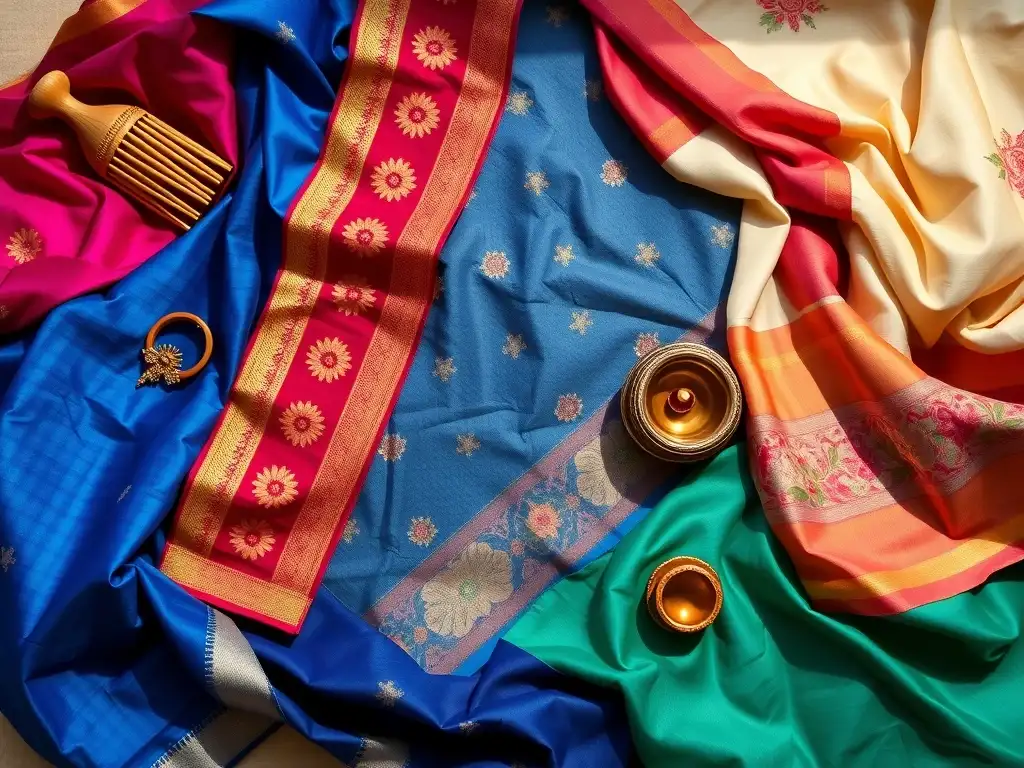
Welcome to Ancient India History, where we invite you to embark on a journey through the rich tapestry of India's past. From the intricate designs of the Indus Valley to the flourishing arts of the Gupta Empire, our exploration of ancient civilizations reveals the profound cultural heritage that continues to influence today’s fashion and textiles. In our featured article, “5 Mistakes to Avoid When Purchasing Indian Silk Textiles,” we delve into the vibrant world of Indian silk, guiding you through the nuances that ensure you make informed choices.
Are you ready to uncover the secrets of this exquisite fabric? Let's weave together the threads of history and style as you discover what makes Indian silk truly unique.
- Introduction to Buying Indian Silk Textiles
- Mistake 1: Ignoring the Types of Indian Silk Fabrics
- Mistake 2: Overlooking Authenticity and Certification
- Mistake 3: Failing to Research the Seller
- Mistake 4: Neglecting to Check Care Instructions
- Mistake 5: Not Considering Your Personal Style and Needs
- Conclusion: Making Informed Decisions When Buying Indian Silk Textiles
-
Frequently Asked Questions
- What are common mistakes when buying Indian silk textiles?
- How can I verify the authenticity of Indian silk textiles?
- Where can I find reputable sellers of Indian silk textiles?
- What should I consider regarding the price of Indian silk textiles?
- Are there specific care instructions for Indian silk textiles?
- Final Reflection: Navigating the Art of Buying Indian Silk Textiles
- Elevate Your Style: Make Informed Choices Today!
Introduction to Buying Indian Silk Textiles
Purchasing Indian silk textiles is not merely a transaction; it is an immersion into a rich tapestry of history, culture, and craftsmanship that spans thousands of years. The intricate patterns and vibrant colors of Indian silk reflect the diverse heritage of the subcontinent, making these textiles highly sought after around the world. However, navigating the market for authentic Indian silk can be challenging, given the prevalence of imitation products and misrepresentation.
Understanding the nuances of buying Indian silk textiles is essential for both consumers and collectors, ensuring that they appreciate the value and significance of their purchases while avoiding common pitfalls. In this guide, we will delve into the cultural significance of Indian silk, explore its unique appeal, and highlight five critical mistakes to avoid when making a purchase.
Understanding the Cultural Significance of Indian Silk
Indian silk has a storied past that is intertwined with the cultural evolution of the region. From the ancient Indus Valley Civilization, where silk production is believed to have originated, to the Mughal era, when silk became synonymous with luxury and opulence, the journey of Indian silk is a testament to its enduring legacy. Silk textiles were not only worn by royalty but also played a pivotal role in trade, diplomacy, and artistic expression.
- Historical Roots: The art of silk weaving in India dates back over 5,000 years, with regions like Varanasi, Kanchipuram, and Mysore being renowned for their exquisite silk production.
- Cultural Symbolism: In Indian culture, silk is often associated with auspicious occasions, such as weddings and festivals, symbolizing prosperity and elegance.
- Artisan Communities: Many artisans who create these textiles belong to traditional weaving communities, passing down their skills through generations, which adds to the uniqueness and authenticity of each piece.
The Appeal of Authentic Indian Silk Textiles
The allure of authentic Indian silk textiles lies not only in their beauty but also in the craftsmanship that goes into their creation. When one chooses to buy Indian silk textiles, they are investing in a product that embodies artistry, tradition, and quality.
- Diversity of Styles: Indian silk textiles come in a myriad of styles, each with distinct patterns and weaving techniques. From the intricate brocades of Banarasi silk to the lightweight elegance of Chanderi, there is a style to suit every taste and occasion.
- Durability and Quality: Authentic Indian silk is known for its strength and luster, making it a long-lasting addition to any wardrobe. The quality of the silk ensures that it retains its beauty over time, unlike cheaper alternatives.
- Sustainable Practices: Many weavers adhere to traditional, sustainable practices in their production methods, contributing to eco-friendly fashion and supporting local economies.
Understanding the cultural significance and appeal of authentic Indian silk textiles is crucial for anyone interested in buying these exquisite fabrics. As we continue this guide, we will uncover the five mistakes to avoid when purchasing Indian silk, helping you make informed and enriching choices.
Mistake 1: Ignoring the Types of Indian Silk Fabrics
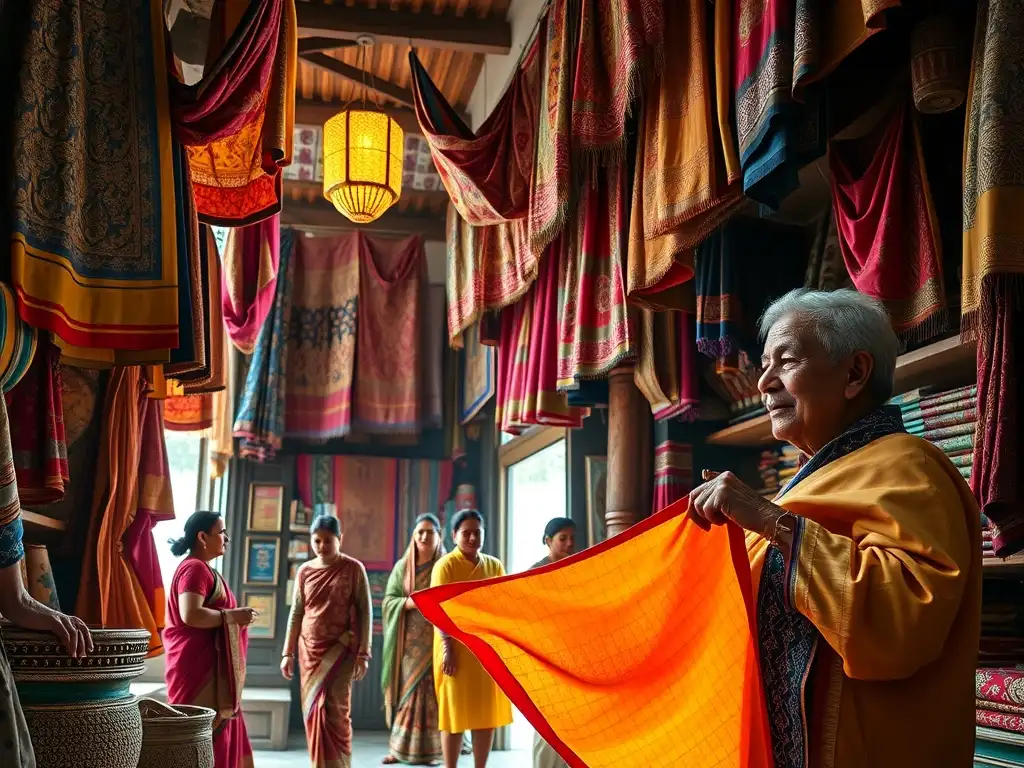
Overview of Popular Indian Silk Varieties
When it comes to buying Indian silk textiles, one of the most common mistakes is overlooking the various types of silk fabrics available. Each silk variety has its own unique characteristics, origins, and uses, which can significantly influence your purchasing decision. Understanding these differences not only enhances your appreciation of the textile but also ensures you make an informed choice that fits your needs.
Here are some of the most popular Indian silk varieties you should consider:
- Kanjeevaram Silk
- Banarasi Silk
- Tussar Silk
Kanjeevaram Silk: The Traditional Choice
Kanjeevaram silk, originating from the town of Kanchipuram in Tamil Nadu, is renowned for its rich colors and intricate designs. This traditional silk is characterized by its heavy weight, durability, and vibrant hues, making it a popular choice for bridal wear and special occasions.
Key features of Kanjeevaram silk include:
- Weight: Typically heavier than other silks, giving it a luxurious feel.
- Designs: Often adorned with traditional motifs such as peacocks, flowers, and geometric patterns.
- Durability: Known for its longevity, Kanjeevaram silk can last for decades if cared for properly.
Banarasi Silk: Luxury and Elegance
Banarasi silk, hailing from Varanasi, is synonymous with luxury. It is often used in wedding attire and festive garments due to its opulence and intricate craftsmanship.
Highlights of Banarasi silk include:
- Intricate Zari Work: Features gold and silver threads woven into the fabric, creating stunning designs.
- Lightweight Feel: Despite being lavish, Banarasi silk is relatively lighter, making it comfortable to wear.
- Diverse Patterns: Available in various patterns, including floral, paisley, and contemporary designs, suitable for all occasions.
Tussar Silk: Eco-Friendly Option
Tussar silk, also known as "wild silk," is produced by silkworms that feed on specific trees, resulting in a unique texture and rich golden hue. It is considered more eco-friendly compared to other silks since it is often produced using sustainable practices.
Characteristics of Tussar silk include:
- Texture: Coarser than other silks, giving it a distinct, earthy appeal.
- Natural Colors: Typically available in natural shades of gold, cream, and brown, promoting a rustic aesthetic.
- Breathability: Excellent for warm climates, Tussar silk is breathable and comfortable to wear.
Why Knowing Fabric Types Matters When Buying Indian Silk Textiles
Understanding the different types of Indian silk fabrics is crucial when buying Indian silk textiles for several reasons:
- Quality Assessment: Knowing the characteristics of each silk type helps you gauge quality and authenticity. For example, Kanjeevaram silk is heavier and more durable, while Tussar silk offers a softer, more breathable option.
- Purpose and Occasion: Different silks serve different purposes. Banarasi silk is perfect for formal occasions, while Tussar silk can be a great choice for casual wear.
- Price Range: Being aware of silk varieties allows you to set realistic expectations regarding pricing. Kanjeevaram and Banarasi silks tend to be more expensive due to their intricate craftsmanship, while Tussar silk is usually more affordable.
- Care Instructions: Each type of silk may have distinct care requirements. Understanding these will help you maintain the fabric's quality over time, ensuring your investment lasts.
By taking the time to educate yourself about the various types of Indian silk fabrics, you can avoid the common mistake of ignoring these essential details, leading to a more satisfying purchasing experience. 🌟
Mistake 2: Overlooking Authenticity and Certification
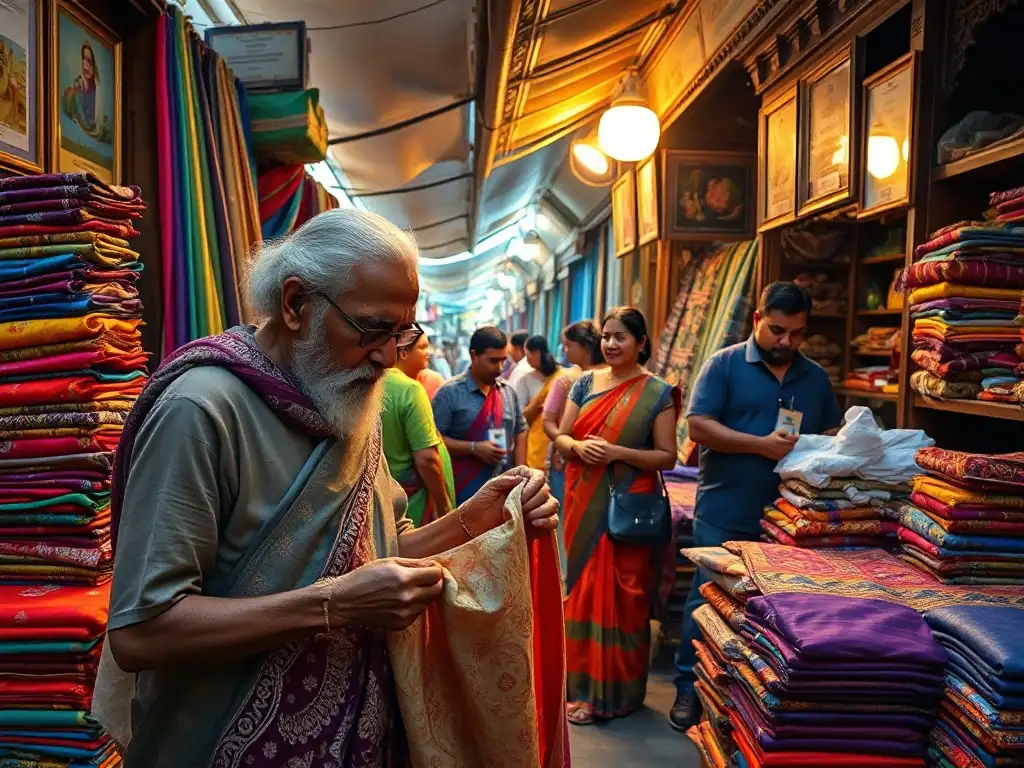
When purchasing Indian silk textiles, one of the critical mistakes consumers make is overlooking the authenticity and certification of the silk. Given the rich heritage and intricate craftsmanship associated with Indian silk, ensuring that what you buy is genuine is paramount to both preserving cultural integrity and making a wise investment.
Importance of Authenticity in Indian Silk Textiles
Authenticity in Indian silk textiles isn't just about the material; it's also about the story, tradition, and artistry behind each piece. Authentic silk carries with it the legacy of centuries-old weaving techniques, regional significance, and cultural narratives. Purchasing genuine silk textiles:
- Ensures Quality: Authentic silk is known for its luster, durability, and unique texture. Fake or synthetic alternatives often lack these qualities, leading to disappointment.
- Supports Artisans: By buying authentic textiles, you directly support local artisans and communities who rely on traditional silk weaving for their livelihoods.
- Preserves Culture: Authentic silk represents the craftsmanship and cultural heritage of regions like Varanasi, Kanchipuram, and Mysore. Buying genuine products helps in preserving these age-old traditions.
How to Identify Genuine Silk: Tips and Tricks
Identifying genuine Indian silk can be a challenge for many buyers. Here are some practical tips to help you distinguish authentic silk from imitations:
- Burn Test: A small piece of silk can be burned. Genuine silk will burn slowly, emitting a smell similar to burning hair, while synthetic fibers will melt and smell like plastic.
- Water Test: Place a drop of water on the fabric. Genuine silk absorbs moisture slightly before it spreads, whereas synthetic silk will repel it.
- Feel and Appearance: Authentic silk has a distinct smoothness and a natural sheen. Run your fingers over the fabric; it should feel soft and luxurious, without any plastic-like texture.
- Weight: Genuine silk textiles tend to be heavier than their synthetic counterparts. The density can indicate authenticity.
- Price Point: While not always a definitive indicator, very low prices often suggest that the fabric is not genuine silk. Authentic Indian silk typically comes at a premium due to the labor-intensive processes involved in its production.
Recommended Certifications for Authentic Indian Silk
To ensure that you are buying authentic Indian silk textiles, look for certain certifications that guarantee quality and authenticity.
Silk Mark: A Seal of Quality
The Silk Mark is a certification issued by the Silk Mark Organization of India (SMOI). It indicates that the fabric has been tested and certified to be pure silk. When you see this mark, you can be assured of the following:
- Quality Assurance: The mark guarantees that the textile has met stringent quality standards set by the SMOI.
- Consumer Protection: It helps consumers avoid counterfeit products and ensures that they receive genuine silk.
Handloom Mark: Supporting Traditional Weaving
The Handloom Mark is another important certification that signifies that the textile is handwoven. This mark is essential for supporting traditional weavers and promoting authentic craftsmanship. Key benefits include:
- Promotion of Handloom: The mark encourages the use of traditional handloom techniques, which are often more sustainable than industrial methods.
- Identity of Craftsmanship: It connects consumers to the artisans behind the textiles, fostering appreciation for the unique skills involved in handloom weaving.
By paying attention to authenticity and certification, you not only enhance your knowledge and appreciation of Indian silk textiles but also make informed purchasing decisions that honor the rich history and craftsmanship of this vibrant industry.
Mistake 3: Failing to Research the Seller
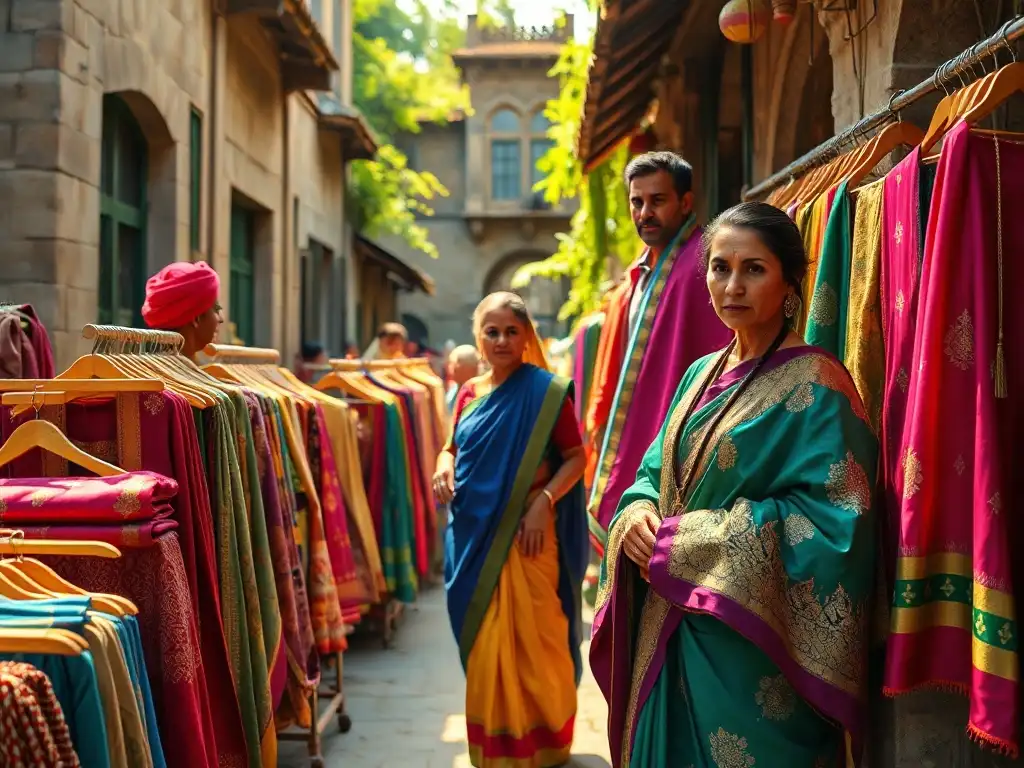
When it comes to buying Indian silk textiles, one of the most critical mistakes you can make is neglecting to research the seller from whom you are purchasing. The reputation and credibility of the seller can significantly affect the quality of the silk and the authenticity of the product. Understanding the importance of reputable sellers is essential to ensure that you make a wise investment in genuine Indian silk textiles.
The Impact of Reputable Sellers on Your Purchase
Purchasing from reputable sellers provides several advantages that can enhance your buying experience:
- Quality Assurance: Established sellers often have a reputation for offering high-quality products. They are more likely to source their silk from trusted manufacturers, ensuring that you receive a genuine piece.
- Authenticity: Reputable sellers typically provide certification or documentation to prove the authenticity of their silk textiles. This is especially important in a market where counterfeit products can easily mislead consumers.
- Return Policies: Renowned sellers often have clear and fair return policies, offering you peace of mind in case the product does not meet your expectations.
- Customer Support: A reputable seller will provide reliable customer support, addressing any questions or concerns related to your purchase.
How to Evaluate an Indian Silk Textile Seller
When you set out to buy Indian silk textiles, it is crucial to evaluate potential sellers carefully. Here are some effective strategies to assess their credibility:
Online Stores vs. Local Markets
Both online stores and local markets have their pros and cons, and knowing how to evaluate them can influence your buying decision:
- Online Stores:
- Research the Brand: Look for established online retailers with a strong presence in the silk textile market.
- Website Quality: A professional website with detailed product descriptions, images, and a secure checkout process is often a good sign.
- Return Policy: Always check the return and refund policy to ensure you can return items if they do not meet your expectations.
- Local Markets:
- Ask Locals: Inquire with locals or tourists about reputable shops in the area. Word of mouth can lead you to trustworthy sellers.
- Inspect the Products: When visiting local markets, inspect the textiles for quality and authenticity before making a purchase.
- Engage with Sellers: A knowledgeable and friendly seller is more likely to be reputable. Ask questions about the silk's origin, weaving techniques, and care instructions.
Customer Reviews and Ratings: What to Look For
Customer reviews and ratings can provide valuable insight into a seller's reputation. Here are some key aspects to consider:
- Overall Ratings: Look for sellers with consistently high ratings (4 stars and above) across multiple platforms.
- Detailed Reviews: Pay attention to detailed reviews where customers describe their experiences, including product quality, shipping speed, and customer service.
- Response to Complaints: A seller’s ability to address complaints and feedback can indicate their commitment to customer satisfaction.
- Social Media Presence: Explore the seller's social media profiles to see how they engage with customers and respond to inquiries or issues.
By taking the time to research and evaluate sellers carefully, you can avoid common pitfalls and ensure that your experience in buying Indian silk textiles is both rewarding and satisfying.
Mistake 4: Neglecting to Check Care Instructions
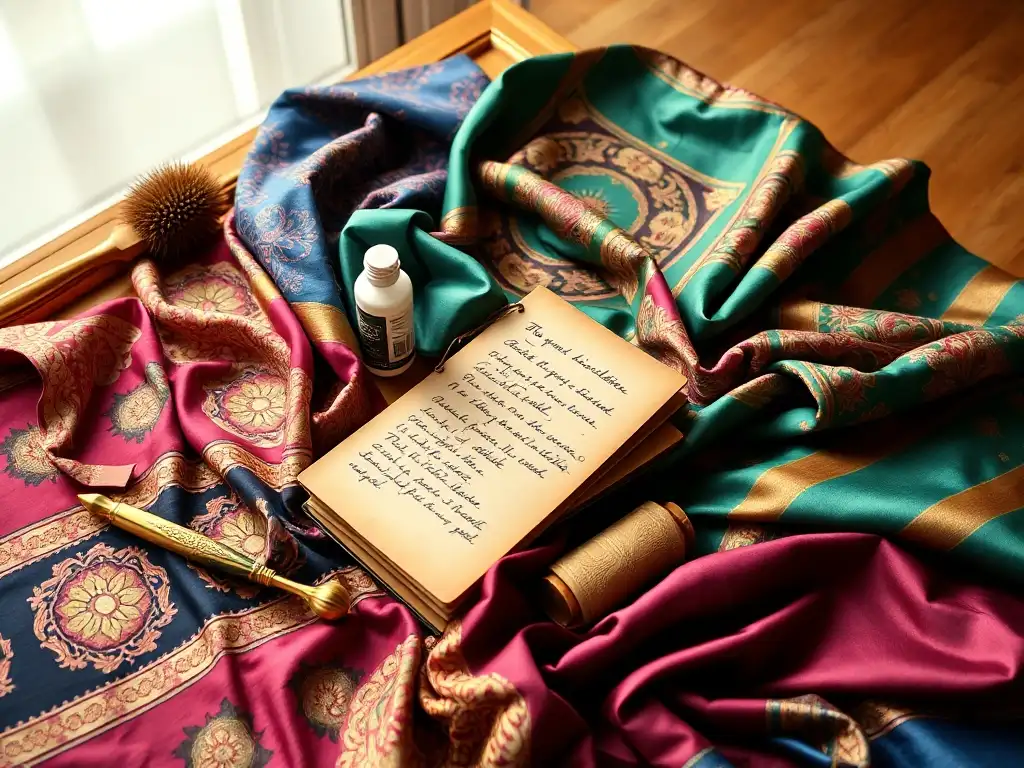
The Importance of Proper Care for Indian Silk Textiles
When it comes to buying Indian silk textiles, understanding proper care instructions is crucial for maintaining the beauty and longevity of these exquisite fabrics. Indian silk is known for its luxurious feel, vibrant colors, and intricate designs, but it can also be delicate and prone to damage if not handled correctly. Neglecting to follow care instructions can lead to fading, shrinkage, or even irreversible damage.
Proper care not only preserves the quality of the silk but also enhances its appearance over time. For instance, regular maintenance, such as gentle cleaning and appropriate storage, ensures that the fabric remains soft and retains its luster. By being aware of care guidelines, buyers can enjoy their silk textiles for years to come and avoid the disappointment of a diminished product.
Common Care Mistakes to Avoid
When caring for Indian silk textiles, several common mistakes can hinder the fabric's durability and aesthetic appeal. Here are some of the key missteps to avoid:
- Using Harsh Chemicals: Many people unknowingly use detergents that contain bleach or other harsh chemicals, which can strip the silk of its natural sheen and color.
- Excessive Washing: Over-washing silk can weaken the fibers. It’s essential to wash only when necessary.
- Improper Drying Methods: Direct sunlight can cause colors to fade. Always air-dry silk in the shade to maintain its vibrancy.
- Ignoring Stain Treatment Guidelines: Immediate and proper treatment of stains is vital. Rubbing or scrubbing can spread the stain or damage the fabric.
- Storage in Non-Breathable Materials: Storing silk in plastic bags can trap moisture, leading to mildew and odors. Instead, opt for breathable cotton or muslin bags.
By avoiding these pitfalls, you can help ensure that your investment in Indian silk textiles remains a source of joy rather than frustration.
Recommended Products for Caring for Indian Silk
To ensure the best care for your Indian silk textiles, consider using the following recommended products tailored specifically for silk maintenance:
Silk Detergents: Best Options on the Market
Using the right detergent is essential for cleaning silk without causing damage. Here are a few top-rated silk detergents that are widely recommended:
| Product Name | Features |
|---|---|
| The Laundress Silk Wash | Eco-friendly, gentle on fabrics, and safe for hand or machine washing. |
| Soak Wash | No-rinse formula, ideal for delicate fabrics, and comes in various scents. |
| Eucalan Wool Wash | Contains lanolin, providing natural conditioning for silk. |
| Forever New | Gentle on colors and effective in removing stains without harsh chemicals. |
These products are specially formulated to clean silk while preserving its quality and longevity.
Storage Solutions for Indian Silk Textiles
Proper storage is as crucial as cleaning when it comes to maintaining the integrity of Indian silk textiles. Here are some recommended storage solutions:
- Use Cotton or Muslin Bags: These breathable materials prevent moisture buildup while allowing airflow, which is essential for silk.
- Avoid Folding: When possible, roll silk garments instead of folding them to avoid creases and pressure marks.
- Store in a Cool, Dry Place: Keep silk textiles away from direct sunlight and humidity to protect them from fading and mildew.
- Include Lavender or Cedar: Adding sachets of lavender or cedar blocks can help deter moths and insects without damaging the fabric.
By implementing these care and storage practices, you can ensure that your Indian silk textiles remain beautiful and vibrant for years to come.
Mistake 5: Not Considering Your Personal Style and Needs

Aligning Your Purchase with Personal Aesthetic
When it comes to buying Indian silk textiles, one of the most common mistakes is overlooking personal style and preferences. Indian silk fabrics, renowned for their vibrant colors and intricate patterns, can significantly enhance your wardrobe, but they must resonate with your individual aesthetic.
Before making a purchase, take a moment to reflect on your style:
- Color Palette: Identify the colors that complement your skin tone and blend well with your existing wardrobe. Indian silk comes in a wide array of hues, from deep jewel tones to soft pastels.
- Patterns and Designs: Consider whether you prefer bold prints or subtle designs. Traditional Indian textiles often feature intricate motifs such as paisleys, florals, and geometric patterns that can either make a statement or serve as a sophisticated backdrop in your outfit.
- Silhouette: Think about how the silk fabric fits into your overall wardrobe. Do you prefer flowy garments, structured pieces, or a mix of both? The drape of silk can vary; hence, select styles that enhance your body shape and comfort.
By aligning your purchase with your personal aesthetic, you ensure that you will cherish and frequently wear the Indian silk textiles you choose.
How to Choose Indian Silk Textiles That Fit Your Lifestyle
Selecting the right Indian silk textiles involves a keen understanding of how these fabrics fit into your daily life. Here are some factors to consider:
- Occasion:
- Formal Events: Look for richer colors and elaborate designs, such as Banarasi or Kanchipuram silk, which are perfect for weddings and celebrations.
- Casual Outings: Lightweight silks, such as Tussar or Chiffon, are ideal for everyday wear and can be styled comfortably for both casual and semi-formal occasions.
- Climatic Conditions:
- In warmer climates, breathable silks like Mulberry silk offer comfort and elegance, while heavier silks may be better suited for cooler weather.
- Maintenance:
- Consider how much care you are willing to invest. Some Indian silk textiles require dry cleaning, while others can be hand-washed. Fabrics like Georgette are often easier to maintain compared to Brocade.
- Versatility:
- Choose textiles that can be styled in multiple ways. For instance, a silk dupatta can be draped over various outfits, while a silk tunic can pair seamlessly with jeans or palazzos.
By evaluating these aspects, you can make informed decisions when buying Indian silk textiles that not only look good but also align with your lifestyle and needs.
Examples of Stylish Outfits with Indian Silk Fabrics
Indian silk textiles can be incorporated into various outfits to create stunning looks. Here are some stylish examples:
- Silk Saree:
- A classic choice for formal events, a silk saree can be draped elegantly and paired with statement jewelry for a traditional look.
- Silk Kurta:
- A silk kurta paired with churidar or palazzo pants is perfect for festive occasions. Opt for intricate embroidery or block prints to elevate the style.
- Silk Blouse:
- Upgrade your lehenga or saree with a chic silk blouse. Choose contrasting colors or complementary patterns to create a stunning ensemble.
- Silk Scarf:
- For a more casual look, accessorize with a silk scarf. A printed silk scarf can add a pop of color to a simple outfit, such as a plain blouse and jeans.
- Silk Jumpsuit:
- Embrace modern fashion by opting for a silk jumpsuit. This versatile piece can be dressed up with heels or made casual with flats, making it suitable for various occasions.
By thoughtfully considering your personal style and needs when buying Indian silk textiles, you can curate a wardrobe that reflects your individuality while celebrating the rich heritage of Indian craftsmanship.
Conclusion: Making Informed Decisions When Buying Indian Silk Textiles
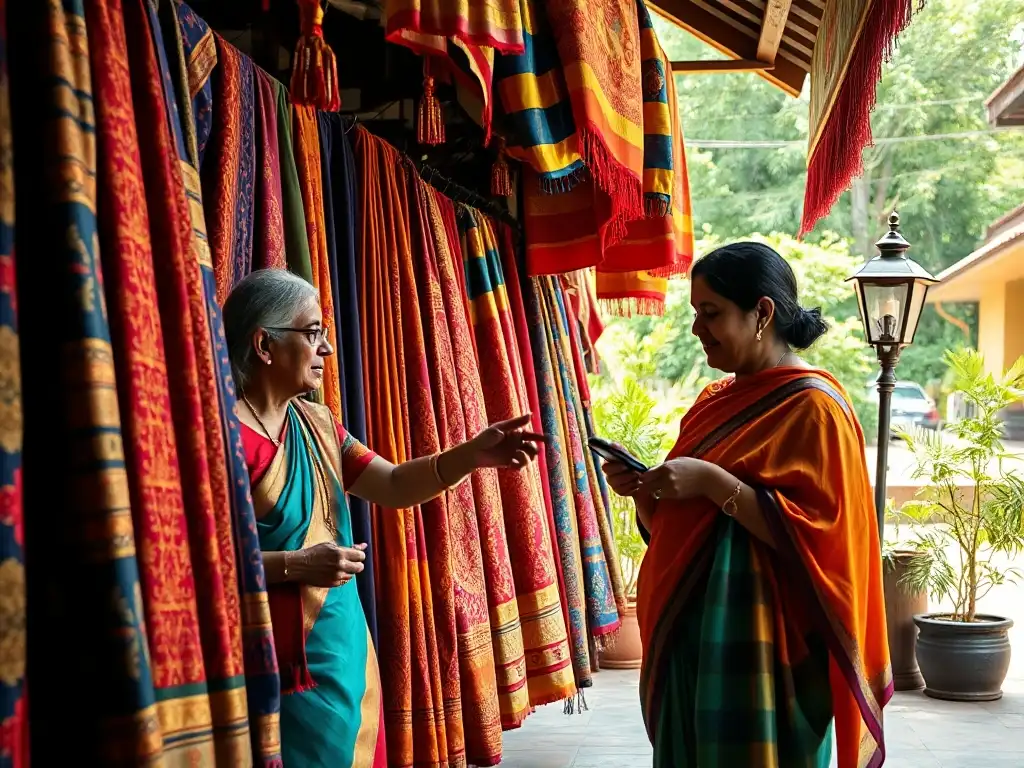
When it comes to investing in Indian silk textiles, making informed decisions is crucial to ensure authenticity, quality, and value. Understanding the intricacies of Indian silk can enhance your purchasing experience and help you appreciate the rich cultural heritage behind each piece. Here, we summarize the key mistakes to avoid and provide final tips to guide you in your buying journey.
Recap of Key Mistakes to Avoid
- Overlooking Authenticity Certificates
- Importance: Authenticity certificates from reputed organizations can validate the origin and quality of the silk.
- Common Pitfall: Many buyers neglect to ask for these documents, leading to potential fraud.
- Ignoring Fabric Quality
- Silk Variants: Familiarize yourself with the different types of Indian silk, such as Tussar, Muga, and Banarasi.
- Quality Indicators: Check for smoothness, shine, and weight. Poor-quality silk may appear dull and rough.
- Neglecting to Research Vendors
- Vendor Reputation: Always choose vendors with positive reviews and a strong reputation in the market.
- Local vs. Online: Whether buying from a local artisan or an online store, ensure credibility through feedback and ratings.
- Underestimating the Importance of Weaving Techniques
- Traditional Techniques: Different regions in India employ unique weaving methods that affect the texture and design of the silk.
- Value of Craftsmanship: Understanding these techniques can help you appreciate the craftsmanship and justify the price.
- Failing to Compare Prices
- Price Variability: Prices for Indian silk can vary widely based on quality and seller.
- Informed Choices: Always compare prices from multiple sources to avoid overpaying for your textiles.
Final Tips for a Successful Purchase of Indian Silk Textiles
- Do Your Homework: Before making a purchase, research the specific type of silk you wish to buy. Knowledge about the fabric will empower you to make better decisions.
- Ask Questions: Don’t hesitate to inquire about the sourcing, weaving process, and care instructions for the silk. A knowledgeable vendor should be able to provide detailed answers.
- Trust Your Instincts: If something feels off about the product or vendor, it’s okay to walk away. Trust your gut feeling to avoid potential regret later.
- Consider Maintenance: Understand the care requirements for the specific type of silk you are purchasing. Proper maintenance is key to ensuring the longevity of your textile.
- Embrace the Cultural Significance: Each piece of Indian silk tells a story of tradition and craftsmanship. Embrace this narrative to enrich your buying experience.
By being mindful of these tips and avoiding common mistakes, you can confidently navigate the world of Indian silk textiles and make purchases that you will cherish for years to come. Happy shopping!
Frequently Asked Questions
What are common mistakes when buying Indian silk textiles?
One common mistake is overlooking quality. It's crucial to check for authenticity and ensure the silk is genuine to avoid purchasing inferior products.
How can I verify the authenticity of Indian silk textiles?
To verify authenticity, look for certification labels or ask the seller for proof of origin. Authentic Indian silk often has a distinctive texture and finish.
Where can I find reputable sellers of Indian silk textiles?
Reputable sellers can be found at specialty boutiques, online marketplaces with good reviews, or craft fairs that focus on traditional textiles, ensuring the purchase of genuine products.
What should I consider regarding the price of Indian silk textiles?
When considering price, remember that high-quality silk typically costs more. If a deal seems too good to be true, it might indicate a lower quality or fake product.
Are there specific care instructions for Indian silk textiles?
Yes, Indian silk textiles require gentle care. It's best to hand wash in cold water and avoid direct sunlight during drying to maintain their vibrancy and longevity.
In the intricate world of purchasing Indian silk textiles, understanding the nuances is essential for making informed choices. As we delve into the rich heritage and craftsmanship of these exquisite fabrics, it becomes clear that avoiding common pitfalls can enhance not only our shopping experience but also our appreciation for the artistry involved. The lessons learned from this article resonate deeply in today's global marketplace, where authenticity and quality often come under scrutiny.
Cultural appreciation and awareness are vital as we engage with the vibrant tradition of Indian silk textiles. The choices we make when buying these textiles reflect our values and understanding of the artisans' work behind them. As we navigate this landscape, we must remember that "the beauty of silk is not just in its sheen but in the stories it carries." > This quote encapsulates the essence of our journey in selecting these textiles, reminding us that each piece is a testament to the culture and craftsmanship that has flourished for centuries.
As you embark on your own journey of buying Indian silk textiles, I invite you to reflect on the significance of your choices. Consider how your purchases can support artisans and preserve traditional craftsmanship. By being mindful of the mistakes to avoid, you not only enrich your own experience but also contribute to a more sustainable and respectful appreciation of this beautiful art form. Let each purchase be a step towards honoring the legacy of Indian silk and the stories woven into every thread.
Elevate Your Style: Make Informed Choices Today!
Thank you for taking the time to explore the fascinating world of Indian silk textiles with us! We hope you found valuable insights that will empower you to make informed decisions in your purchases. Now, let's turn that newfound knowledge into action!
Here are a few steps you can take to enhance your shopping experience:
- Educate Yourself: Dive deeper into the rich history and craftsmanship of Indian silk by reading articles, visiting local museums, or watching documentaries on textile traditions.
- Visit Local Markets: Experience the vibrancy of Indian textiles firsthand by exploring markets or exhibitions. Engage with vendors and ask questions about the weaves and techniques to enrich your understanding!
- Share Your Knowledge: Discuss what you've learned with friends or family. Initiate a conversation on social media and inspire others to appreciate the beauty of authentic silk textiles!
As you embark on your textile journey, consider this: What unique story do you want your next silk purchase to tell? We invite you to share your thoughts in the comments!