
The Forgotten Queens of the Maurya Dynasty: Leaders and Innovators

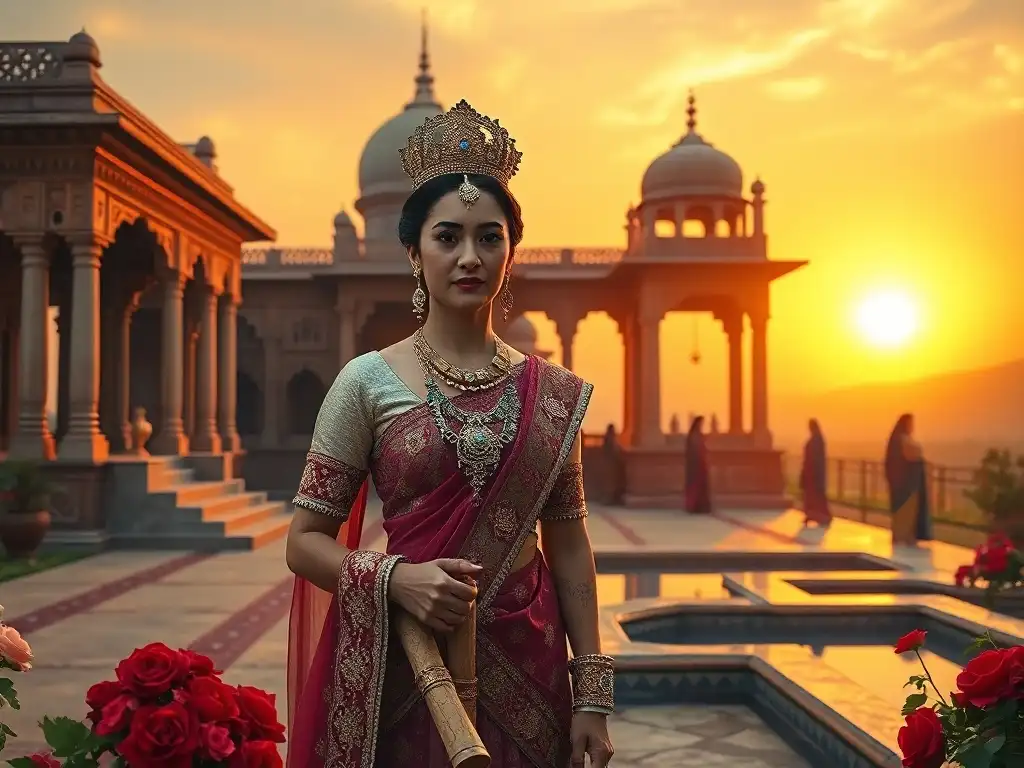
Welcome to Ancient India History, where we embark on a fascinating journey through the rich tapestry of ancient Indian civilizations. In this exploration, we shine a light on the forgotten queens of the Maurya Dynasty, remarkable leaders and innovators whose stories have long been overshadowed. Discover how these powerful women shaped their era, influencing culture and governance in ways that resonate even today.
As we delve into their lives, you'll uncover the hidden narratives that define not just their legacy, but the very essence of India's history. Are you ready to unveil the untold tales of strength and resilience? Let’s dive in!
Introduction to the Forgotten Queens of the Maurya Dynasty
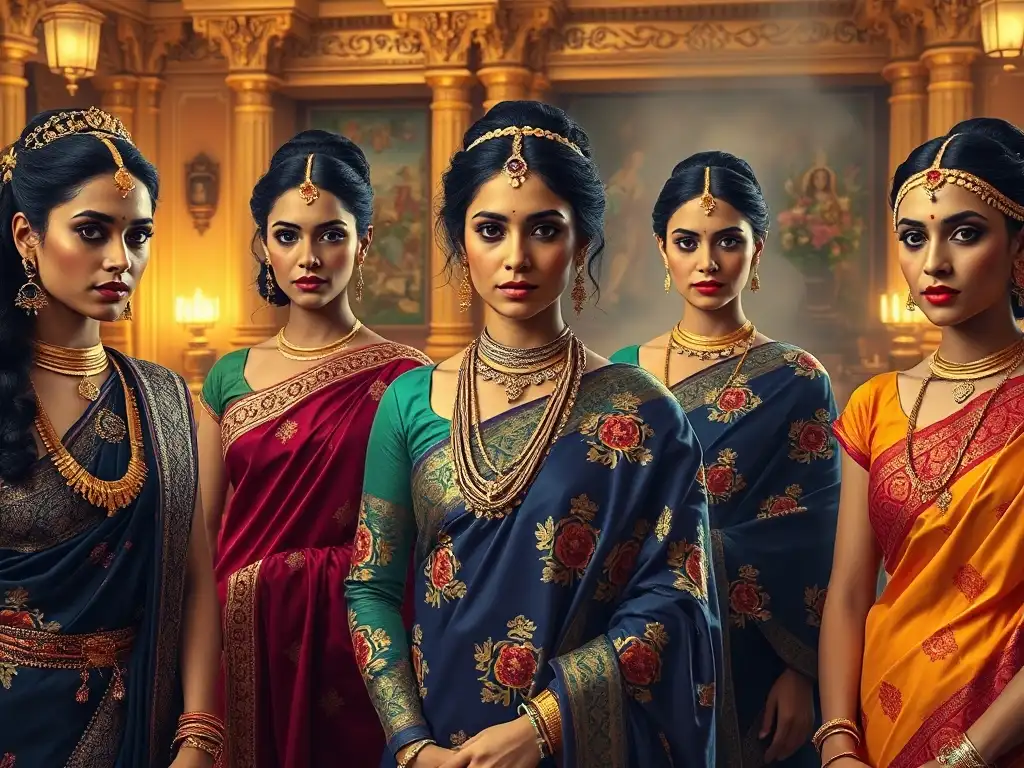
The Maurya Dynasty, one of the most notable empires in ancient India, flourished between 322 BCE and 185 BCE. While much attention has been given to its male rulers, the dynasty was also marked by remarkable women who played pivotal roles in shaping its political and cultural landscape. These forgotten queens of the Maurya Dynasty not only influenced governance but also contributed to social and cultural advancements. Their stories, often overshadowed by their male counterparts, reveal a rich tapestry of leadership, innovation, and resilience that is essential to understanding the broader historical narrative of ancient India.
Overview of the Maurya Dynasty
The Maurya Dynasty was established by Chandragupta Maurya, who united much of the Indian subcontinent under a centralized administration. Following him, Ashoka the Great emerged as one of the most celebrated rulers, known for his promotion of Buddhism and his efforts to spread moral governance. The dynasty is characterized by its sophisticated bureaucracy, extensive trade networks, and monumental architectural achievements, such as the famous Ashoka Pillars.
This period also saw the rise of influential figures, including women who navigated the complexities of court politics and contributed to the empire's legacy. Their involvement often went unrecognized, yet their impacts were profound, making their stories vital to the understanding of this historical era.
Importance of Women in Ancient Indian History
Women in ancient India, particularly during the Maurya period, held various roles that were crucial to the socio-political fabric of their time. From queens and princesses to scholars and artisans, women contributed to the economy, culture, and governance.
- Political Influence: Many queens acted as regents or advisors, impacting decisions that shaped their kingdoms.
- Cultural Contributions: Women were patrons of arts and education, fostering cultural advancements.
Recognizing the importance of these women is essential for a comprehensive understanding of ancient Indian history.
Purpose of Exploring Forgotten Queens
This exploration aims to shed light on the forgotten queens of the Maurya Dynasty, emphasizing their contributions and roles that have been largely overlooked. By acknowledging their stories, we can:
- Reclaim Historical Narratives: Highlight the significance of women’s contributions to society and governance.
- Inspire Modern Discourse: Encourage a broader discussion on women's roles in history and their lasting impacts.
Historical Context of the Maurya Dynasty
Rise of the Maurya Empire
The Maurya Empire emerged in the context of a fragmented India, characterized by regional kingdoms. Chandragupta Maurya, with the guidance of his mentor Chanakya, strategically consolidated power, leading to the establishment of a vast empire. This centralization allowed for the effective administration of resources and the implementation of policies that would define the Maurya era.
Significant Events During the Maurya Period
Several key events marked the Maurya period, including:
- The Kalinga War, a pivotal conflict during Ashoka's reign that significantly influenced his conversion to Buddhism.
- The establishment of a network of trade routes that facilitated commerce and cultural exchange across the region.
These events not only shaped the political landscape but also provided a backdrop for the roles women played within the empire.
Role of Women in Ancient Indian Society
In ancient Indian society, women's roles were multifaceted and complex. While some women were relegated to traditional domestic spheres, others wielded considerable power and influence.
- Queens and Royal Women: Often served as political allies, negotiating treaties and alliances.
- Religious Figures: Many women participated in spiritual practices, leading to significant cultural developments.
Understanding these roles is essential to appreciating the contributions of the forgotten queens of the Maurya Dynasty, who embody the diverse experiences of women in ancient India.
Prominent Forgotten Queens of the Maurya Dynasty
The Maurya Dynasty, known for its remarkable rulers and expansive empire, also featured a number of influential queens who played critical roles in governance and societal development. While figures like Chandragupta Maurya and Ashoka often overshadow their female counterparts, several queens left a significant mark on history through their leadership, diplomacy, and innovative contributions.
Queen Chandragupta Maurya's Consort
Queen Durdhara, the consort of Chandragupta Maurya, is one of the most notable queens of the dynasty. While her life is often shrouded in mystery, her influence is evident in the establishment of the Mauryan Empire. Durdhara was not only a supportive partner to Chandragupta but also a shrewd and intelligent individual who likely contributed to the political landscape of her time. Historical texts suggest that she played a vital role in the transition of power and the consolidation of the empire, particularly through her relationships with influential figures within the court.
The Influence of Queen Durdhara
Durdhara's legacy extends beyond her marriage to the emperor. She is often credited with fostering a sense of unity within the empire, particularly during the tumultuous times of its formation. Her contributions were not limited to domestic affairs; she was actively involved in political discussions and decisions. Durdhara's wisdom and foresight helped navigate conflicts and maintain stability during the early years of the Maurya Empire. Moreover, her role as a mother to the future emperor Bindusara further solidified her position and influence within the dynasty.
Contributions of Other Notable Queens
In addition to Durdhara, other queens such as Queen Trishala, the mother of Mahavira, and Queen Laxmibai have been recognized for their contributions to both the Maurya Dynasty and broader Indian culture. Trishala's lineage is linked to the Jain tradition, which highlights the cultural and religious dimensions of royal women.
Her influence extended to the promotion of Jain values, which played a significant role in shaping the moral framework of the empire. Similarly, the contributions of Laxmibai in the spheres of culture and governance reflect the essential roles that women played in supporting and nurturing the political and social structures of their time.
Leadership Qualities of Mauryan Queens
The queens of the Maurya Dynasty exemplified a variety of leadership qualities that contributed to their effectiveness as rulers and innovators. Their capabilities transcended traditional gender roles, allowing them to influence critical aspects of governance and society.
Political Influence and Decision-Making
The political influence of Mauryan queens was significant, as they often engaged directly in decision-making processes. Their ability to navigate complex political landscapes was demonstrated through their involvement in court intrigues and alliances. Queens like Durdhara and Trishala not only supported their husbands in governance but also acted as advisors, influencing key decisions regarding military campaigns and diplomatic negotiations. This political acumen allowed them to shape the direction of the empire and maintain stability during times of change.
Diplomatic Strategies Employed by Queens
The queens of the Maurya Dynasty employed various diplomatic strategies to forge alliances and foster peace. Their roles as mediators were crucial in negotiating treaties and maintaining relationships with neighboring kingdoms. For instance, queens often arranged marriages between royal families to secure alliances, thereby strengthening political ties. This strategic use of marriage as a diplomatic tool showcased their understanding of the political climate and their ability to influence the dynamics of power in ancient India.
Innovations Introduced by the Queens
Innovations introduced by the Mauryan queens often revolved around social reform and cultural development. Many queens were patrons of the arts, contributing to the rich cultural tapestry of the empire through support for literature, architecture, and religious institutions. Their emphasis on education and the arts reflected a progressive vision for society, promoting an environment where knowledge and creativity could flourish. Additionally, some queens initiated reforms that improved the status of women, advocating for their rights and involvement in societal affairs, thus laying a foundation for future generations.
Cultural Contributions of the Forgotten Queens
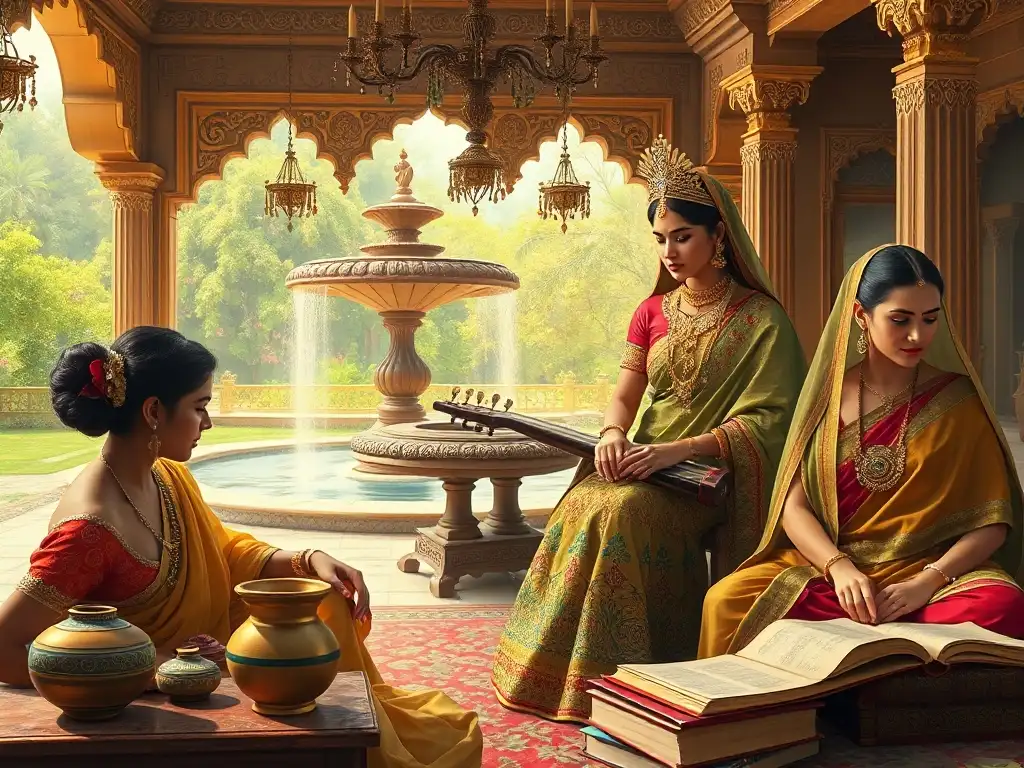
The forgotten queens of the Maurya Dynasty played a pivotal role in shaping the cultural landscape of ancient India. Their contributions transcended mere governance; they were instrumental in fostering an environment where arts, literature, religion, and societal norms flourished. These queens, often overshadowed in historical records, were influential in promoting cultural endeavors that left a lasting legacy.
Patronage of Arts and Literature
One of the most profound impacts of the Mauryan queens was their patronage of arts and literature. They actively supported poets, playwrights, and artisans, leading to a vibrant cultural epoch. Notably, the queens commissioned various forms of art, from intricate sculptures to exquisite paintings, which showcased the skills of local artisans.
- Sculptural Achievements: The queens funded the crafting of stone carvings and stupas, which depicted significant events in Buddhist and Jain traditions. These artistic endeavors not only beautified cities but also served as historical documentation.
- Literary Works: Several queens were known to have engaged with scholars and writers, promoting the creation of texts that explored philosophy, ethics, and governance. This literary patronage contributed to the intellectual heritage of ancient India, influencing future philosophical thought.
Role in Promoting Religion and Philosophy
The queens of the Maurya Dynasty were also significant in the promotion of religion and philosophy, particularly Buddhism and Jainism. Their influence helped in the spread of these faiths across vast regions of India.
- Buddhist Advocacy: Many queens were patrons of Buddhism, supporting the construction of monasteries and stupas. Their commitment to the teachings of Buddha facilitated the establishment of Buddhist communities, which became centers of learning and cultural exchange.
- Philosophical Discourse: By inviting scholars and philosophers to their courts, these queens fostered a culture of dialogue and debate. This not only enriched the philosophical landscape of their time but also encouraged the exploration of ideas concerning morality and governance.
Impact on Social Structure and Women's Rights
The forgotten queens of the Maurya Dynasty played a crucial role in shaping the social structure of their time, particularly in terms of women's rights and status. Their leadership often challenged traditional norms, paving the way for greater recognition and autonomy for women.
- Influence on Women's Status: By holding significant political power and engaging in governance, these queens set a precedent for women's participation in public life. This visibility helped to elevate the status of women in society, leading to gradual shifts in social attitudes.
- Advocacy for Rights: Some queens were known to advocate for women's rights, including property ownership and education. Their efforts contributed to a more nuanced understanding of gender roles within the Mauryan social framework, encouraging future generations to pursue greater equality.
Legacy of the Forgotten Queens in Ancient India
The legacy of the forgotten queens of the Maurya Dynasty is profound and multifaceted. Their contributions to culture, religion, and social dynamics not only shaped their immediate society but also laid the groundwork for future generations.
How Their Leadership Shaped the Maurya Dynasty
The leadership of these queens was instrumental in stabilizing and enriching the Maurya Dynasty. Their governance often complemented that of their male counterparts, creating a balanced approach to rule.
- Political Alliances: Through strategic marriages and alliances, these queens strengthened political ties, enhancing the dynasty's stability. Their involvement in diplomacy and state affairs showcased their political acumen and leadership qualities.
- Cultural Integration: By fostering an inclusive culture that embraced diverse traditions and practices, the queens contributed to a rich tapestry of societal norms that defined the Mauryan Empire. This cultural integration played a vital role in maintaining harmony and unity within the vast empire.
Long-term Impact on Future Generations of Women
The influence of the Maurya queens extended beyond their reign, inspiring future generations of women to engage in leadership roles and societal contributions.
- Role Models: By exemplifying strength and intelligence, these queens served as role models for women in subsequent eras. Their legacies inspired women to pursue education, governance, and creative endeavors, fostering a spirit of empowerment that persisted through the ages.
- Cultural Narratives: The stories of these queens became intertwined with the cultural narratives of India, celebrating female leadership and resilience. This cultural remembrance encouraged women to push against societal constraints, seeking greater rights and recognition.
Recognition in Historical Narratives
Despite their significant contributions, the recognition of the forgotten queens in historical narratives has been limited. Recent scholarship, however, is beginning to shed light on their roles and accomplishments.
- Historical Reassessment: Modern historians are increasingly acknowledging the impact of these queens, calling for a reassessment of their contributions to the Maurya Dynasty and Indian history as a whole. This shift in perspective highlights the importance of including women's narratives in historical discourse.
- Cultural Revitalization: The renewed interest in the forgotten queens has led to cultural revitalization efforts, including literature, art, and educational initiatives that celebrate their legacies. This recognition not only honors their contributions but also serves to inspire current and future generations.
Conclusion: Reclaiming the Stories of the Forgotten Queens
The legacy of the forgotten queens of the Maurya Dynasty is a testament to the significant yet often overlooked roles women played in shaping ancient Indian history. These queens not only wielded power in a patriarchal society but also contributed to the political, cultural, and economic landscapes of their time. By reclaiming their stories, we not only honor their contributions but also enrich our understanding of the complexities of historical narratives that have traditionally marginalized women's voices.
Acknowledging the lives and achievements of these queens serves as a reminder of the diverse influences that have shaped the course of history. It encourages a more inclusive approach to historical scholarship, one that seeks to illuminate the impact of women as leaders, innovators, and catalysts for change. As we delve deeper into the past, we uncover a multitude of stories waiting to be told, each adding depth to our understanding of the Maurya Dynasty and its rich heritage.
Importance of Acknowledging Women's Contributions
Recognizing the contributions of women, especially those of the forgotten queens of the Maurya Dynasty, is crucial for several reasons. Firstly, it challenges the traditional narratives that have often sidelined female figures in history. By bringing these women to the forefront, we can better appreciate the multifaceted nature of leadership and governance during the Maurya period.
Moreover, acknowledging women's roles helps to highlight the diverse ways in which they influenced society, from political alliances to cultural patronage. For instance, the queens often played pivotal roles in diplomatic relations and were instrumental in fostering trade and cultural exchanges. Their involvement in various spheres underscores the fact that leadership is not solely defined by gender but by the ability to inspire and effect change.
Additionally, in modern times, recognizing these historical figures can empower contemporary women, serving as role models who exemplify strength, intellect, and resilience. By learning about the queens of the Maurya Dynasty, we can draw parallels to today's struggles for gender equality and representation, reinforcing the idea that women's contributions are vital to the fabric of society.
Call to Action for Further Research and Exploration
In light of the rich narratives surrounding the forgotten queens of the Maurya Dynasty, there is an urgent need for further research and exploration into their lives and contributions. Scholars, historians, and enthusiasts are encouraged to delve into historical texts, archaeological findings, and cultural artifacts that may provide insights into these remarkable women.
Collaborative efforts, such as interdisciplinary studies combining history, archaeology, and gender studies, can pave the way for a more nuanced understanding of women's roles in ancient India. Moreover, educational institutions and cultural organizations can play a pivotal role in promoting awareness through workshops, lectures, and exhibitions focused on these queens.
Finally, we invite readers to engage with this topic by sharing their findings, conducting discussions, and contributing to the collective understanding of the Maurya Dynasty's history. By fostering a community of inquiry around the forgotten queens, we can ensure that their stories are no longer lost to time but celebrated as an integral part of our shared heritage.
- Introduction to the Forgotten Queens of the Maurya Dynasty
- Historical Context of the Maurya Dynasty
- Prominent Forgotten Queens of the Maurya Dynasty
- Leadership Qualities of Mauryan Queens
- Cultural Contributions of the Forgotten Queens
- Legacy of the Forgotten Queens in Ancient India
- Conclusion: Reclaiming the Stories of the Forgotten Queens
Frequently Asked Questions
What were the roles of the forgotten queens in the Maurya Dynasty?
The forgotten queens played pivotal roles in governance, diplomacy, and social reforms, often acting as advisors to their husbands and influencing political decisions.
How did the queens of the Maurya Dynasty contribute to culture?
These queens significantly contributed to the cultural landscape, promoting art, literature, and architecture, which helped shape the societal norms of the time.
Who were some notable queens from the Maurya Dynasty?
While many queens remain unnamed, figures like Vajrayogini and Nandini are often highlighted for their roles in the political and cultural realms of the dynasty.
What innovations did the Maurya queens implement?
The queens introduced various innovations in governance and health, including public welfare programs and educational initiatives that benefited their communities.
Why are the queens of the Maurya Dynasty considered "forgotten"?
Many historical accounts have overshadowed the contributions of these queens, focusing instead on male rulers, which has led to a lack of recognition for their significant roles in ancient Indian history.
Final Reflection: Rediscovering the Forgotten Queens of the Maurya Dynasty
The forgotten queens of the Maurya Dynasty are not merely historical footnotes; they are powerful figures whose legacies resonate in today's discussions about leadership and gender roles. As we navigate a world that often overlooks the contributions of women in history, it becomes increasingly vital to recognize the impact these queens had on governance, culture, and innovation. Their stories remind us that leadership is not confined to the throne but can emerge from the shadows, shaping societies in profound ways.
The influence of these queens extends far beyond their time, weaving into the fabric of our cultural and social landscape. Their narratives challenge the traditional perceptions of power and authority, inspiring contemporary movements advocating for gender equality and representation. As we reflect on their contributions, we can draw parallels to today's leaders who strive to break barriers and redefine what it means to lead. > “The most effective way to do it, is to do it.” – Amelia Earhart. This quote encapsulates the spirit of these queens, urging us to take action and make our voices heard.
As we conclude this exploration of the forgotten queens of the Maurya Dynasty, I invite you to reflect on the lessons they impart. Consider how their resilience and innovation can inspire your own journey, whether in leadership roles or personal endeavors.
Let their stories motivate you to seek out and amplify the voices of those who have been overlooked, ensuring that history does not forget the contributions of all its leaders. Embrace the call to action: honor their legacy by becoming advocates for change in your own community, ensuring that the stories of all leaders, especially women, are told and celebrated.
Unveil the Legacy of the Maurya Queens!
Thank you for diving into the intriguing world of the forgotten queens of the Maurya Dynasty! You've gained valuable insights about their influential roles as leaders and innovators that shaped history. Now, let's turn that inspiration into action and honor their legacy.
Here are some steps you can take to deepen your exploration:
- Dive deeper: Research a specific queen from the Maurya Dynasty who intrigued you and uncover her unique contributions to history.
- Share the story: Discuss the significance of these queens with friends or family to spread awareness of their remarkable achievements.
- Join the conversation: Participate in online forums or social media groups dedicated to ancient history, and share your thoughts on the impact of female leadership in the past.
What new perspectives can you bring to life today by reflecting on the powerful roles these queens played in shaping not just their dynasty, but the course of history?