
The Lasting Impact of Ancient Indian Trade Routes on Modern Markets

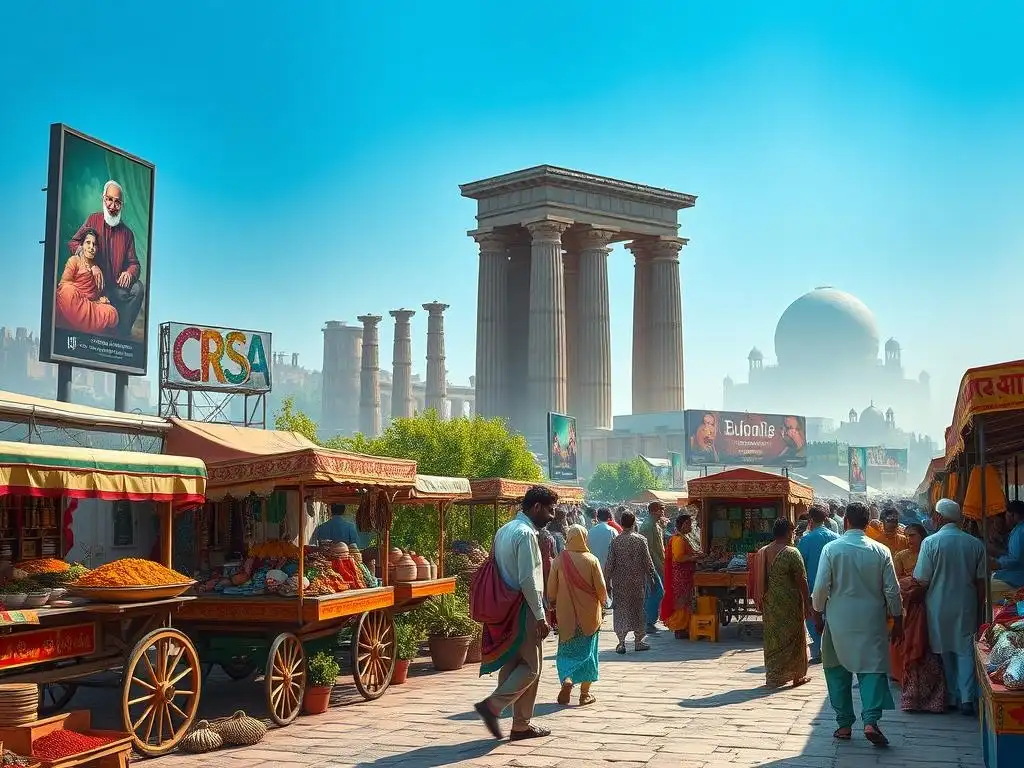
Welcome to Ancient India History, where we embark on a captivating journey through the vibrant tapestry of India’s past. Dive deep into the intricate networks of ancient Indian trade routes and discover how these pathways not only shaped the civilizations of yesteryears but continue to influence modern markets today. As we unravel the profound impact of these routes, prepare to uncover stories of commerce, culture, and connection that have stood the test of time. Join us as we explore the echoes of history that resonate in our contemporary world—your adventure into the legacies of ancient Indian trade begins now!
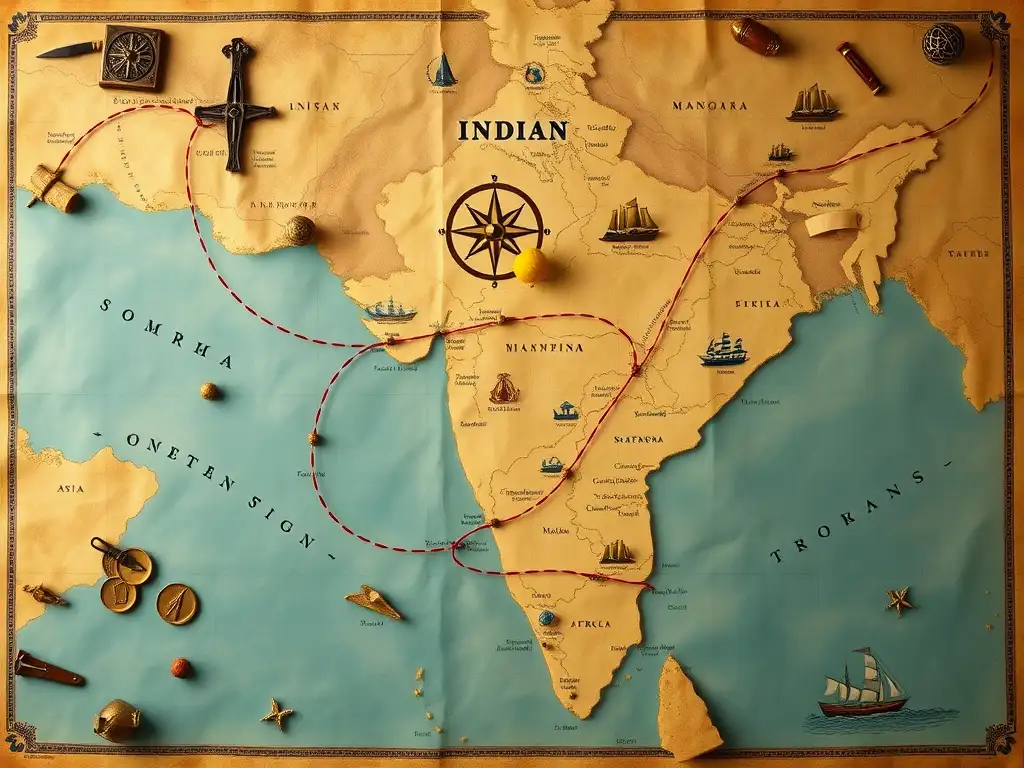
Introduction to Ancient Indian Trade Routes
The ancient Indian trade routes played a pivotal role in shaping not only the economy of the subcontinent but also its cultural and social landscapes. From the bustling markets of the Indus Valley Civilization to the flourishing trade networks established during the Gupta Empire, these routes facilitated the exchange of goods, ideas, and innovations across vast distances.
This article explores the lasting impact of ancient Indian trade routes on modern markets, highlighting how historical practices continue to influence contemporary economic systems. By examining the infrastructure, key commodities, and cultural exchanges, we can better understand the legacy of these ancient networks and their relevance in today’s global economy.
Overview of Ancient Indian Trade Networks
Ancient Indian trade routes were intricate networks that connected various regions within India and extended to distant lands, including the Mediterranean, Southeast Asia, and beyond. These trade routes can be categorized into:
- Land Routes: Primarily traversed the northern and western parts of India, enabling trade with neighboring civilizations, including Persia and the Greco-Roman world.
- Maritime Routes: Linked coastal cities such as Lothal and Tamralipti to ports in Arabia, Africa, and Southeast Asia, facilitating not just the exchange of goods but also cultural interactions.
Through these networks, ancient India became a hub for commerce, with merchants and traders traveling great distances, often under the protection of powerful empires.
Significance of Trade Routes in Ancient Economies
The significance of trade routes in ancient economies cannot be overstated. These routes not only allowed for the exchange of goods but also contributed to the economic prosperity of regions involved. Some key points include:
- Wealth Generation: Trade routes facilitated the movement of valuable commodities such as spices, textiles, and precious metals, which generated substantial wealth for traders and kingdoms alike.
- Cultural Exchange: As merchants traveled, they also brought with them ideas, religions, and technologies that enriched the cultural fabric of Indian society.
- Urban Development: The establishment of trade centers led to the growth of cities, where commerce flourished and diverse populations coexisted, fostering innovation and development.
The Economic Foundations of Ancient Indian Trade
Key Goods and Commodities Traded
Ancient Indian trade was characterized by the exchange of a wide variety of goods and commodities. Some of the most notable include:
- Spices: India was renowned for its spices, such as black pepper and cardamom, which were in high demand in international markets.
- Textiles: Cotton and silk textiles were significant exports, showcasing India's advanced weaving techniques and craftsmanship.
- Precious Stones and Metals: Diamonds, gold, and silver were traded extensively, contributing to the wealth of ancient Indian kingdoms.
These commodities formed the backbone of trade, attracting merchants from all corners of the globe.
Trade Partners and Cultural Exchange
The ancient Indian trade routes were not only conduits for goods but also for cultural and intellectual exchange. Key trade partners included:
- Persians: Engaged in lucrative trade of textiles and spices.
- Greeks and Romans: Sought Indian goods, leading to the establishment of trade agreements and cultural interactions.
- Southeast Asian Kingdoms: The exchange of goods facilitated the spread of Hinduism and Buddhism to these regions, highlighting the role of trade in cultural dissemination.
This rich tapestry of interactions significantly influenced the development of civilizations both within and outside India.
Role of Major Trade Centers in Ancient India
Major trade centers in ancient India served as focal points for commercial activity and cultural exchange. Prominent centers included:
| Trade Center | Location | Key Contributions |
|---|---|---|
| Taxila | Punjab | A center for learning and trade in the north. |
| Lothal | Gujarat | An important maritime port with advanced dockyards. |
| Kanchi | Tamil Nadu | A hub for textile trade and cultural convergence. |
These centers exemplified the vibrancy of ancient Indian trade, underscoring their lasting influence on modern economic practices and market dynamics. Through the exploration of these historical trade routes and centers, we gain insight into the foundational elements that continue to shape today’s global economy.
The Influence of Ancient Indian Trade Routes on Modern Markets
The ancient Indian trade routes, including the Silk Road and maritime paths across the Indian Ocean, have significantly shaped not only regional economies but also the global market systems that we see today. These routes facilitated the exchange of goods, ideas, and cultures, establishing India as a pivotal player in international trade. As modern markets continue to evolve, the foundational practices and networks established during ancient times remain evident in various ways, influencing trade dynamics, economic policies, and cultural interactions across continents.
Continuity of Trade Practices from Ancient to Modern Times
Many trade practices that originated in ancient India have persisted into modern times. For example, the barter system, which was prevalent during the Indus Valley Civilization, can be seen in various forms today, particularly in local and informal markets. The concept of trade fairs, which began as gatherings of merchants to exchange goods and ideas, has evolved into modern trade expos and global marketplaces, demonstrating a continuity of the desire for commerce and economic interaction.
Additionally, the emphasis on trade guilds and organizations in ancient times laid the groundwork for contemporary business associations and chambers of commerce. These modern entities often echo the ancient structures in terms of networking, mutual support, and collective bargaining, showcasing a direct lineage from past practices to present-day economic frameworks.
Case Studies: Modern Markets Reflecting Ancient Trade Influences
Several modern markets around the world exhibit direct influences from ancient Indian trade routes. One notable example is the spice trade, which has its roots in ancient India. Today, cities like Kochi in India serve as major spice trading hubs, continuing the legacy of ancient markets where spices were exchanged for valuable goods such as silk and precious metals.
Another example is the city of Dubai, which has become a global trading center. Historically, Dubai was a trading post on the maritime routes connecting India with the Middle East and beyond. The practices of trading, negotiation, and cultural exchange established centuries ago continue to thrive in Dubai’s modern marketplace, highlighting the enduring impact of ancient trade routes.
The Impact of Ancient Indian Trade Routes on Global Trade Systems
The ancient Indian trade routes played a crucial role in the development of global trade systems. By facilitating the movement of goods between Asia, Africa, and Europe, these routes established early forms of globalization. The trade of textiles, gems, and agricultural products from India influenced economies as far away as Rome and China, creating interconnected markets that laid the foundation for modern economic systems.
Moreover, the establishment of trade networks contributed to the development of international trade laws and practices, many of which are still in use today. The principles of fair trade and the importance of trade agreements can be traced back to ancient practices, showcasing how the roots of current global market dynamics can be found in the interactions of ancient traders.
Technological and Cultural Legacies
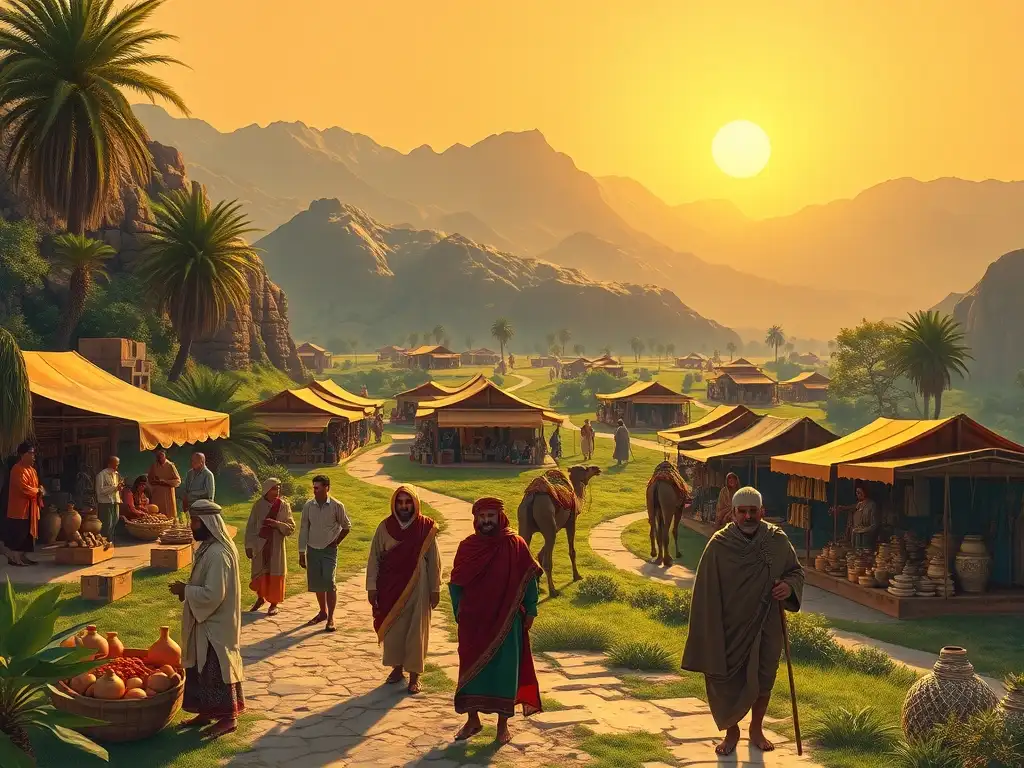
The legacy of ancient Indian trade routes extends beyond economic practices; it encompasses technological advancements and cultural exchanges that have shaped societies around the globe. These legacies continue to influence modern markets in various ways.
Innovations in Trade Practices from Ancient India
Ancient Indian traders were known for their innovative approaches to commerce, including the use of advanced navigation techniques and the development of standardized weights and measures. These innovations facilitated smoother transactions and contributed to the efficiency of trade, laying the groundwork for contemporary practices in logistics and inventory management.
The introduction of coinage in India, which simplified trade and valuation, has had a lasting impact on modern currencies and financial systems. The principles established by ancient Indian merchants regarding credit, loans, and interest rates have influenced modern banking practices, allowing for a more structured and reliable financial environment in today’s markets.
Cultural Exchanges and Their Modern Implications
The cultural exchanges that occurred along ancient trade routes have left an indelible mark on modern societies. The spread of religions, philosophies, and artistic traditions through trade interactions has shaped cultural identities around the world. For instance, the introduction of Buddhism from India to East Asia can be traced back to these ancient trade networks.
In contemporary times, the continued exchange of cultural goods—such as art, music, and cuisine—reflects the historical interactions that took place through ancient trade routes. This cultural intermingling not only enriches societies but also fosters global cooperation and understanding, which are essential for thriving modern markets.
The impact of ancient Indian trade routes on modern markets is profound and multifaceted, influencing economic practices, technological innovations, and cultural exchanges that continue to resonate today.
Challenges and Adaptations
The ancient Indian trade routes were not just pathways for commerce; they were also arenas of significant challenges and adaptations that shaped the course of economic practices in the region. These challenges varied from geographical and environmental hurdles to socio-political dynamics, which required innovative adaptations by traders and merchants.
Historical Challenges Faced by Ancient Trade Routes
The ancient trade routes of India, which included the well-known Silk Road and maritime paths, faced numerous challenges that impacted their functionality and efficiency.
- Geographical Barriers: The vast and diverse terrain of India, including the Himalayas, deserts, and dense forests, posed considerable difficulties for traders. Navigating these landscapes required skilled knowledge and adaptation, often leading to the development of specific routes that circumvented natural obstacles.
- Political Turmoil: The political landscape of ancient India was marked by the rise and fall of various empires and kingdoms, such as the Maurya and Gupta Empires. Frequent conflicts and invasions disrupted trade, necessitating the establishment of secure trading posts and alliances between merchants and local rulers to ensure the safety of goods and traders.
- Cultural Differences: The interaction of diverse cultures along trade routes led to misunderstandings and conflicts. Traders learned to adapt by engaging in diplomacy and cultural exchange, which facilitated not just trade but also the spread of ideas and practices across regions.
- Economic Fluctuations: Market dynamics fluctuated due to seasonal changes, crop failures, and shifts in demand. Traders had to develop adaptable strategies, such as diversifying their goods and negotiating barter systems, to manage these economic challenges effectively.
Modern Adaptations of Ancient Trade Principles
The principles established by ancient Indian trade routes have found relevance in modern economic practices, showcasing a remarkable continuity of ideas.
- Globalization: The ancient trade routes paved the way for globalization by connecting different civilizations. Today, the principles of interconnectedness and interdependence in trade continue to be utilized, with modern supply chains echoing the ancient practices of exchanging goods across vast distances.
- Trade Policies: The historical need for trade regulations and agreements has influenced contemporary trade policies. Modern nations are increasingly looking at historical precedents to inform bilateral and multilateral trade agreements, ensuring smoother commerce across borders.
- Cultural Exchange: Just as ancient traders facilitated cultural exchange, modern markets emphasize the importance of cultural understanding and collaboration. Businesses today recognize the value of diversity and adapt their strategies to cater to global audiences, reminiscent of the ancient practices of cultural diplomacy.
- Sustainable Practices: Ancient traders often operated within the constraints of their environments, leading to sustainable practices. The modern emphasis on sustainability in trade and production reflects this ancient wisdom, advocating for eco-friendly practices and resource management reminiscent of historical norms.
Conclusion
The legacy of ancient Indian trade routes is profound, influencing not only the economic practices of their time but also shaping modern markets in significant ways.
The Enduring Legacy of Ancient Indian Trade Routes
The ancient Indian trade routes were instrumental in establishing economic connections that have endured through the centuries. They fostered a culture of commerce that emphasized not just the exchange of goods but also the movement of ideas, cultures, and technologies. This legacy is evident in the continued importance of trade in contemporary society, where interconnectedness remains a cornerstone of economic growth.
Future Implications for Trade and Economy Based on Historical Insights
Looking ahead, the historical insights gained from ancient Indian trade routes can serve as a guide for modern economies. As globalization continues to evolve, understanding the complexities of historical trade practices can inform strategies to navigate current economic challenges. Emphasizing collaboration, cultural exchange, and sustainability, as practiced by ancient traders, can lead to more resilient and adaptive economic systems in the future. The lessons from the past can catalyze innovative approaches to global trade, ensuring that the impact of ancient Indian trade routes continues to resonate in modern markets.
- Introduction to Ancient Indian Trade Routes
- The Economic Foundations of Ancient Indian Trade
- The Influence of Ancient Indian Trade Routes on Modern Markets
- Technological and Cultural Legacies
- Challenges and Adaptations
- Conclusion
Frequently Asked Questions
What were the main ancient Indian trade routes?
The primary trade routes included the Silk Road and the Maritime Spice Route, which facilitated the exchange of goods like spices, silks, and precious stones.
How did ancient Indian trade routes affect cultural exchange?
These routes promoted significant cultural exchange, allowing the sharing of ideas, religions, and art forms, thus enriching the civilizations involved.
What was the impact of ancient trade on modern markets?
The legacy of ancient trade routes continues to influence modern markets by establishing trade networks and emphasizing the importance of global commerce.
How did ancient trade routes contribute to economic growth?
They enabled the flow of goods and resources, leading to increased economic activity and the prosperity of various regions through trade partnerships.
What role did geography play in ancient Indian trade?
Geographical features, such as rivers and mountain passes, significantly impacted the routes taken and the ease of trade, shaping the dynamics of ancient Indian commerce.
Final Reflection: The Enduring Legacy of Ancient Indian Trade Routes
The intricate web of ancient Indian trade routes has not only shaped the economic landscape of its time but continues to influence modern markets in profound ways. The exchange of goods, ideas, and cultures along these routes laid the foundation for global trade practices we see today. As we navigate a world increasingly interconnected by commerce, the lessons from these ancient pathways remind us of the importance of collaboration and mutual growth in a thriving marketplace.
The impact of ancient Indian trade routes extends beyond mere economic transactions; it has woven itself into the very fabric of our cultural and social identities. These routes facilitated the exchange of not just spices and textiles, but also philosophies and innovations that have enriched societies across continents. As we reflect on this legacy, we recognize that “trade is not just about goods; it’s about people and the relationships we build.” > This quote encapsulates the essence of how trade fosters connections that transcend borders and time.
As we look to the future, let us embrace the lessons of the past and consider how we can apply them in our daily lives and businesses. Reflect on the importance of building relationships and fostering collaboration in your own endeavors. Whether you are an entrepreneur, a student, or simply a curious individual, remember that the spirit of trade is rooted in connection and understanding. By honoring the legacy of ancient Indian trade routes, we can pave the way for a more inclusive and prosperous future for all.
Unveil the Legacy of Trade: Connect with the Markets of Today!
Thank you for diving into the fascinating world of ancient Indian trade routes! Your interest in this rich history not only sheds light on the past but also helps us understand its profound influence on modern markets. Now, it’s time to take action and connect this knowledge to your personal and professional journey.
Here’s how you can explore further and make a difference:
- Dive deeper: Read about current trade practices inspired by ancient techniques—discover how businesses are working to revive these concepts in today's marketplace.
- Start a conversation: Share your thoughts on the impact of ancient trade in your community—consider how these historical insights can inform modern commerce.
- Join a local group or online forum: Engage with others who share your passion for history to discuss how the lessons of the past can guide us in contemporary market strategies.
What insights from ancient trade do you think could revolutionize the way we conduct business today? Share your ideas below!