
Ancient Indian Crafts: Economic Impact of Artisanship and Trade

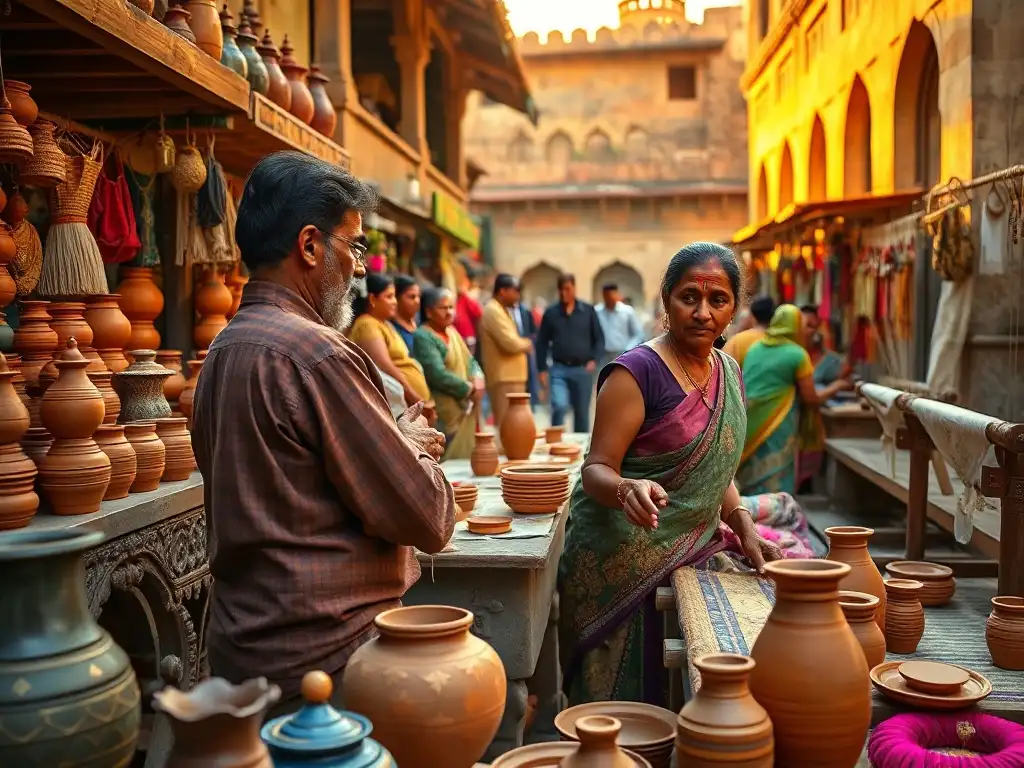
Welcome to Ancient India History, where we embark on a captivating journey through the rich tapestry of ancient Indian civilizations. Here, we delve into the fascinating world of Ancient Indian crafts and trade, exploring how the artistry and economic exchanges of skilled artisans shaped not only local communities but also the broader landscape of trade across continents.
As you uncover the intricate connections between craftsmanship and commerce, prepare to be intrigued by the stories of innovation and cultural exchange that still resonate today. Join us as we unravel the profound impact of these ancient practices on the economy and beyond!
Introduction to Ancient Indian Crafts and Trade
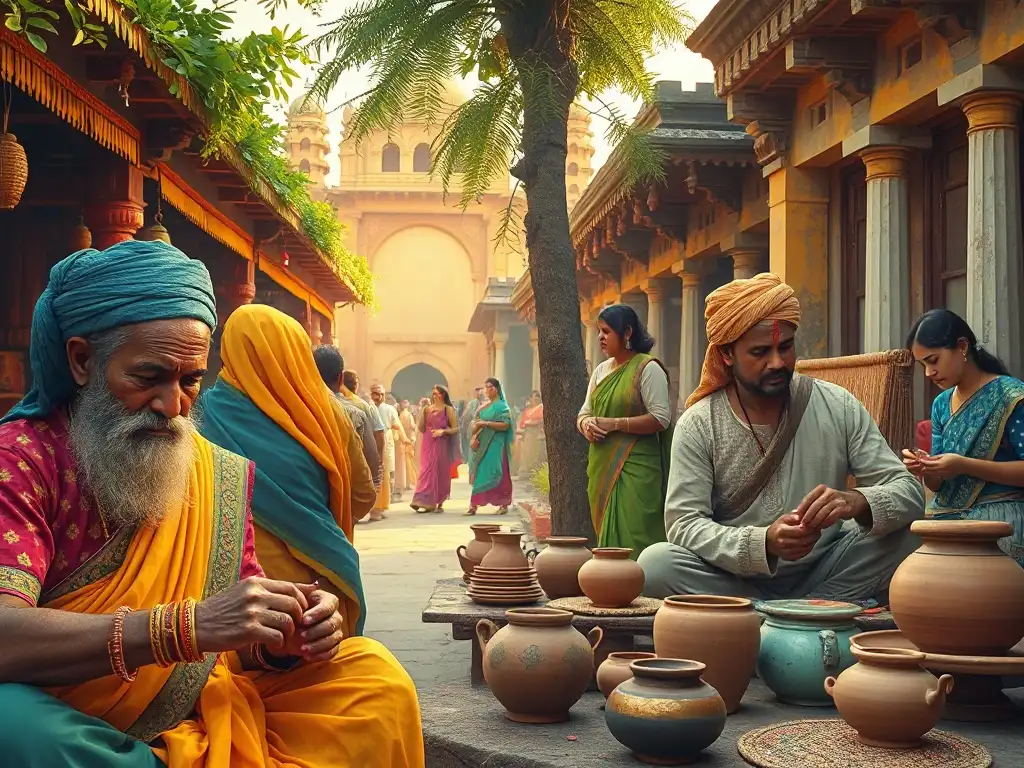
The rich tapestry of ancient Indian history is woven with the intricate threads of craftsmanship and trade, reflecting a society that valued artistic expression and economic prosperity. From the famed artisans of the Indus Valley to the skilled craftspeople during the Gupta Empire, ancient Indian crafts encapsulate not only aesthetic beauty but also significant economic activities that fostered trade networks both locally and internationally.
This article delves into the multifaceted impact of ancient Indian crafts and trade, exploring how these practices shaped the economy and contributed to the cultural legacy of the Indian subcontinent. By examining the historical context, evolution, and the regions renowned for their artisanship, we can gain a comprehensive understanding of the economic practices that thrived in ancient India.
Overview of Ancient Indian Artisanship
Ancient Indian artisanship was a cornerstone of the economy, characterized by a diverse range of crafts such as pottery, weaving, metallurgy, and sculpture. The artisans were often organized into guilds, which played a crucial role in preserving specialized skills and techniques. These guilds not only facilitated knowledge transfer but also established trade relationships that extended beyond regional borders.
- Key Crafts and Skills:
- Textiles: India was known for its exquisite textiles, including silk and cotton, which were often dyed and woven with intricate patterns.
- Pottery: The production of terracotta and painted pottery showcased the artistic talents of ancient craftsmen.
- Metallurgy: The skillful crafting of metal objects, including tools and ornaments, highlighted the technological advancements of the time.
The artisans not only catered to local markets but also exported their goods, making ancient Indian crafts an essential part of the trade economy.
Importance of Crafts in Ancient Indian Economy
Craftsmanship held a pivotal role in the ancient Indian economy, influencing various aspects of daily life and commerce. The production of crafts was not merely a means of livelihood but also a reflection of cultural identity and societal values.
- Economic Contributions:
- Employment: Artisanship provided employment to a significant portion of the population, fostering economic stability within communities.
- Trade Networks: The trade of crafted goods established connections with other civilizations, facilitating cultural exchange and economic growth.
- Cultural Heritage: Crafts often carried symbolic meanings and were integral to religious and ceremonial practices, enriching the cultural landscape of ancient India.
The interplay between crafts and trade created a vibrant economic system that thrived on innovation and creativity.
Historical Context of Ancient Indian Crafts
To understand the economic impact of ancient Indian crafts, it is essential to explore their historical context. The evolution of craftsmanship in India can be traced back to some of the earliest civilizations, which laid the foundation for future developments in artisanship and trade.
Evolution of Crafts in Early Civilizations
The roots of ancient Indian crafts can be found in the Indus Valley Civilization (circa 3300–1300 BCE), where evidence of advanced urban planning and skilled craftsmanship has been uncovered. Artifacts such as:
- Seal Carvings: Intricate seals depicting animals and scripts indicate a high level of artistry.
- Bead Making: The production of beads from semi-precious stones was a significant craft, used for adornment and trade.
As civilizations evolved, so did the crafts. The Mauryan Empire (circa 322–185 BCE) saw a flourishing of craftsmanship, with royal patronage encouraging artisans to explore new techniques and materials.
Key Regions Known for Artisanship in Ancient India
Certain regions of ancient India became synonymous with specific crafts, each contributing uniquely to the overall economic landscape. Notable regions include:
- West India (Gujarat and Maharashtra): Renowned for textiles and intricate embroidery.
- South India (Tamil Nadu and Karnataka): Famous for bronze sculptures and temple architecture.
- North India (Uttar Pradesh): Known for its exquisite pottery and metalwork.
Each region's distinct crafts not only served local needs but also attracted traders from distant lands, thus amplifying the economic impact of ancient Indian artisanship on a global scale.
The Role of Artisans in Ancient Indian Society
Artisans played a critical role in ancient Indian society, serving as the backbone of economic activity and cultural expression. They were skilled individuals who specialized in various crafts, ranging from textiles to metalwork, pottery, and jewelry. Their craftsmanship not only fulfilled local needs but also contributed to the broader economic framework of ancient India.
Artisans operated within guilds, known as shrenis, which provided them with a sense of community and collective bargaining power. These guilds regulated production and trade practices, ensuring quality and standardization. They also played a significant role in training apprentices, thereby passing down traditional skills and techniques through generations. This cultural transmission was essential for preserving the diverse craftsmanship that characterized ancient Indian civilization.
Additionally, artisans often held a dual role as both creators and traders. They engaged in local markets to sell their products while also establishing connections with traders who facilitated the exchange of goods across regions. This dynamic not only stimulated economic growth but also promoted cultural exchange through the dissemination of artistic styles and techniques.
Types of Crafts and Artisans
The diversity of ancient Indian crafts reflects the vast geographical and cultural landscapes of the subcontinent. Key types of crafts included:
- Textiles: Known for their vibrant colors and intricate patterns, textiles from regions like Gujarat and Tamil Nadu showcased advanced techniques in weaving and dyeing.
- Metalwork: Artisans skillfully crafted tools, weapons, and decorative items from metals like copper, bronze, and iron. The famous Iron Pillar of Delhi is a testament to the advanced metallurgy of ancient India.
- Pottery: Potters produced a wide array of ceramics, often decorated with distinctive motifs. The painted pottery of the Indus Valley Civilization is particularly notable.
- Jewelry Making: Skilled jewelers crafted exquisite pieces using gold, silver, and precious stones, which were highly sought after both domestically and in foreign markets.
- Woodwork and Stone Carving: Craftsmen specialized in creating intricate sculptures, architectural elements, and everyday items, contributing to the aesthetic richness of temples and public spaces.
These crafts not only provided livelihoods for artisans but also played a significant role in the cultural identity of different regions.
Social Status and Economic Contribution of Artisans
The social status of artisans varied widely across ancient India, influenced by factors such as the type of craft, the region, and the prevailing social norms. While some artisans enjoyed a respectable position within society, particularly those engaged in high-value crafts like jewelry making, others faced social stigma, especially those in lower-status trades.
In terms of economic contribution, artisans were pivotal to the local economies. They generated employment, stimulated demand for raw materials, and contributed to the overall wealth of their communities. Their crafts often formed the basis of local economies, with some regions becoming renowned for specific types of production, thus attracting trade and investment.
Moreover, the prestige associated with certain crafts led to the rise of wealthy merchant classes, further integrating artisans into broader economic systems. This economic interdependence fostered a vibrant marketplace where the exchange of goods and services flourished.
Trade Networks and Economic Impact of Crafts
Trade networks played an essential role in the economic prosperity of ancient India, facilitating the movement of crafts and goods across vast distances. The interconnectedness of these networks allowed for the exchange of ideas, materials, and cultural practices, significantly impacting the economy.
Internal Trade Routes and Their Importance
Internal trade routes were vital for the movement of goods within India. Key routes connected major cities and regions, enabling artisans to access markets for their crafts. For example, the Grand Trunk Road facilitated trade between the eastern and western parts of the subcontinent, while river systems like the Ganges and Indus served as natural highways for transporting goods.
These routes not only promoted commerce but also encouraged cultural exchange. Artisans traveling along these paths often shared techniques and styles, enriching the artistic heritage of their communities. The establishment of marketplaces along these routes allowed artisans to directly engage with consumers, fostering a dynamic economic environment.
External Trade: Connecting to Global Markets
Ancient Indian craftsmen were not only confined to local markets; they were also integral to external trade networks that connected India to global markets. The Indian subcontinent traded extensively with regions such as the Middle East, Southeast Asia, and even parts of Africa.
Goods such as textiles, spices, and precious metals were highly sought after in international markets. The export of Indian crafts created a demand that bolstered the economy and enhanced the status of artisans and traders alike. The evidence of trade links can be found in archaeological findings of Indian goods in distant lands, indicating the far-reaching impact of ancient Indian craftsmanship.
Economic Benefits of Crafts and Trade on Local Communities
The economic benefits of crafts and trade on local communities were multifaceted. Firstly, the production and sale of crafts created employment opportunities, empowering local artisans and their families. This economic activity stimulated local economies, leading to increased wealth and improved living standards.
Additionally, trade promoted the development of infrastructure, such as roads, ports, and marketplaces, further enhancing economic activity. Communities became hubs of commerce, attracting merchants and traders who contributed to the local economy.
The interdependence between crafts and trade ultimately fostered a sense of community and cultural identity. Through their crafts, artisans not only supported their families but also preserved and promoted the rich artistic heritage of ancient India, ensuring its legacy for future generations.
Case Studies of Notable Ancient Indian Crafts
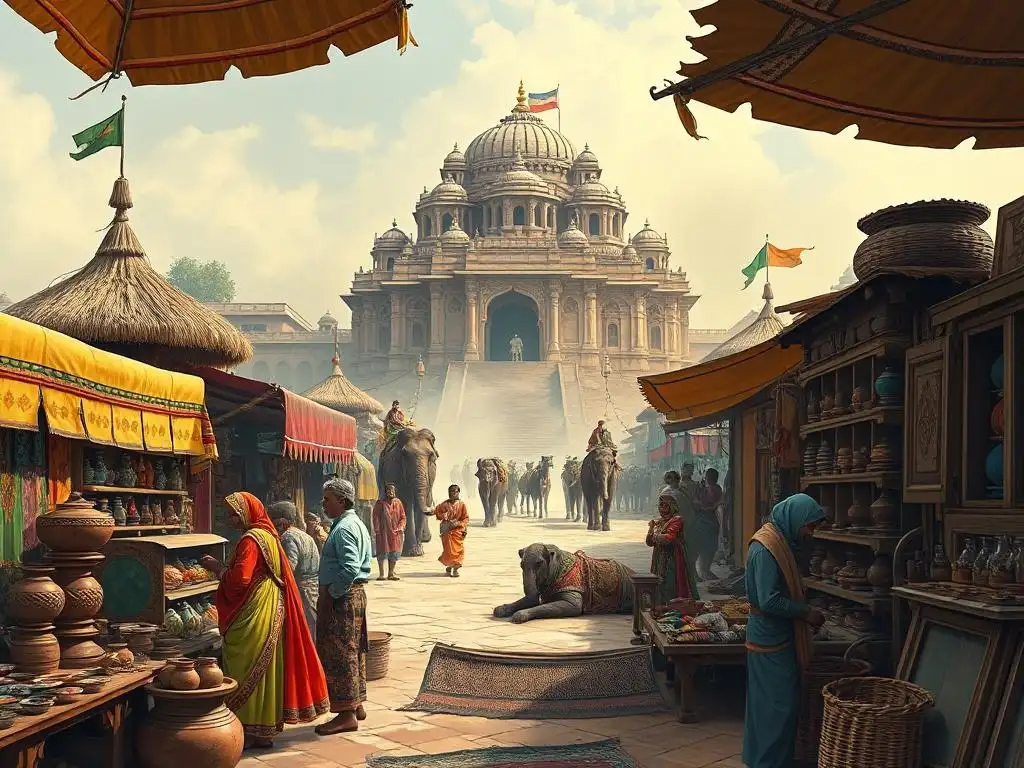
Ancient Indian crafts were not only expressions of artistic skill but also vital components of the economy. These crafts can be categorized based on their regional prominence and the materials used. Each craft contributed to trade practices and shaped the economic landscape of various periods in ancient Indian history. Here, we examine some notable crafts and their economic implications through specific case studies.
The Influence of Indus Valley Crafts on Trade Practices
The Indus Valley Civilization (c. 2500-1900 BCE) is renowned for its advanced urban planning and sophisticated crafts. Artisans in cities like Mohenjo-Daro and Harappa specialized in various crafts, including pottery, bead-making, and metallurgy. The intricate seals and terracotta figurines found at archaeological sites indicate a high level of artistic achievement and technological innovation.
Trade was a key aspect of the Indus Valley economy, with crafts facilitating both local and long-distance commerce. The presence of standardized weights and measures suggests that these artisans engaged in regulated trade practices. Moreover, archaeological evidence points to trade links with Mesopotamia, where Indus Valley goods were highly valued. This early form of global trade laid the groundwork for future economic systems in ancient India, emphasizing the significance of craftsmanship in economic interactions.
Gupta Period Crafts and Their Economic Significance
The Gupta Empire (c. 320-550 CE) is often referred to as a golden age of arts and culture in ancient India. During this period, various crafts flourished, including textile weaving, metalwork, and sculpture. The artistry of Gupta craftsmen is evident in exquisite silk textiles and finely crafted metal coins, which were essential for trade.
The economic significance of Gupta crafts can be traced through their contribution to both domestic and international markets. Silk and cotton textiles, for instance, became highly sought after in trade with regions like China and the Middle East, further enhancing the empire's wealth. The flourishing of these crafts not only supported artisans but also stimulated related industries, creating a robust economic network that benefited the entire region.
Challenges Faced by Ancient Indian Artisans
Despite their important role in the economy, ancient Indian artisans faced numerous challenges that impacted their crafts and trade.
Competition and Market Dynamics
Competition among artisans was fierce, particularly in urban centers where numerous craftsmen vied for customers. This competition often led to price wars, which could undermine the profitability of crafts. Local markets became saturated with similar products, forcing artisans to innovate and differentiate their offerings.
Moreover, the demand for certain crafts fluctuated due to changing consumer preferences and socio-economic conditions. Artisans had to adapt quickly to these market dynamics, which sometimes resulted in the decline of traditional crafts that could not keep pace with evolving trends.
Impact of Political Changes on Crafts and Trade
Political instability and changes in governance significantly affected artisanship and trade in ancient India. For instance, invasions or shifts in ruling powers often disrupted established trade routes, leading to a decline in demand for certain crafts. When empires rose and fell, the patronage that artisans relied on could vanish overnight, resulting in economic downturns for many skilled workers.
Additionally, new rulers often imposed taxes or tariffs on trade, which could stifle economic activity and burden artisans. In contrast, periods of stability and favorable policies could enhance craft production and trade, highlighting the interconnectedness between political and economic conditions in ancient India.
The resilience of artisans in the face of these challenges speaks to their adaptability and the importance of crafts in maintaining economic vitality throughout ancient Indian history.
Conclusion: Legacy of Ancient Indian Crafts and Trade
The legacy of ancient Indian crafts and trade is profound and multifaceted, weaving a rich tapestry that continues to influence both the cultural and economic fabric of modern India. The skills and techniques honed by artisans in ancient times laid the groundwork for a vibrant marketplace that not only facilitated local exchanges but also established trade routes that connected India with distant lands. The craftsmanship of ancient artisans—ranging from textiles to metalwork—was not merely functional; it was an expression of identity and tradition, reflective of the diverse communities across the subcontinent.
As these crafts evolved, they became emblematic of Indian heritage, contributing to a sense of pride and continuity. The economic systems that emerged from these artisan practices fostered a sense of community and interdependence, which is still evident today in many traditional crafts that thrive in local markets. The intricate relationship between crafts and trade in ancient India serves as a testament to the ingenuity and resilience of its people, showcasing how economic practices can shape cultural narratives that endure through the ages.
Lasting Economic Impact on Modern India
The economic impact of ancient Indian crafts continues to resonate in contemporary India. Today, the artisan sector plays a crucial role in rural economies, providing livelihoods to millions. Traditional crafts such as handloom weaving, pottery, and metalwork not only contribute to income generation but also promote sustainable practices that are vital for environmental conservation.
Modern initiatives and government policies aimed at preserving these crafts have strengthened their market presence, enhancing export opportunities and participation in global trade. This revival is critical, as it not only sustains economic growth but also preserves the rich heritage of Indian craftsmanship. The ongoing appreciation for handmade goods in a world increasingly dominated by mass production has opened new avenues for artisans, allowing them to thrive while maintaining their cultural roots.
Preservation of Craft Traditions in Contemporary Society
The preservation of craft traditions within contemporary society is essential for maintaining the cultural identity of various regions in India. Organizations, both governmental and non-governmental, are dedicated to promoting and protecting traditional crafts through various means, including training programs, exhibitions, and fairs. These efforts ensure that ancient techniques are passed down through generations, enabling artisans to adapt to modern markets while retaining their unique artistic expressions.
Moreover, the rise of social enterprises focused on ethical consumption and fair trade has created a renewed interest in ancient crafts. Consumers today are increasingly supporting artisans directly, fostering a connection between the maker and the buyer. This shift not only empowers artisans economically but also cultivates a greater appreciation for the craftsmanship involved in creating these unique products. By integrating traditional practices into contemporary lifestyles, society can ensure that the rich legacy of ancient Indian crafts continues to thrive.
References and Further Reading on Ancient Indian Crafts and Trade
Recommended Books and Articles
- "The Crafts of India" by A. S. Raghavan: This book delves into the various crafts of India, exploring their historical significance and economic impact.
- "Indian Artisans and Their Craft" by K. N. K. Sastri: A comprehensive study on the profiles of artisans and the evolution of crafts in ancient India.
- "Trade and Economy in Ancient India" by R. S. Sharma: This article analyzes the trade practices in ancient India and their economic implications.
Online Resources for Exploring Ancient Indian Artisanship
- Crafts Council of India: A platform dedicated to preserving and promoting traditional crafts and artisans.
- National Handicrafts and Handloom Museum: An online repository showcasing the diversity of Indian crafts and their historical context.
- Digital South Asia Library: An extensive resource for research on South Asian history, including ancient crafts and trade practices.
These resources provide valuable insights into the rich heritage of ancient Indian crafts and their lasting effects on trade and economy, encouraging further exploration and appreciation of this vital aspect of Indian history.
- Introduction to Ancient Indian Crafts and Trade
- Historical Context of Ancient Indian Crafts
- The Role of Artisans in Ancient Indian Society
- Trade Networks and Economic Impact of Crafts
- Case Studies of Notable Ancient Indian Crafts
- Challenges Faced by Ancient Indian Artisans
- Conclusion: Legacy of Ancient Indian Crafts and Trade
- References and Further Reading on Ancient Indian Crafts and Trade
Frequently Asked Questions
What are the main types of ancient Indian crafts?
Ancient Indian crafts include textiles, pottery, metalwork, and woodwork. These crafts reflect the cultural diversity and regional specialties of ancient civilizations.
How did trade influence ancient Indian crafts?
Trade played a crucial role by providing artisans with access to raw materials and markets for their products, enhancing the economic impact of their crafts and encouraging innovation.
Which civilizations were known for their artisanship in ancient India?
The Indus Valley Civilization, Maurya Empire, and Gupta Empire are notable for their artisanship. Each contributed significantly to the development of various crafts and trade networks.
What was the significance of artisans in ancient Indian society?
Artisans were essential for the economy as they produced goods for both local consumption and export. They also played a vital role in preserving and passing on cultural traditions.
How did ancient Indian crafts and trade impact modern India?
The legacy of ancient Indian crafts and trade continues to influence modern Indian artisans and industries, fostering a sense of heritage and contributing to contemporary economic development.
Final Reflection: The Enduring Legacy of Ancient Indian Crafts and Trade
The economic impact of ancient Indian crafts and trade is not merely a relic of the past; it is a vibrant thread woven into the fabric of contemporary society. Today, as we navigate a globalized economy, the significance of these traditional practices becomes increasingly relevant. The skills and artistry of ancient artisans not only shaped local economies but also fostered cultural exchanges that resonate in our modern world. The legacy of these crafts serves as a reminder of the power of creativity and collaboration in driving economic growth.
The influence of ancient Indian crafts extends beyond mere economic transactions; it has profoundly shaped our cultural identity and social dynamics. The intricate designs and techniques passed down through generations reflect the rich heritage and diversity of India. As we witness a resurgence of interest in sustainable and handmade products, the relevance of these crafts is more pronounced than ever. Art is the most beautiful of all lies.
This quote encapsulates the essence of craftsmanship, where each piece tells a story, bridging the past with the present and inspiring future generations.
As we reflect on the lessons from ancient Indian crafts and trade, let us embrace the call to honor and support these time-honored traditions in our daily lives. Consider how you can engage with local artisans, promote sustainable practices, and appreciate the artistry that surrounds you. By doing so, we not only preserve a rich cultural heritage but also contribute to a more equitable and interconnected world. Let us carry forward the spirit of ancient craftsmanship, ensuring that its legacy continues to thrive for years to come.
Unleash the Power of Ancient Indian Crafts Today!
Thank you for diving into the rich world of ancient Indian crafts and their profound economic impact! You've uncovered the artistry and ingenuity of artisanship that not only shaped trade but also contributed to vibrant communities. Now, it's time to take those insights a step further.
Here are some impactful actions you can take right now:
- Explore Local Artisans: Visit nearby artisan fairs or craft markets to support local talent and connect with the heritage of ancient crafts.
- Learn a Craft: Sign up for a workshop or online course to practice a traditional craft, immersing yourself in the techniques of skilled artisans.
- Share Your Discoveries: Spread the word! Share your insights about ancient crafts on social media or with friends to inspire others to appreciate and support this vital cultural heritage.
What ancient craft are you most excited to explore or learn about, and how will you incorporate it into your life?