
The Influence of Women in Ancient Indian Medicine and Healing

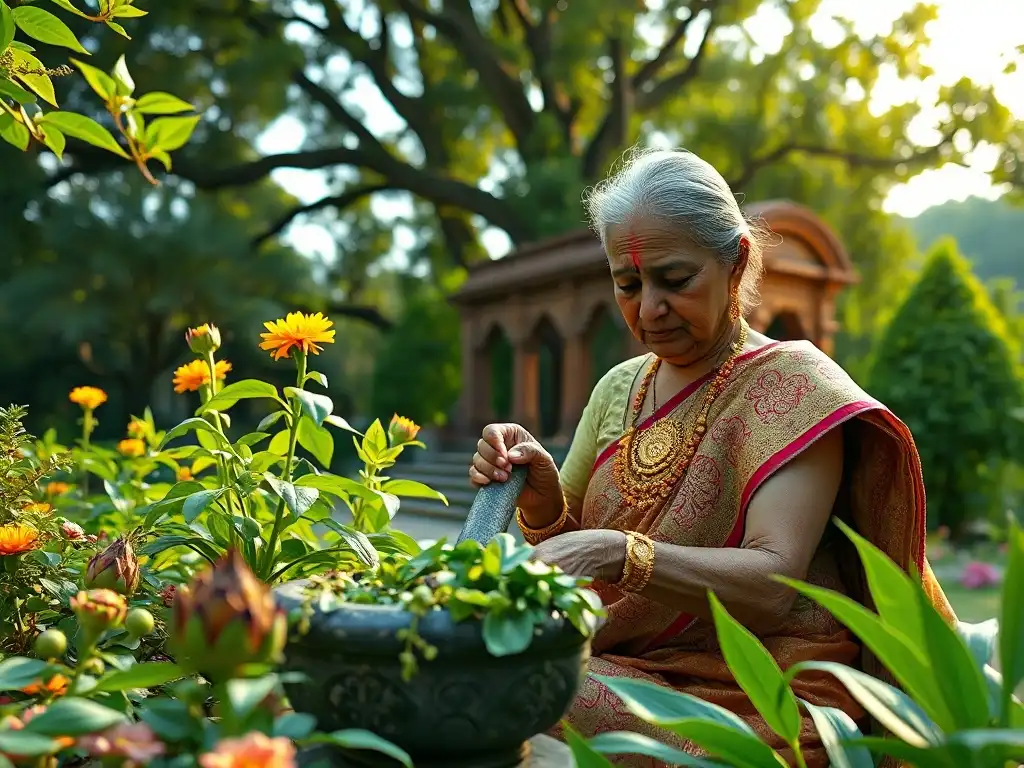
Welcome to Ancient India History, where we delve deep into the rich tapestry of India's past! Here, you will uncover the extraordinary stories and contributions of ancient civilizations, with a special focus on the often-overlooked influence of women in medicine and healing. Did you know that women played a pivotal role in shaping the medical practices of their time? Join us as we explore their remarkable contributions, illuminating the vital impact they had on ancient Indian society. Prepare to be inspired and intrigued—your journey through history begins now!
Introduction to Women in Ancient Indian Medicine
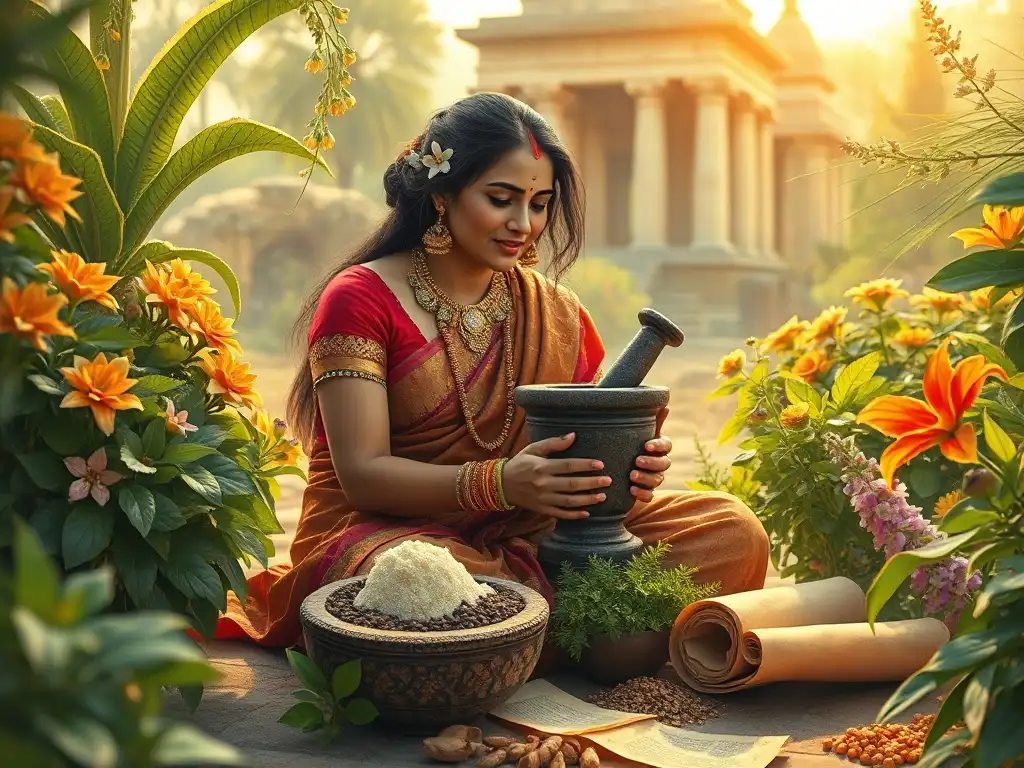
The role of women in ancient Indian medicine is a fascinating and essential aspect of the rich tapestry of India's historical narrative. From the early days of the Indus Valley Civilization to the flourishing Gupta Empire, women have played a pivotal role in the development and practice of various healing arts.
Their contributions have often been overshadowed by their male counterparts; however, it is crucial to acknowledge and explore the significant influence of women in shaping medical practices that have transcended generations. This article delves into the historical context, practices, and the enduring legacy of female healers, offering insights into their vital contributions to ancient Indian medicine.
Overview of Ancient Indian Medicine Practices
Ancient Indian medicine, primarily rooted in the holistic system of Ayurveda, encompassed a wide array of practices that emphasized the balance between the mind, body, and spirit. This traditional system of healing was not just limited to physical ailments but also addressed emotional and psychological well-being. Key characteristics of ancient Indian medicine included:
- Holistic Approaches: Emphasis on treating the whole person rather than just symptoms.
- Natural Remedies: Use of herbs, plants, and minerals as primary sources for medicinal treatments.
- Spiritual Elements: Integration of spiritual practices and rituals in healing processes.
Women were often the custodians of this knowledge, serving as healers, caregivers, and practitioners who utilized their understanding of medicinal plants and holistic health practices within their communities.
Significance of Female Healers in Ancient India
The presence of female healers in ancient India was significant for several reasons:
- Cultural Transmission: Women played a crucial role in passing down medicinal knowledge through generations, preserving traditional healing practices.
- Community Trust: Female healers were often more accessible to women and children, fostering trust and comfort in seeking medical assistance.
- Diverse Expertise: Women contributed to various fields of medicine, including obstetrics, gynecology, and herbal medicine, showcasing their diverse expertise.
Their influence extended beyond mere practice; women were integral to the social fabric of healing, often acting as the first point of contact for medical care in their communities.
Historical Context of Women's Roles in Healing
Traditional Roles of Women in Ancient Indian Society
In ancient Indian society, women's roles were multifaceted, extending into various domains, including family, economy, and spirituality. Traditionally, women were tasked with:
- Household Management: Overseeing domestic affairs, which often included the preparation and administration of herbal remedies.
- Spiritual Healers: Engaging in rituals and practices that combined healing with spirituality, thus enhancing the efficacy of treatments.
- Education of Children: Teaching the next generation about traditional medicinal practices and the importance of health and wellness.
These roles provided women with a foundational understanding of health and healing, empowering them to take on the responsibilities of healers within their communities.
Women as Practitioners of Ayurveda and Other Healing Arts
Women were not just passive recipients of medicinal knowledge; they actively engaged in the practice of Ayurveda and other healing arts. Some notable aspects include:
- Certified Practitioners: Many women were recognized as skilled practitioners, sometimes even leading their own clinics or practices.
- Herbal Knowledge: Their intimate knowledge of local flora enabled them to create effective remedies tailored to the specific needs of their patients.
- Mentorship: Female healers often mentored younger women, ensuring the continuity of medicinal practices and fostering a community of skilled female practitioners.
The contributions of women to ancient Indian medicine were profound and laid the groundwork for future generations, highlighting the importance of recognizing their roles in this rich historical narrative.
Prominent Women Healers in Ancient Indian Medicine
Throughout ancient Indian history, women played significant roles in the field of medicine and healing. Their contributions often went unrecorded in mainstream texts, yet they were pivotal in the evolution of medical practices. Prominent women healers were not only practitioners of medicine but also scholars and innovators, whose legacies influenced generations. The following sections highlight notable women who made substantial contributions to ancient Indian medicine.
Charaka's Wife: Contributions and Legacy
Charaka, one of the most revered figures in ancient Indian medicine, is best known for his work in Ayurveda through the "Charaka Samhita." While Charaka himself is celebrated, his wife remains a somewhat overlooked figure in medical history. She played a crucial role in supporting and contributing to Charaka's research and writings.
Her contributions included the practical application of the medical knowledge contained in the "Samhita," as well as the preparation of herbal medicines and remedies. This collaboration exemplified the partnership between husband and wife, where her insights and experiences enriched the texts that would guide Ayurvedic practitioners for centuries. The legacy of Charaka's wife is reflected in the tradition of women continuing to practice Ayurveda and uphold the knowledge passed through generations.
Dhanvantari's Daughter: Innovations in Healing Practices
Dhanvantari, often regarded as the divine physician in Hindu mythology, had a daughter who made innovative strides in the healing practices of her time. While historical texts may not provide extensive details about her, her influence is evident in the oral traditions that speak of her methods of treatment and her advocacy for holistic healing.
She is said to have introduced new techniques for surgical procedures and medicinal preparations, which highlighted the importance of precision and care in healing. Her approach to medicine emphasized the connection between physical health and spiritual well-being, laying the groundwork for future practices in Ayurveda. The innovations attributed to Dhanvantari's daughter underscore the often-unrecognized contributions of women in ancient medical advancements.
Gargi Vachaknavi: Impact on Medical Texts and Knowledge
Gargi Vachaknavi, a notable philosopher and scholar from ancient India, is often remembered for her profound insights and contributions to various fields, including medicine. Although primarily known for her philosophical discourses, Gargi's influence extended to the medical realm, particularly in the formulation of texts that addressed health, wellness, and the natural world.
Her discussions on the nature of existence and the human body provided a foundation for understanding health from a holistic perspective. Gargi's impact is seen in the integration of philosophical concepts into medical practices, which encouraged practitioners to consider not just the physical ailments of patients, but also their mental and spiritual states. The legacy of Gargi Vachaknavi is a testament to the intellectual prowess of women in ancient India and their vital role in shaping medical knowledge.
The Intersection of Gender and Medicine in Ancient India
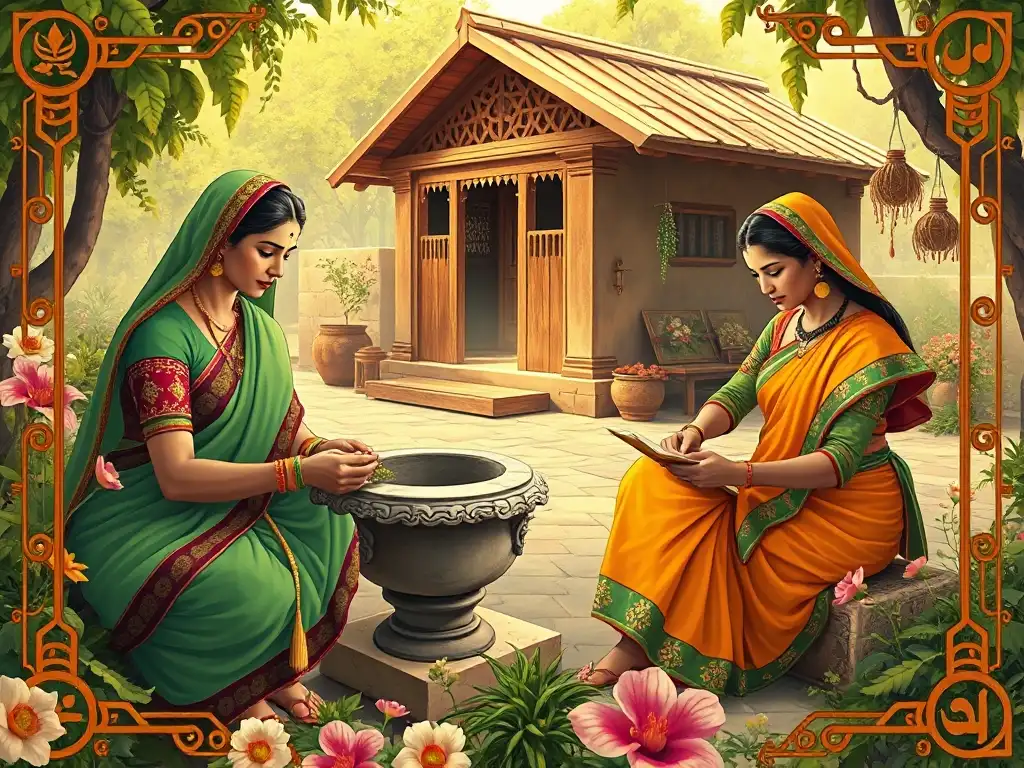
The role of women in ancient Indian medicine was complex, intertwined with social, cultural, and religious dynamics. Understanding this intersection provides insight into how gender influenced medical practices and the perception of women as healers.
Gender Dynamics in Medical Practice
In ancient India, the practice of medicine was often viewed through a gendered lens. While men dominated formal medical education and texts, women frequently operated within informal and domestic spheres, healing their families and communities. This division created a unique dynamic where women were both marginalized in formal recognition yet retained significant influence in practical applications of healing.
Women were known to utilize their knowledge of herbs, diet, and traditional remedies, often passed down through familial lines. Their roles as caregivers and healers emphasized the importance of women's contributions to health and wellness in society. As a result, women played a central role in maintaining the health of their communities, often using knowledge that was not documented in the prevailing texts of their time.
Cultural Perceptions of Women Healers
Cultural perceptions of women healers in ancient India were multifaceted. On one hand, women were revered as nurturers and caregivers, seen as essential to the well-being of families and communities. This reverence often translated into respect for their healing practices. However, societal norms also imposed limitations on women's roles, relegating them to the private sphere and often dismissing their expertise in the public domain.
Women healers were sometimes associated with spiritual practices and traditional belief systems, which could elevate their status in certain contexts. Yet, they also faced skepticism and challenges from male counterparts who controlled formal medical education and institutions. This duality reflects the complex interplay between respect and marginalization that defined the experiences of women in medicine throughout ancient India.
The contributions of women in ancient Indian medicine illustrate a rich tapestry of knowledge and practice that continues to influence healing traditions today. The stories of these prominent women serve as reminders of the essential roles they played in shaping the medical landscape of their time.
The Legacy of Women in Ancient Indian Medicine
Women have played a pivotal role in shaping the landscape of ancient Indian medicine, significantly influencing health practices and healing traditions. Historical texts and archaeological findings reveal that women were not only practitioners but also key contributors to the development of medicinal knowledge. They were often entrusted with the responsibilities of healthcare within their families and communities, emphasizing their integral role in holistic well-being.
Notable figures such as Sushruta, credited with surgical texts, acknowledged the contributions of female healers, often referred to as "Vaidyas." These women practiced traditional medicine, utilizing herbal remedies and holistic approaches to treat ailments. Their knowledge was passed down through generations, often within families, ensuring that their contributions were preserved and respected.
Furthermore, women in ancient India were instrumental in the formulation of various texts on herbal medicine, with many references to their expertise appearing in works like the Charaka Samhita. This legacy underscores the depth of women's involvement in the field, highlighting their role as both healers and educators within their communities.
Influence on Modern Indian Medicine
The influence of women in ancient Indian medicine extends to contemporary practices, where their contributions continue to resonate. Modern Indian medicine reflects many principles established by these early practitioners, particularly in the realm of Ayurveda, which is deeply rooted in ancient traditions. Many Ayurvedic practitioners today draw upon the vast knowledge derived from historical texts that were shaped by female healers.
In recent years, there has been a resurgence of interest in traditional healing practices, with many women leading initiatives to revive and promote ancient healing methods. This revival not only acknowledges the historical significance of women in medicine but also empowers women in modern healthcare roles, fostering a more inclusive environment that honors the contributions of female practitioners.
The continued integration of traditional knowledge into modern medical practices illustrates how the legacy of women in ancient Indian medicine remains relevant. Their foundational work serves as a reminder of the importance of diverse perspectives in the evolution of medical practices.
Continued Recognition of Female Contributions in Healing
Despite the historical significance of women in ancient Indian medicine, their contributions were often overshadowed or overlooked in mainstream narratives. However, recent scholarship and cultural movements are working to rectify this imbalance. Scholars are increasingly recognizing the roles women played in the development of medicinal practices and the transmission of knowledge.
Efforts are underway to highlight the achievements of historical female figures in medicine. Documentaries, books, and academic studies are shedding light on their stories, ensuring that they receive the recognition they deserve. Additionally, organizations dedicated to women's health are actively promoting the importance of incorporating traditional knowledge into contemporary healthcare, further validating the contributions of women healers.
Community initiatives are also emerging, aimed at educating younger generations about the rich heritage of women in medicine. These programs emphasize the importance of preserving traditional healing practices and encourage women to reclaim their roles as healers within society.
Conclusion: The Enduring Impact of Women in Ancient Indian Medicine
The contributions of women in ancient Indian medicine have left an indelible mark on the field of healing, shaping practices that continue to thrive today. Their legacy is evident in various aspects of modern medicine, from herbal remedies to holistic treatments that emphasize the importance of physical, mental, and spiritual well-being.
Summary of Key Contributions
Key contributions of women in ancient Indian medicine include:
- Herbal Knowledge: Women were the primary custodians of botanical knowledge, utilizing plants for healing.
- Family Healers: Often serving as the first point of care in their communities, women played critical roles in domestic medicine.
- Textual Contributions: Their involvement in writing and preserving ancient medical texts ensured the continuity of medicinal practices.
Reflection on Women's Roles in Healing Traditions Today
Today, the role of women in healing traditions is undergoing a renaissance. As more women pursue careers in medicine, their historical contributions serve as a source of inspiration. Contemporary female healers are increasingly recognized for their expertise, blending traditional practices with modern medical knowledge.
This shift reflects a broader societal acknowledgment of the vital role women have always played in health and healing. By recognizing and celebrating the legacy of women in ancient Indian medicine, society can foster a more equitable and inclusive future in healthcare. Their enduring impact serves as a testament to the strength and resilience of women throughout history, emphasizing the need to continue honoring their contributions in the field.
- Introduction to Women in Ancient Indian Medicine
- Historical Context of Women's Roles in Healing
- Prominent Women Healers in Ancient Indian Medicine
- The Intersection of Gender and Medicine in Ancient India
- The Legacy of Women in Ancient Indian Medicine
- Conclusion: The Enduring Impact of Women in Ancient Indian Medicine
- What was the role of women in ancient Indian medicine?
- How did ancient Indian society view women in medicine?
- What contributions did women make to ancient Indian healing practices?
- Were there any notable women in ancient Indian medicine?
- How does the legacy of women in ancient Indian medicine influence modern practices?
Frequently Asked Questions
What was the role of women in ancient Indian medicine?
Women played a significant role in ancient Indian medicine, often serving as healers and practitioners. They were involved in herbal medicine and contributed to the knowledge of healing practices.
How did ancient Indian society view women in medicine?
In ancient India, women were generally respected as knowledgeable healers. Their contributions to medical practices were acknowledged, although societal norms sometimes limited their roles.
What contributions did women make to ancient Indian healing practices?
Women contributed to various healing traditions, including Ayurveda and folk medicine. They were often the keepers of herbal knowledge, passing it down through generations.
Were there any notable women in ancient Indian medicine?
Yes, there were several notable women, such as Vagbhata, who made significant contributions to Ayurvedic texts. Their work helped shape the understanding of women's health in ancient times.
How does the legacy of women in ancient Indian medicine influence modern practices?
The legacy of women in ancient Indian medicine continues to influence modern holistic approaches to health. Their emphasis on natural healing and the use of herbs is still relevant in contemporary practices.
Final Reflection: The Enduring Legacy of Women in Ancient Indian Medicine
The contributions of women in ancient Indian medicine are not just historical footnotes; they are vital threads woven into the fabric of healing practices that continue to resonate today. As we explore the rich tapestry of traditional healing, it becomes evident that the wisdom and expertise of women have shaped the foundations of medical knowledge, offering insights that are still relevant in contemporary discussions about health and wellness. The legacy of these pioneering women serves as a powerful reminder of the importance of inclusivity in the medical field.
The influence of women in ancient Indian medicine has profoundly impacted our cultural and social landscape, challenging the notion of gender roles in healing and knowledge-sharing. Their stories inspire us to recognize the often-overlooked contributions of women throughout history. As we reflect on this, we can appreciate the words of the renowned Indian physician Charaka, who stated, "> The knowledge of medicine is not limited to men; it flourishes in the minds of women as well." This acknowledgment of women's roles in healing practices encourages a broader understanding of health that transcends gender boundaries.
As we look to the future, let us take a moment to reflect on how we can honor and amplify the voices of women in medicine today. Consider how you can incorporate the lessons from the past into your own life, whether by advocating for gender equality in healthcare, supporting women healers, or simply acknowledging the historical significance of women's contributions to medicine. The journey of healing is a collective one, and by embracing the wisdom of those who came before us, we can create a more inclusive and equitable future for all.
Uncover the Legacy of Ancient Healers!
Thank you for diving into the fascinating world of women in ancient Indian medicine! Your interest in their influential roles in healing practices not only enriches your understanding but also helps preserve this vital heritage. Now, it's time to take action and deepen your connection to this transformative history.
Here are a few steps you can take to explore further:
- Explore Ancient Texts: Read about the historical texts and treatises that highlight the contributions of women in medicine. Look for significant works like the "Sushruta Samhita" and the "Charaka Samhita" to appreciate their impact firsthand.
- Share Your Insights: Discuss what you’ve learned with friends or in online communities. Start a conversation on social media using the hashtag #WomenInMedicine to connect with fellow enthusiasts.
- Attend Local Workshops: Engage in workshops or lectures focusing on medicinal herbs and ancient healing practices. Experience the wisdom of traditional methods in a tangible way.
What aspect of ancient women's healing methods inspired you the most, and how might it influence your views on modern medicine?