
The Influence of Ancient Indian Philosophies on the Maurya Political System


Welcome to Ancient India History, where we embark on a fascinating journey through the rich tapestry of ancient Indian civilizations. Here, you will uncover the profound influence of ancient Indian philosophies on the Maurya political system, revealing how timeless ideas shaped governance and societal structures. As you delve deeper, prepare to be captivated by the intricate connections between philosophy and politics that continue to resonate today. Join us in exploring the legacies of the Indus Valley to the Gupta Empire, and discover the threads that weave our historical narrative together. Your adventure through history awaits!
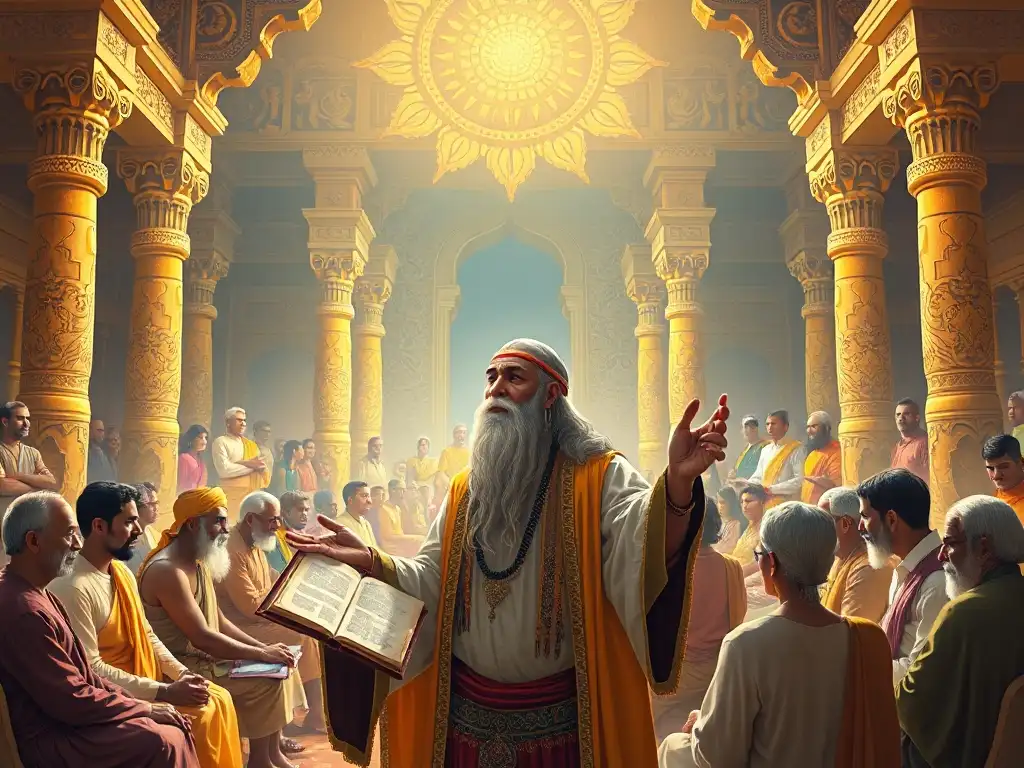
The political landscape of ancient India was intricately shaped by a tapestry of philosophies that emerged from its diverse cultural and spiritual heritage. Among these, the Maurya Empire stands out as a significant period where ancient Indian philosophies profoundly influenced governance and political thought.
This article delves into the intricate connections between ancient Indian philosophies and the political structures of the Maurya Empire, highlighting how these ideas informed not only the ruling strategies but also the ethical framework that guided governance during this pivotal era. By examining the philosophical underpinnings of the Maurya political system, we can better understand the legacy of these ideas and their enduring impact on Indian civilization.
Introduction to Ancient Indian Philosophies
Definition and Overview of Ancient Indian Philosophies
Ancient Indian philosophies encompass a wide range of thought systems that originated in the Indian subcontinent, primarily rooted in spiritual and ethical inquiries. These philosophies include Hinduism, Buddhism, Jainism, and various schools of thought such as Nyaya, Vaisheshika, Mimamsa, and Vedanta. Each of these philosophies offers distinctive perspectives on metaphysics, ethics, and the nature of reality, which contributed significantly to the political ideologies of ancient Indian states.
- Hinduism: Emphasizes Dharma (duty/righteousness) as a guiding principle.
- Buddhism: Advocates for non-violence and the middle path, influencing governance towards compassion.
- Jainism: Focuses on Ahimsa (non-violence) and truthfulness as ethical imperatives.
These philosophies not only shaped the moral fabric of society but also provided a framework for political authority and governance.
Key Philosophical Schools Influencing Indian Thought
The interplay of various philosophical schools enriched the political discourse in ancient India. Some key schools include:
- Nyaya: Known for its logical reasoning and debate, influencing the judicial processes in governance.
- Vaisheshika: Emphasized the nature of reality, which informed administrative practices and the understanding of statecraft.
- Mimamsa: Focused on the interpretation of rituals, which often intertwined with the political and religious duties of rulers.
These schools collectively contributed to the evolution of a political philosophy that prioritized justice, ethical governance, and the welfare of the populace.
The Maurya Empire: A Brief Historical Context
Origins and Establishment of the Maurya Empire
The Maurya Empire, established in the 4th century BCE, marked a turning point in Indian history. Founded by Chandragupta Maurya, the empire united a vast region of northern India under a centralized authority, which was unprecedented at the time. The Mauryan political system was characterized by its bureaucratic governance and a strong military presence, allowing for effective administration across diverse territories.
The philosophical ideas prevalent during this period played a crucial role in legitimizing the authority of the rulers. Chandragupta's advisor, Chanakya (Kautilya), authored the Arthashastra, a treatise that not only outlined strategies for governance and warfare but also integrated philosophical principles into the political framework.
Key Figures in the Maurya Political System
Several prominent figures emerged during the Maurya Empire, each contributing to the political landscape through their philosophical insights:
- Chandragupta Maurya: The founder who established the empire and implemented strategies inspired by ancient philosophies.
- Chanakya (Kautilya): A scholar and strategist whose work emphasized realpolitik and was deeply influenced by the ethical teachings of ancient philosophies.
- Ashoka the Great: Chandragupta's grandson, known for promoting Dhamma, a moral code derived from Buddhist principles, which emphasized non-violence and welfare, profoundly shaping the empire's governance.
These leaders exemplified how ancient Indian philosophies influenced their political decisions, fostering an environment of ethical governance and social responsibility that characterized the Maurya Empire.
Philosophical Foundations of the Maurya Political System
The Maurya Empire, one of the largest and most powerful empires in ancient India, drew heavily from indigenous philosophical traditions to shape its political structure and governance. At the heart of this political system were several ancient Indian philosophies that provided a framework for ethical leadership, societal order, and the responsibilities of rulers. These philosophies emphasized the importance of morality, duty, and the welfare of the subjects, which were instrumental in legitimizing the rule of Mauryan kings.
Key philosophical influences included the concepts of Dharma, which emphasized moral duty and righteousness, and the teachings of Buddhism and Jainism, both of which advocated for non-violence and ethical governance. The integration of these philosophies not only defined the Maurya political landscape but also ensured that the administration was guided by principles that sought to promote the well-being of all citizens.
Role of Dharma in Governance
Dharma, or righteous duty, played a pivotal role in the governance of the Maurya Empire. According to ancient Indian thought, a ruler was expected to adhere to Dharma as a guiding principle in both personal conduct and political decision-making. This adherence to Dharma was believed to ensure stability and prosperity within the empire.
The Mauryan rulers, particularly Emperor Ashoka, exemplified this commitment to Dharma by promoting policies that emphasized justice, moral integrity, and social welfare. Ashoka's edicts, inscribed on pillars and rocks throughout the empire, reflected his dedication to ethical governance, advocating for non-violence, compassion, and respect for all life. This insistence on Dharma not only shaped the policies of the Maurya administration but also fostered a sense of moral responsibility among the rulers, which was crucial for maintaining the loyalty and trust of their subjects.
Influence of Buddhism on Mauryan Political Ideology
Buddhism had a profound impact on the political ideology of the Maurya Empire, especially during the reign of Ashoka. Following his conversion to Buddhism after the Kalinga War, Ashoka sought to govern according to Buddhist principles, which emphasized non-violence (ahimsa), compassion (karuna), and the welfare of all beings.
This shift in ideology led to significant changes in state policies, including the promotion of social justice and the establishment of an extensive network of hospitals and welfare measures. Ashoka's efforts to spread Buddhism beyond the Indian subcontinent also highlight the integration of religious values into political strategy, as he sent missionaries to various regions to promote not just the religion but also the ideals of peace and coexistence. The Maurya political system thus became a vehicle for the dissemination of Buddhist teachings, intertwining governance with spiritual and ethical considerations.
Jain Principles and Their Impact on Mauryan Rule
Jainism, with its strong emphasis on non-violence, truth, and asceticism, also influenced the Mauryan political system. The principles of Jainism resonated with the ruling class, particularly in the context of governance and the treatment of subjects. The Mauryan rulers, notably Chandragupta Maurya, were known to have been influenced by Jain teachings, which emphasized the sanctity of all living beings and the importance of ethical conduct.
Jain values encouraged the rulers to practice moderation and to adopt policies that minimized harm to both people and the environment. This philosophical underpinning facilitated a governance style that was less aggressive and more focused on sustainability and ethical responsibility. The Jain influence can be seen in the Mauryan Empire's approach to trade, agriculture, and legal systems, all of which were designed to promote harmony within the society.
The Integration of Ancient Philosophies into Political Practices
The Maurya Empire's political practices were deeply rooted in the ancient philosophies that shaped its foundational principles. The successful integration of these philosophies into governance allowed the Mauryan rulers to maintain authority while promoting social welfare and ethical conduct.
Application of Ancient Indian Philosophies in Statecraft
In the realm of statecraft, the Mauryan rulers applied various ancient Indian philosophies to address the complexities of governance. The teachings of Kautilya’s Arthashastra, which combined political realism with ethical considerations, served as a major influence in administering the empire. Kautilya emphasized strategies that balanced power dynamics with moral imperatives, guiding rulers to act wisely while considering the welfare of the state and its citizens.
Moreover, the application of these philosophies extended to diplomacy, military strategies, and economic policies, which were devised not merely to expand territory but to ensure the stability and prosperity of the empire. By integrating philosophical principles into practical governance, the Mauryan statecraft exemplified a holistic approach to political leadership.
Leadership Styles Influenced by Philosophical Teachings
The leadership styles of Mauryan rulers were significantly influenced by ancient philosophies. The emphasis on Dharma and ethical governance led to a model of leadership that prioritized benevolence, moral responsibility, and the well-being of the populace. Rulers like Ashoka exemplified this approach, adopting a paternalistic style that sought to protect and nurture their subjects.
Philosophical teachings also encouraged a more consultative form of governance, where rulers would seek advice from wise counselors and religious leaders. This collaborative approach was rooted in the belief that wisdom and insight from various philosophical traditions could lead to better decision-making and governance.
Legal Framework and Moral Governance in the Maurya Empire
The legal framework of the Maurya Empire was deeply intertwined with the moral philosophies that guided its rulers. Laws were not merely a means of control but were seen as instruments for establishing justice and promoting ethical behavior within society. The Mauryan legal system incorporated principles from Dharma, Buddhism, and Jainism, emphasizing fairness, compassion, and the importance of community welfare.
This moral governance was reflected in Ashoka's edicts, which laid down guidelines for ethical conduct among citizens and officials alike. The emphasis on moral laws helped in fostering a sense of accountability and justice, ensuring that the rulers upheld their responsibility towards the people while maintaining order within the empire.
The Maurya Empire's political system was significantly shaped by ancient Indian philosophies, intertwining ethical governance with practical statecraft. The legacy of these philosophical influences remains a crucial aspect of understanding the political dynamics of one of ancient India's most remarkable civilizations.
Comparative Analysis of Philosophical Influences on Politics

The political landscape of ancient India was significantly shaped by various philosophical traditions, particularly during the Maurya Empire. Philosophies such as Hinduism and Buddhism provided distinct frameworks that influenced governance, ethics, and the relationship between rulers and subjects. Understanding these influences requires examining how these philosophies affected political structures and practices during the Maurya period.
Comparison of Hindu and Buddhist Philosophical Influences
Hindu philosophy, characterized by its emphasis on Dharma (righteousness) and the social order, profoundly influenced the Mauryan political system. The notion of Dharma dictated that rulers must govern justly, maintain social harmony, and uphold the caste system. This established a legitimacy for authority and governance rooted in divine law and moral duty.
Conversely, Buddhism, particularly in the form propagated by Emperor Ashoka, offered a more egalitarian and ethical approach to governance. Buddhism emphasized the principles of compassion (Karuna) and non-violence (Ahimsa), advocating for the welfare of all beings. Unlike the rigid social hierarchy in Hinduism, Buddhist philosophy encouraged a more inclusive society, promoting welfare measures regardless of caste.
This contrast in philosophical approach led to varying political implications. While Hinduism reinforced a hierarchical structure where kings were seen as divine representatives, Buddhism presented a vision where rulers were seen as caretakers of their subjects' welfare, thus influencing their respective policies and governance styles.
Analyzing the Differences in Political Implications
The political implications of these philosophical influences are evident in the governance styles adopted by Mauryan rulers. Hinduism's emphasis on Dharma often resulted in a more autocratic style of leadership, where the king's word was law, and the moral order was upheld through rigid adherence to social roles. Policies were often designed to reinforce the status quo, with an emphasis on rituals and duties as prescribed by the Vedas.
In contrast, the Buddhist influence under Ashoka marked a significant shift towards a more humane and ethical form of governance. Ashoka's embrace of Buddhist principles led to policies that prioritized the welfare of the people, such as the establishment of hospitals, irrigation systems, and the promotion of religious tolerance. The political landscape under Ashoka was characterized by a profound commitment to non-violence and a focus on the collective well-being, which was a departure from traditional Hindu governance.
Case Studies: Key Policies Reflecting Philosophical Influence
The Mauryan Empire's policies serve as concrete examples of how ancient Indian philosophies influenced political decision-making and governance. These case studies illuminate the practical applications of philosophical teachings in shaping the empire's socio-political fabric.
Ashoka’s Edicts and Their Philosophical Underpinnings
Ashoka’s edicts, inscribed on pillars and rocks throughout his empire, are perhaps the most profound reflection of Buddhist philosophy in governance. These edicts promote ethical conduct, non-violence, and the importance of Dharma in public life. They advocate for compassion towards all living beings and discourage any form of violence, aligning closely with the core tenets of Buddhism.
One notable edict calls for the humane treatment of animals, reflecting Ashoka’s commitment to Ahimsa. Additionally, the edicts emphasize the importance of moral governance, urging officials to act with integrity and care for their subjects. This marked a significant shift from the more traditional, ritualistic approach of Hindu rulers, showcasing the transformative impact of Buddhist thought on political practices.
The Role of Advisors and Philosophers in Mauryan Governance
The Mauryan political system also saw the integration of philosophical advisors into governance. Figures such as Kautilya (Chanakya), who authored the Arthashastra, played a pivotal role in shaping the political landscape. His work synthesized various philosophical traditions, including elements of Hinduism and pragmatism, to advise rulers on effective governance, strategy, and statecraft.
Kautilya emphasized the importance of realpolitik, suggesting that rulers should prioritize the state's stability and prosperity over strict adherence to moral principles. This pragmatic approach often clashed with the ethical ideals promoted by Buddhism, creating a dynamic tension within the Mauryan governance framework. The interplay between these advisors and the rulers illustrates how ancient Indian philosophies not only influenced policies but also shaped the discourse around governance and ethics during the Maurya Empire.
Conclusion: The Lasting Impact of Ancient Indian Philosophies on Politics
The influence of ancient Indian philosophies on the Maurya political system represents a profound intertwining of thought and governance that shaped not only the empire but also set a precedent for future political frameworks in India. Philosophical teachings, particularly those from Buddhism, Jainism, and Hinduism, provided ethical and moral guidelines that were integral to the administration of the Maurya Empire. The principles of Dharma, which emphasized righteousness and moral duty, were reflected in the policies and practices of Maurya rulers, particularly under Ashoka, who is often heralded for his commitment to non-violence and welfare governance.
Moreover, the Maurya political system's emphasis on statecraft, derived from texts such as the Arthashastra by Kautilya, demonstrated a practical application of philosophical ideas. This blend of ethical considerations with tactical governance established a model that would resonate through the ages, influencing not only subsequent Indian empires but also the global understanding of political ethics.
Summary of Key Influences on the Maurya Political System
The Maurya political system was notably influenced by several key philosophies:
- Buddhism: Ashoka’s embrace of Buddhism led to policies that prioritized the welfare of his subjects, promoting non-violence and compassion. His edicts reflect a commitment to moral governance and the idea of a ruler as a caretaker of his people.
- Jainism: The principles of non-violence (ahimsa) and truthfulness greatly influenced Maurya policies, fostering an environment where ethical governance was paramount. Jain thought encouraged rulers to adopt a lifestyle that minimized harm to all living beings.
- Hinduism: The concept of Dharma in Hindu philosophy provided a framework for law and order. It emphasized the ruler's duty to govern justly and uphold societal order, which was instrumental in maintaining the vast Maurya Empire.
- Arthashastra: Kautilya’s work synthesized various philosophical ideas into practical strategies for governance, focusing on the importance of statecraft, espionage, and realpolitik. This pragmatic approach to politics was a cornerstone of Mauryan administration.
Reflection on the Relevance of Ancient Philosophical Thought in Modern Governance
The philosophical underpinnings of ancient Indian governance remain relevant today, as contemporary political systems grapple with similar ethical and moral dilemmas. Concepts such as justice, welfare, and the role of the state as a moral agent can trace their roots back to the ideas espoused during the Maurya Empire. Modern governance can benefit from revisiting these ancient philosophies, particularly in terms of promoting ethical leadership and social responsibility.
Moreover, the emphasis on inclusive governance and the welfare of citizens, as advocated by Ashoka, resonates with current democratic ideals aimed at ensuring the well-being of all societal segments. The integration of philosophical thought into political practice encourages leaders to adopt a holistic view of governance that prioritizes not just economic growth but also social equity and environmental sustainability.
References
Suggested Readings on Ancient Indian Philosophies and Politics
- "The Arthashastra" by Kautilya: A foundational text on statecraft that merges political strategy with ethical considerations.
- "The Dhammapada": A collection of sayings of the Buddha that emphasizes ethical conduct and the moral duties of rulers.
- "Jain Philosophy: A Historical Overview": An exploration of Jain teachings and their implications for governance and ethics.
Academic Sources for Further Exploration on the Maurya Empire
- "The Maurya Empire: A Historical Perspective" by Romila Thapar: This book provides a comprehensive analysis of the political and cultural dynamics of the Maurya Empire.
- "Buddhism and Politics in the Maurya Empire": A scholarly article that examines the role of Buddhism in shaping Mauryan political policies.
- "Kautilya’s Arthashastra: A Treatise on Statecraft" by R. Shamasastry: An in-depth look at Kautilya's work, focusing on its relevance to ancient and modern governance.
- Introduction to Ancient Indian Philosophies
- The Maurya Empire: A Brief Historical Context
- Philosophical Foundations of the Maurya Political System
- The Integration of Ancient Philosophies into Political Practices
- Comparative Analysis of Philosophical Influences on Politics
- Case Studies: Key Policies Reflecting Philosophical Influence
- Conclusion: The Lasting Impact of Ancient Indian Philosophies on Politics
- References
- What are the main ancient Indian philosophies that influenced politics?
- How did the Maurya Empire utilize ancient philosophies in governance?
- What role did Chanakya play in the Maurya political system?
- How did Buddhist principles influence Maurya politics?
- Why is it important to study the influence of ancient Indian philosophies on politics today?
Frequently Asked Questions
What are the main ancient Indian philosophies that influenced politics?
Ancient Indian philosophies such as Hinduism, Buddhism, and Jainism provided foundational ideas that shaped the political landscape, emphasizing dharma (duty) and ahimsa (non-violence).
How did the Maurya Empire utilize ancient philosophies in governance?
The Maurya Empire incorporated ancient philosophies to establish a governance system based on ethical rule and social responsibility, fostering a stable and prosperous state.
What role did Chanakya play in the Maurya political system?
Chanakya, a key advisor to Chandragupta Maurya, applied ancient Indian philosophies to create effective strategies for statecraft, emphasizing the importance of wisdom and political acumen.
How did Buddhist principles influence Maurya politics?
Buddhist principles, particularly those promoting compassion and non-violence, significantly influenced Maurya rulers like Ashoka, who integrated these values into their policies and governance.
Why is it important to study the influence of ancient Indian philosophies on politics today?
Understanding the influence of ancient Indian philosophies on politics provides insights into the foundational values that shaped not only ancient governance but also contemporary political thought and practices.
Final Reflection: The Enduring Legacy of Ancient Indian Philosophies in Politics
The exploration of Ancient Indian philosophies and their profound influence on the Maurya political system reveals a remarkable interplay between thought and governance that resonates deeply in today's political landscape. As we navigate complex political environments, the wisdom of ancient philosophies offers timeless insights into leadership, ethics, and the role of the state. The lessons drawn from this era remind us that the foundations of governance are often shaped by philosophical underpinnings that transcend time and culture.
The impact of these philosophies extends beyond mere historical interest; they continue to shape our cultural and social frameworks. The principles of Dharma, for instance, emphasize the importance of moral duty and ethical governance, which are as relevant today as they were in ancient times. The true measure of a leader is not how they handle power, but how they wield it for the greater good.
This quote encapsulates the essence of how ancient wisdom can guide contemporary leaders in fostering a just society, urging us to reflect on the ethical dimensions of our own political systems.
As we conclude this exploration, I invite you to reflect on the lessons of ancient Indian philosophies and consider how they can inform your own understanding of politics and leadership. Whether you are a student of history, a political enthusiast, or simply a curious mind, let the insights from the Maurya period inspire you to engage with the world around you thoughtfully and ethically. Embrace the challenge of applying these timeless principles to foster a more just and compassionate society, reminding us that the past can illuminate the path to a better future.
Unveil the Legacy: Take Action Today!
Thank you for exploring the captivating world of ancient Indian philosophies and their influence on the political system during the Maurya dynasty. Your curiosity has revealed valuable insights that illuminate how foundational philosophies shaped governance in this remarkable era. Now, let’s channel that knowledge into meaningful action!
- Explore further: Dive into primary texts of ancient Indian philosophy. Visit your local library or utilize online resources to enhance your understanding.
- Engage with others: Join a discussion group or an online forum focused on ancient philosophies to share your thoughts and broaden your perspective.
- Share your insights: Post a brief summary of your learnings on social media and tag friends who might appreciate the information!
Which aspect of ancient philosophies do you believe holds the most significant relevance today? We would love to hear your thoughts!