
The Matrilineal Societies of Ancient India: A Unique Perspective on Gender

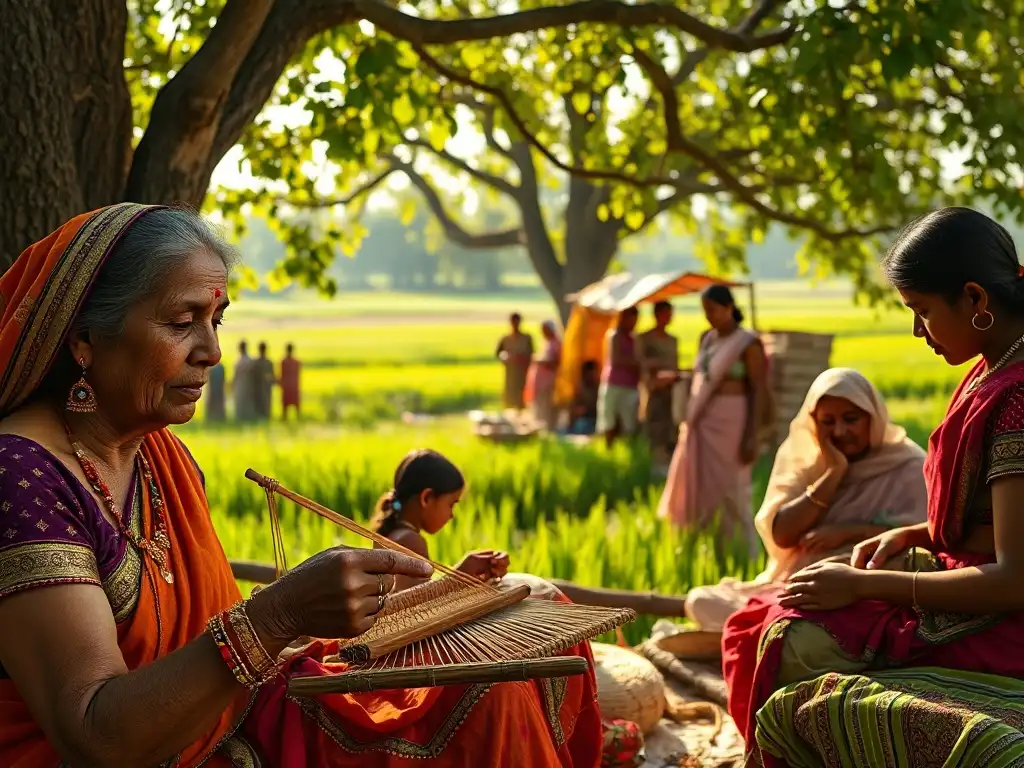
Welcome to Ancient India History, where we invite you to delve into the rich tapestry of civilization that shaped one of the world's earliest cultures. In this exploration, we shine a light on the intriguing concept of matrilineal societies in ancient India—a fascinating aspect of gender dynamics that challenges conventional narratives. Discover how these unique structures influenced women's roles and contributions throughout history, and prepare to unearth stories that have long been woven into the fabric of our past. Join us as we embark on this enlightening journey, and uncover the powerful legacy of women's voices in ancient India!
Introduction to Matrilineal Societies in Ancient India
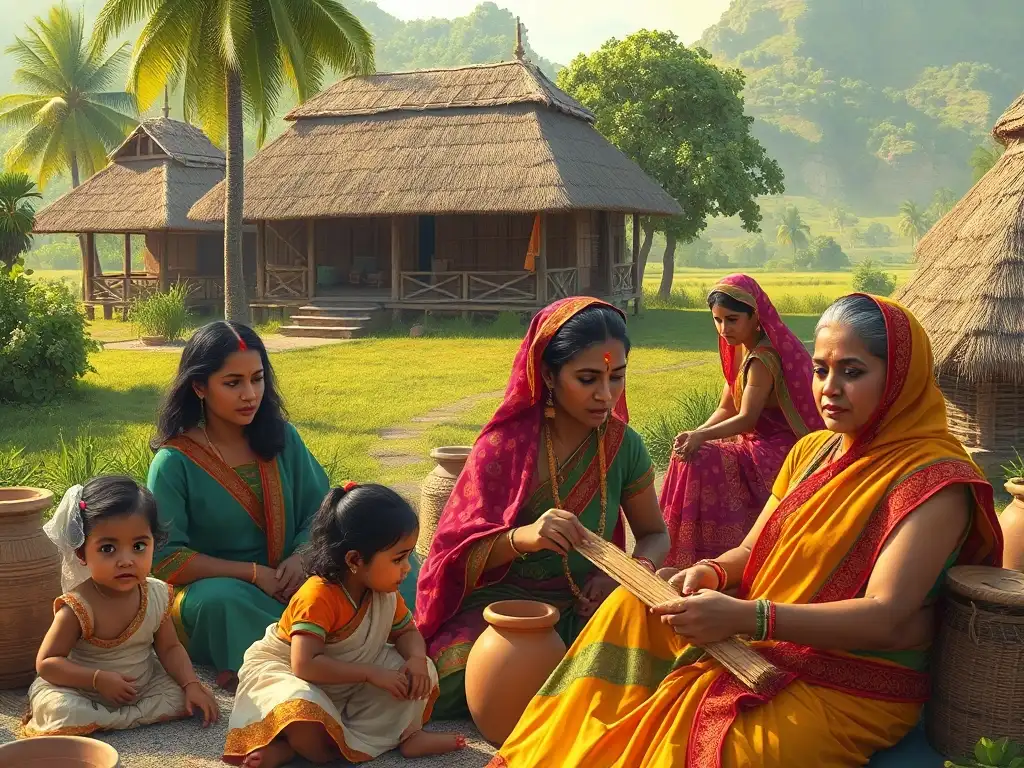
Matrilineal societies in ancient India present a fascinating lens through which to explore gender roles and familial structures that differ significantly from the patriarchal norms often highlighted in historical narratives. In these societies, lineage and inheritance are traced through the mother, offering a unique perspective on women's status and contributions. From the Indus Valley civilization to the later periods of Indian history, various regions exhibited matrilineal practices that shaped social dynamics, economic roles, and cultural identities. Understanding these societies not only enriches our knowledge of ancient Indian history but also challenges contemporary assumptions about gender roles and equality.
Definition and Characteristics of Matrilineal Societies
Matrilineal societies are defined by their systems of descent and inheritance, where lineage is traced through the female line. Key characteristics of these societies include:
- Inheritance through Mothers: Property, titles, and family names are passed down from mother to daughter.
- Maternal Authority: Women often hold significant authority within the family and community, influencing decisions and cultural practices.
- Marriage Customs: In many cases, marriages occur with the husband moving into the wife's household, fostering a different familial structure.
These characteristics illustrate a profound respect for maternal lines and highlight the societal importance of women in maintaining family continuity and heritage.
Importance of Gender Roles in Ancient Indian Cultures
The gender roles within ancient Indian cultures were complex and varied, influenced by regional customs, religious practices, and economic needs. In matrilineal societies, women often enjoyed a higher status than their counterparts in patriarchal systems. Their roles included:
- Economic Contributors: Women participated actively in agricultural, artisanal, and trading activities, contributing to the family’s economic stability.
- Cultural Custodians: They played vital roles in preserving and transmitting cultural practices, rituals, and knowledge through generations.
- Decision Makers: Women often had a say in familial matters, from property management to child-rearing, demonstrating their agency within the family structure.
This unique positioning of women in matrilineal societies challenges the monolithic view of women's roles in ancient India, showcasing a diversity of experiences and contributions.
Historical Context of Matrilineal Societies
Overview of Ancient Indian Civilizations
Ancient India was home to a variety of civilizations, each contributing to the rich tapestry of its history. The Indus Valley Civilization, known for its advanced urban planning and social organization, laid early foundations for matrilineal practices. Following this, various dynasties and regional kingdoms, such as the Cheras and the Pandyas, exhibited matrilineal traits, particularly in southern India, where matriliny was more pronounced.
Throughout history, these civilizations demonstrated a blend of matrilineal and patriarchal elements, reflecting the dynamic interplay of cultural influences and social structures. Understanding this historical context is crucial for appreciating the evolution of gender roles and the significance of matrilineal societies.
The Role of Women in Ancient Indian Society
Women in ancient Indian society held various roles that transcended domestic responsibilities. In matrilineal communities, women often acted as:
- Political Figures: Some women ascended to positions of power, influencing governance and policy.
- Spiritual Leaders: Women participated in religious rituals and were often regarded as spiritual guides within their communities.
- Educators: They played a crucial role in educating children, instilling cultural values and knowledge.
This multifaceted role of women underscores their essential contributions to society and highlights the importance of examining matrilineal societies in understanding the broader historical narrative of ancient India.
By exploring the matrilineal societies of ancient India, we uncover a rich history that reveals the complexity of gender roles and the invaluable contributions of women, challenging the traditional narratives that often overlook their significance.
Key Features of Matrilineal Societies in Ancient India
Matrilineal societies in ancient India were characterized by distinct social structures that contrasted sharply with the patriarchal norms prevalent in much of the world. In these societies, lineage and inheritance were traced through the maternal line, which had profound implications for women's status and roles. One of the key features was the prominence of women in inheritance; property and titles were often passed down from mothers to daughters rather than from fathers to sons. This practice not only empowered women but also ensured their economic security and independence.
Another important aspect was the social organization. In matrilineal communities, women often held significant authority within the household and had a considerable say in decision-making processes. The matrilocal residence system, where husbands moved to live with their wives' families after marriage, further reinforced women's central role in family and community life. These societies often celebrated female deities and emphasized the importance of maternal ancestors, reflecting a deep respect for the feminine principle.
Inheritance and Property Rights in Matrilineal Systems
In matrilineal societies, inheritance was primarily maternal, leading to unique property rights for women. Women not only inherited property but also managed and controlled it throughout their lives. This system provided a safety net for women, ensuring that they had economic resources independent of their husbands.
Property rights were often codified in local customs and practices. For instance, in regions like Kerala, women could inherit land, which was a significant departure from the norm in many other cultures. Additionally, daughters often received greater attention in matters of inheritance than sons, particularly in cases where the family wealth was substantial. This system fostered a sense of responsibility among women to manage resources wisely, thereby enhancing their status within the community.
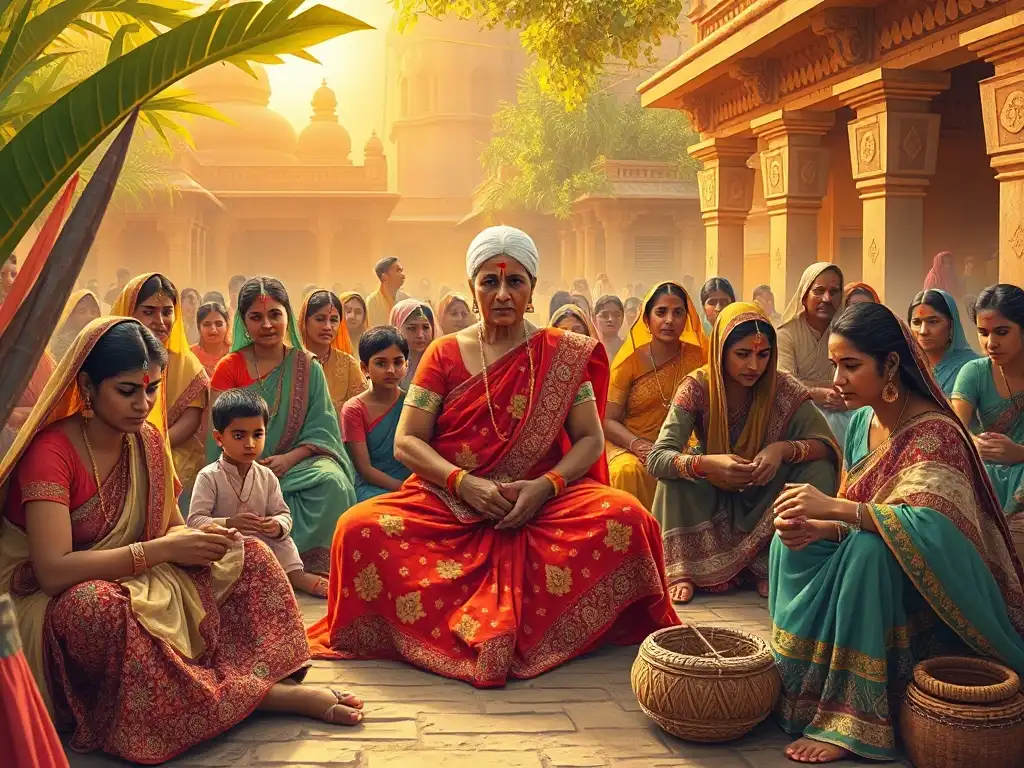
The social structure of matrilineal societies was fundamentally different from that of patriarchal societies, as it placed women at the center of family dynamics. Families were often organized around the maternal line, with the mother's brother (the maternal uncle) playing a crucial role in the upbringing of children and the management of family affairs. This arrangement allowed for a more collaborative approach to family life, where women, supported by their brothers and maternal relatives, could exercise authority and influence.
Family units often consisted of mothers and their children, with men residing temporarily within these households. This matrilocal arrangement not only strengthened women's positions but also fostered a sense of community among female relatives. The emphasis on maternal bonds helped create a supportive network that was vital for raising children and preserving cultural practices.
Prominent Matrilineal Societies in Ancient India
Matrilineal societies in ancient India are diverse and rich in cultural heritage. Among the most notable are the Nairs of Kerala, the Khasi tribe of Meghalaya, and the Todas of Nilgiri Hills. Each of these groups exemplifies the unique characteristics and practices associated with matrilineal systems.
The Nairs of Kerala
The Nairs are one of the most prominent matrilineal communities in India, known for their distinct social structure and practices. In Nair society, women inherit property and are often the heads of households. This societal norm has historically allowed Nair women to wield significant power, both within their families and in the broader community. The Nair marriage system is also notable; it traditionally includes a practice known as "Sambandham," where women could have multiple partners, further reflecting their autonomy.
The Khasi Tribe of Meghalaya
The Khasi tribe, residing in Meghalaya, is another exemplary matrilineal society where lineage is passed through the mother. Khasi women enjoy a high status and are responsible for managing family affairs, including agricultural and economic activities. The youngest daughter typically inherits the family wealth, which emphasizes the importance of female offspring. Khasi culture also celebrates "Shad Suk Mynsiem," a festival that highlights the community's respect for women and their contributions.
The Todas of Nilgiri Hills
The Todas, an indigenous tribe living in the Nilgiri Hills, present a unique perspective on matrilineality. In their society, women play a central role in both family and religious practices. Property is inherited through the maternal line, and women are integral to agricultural and pastoral activities. The Todas' rituals often center around female deities, showcasing their reverence for women in both spiritual and economic spheres. The matrilineal system among the Todas not only fosters gender equality but also strengthens community bonds.
The matrilineal societies in ancient India, represented by groups such as the Nairs, Khasis, and Todas, offer a fascinating glimpse into gender dynamics that challenge conventional patriarchal narratives. Through their unique practices and social structures, these societies underscore the importance of women in shaping both familial and cultural identities.
Women’s Roles and Contributions in Matrilineal Societies
In matrilineal societies of ancient India, women held significant roles that were integral to both familial and societal structures. Unlike the predominantly patriarchal frameworks seen in many cultures, these societies traced lineage and inheritance through the female line, considerably enhancing women's status and influence. Women were not merely caretakers within the household; they were pivotal in decision-making processes, community leadership, and economic activities.
The matrilineal system fostered a unique environment where women could inherit property, participate in religious rituals, and engage in various economic pursuits. This empowered them to assume roles that were otherwise inaccessible in more patriarchal societies. Women's contributions were not only limited to domestic spheres; they extended into public life, where they often engaged in trade and maintained familial businesses, thus contributing to the overall economic stability of their communities.
Leadership and Governance: Women in Power
Women in matrilineal societies were often seen as leaders and decision-makers within their communities. They played critical roles in governance, influencing local politics and social policies. For instance, in certain regions, women were designated as heads of clans or families, which allowed them to exercise authority and make significant decisions regarding resource management and conflict resolution.
Notably, in the Khasi and Garo tribes of Meghalaya, women traditionally hold positions of power, with the eldest daughter inheriting property and family titles. This matrilineal structure not only ensures women's economic security but also grants them a voice in political matters, allowing them to participate in councils and community discussions. Their leadership often extended beyond mere title; it was characterized by a commitment to social welfare and the well-being of their communities.
Economic Contributions of Women in Matrilineal Systems
The economic landscape of matrilineal societies in ancient India was heavily influenced by women's contributions. Women engaged in agriculture, weaving, pottery, and trade, thereby supporting family economies and enhancing community prosperity. In matrilineal cultures, women's rights to property and resources were foundational, allowing them to manage and control assets independently.
For example, in the matrilineal communities of Kerala, women were instrumental in the spice trade, which formed a significant part of the region’s economy. Their ability to own and manage land and resources translated into substantial economic power, enabling them to contribute significantly to both household incomes and community wealth.
Cultural Significance of Matrilineal Societies
Matrilineal societies not only shaped social structures but also contributed richly to the cultural tapestry of ancient India. The emphasis on women's roles influenced various aspects of culture, including rituals, traditions, literature, and art. This cultural significance reflects the unique perspectives and practices that arose from the matrilineal lineage.
Rituals and Traditions Celebrating Women
In many matrilineal societies, rituals and traditions were often centered around the celebration of women, recognizing their importance in both family and society. Festivals, ceremonies, and rites of passage frequently honored women, reflecting their vital role in cultural continuity and community cohesion.
For instance, in some tribal communities, the celebration of the harvest season involves rituals that pay homage to female deities, symbolizing fertility and prosperity. These traditions not only highlight the reverence for women but also reinforce their central place in the spiritual and cultural life of the community.
Influence on Literature and Art in Ancient India
The presence of women in matrilineal societies significantly influenced the artistic and literary expressions of ancient India. Women’s narratives, experiences, and perspectives found representation in various forms of art and literature, enriching the cultural heritage of the region.
Ancient texts and oral traditions often featured female protagonists, celebrating their strength and resilience. Additionally, the artistic expressions of these societies, such as murals, sculptures, and textiles, frequently depicted women as central figures, thus emphasizing their importance in both societal and cultural contexts. The artistic legacy of matrilineal societies serves as a testament to the vital roles women played in shaping the cultural landscape of ancient India.
Challenges and Changes Faced by Matrilineal Societies
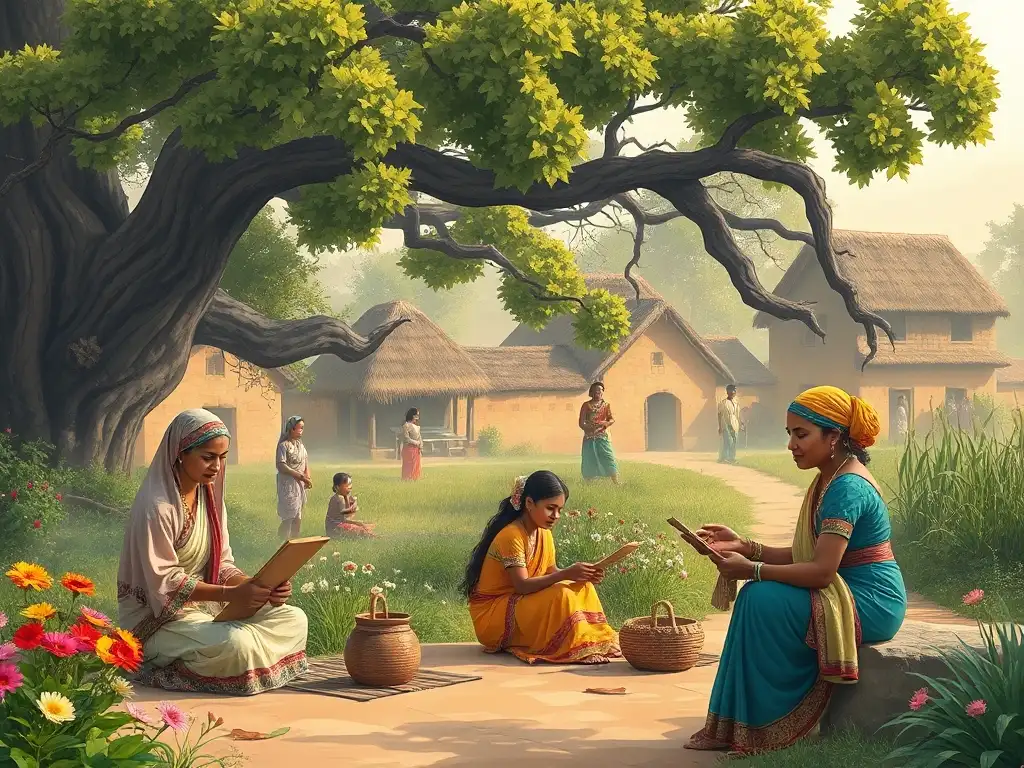
Matrilineal societies in ancient India, while presenting a unique lens on gender roles, faced several challenges and significant transformations over time. One of the primary challenges was the constant tension between matrilineal and patriarchal norms. As societies evolved, the influence of patriarchal structures began to penetrate even the most established matrilineal communities. This often led to conflicts over inheritance rights, family lineage, and social status, forcing women to navigate complex dynamics that sometimes undermined their traditionally empowered positions.
Additionally, external factors such as invasions, migrations, and the spread of different cultural practices played a crucial role in reshaping social structures. For instance, the advent of Islamic rule and later colonial influences introduced new legal frameworks that favored patrilineal inheritance, gradually eroding the matrilineal systems in certain regions.
The gradual loss of traditional practices was not merely a result of external pressures; internal socio-economic changes also contributed. As communities became more integrated into broader trade networks and the economy shifted, the roles and status of women were often redefined, leading to a decline in the prominence of matrilineal customs.
Historical Shifts Affecting Gender Roles
The historical shifts impacting gender roles within matrilineal societies are manifold. One significant shift occurred during the Vedic period when the patriarchal structure began to gain dominance over earlier matrilineal traditions. Texts from this era often reflect the changing attitudes toward women, emphasizing male authority and lineage. The codification of laws, such as those found in the Manusmriti, further entrenched patriarchal perspectives, restricting women’s rights and autonomy.
Moreover, the arrival of various invaders and the subsequent formation of new kingdoms brought about cultural amalgamation. Regions such as Kerala and parts of the Northeast retained some matrilineal traditions; however, the influence of dominant patriarchal societies led to hybrid systems where matrilineal practices were often seen as secondary. The decline of matrilineal societies was not uniform; some areas managed to preserve their customs longer than others, showcasing a complex interplay of resistance and adaptation.
Modern Implications of Matrilineal Practices
The implications of matrilineal practices extend into modern times, influencing contemporary discussions around gender and social equity. In regions where matrilineal traditions persisted, such as among the Khasi and Garo tribes of Meghalaya, women often enjoy a degree of autonomy and economic independence uncommon in patriarchal societies. This has led to a unique socio-economic structure where property and lineage are traced through women, providing a counter-narrative to the predominantly male-centric historical accounts in India.
However, the transition towards modernity has also posed challenges to these practices. Urbanization, globalization, and changing socio-economic dynamics have begun to alter traditional roles, sometimes leading to a dilution of matrilineal customs. The ongoing struggle for women’s rights and equality in India can be informed by these historical practices, demonstrating the complexity and resilience of gender roles in the face of changing societal norms.
Conclusion: The Legacy of Matrilineal Societies in Ancient India
The legacy of matrilineal societies in ancient India is multifaceted, highlighting the rich tapestry of women’s roles throughout history. These societies challenged the conventional narratives of gender and power, establishing frameworks where women could wield significant influence in their communities. The historical significance of matrilineal practices offers valuable insights into the diverse social structures that existed in ancient India, underscoring the importance of recognizing and valuing these contributions.
Lasting Impact on Gender Perspectives in Modern India
The impact of matrilineal societies is still felt in modern India, where conversations around gender equality and women's rights are increasingly relevant. The recognition of matrilineal traditions serves as a reminder that gender roles can be fluid and that societies are capable of restructuring power dynamics. This historical perspective prompts contemporary discussions on reforming legal and social frameworks to recognize and empower women, challenging the entrenched patriarchal narratives that have dominated for centuries.
Reflection on Gender Equality in Historical Context
Reflecting on gender equality within the historical context of ancient India reveals the complexities of women's roles and contributions. Matrilineal societies illustrate that gender equality is not a modern concept but has roots in diverse cultural practices. Analyzing these practices provides a critical lens through which we can understand the evolution of gender roles and the ongoing fight for equality. The legacy of these societies encourages a reevaluation of contemporary gender norms, advocating for a more inclusive understanding of women’s rights and contributions throughout history.
References and Further Reading on Matrilineal Societies in Ancient India
Understanding the complex dynamics of matrilineal societies in ancient India requires delving into various scholarly works that offer insights into gender roles, lineage, and social structures. The following resources provide a comprehensive overview of the subject, highlighting both historical contexts and contemporary analyses.
Suggested Books and Articles on Ancient Indian Gender Roles
-
"Women in Ancient India" by Kumkum Roy
This book explores the roles and statuses of women throughout ancient Indian history, providing a nuanced examination of matrilineal practices and their implications for gender relations.
-
"Matrilineal Kinship: Comparative Evidence and New Directions" edited by Caroline B. Brettell and Carolyn F. Sargent
A compilation of essays that discuss matrilineal societies globally, with significant focus on Indian examples, shedding light on how kinship structures shape women's roles.
-
"The Myth of Matrilineality: A Study of Women in India" by Anjali Gera Roy
This article challenges common misconceptions about matrilineality in India, offering a critical analysis of the socio-economic factors that influence women's positions in society.
-
"Gender and Society in India: Historical Perspectives" by Tanika Sarkar
This work provides an overview of gender dynamics in India, with sections dedicated to matrilineal traditions and their evolution across different regions.
-
"In Search of the Matriarchs: Women in the History of India" by Rina Ramdev
This book investigates the historical narratives surrounding women in ancient India, focusing on matrilineal societies and their cultural significance.
Academic Journals and Research Papers on Matrilineal Societies
-
"The Role of Women in Matrilineal Societies: A Study of the Khasi and Jaintia Tribes"
This research paper analyzes the matrilineal systems of the Khasi and Jaintia tribes in Meghalaya, exploring how these practices influence women's empowerment and social status.
-
"Gender and Kinship: Matriliny in India" published in the Journal of South Asian Studies
This article examines the intersections of gender and kinship in matrilineal societies across India, providing a comparative perspective on the implications for women's rights and inheritance.
-
"Matrilineal Societies and the Status of Women in Ancient India: A Historical Overview"
A comprehensive study published in the Indian Historical Review that outlines the historical trajectory of matrilineal societies, assessing their impact on gender equality and women's contributions.
-
"Understanding Matrilineal Systems: Case Studies from Maharashtra"
This academic paper discusses various case studies from Maharashtra, highlighting the traditional practices of inheritance and property rights that empower women in matrilineal communities.
-
"The Intersectionality of Gender and Caste in Matrilineal Societies"
This journal article investigates how caste systems interact with matrilineal practices, affecting the socio-economic status of women in ancient Indian societies.
Engaging with these resources will provide a deeper understanding of the unique perspectives on gender within the context of matrilineal societies in ancient India, enriching the discourse around women's roles and contributions in historical narratives.
- Introduction to Matrilineal Societies in Ancient India
- Historical Context of Matrilineal Societies
- Key Features of Matrilineal Societies in Ancient India
- Inheritance and Property Rights in Matrilineal Systems
- Social Structure and Family Dynamics in Matrilineal Communities
- Prominent Matrilineal Societies in Ancient India
- Women’s Roles and Contributions in Matrilineal Societies
- Cultural Significance of Matrilineal Societies
- Challenges and Changes Faced by Matrilineal Societies
- Conclusion: The Legacy of Matrilineal Societies in Ancient India
- References and Further Reading on Matrilineal Societies in Ancient India
- What are matrilineal societies in ancient India?
- Which regions in ancient India were known for their matrilineal practices?
- How did matrilineal societies affect women's roles in ancient India?
- What are some examples of matrilineal customs found in ancient Indian history?
- How did the Gupta Empire influence the status of women in matrilineal societies?
Frequently Asked Questions
What are matrilineal societies in ancient India?
Matrilineal societies are those where lineage and inheritance are traced through the mother's side of the family, which was a significant aspect of certain ancient Indian cultures.
Which regions in ancient India were known for their matrilineal practices?
Regions such as Kerala and parts of Northeast India, particularly among the Khasis and Nagaland tribes, were known for their distinct matrilineal traditions.
How did matrilineal societies affect women's roles in ancient India?
In matrilineal societies, women often held prominent roles in family and societal matters, enjoying greater autonomy and influence compared to their counterparts in patrilineal societies.
What are some examples of matrilineal customs found in ancient Indian history?
Examples include the inheritance of property through daughters and the practice of women retaining their maiden names, which reinforced their status and identity within the family structure.
How did the Gupta Empire influence the status of women in matrilineal societies?
While the Gupta Empire is often noted for its patriarchal norms, it also saw some regions maintaining matrilineal customs, showcasing a complex interplay between tradition and emerging societal norms.
Final Reflection: Embracing the Legacy of Matrilineal Societies in Ancient India
The exploration of matrilineal societies in ancient India reveals a profound understanding of gender dynamics that resonates with contemporary discussions on equality and empowerment. As we navigate a world still grappling with gender biases, the historical significance of these societies serves as a powerful reminder of the diverse ways in which cultures have structured familial and social relationships. The legacy of matrilineal practices challenges us to reconsider our own societal norms and inspires a reimagining of gender roles in today's context.
Cultural narratives are shaped by the stories we tell and the histories we preserve. The matrilineal societies of ancient India not only highlight the strength and agency of women but also underscore the importance of lineage and heritage in shaping identity. As we reflect on this unique perspective, we recognize that these societies have left an indelible mark on our understanding of gender, family, and community. The past is not a dead history; it is alive and continues to shape our present and future.
This ongoing influence invites us to celebrate the resilience and contributions of women throughout history, encouraging a deeper appreciation for the complexities of gender relations.
As we conclude this exploration, I invite you to reflect on the lessons gleaned from the matrilineal societies of ancient India. Consider how these insights can inform your own understanding of gender roles and relationships in your life. Let us honor the past by advocating for a more equitable future, where the voices of all individuals are valued and empowered. By embracing the rich tapestry of our shared history, we can foster a society that not only recognizes but also celebrates the strength and potential of every person, regardless of gender.
Unveil the Wisdom of Ancient Matrilineal Societies!
Thank you for diving into the intriguing world of matrilineal societies in Ancient India! Your interest not only enriches your understanding but also honors the unique perspectives on gender roles that shaped our history. Now, it's time to take that inspiration and translate it into action.
- Explore further: Delve into related articles that highlight other fascinating cultures and their gender dynamics on our website.
- Share your thoughts: Discuss this topic with friends or family to spark conversations about how these ancient practices can inform our modern understanding of gender.
- Join our community: Subscribe to our newsletter to stay updated on the latest insights and discoveries in Ancient Indian history.
What aspect of matrilineal societies resonates most with you, and how do you believe it influences our understanding of gender today?