
Legal Texts and Social Hierarchies: The Caste System in Ancient India

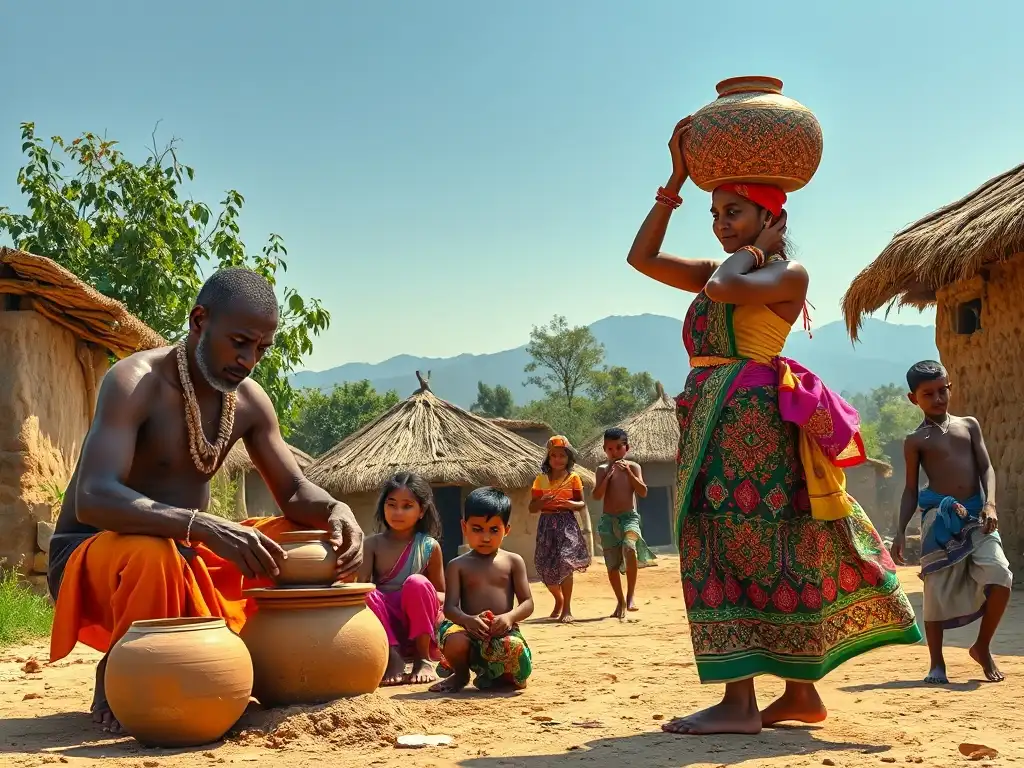
Welcome to Ancient India History, where we embark on a fascinating journey through the rich tapestry of ancient Indian civilizations! From the majestic Indus Valley to the illustrious Gupta Empire, we delve into the myriad facets of culture, society, and contributions that have shaped India's identity. In our featured article, "Legal Texts and Social Hierarchies: The Caste System in Ancient India," we unravel the complexities of the caste system—a pivotal element of social structure that has influenced legal systems and societal norms throughout history.
Prepare to ignite your curiosity as we explore how these ancient laws not only governed social interactions but also laid the foundation for contemporary discussions. Dive in and discover the intricate layers of this enduring legacy!
- Overview of the Caste System in Ancient India
- Major Legal Texts Influencing the Caste System
- Social Hierarchies Established by the Caste System
- The Evolution of the Caste System in Ancient India
- Critiques and Interpretations of the Caste System
- Conclusion: The Legacy of the Caste System in Ancient India
- Frequently Asked Questions
- Final Reflection: Understanding the Caste System in Ancient India and Its Lasting Impact
- Unveil the Hidden Truths of Ancient India!
Overview of the Caste System in Ancient India
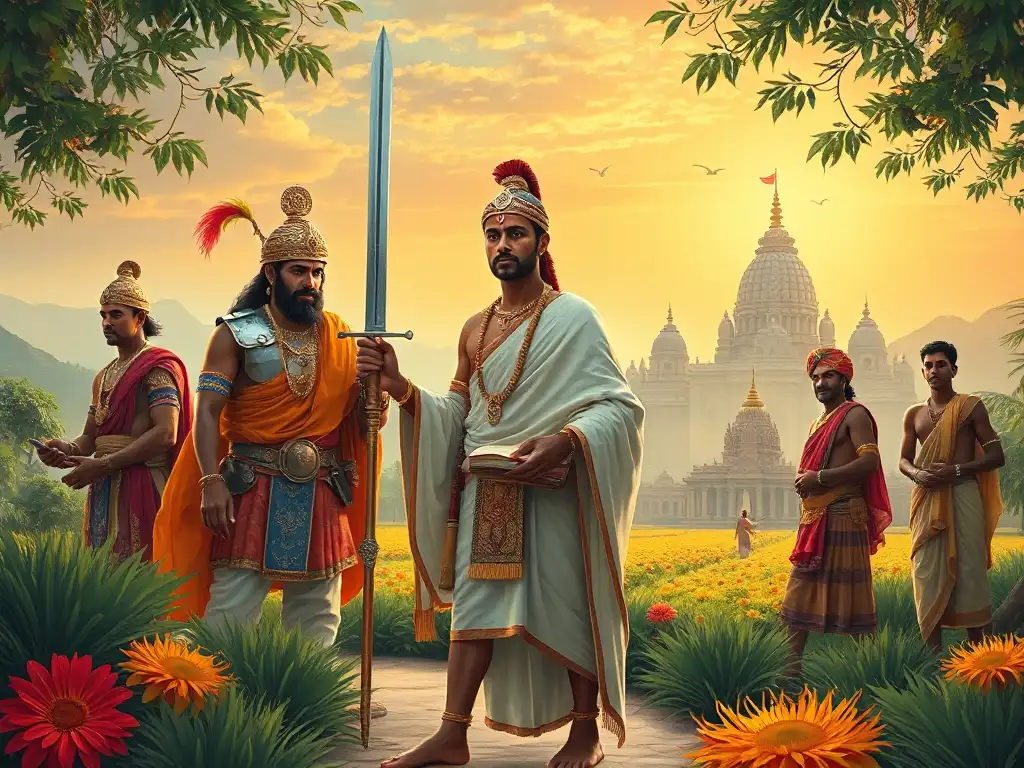
The caste system in ancient India represents a complex social structure that has deeply influenced the cultural, political, and economic landscapes of Indian civilization. Often perceived as a rigid hierarchy, this system categorizes individuals into distinct social groups, known as "varnas," which are traditionally divided into four main categories: Brahmins (priests and scholars), Kshatriyas (warriors and rulers), Vaishyas (traders and agriculturists), and Shudras (laborers and service providers).
Understanding the intricacies of the caste system is paramount in analyzing ancient Indian society, as it sheds light on the roles and responsibilities assigned to different groups, as well as the interdependencies that defined social interactions.
The roots of the caste system can be traced back to ancient legal texts, such as the Manu Smriti, which codified social norms and expectations, thereby solidifying the hierarchical arrangements that characterized daily life. This article will delve into the definition and historical context of the caste system, as well as the significance of legal texts in comprehending its pervasive influence on ancient Indian society.
Definition of the Caste System
The caste system, or "varna" system, is fundamentally a social stratification framework that dictates the organization of society in ancient India. Each caste, or "jati," is associated with specific roles, duties, and privileges, which were often hereditary. This classification was not merely a reflection of social status but also encompassed various aspects of life, including occupation, dietary restrictions, and marriage practices.
- Brahmins: Tasked with performing rituals and preserving sacred knowledge.
- Kshatriyas: Responsible for protection and governance.
- Vaishyas: Engaged in commerce and agriculture.
- Shudras: Served the higher castes, providing essential labor.
While the ideal of the caste system suggested a harmonious coexistence among these groups, historical evidence points to significant tensions and inequalities. The rigid boundaries often led to social stratification that marginalized certain groups, particularly those outside of the varna system, such as the "Dalits" or "Untouchables."
Historical Context of the Caste System
The origins of the caste system can be traced back to the early Vedic period, around 1500 BCE, when the Indo-Aryans migrated into the Indian subcontinent. The Rigveda, one of the oldest texts, references the division of society into four groups based on functional roles rather than birth. Over centuries, this framework evolved, influenced by various socio-political changes, conquests, and the emergence of new kingdoms.
The Manu Smriti, composed around the 2nd century BCE, played a pivotal role in codifying these social norms. It established laws that governed not only social behavior but also legal responsibilities, reinforcing the hierarchical nature of the caste system. This text, along with others, provided a legal foundation that shaped the societal landscape of ancient India, influencing everything from marriage to inheritance laws.
Importance of Legal Texts in Understanding the Caste System
Legal texts are indispensable for understanding the caste system in ancient India, as they offer insights into the ideological and practical frameworks that governed social interactions. The Manu Smriti, for instance, outlines the duties (dharma) of each caste, emphasizing the notion of social order and the importance of adhering to one's prescribed role.
- Codification of Social Norms: These texts served to institutionalize the caste system, making it an enduring aspect of Indian society.
- Legal Precedents: They provided a basis for legal judgments and socio-political decisions, influencing how power dynamics were maintained.
- Cultural Reflections: Legal texts illuminate the values and beliefs of ancient Indian civilization, revealing how the caste system was not only a social construct but also a reflection of broader philosophical and religious ideas.
Understanding these texts is crucial to grasp the complexities of the caste system and its lasting impact on Indian society. By analyzing them, scholars can gain a clearer picture of how ancient legal frameworks shaped social hierarchies and individual identities in a diverse and dynamic civilization.
Major Legal Texts Influencing the Caste System
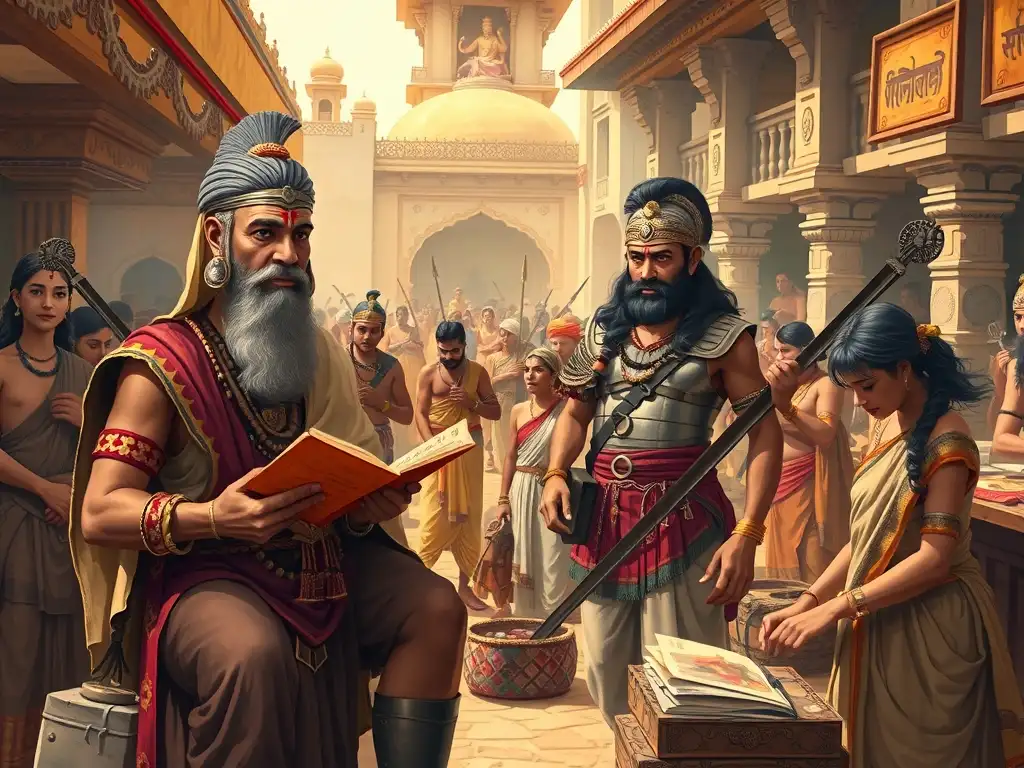
The caste system in ancient India has been profoundly shaped by various legal texts, among which Manu Smriti stands out as a pivotal document. This ancient text, believed to have been composed around 200 BCE to 200 CE, serves as both a legal and moral code, delineating social duties, rights, and the intricate hierarchies within society.
Manu Smriti: An Essential Legal Text
Key Provisions Related to the Caste System
Manu Smriti lays down the foundations of the caste system through specific provisions that categorize individuals into four primary varnas:
- Brahmins - Priests and teachers responsible for spiritual and educational guidance.
- Kshatriyas - Warriors and rulers tasked with protection and governance.
- Vaishyas - Merchants and agriculturists engaged in trade and agriculture.
- Shudras - Laborers and service providers, supporting the other three varnas.
Each varna comes with its own set of duties (dharma) and privileges, which are meticulously outlined in the text. For example:
- Brahmins are expected to perform rituals and teach sacred knowledge.
- Kshatriyas are required to protect the realm and uphold justice.
- Vaishyas have the responsibility of economic production and trade.
- Shudras are to serve the higher varnas, often in menial tasks.
This stratification not only assigns roles but also legitimizes social hierarchies, establishing a framework that would govern interactions and societal norms for centuries.
Impact of Manu Smriti on Social Hierarchies
The influence of Manu Smriti on the caste system in ancient India extends beyond mere categorization. Its prescriptions became foundational in shaping societal attitudes towards different groups. The text endorses a notion of purity and pollution, which plays a critical role in maintaining the boundaries between the varnas.
Moreover, the text has been interpreted and reinterpreted through the ages, reinforcing rigid social structures. For instance, it delineates strict rules regarding inter-caste interactions, marriage, and even occupation. This not only perpetuated the social hierarchy but also made mobility between castes exceedingly difficult.
The historical impact of Manu Smriti can be observed in various subsequent texts and practices, cementing its role as a cornerstone of ancient Indian legal and social thought.
Other Significant Texts on Caste and Law
While Manu Smriti is undoubtedly significant, other texts also contribute to the understanding of the caste system in ancient India.
Arthashastra and its Perspective on Caste
The Arthashastra, attributed to Kautilya (Chanakya), offers a pragmatic approach to governance and economics, including insights on caste. Unlike Manu Smriti, which prescribes moral duties, Arthashastra emphasizes the practical implications of caste in administration and statecraft.
- Caste as a Socio-Economic Framework: Kautilya recognizes the importance of the caste system in organizing labor and managing resources effectively. He advocates for the utilization of various castes in specific roles that align with their societal functions, thereby enhancing economic productivity.
- Political Implications: The text suggests that rulers should maintain harmony among castes to prevent social unrest, indicating an awareness of the potential for conflict inherent in caste dynamics.
Dharmashastras and Their Role in Caste Regulation
The Dharmashastras, a genre of ancient Indian texts, also play a crucial role in detailing the laws governing the caste system. These texts, which include the Manusmriti but extend beyond it, encompass various aspects of dharma, including morality, law, and social conduct.
- Regulatory Framework: The Dharmashastras provide regulations regarding caste duties, rituals, and the consequences of transgressions. They codify the expectations from each caste and offer guidelines on maintaining social order.
- Evolution of Caste Norms: Over time, these texts reflect changing social dynamics, allowing scholars to trace how the rigidities of the caste system evolved. The variances in interpretation across different regions and periods showcase the adaptability and complexity of caste regulations.
The caste system in ancient India was profoundly influenced by these legal texts, forming a critical aspect of societal structure and law. Their enduring legacy can be seen in contemporary discussions surrounding social justice and caste dynamics in modern India.
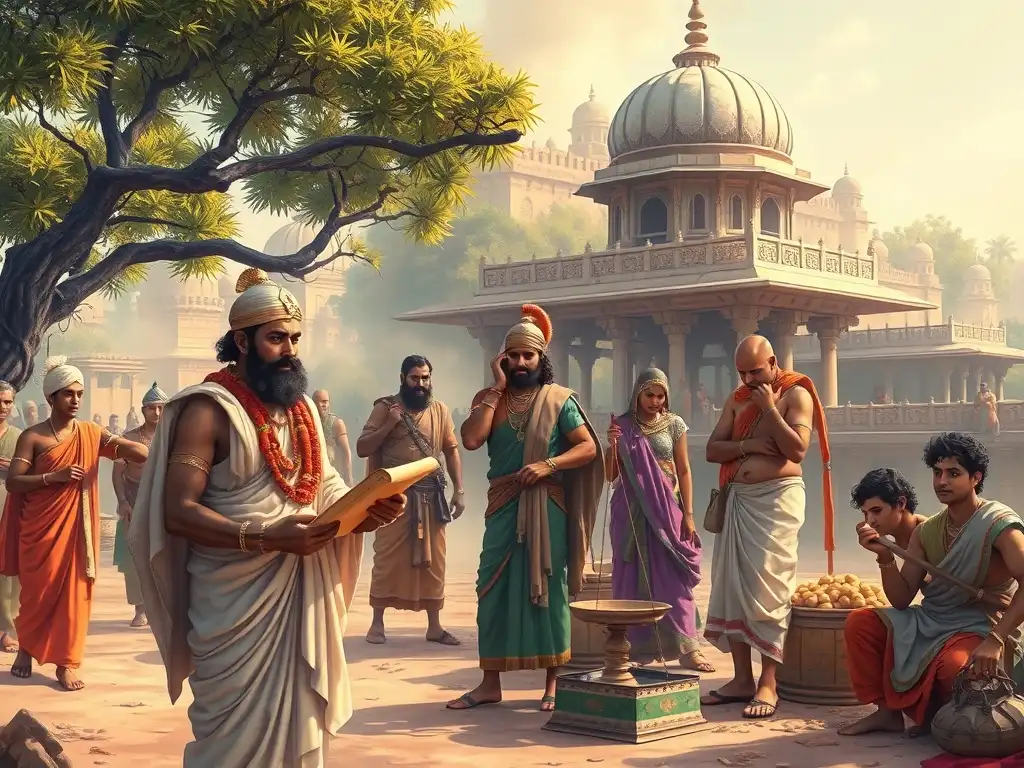
The caste system in ancient India was a complex social hierarchy that played a significant role in shaping the societal structure. This system categorized individuals into distinct groups based on their birth, occupation, and social roles, creating a framework that dictated interactions, responsibilities, and privileges within society. The implications of this hierarchy were vast, influencing not only social dynamics but also legal norms, religious practices, and economic activities.
The Four Main Castes: Brahmins, Kshatriyas, Vaishyas, and Shudras
The caste system is traditionally divided into four main categories, known as varnas. Each varna represents a different social class, with specific roles and responsibilities associated with it.
Roles and Responsibilities of Each Caste
- Brahmins:
- The highest caste, responsible for religious rituals, teaching, and maintaining sacred knowledge.
- They were the priests and scholars, tasked with preserving and transmitting Vedic texts and philosophies.
- Kshatriyas:
- The warrior and ruler class, tasked with protecting and governing society.
- They were responsible for upholding justice and maintaining order through military and administrative means.
- Vaishyas:
- The merchant and agricultural class, responsible for trade, commerce, and agriculture.
- They contributed to the economy through their roles in farming, cattle rearing, and business.
- Shudras:
- The lowest caste, primarily composed of laborers and service providers.
- They performed tasks that were essential for society but often seen as menial, such as cleaning and serving.
Interactions Between Castes
Interactions among the four castes were dictated by strict social norms. Endogamy, the practice of marrying within one’s caste, reinforced these boundaries. Ritual purity played a significant role in these interactions, with higher castes often avoiding contact with lower castes to maintain their status.
- Social Mobility: Although the system was rigid, there were instances of social mobility through exceptional achievements or royal favor, allowing some individuals to rise in social standing.
- Cultural Exchange: Despite the restrictions, there were exchanges of knowledge and culture across castes, particularly in religious practices and local governance.
Sub-Castes and Their Emergence
Beyond the four primary varnas, a multitude of jatis (sub-castes) emerged, further complicating the caste system. These sub-castes were often based on specific occupations, regional influences, and local customs.
Variations in Caste Across Regions
The caste system was not uniform across ancient India; its structure and significance varied widely by region:
- North India: Generally maintained a more rigid caste system, with clear distinctions and rules.
- South India: Exhibited greater flexibility, with localized practices that sometimes allowed for inter-caste interactions and coexistence.
Influence of Occupation on Caste Hierarchies
Occupational roles significantly influenced the status and hierarchy of sub-castes. Certain occupations were prestigious, while others were viewed with disdain:
- Artisans and Craftsmen: In some regions, skilled artisans could attain a higher social status, especially if their work contributed to the community's prosperity.
- Untouchables: Those performing tasks deemed impure (e.g., leatherworking, sanitation) were often relegated to the lowest status, facing severe social ostracism.
The caste system in ancient India, with its intricate hierarchies and local variations, reflects the societal values and dynamics of the time. Understanding these structures is crucial for exploring the lasting impacts of caste on contemporary Indian society and its legal frameworks.
The Evolution of the Caste System in Ancient India
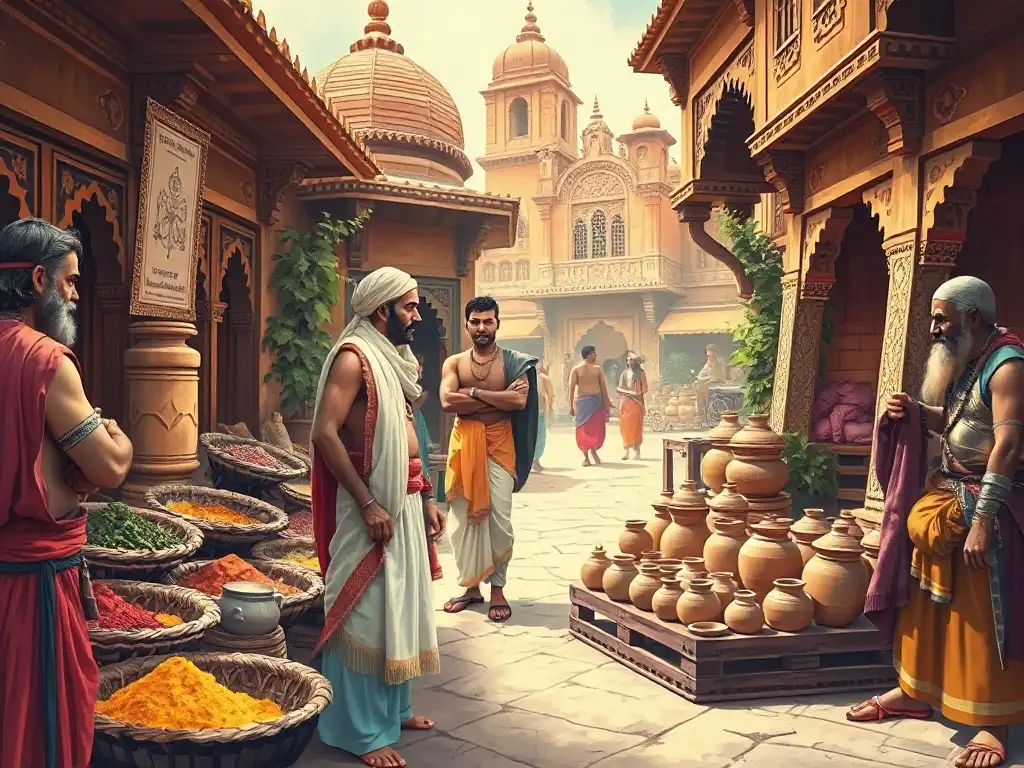
The caste system in ancient India has undergone significant transformations since its inception, reflecting the complex interplay of social, economic, and political factors throughout Indian history. Initially, the system was less rigid, with the division of society primarily based on occupational roles. The earliest references to social stratification can be traced back to the Vedic texts, where society was categorized into four varnas: Brahmins (priests and scholars), Kshatriyas (warriors and rulers), Vaishyas (traders and agriculturists), and Shudras (laborers and service providers).
Historical Changes in the Caste System
Over time, the caste system evolved into a more complex and hierarchical structure known as "jati," which reflects local and regional variations. This transformation was influenced by various socio-political dynamics, including:
- Economic Factors:
- With the rise of agriculture and urbanization, new occupational groups emerged, leading to the formation of numerous jatis within the primary varnas.
- Economic prosperity often reinforced traditional roles, solidifying the caste divisions.
- Cultural Interactions:
- The blending of indigenous practices with those brought by migrating populations contributed to the diversification of the caste system.
- Interactions with traders and settlers from different regions often resulted in the incorporation of new customs and practices into existing caste structures.
- Legal Codification:
- Texts like the Manu Smriti played a crucial role in formalizing caste hierarchies, establishing rules governing social conduct, and outlining the duties of each varna.
- These legal frameworks often perpetuated caste-based discrimination, further entrenching social divisions.
Influence of Conquests and Foreign Rule
The arrival of foreign rulers and conquerors, such as the Mughals and later the British, significantly impacted the caste system. Their influence led to:
- Reinforcement of Caste Identity: As foreign powers sought to govern diverse populations, they often relied on existing caste structures to maintain social order, thereby reinforcing caste identities.
- Legislation and Reform Movements: British colonial rule introduced new legal frameworks that challenged traditional caste practices, resulting in various reform movements aimed at abolishing caste discrimination.
- Social Mobility and Change: Increased interaction with Western ideas and education led to greater awareness of social injustices, prompting movements that sought to dismantle rigid caste structures.
The evolution of the caste system in ancient India is a testament to the dynamic nature of social hierarchies. It showcases how historical events, economic needs, and cultural interactions have shaped and reshaped the identities and roles of different groups within Indian society.
The Role of Religion in Shaping Caste Dynamics
Religion has been a pivotal force in the development and perpetuation of the caste system in ancient India. The sacred texts and religious practices not only defined the roles of different castes but also contributed to the justification of their social status.
- Hinduism and the Caste System:
- The Vedas and later texts like the Manusmriti laid the foundation for the caste system, outlining the duties (dharma) associated with each varna.
- Ritual purity and the concept of karma became intertwined with caste identity, as higher castes were believed to accumulate good karma, while lower castes faced social stigma for their perceived impurities.
- Buddhism and Its Impact on Caste:
- Buddhism emerged as a reformative movement challenging the rigid caste hierarchies of Hinduism.
- The teachings of Buddha emphasized equality and compassion, leading to the acceptance of individuals from lower castes into the Buddhist community, thereby promoting social mobility.
- Despite its initial appeal, Buddhism's influence on the caste system diminished over time, as it was eventually absorbed into the broader Hindu framework.
Hinduism, Buddhism, and Their Impact on Caste
The interplay between Hinduism and Buddhism illustrates the complexities of caste dynamics in ancient India. While Hinduism entrenched the caste system through religious doctrine, Buddhism offered an alternative path that sought to transcend these divisions.
- Caste Affirmation and Rejection:
- Hindu practices often reinforced caste boundaries through rituals, marriage customs, and social interactions, while Buddhism encouraged a more egalitarian approach, albeit with varying degrees of success.
- Cultural Syncretism:
- The decline of Buddhism and the resurgence of Hinduism during the medieval period saw the re-establishment of caste norms, often integrating Buddhist ideals into a revised caste framework.
The caste system in ancient India reflects a complex tapestry of social, economic, and religious influences. The interplay of these elements has shaped the identities and roles of various groups throughout history, leaving a lasting legacy on the social fabric of India.
Critiques and Interpretations of the Caste System
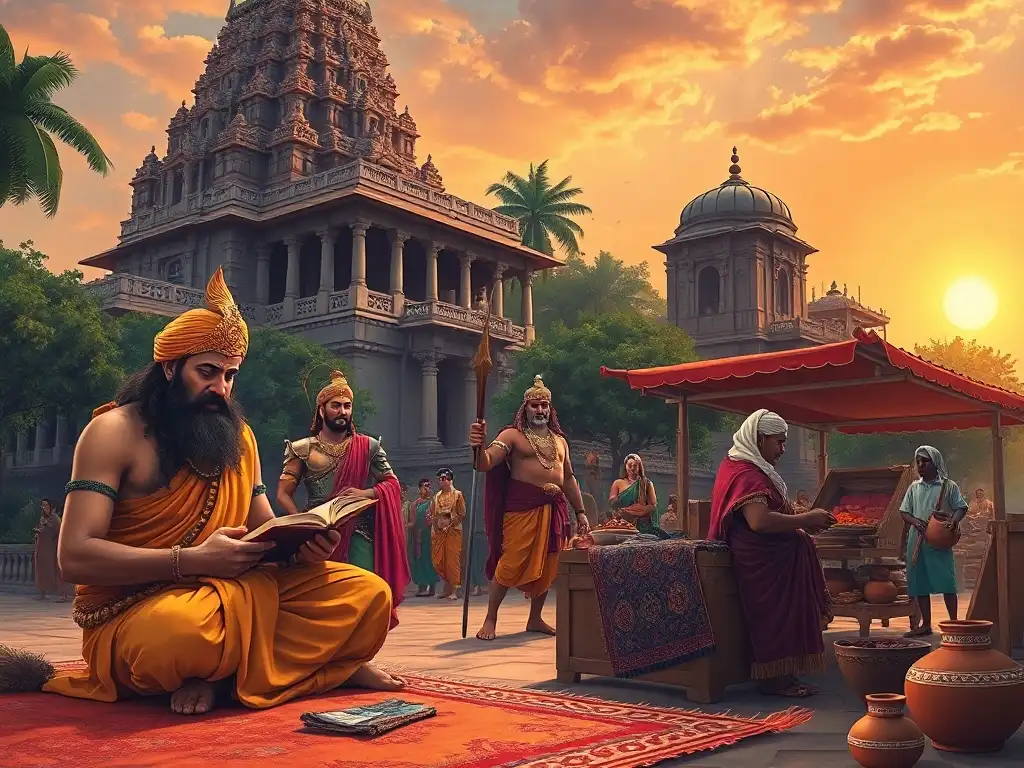
The caste system in ancient India has been a subject of extensive scholarly critique and interpretation, revealing a complex web of social, economic, and political factors that shaped its evolution. The caste system is often examined through various lenses, including historical context, socio-economic conditions, and the philosophical underpinnings of ancient legal texts. Scholars argue that understanding these dimensions is crucial for grasping the nuances of caste dynamics in ancient Indian society.
Scholarly Perspectives on the Caste System
Various scholars have approached the caste system from distinct angles, contributing to a rich tapestry of interpretations. Some of the prominent perspectives include:
- Historical Context: Many historians, such as Romila Thapar, emphasize the need to situate the caste system within the broader historical narratives of ancient India. They argue that the caste system evolved in response to changes in agrarian economies and political structures. Thapar posits that the rigidification of caste was linked to the emergence of land ownership and the increasing need for social stratification to manage agricultural production.
- Legal Texts as Sources: Legal texts like the Manu Smriti serve as foundational documents for understanding the caste system. Scholars, including Patrick Olivelle, analyze these texts to uncover the ideological frameworks that justified caste distinctions. Olivelle suggests that while these texts codified social norms, they also reflected the dynamic nature of society, indicating that the caste system was not merely static but subject to reinterpretation over time.
- Religious Dimensions: The intertwining of religion and the caste system has also been a focal point of scholarly inquiry. Scholars like Wendy Doniger argue that religious narratives and myths often reinforced caste hierarchies, legitimizing social divisions through divine sanction. This perspective highlights how religious beliefs and practices were instrumental in perpetuating the caste system, making it difficult to decouple the two.
- Critique from Within: Contemporary scholars, such as G. Albrecht, have pointed out that many ancient texts contain critiques of the caste system itself, suggesting that there was awareness and dissent regarding its implications. These critiques, though often subtle, indicate that the caste system was not universally accepted and that discussions around social justice existed even in ancient times.
The ethical implications of the caste system in ancient India have sparked significant debates among scholars, sociologists, and ethicists. These discussions often revolve around the following themes:
- Social Justice and Equality: Critics of the caste system argue that its inherent inequalities are fundamentally unjust. They contend that the system entrenched social hierarchies and limited individual freedoms, leading to systemic oppression of lower castes. This perspective is supported by various historical accounts that illustrate the discrimination faced by marginalized groups.
- Cultural Relativism: Some scholars advocate for a culturally relativistic approach, arguing that the caste system should be understood in the context of its time. They propose that while the caste system may conflict with modern notions of equality, it served certain social functions in ancient Indian society, such as maintaining order and facilitating division of labor. This viewpoint encourages a nuanced understanding of historical practices without imposing contemporary moral judgments.
- Modern Implications: The legacy of the caste system continues to resonate in contemporary India, where discussions about caste-based discrimination and social justice are prominent. Scholars like Dipankar Gupta argue that the historical roots of the caste system inform current societal dynamics, making it essential to address these issues in contemporary discourse. This ongoing relevance of the caste system raises ethical questions about the responsibility of modern society to rectify historical injustices.
- Philosophical Considerations: Philosophers have also engaged with the ethical dimensions of the caste system, exploring concepts of justice, rights, and moral obligations. Debates often focus on whether the caste system can be reconciled with principles of individual rights and social justice, prompting discussions about the potential for reform or transformation of entrenched social structures.
The critiques and interpretations of the caste system in ancient India reveal a multifaceted discourse that encompasses historical, legal, religious, and ethical dimensions. These scholarly perspectives and debates highlight the complexity of caste dynamics and their implications for understanding ancient Indian civilization and its legacy in modern society.
Conclusion: The Legacy of the Caste System in Ancient India

The caste system in ancient India has left an indelible mark on the social fabric of the subcontinent, influencing various aspects of life, culture, and governance. While the origins of the caste system can be traced back to the Vedic texts, its institutionalization in the legal texts, particularly the Manu Smriti, solidified the hierarchical divisions among the four primary varnas: Brahmins, Kshatriyas, Vaishyas, and Shudras. This classification not only dictated social roles but also laid the groundwork for the complex web of jatis (sub-castes) that emerged over time.
Lasting Effects on Modern Indian Society
The legacy of the caste system remains prevalent in modern Indian society, shaping social interactions, economic opportunities, and political dynamics. Despite the constitutional abolishment of untouchability and legal discrimination against lower castes, the remnants of caste continue to influence societal norms and behaviors.
- Social Interactions: Caste identity often dictates social relationships, including marriage and friendship. Many communities still prefer to marry within their caste, perpetuating endogamy and reinforcing caste boundaries.
- Economic Opportunity: Access to education and employment opportunities can still be affected by one's caste identity. Although affirmative action policies have been established to uplift Scheduled Castes and Scheduled Tribes, disparities in wealth and access persist, often linked to historical caste hierarchies.
- Political Dynamics: Political parties in India frequently mobilize caste identities to garner support, leading to the emergence of caste-based politics. This can sometimes result in social tensions and conflicts, as different groups vie for representation and resources.
Despite efforts to dismantle caste-based discrimination, the socio-economic and political legacies of the caste system continue to resonate, highlighting the complexities of its impact on contemporary society.
Ancient legal texts like the Manu Smriti provide valuable insights into the framework of the caste system in ancient India. They reflect the prevailing ideologies of the time, emphasizing the importance of dharma (duty) and the moral order of society. The prescriptions found in these texts were instrumental in justifying the social stratification that defined ancient Indian civilization.
- Authority of Texts: The authority granted to texts like the Manu Smriti established a legal and moral foundation for the caste system. By prescribing specific duties and roles for each varna, these texts legitimized social hierarchies and reinforced the status quo.
- Evolution of Caste: Over centuries, the rigid classifications began to evolve into more complex social hierarchies, influenced by regional practices and socio-political changes. This evolution is evident in the rise of various jatis, which further fragmented the social landscape.
- Contemporary Relevance: The reflections on ancient legal texts serve as a reminder of the historical roots of contemporary social hierarchies. Understanding the origins and development of the caste system is crucial in addressing ongoing issues of caste-based discrimination and inequality in modern India.
The caste system in ancient India, as elucidated through its legal texts, has left a profound legacy that continues to shape social structures today. Acknowledging this legacy is essential in the pursuit of a more equitable society, where the values of justice and equality can prevail over historical injustices.
Frequently Asked Questions
What is the caste system in ancient India?
The caste system in ancient India was a social hierarchy that classified individuals into different groups or varnas, primarily based on their occupation and role in society.
How did the caste system impact daily life in ancient India?
The caste system significantly influenced various aspects of daily life, including marriage, occupation, and social interactions, often restricting individuals to their designated caste roles.
What are some key legal texts that discuss the caste system?
Key legal texts such as the Manusmriti and the Dharmashastras outline the rules and regulations governing the caste system, detailing duties and privileges of each caste.
Did the caste system evolve over time?
Yes, the caste system underwent various changes throughout history, adapting to social, economic, and political shifts, especially during the rise of different dynasties and empires.
How does the caste system in ancient India compare to modern caste practices?
While the ancient caste system was more rigid and defined, modern practices have evolved, though discrimination and social stratification based on caste still persist in some areas of India today.
Final Reflection: Understanding the Caste System in Ancient India and Its Lasting Impact
The exploration of the caste system in ancient India reveals not only the complexities of social hierarchies but also their enduring relevance in contemporary society. As we dissect the legal texts that shaped these structures, we uncover the intricate ways in which power dynamics were established and maintained. This understanding is crucial today, as remnants of these hierarchies continue to influence social interactions and opportunities across various spheres of life. The legacy of the caste system serves as a stark reminder of how historical injustices can echo through time, shaping identities and societal norms.
The impact of the caste system extends far beyond its ancient origins, permeating the cultural and social landscape of modern India and beyond. Reflecting on this topic allows us to recognize the persistent inequalities that still exist today. The caste system has not only influenced social stratification but has also shaped the narratives of identity and belonging. As Mahatma Gandhi once said, The caste system is a blot on Hinduism.
This sentiment resonates deeply, urging us to confront the historical injustices that have been perpetuated and to strive for a more equitable society.
As we conclude this reflection, I invite you, the reader, to engage with the lessons of the past and consider their implications for the present and future. Reflect on your own role in challenging social hierarchies and fostering inclusivity. The journey toward understanding and dismantling the remnants of the caste system requires collective effort and awareness. Let us commit to creating a society where every individual, regardless of their background, can thrive and contribute to the rich tapestry of our shared humanity.
Thank you for joining us on this journey through the intricate layers of legal texts and social hierarchies within ancient India. Your curiosity adds invaluable perspective to understanding the complexities of the caste system. Now, let’s take meaningful steps towards deepening your exploration of this fascinating topic!
- Dive deeper: Explore additional legal texts and their implications by visiting our resource section at ancientindiahistory.com/resources .
- Share the knowledge: Discuss these insights with friends! Ignite conversations about how ancient societal structures continue to shape modern cultures.
- Engage with the community: Join our forum to connect with fellow enthusiasts and explore diverse perspectives on the caste system.
What insights have you gained from studying the caste system in ancient India that could reshape your understanding of social hierarchies today?