
The Vital Connection Between Agriculture and Ancient Indian Mythology


Welcome to Ancient India History, where we embark on a fascinating journey through the rich tapestry of India's past! Here, we delve into the profound interconnections between agriculture and ancient Indian mythology, uncovering how these two elements shaped the very fabric of civilization. Have you ever wondered how the agrarian practices of ancient societies influenced their myths and legends? Join us as we explore this vital connection and reveal the stories that have nourished generations. Dive deeper into this captivating theme and discover the enduring legacy of agriculture in the annals of ancient India!

Agriculture has always played a pivotal role in the development and sustainability of civilizations, and ancient India is no exception. From the fertile banks of the Indus River to the expansive fields cultivated during the Gupta Empire, the agricultural practices of ancient Indian societies were deeply intertwined with their cultural and spiritual lives. In this exploration, we delve into the intricate relationship between agriculture and mythology, illuminating how ancient Indian mythology not only reflects agricultural practices but also shapes them.
Understanding this connection provides vital insights into the values, beliefs, and innovations that characterized the agricultural framework of ancient India. By examining key deities and their significance, we can uncover the profound respect ancient Indians had for the land and the divine forces they believed influenced its productivity.
Introduction to Agriculture in Ancient Indian Mythology
Agriculture in ancient Indian mythology is more than just a backdrop for stories; it is a fundamental aspect of the societal framework that influenced everything from daily life to religious practices. The agrarian lifestyle fostered a profound respect for nature, which was often personified through various deities and myths. This section will explore the significance of agriculture within the mythological context, illustrating how it was celebrated, revered, and woven into the very fabric of ancient Indian culture.
Understanding the Role of Agriculture in Ancient India
The significance of agriculture in ancient India cannot be overstated. It was the backbone of the economy and the basis for social organization. Here are some key points that illustrate its role:
- Economic Stability: Agriculture provided sustenance and trade opportunities, forming the foundation of the ancient Indian economy.
- Cultural Practices: Agricultural cycles dictated festivals and rituals, linking the agricultural calendar with religious observances.
- Community Life: Villages were often structured around agricultural practices, with community efforts directed towards planting and harvesting crops.
Importance of Mythology in Shaping Agricultural Practices
Mythology served as a guide for agricultural practices in ancient India. The stories of gods and goddesses provided moral lessons and practical wisdom, influencing how communities approached farming. Some aspects include:
- Rituals for Fertility: Many myths involved rituals aimed at ensuring bountiful harvests, reflecting the community's reliance on favorable weather and soil conditions.
- Seasonal Celebrations: Agricultural deities were invoked during critical times of the farming calendar, such as sowing and harvest, reinforcing the connection between divinity and daily life.
Key Deities Associated with Agriculture in Ancient Indian Mythology
The rich tapestry of ancient Indian mythology showcases numerous deities associated with agriculture, each embodying different aspects of fertility, harvest, and sustenance. This section will highlight some of the key figures revered for their roles in agricultural traditions.
The Significance of Goddess Annapurna in Agricultural Traditions
Goddess Annapurna, the deity of food and nourishment, symbolizes the abundance of harvests. Revered as the provider of sustenance, her worship reflects the gratitude of farmers for the bounty of the earth. Key points include:
- Cultural Reverence: Temples dedicated to Annapurna were common, where offerings were made to ensure plentiful crops.
- Festivals: Festivals like Annapurna Jayanti celebrate her role, reinforcing agricultural cycles.
Lord Vishnu and the Fertility of the Land
Lord Vishnu, as the preserver of the universe, is also associated with agricultural fertility. His incarnations often emphasize the balance between nature and humanity. Important aspects include:
- Divine Intervention: Myths describe how Vishnu intervened in times of agricultural crisis, ensuring the prosperity of the land.
- Symbol of Balance: His role as a sustainer highlights the importance of harmony between human activity and nature.
Other Agricultural Deities in Indian Mythology
Apart from Annapurna and Vishnu, several other deities play crucial roles in agricultural mythology. Some notable mentions include:
- Bhoomi Devi: The Earth Goddess, representing the soil and fertility.
- Yamuna: The river goddess, symbolizing irrigation and the sustenance of crops.
- Goddess Durga: Often invoked for protection against natural calamities that could threaten crops.
Through these deities and their associated myths, we can see how deeply agriculture is woven into the spiritual and cultural narrative of ancient India, highlighting a respect for the land that continues to resonate in contemporary practices.
Mythological Narratives that Highlight Agricultural Practices
In ancient Indian mythology, agriculture is often depicted as a vital aspect of life, intertwining with various narratives that exemplify the importance of farming and the reverence for nature. These mythological stories not only reflect the agricultural practices of the time but also serve as moral and ethical guides for society. Characters in these narratives frequently embody the relationship between humans and the earth, showcasing how agricultural success is tied to divine blessings and human effort.
The Vedas and Puranas, two significant texts in Hindu mythology, contain numerous references to agriculture, illustrating its central role in sustaining life. For instance, many deities are associated with fertility and crop production, such as Goddess Annapurna, who is worshipped as the provider of food and nourishment. Such narratives emphasize the belief that agriculture is a divine gift, reinforcing the connection between the spiritual and the material world.
Tales of Harvest and Bounty in Ancient Texts
Ancient texts often narrate tales of harvest and bounty, showcasing the significance of agricultural abundance in sustaining communities. One prominent example is the story of King Harishchandra, who, despite his trials, ensured his kingdom prospered through just agricultural practices. His commitment to truth and justice is metaphorically linked with the fertility of the land, suggesting that moral integrity leads to agricultural success.
Additionally, the Mahabharata features the tale of the Pandavas, who, after their exile, returned to reclaim their kingdom and restore agricultural prosperity. Their efforts are depicted as not only reclaiming land but also rejuvenating the earth, symbolizing the deep-rooted belief that rightful actions lead to fertile harvests. These tales reflect the dual importance of ethical behavior and agricultural practices in ancient Indian society.
The Influence of Myth on Seasonal Farming Activities
The cyclical nature of seasons is prominently highlighted in ancient Indian mythology, with many myths directly influencing farming activities. The arrival of monsoons, for instance, is celebrated in various tales that honor deities like Indra, the god of rain. These narratives encourage farmers to engage in rituals to invoke rain, ensuring timely sowing and harvesting.
Moreover, the festival of Makar Sankranti, which marks the transition of the sun into Capricorn, is rooted in agricultural cycles. It is celebrated with kite flying, feasting, and rituals that honor the sun's contribution to crop growth. Such festivals, intertwined with mythological significance, play a crucial role in coordinating agricultural activities with seasonal changes, reinforcing the community's connection to the land.
Symbolism of Agriculture in Ancient Indian Mythology
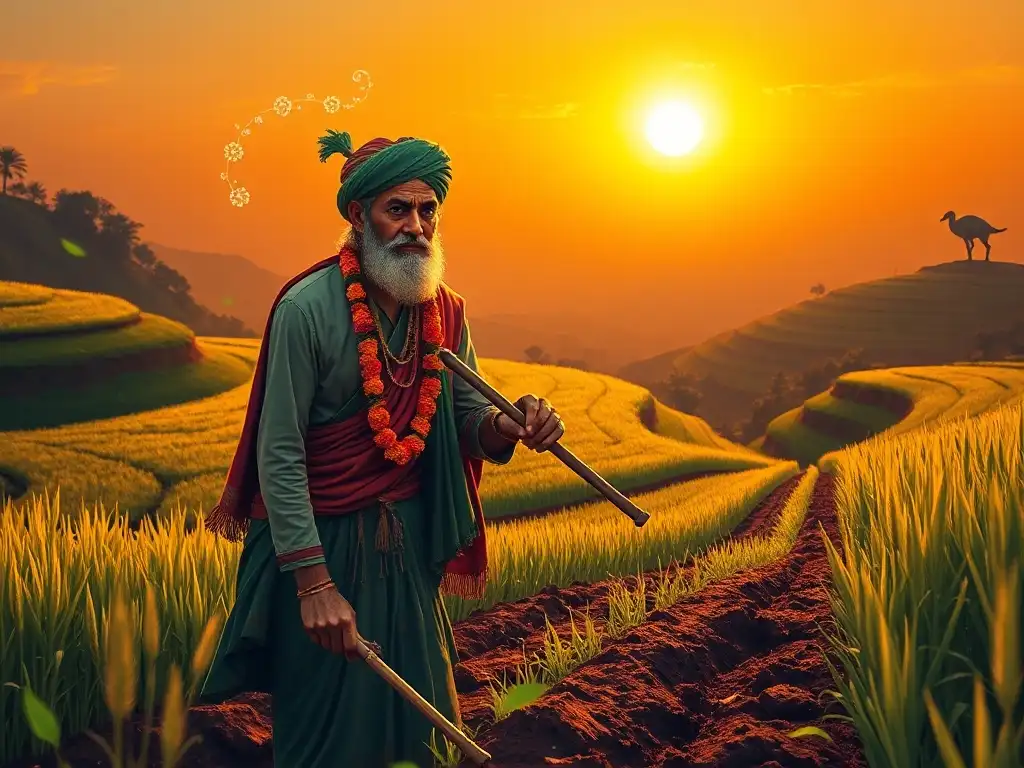
Agriculture in ancient Indian mythology is rich with symbolism, reflecting deeper meanings associated with fertility, prosperity, and the cyclical nature of life. This symbolism is evident in various artistic expressions, from sculptures to literature, where agricultural motifs are prevalent.
The imagery of the plough, for instance, symbolizes both cultivation and the divine act of creation, linking agricultural practices to cosmological beliefs. Such symbols serve as reminders of the interconnectedness of life, underscoring the importance of agriculture as a life-giving force in society.
Agricultural Symbols in Indian Mythological Art and Literature
In ancient Indian art and literature, agricultural symbols serve to convey complex ideas about life, death, and rebirth. The depiction of deities holding sheaves of grain or surrounded by fertile landscapes illustrates the divine connection to agriculture. For example, the goddess Durga is often shown with a sickle, representing the harvest and the destructive yet nourishing aspect of nature.
Literary works, such as the Rigveda, contain hymns that celebrate the earth's bounty, where grains are referred to as "food for the gods." This highlights the belief that agricultural success is not solely for human consumption but also a means to honor the divine. Such artistic representations reinforce the cultural significance of agriculture, embedding it within the very fabric of ancient Indian identity.
The Connection Between Fertility Myths and Agricultural Success
The intersection of fertility myths and agricultural success is a prevalent theme in ancient Indian mythology. Many deities associated with agriculture, such as Bhumi Devi (the Earth Goddess), symbolize fertility and abundance. The narratives surrounding these deities often emphasize rituals and practices aimed at ensuring good harvests.
For instance, the myth of Lord Krishna lifting the Govardhan Hill illustrates the importance of nature's protection and the need for humans to respect and nurture their environment. This tale reinforces the belief in the reciprocal relationship between agriculture and divine favor, where diligent farming practices and respect for nature lead to bountiful harvests.
The intricate relationship between agriculture and mythology in ancient India highlights the profound understanding of the cycles of nature and the need for harmonious living with the earth. These narratives and symbols not only celebrate agricultural practices but also convey timeless lessons about community, ethics, and sustainability.
Innovations in Agriculture Inspired by Mythology
Ancient Indian mythology has been a significant source of inspiration for various agricultural innovations. The legendary tales and deities associated with agriculture have fostered a deep connection between farming practices and cultural beliefs. For instance, the reverence for agricultural deities such as Parvati and Sita has led to the development of rituals aimed at ensuring a bountiful harvest. These rituals often involve the creation of specific agricultural tools and techniques that were believed to be blessed by the gods, encouraging farmers to adopt innovative practices that aligned with these mythological narratives.
Moreover, the concept of Vedic agriculture draws from mythological teachings, emphasizing the importance of harmonizing with nature. This approach led to innovations such as crop rotation and intercropping, which were not only practical but were also seen as a means of fulfilling dharma, or duty, towards the land. The integration of mythological stories into agricultural practices served as a guiding framework for farmers, promoting sustainability and respect for the environment while enhancing productivity.
Traditional Farming Techniques Rooted in Mythological Beliefs
Traditional farming techniques in ancient India were deeply intertwined with mythological beliefs. Many communities engaged in farming practices that were directly influenced by the stories of gods and goddesses. For instance, the belief in Indra, the god of rain, led to specific rituals and techniques aimed at invoking rain for crops. Farmers would often conduct ceremonies to please Indra, ensuring adequate rainfall for their fields.
Additionally, practices such as ploughing were often associated with mythological events. The act of ploughing was sometimes linked to the myth of Lord Vishnu, who took various avatars to preserve life on Earth. This connection emphasized the sacredness of farming and instilled a sense of responsibility among farmers to care for their land. Rituals surrounding the sowing of seeds often included recitations from ancient texts, which were believed to bless the seeds and guarantee a successful crop yield.
Influence of Mythological Practices on Crop Cultivation and Harvesting
Crop cultivation and harvesting in ancient India were heavily influenced by mythological practices. The agricultural calendar was often aligned with mythological events, such as festivals that celebrated the harvest or the sowing of seeds. For example, the festival of Makar Sankranti coincides with the harvest season and is rooted in the mythology surrounding the sun god, Surya. This festival not only marks the end of winter solstice but also plays a crucial role in agricultural rituals, encouraging community participation in harvesting activities.
Similarly, the practice of ritualistic offerings during the harvest season, dedicated to deities like Annapurna, the goddess of food, reflects the belief that agriculture is a divine gift. Farmers would offer the first fruits of their harvest to these deities, seeking blessings for future crops. This interplay of mythology and agriculture reinforced the importance of gratitude and respect for the land, shaping the way communities approached farming and food production.
The Interplay of Agriculture and Society in Ancient Indian Mythology
The connection between agriculture and society in ancient Indian mythology is profound, as farming was not just an economic activity but also a vital aspect of cultural identity. Agricultural practices were often embedded in the social fabric, with various rituals and festivals reflecting the significance of farming in daily life. The communal nature of agriculture fostered cooperation among community members, emphasizing collective responsibility towards land and resources.
How Mythology Shaped Agricultural Communities
Mythology played a crucial role in shaping agricultural communities, providing them with a shared identity and purpose. Stories of deities associated with fertility and abundance cultivated values of cooperation and mutual support among farmers. For example, communities would come together during sowing and harvesting seasons, reflecting the belief in divine intervention for successful crops. This collective effort was often guided by mythological narratives, which reinforced the idea that the land should be respected and nurtured.
Furthermore, the establishment of agricultural rituals and festivals often stemmed from mythological tales, serving as a means to unite the community. Such events not only celebrated the agricultural cycle but also reinforced social ties, ensuring that knowledge about farming practices and innovations was passed down through generations.
The Cultural Significance of Agriculture in Mythological Context
Agriculture held immense cultural significance within the mythological context of ancient India. It was seen as a divine responsibility, with farming practices embedded in the spiritual beliefs of the people. The cycle of planting and harvesting was often paralleled with mythological cycles, illustrating the interconnectedness of life, death, and rebirth.
Moreover, agricultural abundance was frequently linked to the favor of deities, making it a central theme in various mythological narratives. The stories of gods and goddesses often encompassed themes of fertility, sustenance, and prosperity, emphasizing the sacredness of agriculture. This cultural reverence for farming not only influenced individual farming practices but also shaped the broader societal values surrounding land and its stewardship. The legacy of these beliefs continues to resonate in modern agricultural practices in India, highlighting the enduring connection between mythology and agriculture.
Conclusion: The Enduring Legacy of Agriculture in Ancient Indian Mythology
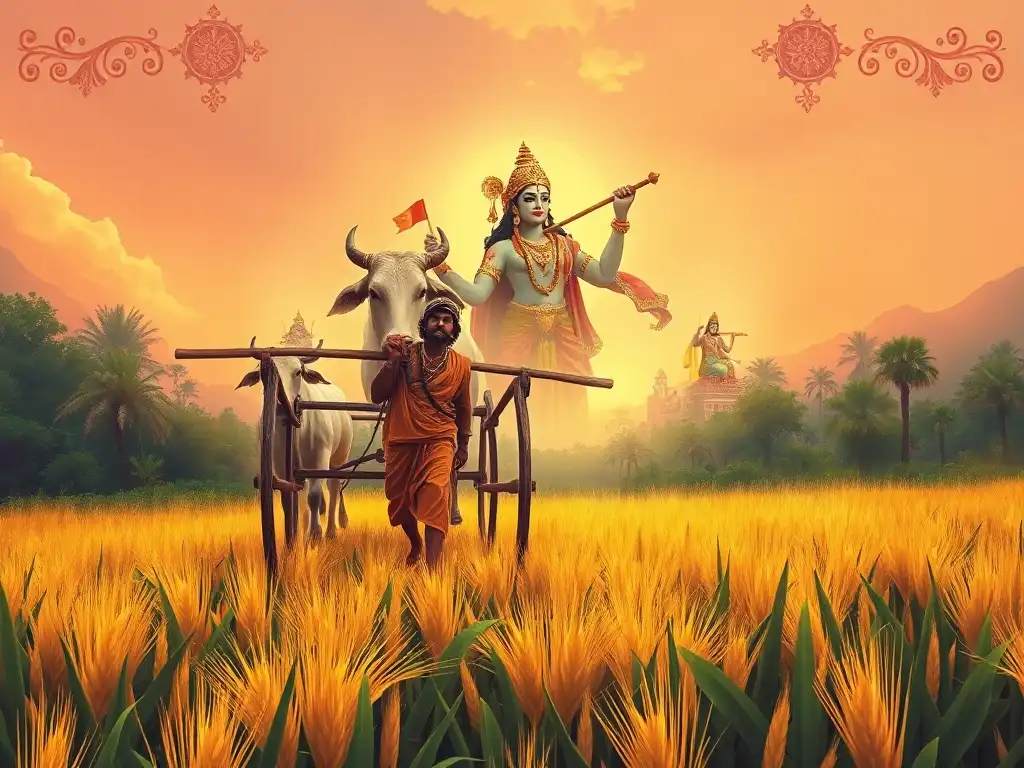
The intricate relationship between agriculture and mythology in ancient India has left an indelible mark on the cultural heritage of the region. Myths and legends not only served to explain the natural phenomena associated with farming but also reinforced the importance of agricultural practices in sustaining communities. The reverence for deities like Sita, who embodies the earth's fertility, and Krishna, who is associated with pastoral life, highlights how agriculture was woven into the very fabric of society.
As agricultural practices evolved, so too did the myths surrounding them, reflecting the adaptive nature of ancient civilizations. The stories of harvest festivals, planting rituals, and the veneration of nature underscore agriculture's role not just as an economic activity but as a spiritual cornerstone. These narratives fostered a sense of community, linking generations through shared practices and beliefs, and ensuring the preservation of knowledge vital for sustenance.
Reflection on the Importance of Agriculture in Ancient Civilizations
Agriculture was the backbone of ancient Indian civilization, facilitating the growth of settled communities and the rise of complex societies. This dependence on farming is vividly illustrated in ancient texts and scriptures, where agricultural cycles are often celebrated through rituals and festivals. For instance, the festival of Makar Sankranti, marking the harvest season, is deeply rooted in agricultural practices and reflects a collective recognition of the importance of crops and sustenance.
Moreover, the myths surrounding agriculture often contain moral and ethical lessons, emphasizing the values of hard work, respect for nature, and gratitude for the earth's bounty. These stories not only served to guide agricultural practices but also shaped social norms and community responsibilities. By examining these narratives, we gain insights into the values and priorities of ancient Indian societies, highlighting how they navigated challenges related to climate, fertility, and harvest.
Future Implications for Understanding Agricultural Practices Through Mythology
Understanding the connection between agriculture and mythology offers a unique lens through which we can analyze ancient agricultural practices. As we continue to explore these narratives, we can uncover the underlying agricultural knowledge that ancient people possessed, which may still hold relevance today. For instance, the seasonal cycles and agronomic techniques mentioned in myths could provide valuable insights for modern sustainable farming practices.
Moreover, as we face contemporary challenges such as climate change and food security, revisiting ancient wisdom embedded in mythology could inspire innovative solutions. By studying how ancient civilizations adapted their agricultural practices in response to environmental changes, we can better appreciate the resilience and ingenuity of these societies.
The intersection of agriculture and mythology in ancient India not only enriches our understanding of the past but also holds potential for informing future agricultural practices. The legacy of these narratives continues to resonate, reminding us of the profound connection between humanity and the land that sustains us.
- Introduction to Agriculture in Ancient Indian Mythology
- Key Deities Associated with Agriculture in Ancient Indian Mythology
- Mythological Narratives that Highlight Agricultural Practices
- Symbolism of Agriculture in Ancient Indian Mythology
- Innovations in Agriculture Inspired by Mythology
- The Interplay of Agriculture and Society in Ancient Indian Mythology
- Conclusion: The Enduring Legacy of Agriculture in Ancient Indian Mythology
- Reflection on the Importance of Agriculture in Ancient Civilizations
- Future Implications for Understanding Agricultural Practices Through Mythology
- What role did agriculture play in ancient Indian mythology?
- How is agriculture depicted in ancient Indian texts?
- Are there specific myths that emphasize the significance of agriculture?
- How did ancient Indian civilizations view the relationship between nature and agriculture?
- What contributions did ancient Indian civilizations make to agriculture?
Frequently Asked Questions
What role did agriculture play in ancient Indian mythology?
Agriculture was considered sacred and intertwined with mythological narratives, symbolizing prosperity and divine blessings throughout ancient Indian cultures.
How is agriculture depicted in ancient Indian texts?
Ancient texts often highlight agricultural deities and rituals, illustrating the importance of farming in sustaining life and community prosperity.
Are there specific myths that emphasize the significance of agriculture?
Yes, various myths, such as those involving goddesses of fertility and harvest, demonstrate how agriculture was revered and seen as a divine gift.
How did ancient Indian civilizations view the relationship between nature and agriculture?
Ancient Indian civilizations believed in a harmonious relationship with nature, where agriculture was viewed as a collaborative effort with the divine forces of the earth.
What contributions did ancient Indian civilizations make to agriculture?
Ancient Indians developed innovative farming techniques and tools, and their agricultural practices significantly influenced later civilizations, showcasing their advanced understanding of sustainable farming.
Final Reflection: The Enduring Legacy of Agriculture in Ancient Indian Mythology
The intricate relationship between agriculture and ancient Indian mythology remains profoundly relevant today, as it underscores the essential role of farming in sustaining life and culture. In a world increasingly disconnected from its agrarian roots, the stories and symbols that intertwine agriculture with mythology serve as a powerful reminder of our dependence on the land and the wisdom of our ancestors. The lessons embedded in these ancient narratives not only celebrate the bounty of the earth but also highlight the spiritual and communal aspects of farming that are often overlooked in modern society.
The influence of agriculture in ancient Indian mythology continues to resonate within our cultural and social frameworks, shaping our understanding of sustainability and reverence for nature. The myths surrounding deities like Prithvi (the Earth) and the agricultural practices depicted in texts such as the Rigveda reflect a deep-seated respect for the environment that is crucial in today's context of climate change and ecological degradation.
As Mahatma Gandhi once said, "> The future depends on what you do today." This sentiment echoes the importance of integrating ancient wisdom with contemporary practices, urging us to cultivate a more harmonious relationship with our surroundings.
As we reflect on the vital connection between agriculture and ancient Indian mythology, I invite you to consider how these age-old teachings can inspire your own life. Embrace the lessons of sustainability, community, and respect for nature that these stories impart. Let them guide your actions, whether through supporting local farmers, practicing sustainable living, or simply taking a moment to appreciate the natural world around you. By doing so, we not only honor our heritage but also pave the way for a more balanced and nurturing future for generations to come.
🌾 Unveil the Rich Tapestry of Agriculture in Mythology!
Thank you for diving into the fascinating world where agriculture meets ancient Indian mythology! We hope you’ve gained insights into how these stories shape our agricultural practices and cultural heritage. Now, let’s explore ways to deepen your understanding and connection to this vital topic.
- Embark on a journey: Explore ancient texts and local folklore to uncover the agricultural traditions intertwined with the stories you've discovered.
- Share your insights: Engage in discussions with friends or family about your newfound knowledge, focusing on how mythology influences contemporary farming practices.
- Join the community: Participate in workshops or online forums centered on sustainable agriculture and mythology to connect with others who share your interests.
How do you perceive the connection between our current agricultural practices and the ancient tales that are woven into our history? 🌱✨