
Women in Ancient Indian Law: Perspectives from Legal Texts

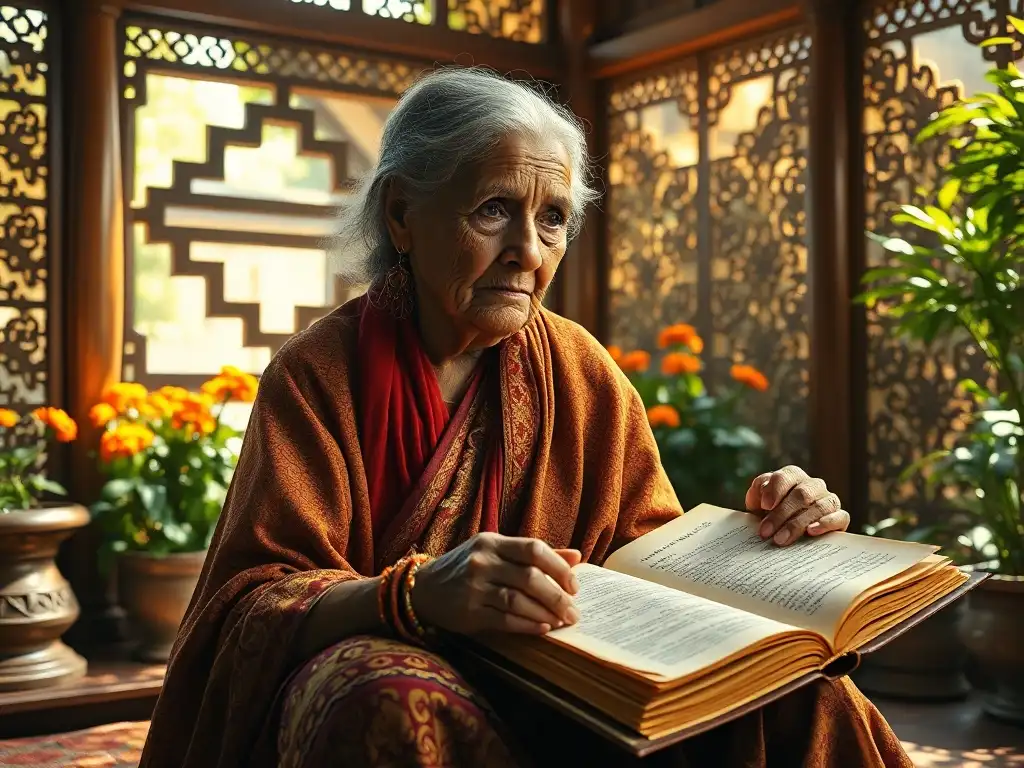
Welcome to Ancient India History, where we delve into the rich tapestry of ancient Indian civilizations and their remarkable contributions to culture and society. In this exploration, we invite you to uncover the often-overlooked narratives of ancient Indian women's legal rights. Our featured article, "Women in Ancient Indian Law: Perspectives from Legal Texts," reveals how these rights shaped the lives of women in a time when their voices were seldom heard.
Prepare to challenge your perceptions and deepen your understanding as we unravel the complexities of legal systems and law codes that governed ancient India. Join us on this enlightening journey and discover the profound impact of these ancient laws on women’s status and society as a whole!
- Introduction to Ancient Indian Women's Legal Rights
- Historical Context of Women in Ancient Indian Law
- Key Legal Texts Addressing Women's Rights
- Analysis of Women's Legal Rights in Ancient Indian Law
- Case Studies: Women’s Legal Rights in Practice
- Comparison of Women's Legal Rights in Ancient Texts
- Conclusion: Legacy of Ancient Indian Women's Legal Rights
- Frequently Asked Questions
- Final Reflection: The Enduring Legacy of Ancient Indian Women's Legal Rights
- Unveil the Legacy of Women in Ancient Indian Law!
Introduction to Ancient Indian Women's Legal Rights
The exploration of women's legal rights in ancient India reveals a complex tapestry woven from varied cultural, social, and religious threads. Understanding the legal status and rights of women during this era is crucial, as it provides insight into the broader societal norms and values that shaped ancient Indian civilizations. From the sophisticated urban planning of the Indus Valley Civilization to the philosophical advancements during the Gupta Empire, women played multifaceted roles that were both acknowledged and regulated by legal texts.
These documents, such as the famed Manu Smriti, serve as invaluable resources, offering perspectives on the rights, duties, and societal expectations of women in ancient India. This article aims to delve into the intricacies of ancient Indian women's legal rights, drawing from historical legal texts to illuminate their significance in the context of ancient Indian society.
Overview of Ancient Indian Legal Systems
Ancient Indian legal systems were intricate and evolved over time, influenced by various philosophical schools and regional customs. The foundation of these systems can be traced back to the Vedic period, where the Dharma Shastras began to outline codes of conduct for individuals and society.
- Vedic Texts: The earliest legal concepts can be found in the Vedas, which emphasized duties (dharma) and the moral order of the universe.
- Dharma Shastras: Following the Vedic texts, the Dharma Shastras provided more detailed legal guidelines, addressing various aspects of life, including family law, property rights, and social conduct.
- Regional Variations: Different regions developed their own interpretations of these texts, leading to a diverse legal landscape that reflected local customs and practices.
Through these various stages, women’s legal rights were defined within the context of family and social obligations, and the legal texts served as both a reflection and a guide to these rights.
Importance of Legal Texts in Understanding Women’s Rights
Legal texts from ancient India are crucial for comprehending the status and rights of women. They not only outline the legal framework but also offer insights into the societal attitudes towards women.
- Documenting Rights and Duties: Texts like the Manu Smriti and Yajnavalkya Smriti explicitly delineate the rights of women concerning marriage, inheritance, and education. For instance:
- Marriage: Women were often seen as equals in certain texts, with rights to choose their partners.
- Property: In some instances, women were granted rights to inherit property, reflecting a degree of autonomy.
- Cultural Reflection: These texts also mirror the cultural norms of their time, indicating how women's roles were perceived and valued. The fluctuating interpretations of these laws over centuries reveal the dynamic nature of women's rights.
- Legal Precedents: The legal texts set precedents that influenced not just the immediate society but also subsequent generations, shaping the discourse around women's rights in later periods.
Understanding ancient Indian women's legal rights through these texts allows for a more nuanced view of their roles in society and highlights the contributions they made, despite the constraints imposed by the legal frameworks of their time.
Historical Context of Women in Ancient Indian Law
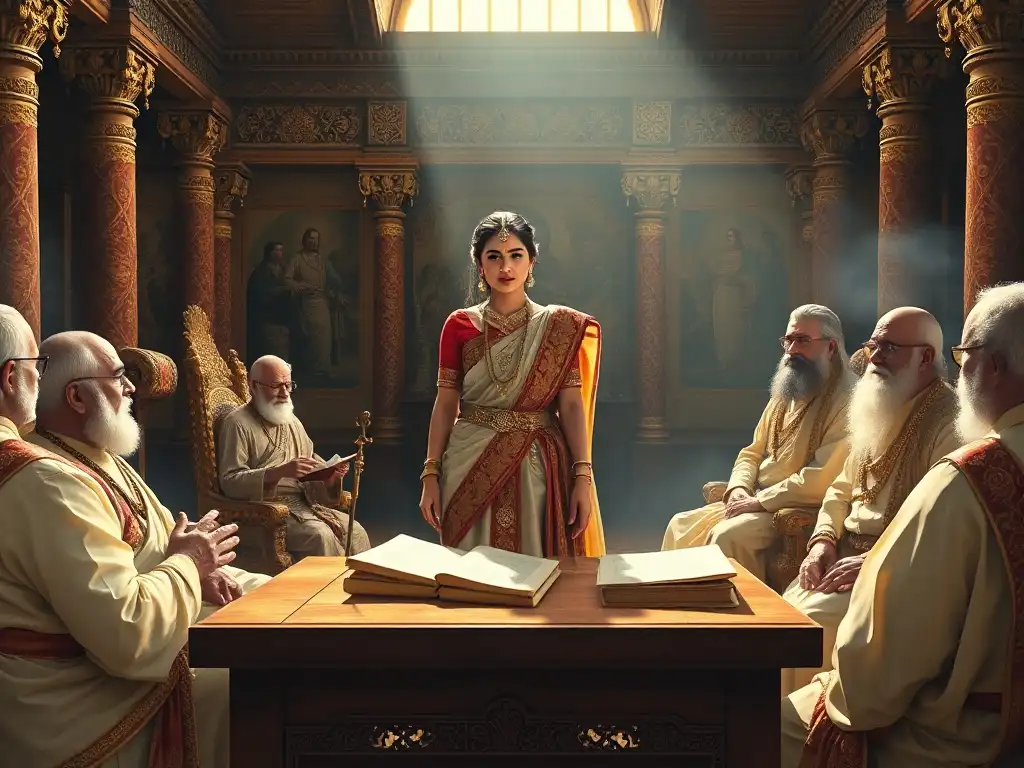
In ancient India, the legal rights of women were deeply intertwined with their societal roles and the prevailing cultural norms. The context of women's legal rights can be traced back to various ancient texts, including the Vedas, Dharmashastras, and other legal codes. These texts provide invaluable insights into how women were perceived and the legal frameworks that governed their lives.
The earliest references in the Vedic texts suggest that women held a relatively respectable position in society. They were involved in rituals, education, and even had the right to inherit property. However, as time progressed, particularly during the later Vedic period and into the classical era, societal norms began to shift, leading to a more patriarchal structure.
Societal Roles of Women in Ancient India
Women in ancient India occupied various roles that were critical to the family and society. Their responsibilities ranged from managing household affairs to participating in religious rituals. The following points illustrate the multifaceted roles women played:
- Family Caregivers: Women were primarily seen as caretakers of the family, responsible for nurturing children and managing the household.
- Cultural Contributors: They contributed to the culture through arts, music, and education, often being the primary educators of their children.
- Religious Participants: Women participated in religious ceremonies, and some even held positions as priestesses in certain communities.
Despite these roles, the evolution of women's rights was complex. The legal texts of the time reflected societal attitudes, which often limited women's rights in favor of male authority.
Evolution of Legal Texts on Women’s Rights
The legal rights of women in ancient India were documented in several key texts, notably the Manu Smriti, which has been both influential and controversial. This text outlines various aspects of dharma (duty) and law, presenting a detailed code that includes the status of women.
Key Texts and Their Perspectives
- Vedic Texts: Early Vedic literature reflects a more egalitarian perspective, acknowledging women's rights to education and property.
- Manu Smriti: Composed around 200 BCE to 200 CE, this text significantly influenced later legal frameworks. It asserts that women should be protected and respected but also emphasizes their dependence on male guardianship, detailing their roles primarily in relation to men.
- Yajnavalkya Smriti: This text offers a slightly more progressive view, allowing women the right to inherit property under certain conditions, thereby indicating a gradual shift in legal perspectives.
Impact of Legal Texts on Women's Rights
The various legal texts created a complex legal landscape for women. While some provisions highlighted the importance of women's roles in society, others reinforced patriarchal norms, leading to a decline in their legal rights over time.
| Legal Text | Rights Granted | Limitations |
|---|---|---|
| Vedic Texts | Right to education, participation in rituals | Limited inheritance rights |
| Manu Smriti | Protection and respect in family | Dependency on male guardianship |
| Yajnavalkya Smriti | Inheritance rights under conditions | Subject to familial consent |
The ancient Indian women's legal rights evolved through a mix of cultural practices and legal stipulations as reflected in these texts. Understanding this evolution is crucial for comprehending the historical context of women's roles in ancient Indian society and the legal frameworks that shaped their experiences.
Key Legal Texts Addressing Women's Rights

The exploration of women's legal rights in ancient India is deeply rooted in the legal texts that provided frameworks for societal norms and expectations. These texts offer insight into how women were perceived and treated within the legal system of ancient civilizations. The most significant among these are the Manusmriti, Arthashastra, Yajnavalkya Smriti, and Narada Smriti. Each text presents distinct perspectives on the legal status and rights of women, reflecting the complexities of gender roles in ancient Indian society.
The Manusmriti and its Provisions for Women
The Manusmriti, one of the oldest and most influential legal texts in ancient India, outlines various aspects of dharma (law and duty) that govern societal conduct, including the roles and rights of women.
- Marriage and Family Rights:
- The Manusmriti emphasizes the importance of marriage, stating that women should be protected and honored by their husbands. It prescribes that a woman has the right to choose her spouse in certain contexts, which reflects a level of autonomy.
- It also stipulates that a woman should be treated with respect and that her welfare is paramount within the family unit.
- Property Rights:
- While the Manusmriti generally advocates for the protection of women's rights, it also emphasizes that women are primarily dependent on male guardians for property ownership. Women could inherit property in some cases, such as when they were widowed, but their rights were often limited compared to men.
- Legal Status:
- The text asserts that women are to be under the protection of their fathers, husbands, and sons at different stages of life, which indicates a restrictive view of their independence. However, it also acknowledges women’s roles as mothers and caretakers, which were considered vital to societal stability.
The Arthashastra: Perspectives on Women's Legal Status
The Arthashastra, attributed to Kautilya (Chanakya), is primarily a treatise on statecraft and economics but also offers insights into the status of women in legal terms.
- Economic Agency:
- Unlike the Manusmriti, the Arthashastra recognizes women as economic agents. Women are mentioned as participating in trade and owning businesses, which grants them a degree of financial independence and legal recognition in commercial activities.
- Legal Rights in Governance:
- The text discusses the involvement of women in governance, suggesting that they could hold positions that influence legal and political matters. This indicates a more progressive understanding of women's roles in state affairs compared to other texts.
- Criminal Law:
- The Arthashastra outlines specific laws pertaining to crimes against women, emphasizing the necessity for protection against violence and exploitation. This reflects a recognition of women's rights to safety and justice within the legal framework.
In addition to the Manusmriti and Arthashastra, other texts also contribute to the discourse on ancient Indian women's legal rights.
- Yajnavalkya Smriti:
- This text, although largely based on the Manusmriti, offers a slightly more progressive view on women's rights. It acknowledges the rights of women to inherit property and suggests that they possess autonomy in certain legal matters, particularly in marriage and divorce.
- Narada Smriti:
- The Narada Smriti presents a nuanced perspective on women's roles in society. It discusses the importance of consent in marriage and recognizes women's rights to refuse marriage, thus highlighting their agency. Additionally, it addresses the legal responsibilities of husbands towards their wives, promoting a view of mutual respect.
- Comparative Analysis:
- Comparing these texts reveals an evolving understanding of women's roles in ancient Indian law. While the Manusmriti often reflects a patriarchal structure, the Yajnavalkya and Narada Smritis introduce elements of agency and rights that suggest a gradual shift towards recognizing women's legal rights more comprehensively.
Through these texts, we can gain valuable insights into the complexities of ancient Indian women's legal rights, illustrating both the constraints and the opportunities that existed within the legal framework of their time. The interplay between these texts highlights the ongoing dialogue regarding gender and law in ancient India, providing a foundation for understanding the historical context of women's rights.
Analysis of Women's Legal Rights in Ancient Indian Law
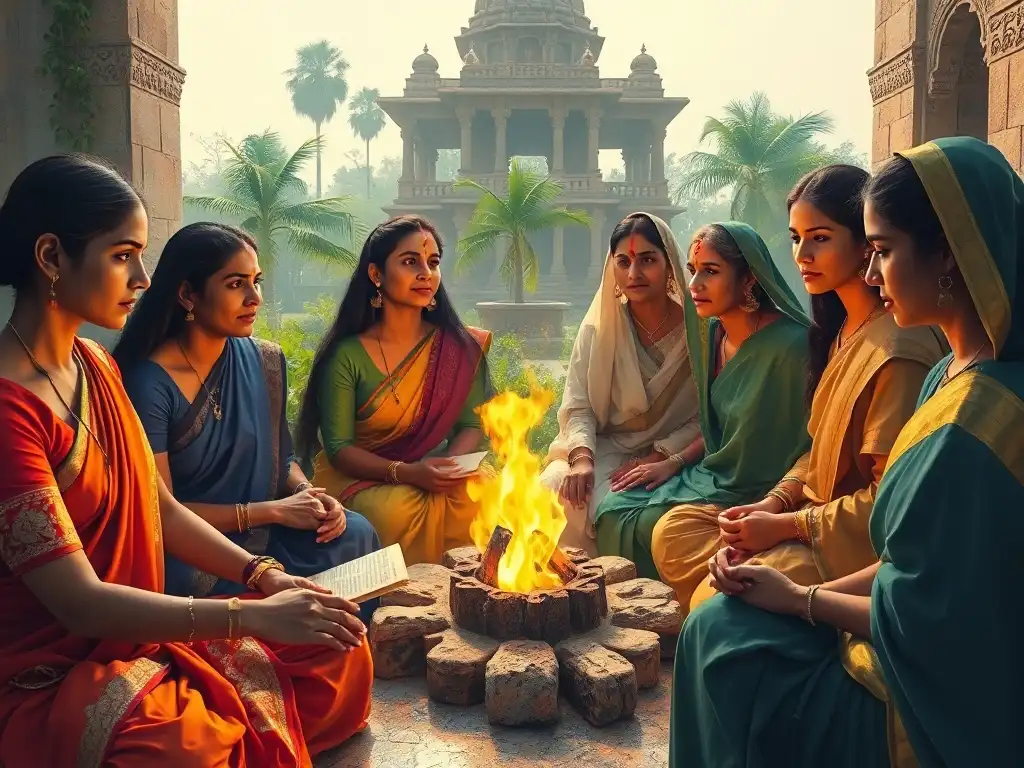
The exploration of ancient Indian women's legal rights reveals a complex tapestry of norms and regulations that governed their lives. From the esteemed texts like the Manu Smriti to regional variations, the legal framework was both progressive and restrictive, reflecting the socio-economic structures of the time. Understanding these rights requires a careful examination of marriage laws, property rights, and protections against domestic violence.
Marriage Laws and Women's Rights
Marriage in ancient India was not merely a personal union but an integral social contract that came with specific legal implications for women. The Manu Smriti outlines various forms of marriages, each having distinct rights and duties associated with them.
- Forms of Marriage:
- Brahma Marriage: Considered the most desirable, it emphasized mutual respect and consent, granting women a higher status.
- Gandharva Marriage: Based on mutual love, this form allowed women greater agency and autonomy.
- Asura and Rakshasa Marriages: These were considered less favorable, often reflecting a transactional nature where women had limited rights.
Rights Within Marriage
- Women were expected to be faithful and support their husbands, yet they also had certain rights:
- Sva-dharma: Women were entitled to fulfill their roles with dignity and respect.
- Rites and Rituals: Participation in religious rites was a significant aspect, elevating their status within the household.
However, it is essential to note that the overarching patriarchal framework often limited women's autonomy, particularly in matters of divorce and remarriage, where they had few rights.
Property Rights of Women in Ancient India
The property rights of women in ancient India were influenced by various factors, including caste, marital status, and regional customs. The Dharmashastras, including the Manu Smriti, provide insights into these entitlements.
- Stridhan: This term refers to the property that a woman received at the time of her marriage, which she retained control over. It included:
- Gifts from her family
- Presents from her husband’s family
Inheritance Rights
- Despite the existence of Stridhan, women's rights to inherit property were often limited:
- Sons had preferential rights over ancestral property, while daughters were typically excluded.
- However, some texts provided for daughters' rights in the absence of male heirs, indicating a degree of flexibility.
Rights and Protections Against Domestic Violence
Ancient Indian legal texts also addressed the issue of domestic violence, although the protections offered were often inadequate by modern standards. The Manu Smriti and other texts contained provisions that acknowledged the right of women to seek redress.
- Provisions for Protection:
- Women were granted the right to seek support from their families in cases of mistreatment.
- Legal recourse was available, although the execution of such rights relied heavily on social standing and community support.
Social Context and Limitations
The societal norms of ancient India often restricted women’s ability to utilize these rights fully. Factors such as:
- Caste System: Women from lower castes faced greater challenges in seeking legal protections.
- Patriarchal Norms: The stigma surrounding divorce and public accusations often silenced women suffering from domestic violence.
While ancient Indian legal texts provide insights into women's legal rights, the implementation and societal acceptance of these rights were varied. The complex interplay of cultural, social, and economic factors shaped the landscape of ancient Indian women's legal rights significantly.
Case Studies: Women’s Legal Rights in Practice
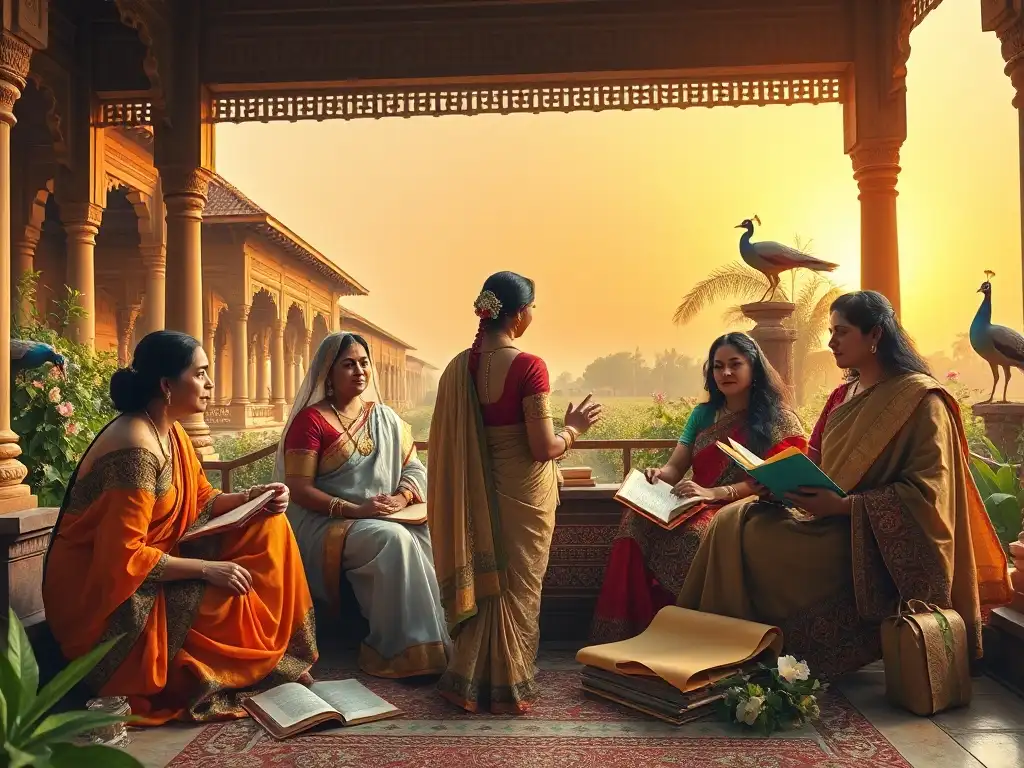
Notable Women in Ancient Indian Legal History
Throughout ancient Indian history, several women distinguished themselves not only through their societal roles but also through their legal rights and actions. These notable figures serve as important case studies for understanding the complexities of ancient Indian women's legal rights.
- Vedic Women: Women during the Vedic period were granted significant autonomy and rights. They could own property, partake in rituals, and were educated. The Rigveda mentions women like Gargi Vachaknavi, a philosopher and scholar known for her debates on metaphysics and the nature of the universe. Gargi's contributions highlight the intellectual agency women possessed during this era.
- Ahalya: While often known from the epic tales, Ahalya's story also raises questions about consent and legal status. According to texts, she was turned to stone due to a curse, yet her eventual redemption speaks to the complexities of legal interpretations regarding women's honor and agency.
- Panchala Princesses: The Mahabharata depicts Draupadi, a princess of Panchala, who was subjected to a public disrobing that challenged her legal rights as a woman. Her subsequent plea for justice emphasizes the intersections of gender, law, and morality in ancient Indian society. The consequences of this event sparked significant discussions about women's rights and the responsibility of men in protecting female honor.
Examining Specific Cases of Women's Rights
Analyzing specific instances from ancient legal texts provides deeper insights into the frameworks governing women's rights in ancient India. Here are a few notable examples:
- Property Rights: The Manu Smriti, one of the most influential legal texts, outlines that women were entitled to inherit property from their fathers. This was a significant legal right that allowed women to have some financial independence. For instance, a woman could inherit her husband’s property in the absence of a male heir, underscoring her legal status as a property holder.
- Marriage and Consent: Ancient legal texts reveal a complex picture of marriage practices. The concept of Swayamvara, where a woman chose her husband, indicates a degree of autonomy in marital choices. However, the Manu Smriti also prescribes strict guidelines on the roles of women within marriage, often limiting their agency post-marriage. This duality reflects the tension between rights and societal expectations.
- Legal Testimonies: Women were allowed to testify in legal matters, as stated in the Yajnavalkya Smriti. However, their testimonies were often viewed through the lens of their marital status. For example, a married woman’s testimony was sometimes considered less credible than that of a male witness, illustrating the gender biases entrenched in legal proceedings.
- Punishments and Protections: The legal texts also specified punishments for crimes against women, highlighting a recognition of their rights to safety and dignity. For instance, laws prohibiting violence against women were laid out, although the enforcement and societal attitudes varied significantly.
These case studies illustrate that while ancient Indian women's legal rights were acknowledged in various forms, they were often intertwined with complex social norms and expectations. The rights granted were not absolute and frequently reflected the prevailing patriarchal structures. Understanding these nuances provides a richer perspective on the historical context of women's rights in ancient India.
Comparison of Women's Legal Rights in Ancient Texts
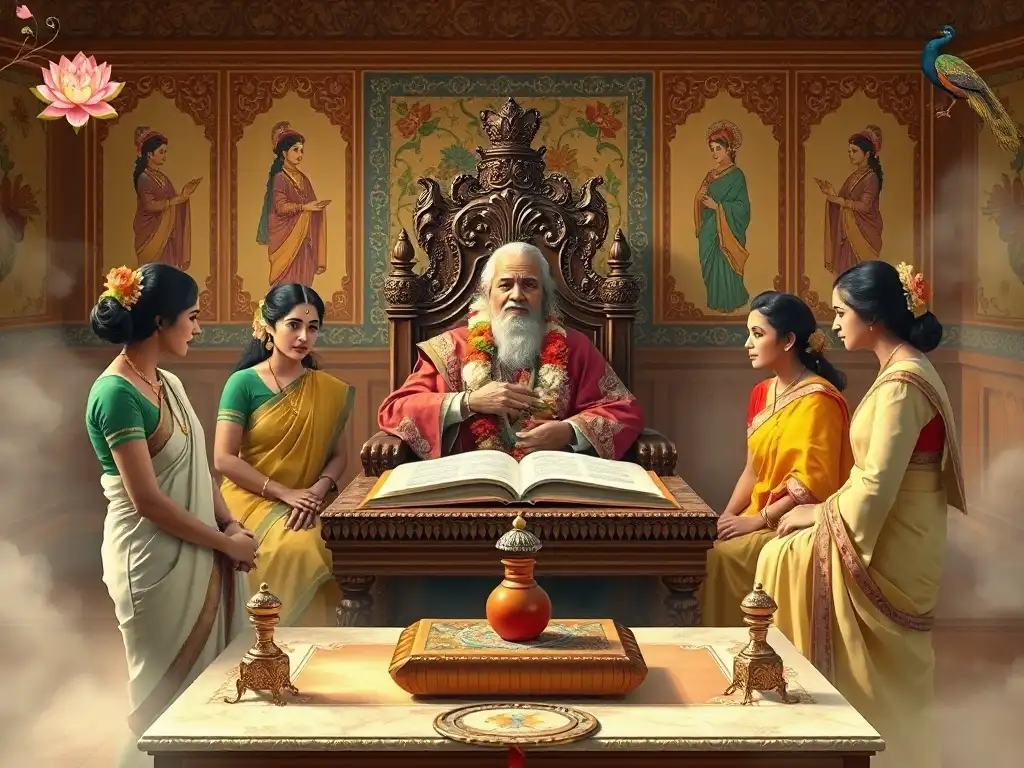
The exploration of women's legal rights in ancient Indian law reveals a complex tapestry of perspectives, rights, and societal norms as articulated in various legal texts. This section delves into the contrasting views presented in notable texts such as the Manusmriti and the Arthashastra, as well as regional variations that influenced women's legal status across ancient India.
Contrasting Views: Manusmriti vs. Arthashastra
The Manusmriti and Arthashastra are two seminal texts that provide insight into the legal rights of women in ancient India, yet they reflect divergent ideologies regarding gender roles and legal status.
Manusmriti
The Manusmriti, often regarded as the foundational legal text of Hindu law, presents a patriarchal framework where women's rights are primarily viewed through the lens of their relationship to men—fathers, husbands, and sons. Key perspectives include:
- Dependence on Male Guardians: The text emphasizes that women should be under the protection of male guardians throughout their lives. As stated in Manusmriti 9.3, "In childhood, a woman should be under her father's control; in youth, under her husband's; and when her husband passes away, under her sons."
- Limited Legal Autonomy: Women's legal rights are constrained, with limited capacity to own property or engage in contracts independently. The text suggests that women’s primary roles are domestic and reproductive, with legal rights largely tied to their familial relationships.
- Social Status and Punishments: The Manusmriti also outlines specific punishments for women, often harsher than those for men, indicating a lack of agency and legal protection. For instance, Manusmriti 5.155 states that a woman who engages in sexual relations outside of marriage faces severe consequences.
Arthashastra
In contrast, the Arthashastra, attributed to Kautilya (Chanakya), presents a more pragmatic approach to governance and law, including women's roles in society. Notable points include:
- Economic Rights: The Arthashastra recognizes women's contributions to economic activities. It acknowledges their rights to inherit property and engage in trade, reflecting a more nuanced understanding of women's roles in the economy.
- Legal Agency: Women are depicted as capable of taking legal action. For example, Kautilya outlines procedures for women to seek justice in cases of wrongdoing, indicating a level of legal agency that is notably absent in the Manusmriti.
- Political Roles: The Arthashastra also suggests that women could hold influential positions, particularly in matters of statecraft, which diverges from the predominantly domestic focus of the Manusmriti.
This juxtaposition highlights the dynamic nature of women's legal rights in ancient India, emphasizing that while some texts reinforced patriarchal norms, others acknowledged and legitimized women's roles in society.
Regional Variations in Women's Legal Rights
The legal rights of women in ancient India were not monolithic; they varied significantly by region, influenced by local customs, practices, and interpretations of texts.
Northern India
In northern regions, particularly during the Vedic and early medieval periods, women's rights were often restricted, reflecting the ideals propagated by texts like the Manusmriti. However, certain communities exhibited more progressive practices:
- Maratha and Rajput Traditions: In some warrior clans, women held considerable power in matters of property and governance, often acting as regents or managing estates in the absence of male heirs.
Southern India
The southern regions, particularly in Tamil Nadu and Karnataka, displayed a different trajectory:
- Legal Autonomy: Women in these regions often had greater autonomy regarding property rights. The Tolkappiyam, an ancient Tamil text, emphasizes women's rights to inherit and manage land, indicating a more egalitarian approach.
- Cultural Influences: The presence of matrilineal societies, especially among the Nairs, allowed women to inherit property independently, challenging the patriarchal norms observed in the north.
Eastern and Western India
In eastern and western India, variations continued:
- Bengal: Women in Bengal during the medieval period enjoyed some legal rights, particularly in property inheritance, influenced by local customs and practices that encouraged women’s economic participation.
- Gujarat: In contrast, Gujarati texts reflected a strong adherence to patriarchal norms, but women involved in trade, particularly in port cities, often had legal recognition of their rights to conduct business.
The comparison of women's legal rights across different ancient Indian texts and regions underscores the rich diversity of perspectives on gender and law. While texts like the Manusmriti often reinforced restrictive norms, others, such as the Arthashastra and regional practices, showcased a more complex understanding of women's roles and rights within society. This historical inquiry into ancient Indian women's legal rights reveals the multifaceted nature of legal traditions and their impact on women's status in ancient India.
Conclusion: Legacy of Ancient Indian Women's Legal Rights
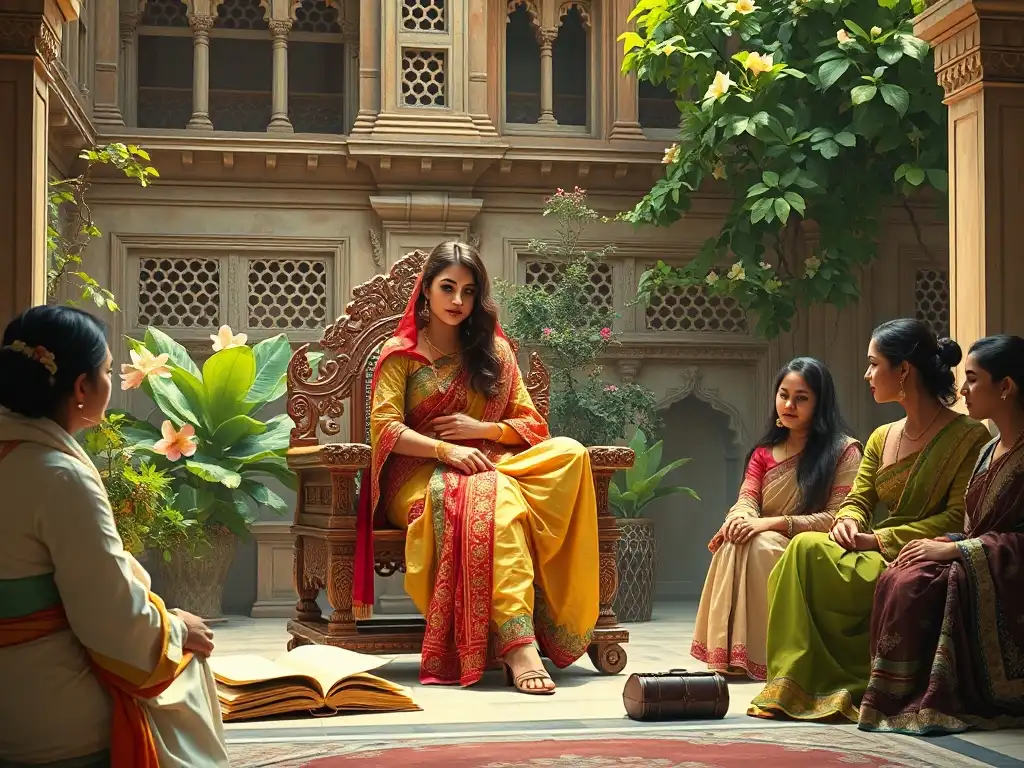
The exploration of ancient Indian women's legal rights reveals a complex tapestry of norms, practices, and legal texts that shaped the status and roles of women in society. The legal frameworks articulated in texts such as the Manu Smriti not only provide insights into the societal attitudes towards women but also highlight the evolution of legal principles governing women's rights over time.
These ancient legal codes, while often patriarchal in their approach, also contained provisions that recognized women's rights in various domains, including property ownership, marriage, and inheritance. Understanding these rights is crucial as they lay the groundwork for discussions surrounding women's legal status in contemporary society.
The legacy of these ancient legal texts continues to resonate today, prompting modern scholars and legal practitioners to reassess and reinterpret these historical perspectives. As we delve deeper into the implications of ancient laws, we uncover valuable lessons that can inform current debates on gender equality and women's rights.
Lasting Impact on Modern Legal Frameworks
The principles derived from ancient Indian women's legal rights have had a lasting impact on modern legal systems, particularly in India. While many ancient texts may reflect a patriarchal viewpoint, certain aspects have been integrated into contemporary legal frameworks, influencing laws related to marriage, divorce, and inheritance.
For instance, the recognition of women's rights to property can be traced back to ancient texts, which have evolved into modern laws such as the Hindu Succession Act of 1956. This act allowed women to inherit property, thereby aligning with the ancient legal provisions that acknowledged women's rights to ownership.
| Ancient Texts | Key Provisions | Modern Legal Adaptation |
|---|---|---|
| Manu Smriti | Women's rights to inheritance and property | Hindu Succession Act |
| Yajnavalkya Smriti | Provisions for women's education and agency | Right to Education Act |
| Narada Smriti | Guidelines for fair treatment in marriage | Protection of Women from Domestic Violence Act |
The evolution of these laws is indicative of the continuous dialogue between ancient traditions and modern legal standards, showcasing the influence of ancient Indian women's legal rights on contemporary legislation.
Future Research Directions on Women in Ancient Indian Law
As we continue to explore the topic of ancient Indian women's legal rights, several future research directions emerge that warrant further investigation:
- Comparative Studies: Analyzing the legal rights of women in ancient India alongside those in other ancient civilizations can provide a broader understanding of gender roles and legal frameworks globally.
- Textual Analysis: A deeper textual analysis of various ancient legal texts, beyond the Manu Smriti, could uncover lesser-known provisions and perspectives regarding women's rights.
- Socio-Cultural Context: Investigating the socio-cultural contexts in which these legal texts were created and interpreted can illuminate how societal norms influenced women's legal status.
- Influence on Modern Feminism: Examining how ancient legal rights have shaped modern feminist movements in India may reveal connections between historical and contemporary struggles for women's rights.
- Impact of Colonialism: Understanding how colonial rule affected ancient practices and legal interpretations regarding women's rights could provide important insights into the transition from ancient to modern legal systems.
By pursuing these research avenues, scholars can contribute to a richer understanding of the complexities surrounding women in ancient Indian law and their ongoing relevance in the discourse on gender equality today.
Frequently Asked Questions
What were the legal rights of women in ancient India?
Women in ancient India had varied legal rights depending on the period and region. They could own property, inherit wealth, and participate in religious rituals, though their rights were often limited compared to men.
How did ancient legal texts address women's rights?
Ancient legal texts, such as the Manusmriti and Yajnavalkya Smriti, outlined both restrictions and rights for women, emphasizing their roles in family and society but also granting them certain legal protections.
Were women allowed to own property in ancient India?
Yes, women could own property, especially in the context of their marriage. They had rights to their dowries and could inherit property in some cases, although these rights varied significantly across different communities.
The social status of women greatly influenced their legal rights. Higher caste women generally had more privileges, while those in lower castes faced more restrictions, impacting their legal standing and autonomy.
What changes occurred in women's legal rights during the Gupta Empire?
During the Gupta Empire, women experienced some improvements in their legal rights, particularly in education and property ownership. However, these rights were still constrained by patriarchal norms, reflecting a complex societal structure.
Final Reflection: The Enduring Legacy of Ancient Indian Women's Legal Rights
The exploration of ancient Indian women's legal rights reveals a rich tapestry of legal frameworks that shaped the lives of women in a historical context that still resonates today. As we navigate through modern discussions on gender equality and women's rights, it becomes evident that the foundations laid by ancient legal texts continue to influence contemporary perspectives. The recognition of women's roles and rights in these texts is not merely a relic of the past; it serves as a powerful reminder of the ongoing struggle for equality and justice in our society.
The impact of these ancient legal frameworks extends beyond mere historical interest; they have profoundly influenced the cultural and social landscape of India. Understanding the nuances of women's rights in ancient law allows us to appreciate the strides made and the challenges that remain. As we reflect on these historical perspectives, we can draw parallels to current movements advocating for women's rights. As Mahatma Gandhi once said, A nation's greatness is measured by how it treats its weakest members.
This sentiment underscores the importance of revisiting our past to inform our present and future actions in the pursuit of justice for all.
As we conclude this exploration, I invite you to reflect on the lessons gleaned from ancient Indian legal texts and consider how they can inspire action in your own life. What can we learn from the past to advocate for the rights of women today? Let this reflection be a catalyst for change, urging you to engage in conversations, challenge injustices, and support initiatives that uphold the dignity and rights of women everywhere. Together, we can honor the legacy of those who fought for their rights and continue to pave the way for future generations.
Unveil the Legacy of Women in Ancient Indian Law!
Thank you for diving into the fascinating world of ancient Indian law and its implications for women. You’ve uncovered valuable insights into a historical perspective that continues to resonate today. Now, it’s time to take that knowledge and put it into action!
- Explore the original legal texts from ancient India—many are available online. Take the opportunity to research topics related to women's rights and roles that pique your interest.
- Join a community of history enthusiasts! Share your thoughts on our forum or social media and spark discussions about the evolution of women's rights through the ages.
- Write about your findings: Consider starting a blog or contributing an article to broaden the conversation on women’s roles in history.
Which perspectives on women’s rights in ancient legal systems do you believe are most relevant to today’s discussions?