
An Insider's Guide to Exclusive Events and Festivals at Historical Sites in India

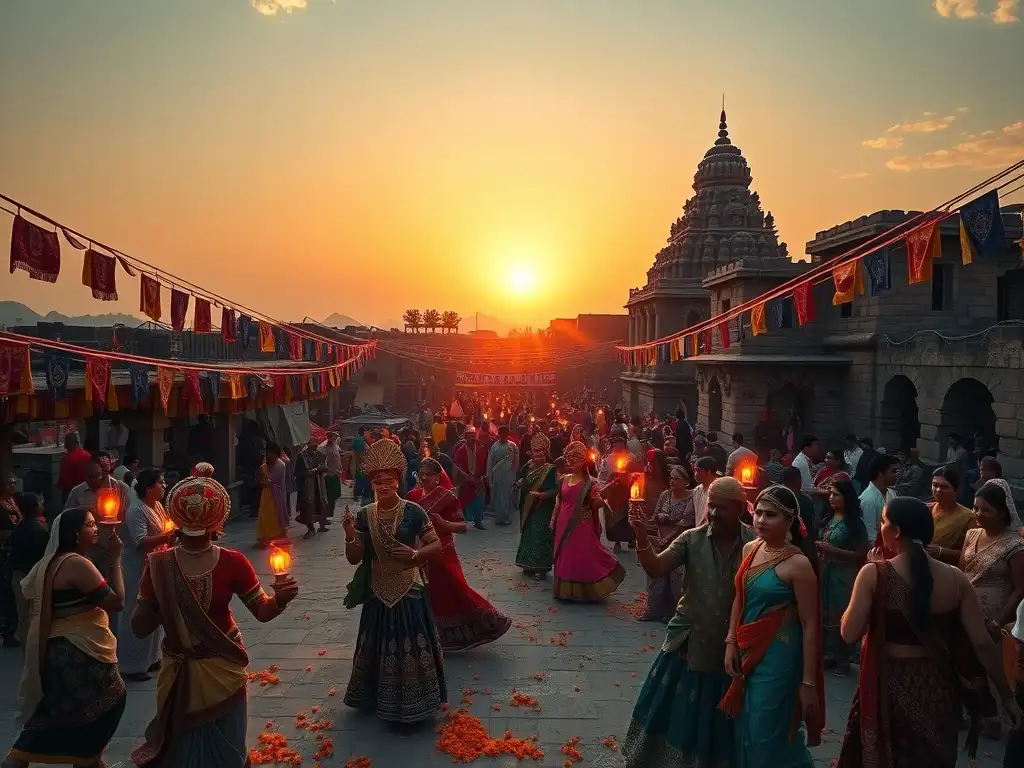
Welcome to Ancient India History, where we invite you to embark on a journey through time to uncover the rich tapestry of culture, traditions, and events that have shaped ancient Indian civilizations. In our featured article, "An Insider's Guide to Exclusive Events and Festivals at Historical Sites in India," we delve into the vibrant ancient Indian festivals and events that continue to captivate the world.
Discover the stories behind these remarkable celebrations, and experience the allure of luxury and historical travel as you explore the majestic sites where history comes alive. Prepare to be inspired and intrigued—your adventure into the past starts here!
- Introduction to Ancient Indian Festivals and Events
- Major Ancient Indian Festivals and Their Historical Context
- Exclusive Events and Festivals at Historical Locations
- Tips for Attending Ancient Indian Festivals and Events
- How to Make the Most of Your Festival Experience
- Conclusion: Embracing the Richness of Ancient Indian Festivals
-
Frequently Asked Questions
- What are some famous ancient Indian festivals celebrated today?
- How do historical sites contribute to the celebration of festivals in India?
- What is the significance of celebrating festivals at historical locations?
- Are there any exclusive events tied to ancient Indian festivals?
- How can one participate in festivals at historical sites in India?
- Final Reflection: Celebrating the Rich Tapestry of Ancient Indian Festivals
- Experience the Magic: Attend an Exclusive Event Today!
Introduction to Ancient Indian Festivals and Events
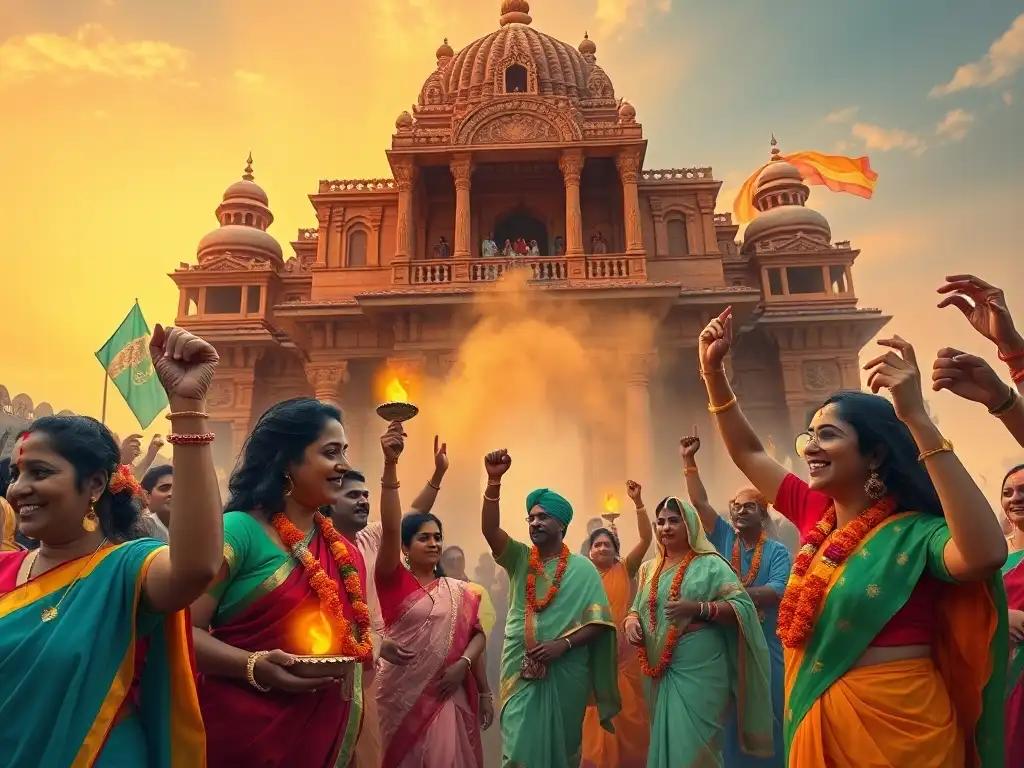
India, a land steeped in history and culture, is home to a plethora of ancient festivals and events that celebrate its rich heritage. From the mystique of the Indus Valley Civilization to the grandeur of the Gupta Empire, the historical sites across the country not only serve as reminders of the past but also as vibrant venues for cultural festivities.
These celebrations are a testament to the diverse traditions, beliefs, and artistic expressions that have flourished throughout the ages. This article aims to guide travelers seeking to immerse themselves in the exhilarating experience of attending exclusive events and festivals at these historical sites, shedding light on the significance of these gatherings and their impact on the preservation of ancient Indian culture.
Understanding the Cultural Significance of Festivals in India
Festivals in India are more than mere celebrations; they are profound expressions of spirituality, community, and tradition. Each festival is deeply rooted in mythology, history, and local customs, reflecting the unique identity of the region and its people.
- Diversity of Celebrations: India hosts a multitude of festivals throughout the year, each with its own cultural significance. Major festivals include:
- Diwali: Celebrated across the country, this "Festival of Lights" symbolizes the victory of light over darkness and good over evil.
- Holi: Known as the "Festival of Colors," Holi marks the arrival of spring and is celebrated with joy and exuberance.
- Pongal: A harvest festival celebrated primarily in Tamil Nadu, honoring the sun god and marking the end of the winter solstice.
- Religious Influences: Many festivals are tied to religious beliefs and practices, serving as a means for communities to come together in worship and celebration. For example, Navaratri is dedicated to the worship of the goddess Durga and is celebrated with dance, music, and rituals.
- Cultural Preservation: Festivals also play a crucial role in preserving ancient traditions and customs. They provide an opportunity for generations to learn about their heritage, ensuring that the stories and practices of their ancestors continue to thrive.
The Impact of Historical Sites on Celebrations
Historical sites in India serve as the backdrop for many ancient festivals, enhancing the experience for both participants and spectators. These sites not only embody the architectural grandeur of bygone eras but also serve as vital cultural hubs where history and celebration intersect.
- Iconic Venues: Famous historical locations like the Qutub Minar, Hampi, and Ajanta Caves become alive with festivities, attracting tourists and locals alike. The ambiance created by these ancient structures elevates the cultural experience, providing a unique context that enriches the understanding of the celebrations.
- Tourism and Economic Growth: Festivals held at historical sites contribute significantly to local economies by boosting tourism. Travelers seeking to witness the grandeur of ancient Indian festivals often flock to these sites, leading to increased revenue for local businesses and artisans.
- Community Engagement: Celebrations at historical sites foster community engagement and pride. Residents actively participate in organizing events, showcasing traditional arts and crafts, and sharing their rich cultural narratives with visitors.
Ancient Indian festivals and events are not just occasions for revelry; they are vital threads woven into the fabric of India's historical and cultural identity. As you plan your journey to these extraordinary sites, prepare to witness the vibrant tapestry of celebrations that breathe life into the rich history of ancient India.
Major Ancient Indian Festivals and Their Historical Context
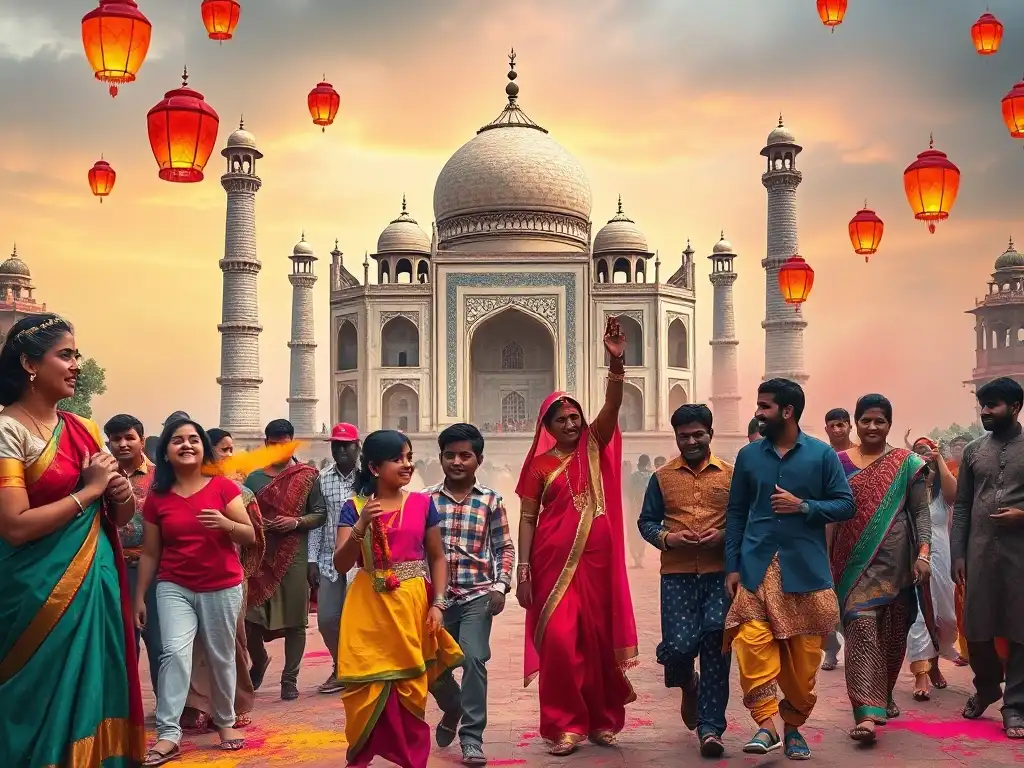
India's ancient festivals are a vibrant tapestry woven into the country's historical and cultural fabric. Each festival not only reflects the religious beliefs and traditions of the times but also connects to significant historical events and figures. Celebrating these festivals at historical sites adds a unique dimension, allowing visitors to experience the grandeur of ancient Indian civilization while participating in age-old traditions.
Diwali: The Festival of Lights at Historical Forts
Diwali, also known as Deepavali, is one of the most significant festivals in India, symbolizing the victory of light over darkness and good over evil. Its roots can be traced back to ancient texts, including the Ramayana, where it celebrates the return of Lord Rama to Ayodhya after defeating the demon king Ravana.
During Diwali, historical forts and palaces across India come alive with lights, decorations, and festivities. The illumination of these grand structures creates a magical atmosphere, making it a perfect time for travelers to immerse themselves in the historical significance of these sites.
Best Historical Sites to Celebrate Diwali
- Jaipur City Palace, Rajasthan
- Known for its stunning architecture, the City Palace is adorned with lamps and colorful decorations during Diwali, offering visitors a glimpse into royal celebrations.
- Agra Fort, Uttar Pradesh
- The Agra Fort hosts a spectacular light show during Diwali, juxtaposing its historical grandeur with the vibrancy of the festival.
- Mysore Palace, Karnataka
- Famous for its dazzling illumination every year, the Mysore Palace serves as a breathtaking backdrop for Diwali celebrations, showcasing its rich history.
- Mehrangarh Fort, Jodhpur
- This majestic fort celebrates Diwali with cultural performances and fireworks, allowing visitors to enjoy the festival in a historically rich setting.
- Hampi, Karnataka
- The ruins of Hampi become a vibrant backdrop for Diwali festivities, where ancient traditions merge with modern celebrations.
Holi: The Festival of Colors in Ancient Cities
Holi, the festival of colors, is another hallmark of India's festive calendar. This exuberant celebration marks the arrival of spring and is rooted in various legends, including the story of Prahlada and Holika, which signifies the triumph of devotion over evil. Holi has been celebrated for centuries and holds a special place in the hearts of the people.
Celebrating Holi at historical sites provides a unique opportunity to experience the festival in a context steeped in rich traditions and historical narratives.
Celebrating Holi at Historical Sites
- Vrindavan, Uttar Pradesh
- The birthplace of Lord Krishna, Vrindavan is famous for its grand Holi celebrations, where the streets come alive with colors and music, echoing ancient traditions.
- Jaipur, Rajasthan
- The Pink City hosts vibrant Holi festivities at its historical forts and palaces, where traditional music and dance complement the colorful celebrations.
- Udaipur, Rajasthan
- Known for its picturesque lakes and palaces, Udaipur celebrates Holi with unique rituals that blend history and culture, making it a perfect destination for travelers.
- Delhi
- Historical sites like the Red Fort and India Gate become lively with Holi events, allowing visitors to celebrate in the heart of India's capital.
- Mathura, Uttar Pradesh
- As another significant place associated with Lord Krishna, Mathura offers a rich Holi experience filled with traditional festivities and historical significance.
These ancient Indian festivals and events not only provide a glimpse into the country’s vibrant culture but also enrich the travel experience by connecting visitors to the historical contexts of these celebrations.
Makar Sankranti: Harvest Celebrations at Ancient Temples
Makar Sankranti is a vibrant festival celebrated across India, marking the transition of the sun into the zodiac sign of Capricorn (Makar). It signifies the end of winter solstice and the arrival of longer days, symbolizing the harvest season. This festival is deeply rooted in agricultural practices and carries significant cultural importance, especially in ancient Indian traditions.
At ancient temples, Makar Sankranti is celebrated with great fervor, often featuring rituals that date back centuries. Temples dedicated to deities associated with agriculture, such as Lord Surya (the Sun God), become the focal point for celebrations. Pilgrims flock to these sites to offer prayers, participate in special pujas (rituals), and seek blessings for prosperity in the coming year.
Many temples hold unique events during this time, including:
- Cultural Performances: Traditional music and dance performances are often organized, showcasing the rich cultural heritage of the region.
- Feasting: Local delicacies made from freshly harvested crops, particularly sweets made from sesame (til) and jaggery (gud), are prepared and shared among devotees.
- Community Gatherings: Makar Sankranti promotes community bonding, with families coming together to engage in various festivities, including kite flying, which has become a hallmark of the celebration in many regions.
The ancient temples not only serve as spiritual hubs but also as venues for preserving and promoting the rich cultural tapestry associated with Makar Sankranti, making it a significant event for both locals and tourists.
Unique Celebrations at Historical Locations
The celebration of Makar Sankranti takes on unique forms at various historical locations across India, with each site adding its own flavor to the festivities. Here are some notable examples:
- Kanyakumari: At the southern tip of India, Kanyakumari is famous for its stunning sunrise views on Makar Sankranti. Devotees gather at the beach to perform rituals and witness the breathtaking sight of the sun rising over the ocean.
- Varanasi: Known as the spiritual capital of India, Varanasi sees a surge of pilgrims during Makar Sankranti. The ghats along the Ganges River are adorned with lights and flowers, and special aartis (rituals of worship with light) are conducted, creating a mesmerizing atmosphere.
- Puri: The Jagannath Temple in Puri hosts elaborate celebrations during Makar Sankranti, featuring unique rituals and processions. The festivities include offerings of special food to the deities, emphasizing the connection between agriculture and spirituality.
- Ahmedabad: The International Kite Festival in Ahmedabad coincides with Makar Sankranti, drawing participants from all over the world. The skies are filled with colorful kites, creating a lively and exuberant atmosphere that reflects the joyous spirit of the festival.
These unique celebrations at historical locations not only enhance the festive experience but also provide insight into the diverse cultural practices that have evolved over time. They highlight the enduring significance of ancient festivals like Makar Sankranti in contemporary society, making them essential experiences for anyone exploring the rich tapestry of ancient Indian history.
Exclusive Events and Festivals at Historical Locations
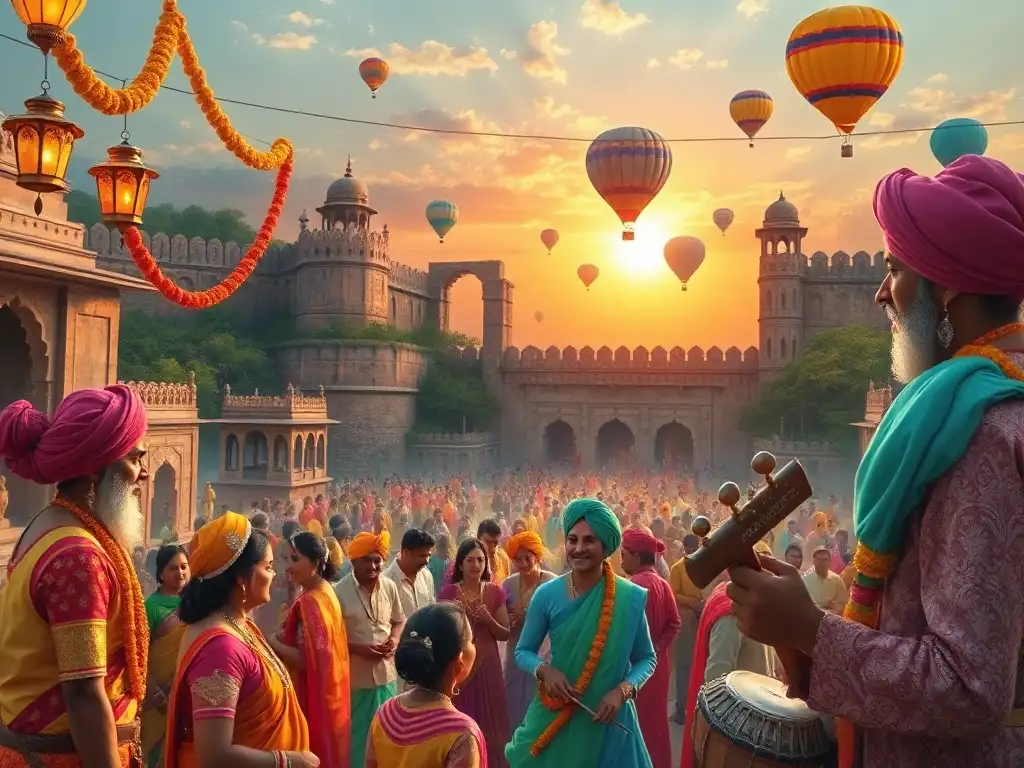
Experiencing exclusive events and festivals at historical locations in India offers travelers a unique opportunity to immerse themselves in the rich tapestry of ancient Indian culture. These celebrations often take place in settings that have witnessed centuries of history, allowing visitors to appreciate both the vibrancy of contemporary traditions and the legacy of the past. Participating in such events not only enhances one’s travel experience but also provides deeper insights into the cultural significance and historical context of ancient Indian civilizations.
Festivals at these sites often include traditional music, dance, art, and cuisine, creating a multi-sensory experience that transports attendees back in time. The backdrop of historic forts, palaces, and temples not only adds to the aesthetic appeal but also connects visitors to the narratives of the people who lived in these remarkable structures. By engaging with these festivals, travelers can witness the continuity of cultural practices that have evolved over millennia, showcasing the resilience and creativity of ancient Indian civilizations.
The Importance of Experiencing Festivals in Ancient Settings
Experiencing festivals in ancient settings is significant for several reasons:
- Cultural Immersion: Festivals provide a unique opportunity to engage with local customs, rituals, and traditions that have been preserved through generations.
- Historical Context: Celebrating in historical locations allows for a deeper understanding of the events and practices that have shaped the region's history.
- Community Connection: Participating in these festivals fosters connections with local communities, providing insights into their way of life and cultural expressions.
- Educational Value: Many events include workshops, demonstrations, and lectures that can enhance knowledge about ancient Indian arts, crafts, and philosophies.
By attending these festivals, travelers can enrich their understanding of India's diverse cultural heritage, making their visit to historical sites a more meaningful experience.
Prominent Festivals to Attend at Historical Sites
Several festivals stand out for their unique cultural significance and the enchanting environments in which they take place. Here are two prominent examples:
The International Yoga Festival at Rishikesh
The International Yoga Festival, held annually in Rishikesh, is a gathering that attracts yoga enthusiasts from around the globe. Set against the stunning backdrop of the Ganges River and the majestic Himalayas, this festival spans over a week, typically in March.
- Activities: Participants can engage in various yoga sessions, meditation practices, and workshops led by renowned yogis and spiritual leaders.
- Cultural Exchange: The festival promotes a blend of traditional Indian practices with modern approaches to wellness, encouraging a global dialogue around health and spirituality.
- Historical Significance: Rishikesh, known as the "Yoga Capital of the World," has been a pilgrimage site for centuries, and experiencing the festival here connects participants with a rich spiritual history.
Rajasthan International Folk Festival in Mehrangarh Fort
The Rajasthan International Folk Festival, held in the majestic Mehrangarh Fort in Jodhpur, is a celebration of folk music and culture from across Rajasthan and beyond. This festival typically occurs in October and features a vibrant array of performances.
- Performances: Visitors can enjoy traditional music, dance, and storytelling from talented artists, creating an atmosphere filled with the sounds of the desert.
- Cultural Preservation: The festival aims to preserve and promote regional folk arts, providing a platform for local artists to showcase their talents on an international stage.
- Architectural Marvel: Mehrangarh Fort, one of India's largest forts, provides a stunning setting for the festival, allowing attendees to explore its rich history while enjoying captivating performances.
These festivals not only celebrate the cultural heritage of ancient India but also provide travelers with an unforgettable experience that connects them to the historical significance of the locations. By participating in such events, visitors gain a unique perspective on ancient Indian civilizations, enriching their journey through this vibrant and diverse land.
Tips for Attending Ancient Indian Festivals and Events
Best Practices for Enjoying Festivals in Historical Contexts
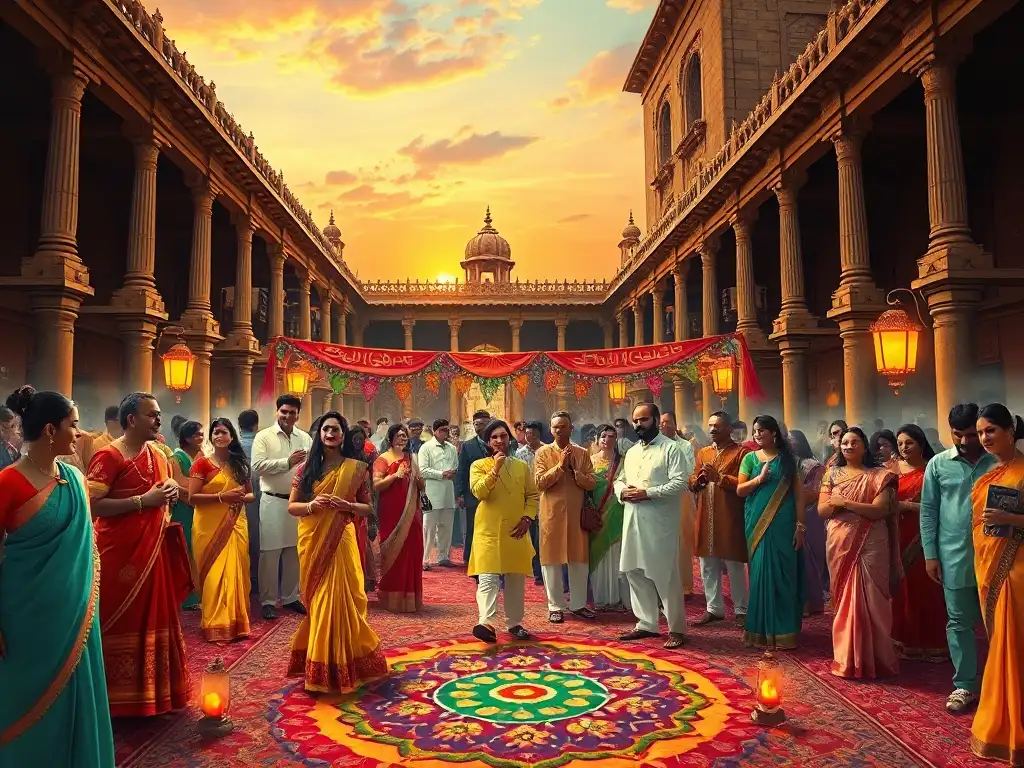
Attending ancient Indian festivals and events offers a unique opportunity to immerse oneself in the rich tapestry of India's cultural heritage. To truly enjoy these experiences, consider the following best practices:
- Research the Festival's History: Each festival has its own significance, often tied to local legends and historical events. Understanding the background can deepen your appreciation.
- Engage with Locals: Interacting with local residents can provide insights and stories that enhance your experience. Many locals are enthusiastic about sharing their traditions.
- Respect Traditions and Customs: Each festival may have specific customs that should be observed. This could include dress codes, rituals, or communal activities. Being respectful will enrich your experience and foster goodwill.
- Participate Actively: Whether it’s dancing, singing, or partaking in communal feasts, active participation can be one of the most rewarding aspects of attending a festival.
- Capture the Moment Mindfully: While photographs are a great way to remember your experience, be considerate of the sacredness of certain events and the privacy of other attendees.
Planning Your Visit: Timing and Location
Timing is crucial when planning your visit to ancient Indian festivals and events. Here are some key points to consider:
- Festival Calendars: Familiarize yourself with the dates of major festivals, such as Diwali, Holi, and Durga Puja, as well as regional events that may not be as widely known. Many festivals follow the lunar calendar, so it's essential to check for specific dates each year.
- Location Matters: Different regions of India celebrate similar festivals in unique ways. For instance, Diwali in Varanasi will have distinct local rituals compared to the celebrations in Jaipur. Choose your destination based on the type of experience you seek.
- Consider Off-Peak Travel: While festival times are vibrant, they can also be crowded. If you prefer a more tranquil experience, consider visiting historical sites shortly before or after the main events.
Packing Essentials for a Festival Experience
Packing appropriately can enhance your enjoyment of ancient Indian festivals. Here’s a checklist of essentials:
- Comfortable Clothing: Wear light, breathable fabrics suitable for the climate, keeping in mind traditional attire that may be appropriate for the festival.
- Footwear: Choose comfortable walking shoes, as you may be exploring extensive historical sites or participating in dances and activities.
- Personal Care Items: Sunscreen, insect repellent, and a reusable water bottle are essential for a comfortable experience outdoors.
- Camera or Smartphone: To capture the vibrant colors and moments of the festival, ensure your device is charged and ready.
- Festival-Specific Items: Depending on the festival, you might need items like colored powders for Holi or decorations for Diwali. Research what’s customary to bring.
Accommodations Near Historical Sites
Finding the right place to stay can greatly enhance your festival experience. Here are some accommodation options to consider:
Luxury Hotels for a Comfortable Stay
When exploring ancient Indian festivals, consider these luxurious hotels near historical sites that offer comfort and convenience:
| Hotel Name | Location | Features |
|---|---|---|
| Taj Mahal Palace | Mumbai | Opulent rooms, spa services, and fine dining. |
| Oberoi Udaivilas | Udaipur | Scenic views, lavish suites, and heritage experiences. |
| ITC Mughal | Agra | Proximity to the Taj Mahal, world-class amenities, and cultural performances. |
| Leela Palace | Jaipur | Traditional décor, exceptional service, and close to local festivals. |
Staying at these luxury hotels not only ensures a comfortable experience but also provides opportunities to engage in curated activities related to the festivals and the rich history of ancient India.
How to Make the Most of Your Festival Experience
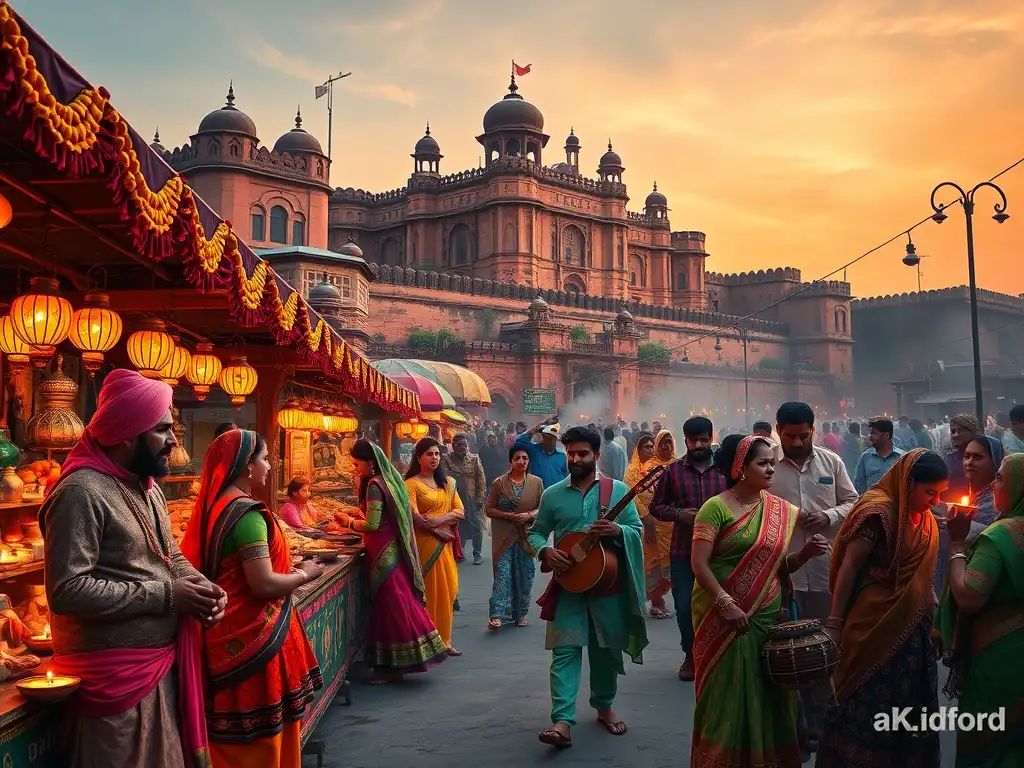
When attending ancient Indian festivals, immersing yourself in the local culture and traditions can significantly enhance your experience. Festivals in India are not merely events; they are a vibrant celebration of history, spirituality, and community. Here are some essential tips to engage fully with the local culture during your visit:
Engaging with Local Culture and Traditions
Participating in local customs and rituals provides a deeper understanding of the festival's significance. Here are some ways to immerse yourself:
- Join in the Celebrations: Engage with local communities by participating in traditional dances, music performances, and rituals. Many festivals, such as Diwali and Holi, invite public participation.
- Dress the Part: Wearing traditional attire can help you blend in and show respect for local customs. Seek out local markets where you can find authentic clothing that resonates with the festival’s spirit.
- Taste the Local Cuisine: Festivals are synonymous with food. Savor authentic dishes unique to the festival, which often carry historical significance. For example, during Pongal, you can enjoy the traditional rice dish made in celebration of the harvest.
- Attend Religious Ceremonies: Many festivals include significant religious observances. Attending these ceremonies can provide profound insights into the spiritual aspects of the culture.
Workshops and Experiences to Enhance Your Visit
Many festivals offer workshops and experiences that allow visitors to learn and engage more deeply with the culture. Here are some noteworthy experiences to consider:
- Art and Craft Workshops: Participate in workshops where local artisans teach traditional crafts, such as pottery, weaving, or painting. This not only supports local artisans but also provides a tangible souvenir of your experience.
- Culinary Classes: Enroll in cooking classes that focus on festive dishes. Understanding the ingredients and techniques used in traditional recipes can enrich your appreciation for the local cuisine.
- Guided Tours: Take advantage of guided tours that focus on the historical significance of the festival and its relation to the ancient sites nearby. Knowledgeable guides can provide context that enhances your understanding.
Photography Tips for Capturing Ancient Festivals
Capturing the essence of ancient Indian festivals through photography can be a rewarding endeavor. Here are some tips to ensure your photos reflect the vibrancy of these events:
Best Spots for Stunning Festival Photos
Identifying the right locations can elevate your photography experience. Here are some prime spots:
- Historical Sites: Festivals often take place around ancient temples or historical monuments. Locations like the Sun Temple in Konark during the Konark Dance Festival provide dramatic backdrops.
- Crowd Dynamics: Look for areas where crowds gather; the energy and enthusiasm of the people can enhance your photos. Early morning or late afternoon light can also provide better lighting conditions.
- Candid Moments: Capture genuine interactions and expressions of participants. The joy and emotion during festivals often reveal the heart of the celebration.
Utilizing Social Media to Share Your Festival Journey
Sharing your festival experience on social media not only allows you to connect with others but also preserves your memories. Here’s how to effectively share your journey:
- Use Relevant Hashtags: Incorporate hashtags related to the event and location, such as #Diwali2023 or #HoliFest, to reach a broader audience.
- Create Stories or Highlights: Use platforms like Instagram to create stories or highlights dedicated to your festival experiences. This allows followers to easily navigate through your journey.
- Engage with Local Influencers: Collaborate or engage with local travel influencers who can provide additional insights and tips on how to capture the festival experience authentically.
By following these guidelines, you can ensure that your experience at ancient Indian festivals is both enriching and memorable, allowing for a deeper connection to the culture and history of this vibrant region.
Conclusion: Embracing the Richness of Ancient Indian Festivals
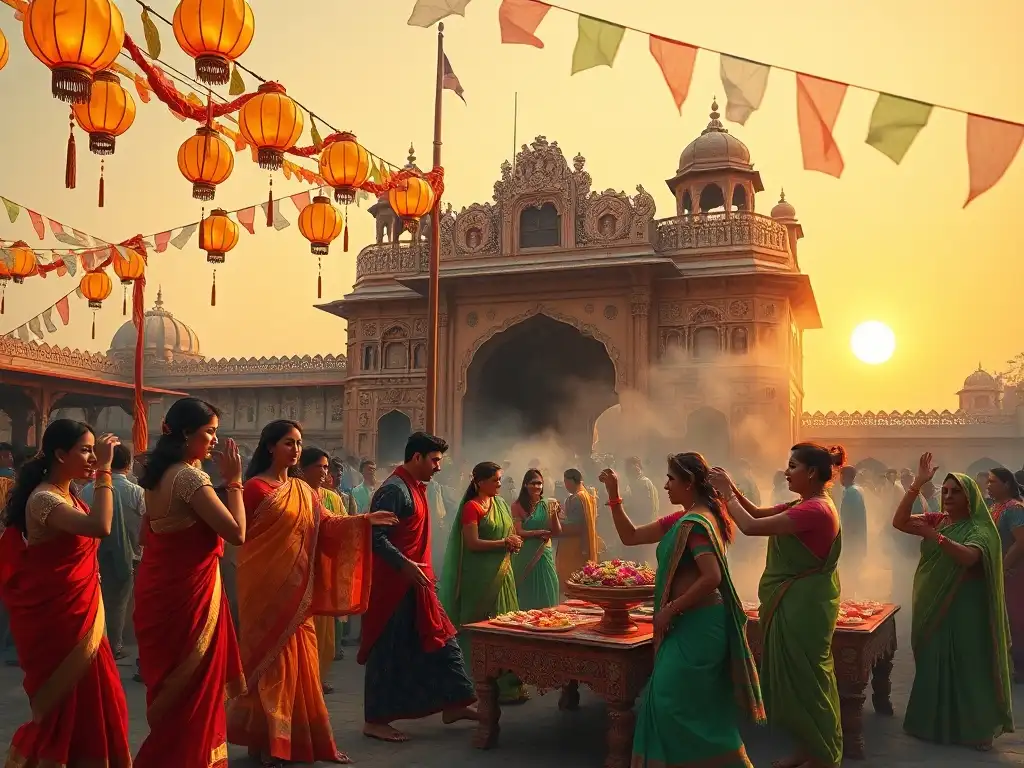
As travelers seek to immerse themselves in the vibrant tapestry of India, the exploration of ancient Indian festivals and events stands out as a profound way to connect with the country’s rich history and diverse culture. These festivals not only celebrate the artistic and spiritual heritage of ancient civilizations but also offer a unique lens through which to view the evolution of Indian society over centuries. With the backdrop of historical sites, these events breathe life into the narratives of the past, making them an essential experience for any visitor.
Reflecting on the Cultural Heritage of India through Festivals
Ancient Indian festivals are deeply rooted in the cultural heritage of the subcontinent, often reflecting its historical significance and the values held by various societies. Many festivals trace their origins back to the Vedic period, showcasing rituals and traditions that have been preserved through generations. For instance, Diwali, celebrated across India, symbolizes the victory of light over darkness and is associated with various ancient legends, including the return of Lord Rama to Ayodhya after defeating Ravana.
Key aspects of cultural reflection through festivals include:
- Mythological Narratives: Festivals often narrate ancient stories, allowing participants to engage with mythological figures and their journeys.
- Traditional Art Forms: Events showcase classical dance, music, and local crafts, highlighting the artistic achievements of ancient cultures. For example, during the Hampi Utsav, visitors can witness traditional performances that echo the grandeur of the Vijayanagara Empire.
- Community and Belonging: Festivals foster a sense of community among participants. The Maha Kumbh Mela, one of the largest gatherings in the world, draws millions to the sacred rivers, symbolizing unity in diversity.
The interplay of these elements creates a rich tapestry that not only commemorates ancient traditions but also encourages modern interpretations and participation.
Encouragement to Explore Ancient Indian Festivals and Events
Traveling to India presents an unparalleled opportunity to engage with its ancient festivals and events, particularly when these celebrations are set against historical sites. Here are some recommendations for embracing these experiences:
- Attend Local Celebrations: Make an effort to align your travel schedule with local festivals. These events offer firsthand insight into the customs and rituals that have shaped Indian culture. For instance, attending the Pongal Festival in Tamil Nadu allows visitors to witness the age-old agricultural practices that honor the sun god.
- Participate in Workshops: Many festivals include workshops on traditional crafts, dance, and music. Engaging in these workshops enhances the experience, allowing travelers to acquire skills while appreciating the cultural significance behind them.
- Visit During Major Events: Major festivals like Holi and Navratri not only transform cities but also provide a unique chance to explore ancient temples and sites adorned with festive decorations.
- Document Your Journey: Capture the vibrant colors, sounds, and emotions of the festivals through photography or journaling. This can help preserve the memories of these rich experiences and contribute to a deeper personal connection with ancient India.
By exploring ancient Indian festivals and events, travelers can truly embrace the essence of India's historical legacy. Each celebration is a gateway to understanding the country’s multifaceted heritage, inviting you to become a part of its ongoing story.
Frequently Asked Questions
What are some famous ancient Indian festivals celebrated today?
Many ancient Indian festivals like Diwali, Holi, and Navratri have roots in historical traditions and continue to be celebrated with great enthusiasm across the country.
How do historical sites contribute to the celebration of festivals in India?
Historical sites often serve as venues for festivals, showcasing the cultural heritage of ancient civilizations, which enhances the festive atmosphere and attracts tourism.
What is the significance of celebrating festivals at historical locations?
Celebrating festivals at historical locations helps preserve cultural traditions while providing a tangible connection to ancient Indian history, making the experience more enriching.
Are there any exclusive events tied to ancient Indian festivals?
Yes, many exclusive events occur during ancient Indian festivals at various historical sites, including performances, workshops, and rituals that highlight the cultural significance of these traditions.
How can one participate in festivals at historical sites in India?
To participate, visitors can check the official websites of historical sites for event schedules, book tickets in advance, and learn about local customs associated with the festivals.
Final Reflection: Celebrating the Rich Tapestry of Ancient Indian Festivals
The vibrant tapestry of ancient Indian festivals and events continues to weave its way into the fabric of contemporary society, reminding us of our rich heritage and cultural identity. As we explore the exclusive events held at historical sites, we uncover not just celebrations, but a profound connection to our past that shapes our present and future. The allure of these festivals lies in their ability to transport us back in time, allowing us to experience the traditions and rituals that have been passed down through generations.
The influence of these ancient festivals is palpable in today’s cultural landscape, where they serve as a bridge between history and modernity. They foster a sense of community, pride, and continuity, inviting people from all walks of life to partake in the shared experience of celebration. As noted by historian R. S. Sharma, “Festivals are the soul of our culture, echoing the values and beliefs that define us.” This ongoing celebration of our heritage not only enriches our lives but also instills a sense of responsibility to preserve these traditions for future generations.
As you reflect on the insights shared in this article, I invite you to immerse yourself in the spirit of these ancient festivals. Consider attending an event at a historical site near you, or even organizing a gathering that honors these traditions. By engaging with our cultural heritage, we not only celebrate the past but also contribute to the vibrant narrative of our collective identity. Let us embrace the lessons of history and carry them forward, ensuring that the essence of ancient Indian festivals continues to thrive in our ever-evolving world.
Experience the Magic: Attend an Exclusive Event Today!
Thank you for joining us on this journey through the rich tapestry of India’s historical sites and their unique events. We hope you feel inspired to explore the cultural vibrancy that these festivals offer! Now, it's time to take exciting steps toward immersing yourself in this remarkable experience.
Here are a few simple actions you can take right now:
- Join a local tour that includes visits to upcoming festivals at historical sites— your adventure awaits!
- Share your favorite festival moments with friends and family on social media— spread the word and inspire others!
- Discover hidden events by subscribing to local cultural newsletters— you never know what treasures you might uncover!
Which festival or event are you most excited to attend and why? We would love to hear your thoughts in the comments below!