
How Ayurveda Influences Modern Natural Remedies and Treatments


Welcome to Ancient India History, where we embark on a fascinating journey through time to uncover the rich tapestry of civilizations that shaped the Indian subcontinent. Today, we dive deep into the world of Ancient Indian Ayurveda practices, exploring how these timeless traditions continue to influence modern natural remedies and treatments. Prepare to be captivated as we reveal the wisdom of the past and its enduring impact on contemporary health and wellness. What secrets of healing lie within these ancient practices? Join us as we unravel this intriguing connection!
- Introduction to Ancient Indian Ayurveda Practices
- Historical Roots of Ayurveda
- Core Principles of Ayurveda
- Modern Natural Remedies Influenced by Ayurveda
- Benefits of Incorporating Ayurveda into Modern Treatments
- Challenges and Misconceptions about Ancient Indian Ayurveda Practices
- Future of Ayurveda in Natural Remedies and Treatments
- Conclusion
- Frequently Asked Questions
- Final Reflection: Embracing the Wisdom of Ancient Indian Ayurveda Practices
- Embrace the Wisdom of Ayurveda Today!
Introduction to Ancient Indian Ayurveda Practices
The legacy of Ayurveda, a holistic system of medicine that emerged in ancient India, continues to resonate profoundly in contemporary health and wellness practices. As one of the oldest medical traditions in the world, Ayurveda offers a wealth of knowledge that interweaves health, spirituality, and the natural environment.
This article delves into the core principles of ancient Indian Ayurveda practices and examines how these foundational concepts have significantly influenced modern natural remedies and treatments. By understanding the historical context and the wisdom embedded in Ayurveda, we can appreciate its relevance not only as a medical system but also as a cultural heritage that emphasizes balance and harmony in life.
Definition of Ayurveda in Ancient Indian Culture
Ayurveda, derived from the Sanskrit words "Ayur" (life) and "Veda" (knowledge or science), literally translates to "the science of life." It is more than just a medical system; it represents a comprehensive approach to health that encompasses physical, mental, and spiritual well-being. In ancient Indian culture, Ayurveda was viewed as a means to achieve Swasthya (health) through the balance of the body, mind, and spirit.
The core concepts of Ayurveda include:
- Doshas: The three energies (Vata, Pitta, and Kapha) that govern physical and mental processes.
- Dhi, Drishti, and Anwdhi: The mental aspects that contribute to a person's overall health.
- Sattva, Rajas, and Tamas: The three gunas (qualities) that influence one's lifestyle and health.
Ayurveda emphasizes prevention and the maintenance of health rather than just the treatment of disease, highlighting the importance of lifestyle, diet, and herbal remedies.
Importance of Ayurveda in Historical Context
The importance of Ayurveda in the historical context of ancient India cannot be overstated. Dating back over 5,000 years, Ayurveda is often considered a sister science to yoga, and both have been integral to Indian philosophy and culture. Ancient texts such as the Charaka Samhita and Sushruta Samhita serve as foundational scriptures, detailing various practices, medicinal formulations, and surgical techniques.
Key contributions of Ayurveda in ancient times include:
- Holistic Approach: Ayurveda's emphasis on treating the individual as a whole rather than merely addressing symptoms laid the groundwork for integrative medicine practices.
- Herbal Medicine: The extensive use of natural herbs and plants in Ayurvedic treatments has influenced the development of modern herbal remedies and natural health solutions.
- Cultural Integration: Ayurveda was intertwined with various aspects of daily life, including diet, rituals, and seasonal changes, thus fostering a deep connection between individuals and their environment.
Understanding these historical roots allows us to recognize the enduring impact of ancient Indian Ayurveda practices on contemporary health paradigms, solidifying its role as a vital component of modern natural remedies and treatments.
Historical Roots of Ayurveda

Origins of Ancient Indian Ayurveda Practices
Ayurveda, which translates to "the science of life," has its roots deeply embedded in ancient Indian civilization. This holistic system of medicine dates back over 5,000 years and is considered one of the oldest medical practices in the world. The origins of Ayurveda are often traced to the Vedic texts, particularly the Atharva Veda, which contains early references to medicinal plants and healing practices.
Key Elements of Origin
- Philosophical Foundations:
- Ayurveda is based on the concept of balance between the body, mind, and spirit. The ancient sages believed that health is a state of equilibrium of the three doshas (Vata, Pitta, and Kapha) and that disturbances in this balance lead to disease.
- Natural Elements:
- The practice is closely tied to the five elements (earth, water, fire, air, and space), which are believed to influence an individual's constitution and health.
- Samhitas:
- The Samhitas, ancient texts compiled around 600 BCE, document various Ayurvedic practices and teachings, providing insights into early methodologies of diagnosis, treatment, and herbal remedies.
Key Texts and Scriptures of Ayurveda
The richness of Ayurveda is encapsulated in several key texts that have laid the foundation for its principles and practices. These texts not only outline treatment protocols but also delve into philosophical discussions surrounding health and wellness.
Notable Ayurvedic Texts
- Charaka Samhita:
- Authored by Charaka, this text is foundational in clinical medicine. It emphasizes the importance of diet, lifestyle, and herbal treatments, providing detailed classifications of diseases and their cures.
- Sushruta Samhita:
- Written by Sushruta, this text focuses on surgical techniques and procedures, showcasing the advanced medical knowledge of ancient Indians. It includes information about surgical instruments and practices that are still relevant today.
- Ashtanga Hridayam:
- A comprehensive text that combines the teachings of both Charaka and Sushruta, this work covers eight branches of Ayurveda, including internal medicine, surgery, and pediatrics.
The Role of Commentaries
Throughout history, various scholars have written commentaries on these foundational texts, further enriching the knowledge of Ayurveda. These commentaries often reflect the evolving understanding of health and disease across different historical contexts.
Evolution of Ayurveda Through the Ages
Ayurveda has undergone significant transformations from its inception to the present day. Its evolution has been influenced by various factors including cultural exchanges, invasions, and advancements in science.
Historical Milestones
- Influence of Buddhism and Jainism:
- During the 5th century BCE, the rise of Buddhism and Jainism brought new philosophical ideas, leading to a more comprehensive understanding of health that included spiritual well-being.
- Integration with Unani Medicine:
- The arrival of Islamic scholars in India during the medieval period facilitated the integration of Unani medicine, enriching Ayurvedic practices with new medicinal herbs and treatment approaches.
- Colonial Era Challenges:
- The British colonial period posed challenges for Ayurveda, as Western medicine was promoted over traditional practices. However, it also sparked a revivalist movement among Ayurvedic practitioners who sought to preserve and promote indigenous medicine.
- Modern-Day Ayurveda:
- Today, Ayurveda is recognized globally, with a resurgence in interest in natural and holistic health solutions. It has been integrated into modern wellness practices and continues to influence natural remedies and treatments.
Contemporary Relevance
In the modern context, ancient Indian Ayurveda practices are celebrated for their emphasis on preventive care and personalized treatment. The holistic approach, which considers the individual's unique constitution, has made Ayurveda a vital part of the global conversation on health and wellness, influencing everything from dietary supplements to stress management techniques.
Through its historical roots, key texts, and evolution over time, Ayurveda remains a testament to the enduring legacy of ancient Indian civilization and its contributions to the world of natural remedies and holistic health.
Core Principles of Ayurveda

Ayurveda, often referred to as the "science of life," is a holistic system of medicine that originated in ancient India over 3,000 years ago. It emphasizes balance in the body's systems and harmony between the individual and their environment. At the heart of Ayurveda are several core principles that guide its practices, including the concepts of doshas, dhatus, malas, and the understanding of the five elements (earth, water, fire, air, and space).
These principles are interwoven into various aspects of daily living, from diet and lifestyle to mental health and spiritual practices. The ultimate goal of Ayurveda is to promote health and prevent illness by maintaining a state of equilibrium within the body and mind.
The Concept of Doshas in Ancient Indian Ayurveda
One of the foundational concepts of ancient Indian Ayurveda practices is the theory of doshas. According to Ayurvedic philosophy, each individual is composed of three primary energies, known as doshas: Vata, Pitta, and Kapha. Each dosha represents a combination of the five elements and governs specific physiological and psychological functions.
- Vata: Associated with the elements of air and space, Vata is responsible for movement, communication, and creativity. It governs bodily functions such as circulation, respiration, and the nervous system.
- Pitta: Linked to fire and water, Pitta is the energy of transformation. It controls digestion, metabolism, and energy production, influencing both physical and mental processes.
- Kapha: Representing earth and water, Kapha provides structure and stability. It is responsible for growth, immunity, and lubrication within the body.
Understanding one's unique dosha composition is essential for tailoring treatments and lifestyle choices. Imbalances in doshas can lead to physical and emotional disorders, which Ayurveda seeks to address through diet, herbal remedies, and lifestyle modifications.
The Role of Panchakarma in Healing
Panchakarma is a cornerstone of ancient Indian Ayurveda practices, serving as a comprehensive detoxification and rejuvenation process. This therapeutic approach aims to cleanse the body of accumulated toxins ( ama) and restore balance to the doshas.
The word Panchakarma translates to "five actions," which refers to the five cleansing techniques employed:
- Vamana (Therapeutic Vomiting): This process is utilized to expel excess Kapha from the body, particularly beneficial for conditions like asthma and obesity.
- Virechana (Purgation Therapy): Aimed at eliminating excess Pitta, Virechana helps in addressing digestive disorders and skin conditions.
- Basti (Enema Therapy): This method involves administering herbal oils or decoctions rectally to cleanse the colon and balance Vata dosha.
- Nasya (Nasal Administration): This technique involves administering herbal oils through the nasal passages to clear sinuses and promote mental clarity.
- Raktamokshana (Bloodletting): Although less common, this method is used to detoxify and purify the blood, particularly for inflammatory conditions.
Panchakarma is tailored to individual needs based on their dosha composition, current health status, and specific imbalances. It is often complemented by dietary guidelines, herbal treatments, and lifestyle recommendations to enhance the healing process.
Natural Remedies in Ancient Indian Ayurveda
Natural remedies form the backbone of ancient Indian Ayurveda practices, utilizing the healing properties of herbs, minerals, and other natural substances. These remedies are designed to restore balance and support the body's innate healing abilities.
- Herbs: Ayurvedic medicine employs a vast array of herbs, each with specific properties. For instance, Ashwagandha is renowned for its adaptogenic qualities, helping to reduce stress and improve vitality, while Tulsi is valued for its immune-boosting effects.
- Spices: Common kitchen spices like turmeric, ginger, and cumin are not only culinary staples but also potent medicinal agents. Turmeric, with its active compound curcumin, is celebrated for its anti-inflammatory and antioxidant properties.
- Essential Oils: Aromatherapy plays a significant role in Ayurveda, with essential oils like sandalwood and lavender used for their calming and grounding effects.
- Dietary Practices: Ayurveda emphasizes the importance of a balanced diet tailored to individual dosha types. Foods are categorized based on their qualities (e.g., heating, cooling) and effects on the body.
These natural remedies are integrated into daily life, promoting holistic health and well-being. The principles of Ayurveda remind us that wellness is not merely the absence of disease but a dynamic balance of body, mind, and spirit.
Modern Natural Remedies Influenced by Ayurveda
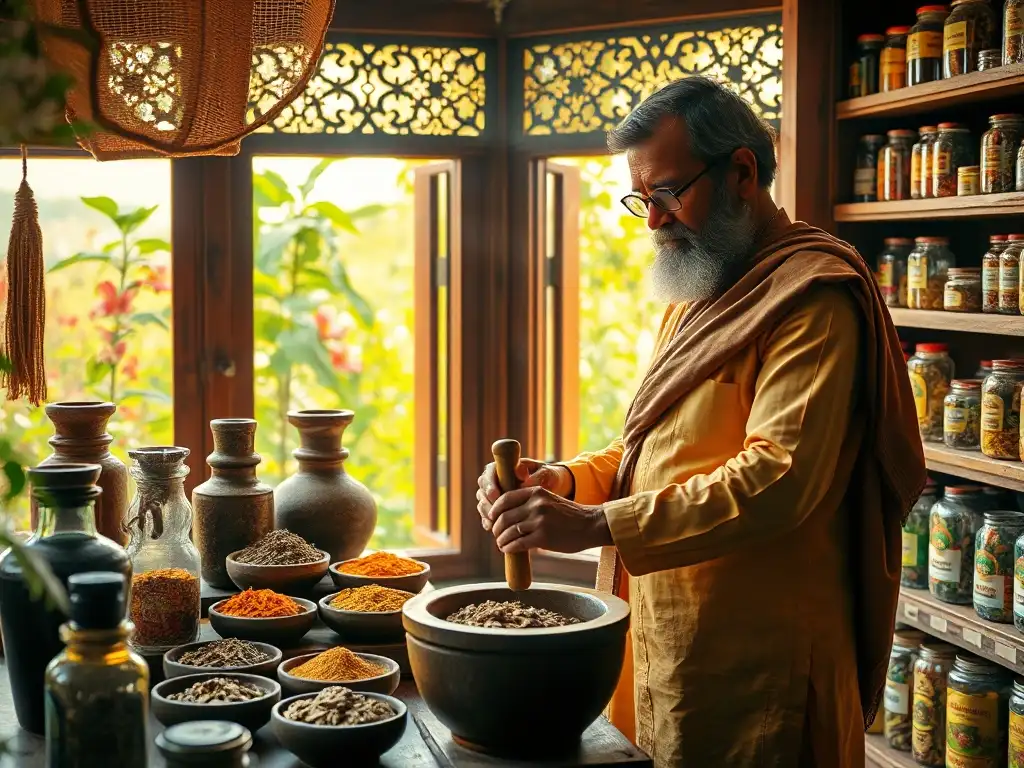
Integration of Ancient Indian Ayurveda Practices in Contemporary Medicine
The integration of ancient Indian Ayurveda practices into contemporary medicine signifies a fusion of traditional wisdom with modern scientific understanding. Ayurveda, with its holistic approach, emphasizes the balance of mind, body, and spirit, offering a comprehensive framework for health that modern medicine often complements.
- Holistic Health Models: Modern practitioners increasingly recognize the benefits of holistic health models that Ayurveda promotes. These models focus on treating the individual rather than just the symptoms, leading to improved patient outcomes. For instance, health conditions such as stress-related disorders and chronic illnesses are approached through lifestyle changes, dietary adjustments, and herbal remedies derived from Ayurvedic traditions.
- Herbal Medicine: Many modern natural remedies can trace their roots back to Ayurveda. Herbs like Ashwagandha, Tulsi, and Turmeric are now widely used in supplements and treatments for their anti-inflammatory and adaptogenic properties. Studies show that these herbs can enhance the immune system and improve overall well-being, validating Ayurvedic claims through scientific research.
- Mindfulness and Meditation: Techniques such as meditation and yoga, which are integral to Ayurvedic practice, have gained traction in modern wellness routines. Their effectiveness in reducing anxiety and enhancing mental clarity has been supported by numerous studies, showcasing the relevance of ancient practices in today’s therapeutic approaches.
- Dietary Approaches: The Ayurvedic principle of personalized nutrition, based on one's dosha (body constitution), has been embraced in dietary recommendations. This tailored approach to nutrition recognizes that individuals have unique needs, which can lead to better digestive health and overall wellness when implemented alongside modern dietary guidelines.
Popular Natural Treatments Inspired by Ayurvedic Principles
Several natural treatments, inspired by ancient Indian Ayurveda practices, have surged in popularity among health-conscious individuals seeking alternatives to conventional medications. These remedies not only draw from traditional Ayurvedic texts but are also supported by emerging scientific research.
- Turmeric (Curcuma longa): Known for its active compound curcumin, turmeric has anti-inflammatory and antioxidant properties. Research indicates it may reduce chronic inflammation, making it popular in both culinary uses and as a dietary supplement.
- Ginger (Zingiber officinale): This widely used spice is renowned for its digestive benefits. Ayurvedic texts recommend ginger for nausea and digestive disorders, and modern studies affirm its efficacy in alleviating symptoms of motion sickness and indigestion.
- Amla (Phyllanthus emblica): Also known as Indian gooseberry, amla is revered in Ayurveda for its rich vitamin C content and its role as an antioxidant. Recent studies demonstrate its potential to boost immune function and improve skin health, making it a staple in natural health products.
- Ashwagandha (Withania somnifera): Often referred to as "Indian ginseng," ashwagandha is known for its stress-reducing and adaptogenic properties. Modern research supports its role in lowering cortisol levels and enhancing mental clarity, which aligns with its traditional uses in Ayurveda.
Case Studies of Successful Ayurvedic Practices in Modern Health
Case studies exemplifying the successful application of ancient Indian Ayurveda practices in modern health contexts provide valuable insights into their effectiveness and adaptability.
- Integrative Cancer Care: A notable case involved a cancer patient who incorporated Ayurvedic practices alongside conventional treatment. By utilizing dietary modifications, herbal supplements, and yoga, the patient reported enhanced well-being and improved quality of life during chemotherapy. This integrative approach demonstrated the potential of Ayurveda in supporting patients through challenging medical treatments.
- Chronic Pain Management: In a clinical setting, a group of patients suffering from chronic pain utilized Ayurvedic therapies—including Panchakarma (detoxification) and herbal formulations. Results indicated a significant reduction in pain levels and improvement in mobility, showcasing how Ayurveda can complement pain management strategies.
- Stress and Anxiety Reduction: A wellness center implemented a program based on Ayurvedic principles, focusing on meditation, dietary changes, and lifestyle adjustments for individuals dealing with stress and anxiety. Participants reported substantial improvements in mental health, highlighting the relevance of Ayurveda in contemporary mental wellness strategies.
The integration of ancient Indian Ayurveda practices into modern natural remedies and treatments presents a holistic approach that emphasizes preventive care, personalized healing, and the use of natural resources. As more individuals seek natural alternatives, the teachings of Ayurveda continue to influence contemporary health practices, bridging the gap between ancient wisdom and modern science.
Benefits of Incorporating Ayurveda into Modern Treatments
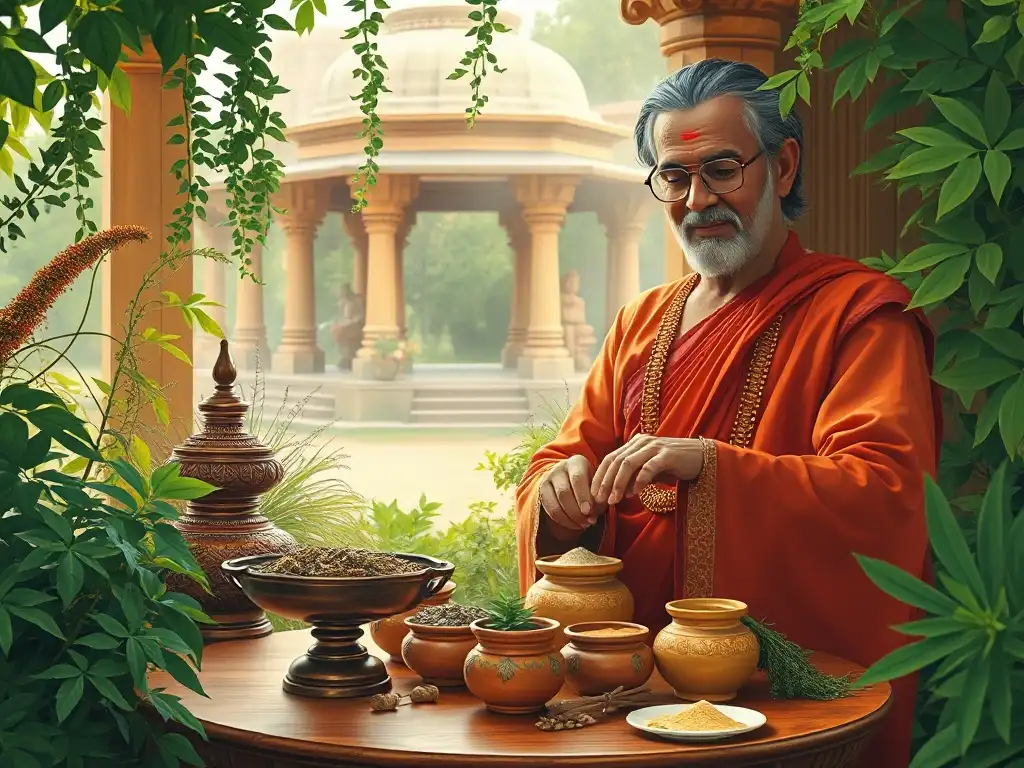
Incorporating Ayurveda into modern treatments offers a multitude of benefits that align with contemporary healthcare goals. The ancient Indian system of medicine emphasizes a holistic approach, personalized care, and the integration of physical, mental, and spiritual well-being. This synergy provides a comprehensive framework for health that can enhance modern medical practices.
Holistic Approach to Health and Wellness
Ayurveda's holistic philosophy views the body, mind, and spirit as interconnected entities. This perspective is crucial for achieving optimal health.
- Balance of Doshas: Ayurveda identifies three primary doshas—Vata, Pitta, and Kapha—each representing different elements and qualities. Modern treatments can benefit from assessing an individual's dosha to tailor interventions that promote balance and well-being.
- Personalized Treatment Plans: Unlike one-size-fits-all approaches, Ayurveda recognizes the uniqueness of each individual. By considering factors such as constitution, lifestyle, and environment, practitioners can create personalized health strategies that enhance the effectiveness of treatments.
- Integration of Natural Elements: Ayurveda utilizes natural remedies, including herbs, dietary adjustments, and lifestyle practices, to optimize health. This aligns well with trends in modern medicine that emphasize natural solutions and preventative care.
The holistic approach of Ayurveda encourages practitioners to consider the broader context of health, leading to improved patient outcomes and greater satisfaction.
Preventative Care and Lifestyle Changes
One of the cornerstones of Ayurveda is its focus on preventative care, which is increasingly recognized as essential in modern medicine.
- Daily Routines (Dinacharya): Ayurveda advocates for daily routines that align with natural rhythms. This includes practices such as waking at dawn, engaging in self-massage, and consuming seasonal foods. Implementing these routines can enhance overall health and prevent illness.
- Dietary Recommendations: The Ayurvedic dietary principles emphasize the importance of balanced nutrition tailored to individual needs. By incorporating Ayurvedic dietary guidelines, individuals can enjoy improved digestion, increased vitality, and reduced risk of chronic diseases.
- Stress Management Techniques: Ayurveda offers various techniques for managing stress, such as yoga, meditation, and breathing exercises. These practices not only enhance mental health but also support physical health, reducing the incidence of stress-related illnesses.
By prioritizing preventative care and lifestyle changes, Ayurveda complements modern medicine's approach to health, promoting long-term wellness and vitality.
Emotional and Spiritual Healing Through Ayurveda
Ayurveda extends beyond physical health, addressing emotional and spiritual dimensions that are often overlooked in conventional treatments.
- Mind-Body Connection: Ayurveda recognizes the profound impact of emotions on physical health. Techniques such as mindfulness and meditation foster emotional balance and enhance resilience against stress, anxiety, and depression.
- Spiritual Practices: Incorporating spiritual elements like yoga and meditation can lead to greater self-awareness and inner peace. These practices not only improve emotional well-being but also contribute to overall health by promoting a positive mindset and reducing the risk of disease.
- Community and Support: Ayurveda encourages the formation of supportive communities that nurture emotional well-being. Engaging in group practices and sharing experiences can enhance social connections and provide emotional support, which is vital for holistic health.
By integrating emotional and spiritual healing into treatment plans, Ayurveda enriches modern healthcare, offering a well-rounded approach to health that nurtures the whole person.
Challenges and Misconceptions about Ancient Indian Ayurveda Practices

The rich tapestry of Ancient Indian Ayurveda practices has faced significant challenges and misconceptions over the years. As Ayurveda gains global recognition, it is crucial to address these hurdles to foster a better understanding of its principles and efficacy.
Common Myths Surrounding Ayurveda
Despite its long-standing history, Ayurveda is often shrouded in myths that can cloud its reputation. Here are a few common misconceptions:
- Myth 1: Ayurveda is Just Herbal Medicine
- While herbal remedies form a significant part of Ayurveda, the practice encompasses much more, including dietary recommendations, lifestyle changes, yoga, and meditation. It emphasizes a holistic approach to health and wellness.
- Myth 2: Ayurveda is a Replacement for Conventional Medicine
- Many believe that Ayurveda can completely replace modern medicine. However, Ayurveda serves as a complementary system that can enhance well-being when used alongside conventional treatments, particularly for chronic conditions.
- Myth 3: All Ayurvedic Treatments are Safe
- Although Ayurveda uses natural substances, not all treatments are universally safe. Quality control is essential as some herbal products may contain harmful ingredients or contaminants. Patients should consult qualified practitioners.
- Myth 4: Ayurvedic Practices are Not Supported by Science
- This myth overlooks the growing body of research supporting various Ayurvedic treatments. While more studies are needed, some Ayurvedic practices have shown beneficial effects in clinical settings.
Scientific Validation of Ayurvedic Treatments
Scientific validation of Ancient Indian Ayurveda practices is progressively gaining traction. Numerous studies have explored the efficacy of Ayurvedic treatments:
- Clinical Trials: Research has demonstrated the effectiveness of certain Ayurvedic treatments in managing conditions like diabetes, arthritis, and stress. For instance, a study published in The Journal of Alternative and Complementary Medicine found that a specific Ayurvedic formulation significantly reduced blood sugar levels in diabetic patients.
- Biochemical Studies: Several Ayurvedic herbs, such as Turmeric (Curcuma longa) and Ashwagandha (Withania somnifera), have been the focus of biochemical research, revealing their anti-inflammatory and adaptogenic properties.
- Integrative Approaches: Medical institutions are increasingly incorporating Ayurvedic principles into their practice. For example, the integration of yoga and meditation into rehabilitation programs has shown promising results in mental health recovery.
The growing acceptance of these findings indicates a potential shift towards a more integrated approach to health care, combining the strengths of both Ayurveda and modern medicine.
Overcoming Skepticism in Modern Medicine
To overcome skepticism surrounding Ancient Indian Ayurveda practices, it is essential to foster dialogue between Ayurvedic practitioners and the scientific community. Here are some strategies:
- Standardized Research Protocols: Developing standardized methods for conducting Ayurvedic research can help produce reproducible results, facilitating acceptance within the scientific community.
- Education and Awareness: Public awareness campaigns highlighting the scientific basis of Ayurveda can help dispel myths. Educational initiatives targeting both practitioners and patients can enhance understanding of Ayurvedic principles and their applications.
- Collaborative Studies: Encouraging collaboration between Ayurvedic experts and medical researchers can lead to more comprehensive studies. This collaboration can help validate Ayurvedic practices through rigorous scientific methods, showcasing their relevance in contemporary health care.
- Regulatory Frameworks: Establishing robust regulatory frameworks for Ayurvedic products will ensure quality and safety, thus enhancing consumer trust and acceptance.
While Ancient Indian Ayurveda practices face challenges and misconceptions, ongoing scientific validation and open dialogue can pave the way for greater acceptance and integration into modern health paradigms.
Future of Ayurveda in Natural Remedies and Treatments

The integration of Ayurveda into modern health practices is poised for significant growth, particularly as more individuals seek holistic approaches to wellness. Ancient Indian Ayurveda practices emphasize balance and harmony between the mind, body, and spirit, and this principle continues to resonate in contemporary society. As we look to the future, several key areas will shape the role of Ayurveda in natural remedies and treatments.
Trends in Integrating Ayurveda with Western Medicine
The blending of Ayurveda with Western medicine marks a notable trend in the healthcare landscape. This integration is driven by an increasing recognition of the benefits of holistic health approaches.
- Collaborative Practices: Healthcare professionals are beginning to collaborate, combining Ayurvedic principles with conventional treatments. For example, practitioners might recommend Ayurvedic dietary practices alongside standard nutritional advice for managing chronic conditions.
- Ayurveda in Patient Care: Hospitals and clinics are adopting Ayurvedic practices in patient care. Hospitals in India and the West are starting to offer Ayurvedic consultations and therapies as adjuncts to conventional treatments, particularly for conditions like stress, chronic pain, and digestive disorders.
- Personalized Medicine: The personalized nature of Ayurveda aligns with the growing trend of personalized medicine in the West, where treatments are tailored to individual needs. This approach enhances patient engagement and satisfaction by considering a person's unique constitution (Prakriti) and imbalances (Vikriti).
Prospects for Research and Development in Ayurveda
Research and development in Ayurveda is gaining momentum, which is crucial for validating its practices and expanding its applications.
- Scientific Studies: Increasingly, scientific studies are being conducted to explore the efficacy of Ayurvedic treatments. For example, randomized controlled trials are investigating the impact of Ayurvedic herbs like Ashwagandha and Turmeric on stress reduction and inflammation.
- Integration into Medical Curriculum: Various educational institutions are beginning to incorporate Ayurvedic studies into their curricula, fostering a new generation of healthcare professionals who are well-versed in both conventional and Ayurvedic practices.
- Innovative Product Development: The demand for natural remedies has led to the development of Ayurvedic-based products that meet modern consumers' needs. This includes herbal supplements, skincare products, and functional foods that are inspired by ancient Ayurvedic formulations but tailored for contemporary use.
The Role of Ayurveda in Sustainable Health Practices
Ayurveda’s holistic approach aligns closely with principles of sustainability, making it a valuable player in future health practices.
- Natural Ingredients: The focus on natural ingredients in Ayurveda supports sustainable practices. Many Ayurvedic remedies utilize locally sourced herbs and plants, which reduces the carbon footprint associated with transportation and manufacturing.
- Mind-Body Connection: Ayurveda promotes the mind-body connection, encouraging practices such as yoga and meditation. These practices not only enhance individual well-being but also foster community health, leading to a more sustainable society.
- Preventative Care: The preventive nature of Ayurveda, which aims to maintain health and prevent disease rather than just treating symptoms, aligns with global health trends prioritizing preventive care. This proactive approach can alleviate the burden on healthcare systems and promote a healthier population overall.
The future of Ayurveda in natural remedies and treatments appears promising, with growing trends in integration, research, and sustainability. As ancient Indian Ayurveda practices continue to evolve and adapt to modern needs, they hold the potential to significantly influence health and wellness for generations to come.
Conclusion
Summary of Ancient Indian Ayurveda Practices and Their Modern Influence
Ancient Indian Ayurveda practices are rooted in a holistic understanding of health and wellness, emphasizing balance among the body, mind, and spirit. The fundamental principles of Ayurveda are based on the concept of the five elements (earth, water, fire, air, and ether) and the three doshas (Vata, Pitta, and Kapha), which are believed to govern an individual's physical and mental characteristics.
- Holistic Approach: Ayurveda views health as a state of equilibrium, where physical, emotional, and spiritual well-being are interconnected. This holistic approach is increasingly recognized in modern natural remedies, which often seek to treat the underlying causes of ailments rather than just symptoms.
- Natural Remedies: Ayurvedic practices emphasize the use of natural substances, such as herbs, minerals, and dietary adjustments. For instance, herbs like turmeric (Curcuma longa) and ashwagandha (Withania somnifera) have gained popularity in contemporary wellness circles for their anti-inflammatory and adaptogenic properties, respectively.
- Lifestyle Modifications: Ancient texts recommend lifestyle changes tailored to individual dosha types. This personalized approach is mirrored in modern natural health practices, where treatments are customized to meet specific needs, enhancing their effectiveness.
- Preventative Care: Ayurveda strongly advocates for prevention through diet, detoxification, and regular health practices like yoga and meditation. This preventive mindset is increasingly embraced in modern health paradigms, which focus on maintaining wellness rather than solely treating illness.
Overall, the influence of ancient Indian Ayurveda practices is evident in the growing trend towards natural remedies and treatments in contemporary medicine, promoting a more integrative approach to health.
Final Thoughts on the Relevance of Ayurveda Today
The relevance of Ayurveda in today's fast-paced world cannot be overstated. As people seek alternatives to conventional medicine, Ayurveda offers valuable insights into natural healing methods that prioritize overall well-being.
- Integration with Modern Medicine: There is a growing recognition of Ayurveda's potential to complement conventional medical practices. Integrative medicine approaches are increasingly incorporating Ayurvedic principles, leading to more comprehensive healthcare options.
- Global Appeal: The global interest in wellness and self-care has positioned Ayurveda as a leading source of knowledge. Workshops, retreats, and educational programs focused on Ayurvedic practices are becoming more widespread, indicating a shift towards holistic health solutions.
- Sustainability and Ethics: As the world grapples with sustainability issues, Ayurveda's emphasis on natural, plant-based treatments aligns with ethical practices in health and wellness. The use of locally sourced herbs and mindful consumption resonates with modern values of sustainability.
Ancient Indian Ayurveda practices continue to influence modern natural remedies and treatments significantly. As we embrace these time-tested principles, we pave the way for a more balanced, healthier future that honors the wisdom of our ancestors.
Frequently Asked Questions
What is Ayurveda?
Ayurveda is an ancient Indian system of medicine that focuses on balancing the body, mind, and spirit to promote holistic health. It emphasizes the use of natural remedies and treatments derived from plants, minerals, and other natural sources.
How does Ayurveda influence modern medicine?
Ayurveda's principles and practices have been integrated into modern natural remedies, providing insights into herbal treatments and wellness strategies. Its holistic approach helps in understanding the interconnectedness of physical and mental health.
What are the key practices of Ayurveda?
Key practices of Ayurveda include dietary guidelines, herbal therapies, yoga, and meditation. These practices aim to maintain balance among the three doshas: Vata, Pitta, and Kapha, which represent different energies in the body.
Can Ayurveda be used alongside conventional medicine?
Yes, many practitioners advocate for a complementary approach where Ayurveda can enhance the effectiveness of conventional treatments. However, it's essential to consult with healthcare professionals to ensure safety and efficacy.
What role does diet play in Ayurveda?
Diet is fundamental in Ayurveda, as it emphasizes the consumption of fresh, seasonal foods that suit an individual's dosha. Proper nutrition is seen as a vital component in achieving optimal health and preventing disease.
Final Reflection: Embracing the Wisdom of Ancient Indian Ayurveda Practices
The relevance of ancient Indian Ayurveda practices in today's world cannot be overstated; they serve as a bridge connecting us to holistic health and well-being. In an era where modern medicine often prioritizes quick fixes over long-term wellness, the principles of Ayurveda remind us of the importance of balance, prevention, and the interconnectedness of body, mind, and spirit. This ancient wisdom is not just a relic of the past but a vital resource that can guide us toward healthier lifestyles in the present.
Cultural and social landscapes are continuously shaped by the resurgence of interest in natural remedies and holistic treatments. As more individuals seek alternatives to conventional medicine, the teachings of Ayurveda resonate deeply, offering a comprehensive approach to health that emphasizes self-awareness and natural healing. The greatest wealth is health.
– Virgil. This quote encapsulates the essence of Ayurveda, urging us to prioritize our well-being through mindful practices that have stood the test of time.
As we reflect on the lessons of Ayurveda, let us consider how we can integrate these ancient practices into our daily lives. I invite you to explore the principles of Ayurveda, whether through dietary adjustments, mindfulness techniques, or herbal remedies, and discover how they can enhance your well-being. By embracing this holistic approach, we not only honor the wisdom of our ancestors but also empower ourselves to lead healthier, more balanced lives in a fast-paced world.
Embrace the Wisdom of Ayurveda Today!
Thank you for diving into the fascinating world of Ayurveda and its impact on modern natural remedies! You've gained valuable insights into how ancient practices shape contemporary health treatments. Now, let's take the next step together to incorporate this wisdom into your life.
Here are some actionable suggestions to help you further explore and integrate Ayurvedic principles:
- Start your Ayurvedic journey by trying an herbal remedy that resonates with you—consider exploring calming teas like Ashwagandha or Tulsi to promote relaxation.
- Join a local or online Ayurveda class to deepen your understanding and learn practical applications for enhancing your well-being.
- Share your newfound knowledge with friends and family; encourage them to explore Ayurveda by hosting an informal discussion or workshop!
What aspect of Ayurveda are you most excited to incorporate into your daily life?