
The Art of Indian Cooking: HandsOn Culinary Tours You Need to Try

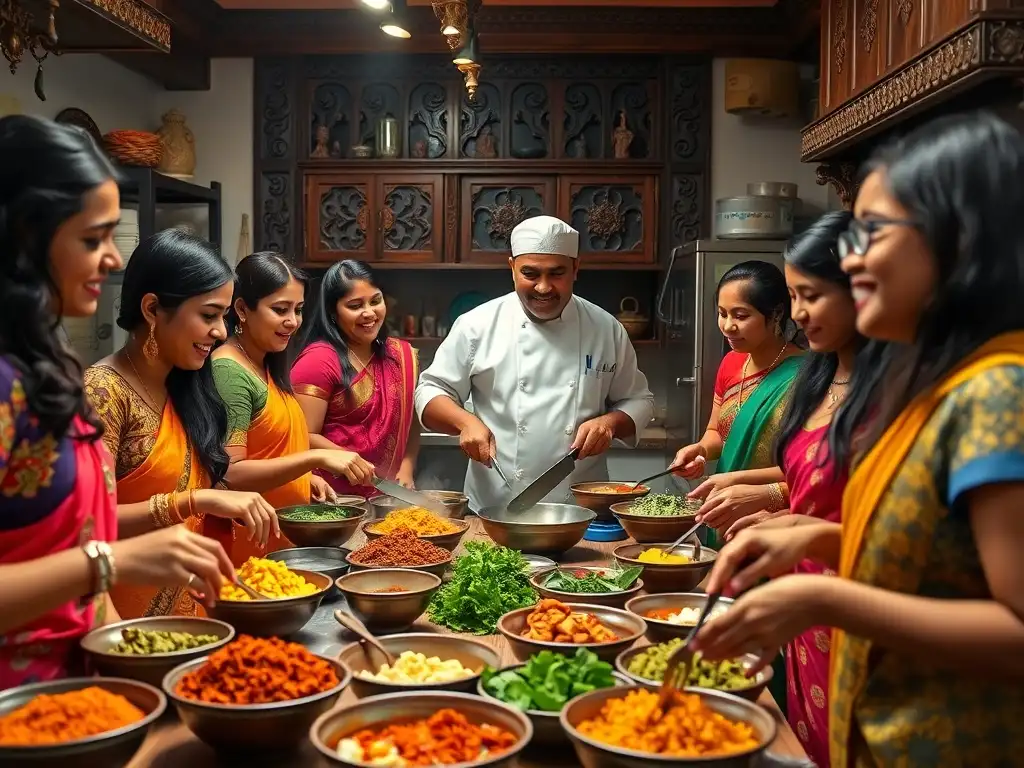
Welcome to Ancient India History, where we embark on a fascinating journey through the rich and diverse tapestry of ancient Indian civilizations. From the elusive Indus Valley to the illustrious Gupta Empire, each thread weaves a story of culture, innovation, and tradition. Today, we invite you to dive into our captivating article, "The Art of Indian Cooking: Hands-On Culinary Tours You Need to Try," where you'll discover how the timeless flavors and techniques of Indian cooking are not just a feast for the senses, but also a gateway to understanding the heritage that has shaped this vibrant cuisine.
Are you ready to awaken your culinary curiosity? Explore with us as we uncover the secrets behind India’s culinary tours and the rich history they embody!
Introduction to Indian Cooking Culinary Tours
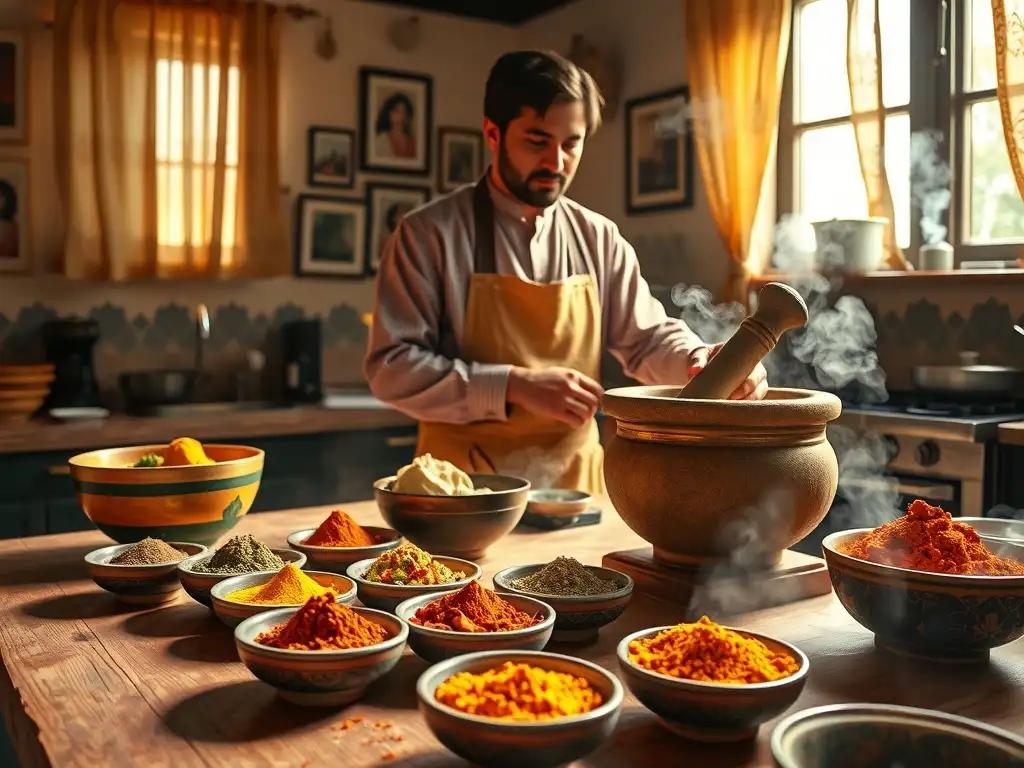
Indian cooking is a vibrant tapestry woven with an array of flavors, spices, and techniques that reflect the rich cultural heritage of the subcontinent. From the aromatic curries of the South to the fragrant biryanis of the North, Indian cuisine offers a culinary journey that is as diverse as its people.
In recent years, Indian cooking culinary tours have emerged as a popular way for food enthusiasts and travelers to immerse themselves in this culinary art form. These tours not only provide hands-on cooking experiences but also allow participants to explore the local markets, learn about traditional cooking methods, and understand the history behind iconic dishes.
Participating in these culinary tours is more than just cooking; it's an opportunity to connect with local chefs and families, gaining insights into their culinary practices and the cultural significance of their meals. Whether you're a novice cook or a seasoned chef, these tours cater to all skill levels and promise an unforgettable experience.
In this article, we will explore some of the top culinary tours in India, highlighting unique experiences that showcase the essence of Indian cooking. From farm-to-table experiences in rural areas to interactive sessions in bustling city kitchens, you’ll discover how these tours can transform your understanding of Indian cuisine and enhance your culinary skills. Get ready to embark on a delicious journey through the heart of India's culinary landscape!
Why Choose Indian Cooking Culinary Tours?
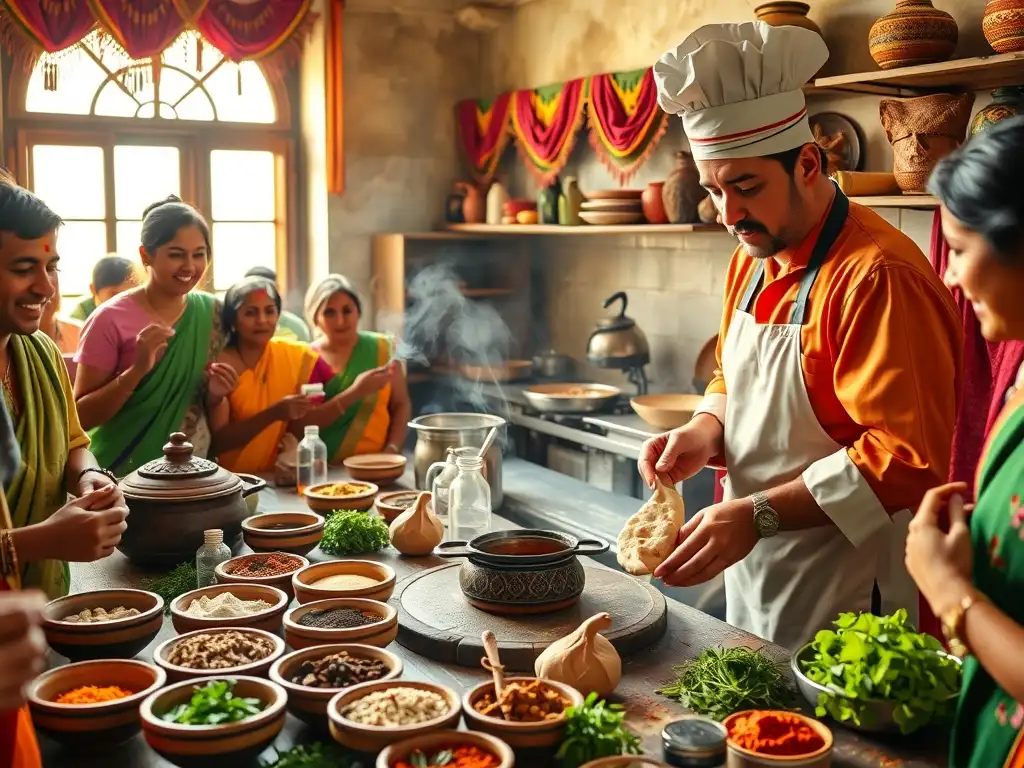
Participating in Indian cooking culinary tours offers a unique opportunity to immerse yourself in the rich tapestry of India's diverse culinary heritage. These tours provide not just a chance to learn cooking techniques but also to explore the cultural significance of various dishes, regional ingredients, and traditional cooking methods.
Choosing an Indian cooking culinary tour allows you to engage directly with local chefs, farmers, and home cooks, gaining insights that go far beyond what you'd find in a cookbook. By experiencing the vibrant markets, fragrant spices, and local customs, participants can develop a deeper appreciation for Indian cuisine and its historical context.
Moreover, these tours cater to all skill levels, from novices eager to learn the basics to seasoned cooks looking to refine their skills. The hands-on experience in a local kitchen creates lasting memories and often leads to newfound friendships and connections with fellow food enthusiasts.
The Benefits of Participating in Culinary Tours
-
Cultural Immersion
Engaging in a culinary tour allows travelers to experience India’s rich cultural heritage firsthand. Participants can learn about traditional festivals, rituals, and the historical significance of various dishes. This immersive experience deepens the understanding of how food shapes social interactions and community life in different regions of India.
-
Hands-On Learning
Culinary tours often feature interactive cooking classes where participants can practice their skills under the guidance of experienced chefs. This hands-on approach not only builds confidence but also helps in mastering authentic cooking techniques that are unique to Indian cuisine.
-
Exploration of Regional Flavors
India is known for its vast diversity in flavors and cooking styles. Each region has its own culinary identity, influenced by geography, climate, and cultural practices. From the spicy curries of the South to the rich, creamy dishes of the North, culinary tours expose participants to a wide array of flavors and ingredients that are pivotal to Indian cooking.
-
Local Ingredient Sourcing
Many tours include visits to local markets where participants can learn about sourcing fresh, seasonal ingredients. Understanding the importance of local produce not only enhances cooking skills but also promotes sustainable practices that respect the environment and local economies.
-
Networking Opportunities
Culinary tours often attract like-minded individuals passionate about food and travel. This setting fosters connections that can lead to friendships, collaborative projects, and even future culinary ventures.
Unique Features of Indian Culinary Tours
-
Customizable Itineraries
Many culinary tours offer customizable options, allowing participants to tailor their experience based on personal preferences. Whether you are interested in vegetarian cooking, street food, or gourmet dining, there are tours that cater specifically to those interests.
-
Culinary Workshops
In addition to cooking classes, many tours include workshops on specific topics such as spice blending, traditional baking, or even Ayurvedic cooking principles. These workshops provide a more focused approach to learning about the diverse aspects of Indian cuisine.
-
Cultural Experiences
Culinary tours often incorporate cultural experiences such as dance performances, music, and visits to historical sites. This combination enriches the culinary journey, allowing participants to appreciate the context in which Indian food is enjoyed.
-
Chef-Led Experiences
Tours frequently feature renowned chefs who share their expertise and personal stories about their culinary journeys. Learning from these culinary masters adds a unique touch to the tour experience, as participants gain insights into professional cooking techniques and industry secrets.
-
Community Engagement
Many culinary tours emphasize community involvement, encouraging participants to engage with local families and learn traditional recipes passed down through generations. This fosters a sense of connection and respect for the community's culinary heritage.
Indian cooking culinary tours provide a multifaceted experience that combines cooking, culture, and community. The benefits of participating are immense, offering travelers a chance to not only learn but also appreciate the intricate art of Indian cooking in a deeply engaging manner.
Top Culinary Tours in India for Authentic Experiences
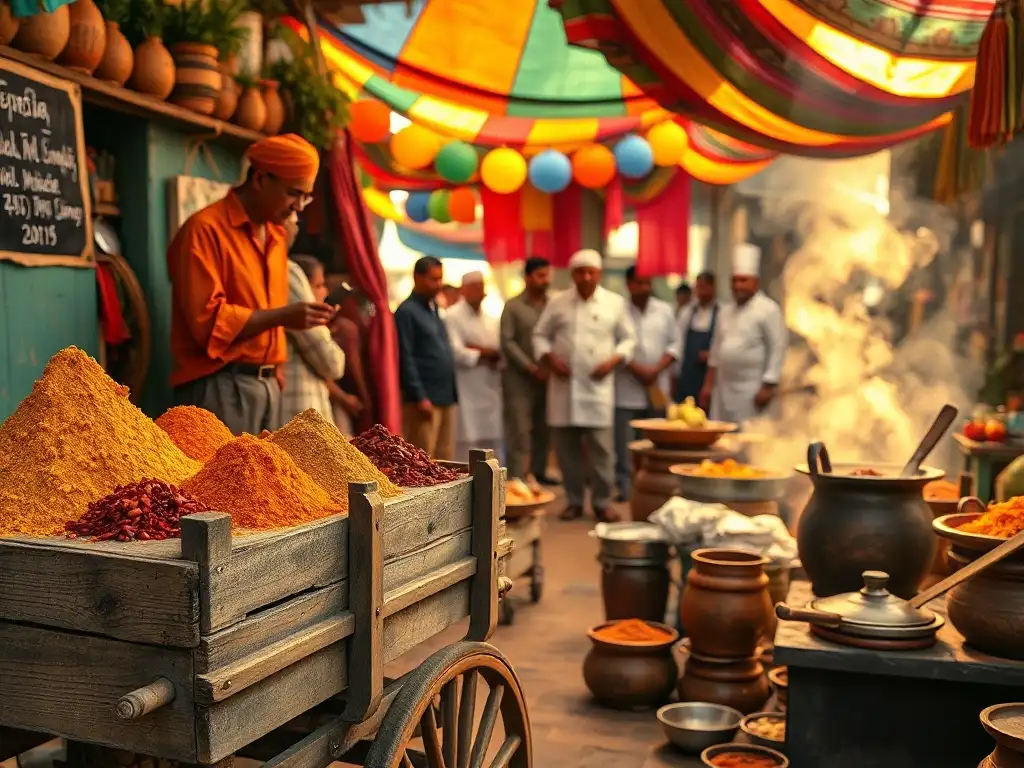
India's culinary landscape is as diverse as its cultural tapestry. From the aromatic spices of the north to the vibrant flavors of the south, culinary tours provide an immersive experience that allows travelers to engage with the rich traditions of Indian cooking. Here we explore some of the top culinary tours across the country that promise authentic experiences and unforgettable flavors.
1. Northern Indian Culinary Adventure
The northern region of India is known for its hearty dishes and rich flavors. Culinary tours here often include visits to local markets, cooking classes, and tastings of iconic dishes.
- Key Highlights:
- Delhi Food Walk: Experience the bustling streets of Old Delhi, where you can sample street food such as chats, parathas, and jalebis. Guided tours often include a visit to historical sites alongside culinary stops.
- Punjabi Cooking Workshops: Engage in hands-on cooking classes that teach you to prepare traditional Punjabi dishes like butter chicken, dal makhani, and paneer tikka.
- Heritage Dining: Experience a regal dining experience in heritage settings, often hosted by local families who share their culinary secrets.
Tour participants can expect to learn about the use of spices, regional variations, and the cultural significance behind each dish, making it a truly enriching experience.
2. Southern Indian Spice Trail
Southern India offers a different palate, characterized by its liberal use of coconut, rice, and spices. Culinary tours in this region often focus on the intricate flavors found in South Indian cuisine.
- Key Highlights:
- Kerala Spice Plantation Tour: Visit spice plantations and learn about the cultivation of spices like cardamom, pepper, and cinnamon. Tours usually culminate in a cooking class that features traditional Kerala dishes such as appam, stew, and fish curry.
- Idli and Dosa Workshops: Participate in hands-on workshops focused on the preparation of these iconic breakfast dishes. Learn the art of fermenting rice and lentils to create fluffy idlis and crispy dosas.
- Culinary Festivals: Some tours coincide with local food festivals, providing opportunities to taste a wide array of dishes and witness traditional cooking methods.
Travelers will gain insights into the history of the ingredients and how they shape the local cuisine, making the Southern Indian Spice Trail a must-try for food enthusiasts.
3. Culinary Journey through Rajasthan
Rajasthan’s cuisine is a reflection of its royal heritage, featuring rich, robust flavors and an array of vegetarian options due to cultural practices. Culinary tours here often include a blend of history and gastronomy.
- Key Highlights:
- Jaipur Cooking Classes: Join local chefs in Jaipur to learn the secrets of Rajasthani cuisine, including dishes like dal baati churma, gatte ki sabzi, and ker sangri. The experience often includes a market visit to gather fresh ingredients.
- Desert Dining Experience: Some tours offer unique dining experiences in the Thar Desert, where guests can enjoy traditional meals under the stars, accompanied by folk music and dance.
- Heritage Haveli Dining: Experience meals in restored havelis, where the ambiance enhances the rich flavors of the food, often served with stories of the royal families that once inhabited these spaces.
Through these immersive culinary journeys, participants not only learn to cook but also understand the cultural significance of each dish and its place in Rajasthani traditions.
Each of these culinary tours offers a unique lens through which to explore India's rich culinary heritage, making them an essential part of any travel itinerary focused on Indian cooking culinary tours. Whether you're a novice cook or a seasoned chef, these experiences will deepen your appreciation for India's diverse flavors and traditions.
4. Street Food Culinary Tours in Mumbai
Mumbai, often referred to as the financial capital of India, is equally famous for its vibrant street food culture. A street food culinary tour in this bustling metropolis offers an incredible opportunity to explore the city's diverse flavors, rich traditions, and culinary heritage. Here’s what you can expect from these immersive experiences.
A Taste of Mumbai's Iconic Street Foods
Street food in Mumbai is a delightful mix of flavors, textures, and aromas. Some must-try dishes during your culinary tour include:
- Pani Puri: Crispy hollow puris filled with spicy tamarind water, chickpeas, and potatoes.
- Vada Pav: A spicy potato fritter served in a bread bun, often accompanied by chutneys and fried green chilies.
- Bhel Puri: A tangy and crunchy mixture of puffed rice, vegetables, and tangy chutney, garnished with sev (crispy noodles).
- Pav Bhaji: A spicy vegetable mash served with buttered bread rolls, making it a favorite among locals.
Each of these dishes tells a story, reflecting the city’s multicultural influences, from the Gujarati community's snacks to the Maharashtrian staples.
Guided Tours and Local Insights
Participating in a street food culinary tour in Mumbai typically involves a guided experience where local food experts lead the way. These guides provide valuable insights into the history and preparation methods behind each dish. You’ll also have the chance to visit iconic street food stalls and hidden gems that may not be on the average tourist’s radar.
Moreover, many tours offer opportunities to engage with the vendors, allowing you to learn about their culinary techniques and the ingredients they use. This interaction not only enriches your understanding of Indian cooking but also fosters connections with the local community.
Safety and Hygiene Considerations
While indulging in street food is a thrilling experience, it’s important to prioritize safety and hygiene. Reputable culinary tours often choose vendors known for their cleanliness and quality. To ensure a safe experience, consider the following tips:
- Choose Busy Stalls: Busy stalls are usually a sign of fresh ingredients and high turnover.
- Watch for Cleanliness: Pay attention to how vendors handle food and maintain their stalls.
- Drink Bottled Water: Always opt for bottled water to stay hydrated, especially in the heat.
By joining a street food culinary tour in Mumbai, you not only savor delicious dishes but also gain a deeper appreciation for the city’s culture and culinary traditions. Whether you’re a food enthusiast or simply looking to explore the local gastronomy, these tours offer a flavorful journey through the heart of Mumbai.
Essential Components of a Memorable Indian Cooking Tour
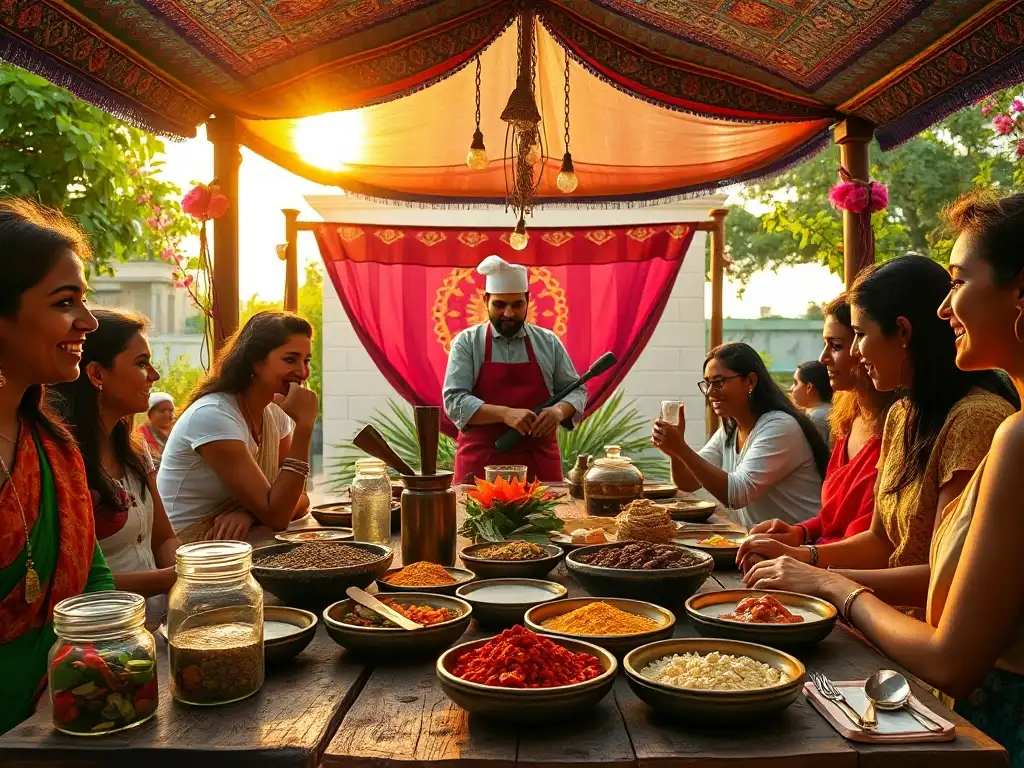
A successful Indian cooking culinary tour is crafted around several essential components that enhance the experience for participants. These elements not only provide a deep understanding of Indian cuisine but also immerse travelers in the cultural and historical contexts of the dishes they prepare. Here are the key components that make these tours unforgettable:
-
Authentic Local Experiences
Cooking tours should prioritize interactions with local chefs and families, allowing participants to learn traditional recipes and cooking methods passed down through generations. This personal touch provides insights into local customs, food practices, and the importance of cuisine in social gatherings.
-
Culinary Heritage and Storytelling
Each dish has a story, and understanding the historical context of recipes enriches the cooking experience. Guides should share anecdotes about regional specialties, seasonal ingredients, and the cultural significance of various cooking techniques.
-
Hands-On Cooking Sessions
Engaging participants in hands-on cooking is crucial. This not only allows them to practice techniques but also helps them understand the nuances of flavors and textures. Incorporating group cooking sessions fosters camaraderie and a shared appreciation for Indian cuisine.
-
Market Visits and Ingredient Sourcing
A visit to local markets is essential for showcasing the vibrant ingredients used in Indian cooking. Participants can learn about various spices, vegetables, and grains, discovering their roles in traditional dishes. This experience also emphasizes the importance of sourcing fresh, seasonal produce.
Local Ingredients and Their Significance
The richness of Indian cooking lies in its diverse array of local ingredients, each with unique flavors and health benefits. Here are some key ingredients that are often highlighted during cooking tours:
- Spices: The backbone of Indian cooking, spices like cumin, coriander, turmeric, and cardamom not only add flavor but also have medicinal properties. For example, turmeric is renowned for its anti-inflammatory benefits.
- Dals (Legumes): Essential sources of protein, dals such as lentils and chickpeas are staples in Indian diets. The variety of dals available in different regions reflects the agricultural practices and culinary traditions of those areas.
- Herbs: Fresh herbs like cilantro (coriander) and mint are often used to enhance dishes. Their vibrant flavors contribute to the freshness of Indian cuisine, making them indispensable in many recipes.
- Vegetables: Indian cooking features a wide array of seasonal vegetables, such as eggplant, okra, and leafy greens. Understanding the significance of these ingredients helps participants appreciate the regional diversity of Indian cuisine.
- Rice and Grains: Various types of rice, such as basmati and jasmine, are integral to Indian meals. Additionally, grains like millet and sorghum are gaining popularity for their health benefits and sustainability.
Through a focus on local ingredients, participants gain a deeper appreciation for the flavors, health benefits, and cultural significance that shape Indian culinary traditions.
Cooking Techniques Unique to Indian Cuisine
Indian cooking is characterized by a variety of unique techniques that have evolved over centuries. Understanding these methods is crucial for anyone looking to master Indian cuisine. Here are some notable techniques often explored in culinary tours:
-
Tadka (Tempering)
This technique involves heating oil or ghee and adding spices to release their essential oils, creating a fragrant base for various dishes. Tadka is commonly used in dals, vegetables, and curries.
-
Dum Cooking
A slow-cooking method where food is sealed in a pot (often with dough) and cooked over low heat. This technique allows flavors to meld beautifully, resulting in aromatic dishes like biryanis.
-
Bhuna
This method involves sautéing spices and ingredients over high heat to deepen flavors. It is commonly used for creating rich gravies and is foundational in dishes like butter chicken.
-
Steaming
Steaming is a healthier cooking method employed in dishes like idlis and dhoklas. This technique preserves nutrients and flavors, making it a popular choice in South Indian cuisine.
-
Grilling and Tandoor Cooking
Cooking in a tandoor (clay oven) imparts a unique smoky flavor to meats and breads like naan. Participants often learn to prepare dishes using this traditional method, experiencing the authentic taste of Indian grilled foods.
By engaging with these techniques, participants not only enhance their cooking skills but also connect with the rich culinary heritage of India, making their culinary tour truly memorable.
Tips for Choosing the Right Indian Cooking Culinary Tour
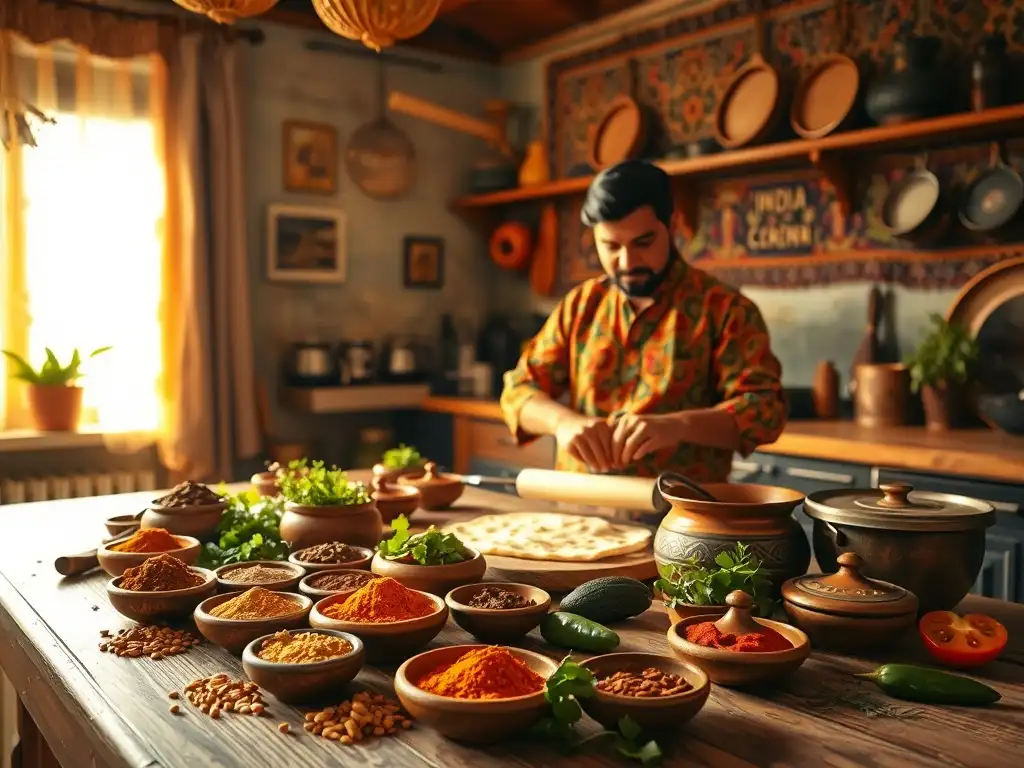
Selecting the perfect Indian cooking culinary tour can significantly enhance your culinary experience in India. With the vast array of options available, it can be overwhelming to narrow down your choices. Here are some essential tips to help you choose the right tour that aligns with your interests and expectations.
Factors to Consider When Selecting a Tour
When looking for an Indian cooking culinary tour, consider the following factors to ensure a fulfilling experience:
- Focus of the Tour
- Regional Specialties: Different regions of India have distinct culinary traditions. Choose a tour that focuses on a specific area, such as:
- Northern India (e.g., Punjabi cuisine)
- Southern India (e.g., Chettinad cuisine)
- Western India (e.g., Gujarati cuisine)
- Eastern India (e.g., Bengali cuisine)
- Cooking Techniques: Some tours emphasize traditional techniques, while others may incorporate modern twists. Determine what interests you most.
- Regional Specialties: Different regions of India have distinct culinary traditions. Choose a tour that focuses on a specific area, such as:
- Duration and Schedule
- Length of the Tour: Consider how much time you have available. Tours can range from a few hours to several days.
- Daily Itinerary: Review the daily schedule to ensure it aligns with your interests. Look for tours that offer a mix of cooking, market visits, and cultural experiences.
- Group Size
- Intimate vs. Large Groups: Smaller groups often provide a more personalized experience, allowing for better interaction with the instructor. Check the maximum number of participants.
- Instructor Expertise
- Qualifications: Research the background of the chef or instructor leading the tour. Look for experienced chefs with a deep understanding of Indian cuisine.
- Teaching Style: Some chefs may focus more on hands-on cooking, while others may provide a detailed lecture. Choose one that matches your learning preferences.
- Cultural Immersion
- Local Experiences: Consider tours that offer opportunities to engage with local culture, traditions, and communities. This can include visiting spice markets, attending festivals, or participating in family meals.
Budgeting for Your Culinary Tour Experience
Budgeting is a crucial aspect when planning your Indian cooking culinary tour. Here are some factors to consider to ensure you stay within your financial limits:
- Tour Costs
- Package Pricing: Evaluate what is included in the tour package. Common inclusions may be:
- Ingredients and cooking materials
- Accommodation (if applicable)
- Transportation to and from the cooking venue
- Market visits
- Hidden Fees: Be aware of additional costs, such as taxes, tips, or optional activities.
- Package Pricing: Evaluate what is included in the tour package. Common inclusions may be:
- Accommodation and Travel
- Lodging Options: If your tour spans multiple days, consider the type of accommodation provided. Budget hotels, guesthouses, or luxury stays can vary significantly in price.
- Transportation: Factor in any travel costs to reach the tour location, including airfare, local transport, or car rentals.
- Meals and Extra Activities
- Included Meals: Some tours offer meals as part of the package, while others may not. Check if meals are covered and what type of dining experience is included.
- Optional Experiences: Many tours offer additional activities, such as guided city tours or cooking classes. Budget for these if they interest you.
- Currency Considerations
- Exchange Rates: Keep an eye on currency exchange rates to ensure you get the best value for your money while booking your tour.
- Payment Methods: Check if the tour provider accepts international credit cards or if cash is preferred.
By considering these tips and factors, you can select an Indian cooking culinary tour that not only fits your budget but also provides an enriching culinary adventure. Happy cooking!
Conclusion: Embrace the Art of Indian Cooking
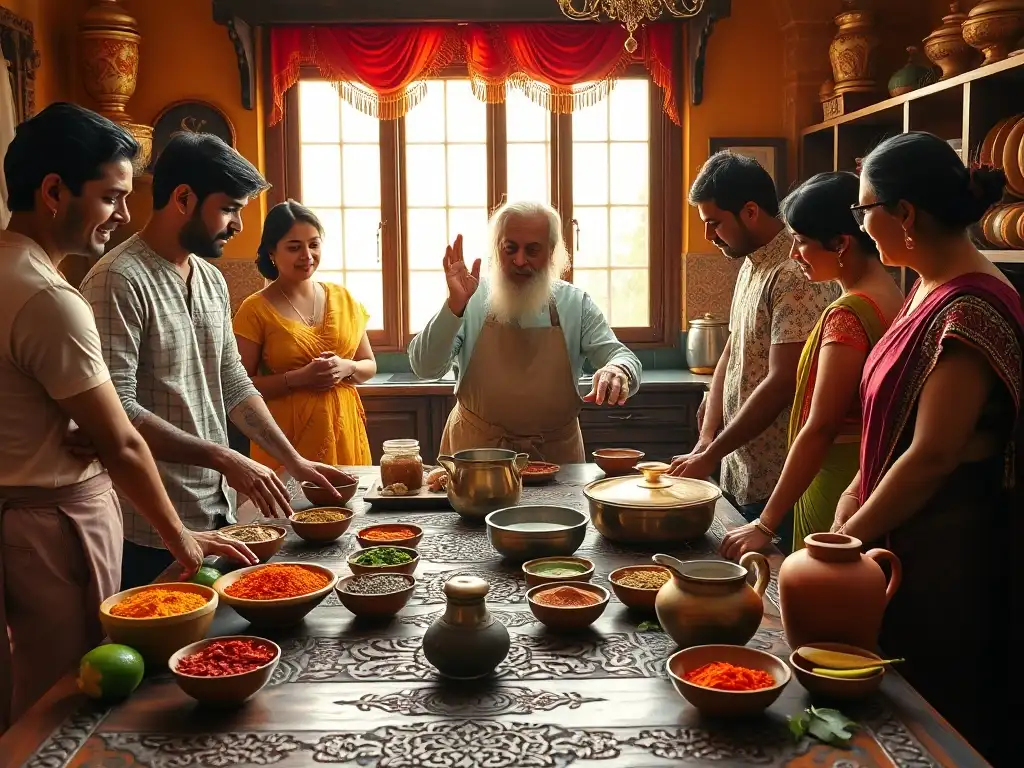
The journey through Indian cooking is not just about preparing a meal; it’s a deep dive into a rich tapestry of history and culture that spans centuries. Each dish tells a story, reflects regional diversity, and highlights the unique ingredients that are emblematic of India’s vibrant culinary landscape. From the fragrant spices of the South to the rich gravies of the North, Indian cooking is an art form that has been honed over generations.
Participating in an Indian cooking culinary tour allows you to experience this art firsthand. Engaging with local chefs, visiting bustling markets, and understanding the significance of each ingredient provides an invaluable perspective on the subtleties of Indian cuisine. Whether you are an experienced cook or a curious novice, these tours offer something for everyone, allowing participants to cultivate their culinary skills while immersing themselves in the cultural heritage of India.
Moreover, these tours often incorporate elements of traditional Indian hospitality, making each experience personal and memorable. You not only learn to cook authentic dishes but also forge connections with the local communities that embody the spirit of Indian cuisine.
Call to Action: Book Your Indian Cooking Culinary Tour Today!
Are you ready to take your culinary skills to the next level? 🤩 Book your Indian cooking culinary tour today! Experience the flavors, aromas, and vibrant culture of India like never before. Here’s what you can do next:
- Research: Explore various culinary tour options available across different regions of India.
- Select Your Destination: Choose a location that resonates with your culinary interests, whether it’s the spice markets of Kerala or the royal kitchens of Rajasthan.
- Plan Your Itinerary: Look for tours that offer hands-on cooking classes, market visits, and cultural experiences.
- Prepare for an Adventure: Pack your bags and get ready for a flavorful journey that will expand your palate and enrich your understanding of Indian cuisine.
By immersing yourself in the art of Indian cooking, you are not just learning a skill; you are embracing a culture that values tradition, creativity, and community. Don’t miss out on this unique opportunity to connect with India’s culinary heritage!
Frequently Asked Questions
What are Indian cooking culinary tours?
Indian cooking culinary tours are immersive experiences where participants learn about traditional cooking techniques, local ingredients, and regional dishes from skilled chefs and local experts.
How do I find the best culinary tours in India?
To find the best culinary tours in India, research online, read reviews, and check travel blogs that focus on culinary experiences. Look for tours that emphasize hands-on learning and authentic cuisine.
What can I expect during a typical culinary tour?
During a typical culinary tour, you can expect to participate in cooking classes, visit local markets, and enjoy tastings of regional cuisines, all while gaining insights into the rich cultural heritage of Indian cooking.
Are cooking tours suitable for beginners?
Yes, many cooking tours cater to all skill levels, including beginners. They often provide step-by-step instructions and guidance, making it easy for anyone to enjoy the experience.
What are some popular regions for Indian cooking culinary tours?
Popular regions for Indian cooking culinary tours include Rajasthan, known for its rich flavors, Kerala with its unique spices, and Punjab, celebrated for its hearty dishes. Each region offers a different culinary perspective.
Final Reflection: Embracing the Flavors of Indian Culinary Tours
The art of Indian cooking is not just about the food; it’s a vibrant tapestry of culture, tradition, and community that resonates deeply in today's globalized world. As we navigate through diverse culinary experiences, the significance of engaging in hands-on culinary tours becomes increasingly apparent. These tours not only immerse us in the rich heritage of Indian cuisine but also foster a deeper appreciation for the stories and techniques behind each dish. In a time where authenticity and connection are paramount, exploring Indian cooking through these tours offers a unique opportunity to bridge cultural gaps and celebrate diversity.
Culinary tours have the power to transform our understanding of food, turning it into an experience that transcends mere consumption. They allow us to engage with local chefs, learn traditional cooking methods, and savor the flavors that have been passed down through generations. As we partake in these immersive experiences, we become part of a larger narrative that honors the roots of Indian cuisine. Food is not just what we eat; it’s a reflection of who we are.
This sentiment encapsulates the essence of culinary tours, as they invite us to explore not only the dishes but also the cultural identities that shape them.
As you reflect on the journey of Indian cooking and the culinary tours that await, consider how you can incorporate these lessons into your own life. Embrace the opportunity to learn, share, and celebrate the art of cooking, whether through travel or at home.
Let the flavors of India inspire you to explore new recipes, connect with your own culinary heritage, or even embark on a culinary adventure of your own. The world of Indian cooking is vast and inviting, and it beckons you to dive in and discover the joy of creating and sharing food that nourishes both body and soul.
Unleash Your Culinary Passion Today!
Thank you for diving into the flavorful world of Indian cooking with us! By exploring the art behind these delicious traditions, you’ve taken the first step toward becoming a culinary aficionado. Now, let’s transform that passion into action!
- Join a hands-on culinary tour: Experience the vibrant culture and rich flavors firsthand by signing up for a local cooking class or culinary tour in your area.
- Share your newfound knowledge: Invite friends over for an Indian-themed dinner party and showcase your cooking skills – it’s a wonderful way to bond and celebrate a rich culture!
- Explore Indian ingredients: Visit a nearby grocery store that specializes in international foods and discover unique spices and ingredients to enhance your cooking repertoire.
What dish from Indian cuisine are you most excited to try making yourself? We would love to hear your thoughts in the comments below!