
Spice and Culture: The Best Culinary Tours for a Cultural Experience

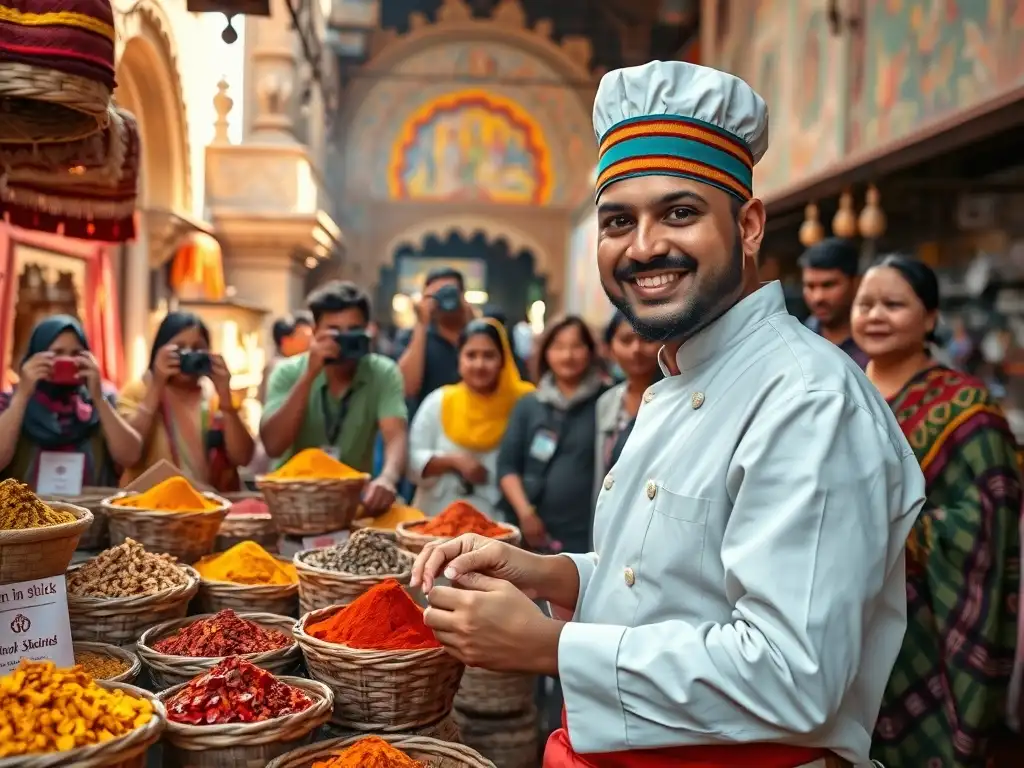
Welcome to Ancient India History, where we embark on a fascinating journey through the rich tapestry of India’s past. In this exploration, we delve into the vibrant intersections of culture, tradition, and cuisine that have shaped the Indian subcontinent. Our latest article, “Spice and Culture: The Best Culinary Tours for a Cultural Experience,” invites you to savor the essence of ancient Indian culinary arts.
Join us as we uncover how the flavors of the past continue to influence modern culinary tourism, sparking curiosity and a deeper appreciation for the heritage that lies behind every dish. Ready to tantalize your taste buds and immerse yourself in history? Let's dive in!
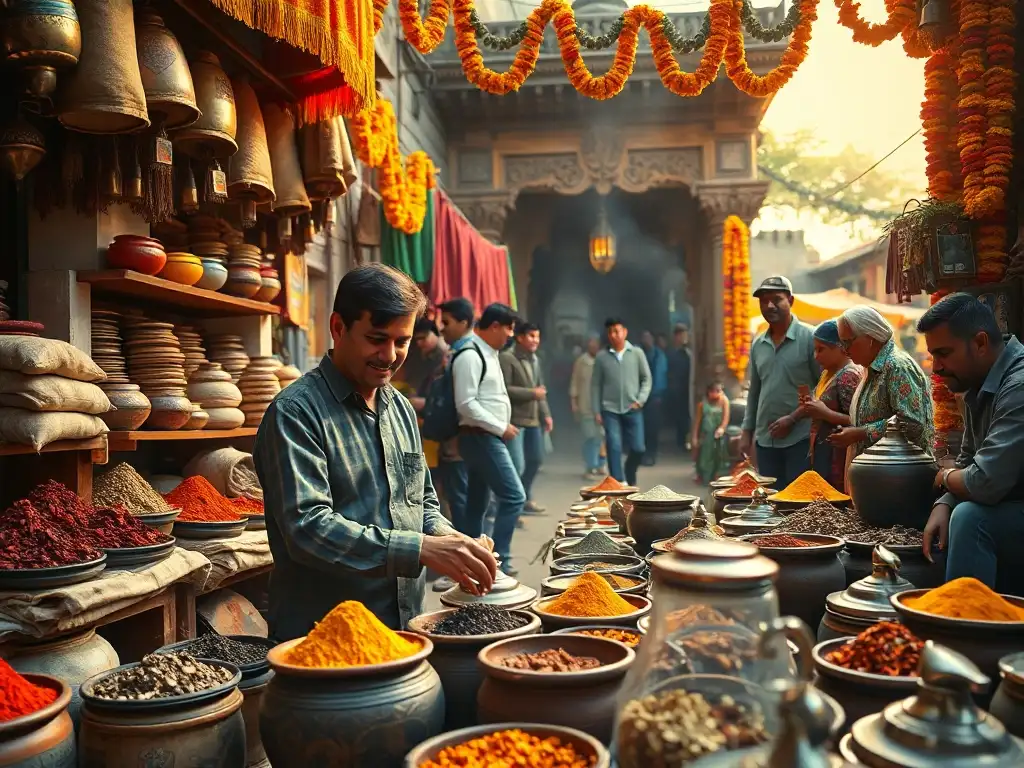
India's culinary landscape is a vibrant tapestry woven from centuries of history, diverse cultures, and rich traditions. Culinary tours in India offer an unparalleled opportunity to explore this intricate mosaic, providing travelers with a sensory experience that goes beyond mere tasting.
From the aromatic spices of the Indus Valley to the sophisticated flavors of the Gupta Empire, the journey through Indian cuisine is as much about culture and heritage as it is about food. In this article, we will delve into the best culinary tours available, guiding you through the flavors, techniques, and stories that define India's multifaceted culinary heritage.
Introduction to Culinary Tours in India
Culinary tours in India are designed for those who seek to immerse themselves in the country's flavorful traditions while experiencing its diverse cultures firsthand. These tours often include:
- Food Tastings: Sample local delicacies, street food, and traditional meals.
- Cooking Classes: Learn from local chefs who share their family recipes and cooking techniques.
- Market Visits: Explore bustling markets to understand the ingredients that inspire Indian cuisine.
- Cultural Interactions: Engage with local communities and discover the historical context of various dishes.
These experiences not only tantalize the taste buds but also deepen the understanding of India's rich cultural heritage, making culinary tours a must for any food enthusiast or culture seeker.
Exploring the Richness of Indian Cuisine
Indian cuisine is renowned for its complex flavors and regional diversity. Each state boasts its own unique culinary traditions, influenced by geography, climate, and history. Here are some key highlights:
- Regional Specialties:
- North India: Known for its rich gravies and tandoori dishes, with staples like butter chicken and naan.
- South India: Famous for its rice dishes, dosas, and sambar, with an emphasis on spices like mustard seeds and curry leaves.
- East India: Renowned for its sweets and seafood, including dishes like macher jhol and rasgulla.
- West India: Features a fusion of flavors, from the spicy curries of Maharashtra to the sweet dishes of Gujarat.
- Spice Blends:
- The art of blending spices is central to Indian cooking. Common spice mixes include:
- Garam Masala: A warming blend of spices, often used in North Indian dishes.
- Sambar Powder: A mix of spices used in South Indian lentil dishes.
- The art of blending spices is central to Indian cooking. Common spice mixes include:
- Culinary Techniques:
- Traditional cooking methods such as slow-cooking, fermenting, and roasting are integral to achieving the unique flavors found in Indian cuisine.
- Cultural Significance:
- Food in India is often tied to festivals, rituals, and family traditions, highlighting the cultural importance of culinary practices.
Through culinary tours in India, travelers can experience the richness of these diverse culinary practices, gaining insights into the cultural significance behind each dish. As you embark on this flavorful journey, prepare to savor the stories and traditions that have shaped Indian cuisine over millennia.
Top Culinary Tours in India: An Overview
Culinary tours in India offer a unique lens through which to explore the country's rich tapestry of culture, history, and tradition. Each region boasts its own distinct flavors, cooking methods, and ingredients, reflecting the diverse cultural influences that have shaped Indian cuisine over the centuries. From the aromatic spices of the south to the rich, creamy dishes of the north, culinary tours provide an immersive experience into India's culinary heritage.
These tours often include hands-on cooking classes, market visits, and tastings, allowing participants to engage directly with local chefs and artisans. Travelers can expect to not only savor exquisite dishes but also learn about the historical and cultural significance of the ingredients and cooking techniques. Whether it's a street food tour in Delhi or a royal feast in Rajasthan, culinary tours in India promise to tantalize the taste buds while enriching the mind with stories of the past.
1. Rajasthan Culinary Tours: A Taste of Royalty
Rajasthan, known for its vibrant culture and majestic palaces, is also a treasure trove of culinary delights. The state's cuisine is a reflection of its royal heritage, with dishes that are not only delicious but also steeped in history. From the spicy curries of Jaipur to the rich sweets of Jodhpur, a culinary tour in Rajasthan is an exploration of flavors that have been crafted over generations.
Visitors can expect to indulge in a variety of traditional dishes like dal baati churma, gatte ki sabzi, and ker sangri, each with its unique preparation method and accompanying stories. The use of local ingredients such as lentils, chickpeas, and various spices creates a distinctive taste profile that is both hearty and aromatic. Moreover, many culinary tours incorporate visits to historical sites, allowing participants to experience the grandeur of Rajasthan while enjoying its delectable cuisine.
Features of Rajasthan Culinary Tours
Rajasthan culinary tours come packed with exciting features that enhance the travel experience. Here are some highlights:
- Cooking Classes: Engage in interactive cooking sessions with local chefs, learning the secrets behind traditional Rajasthani recipes.
- Market Tours: Explore bustling local markets, discovering fresh spices, vegetables, and regional specialties that form the backbone of Rajasthani cuisine.
- Cultural Experiences: Enjoy traditional music and dance performances while dining, immersing yourself in the rich cultural heritage of the region.
- Royal Dining Experiences: Dine in heritage hotels and palaces, experiencing the grandeur of royal feasts that once graced the tables of kings and queens.
- Food Tastings: Sample a variety of local dishes in different locations, from street stalls to upscale restaurants, providing a comprehensive culinary experience.
Recommended Tours
Here are some highly recommended culinary tours in Rajasthan that promise a memorable experience:
- Jaipur Culinary Adventure
- Explore the Pink City with guided tours to local markets and cooking classes focusing on traditional Rajasthani dishes. Enjoy a royal dinner at a heritage hotel.
- Jodhpur Food and Culture Tour
- Discover the Blue City by indulging in street food tastings and cooking workshops. This tour includes visits to historical landmarks, enhancing the cultural journey.
- Udaipur Culinary Retreat
- Participate in a culinary workshop followed by a boat ride on Lake Pichola. This tour combines cooking with stunning views of the city's palaces.
- Rajasthani Food Safari
- A multi-city tour that covers Jaipur, Jodhpur, and Udaipur, offering a variety of culinary experiences, including market visits, cooking sessions, and traditional dining.
- Rajasthan Royal Feast Tour
- Experience a lavish dining experience in a palace setting, complete with traditional Rajasthani music and dance, while enjoying a multi-course meal.
These culinary tours not only provide a taste of Rajasthan's exquisite cuisine but also offer a deeper understanding of the culture and traditions that make this region a culinary paradise.
2. South India Culinary Tours: Flavors of Tradition
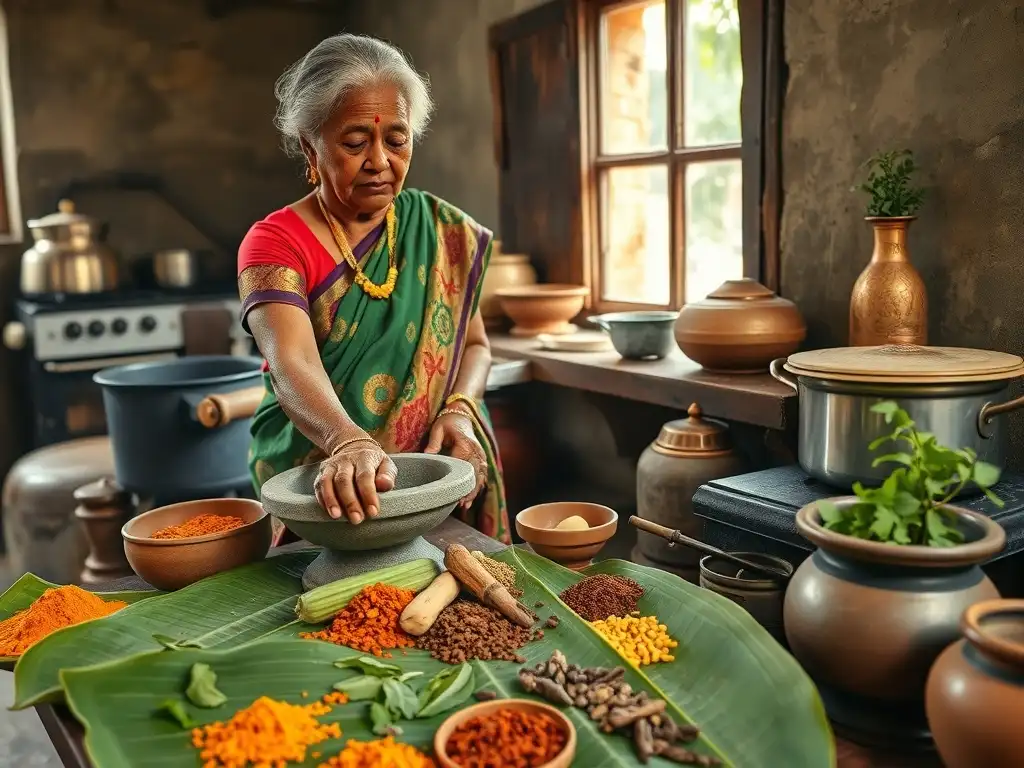
South India is a treasure trove of rich culinary heritage that reflects its diverse cultures and traditions. The cuisine is characterized by its use of rice, lentils, and a variety of spices, often prepared with unique cooking techniques that have been passed down through generations. Culinary tours in South India not only offer a taste of delectable dishes but also provide an immersive experience into the region's vibrant traditions, festivals, and local lifestyles.
The cuisine of South India varies significantly from state to state, with each region showcasing its specialties. For instance, the coastal areas emphasize seafood, while the interior regions are known for their vegetarian dishes. The use of coconut, tamarind, and curry leaves is prevalent, adding distinct flavors to the meals. Additionally, traditional South Indian meals are often served on banana leaves, which enhances the dining experience and reflects the cultural significance of food in daily life.
Unique Aspects of South Indian Cuisine
- Rice as a Staple: Rice is the cornerstone of South Indian meals, often accompanied by various curries, sambar, and rasam. The importance of rice is evident in the numerous dishes prepared, such as idli, dosa, and pongal.
- Spices and Seasoning: South Indian cuisine heavily relies on spices like mustard seeds, fenugreek, and black pepper. The seasoning techniques, including tempering, are crucial in enhancing the flavors of dishes.
- Fermentation Techniques: Many South Indian dishes involve fermentation, particularly in the preparation of idli and dosa batters. This process not only adds a unique taste but also increases the nutritional value of the food.
- Street Food Culture: The vibrant street food scene in South India is a culinary adventure in itself. From crispy vadas to spicy pani puri, each dish tells a story of local flavors and traditions.
- Regional Variations: Each state in South India boasts its culinary identity. For example, Kerala is known for its rich coconut-based dishes, while Tamil Nadu is famous for its spicy curries and rice preparations.
Recommended Tours
- Kerala Backwaters Culinary Tour: Experience the unique flavors of Kerala while cruising through its picturesque backwaters. This tour includes cooking classes with local chefs and visits to spice plantations.
- Tamil Nadu Temple Cuisine Tour: Engage in a culinary exploration of Tamil Nadu's famous temples, where food is not just sustenance but a form of worship. Sample traditional meals and learn about the spiritual significance of each dish.
- Andhra Pradesh Spicy Cuisine Tour: Discover the fiery flavors of Andhra Pradesh with a focus on its famous biryanis and spicy chutneys. Join local families for a home-cooked meal and learn about their cooking traditions.
3. North India Culinary Tours: A Fusion of Flavors
North India is a region where culinary practices have evolved through centuries of cultural interactions. The cuisine here is a delightful fusion of flavors, influenced by Mughal, Punjabi, and regional traditions. Culinary tours in North India provide an opportunity to explore this rich tapestry of tastes, ranging from aromatic curries to delectable sweets.
Dishes like butter chicken, paneer tikka, and biryani are globally recognized, but the true essence of North Indian cuisine lies in its diverse regional specialties. The cooking methods and ingredients vary, reflecting the local climate, agriculture, and cultural influences. Meals are typically hearty and rich, often accompanied by a variety of breads such as naan, roti, and paratha.
Highlights of North Indian Cuisine
- Mughlai Influence: The Mughal era has left an indelible mark on North Indian cuisine. Dishes like kebabs and rich curries exemplify the use of cream, nuts, and spices that characterize Mughlai cooking.
- Street Food Delights: North India is famed for its vibrant street food culture, with items like chaat, golgappa, and pav bhaji drawing locals and tourists alike. The bustling street stalls offer a taste of the region's culinary diversity.
- Festive Feasts: Celebrations in North India often revolve around elaborate feasts. Festivals like Diwali and Eid feature special dishes that highlight the region's culinary heritage.
- Dairy Products: The use of dairy in North Indian cuisine is significant, with ingredients like paneer, ghee, and yogurt enhancing the richness of many dishes.
- Seasonal Ingredients: North Indian cuisine prominently features seasonal ingredients. The use of fresh vegetables and spices ensures that dishes are not only flavorful but also nutritious.
Recommended Tours
- Delhi Street Food Tour: Dive into the bustling streets of Delhi and savor iconic street foods. This tour includes visits to famous eateries and local markets, providing an authentic culinary experience.
- Punjab Culinary Heritage Tour: Explore the heart of Punjabi cuisine with this tour that highlights traditional cooking methods, farm-fresh ingredients, and hearty meals served in local homes.
- Uttar Pradesh Awadhi Cuisine Tour: Discover the royal flavors of Awadhi cuisine, known for its slow-cooked dishes and kebabs. Participate in cooking workshops and enjoy meals in historical settings, reflecting the region's grandeur.
4. East India Culinary Tours: A Culinary Adventure
East India, encompassing states like West Bengal, Odisha, and Assam, offers a culinary landscape that is both diverse and rich in flavors. The region is renowned for its unique ingredients, cooking techniques, and the blend of cultural influences that shape its cuisine. A culinary tour in East India promises not only a delightful gastronomic experience but also an opportunity to explore the vibrant local culture and traditions that define the region.
The cuisine here is characterized by its emphasis on rice as a staple, complemented by a variety of fish, lentils, and vegetables. Sweets such as rasgulla and sandesh are also significant, showcasing the region's love for desserts. Culinary tours often include visits to local markets, where spices and fresh produce are abundant, allowing tourists to engage in cooking classes that highlight traditional recipes passed down through generations.
Distinctive Features of East Indian Cuisine
East Indian cuisine stands out for several reasons:
- Rice-Centric Dishes: Rice is the cornerstone of meals, often served with an array of fish and vegetable preparations.
- Fish and Seafood: Given its proximity to the Bay of Bengal, East India boasts a rich variety of seafood, with hilsa and prawns being particularly popular.
- Traditional Sweets: The region is famous for its sweets, especially those made from milk, such as rasgulla and mishti doi.
- Spices and Mustard Oil: Mustard oil is a signature ingredient, lending a distinctive flavor to many dishes. Additionally, spices like cumin, turmeric, and fennel are frequently used.
- Cultural Fusion: East Indian cuisine reflects a blend of indigenous practices and influences from various cultures, including Mughal and colonial influences.
Recommended Tours
- Bengal Culinary Tour: This tour includes a culinary workshop in Kolkata, where participants learn to make traditional Bengali dishes, followed by a guided food walk through the city’s iconic markets.
- Odisha Food Trail: Experience the unique flavors of Odisha with tours that focus on local delicacies such as pakhala and dalma, paired with visits to cultural sites like the Konark Sun Temple.
- Assam Tea and Cuisine Tour: Explore the tea gardens of Assam while enjoying local dishes like khar and masor tenga, along with tea tasting sessions to understand the nuances of Assamese tea.
5. West India Culinary Tours: A Spicy Affair
West India encompasses states like Maharashtra, Gujarat, and Goa, each boasting its own unique culinary heritage. This region is known for its bold flavors, vibrant spices, and a wide range of street foods that reflect its diverse cultural influences. Culinary tours here are an immersive experience, allowing travelers to indulge in the rich tapestry of flavors that define West Indian cuisine.
The culinary landscape of West India is characterized by its use of spices like cumin, coriander, and garam masala, along with ingredients such as coconut and peanuts. From the seafood delicacies of Goa to the vegetarian delights of Gujarat, the region offers a feast for the senses. Culinary tours often include cooking classes, market visits, and tastings of traditional dishes, providing a comprehensive insight into the local food culture.
Unique Characteristics of West Indian Cuisine
West Indian cuisine is distinguished by several key features:
- Spicy Flavors: Known for its bold and spicy flavors, West Indian dishes often include a mix of spices and chili peppers.
- Diverse Ingredients: The use of coconut, peanuts, and legumes is prevalent, with each state showcasing its own local ingredients.
- Seafood Specialties: Particularly in coastal regions like Goa, seafood is a staple, with dishes such as vindaloo and fish curry being widely enjoyed.
- Vegetarian Delicacies: Gujarat is famous for its vegetarian cuisine, featuring dishes like dhokla and thalipeeth that are both flavorful and nutritious.
- Street Food Culture: West India has a vibrant street food scene, with snacks like vada pav and pav bhaji that are beloved by locals and tourists alike.
Recommended Tours
- Goa Culinary Experience: This tour includes cooking classes focused on traditional Goan dishes, along with visits to local spice plantations and markets.
- Maharashtra Food Journey: Explore the diverse cuisine of Maharashtra with a tour that features street food tastings in Mumbai and cooking workshops highlighting regional specialties.
- Gujarat Culinary Odyssey: Engage in a culinary journey through Gujarat, where you can learn to prepare traditional dishes and enjoy a thali experience, showcasing the best of Gujarati cuisine.
Tips for Choosing the Best Culinary Tour
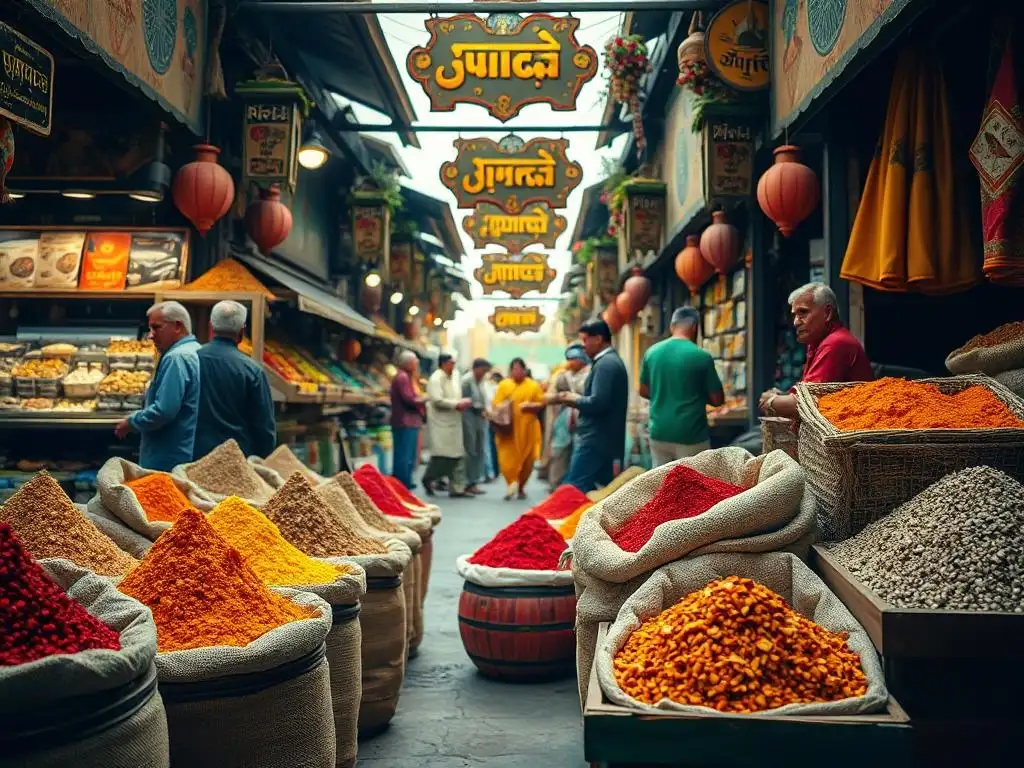
When selecting the ideal culinary tour in India, it’s essential to consider a few key factors that can enhance your experience and ensure you gain a comprehensive understanding of the local culture through its cuisine. Here are some valuable tips to help you make the best choice:
- Research the Tour Operator: Look for tour operators with a strong reputation and positive reviews. This can often be done through travel forums and social media platforms. Check for their expertise in culinary tourism and their connections with local chefs and markets.
- Focus on Authentic Experiences: Choose tours that promise authentic culinary experiences. This might include cooking classes in local homes, visits to traditional markets, or dining in family-run restaurants. Authenticity will allow you to connect more deeply with the local culture.
- Check the Itinerary: Thoroughly review the itinerary of the culinary tour. Ensure that it includes a variety of activities such as cooking demonstrations, tastings, and cultural excursions. A well-rounded itinerary often provides a deeper insight into the region’s culinary heritage.
- Consider Dietary Preferences: If you have specific dietary needs or preferences, look for tours that can accommodate them. Many operators are flexible and can tailor experiences to suit vegetarian, vegan, gluten-free, or other dietary requirements.
- Group Size Matters: Smaller group tours often provide a more intimate experience, allowing for better interaction with the chef and local community. Look for tours that limit the number of participants to enhance your personal experience.
- Ask About Local Connections: Culinary tours with established local connections can provide unique insights and experiences that aren't available to the average tourist. Inquire about partnerships with local chefs, markets, and communities.
- Read Reviews and Testimonials: Reviews from previous participants can offer a wealth of information about what to expect. Look for testimonials that highlight not only the food experiences but also the cultural interactions and overall enjoyment.
By following these tips, you can select a culinary tour that not only tantalizes your taste buds but also enriches your understanding of India's diverse cultural landscape.
Conclusion: The Impact of Culinary Tours on Cultural Understanding
Culinary tours in India serve as a vital bridge connecting travelers to the rich tapestry of Indian culture. Through these tours, participants are offered unique opportunities to explore regional cuisines that reflect historical influences, local ingredients, and traditional cooking techniques. Engaging directly with local chefs and home cooks fosters a deeper appreciation for the culinary arts and the stories behind each dish.
Moreover, culinary tours allow travelers to experience cultural practices tied to food, such as communal meals, festive celebrations, and the rituals surrounding food preparation. This not only enhances the understanding of Indian culinary heritage but also promotes cultural exchange and dialogue.
Participating in a culinary tour can lead to lasting memories and newfound friendships, creating a sense of community among participants and locals alike. This exchange of knowledge and experience contributes to greater cultural understanding, breaking down barriers and fostering respect for diverse traditions.
In essence, culinary tours in India offer more than just a gastronomic adventure; they provide a holistic cultural experience that enriches the mind and nourishes the soul.
Call to Action
Ready to embark on a culinary adventure that tantalizes your taste buds while deepening your cultural understanding? Explore our curated list of the best culinary tours in India! Whether you're a food enthusiast or simply looking to enhance your travel experience, these tours will immerse you in the vibrant flavors and traditions of India's diverse culinary landscape.
Don’t miss out! Book your culinary tour today and discover the rich heritage of Indian cuisine! 🍽️✨
- Introduction to Culinary Tours in India
- Exploring the Richness of Indian Cuisine
- Top Culinary Tours in India: An Overview
- 1. Rajasthan Culinary Tours: A Taste of Royalty
- 2. South India Culinary Tours: Flavors of Tradition
- 3. North India Culinary Tours: A Fusion of Flavors
- 4. East India Culinary Tours: A Culinary Adventure
- 5. West India Culinary Tours: A Spicy Affair
- Tips for Choosing the Best Culinary Tour
- Conclusion: The Impact of Culinary Tours on Cultural Understanding
- Call to Action
Frequently Asked Questions
What are some popular culinary tours in India?
Popular culinary tours include food walks in Delhi, cooking classes in Jaipur, and street food tours in Mumbai, allowing participants to experience the rich cultural heritage through local cuisine.
How do culinary tours enhance the understanding of Indian culture?
Culinary tours provide a hands-on experience with traditional cooking techniques, local ingredients, and regional recipes, deepening the understanding of India's diverse cultural traditions.
Are culinary tours suitable for beginners in cooking?
Yes, many culinary tours cater to all skill levels, offering classes and experiences designed for beginners. Participants can learn about spices and techniques at their own pace.
What can one expect to learn on a culinary tour in India?
Participants can expect to learn about regional cuisines, cooking methods, the significance of spices, and how food connects to various cultural practices and festivals in India.
How do culinary tours support local communities?
Culinary tours often collaborate with local chefs and artisans, thereby promoting sustainable tourism and supporting local economies by providing income to small businesses and preserving traditional practices.
Final Reflection: The Flavor of Culture in Culinary Tours
Culinary tours in India offer a unique lens through which we can explore the vibrant tapestry of its diverse cultures. In a world increasingly driven by globalization, these tours serve as a vital reminder of the importance of local traditions and flavors. They not only tantalize our taste buds but also enrich our understanding of the cultural narratives that shape the very essence of Indian society. The experience of savoring authentic regional dishes is not just about food; it is about connecting with the heart and soul of a community.
Culinary experiences have the power to transcend borders and foster a deeper appreciation for cultural diversity. As we embark on these gastronomic journeys, we find ourselves immersed in the stories of the people, their histories, and their customs. The act of sharing a meal becomes a bridge that connects us to the past and to one another. Food is the ingredient that binds us together.
This quote encapsulates the essence of culinary tours, highlighting how food can unite us in our shared humanity, regardless of our backgrounds.
As you reflect on the insights gained from exploring culinary tours in India, consider how you can incorporate these lessons into your own life. Embrace the flavors of your surroundings, seek out local culinary experiences, and engage with the stories behind the food you consume. By doing so, you not only enrich your own life but also contribute to the preservation of cultural heritage. Let the spices of India inspire you to explore the world through its culinary offerings, fostering a deeper connection to the cultures that shape our global community.
Embark on Your Culinary Adventure Today!
Thank you for exploring the world of spices and culture with us! We hope you’ve uncovered the rich tapestry of culinary experiences just waiting for you to dive in. Now, it’s time to take that knowledge and transform it into action!
Here are a few exciting steps you can take to bring culinary discovery into your life:
- Book a culinary tour right away to savor authentic flavors and learn from local chefs about the art of spice blending.
- Share your foodie experiences on social media or with friends—who knows, you might inspire someone else to join this delicious journey!
- Explore local cooking classes where you can learn to prepare traditional dishes or even experiment with spice blending techniques.
What culinary destination would you explore first to fully immerse yourself in the local culture?