
The Use of Organic Fertilizers in Ancient Indian Agriculture: A Green Legacy


Welcome to Ancient India History, where we embark on an enlightening journey through the vibrant tapestry of India's past. In this exploration, we delve into the fascinating use of organic fertilizers in ancient Indian agriculture, uncovering the innovative practices that shaped the agricultural landscape and contributed to sustainable farming long before the modern era. What secrets did our ancestors hold about nurturing the earth?
Join us as we unravel the green legacy of ancient civilizations and discover how their wisdom continues to influence our approach to agriculture today. Dive deeper into this captivating topic and let the stories of ancient ingenuity inspire your understanding of history!
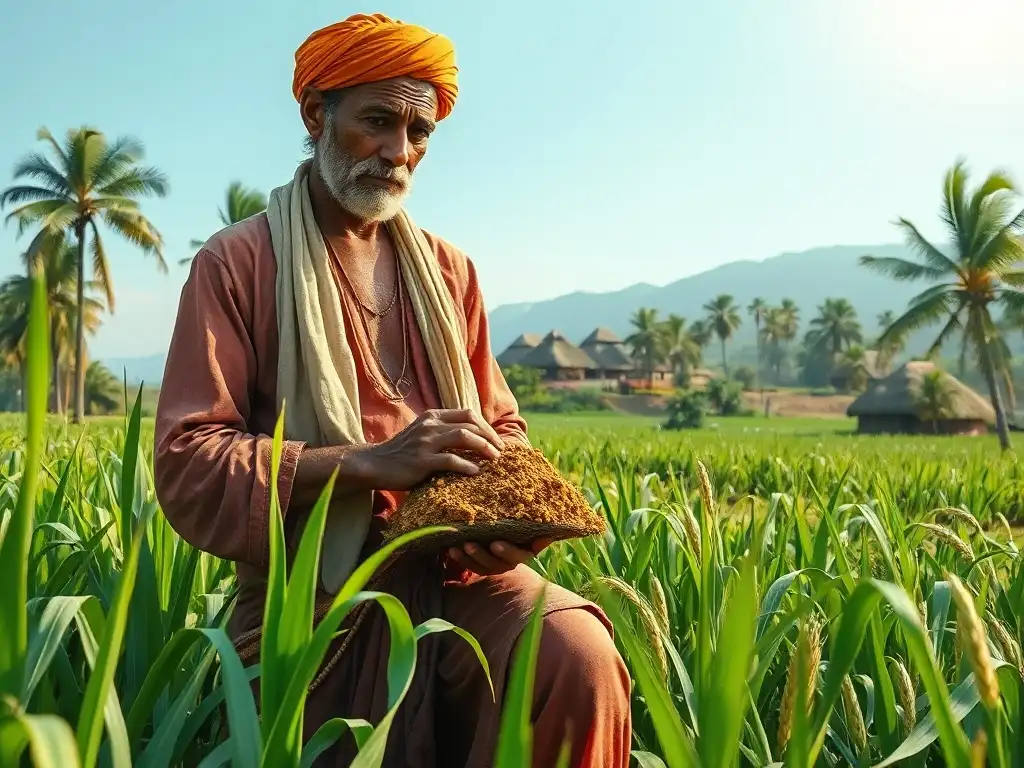
Introduction to Organic Fertilizers in Ancient India
The use of organic fertilizers in ancient India represents a significant aspect of agricultural practices that have shaped the region's sustainability and productivity for millennia. Understanding the methods and materials employed by ancient Indian farmers not only highlights their advanced agricultural knowledge but also underscores a profound connection to the environment.
Organic fertilizers, derived from natural sources like animal dung, compost, and plant residues, were integral to maintaining soil fertility, supporting crop growth, and ensuring a stable food supply. This article will explore the rich legacy of organic fertilizers in ancient Indian agriculture, offering insights into the practices that laid the foundation for modern sustainable farming techniques.
Definition and Importance of Organic Fertilizers
Organic fertilizers can be defined as naturally occurring substances that enhance soil fertility and promote plant growth without the use of synthetic chemicals. These fertilizers typically include:
- Animal Manure: A rich source of nutrients like nitrogen, phosphorus, and potassium.
- Compost: Decomposed organic matter that improves soil structure and nutrient availability.
- Green Manures: Cover crops that are plowed into the soil to enrich it with organic matter.
The importance of organic fertilizers in ancient India cannot be overstated. They played a crucial role in:
- Enhancing Soil Fertility: Organic fertilizers naturally replenish nutrients in the soil, leading to healthier crops.
- Sustaining Ecosystems: By avoiding synthetic chemicals, ancient farmers protected biodiversity and maintained ecological balance.
- Promoting Sustainable Practices: The utilization of organic resources reflects a deep understanding of sustainable farming that resonates with contemporary agricultural practices.
Overview of Ancient Indian Agriculture Practices
Ancient Indian agriculture was characterized by a variety of sophisticated practices tailored to the diverse climatic and geographical conditions across the subcontinent. Farmers employed techniques such as crop rotation, intercropping, and the use of organic fertilizers to maximize yields. The cultivation of staple crops like rice, wheat, and pulses was common, and the integration of organic material into these practices facilitated the longevity of soil health. Moreover, ancient texts, including the Vedas and various agricultural treatises, provide evidence of the advanced understanding that farmers had regarding soil management and fertility enhancement.
Historical Context of Agriculture in Ancient India
The agricultural practices in ancient India evolved significantly over time, influenced by various civilizations and socio-economic changes. Each period contributed unique innovations and techniques that shaped the agricultural landscape of the region.
Agricultural Practices in the Indus Valley Civilization
The Indus Valley Civilization (c. 3300–1300 BCE) is one of the earliest urban cultures in the world, showcasing remarkable agricultural advancements. Farmers in this civilization practiced:
- Irrigation Techniques: Utilization of canals and wells to manage water supply for crops.
- Crop Diversity: Cultivation of a variety of crops, including wheat, barley, and cotton.
- Use of Organic Fertilizers: Evidence suggests that farmers used animal dung and compost to enrich their fields, demonstrating an early understanding of soil fertility.
These practices laid the groundwork for subsequent agricultural developments in ancient India.
Innovations in Farming Techniques during the Vedic Period
The Vedic Period (c. 1500–500 BCE) saw further innovations in agricultural practices. Key advancements included:
- Systematic Crop Rotation: Farmers rotated different crops to maintain soil nutrients and prevent pest infestations.
- Introduction of New Crops: Crops like rice and various legumes were introduced and integrated into the agricultural system.
- Enhanced Use of Organic Matter: The importance of using farmyard manure and plant residues became more pronounced, contributing to soil health.
These innovations reflected an evolving understanding of the relationship between soil, crops, and sustainable farming practices.
Contributions of the Maurya and Gupta Empires to Agriculture
The Maurya (c. 322–185 BCE) and Gupta (c. 240–550 CE) Empires marked significant periods of agricultural development in ancient India. Notable contributions included:
- Agricultural Manuals: Texts like "Krishi Sutra" provided guidelines on farming techniques, crop management, and the use of organic fertilizers.
- State Support for Agriculture: Both empires promoted agricultural production through policies that encouraged the use of organic inputs and improved irrigation systems.
- Trade in Agricultural Products: The expansion of trade during these empires facilitated the exchange of agricultural knowledge and techniques, further promoting sustainable practices.
These contributions not only enhanced agricultural productivity but also established a legacy of organic farming that continues to influence modern agricultural practices in India.
Types of Organic Fertilizers Used in Ancient India
In ancient India, agriculture thrived due to the innovative use of organic fertilizers, which played a crucial role in enhancing soil fertility and crop productivity. The farmers of this era utilized various types of organic materials, each contributing to the health of the soil and the success of their agricultural practices. The primary categories of organic fertilizers included animal manure, plant-based fertilizers, and natural amendments. Each of these categories had its unique advantages and applications, showcasing the ancient Indian understanding of sustainable farming.
Animal Manure as a Key Resource
Animal manure was one of the most significant organic fertilizers in ancient Indian agriculture. Farmers often collected dung from cattle, goats, and other livestock, recognizing its rich nutrient content. The nitrogen, phosphorus, and potassium present in manure not only nourished the soil but also improved its structure and water retention capabilities.
Farmers practiced various methods to apply manure, including:
- Direct application: Fresh dung was spread on fields to provide immediate nutrients.
- Composting: Dung was mixed with crop residues and allowed to decompose, creating a nutrient-rich fertilizer that could be applied later.
This practice not only enhanced soil fertility but also contributed to the recycling of waste materials, reflecting an early understanding of ecological balance.
Plant-Based Fertilizers: Green Manuring and Composting
In addition to animal manure, plant-based fertilizers were integral to ancient agricultural practices. Green manuring involved the cultivation of specific crops, such as legumes, which were then plowed back into the soil to enrich it. These crops fixed atmospheric nitrogen, making it available for subsequent crops.
Composting was another vital method where agricultural waste, leaves, and other plant materials were decomposed to create a rich organic matter. This compost was then used to enhance soil fertility, improve moisture retention, and promote microbial activity, which are essential for healthy plant growth.
Use of Natural Amendments: Ash and Bone Meal
Natural amendments, such as ash and bone meal, were also utilized in ancient Indian agriculture. Ash, often derived from the burning of plant materials, was rich in potassium and acted as a natural fertilizer that improved soil pH and nutrient availability.
Bone meal, made from crushed animal bones, provided a slow-release source of phosphorus. Its use was particularly beneficial for root development and flowering in plants. Both of these amendments showcased the ancient farmers' resourcefulness in utilizing available materials to enhance agricultural productivity.
Benefits of Organic Fertilizers in Ancient Indian Agriculture
The use of organic fertilizers in ancient India provided numerous benefits that contributed to the sustainability and productivity of agricultural practices. By prioritizing organic materials, ancient Indian farmers cultivated a resilient agricultural system that thrived over centuries.
Enhancing Soil Fertility and Structure
Organic fertilizers significantly improved soil fertility and structure, creating a balanced environment for crops. The addition of organic matter increased the soil's nutrient-holding capacity, enabling it to retain moisture better and support healthy plant growth. Furthermore, the microbial activity stimulated by organic fertilizers enhanced the breakdown of nutrients, making them more accessible to plants.
Promoting Sustainable Farming Practices
The reliance on organic fertilizers reflected a commitment to sustainable farming practices. By minimizing the use of chemical inputs, ancient Indian agriculture maintained ecological balance and biodiversity. This sustainable approach ensured that the land remained productive over generations, with practices passed down through communities, reinforcing the connection between agriculture and environmental stewardship.
Supporting Crop Diversity and Nutrition
Organic fertilizers played a crucial role in supporting crop diversity, which was vital for nutritional security in ancient India. By enriching the soil, these fertilizers allowed for a variety of crops to flourish, including pulses, grains, and vegetables, each contributing to a balanced diet. The diverse agricultural output not only improved food security but also promoted resilience against pests and diseases, further highlighting the importance of organic fertilizers in ancient agricultural systems.
The Role of Organic Fertilizers in Ancient Indian Society

In ancient India, organic fertilizers played a pivotal role not only in enhancing agricultural productivity but also in shaping the societal and cultural frameworks of the time. The use of organic materials such as animal manure, compost, and green manure was deeply intertwined with the agrarian lifestyle, reflecting a sustainable approach to farming that promoted soil health and crop yield. These practices were rooted in the understanding of natural cycles and the importance of maintaining ecological balance, which was crucial for the subsistence of communities.
Farmers in ancient India recognized the significance of organic fertilizers in improving soil fertility. They utilized locally available resources, such as cow dung and plant residues, to enrich their fields. This not only led to improved crop production but also established a culture of stewardship towards the land. The reliance on organic inputs fostered a sense of community, as farmers often shared resources and knowledge, highlighting the interconnectedness of agricultural practices and social bonds.
Economic Impact on Agricultural Productivity
The economic impact of organic fertilizers in ancient India was substantial, contributing to increased agricultural productivity and food security. The application of organic matter enhanced soil structure, moisture retention, and nutrient availability, leading to higher yields of staple crops like rice, wheat, and millet. This productivity surge allowed ancient Indian societies to support larger populations, enabling the development of urban centers and complex economies.
Moreover, the surplus production generated by the use of organic fertilizers facilitated trade and commerce. Local markets thrived as farmers exchanged their goods, and this economic dynamism was crucial for the prosperity of ancient civilizations. The agricultural abundance also allowed for the specialization of labor, as not everyone needed to be involved in food production, paving the way for cultural and technological advancements.
Influence on Social Structures and Community Life
The use of organic fertilizers influenced the social structures and community life in ancient India significantly. As agriculture became more productive, it led to the establishment of more stable communities. This stability encouraged the formation of social hierarchies based on land ownership and agricultural expertise, impacting the socio-economic landscape.
Communal farming practices emerged, where groups of farmers would collaborate to manage irrigation and share organic resources. Such cooperation fostered a sense of unity and interdependence among community members, reinforcing social ties. Festivals and rituals often revolved around planting and harvest cycles, reflecting the cultural significance of agriculture bolstered by organic practices. This connection to the earth and the rhythm of agricultural life became ingrained in the cultural identity of various communities across ancient India.
Preservation of Traditional Knowledge and Practices
The effective use of organic fertilizers in ancient Indian agriculture led to the preservation of traditional knowledge and practices passed down through generations. Farmers developed a deep understanding of local ecologies, recognizing which organic materials were most beneficial for specific crops and soil types. This empirical knowledge was not merely anecdotal; it was grounded in years of observation and experience.
Oral traditions played a crucial role in the transmission of these agricultural techniques. Elders in communities would educate younger generations about the importance of organic fertilizers, teaching them the methods of composting, crop rotation, and the use of cover crops. This preservation of knowledge ensured that sustainable practices were maintained even as societies evolved, laying the groundwork for future agricultural innovations.
Transition to Modern Organic Practices
The transition to modern organic practices is often seen as a revival of ancient agricultural wisdom. The principles that governed the use of organic fertilizers in ancient India resonate with contemporary organic farming methods, which emphasize sustainability and ecological balance. Modern organic agriculture seeks to replicate the natural systems that ancient farmers intuitively understood, advocating for the use of compost, natural pest control, and crop diversity.
This transition is not only about adopting ancient methods but also about integrating them with modern scientific insights. Research on soil health and nutrient cycles has validated many traditional practices, encouraging farmers to embrace organic fertilizers as a viable alternative to synthetic inputs. The growing awareness of environmental issues has further propelled this shift, as more people seek sustainable and eco-friendly farming solutions.
Lessons from Ancient Indian Agriculture for Today
There are invaluable lessons to be learned from ancient Indian agriculture that can inform current practices. The emphasis on organic fertilizers highlights the importance of soil health and the role of biodiversity in agricultural systems. By observing ancient methods, modern farmers can adopt strategies that enhance resilience against pests and climate variability.
Additionally, the communal aspect of ancient agriculture serves as a reminder of the benefits of cooperative farming. Modern agricultural challenges, such as resource scarcity and market fluctuations, can be mitigated through collaboration among farmers, echoing the cooperative spirit of ancient communities. The integration of traditional knowledge with contemporary practices can lead to more sustainable agricultural systems that honor the past while addressing the needs of the future.
Reviving Traditional Methods in Contemporary Farming
Reviving traditional methods in contemporary farming involves not only a return to organic fertilizers but also a broader appreciation for the practices and philosophies that underpin them. Initiatives aimed at educating farmers about sustainable practices often draw from ancient wisdom, promoting techniques like crop rotation, intercropping, and the use of green manures.
Organizations and movements focused on organic farming are increasingly recognizing the importance of integrating traditional knowledge into modern practices. Workshops, training programs, and community engagement efforts are helping to bridge the gap between ancient and contemporary methods, empowering farmers to adopt sustainable practices that enhance productivity and environmental health.
The revival of these traditional methods not only supports agricultural sustainability but also contributes to the preservation of cultural heritage. By valuing and implementing the organic practices of ancient India, contemporary farming can foster a deeper connection to the land and promote a sustainable future for generations to come.
Conclusion: A Green Legacy of Organic Fertilizers
The legacy of organic fertilizers in ancient India is a testament to the ingenuity and sustainability of ancient agricultural practices. By utilizing natural materials such as animal manure, compost, and plant residues, ancient Indian farmers not only optimized soil fertility but also maintained ecological balance. This approach reflects a deep understanding of the interdependence between agriculture and nature. The methods employed during this period laid the groundwork for modern sustainable farming practices, demonstrating that the principles of organic agriculture are not merely a contemporary trend but have roots in ancient traditions.
Moreover, the use of organic fertilizers was not just about enhancing crop yield; it was also about promoting biodiversity. By enriching the soil with organic matter, farmers cultivated a thriving ecosystem that supported various plant and animal species. This holistic approach to farming underscores the importance of organic fertilizers as a cornerstone of agricultural sustainability, which is increasingly relevant in today's context of environmental challenges and the need for sustainable food production.
Summary of Key Points on Organic Fertilizers in Ancient India
- Historical Practices: Ancient Indian agriculture heavily relied on organic fertilizers derived from plant and animal sources, including cow dung, compost, and green manures.
- Soil Health: These organic materials were crucial for improving soil structure, enhancing moisture retention, and increasing nutrient availability, leading to healthier crops.
- Cultural Significance: The use of organic fertilizers was intertwined with cultural practices and rituals, reflecting the reverence for nature and the understanding of its cycles.
- Diversity of Inputs: Farmers employed a variety of organic inputs tailored to regional conditions, showcasing the adaptability and resourcefulness of ancient agricultural communities.
- Sustainable Practices: The methods used by ancient farmers promoted sustainability, as they prevented soil degradation and encouraged the long-term productivity of farmland.
The Lasting Impact of Ancient Practices on Sustainable Agriculture Today
The agricultural practices of ancient India, particularly the use of organic fertilizers, have had a profound and lasting impact on our understanding of sustainable agriculture today. As modern agriculture grapples with the challenges of chemical dependency, soil health degradation, and environmental degradation, the principles established by ancient farmers provide invaluable lessons.
- Resurgence of Organic Farming: There is a growing global movement towards organic farming, which echoes the techniques employed by ancient Indian agriculturists. This movement emphasizes the importance of returning to natural inputs to achieve food security and environmental sustainability.
- Biodiversity Conservation: The ancient practices of using organic fertilizers can inform contemporary efforts to enhance biodiversity on farms. By fostering diverse ecosystems, farmers can improve resilience against pests and diseases, reduce dependency on chemical inputs, and enhance overall agricultural productivity.
- Cultural Reconnection: The revival of interest in organic fertilizers also encourages a reconnection with cultural practices and traditional knowledge, highlighting the importance of indigenous wisdom in modern agriculture.
- Policy and Education: Understanding the historical use of organic fertilizers can inform agricultural policies and educational programs aimed at promoting sustainable farming practices among new generations of farmers.
In essence, the green legacy of organic fertilizers in ancient India not only reflects a sophisticated understanding of agricultural science but also serves as a guiding beacon for the sustainable practices of today and tomorrow.
- Introduction to Organic Fertilizers in Ancient India
- Historical Context of Agriculture in Ancient India
- Types of Organic Fertilizers Used in Ancient India
- Benefits of Organic Fertilizers in Ancient Indian Agriculture
- The Role of Organic Fertilizers in Ancient Indian Society
- Transition to Modern Organic Practices
- Conclusion: A Green Legacy of Organic Fertilizers
- What were the primary organic fertilizers used in ancient India?
- How did organic fertilizers impact ancient Indian agriculture?
- Which civilizations in ancient India utilized organic fertilizers?
- What role did organic fertilizers play in the economy of ancient India?
- How does the use of organic fertilizers in ancient India compare to modern practices?
Frequently Asked Questions
What were the primary organic fertilizers used in ancient India?
In ancient India, cow dung, compost, and green manure were the primary sources of organic fertilizers. These materials enriched the soil and promoted sustainable agricultural practices.
How did organic fertilizers impact ancient Indian agriculture?
The use of organic fertilizers significantly improved soil fertility and crop yields, leading to enhanced agricultural productivity and sustainability in ancient Indian civilizations.
Which civilizations in ancient India utilized organic fertilizers?
Civilizations such as the Indus Valley and various Mauryan and Gupta empires utilized organic fertilizers, showcasing advanced agricultural techniques that supported their thriving societies.
What role did organic fertilizers play in the economy of ancient India?
Organic fertilizers contributed to a stable food supply, which was crucial for trade and economic prosperity in ancient India, allowing for the growth of cities and the development of a rich cultural heritage.
How does the use of organic fertilizers in ancient India compare to modern practices?
Ancient Indian practices of using organic fertilizers laid the foundation for modern sustainable agriculture, emphasizing the importance of natural soil amendments in promoting ecological balance and food security.
Final Reflection: Embracing Our Green Legacy in Agriculture
The exploration of organic fertilizers in ancient India reveals a profound connection between sustainable practices and the health of our ecosystems today. As we face the pressing challenges of climate change and soil degradation, the wisdom of our ancestors serves as a guiding light, reminding us that nature has always provided us with the tools necessary for sustainable agriculture. The legacy of organic fertilizers in ancient India is not just a historical account; it is a call to action for modern agricultural practices that prioritize the health of our planet.
Cultural and social landscapes are continuously shaped by the practices we choose to adopt in agriculture. The use of organic fertilizers in ancient India not only nourished the soil but also fostered a deep respect for nature, a value that is increasingly relevant in our contemporary world. As we witness the rise of industrial farming and its detrimental effects on the environment, we must remember the words of Mahatma Gandhi: The earth provides enough to satisfy every man's needs, but not every man's greed.
This quote encapsulates the essence of sustainable practices, urging us to reflect on our choices and their impact on future generations.
As we conclude this journey through the rich history of organic fertilizers in ancient India, I invite you to reflect on how these lessons can be applied in your own life. Consider how you can incorporate sustainable practices into your daily routine, whether through gardening, supporting local farmers, or advocating for eco-friendly policies. By embracing the wisdom of the past, we can cultivate a greener future, ensuring that the legacy of organic fertilizers continues to thrive for generations to come.
Unleash the Green Legacy of Ancient Wisdom!
Thank you for taking the time to explore the profound impact of organic fertilizers in ancient Indian agriculture. You've uncovered the secrets to sustainable farming practices that have stood the test of time. Now, it’s your turn to connect with this green legacy and make a difference!
Here are some practical steps you can take:
- Start an organic garden at home using techniques inspired by ancient practices. Even a small herb garden can be a meaningful beginning!
- Share your journey on social media to inspire others—connect with friends or local farming groups who may be interested in sustainable practices.
- Research and attend local organic farming workshops to deepen your understanding and skills. You may discover a vibrant community of like-minded enthusiasts!
What ancient agricultural practice will you adopt today to contribute to a greener future?