
Understanding the Role of Patronage in the Flourishing of Sangam Literature


Welcome to Ancient India History, where we embark on a mesmerizing journey through time to uncover the rich tapestry of civilizations that shaped the Indian subcontinent. In this exploration, we delve deep into the intriguing world of Sangam literature, a remarkable reflection of ancient Tamil culture that flourished under the auspices of powerful patrons.
Discover how the dynamics of patronage not only fueled the creativity of poets and scholars but also left an indelible mark on the cultural legacy of India. Join us as we unravel the fascinating connections between art, literature, and the influential figures who championed them—your adventure into the realms of history and literature begins here!
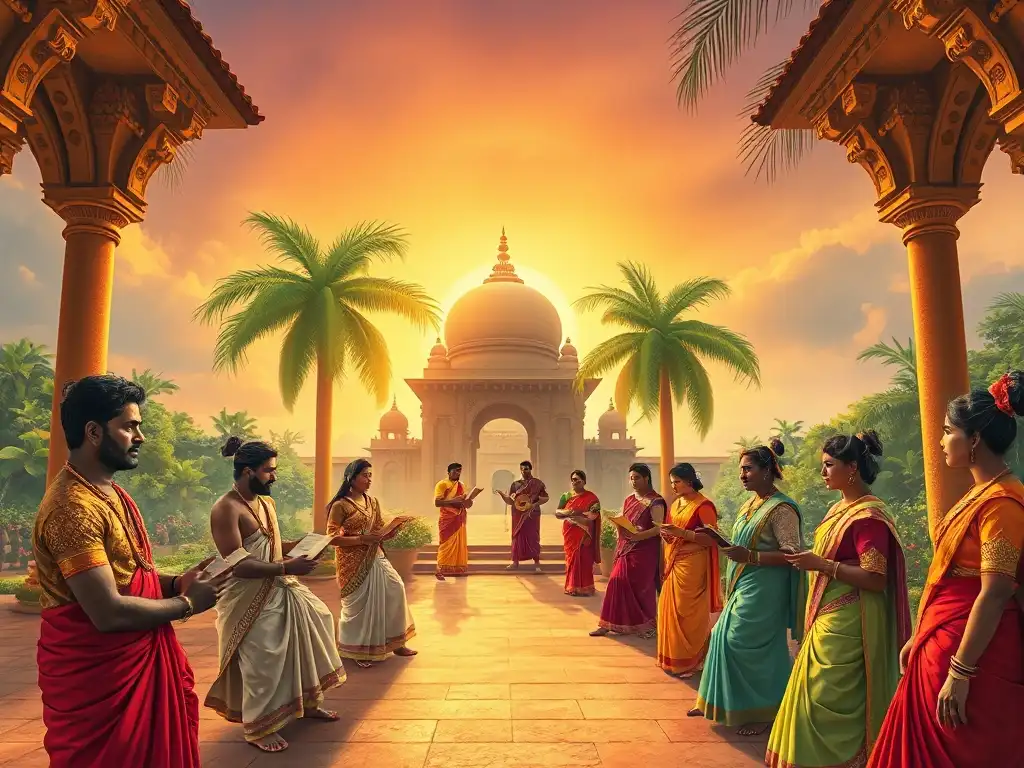
Sangam literature, a treasure trove of poetic works from ancient Tamil Nadu, serves as a vivid reflection of the societal values, cultural practices, and linguistic prowess of its time. This literature, flourishing between approximately 300 BCE and 300 CE, is not merely a collection of poems; it is a testament to the intricate relationship between authors, their patrons, and the socio-political environment in which they thrived.
Understanding the patronage behind Sangam literature is crucial, as it reveals how the support of kings, chieftains, and wealthy merchants played a pivotal role in fostering creativity and literary expression. By examining the dynamics of this patronage system, we can appreciate the profound impact it had on the evolution of Tamil literary traditions and its enduring legacy in Indian culture.
Introduction to Sangam Literature
Definition of Sangam Literature
Sangam literature refers to the body of Tamil writings created during the Sangam period, characterized by its poetic form and rich thematic content. Comprising approximately 2,381 poems, this literature is divided into two primary categories: Aham (inner life) and Puram (outer life), reflecting personal feelings and public themes, respectively. The works are attributed to various poets, known as Sangam poets, who often shared their insights into love, valor, nature, and social customs.
Historical Context of Sangam Literature
The Sangam period aligns with significant developments in ancient Tamil society, including the rise of various dynasties such as the Cholas, Pandyas, and Cheras. This era was marked by flourishing trade, cultural exchanges, and the patronage of arts and literature. The socio-political landscape provided a fertile ground for creativity, as poets often sought the favor of rulers to gain recognition and resources, leading to a vibrant literary culture.
Importance of Patronage in Literary Development
Patronage played a crucial role in the growth and sustainability of Sangam literature. Kings and wealthy merchants not only provided financial support but also encouraged poets through gifts, titles, and public recognition. This relationship fostered an environment where literary talents could thrive, resulting in an unparalleled blossoming of poetry and artistic expression. The patronage system shaped the thematic concerns of the literature, as poets often tailored their works to reflect the values and ideals of their sponsors.
The Historical Landscape of Sangam Literature
Overview of the Sangam Period
The Sangam period is often divided into three phases: the early Sangam, the middle Sangam, and the later Sangam, each marked by distinctive literary styles and thematic explorations. This period not only witnessed the emergence of a rich poetic tradition but also the consolidation of Tamil identity, as the literature encapsulated the lived experiences and aspirations of its people.
Major Poets and Their Contributions
Several notable poets emerged during the Sangam period, each contributing uniquely to the literary canon. Among them are:
- Thiruvalluvar: Known for the Tirukkural, which offers ethical and philosophical insights.
- Kapilar: A prominent poet whose works often reflect on love and the human condition.
- Avvaiyar: A female poet celebrated for her wisdom and moral teachings.
These poets not only enriched Tamil literature but also influenced subsequent generations, sustaining the cultural heritage of the region.
Influence of Geography and Culture on Sangam Literature
Geography and cultural contexts significantly influenced the themes and styles of Sangam literature. The diverse landscapes of Tamil Nadu—ranging from coastal regions to mountainous terrains—shaped the poets' imagery and subject matter. Additionally, the interplay of various cultural elements, including religion, social customs, and trade, contributed to the richness of the literary output, allowing for a profound exploration of human emotions and societal norms.
The exploration of patronage within the framework of Sangam literature offers invaluable insights into the historical and cultural dynamics of ancient Tamil society, shedding light on how these factors intertwined to create a flourishing literary tradition.
Patronage in the Development of Sangam Literature
Patronage played a crucial role in the emergence and flourishing of Sangam literature, which is a cornerstone of Tamil literature and culture from ancient India. The dynamic interplay between poets, patrons, and the societal context of the Sangam period (approximately 300 BCE to 300 CE) fostered a vibrant literary tradition. This patronage not only provided financial support but also helped establish a cultural framework that allowed for the experimentation and dissemination of poetic forms, themes, and styles.
The recognition and appreciation of poets by their patrons resulted in the crafting of works that celebrated the patron's virtues, achievements, and the rich cultural heritage of the Tamil land. This symbiotic relationship allowed poets to thrive creatively while securing the legacy of their patrons through immortal verses. Thus, the patronage system was integral in shaping the thematic diversity and artistic richness of Sangam literature.
Definition of Patronage in Ancient India
In the context of ancient India, patronage refers to the support provided by individuals or institutions to artists, scholars, and poets to create, perform, and disseminate their works. This support often took the form of financial backing, land grants, or social recognition. In the Sangam era, patronage was predominantly exercised by kings, chieftains, and affluent merchants who sought to enhance their prestige and legitimacy through the arts.
Patronage was not merely a transaction; it was a relationship grounded in mutual benefit. Patrons gained cultural capital and public admiration, while poets received the resources and encouragement necessary for their artistic endeavors. This relationship was vital for the preservation and proliferation of Tamil literary traditions, ensuring that the voices of poets resonated through time.
Types of Patrons: Kings, Chieftains, and Wealthy Merchants
During the Sangam period, various types of patrons emerged, each contributing uniquely to the development of literature:
- Kings: Often the most powerful patrons, kings supported poets to glorify their reigns and legitimize their authority. They established courts where poets were invited to recite their works. For example, the Pandya and Chola kings are well-known for their patronage of literary arts, fostering an environment where poets could thrive.
- Chieftains: Local chieftains also played a significant role in the literary scene. They commissioned works that reflected regional pride and local mythology. Their patronage often involved direct interactions with poets, creating a more intimate relationship between the artist and the sponsor.
- Wealthy Merchants: As trade flourished, wealthy merchants emerged as patrons of literature. Their support was crucial in urban centers, where they sponsored literary gatherings and competitions. Their contributions helped diversify the themes in Sangam literature, reflecting the changing socio-economic landscape of the time.
Role of Women in Patronage of Sangam Literature
Women played a notable yet often underappreciated role in the patronage of Sangam literature. Although predominantly male-dominated, the literary world of the Sangam period saw instances of women exercising influence as patrons, either as queens or as members of the elite class.
Women in positions of power were known to sponsor poets, contributing to the literary culture by commissioning works that celebrated their lineage or virtues. Additionally, women poets, such as Avvaiyar, emerged within this milieu, highlighting the contributions of female voices to Sangam literature. Their presence and patronage not only enriched the literary landscape but also contributed to the representation of women’s perspectives within the canon.
Mechanisms of Patronage in the Sangam Era
The Relationship Between Poets and Patrons
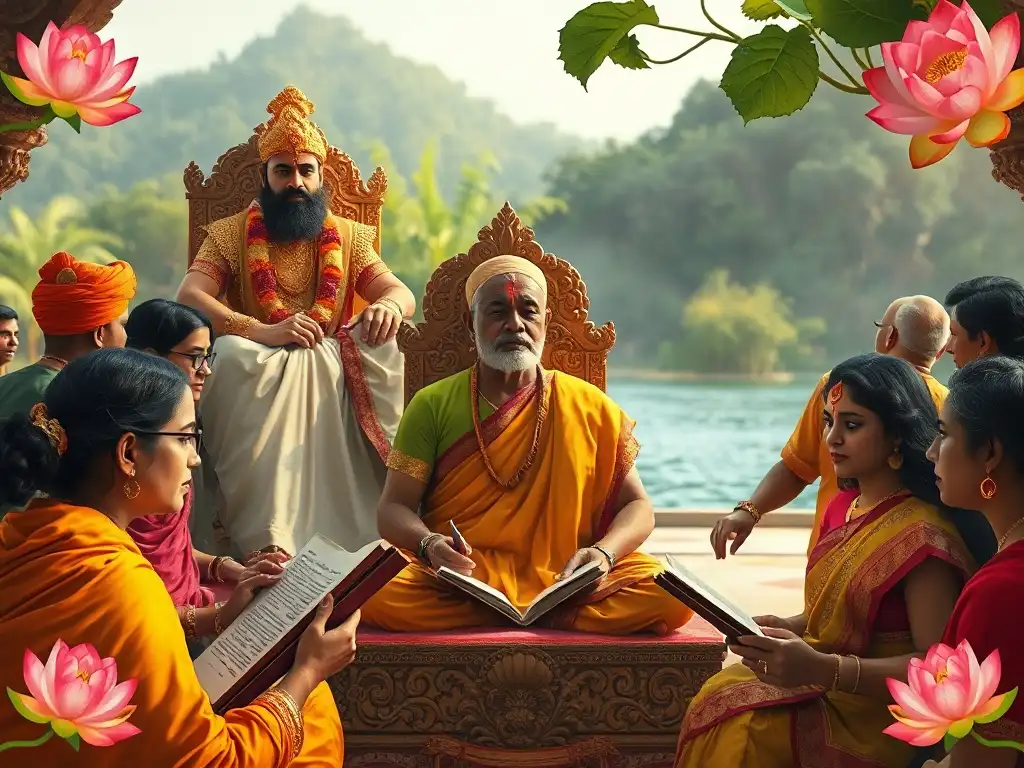
The relationship between poets and patrons during the Sangam era was characterized by a deep mutual respect and interdependence. Poets often dedicated their works directly to their patrons, weaving praise into the fabric of their poetry. This not only served to elevate the status of the patron but also established the poet's reputation within the literary community.
Patrons provided poets with the necessary resources, such as financial support or land, allowing them to focus on their craft. In return, poets contributed to the patron’s legacy through their art, creating a lasting cultural impact that transcended their immediate context. This intricate relationship ensured that both parties benefitted from their collaboration, fostering a flourishing literary tradition.
Public Performances and Literary Gatherings
Public performances and literary gatherings were vital mechanisms of patronage in the Sangam era. These events provided a platform for poets to showcase their work and gain recognition. Patrons often organized such gatherings, inviting notable poets to perform in front of dignitaries and the general public.
These gatherings served multiple purposes: they celebrated the patron’s wealth and influence, entertained the populace, and allowed poets to gain immediate feedback on their work. They also fostered a sense of community among poets and patrons, reinforcing social bonds and cultural identity. Such public displays of talent and patron support played a pivotal role in the dissemination of Sangam literature.
Economic Support: Gifts, Land Grants, and Resources
Economic support was a cornerstone of the patronage system in the Sangam period. Patrons provided poets with gifts, land grants, and other resources to sustain their livelihoods and artistic pursuits. This financial backing allowed poets to dedicate themselves fully to their craft, free from the burdens of economic insecurity.
Gifts could range from monetary support to valuable items, while land grants enabled poets to cultivate their own means of sustenance. Such economic support not only facilitated artistic expression but also ensured that the poets’ families were taken care of, further solidifying the bond between poets and their patrons. This system of economic patronage was essential for the survival of the literary tradition, allowing it to flourish and evolve over generations.
Case Studies of Notable Patrons
The history of Sangam literature is deeply intertwined with the patronage provided by various rulers, merchants, and influential figures of ancient Tamilakam. These patrons played a crucial role in the development, preservation, and flourishing of the literary arts, ensuring that the voices of poets and writers were heard and celebrated. This section will explore some notable patrons and their contributions, highlighting the diverse sources of support that enabled Sangam literature to thrive.
Example of a Prominent King and Their Influence
One of the most notable patrons of Sangam literature was King Cheran Senguttuvan, a legendary ruler of the early Chera dynasty. His reign is marked by a significant emphasis on the arts, and he is credited with inspiring a multitude of poets, including the famous poet Kabilar. Cheran Senguttuvan’s patronage is particularly significant due to his commitment to cultural and literary endeavors, which included organizing poetical assemblies (called Sangams) where poets could showcase their work and receive rewards for their contributions.
His influence extended beyond mere financial support; he actively participated in literary discussions and celebrated the poets’ work, which encouraged a vibrant literary culture. The Tirumurukāṉaṉkudi poem, attributed to the same poet Kabilar, illustrates the impact of the king's patronage by highlighting themes of valor and love, reflecting the ideals cherished by the royal court.
Impact of Merchant Patronage on Literary Output
In addition to royal patronage, merchants played a pivotal role in the growth of Sangam literature. Wealthy merchants, particularly those associated with trade in the Tamil region, recognized the cultural value of literature and sought to align themselves with its production to enhance their social standing. They often sponsored poets and literary gatherings, creating an environment where artistic expression could flourish.
For instance, the Ayyanar and Vellalar communities were known for their patronage, providing not only financial support but also venues for performances of poetry. This merchant patronage was instrumental in producing works that celebrated themes of trade, agriculture, and local culture, thus broadening the scope of Sangam literature. The works of poets like Avvaiyar and Nakkirar reflect the influence of this support, showcasing the intersection of commerce and culture in the literary landscape.
Women Patrons and Their Contributions to Sangam Literature
Women also played a significant role in the patronage of Sangam literature, although their contributions are often less documented. Historical texts suggest that noblewomen and queens, like Kothai (also known as Andal), were instrumental in supporting poets and fostering a literary environment. Their patronage often revolved around themes of love, devotion, and spirituality, which resonated deeply in the context of the time.
Additionally, women like Mangayarkarasi, known for her patronage of the poet Akkamudaiyar, helped elevate the status of poets through their support. The presence of female patrons contributed to a rich tapestry of voices and perspectives in Sangam literature, promoting themes of empowerment and resilience.
The Impact of Patronage on the Content and Themes of Sangam Literature
The patronage system in ancient Tamilakam not only facilitated the creation of Sangam literature but also significantly influenced its content and themes. The values, aspirations, and interests of patrons were often reflected in the works produced, resulting in a diverse array of literary expressions.
Themes Reflecting the Values of Patrons
The themes explored in Sangam literature frequently mirror the values held by the patrons who supported them. For instance, the literature often glorifies heroism, valour, and patriotism, in line with the ideals upheld by kings and noble warriors. Poems celebrating the bravery of warriors in battle, such as those found in the epic Tolkāppiyam, reveal the significance of martial prowess in the eyes of royal patrons.
Moreover, the moral and ethical dimensions of life, including themes of love, ethics in governance, and the importance of community, can be traced back to the interests of both royal and merchant patrons. This alignment of themes with patron values ensured that the literature remained relevant and resonant with contemporary audiences.
Influence of Patronage on Literary Style and Form
Patronage also played a crucial role in shaping the literary style and form of Sangam literature. The expectations and tastes of patrons influenced the structure of poetry, leading to the development of distinct poetic forms. For example, the Akam and Puram genres emerged, reflecting the duality of love and valor, which were central to the cultural narrative of the time.
The stylistic elements employed by poets, such as metaphors, imagery, and alliteration, were often refined in response to the preferences of their patrons. This led to a rich variety of poetic expressions, making Sangam literature not only a representation of individual creativity but also a collaborative art form shaped by the desires of its benefactors.
Evolution of Poetic Genres Under Patronage
As patronage evolved, so too did the genres of Sangam literature. The support from various patrons allowed for experimentation and the emergence of new forms of poetry. For instance, the Pathinenkilkanakku and Ettuthokai collections illustrate the diversification of genres that occurred under the auspices of various patrons.
The dynamic interplay between patronage and poetic expression resulted in an evolving landscape where genres adapted to meet the needs of the audience while remaining true to the literary traditions of the time. This evolution is a testament to the enduring legacy of the patrons who supported the literary arts, ensuring that Sangam literature would flourish for generations to come.
Challenges and Limitations of Patronage
Patronage played a pivotal role in the flourishing of Sangam literature, but it was not without its challenges and limitations. The nature of patronage often tied the success of poets and literary works to the whims of their patrons, which could lead to a precarious existence for the artists. Many poets relied heavily on royal and aristocratic patrons for their livelihood, which made them vulnerable to the socio-political dynamics of the time. If a patron fell from grace or faced political turmoil, the financial and social support for the poets could vanish almost overnight.
Additionally, the concentration of power among a few elites often resulted in the marginalization of less favored poets and their works. While some poets, like the renowned Tiruvalluvar, received widespread acclaim, others struggled to gain recognition. This unequal distribution of patronage created a literary landscape that favored certain voices and themes while silencing others, leading to a lack of diversity in the literature produced during this period.
Socio-Political Factors Affecting Patronage
The socio-political context of ancient Tamil Nadu significantly influenced the nature of patronage in Sangam literature. The region was characterized by a complex tapestry of kingdoms, each vying for power and influence. This competition often manifested in the form of literary patronage, where rulers used their support for poets as a means of showcasing their wealth and prestige.
Furthermore, the rise of powerful dynasties, such as the Cholas and the Pallavas, shaped the landscape of sponsorship. These rulers would often compete to attract the best poets to their courts, which in turn encouraged literary production. However, political instability, such as wars and succession crises, could disrupt this patronage system. Poets and writers found themselves navigating a landscape where their support could quickly shift based on the prevailing political winds, which directly impacted the themes and messages within their works.
The Risk of Censorship and Artistic Freedom
While patronage offered financial support and social standing to poets, it also came with the inherent risk of censorship. Patrons often had specific expectations regarding the content and themes of literary works, which could lead to a compromise in artistic freedom. Poets were sometimes pressured to conform to the ideals and values of their patrons, limiting their ability to express dissenting views or explore controversial subjects.
This dynamic created a paradox where patronage could foster creativity and innovation, yet simultaneously constrain it. The most successful poets were those who could deftly balance their artistic integrity with the demands of their patrons. This delicate negotiation played a crucial role in shaping the content of Sangam literature, resulting in works that reflected the interests of the ruling class rather than the broader populace.
Decline of Patronage and Its Impact on Literature
The decline of patronage in the later stages of the Sangam period had profound implications for Tamil literature. As political fragmentation increased and the power of centralized kingdoms waned, the consistent support that poets had relied upon began to diminish. With fewer patrons willing or able to sponsor literary endeavors, the vibrancy that characterized the earlier Sangam period started to fade.
This decline not only affected the livelihoods of poets but also led to a stagnation of literary innovation. The absence of patronage meant that many voices went unheard, and the diversity that had once flourished within Sangam literature began to shrink. As a result, the literary landscape became less dynamic, and the richness of Tamil literary tradition faced a significant challenge.
Conclusion
Summary of the Role of Patronage in Sangam Literature
Patronage was a double-edged sword in the context of Sangam literature. While it provided essential support and facilitated the creation of a rich literary tradition, it also imposed limitations that affected artistic freedom and diversity. The interplay of socio-political factors, the risks of censorship, and the eventual decline of patronage all contributed to the complex narrative of Sangam literature’s evolution.
Lasting Legacy of Sangam Literature and its Patrons
The legacy of Sangam literature endures, shaped as much by the poets who composed it as by the patrons who supported them. The works produced during this era continue to resonate, reflecting the cultural and societal values of ancient Tamil Nadu. The contributions of patrons, both in the form of financial support and cultural endorsement, have left an indelible mark on Tamil literature, ensuring that the voices of the past continue to influence contemporary literary discourse.
Future Research Directions in Sangam Literature Patronage History
Future research into the history of patronage in Sangam literature can yield valuable insights into the socio-cultural dynamics of ancient Tamil society. Scholars could explore the specific relationships between poets and their patrons, analyzing how these interactions shaped the content and themes of literary works. Additionally, examining regional variations in patronage practices may reveal a more nuanced understanding of the literary landscape during the Sangam period. By delving deeper into these aspects, researchers can contribute to a richer understanding of how patronage influenced the development of one of India’s most significant literary traditions.
References
Scholarly Sources on Sangam Literature and Patronage
-
K. A. Nilakanta Sastri, A History of South India (1935)
This foundational work provides a comprehensive overview of South Indian history, including the cultural and literary developments during the Sangam period. Sastri discusses the socio-political context that facilitated patronage in the region.
-
R. Nagaswamy, Sangam Literature: A Historical Perspective (1996)
Nagaswamy delves into the nuances of Sangam literature, emphasizing the role of kings and chieftains in supporting poets and literary endeavors. His analysis highlights the intricate relationships between patrons and poets, illustrating how patronage shaped literary output.
-
V. S. Rajam, The Poetics of Sangam Literature (2000)
Rajam’s work explores the aesthetic principles of Sangam poetry and discusses how patronage influenced thematic choices and poetic forms. The book serves as an essential resource for understanding the literary framework of the era.
-
A. R. Venkatachalapathy, The Politics of Patronage in Tamil Literature (2003)
This study examines the dynamics of patronage in Tamil literature, particularly focusing on the Sangam period. Venkatachalapathy argues that the patronage system was crucial in shaping the literary landscape and reflects the socio-political realities of the time.
-
M. S. Purnima, Cultural Patronage in Ancient India: A Study of the Sangam Era (2015)
Purnima's research offers insights into the mechanisms of patronage and its implications for cultural production during the Sangam period. She analyzes various forms of patronage and their impact on the creation and preservation of literary works.
Suggested Readings for Further Exploration
-
David Shulman, Tamil: A Biography (2016)
Shulman provides a deep dive into the Tamil language and its rich literary heritage, including a discussion on Sangam literature. This book is a valuable resource for those interested in the linguistic aspects of Tamil literature and its historical context.
-
K. R. Srinivasa Iyengar, Indian Writing in English (1962)
Although primarily focused on modern Indian literature, Iyengar’s insights into earlier Tamil literature and its evolution are significant. He offers comparisons that help contextualize Sangam literature within the broader spectrum of Indian literary traditions.
-
A. K. Ramanujan, The Interior Landscape: Love Poems from a Classical Tamil Anthology (1967)
This collection translates classical Tamil love poems, providing readers with direct access to the emotional and thematic richness of Sangam literature. Ramanujan's interpretations shed light on the cultural and societal aspects of the period.
-
P. V. Jagadisa Ayyar, History of the Tamil Language and Literature (1921)
Ayyar’s historical account covers the evolution of the Tamil language and literature, including the significance of Sangam literature. This book is essential for understanding the linguistic and literary developments in ancient Tamil Nadu.
-
S. R. Narasimhan, The Role of Royal Patronage in Tamil Literature (1981)
This work focuses specifically on how royal patronage influenced the creation and dissemination of Tamil literature, with a strong emphasis on the Sangam period. Narasimhan discusses various patrons and their contributions to the literary scene.
- Introduction to Sangam Literature
- The Historical Landscape of Sangam Literature
- Patronage in the Development of Sangam Literature
- Mechanisms of Patronage in the Sangam Era
- Case Studies of Notable Patrons
- The Impact of Patronage on the Content and Themes of Sangam Literature
- Challenges and Limitations of Patronage
- Conclusion
- References
Frequently Asked Questions
What is Sangam literature?
Sangam literature refers to a collection of Tamil poems composed over a period of several centuries, showcasing the rich cultural and literary heritage of ancient Tamil Nadu.
How did patronage influence Sangam literature?
Patronage from kings and wealthy merchants played a crucial role in the flourishing of Sangam literature by providing financial support, which allowed poets to create and preserve their works.
Who were the main patrons of Sangam literature?
The Chola, Pandya, and Cheras were the primary dynasties that supported Sangam poets, ensuring that their contributions were recognized and celebrated in society.
What themes are prevalent in Sangam literature?
Sangam literature often explores themes of love, valor, and nature, reflecting the social and cultural environment of ancient Tamil society.
How does Sangam literature contribute to our understanding of ancient Indian history?
Studying Sangam literature offers valuable insights into the social structures, cultural practices, and historical events of ancient India, highlighting the importance of literary patronage in preserving history.
Final Reflection: The Enduring Legacy of Patronage in Sangam Literature
The intricate relationship between patronage and the flourishing of Sangam literature is not just a historical curiosity; it is a powerful reminder of how support and encouragement can cultivate creativity and cultural expression. Today, as we navigate a world where artistic endeavors often struggle for recognition and funding, the lessons from the Sangam era resonate profoundly. The patronage that once nurtured poets and scholars serves as a beacon for contemporary society, emphasizing the importance of fostering environments where creativity can thrive.
Cultural and social landscapes are shaped by the support systems that underlie artistic movements. The legacy of Sangam literature illustrates how patronage can elevate voices that might otherwise remain unheard, creating a rich tapestry of narratives that reflect the human experience. As noted by literary scholar A.K. Ramanujan, The poets of the Sangam period were not just creators; they were the voices of their communities, echoing the sentiments and struggles of their time.
This observation underscores the ongoing relevance of patronage in ensuring that diverse perspectives are represented in literature and art.
As we reflect on the lessons of Sangam literature and its patronage history, let us consider how we can contribute to the creative ecosystems around us. I invite you to think about the artists, writers, and thinkers in your community—how can you support their work? Whether through financial backing, sharing their stories, or simply engaging with their art, each of us has the power to be a patron in our own right. By doing so, we not only honor the legacy of the past but also pave the way for future generations of creators to flourish.
Unleash Your Creativity and Explore Sangam Literature!
Thank you for immersing yourself in the fascinating world of Sangam literature! You've gained valuable insights into how patronage shaped this incredible literary tradition. Now, let’s take that newfound knowledge and turn it into tangible actions!
- Dive Deeper: Start a personal project to write your own poems or stories inspired by the themes and styles found in Sangam literature.
- Share the Wisdom: Discuss your insights with friends or engage with online communities – every conversation helps spread the richness of this ancient culture!
- Join a Literary Group: Look for or establish reading groups that focus on analyzing Sangam texts, allowing you to connect with others who share your passion.
As you embark on this journey, consider this: How can the legacy of Sangam literature influence your creative expression today? We would love to hear your thoughts!