
How Ancient Indian Innovations in Agriculture Influenced Neighboring Regions

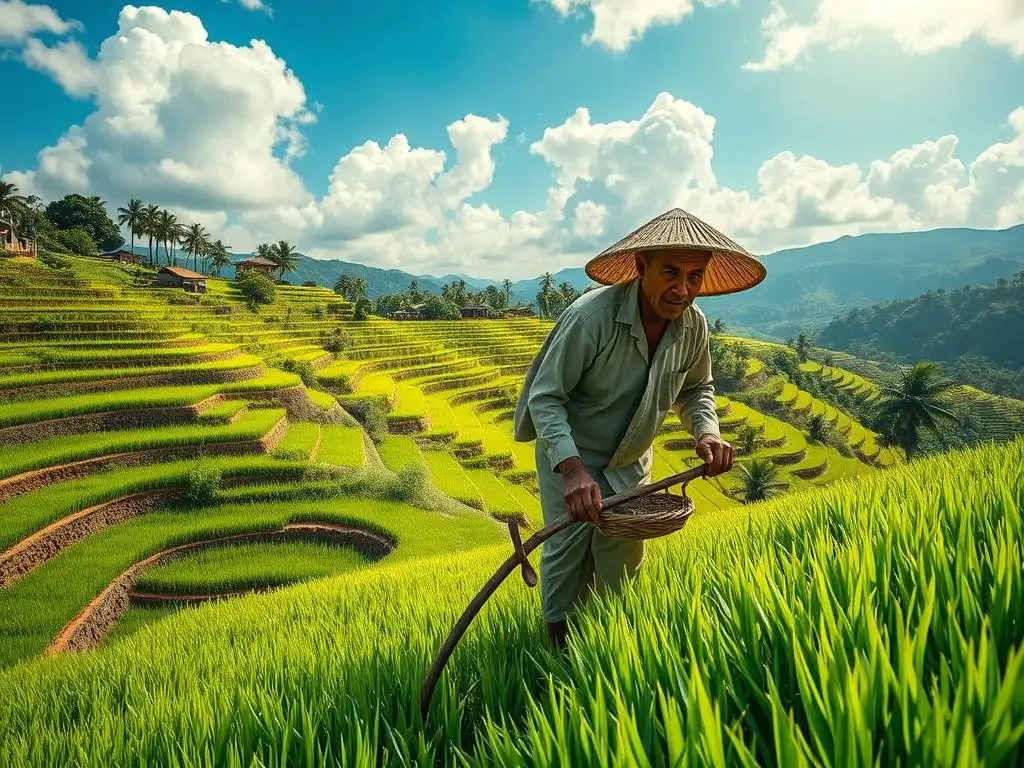
Welcome to Ancient India History, where we embark on a fascinating journey through the rich tapestry of ancient Indian civilizations. In this exploration, we will delve into the remarkable innovations in agriculture that not only transformed the landscape of India but also left a lasting impact on neighboring regions. Have you ever wondered how the advanced farming techniques of the Indus Valley or the agricultural practices during the Gupta Empire shaped societies beyond their borders?
Join us as we uncover the profound contributions of these ancient innovators and their enduring legacy in the realm of agriculture. Your adventure into the past begins here!
- Introduction to Ancient Indian Agriculture Innovations
- Key Innovations in Ancient Indian Agriculture
- Influence of Ancient Indian Agricultural Practices on Neighboring Regions
- Comparative Analysis of Agricultural Innovations
- Case Studies of Regional Adoption
- Conclusion
-
Frequently Asked Questions
- What were some key agricultural innovations in ancient India?
- How did ancient Indian agriculture influence neighboring regions?
- What crops were primarily cultivated in ancient India?
- How did the Gupta Empire contribute to agricultural advancements?
- Why is the study of ancient Indian agriculture important today?
- Final Reflection: The Enduring Legacy of Ancient Indian Agricultural Innovations
- Uncover the Legacy of Ancient Innovations!
Introduction to Ancient Indian Agriculture Innovations

Ancient India stands as a beacon of innovation, particularly in the realm of agriculture, which laid the groundwork for sustainable practices that not only nourished its own civilization but also influenced neighboring regions. By examining the agricultural innovations developed in ancient India, we gain insight into how these advancements shaped not just local economies but also the broader agricultural landscape of the region. This article delves into the various techniques, tools, and practices that defined ancient Indian agriculture and explores their lasting impact on surrounding cultures and civilizations.
From the sophisticated irrigation systems of the Indus Valley to the crop rotation methods introduced during the Gupta Empire, the legacy of these innovations is evident in the agricultural practices that followed. Join us as we explore the rich tapestry of ancient Indian agricultural innovations and their significance in promoting food security and fostering trade across borders.
Overview of Agriculture in Ancient India
Agriculture in ancient India was not merely a means of sustenance; it was a complex system that included various techniques and practices designed to maximize productivity and efficiency. The following key points highlight the evolution and characteristics of agriculture during this era:
- Indus Valley Civilization (c. 3300–1300 BCE):
- One of the earliest examples of organized agriculture, this civilization utilized advanced techniques for irrigation and crop cultivation.
- Archaeological evidence suggests the use of cotton, wheat, barley, and various pulses, indicating a diverse agricultural base.
- Vedic Period (c. 1500–500 BCE):
- The transition to a more settled agrarian society can be traced back to this period, where agriculture played a crucial role in the socio-economic structure.
- The use of plows, domestication of cattle, and development of agricultural texts contributed to enhanced productivity.
- Maurya and Gupta Empires (c. 322 BCE–550 CE):
- These empires saw significant advancements in agricultural techniques, including crop rotation and improved irrigation methods.
- The establishment of trade routes facilitated the exchange of agricultural products and knowledge, further spreading innovations.
These periods reflect a dynamic evolution of agricultural practices, showcasing a blend of indigenous knowledge and adaptation to environmental changes.
Significance of Agricultural Innovations in Ancient Civilizations
The agricultural innovations of ancient India had profound implications not only within its own borders but also for neighboring regions. Here’s why these innovations were significant:
- Food Security:
- Innovations such as improved irrigation techniques and crop rotation led to increased yields, ensuring a stable food supply for growing populations.
- Economic Growth:
- Surplus production allowed for trade with neighboring civilizations, fostering economic interdependence. Ancient Indian agricultural products, including rice, spices, and textiles, became highly sought after in foreign markets.
- Cultural Exchange:
- The spread of agricultural practices facilitated cultural exchanges, as neighboring regions adopted techniques that enhanced their own agricultural systems.
- Sustainability Practices:
- Ancient Indian agriculture emphasized sustainable practices through methods like mixed cropping, which not only enhanced soil fertility but also reduced pest infestations.
The agricultural innovations of ancient India were pivotal in shaping not only its own civilization but also the agricultural landscapes of neighboring regions, creating a legacy that resonates through time.
Key Innovations in Ancient Indian Agriculture
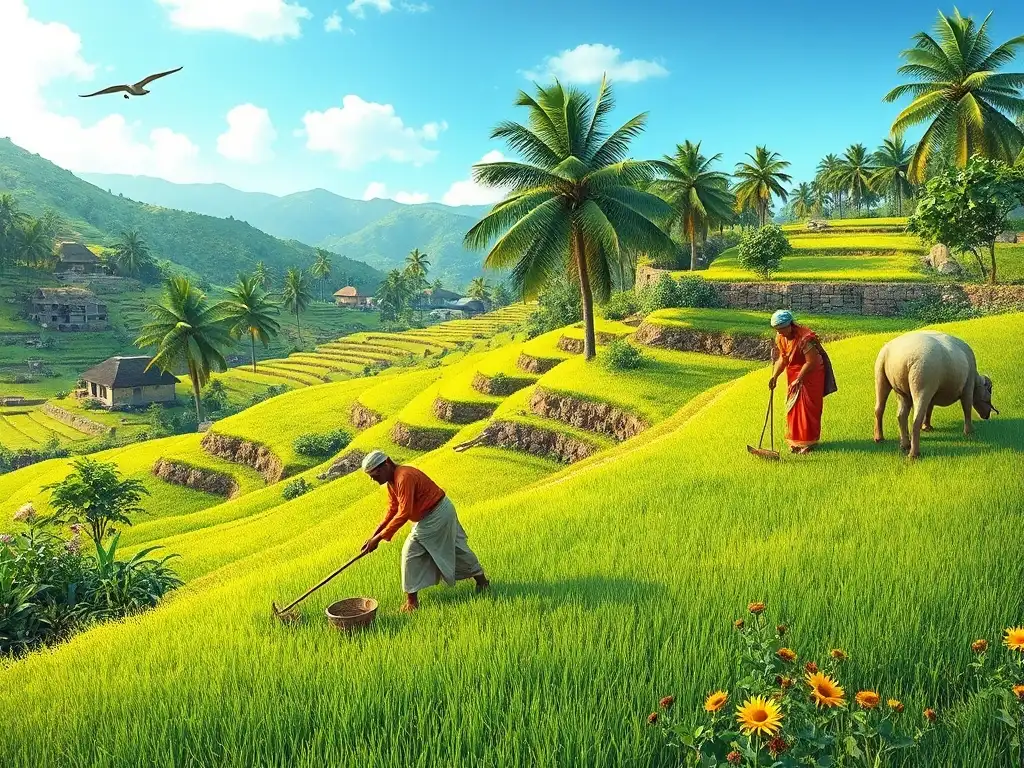
Ancient Indian agriculture innovations played a pivotal role in shaping not only the country's agrarian practices but also influencing neighboring regions. These innovations were characterized by advanced techniques that improved productivity, sustainability, and resilience against environmental challenges. The synergy between agricultural practices and cultural values facilitated the growth of vibrant civilizations that thrived on the agricultural surplus.
Crop Rotation Techniques
Crop rotation was a fundamental agricultural practice in ancient India that involved alternating the cultivation of different crops in the same field across seasons. This method provided several benefits:
- Soil Fertility: Different crops have varying nutrient requirements, and rotating them helped in maintaining soil fertility. For example, legumes like lentils and chickpeas replenished nitrogen levels in the soil, which benefited subsequent crops like wheat.
- Pest and Disease Control: By rotating crops, farmers minimized the risk of pests and diseases that often thrive on specific plants. This natural method of pest control reduced the need for harmful chemical treatments.
- Enhanced Yield: Crop rotation increased overall agricultural yield, enabling farmers to produce more diverse food sources throughout the year. Historical records suggest that regions practicing crop rotation saw significant increases in their harvests, thereby supporting larger populations.
Irrigation Systems and Water Management
The sophistication of irrigation systems in ancient India was a hallmark of its agricultural innovations. These systems not only facilitated effective water management but also transformed the agricultural landscape:
- Canal Systems: Ancient Indian civilizations, particularly in the Indus Valley, developed extensive canal systems to divert river water for irrigation. This innovation allowed for the cultivation of arid lands and ensured a steady water supply regardless of seasonal rainfall.
- Check Dams and Tanks: The construction of check dams and water tanks was prevalent, especially in southern India. These structures captured rainwater and stored it for dry seasons, thus enhancing water availability for crops and livestock.
- Water Conservation Techniques: Ancient texts suggest methods such as contour plowing and the use of bunds (earthen embankments) to prevent soil erosion and conserve moisture. These practices demonstrated a profound understanding of water management, which is vital for sustainable agriculture.
Use of Fertilizers and Soil Enrichment
The use of organic fertilizers and soil enrichment techniques marked another significant aspect of ancient Indian agricultural practices:
- Natural Fertilizers: Farmers utilized animal manure and compost to enrich the soil. This practice not only improved soil health but also promoted biodiversity within the agricultural ecosystem.
- Green Manuring: The practice of growing specific crops, such as dhaincha (Sesbania), and plowing them back into the soil was common. This technique enhanced soil structure and fertility, contributing to higher productivity in subsequent crops.
- Traditional Knowledge: Ancient Indian texts like the Arthashastra provide insights into various soil management techniques, indicating that farmers were well-versed in the science of agriculture. The integration of local knowledge with innovative practices led to sustainable farming systems that thrived for centuries.
Through these key innovations, ancient Indian agriculture not only met the needs of its population but also laid the groundwork for agricultural practices that influenced neighboring regions. The remarkable ingenuity in agriculture reflects the broader cultural and technological advancements of ancient Indian civilizations, leaving a lasting legacy that can still be observed today.
Development of Ploughs and Farming Tools
The development of ploughs and farming tools in ancient India marked a significant milestone in agricultural practices, profoundly influencing the efficiency of farming and crop production. The earliest ploughs, known as the ard, were simple, wooden implements used for tilling the soil. These rudimentary tools facilitated the breaking up of hard ground, allowing for better seed sowing and soil aeration.
Types of Ploughs
- Ard (or Scratch Plough): This was the most basic form of the plough, typically pulled by bullocks. The ard was primarily used for tilling the top layer of soil and was effective in regions with lighter soil types.
- Beam Plough: A more advanced version, the beam plough incorporated a horizontal beam with a pointed iron tip, which further improved soil penetration. This design helped in breaking up tougher, more compacted soils.
- Seed Drill: Innovations in seed technology led to the development of the seed drill, which allowed farmers to sow seeds at predetermined depths and distances. This not only saved seeds but also enhanced germination rates, increasing agricultural yields.
Materials Used
The materials used in the construction of these tools were crucial to their effectiveness. Early ploughs were primarily made of wood, but as technology advanced, iron was incorporated into the design. The introduction of iron ploughshares during the later Vedic period significantly improved the durability and efficiency of ploughs, allowing for deeper cultivation.
Impact on Agricultural Practices
The advancements in plough technology had far-reaching effects on agricultural practices in ancient India:
- Increased Efficiency: The use of ploughs reduced the physical labor required for tilling land, enabling farmers to cultivate larger areas and manage more crops simultaneously.
- Crop Diversification: With improved tools, farmers could experiment with various crops, leading to diversification in agricultural practices. This not only supported subsistence needs but also paved the way for surplus production.
- Soil Management: The ability to till the soil more effectively contributed to better soil management practices, promoting sustainable farming and crop rotation techniques.
Overall, the development of ploughs and farming tools in ancient India was a pivotal innovation that not only enhanced agricultural productivity but also laid the groundwork for subsequent advancements in agronomy, influencing neighboring regions and civilizations in their agricultural practices.
Influence of Ancient Indian Agricultural Practices on Neighboring Regions
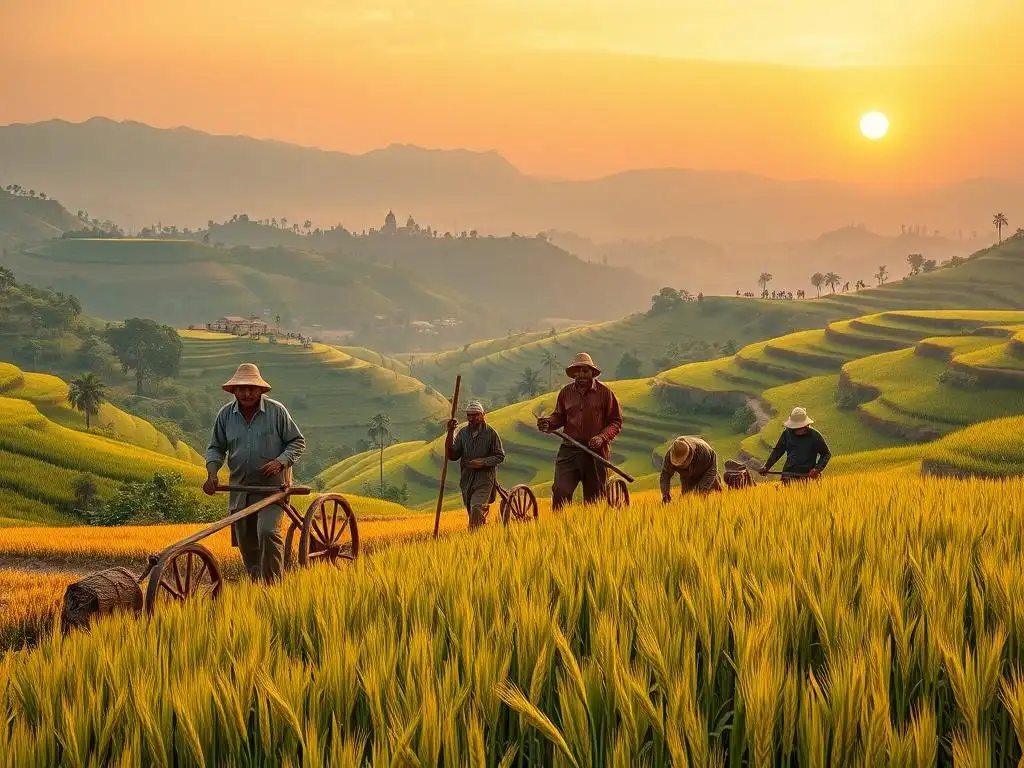
The innovations in agriculture that originated in ancient India not only transformed the local landscape but also significantly influenced agricultural practices in neighboring regions. The advancements in techniques, crop selection, and irrigation methods played a pivotal role in shaping agricultural systems beyond the Indian subcontinent. This influence can be traced through various historical interactions, trade routes, and cultural exchanges, leading to the dissemination of agricultural knowledge across Southeast Asia, the Middle East, and Central Asia.
Spread of Agricultural Knowledge to Southeast Asia
Ancient Indian agricultural innovations made a substantial impact on Southeast Asia, particularly through trade and cultural exchanges facilitated by maritime routes. The establishment of vibrant trade networks allowed for the flow of not only goods but also ideas and techniques.
- Rice Cultivation: One of the most significant contributions was the spread of rice cultivation techniques. The indigenous methods developed in the fertile lands of the Ganges and the Deccan plateau were adapted and refined in regions like Vietnam and Thailand, where rice became a staple crop.
- Irrigation Practices: The sophisticated irrigation systems of ancient India, including the use of bunds and canals, were particularly influential. These techniques were adopted in regions such as Java and the Philippines, enhancing agricultural productivity and supporting growing populations.
- Crop Diversity: Indian traders introduced various crops, including spices, fruits, and vegetables, which diversified the agricultural practices in Southeast Asia. The cultivation of crops like black pepper and cardamom became integral to the economies of these regions.
The cultural exchanges facilitated by Hinduism and Buddhism further solidified these agricultural innovations, as they emphasized the importance of agriculture in sustaining communities.
Impact on Middle Eastern Agricultural Techniques
The reach of ancient Indian agricultural innovations extended into the Middle East, where they influenced local practices and contributed to the agricultural landscape.
- Agronomic Techniques: Techniques such as crop rotation and mixed cropping, which were prevalent in ancient Indian agriculture, were introduced to the Middle East. These practices helped enhance soil fertility and improve yield, contributing to the agricultural prosperity of the region.
- Introduction of New Crops: Indian agricultural innovations included the introduction of various new crops, such as cotton and sugarcane, to the Middle Eastern markets. The cultivation of cotton, in particular, revolutionized textile production in the region, leading to a flourishing textile industry.
- Irrigation and Water Management: The sophisticated water management systems employed in ancient Indian agriculture, characterized by the use of wells and reservoirs, were adopted in arid regions of the Middle East. This facilitated agriculture in areas that previously struggled with water scarcity, leading to increased food production and economic stability.
The exchange of knowledge through trade routes like the Silk Road played a crucial role in this transmission, allowing for the integration of Indian innovations into Middle Eastern practices.
Transmission of Innovations to Central Asia
Central Asia also witnessed the influence of ancient Indian agricultural innovations, particularly during periods of cultural and commercial exchange.
- Silk Road Exchanges: The Silk Road served as a vital conduit for the exchange of agricultural practices. Indian merchants and travelers brought with them advanced techniques that significantly impacted the agricultural methods in Central Asian societies.
- Crop Adaptation: Crops such as millet and barley, which were cultivated in ancient India, found their way into Central Asian agriculture. The adaptation of these crops contributed to the dietary diversity and resilience of Central Asian communities.
- Cultural Integration: The interaction between Indian and Central Asian cultures facilitated the sharing of agricultural knowledge, leading to the development of hybrid practices that improved local farming methods. For instance, the integration of Indian herbal practices into local agriculture enhanced pest management techniques.
Overall, the transmission of agricultural innovations from ancient India to Central Asia not only enriched local practices but also fostered a deeper understanding of sustainable agricultural methods that could withstand the region's climatic challenges.
Ancient Indian agriculture innovations have left an indelible mark on neighboring regions, shaping agricultural practices and contributing to the overall economic and cultural development of these areas. The enduring legacy of these innovations continues to influence agricultural practices today, highlighting the importance of ancient Indian contributions to global agriculture.
Comparative Analysis of Agricultural Innovations
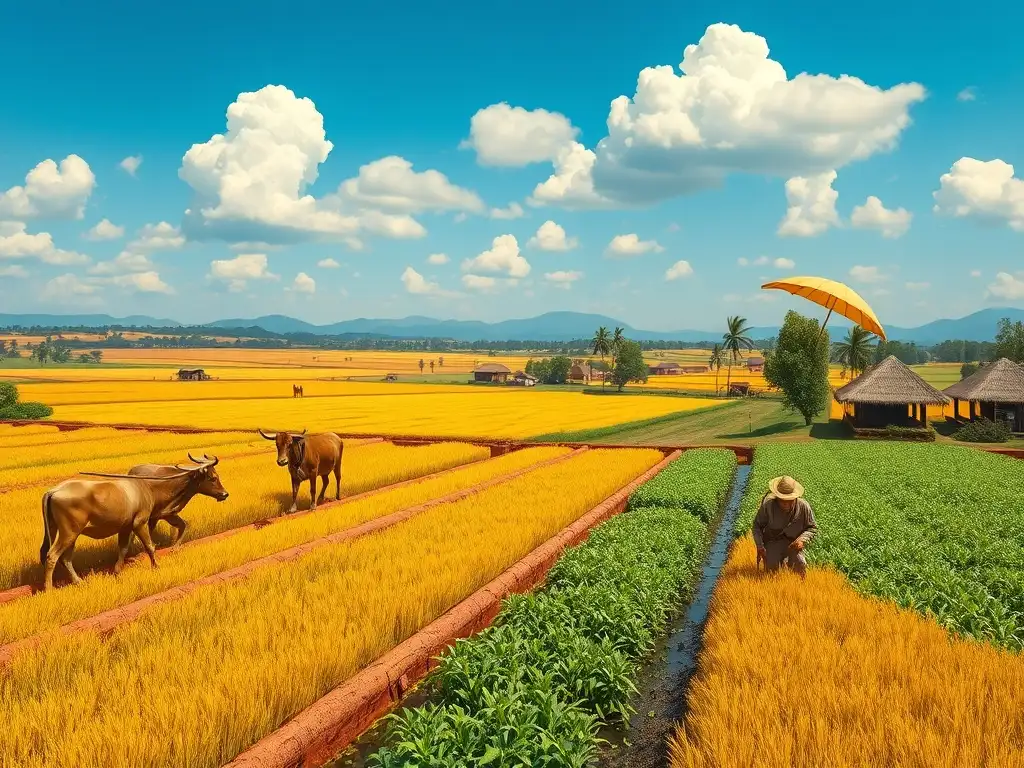
The agricultural innovations of ancient India represent a significant chapter in the history of farming practices, showcasing unique approaches and techniques that had profound implications not only within the subcontinent but also across neighboring regions. Understanding these innovations requires a comparative analysis that highlights both similarities and differences with other ancient civilizations, as well as the influence these practices exerted on surrounding areas.
Similarities and Differences with Other Ancient Civilizations
Ancient Indian agriculture innovations were characterized by a blend of indigenous practices and influences from neighboring cultures. While many ancient civilizations, such as Mesopotamia and Egypt, developed irrigation systems to enhance agricultural productivity, India's approach was marked by the integration of diverse techniques suited to its varied geography.
- Irrigation Techniques:
- Similar to the shaduf used in Egypt, ancient Indian civilizations employed sophisticated irrigation systems. However, they also developed unique methods such as the use of stepwells and kunds, which allowed for the efficient harvesting of rainwater.
- Crop Diversity:
- Ancient India was notable for its extensive crop diversity, including rice, wheat, millets, and spices. In contrast, civilizations like Mesopotamia primarily focused on staple grains such as barley and wheat. This diversity allowed for resilience against climatic fluctuations.
- Agricultural Tools:
- The use of the plow in ancient Indian agriculture has parallels with similar tools in other civilizations. However, the Indian plow often featured a wooden frame with a metal tip, reflecting local materials and craftsmanship.
- Farming Techniques:
- Techniques such as mixed cropping and crop rotation were common in ancient India, aligning with practices in other regions but adapted to local conditions. For instance, the intercropping of legumes with cereals not only maximized land use but also improved soil fertility.
While there are notable similarities between ancient Indian agriculture innovations and those of other civilizations, the unique adaptations and practices developed in India underscore a distinct agricultural identity that contributed to its historical significance.
Influence on Neighboring Regions vs. Independent Innovations
The influence of ancient Indian agriculture innovations extended well beyond its borders, shaping agricultural practices in neighboring regions. This influence can be examined through two lenses: the direct impact of Indian innovations on surrounding cultures and the emergence of independent innovations in those regions.
- Influence on Neighboring Regions:
- The techniques of irrigation and the cultivation of diverse crops spread to regions such as Southeast Asia and Central Asia. For example, the wet rice cultivation method, which flourished in the Indian subcontinent, was adapted by cultures in countries like Vietnam and Thailand, leading to increased agricultural productivity.
- Trade and Cultural Exchange:
- The Silk Road facilitated the exchange of agricultural knowledge and practices. Indian merchants and travelers shared insights on crop cultivation and irrigation techniques, transforming agricultural landscapes in regions like Persia and Afghanistan.
- Independent Innovations:
- Despite the influence of Indian practices, neighboring regions often developed their own agricultural innovations, tailored to their specific environmental conditions. For instance, the terracing techniques used in the Andes region of South America emerged independently but served similar purposes of maximizing arable land on steep slopes.
Overall, ancient Indian agriculture innovations not only enriched the local economy and food security but also played a pivotal role in shaping agricultural practices across borders. The interplay between influence and independent development highlights the dynamic nature of agricultural evolution in ancient civilizations.
Case Studies of Regional Adoption
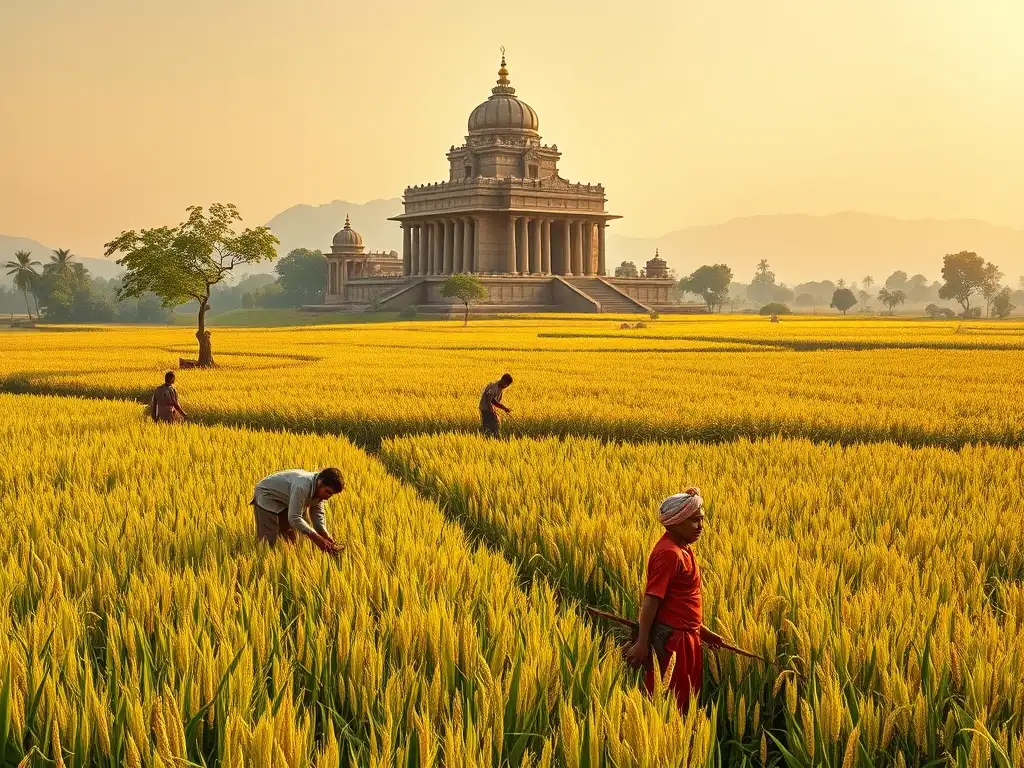
Southeast Asia: Adoption of Rice Cultivation Techniques
Ancient Indian agriculture innovations, particularly in rice cultivation, have had a profound impact on neighboring regions, notably Southeast Asia. The introduction of specific rice varieties and cultivation methods from India facilitated the establishment of rice as a staple food across this region.
- Varietal Exchange: Indian farmers developed numerous rice varieties suited for different climates, which they shared with Southeast Asian counterparts. For instance, the adoption of the "Paddy" method, where rice is grown in flooded fields, significantly increased yield and resilience against pests and drought.
- Cultural Practices: The influence extends beyond crop species; traditional Indian methods of transplanting seedlings and managing water levels were adopted. These practices enhanced agricultural productivity and laid the groundwork for the region’s rice-based economies.
- Economic Impact: The enhanced rice production in Southeast Asia contributed to population growth and urbanization. The surplus allowed communities to engage in trade, thus fostering regional economic networks.
Middle East: Integration of Indian Irrigation Methods
The innovations in irrigation developed by ancient Indian civilizations were pivotal in transforming agricultural practices in the Middle East.
- Techniques and Technologies: Indian farmers utilized advanced irrigation techniques such as the use of canals, wells, and water-lifting devices like the "Persian Wheel." These practices were gradually adopted in the arid regions of the Middle East, enabling effective water management.
- Crops and Cultivation: The integration of Indian techniques allowed for the cultivation of crops previously unsuitable for the region's climate. For example, the introduction of Indian pulses and horticultural crops enriched local diets and diversified agricultural outputs.
- Long-term Effects: This exchange not only improved food security but also led to the establishment of trade routes that facilitated cultural and technological exchanges between India and the Middle East, creating a lasting legacy of agricultural innovation.
Central Asia: Influence on Nomadic Farming Practices
The impact of ancient Indian agriculture innovations reached as far as Central Asia, where nomadic farming practices began to evolve due to the influence of Indian agricultural techniques.
- Crop Diversification: Indian innovations in agriculture introduced new crops, including various grains and legumes, to Central Asian nomads. This diversification allowed for more stable food sources, reducing the dependency on traditional pastoralism.
- Settlement Patterns: As nomadic tribes began to integrate agriculture into their lifestyles, settlement patterns changed. Communities transitioned from purely nomadic to semi-settled, leading to the establishment of agricultural villages that combined farming with pastoral practices.
- Cultural Exchange: The adoption of Indian agricultural methods fostered cultural exchanges between nomadic tribes and agrarian societies. This blend of lifestyles enriched the cultural fabric of Central Asia, intertwining agricultural and nomadic traditions.
The far-reaching effects of ancient Indian agriculture innovations are evident in Southeast Asia, the Middle East, and Central Asia, where they shaped agricultural practices, economic systems, and cultural exchanges. This legacy continues to influence agricultural strategies and practices in these regions today.
Conclusion
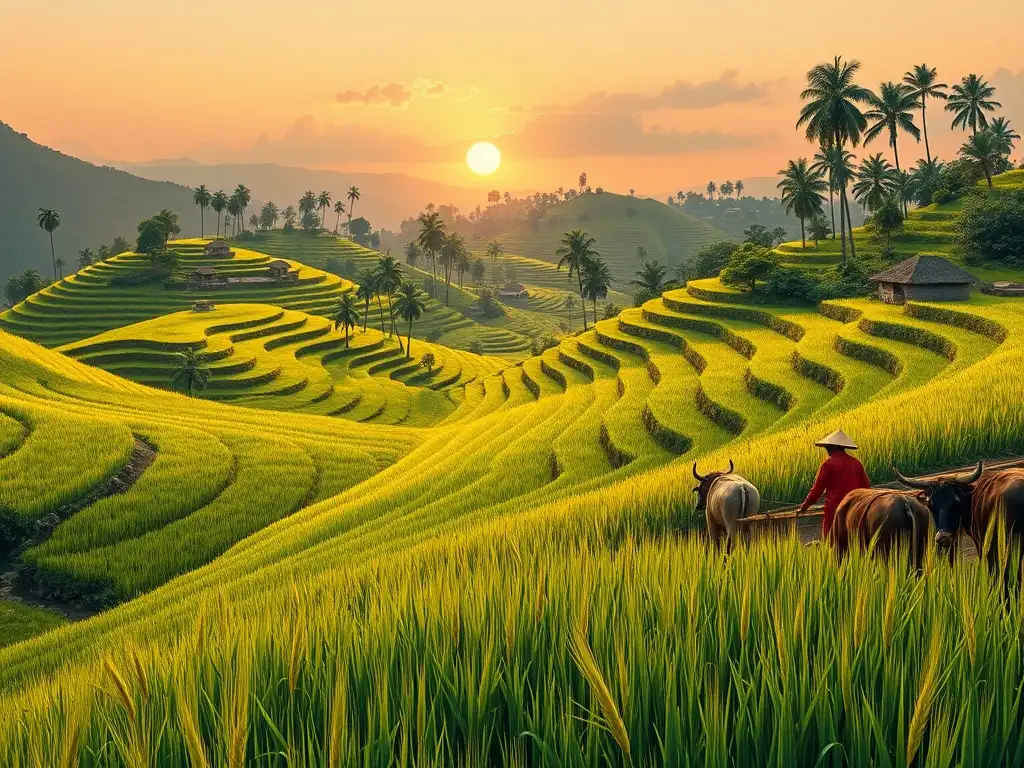
Summary of Ancient Indian Agriculture Innovations
Ancient Indian agriculture innovations laid the foundation for sustainable farming practices that not only fed local populations but also influenced agricultural techniques in neighboring regions. Among the key advancements were:
- Crop Diversification: Ancient India was one of the first civilizations to cultivate a variety of crops, including rice, wheat, barley, and pulses. This practice helped in enhancing soil fertility and managing pests.
- Irrigation Systems: The development of sophisticated irrigation systems, such as canals and reservoirs, allowed for the efficient use of water resources. These systems ensured that agriculture thrived even in arid regions.
- Use of Fertilizers: Ancient farmers utilized organic fertilizers, such as animal manure and compost, to enrich the soil. This practice is a precursor to modern sustainable farming techniques.
- Agricultural Tools: Innovations such as the plow and sickle improved farming efficiency. The iron plow, in particular, revolutionized tillage practices and allowed for deeper soil cultivation.
These innovations not only supported a growing population but also fostered trade and cultural exchanges with neighboring regions.
Lasting Impact on Global Agricultural Practices
The agricultural innovations from ancient India had a profound and lasting impact on global agricultural practices. As these techniques spread through trade routes and conquests, they influenced farming methods in various cultures. Notable impacts include:
- Sustainable Agriculture: The principles of crop rotation and organic farming techniques adopted by ancient Indian farmers can be seen in modern sustainable agriculture practices worldwide.
- Irrigation Techniques: Ancient Indian irrigation methods inspired similar systems in other cultures, particularly in regions with challenging climates. For instance, the use of canals influenced irrigation practices in Mesopotamia and Egypt.
- Crop Exchange: The introduction of crops such as cotton and sugarcane from ancient India into other regions contributed significantly to their agricultural diversity and economy. These crops became staples in many cultures, reshaping local diets and trade.
The global agricultural landscape owes much to the innovative practices established in ancient India, which are still relevant in today’s quest for food security and sustainability.
Future Research Directions on Agricultural Histories
Future research directions in understanding ancient Indian agriculture innovations can focus on several key areas:
- Archaeological Studies: Continued excavations in ancient agricultural sites can reveal more about the techniques and tools used by farmers. This could provide insights into regional variations in agricultural practices.
- Comparative Analysis: By comparing ancient Indian agricultural practices with those of contemporary civilizations, researchers can better understand the diffusion of technologies and ideas across regions.
- Impact of Climate: Investigating how ancient farmers adapted their practices in response to changing climatic conditions could shed light on sustainable practices relevant to modern challenges such as climate change.
- Interdisciplinary Approaches: Collaborations between historians, archaeologists, and environmental scientists can lead to a more holistic understanding of the role of agriculture in ancient societies and its influence on modern practices.
By pursuing these research avenues, scholars can further illuminate the significance of ancient Indian agriculture innovations and their enduring legacy in shaping agricultural practices globally.
Frequently Asked Questions
What were some key agricultural innovations in ancient India?
Ancient India saw several innovations such as the development of crop rotation, use of irrigation systems, and the introduction of new farming tools like the plough.
How did ancient Indian agriculture influence neighboring regions?
The agricultural techniques and crops developed in ancient India were shared with neighboring regions, leading to the spread of practices such as rice cultivation and advanced irrigation systems.
What crops were primarily cultivated in ancient India?
Ancient Indian farmers primarily cultivated grains like rice and wheat, as well as legumes and spices, which played a significant role in trade and cultural exchange.
How did the Gupta Empire contribute to agricultural advancements?
During the Gupta Empire, there were significant advancements in agricultural practices, including enhanced irrigation and the use of fertilizers, which boosted crop yields and supported population growth.
Why is the study of ancient Indian agriculture important today?
Understanding ancient Indian agriculture allows us to appreciate the historical context of modern farming methods and the cultural significance of agriculture in shaping the region's economy and society.
Final Reflection: The Enduring Legacy of Ancient Indian Agricultural Innovations
The innovations in ancient Indian agriculture are not just relics of the past; they are vital threads woven into the fabric of contemporary agricultural practices across the globe. Today, as we face challenges such as climate change, food security, and sustainable farming, the wisdom of ancient techniques offers invaluable insights. The ingenuity of ancient Indian farmers, who developed sophisticated irrigation systems and crop rotation methods, serves as a powerful reminder that innovation is often rooted in tradition.
The influence of these agricultural advancements extends far beyond the borders of India, shaping the agricultural practices of neighboring regions and even distant lands. The principles of sustainable farming and biodiversity that emerged from ancient Indian agriculture continue to resonate in modern discussions about food systems and environmental stewardship. As Mahatma Gandhi once said, “The earth provides enough to satisfy every man's needs, but not every man's greed.” This quote encapsulates the essence of ancient practices that prioritized harmony with nature over exploitation.
As we reflect on the lessons from ancient Indian agricultural innovations, let us consider how we can integrate these timeless principles into our own lives and communities. I invite you to explore sustainable practices in your daily routines, whether through supporting local farmers, adopting eco-friendly gardening techniques, or advocating for policies that honor the earth. By embracing the wisdom of the past, we can cultivate a future that honors both our heritage and the planet we share.
Uncover the Legacy of Ancient Innovations!
Thank you for diving into the fascinating world of ancient Indian agricultural innovations! You’ve explored how these groundbreaking advancements shaped not just India, but also influenced neighboring regions. Now, it’s time to take the next step in your journey of discovery.
Here are a few engaging actions you can take today:
- Explore the Stories: Research and read about a specific ancient Indian agricultural technique and its impact on surrounding areas. Share your findings with friends or online communities!
- Join the Conversation: Become part of a local or online group that discusses historical innovations. Engaging in discussions can deepen your appreciation for our shared heritage.
- Visit a Local Farm: Find a local farm that employs techniques inspired by ancient practices. Learning firsthand can connect you to history in a surprisingly direct way!
What aspect of ancient Indian agriculture do you find most intriguing, and how do you think these innovations can inspire modern practices? **Share your thoughts below! **