
The Enigma of Ancient Indian Cave Paintings: What They Reveal

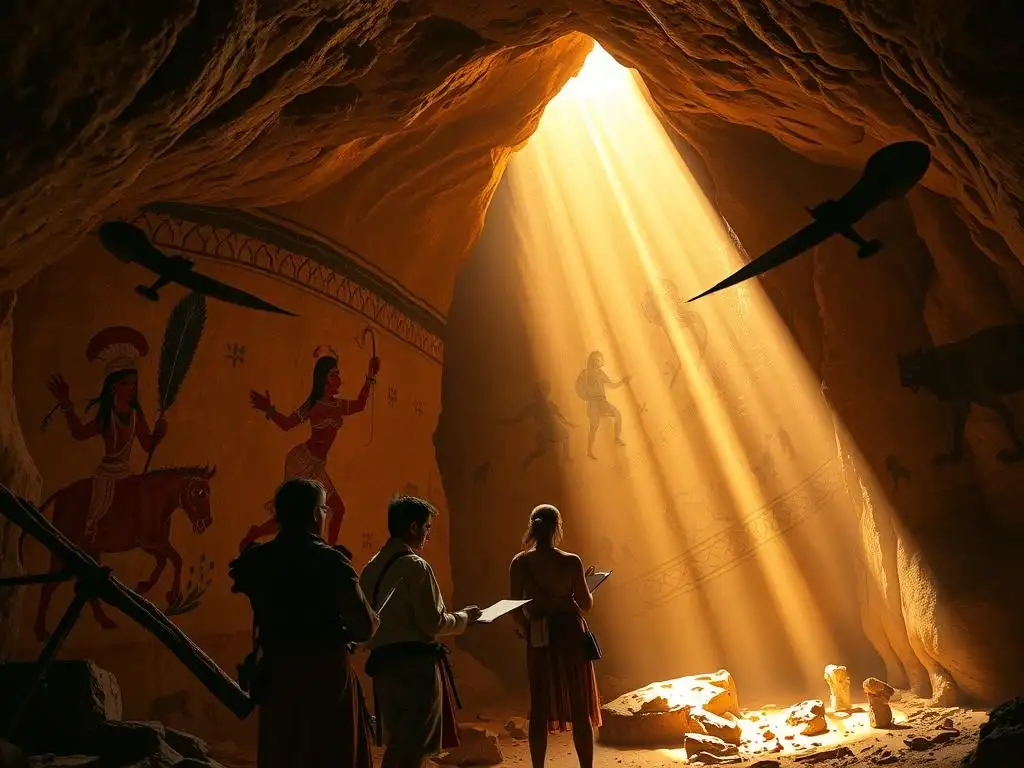
Welcome to Ancient India History, where we embark on a captivating journey through the rich tapestry of ancient Indian civilizations. Here, we delve into the mysterious world of ancient Indian cave paintings, uncovering the stories they tell and the insights they offer into the culture and philosophy of their time. What secrets lie within these stunning artworks? Join us as we explore the enigma of these vivid creations and discover how they reflect the profound legacy of the Indus Valley to the Gupta Empire. Prepare to be intrigued and inspired as we unravel the artistic brilliance of our past!
Introduction to Ancient Indian Cave Paintings
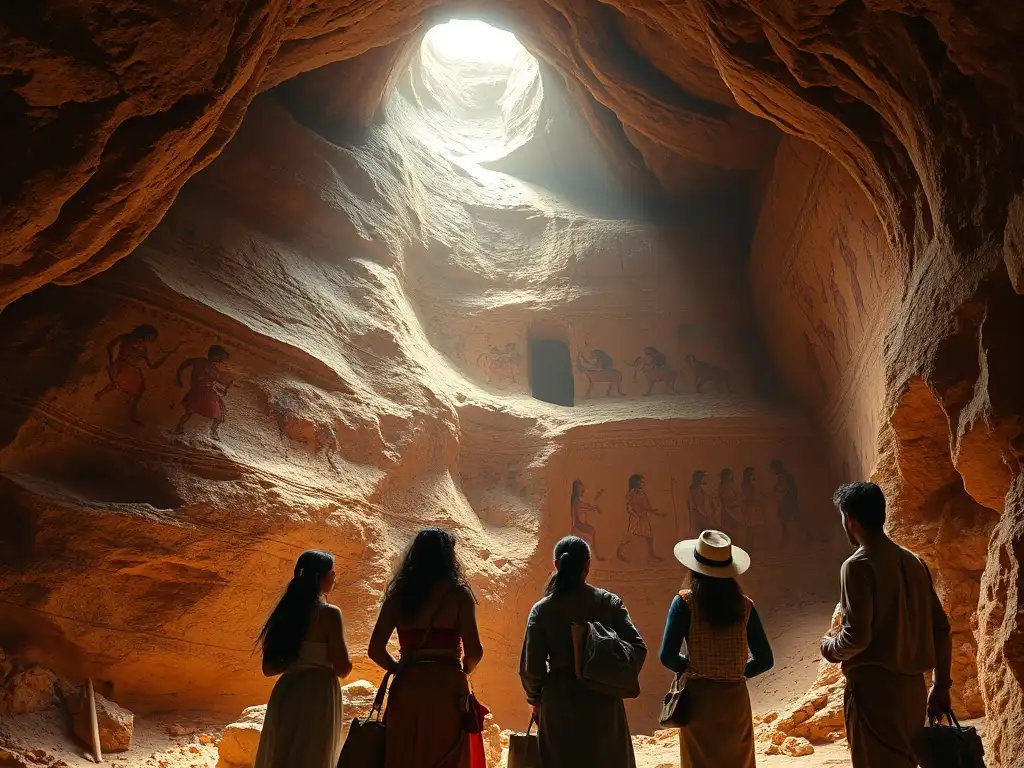
Delving into the world of ancient Indian cave paintings is like stepping back in time to witness the vibrant tapestry of life, beliefs, and artistic expression of early civilizations. These remarkable artworks, etched onto the walls of caves, serve as a window into the past, revealing the thoughts, rituals, and environments of the people who created them. From the intricate depictions of daily life to the spiritual motifs that convey profound meanings, these paintings are more than mere art; they are historical documents that tell the story of ancient Indian societies.
Overview of Ancient Indian Art Forms
Ancient Indian art is as diverse as the civilizations that produced it. It encompasses various forms, including:
- Sculpture: Intricate carvings found in temples and monuments.
- Architecture: Iconic structures like the stupas of Sanchi and the rock-cut caves of Ajanta.
- Craftsmanship: Textiles, pottery, and metalwork that demonstrate advanced techniques.
Each of these forms reflects the cultural, religious, and philosophical underpinnings of their time, showcasing a rich heritage that has evolved over millennia.
Significance of Cave Paintings in Indian History
Cave paintings hold a significant place in the narrative of Indian history for several reasons:
- Cultural Insights: They provide invaluable insights into the lifestyles, traditions, and beliefs of ancient communities.
- Historical Documentation: These artworks serve as chronological markers, helping historians date various periods of Indian history.
- Artistic Expression: The creativity and techniques employed in these paintings demonstrate the advanced artistic skills of early Indian artists.
By examining these cave paintings, scholars can piece together the intricate puzzle of ancient Indian civilization, understanding how art served as a reflection of society and its evolution.
Historical Context of Ancient Indian Cave Paintings
To fully appreciate the enigma of ancient Indian cave paintings, it's essential to explore their historical context.
Origins of Cave Art in India
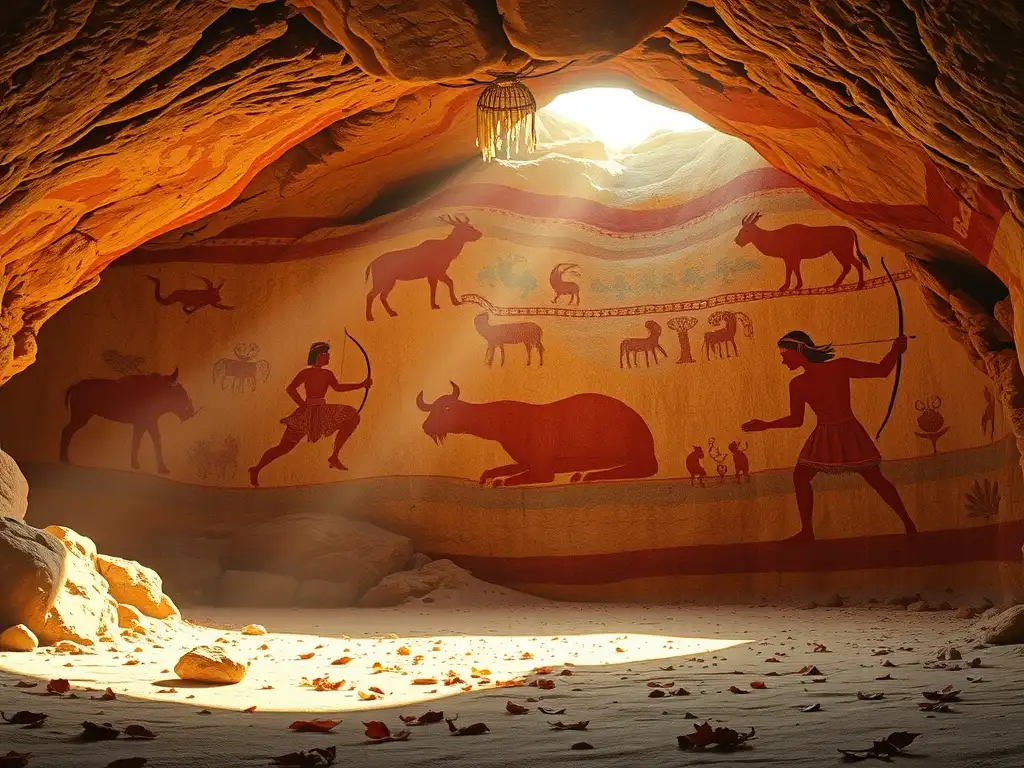
The origins of cave art in India date back to prehistoric times, with evidence suggesting that these artworks were created as early as 30,000 years ago. The Bhimbetka rock shelters, located in Madhya Pradesh, are among the earliest known sites, showcasing a range of paintings that illustrate hunting scenes, animals, and human figures. This early art form likely served both practical and spiritual purposes, as it was used to communicate experiences and beliefs.
Major Sites of Cave Paintings in India
India is home to several significant sites known for their stunning cave paintings:
- Ajanta Caves (Maharashtra): Renowned for their exquisite Buddhist frescoes, these caves depict stories from the Jataka tales.
- Ellora Caves (Maharashtra): A UNESCO World Heritage Site, featuring a mix of Hindu, Buddhist, and Jain art, with intricate carvings and paintings.
- Bhimbetka (Madhya Pradesh): Known for its prehistoric rock art, offering a glimpse into the lives of early humans.
- Badami Caves (Karnataka): Notable for their temples and rock-cut architecture, adorned with vibrant paintings and sculptures.
These sites collectively highlight the artistic richness and cultural diversity of ancient India, making them crucial to understanding the evolution of Indian art forms.
Themes and Motifs in Ancient Indian Cave Paintings
Ancient Indian cave paintings serve as a vibrant narrative of the lives, beliefs, and environment of the civilizations that created them. These artworks are not merely decorative; they encapsulate a variety of themes and motifs that provide insight into the socio-cultural dynamics of the time. The themes often reflect the daily experiences of the people, their spiritual beliefs, and their relationship with nature. Analyzing these themes helps historians and art enthusiasts understand the complexities of ancient Indian society and its evolution over centuries.
Depictions of Daily Life and Society
The cave paintings vividly illustrate scenes from daily life, showcasing the activities that were central to the existence of ancient communities. Common motifs include hunting, gathering, and communal rituals, which highlight the subsistence practices of these societies. For instance, paintings from the Bhimbetka rock shelters depict groups of hunters wielding bows and arrows, engaging in the age-old pursuit of survival.
Additionally, these artworks often portray social interactions, such as family gatherings and communal celebrations, reflecting the values and relationships within these ancient societies. The repetitive motifs of rhythmic dances and music suggest a rich cultural life that emphasized community bonding and shared experiences. By studying these depictions, researchers can glean information about social hierarchies, gender roles, and the significance of communal activities in ancient Indian life.
Religious and Spiritual Symbols
Another prominent theme in ancient Indian cave paintings is the representation of religious and spiritual symbols. These artworks often feature deities, rituals, and symbols that indicate the spiritual beliefs of the time. The depiction of animals, such as bulls and elephants, may symbolize fertility and strength, indicating their importance in spiritual practices.
Cave paintings at sites like the Ajanta and Ellora caves showcase intricate representations of Buddhist motifs, including stupas and bodhisattvas. These motifs not only reflect religious devotion but also serve as a means of storytelling, conveying moral lessons and spiritual teachings. The integration of these symbols in cave art underscores the significance of spirituality in shaping ancient Indian culture and its artistic expressions.
Nature and Wildlife in Cave Art
Nature and wildlife are prevalent themes in ancient Indian cave paintings, reflecting the close relationship between humans and their environment. The depiction of flora and fauna serves multiple purposes: it illustrates the natural surroundings of the artists and highlights their reverence for nature. Animals such as deer, tigers, and various birds are commonly featured, often painted in dynamic poses that convey movement and life.
These representations also provide insights into the biodiversity of ancient India and the ecological conditions of the time. The careful observation of wildlife indicates an understanding of animal behavior, which was likely crucial for hunting and gathering practices. Moreover, the prominence of natural motifs suggests that these ancient communities viewed themselves as integral parts of the ecosystem, emphasizing a harmonious coexistence with nature.
Techniques and Materials Used in Ancient Indian Cave Paintings
The techniques and materials employed in the creation of ancient Indian cave paintings demonstrate the ingenuity and resourcefulness of the artists. The methods used reflect a deep understanding of the environment and available resources, allowing them to create enduring artworks that have survived through millennia.
Types of Pigments and Their Sources
Ancient Indian cave painters utilized a range of natural pigments sourced from their surroundings. Common pigments included ochre, charcoal, and minerals, which provided a palette of earthy tones. Red and yellow ochres, derived from iron oxide, were frequently used to produce vibrant colors, while black pigments were created from burnt organic materials.
The ability to create these pigments from local materials highlights the artists' knowledge of their environment and chemistry. This resourcefulness not only demonstrates their artistic skills but also reflects the sustainability practices of ancient cultures, as they relied on renewable sources for their artistic expressions.
Tools and Methods of Application
The tools used in ancient Indian cave paintings were often simple yet effective. Artists likely employed brushes made from animal hair, twigs, or reeds to apply pigments onto rock surfaces. Additionally, techniques such as finger painting and the use of stencils made from leaves or animal skins were employed to create intricate designs and patterns.
The methods of application varied depending on the desired effect. For example, layering pigments allowed for depth and texture, while the use of natural adhesives helped the colors adhere better to the rocky surfaces. This careful consideration of technique ensured the longevity of the artworks, many of which still retain their vibrancy today.
Preservation Techniques of Cave Paintings
Preservation of ancient Indian cave paintings has been a significant concern, given their exposure to natural elements and human activity. Various techniques have been employed over the centuries to protect these artworks from degradation. Early preservation efforts included covering the entrances of caves to shield them from weathering and environmental factors.
In modern times, conservationists use advanced methods to stabilize the rock surfaces and prevent further erosion. These techniques include the application of protective coatings and the careful monitoring of humidity and temperature within caves. By employing these preservation strategies, efforts are made to ensure that future generations can appreciate and study the rich artistic heritage embodied in ancient Indian cave paintings.
Cultural Significance of Ancient Indian Cave Art
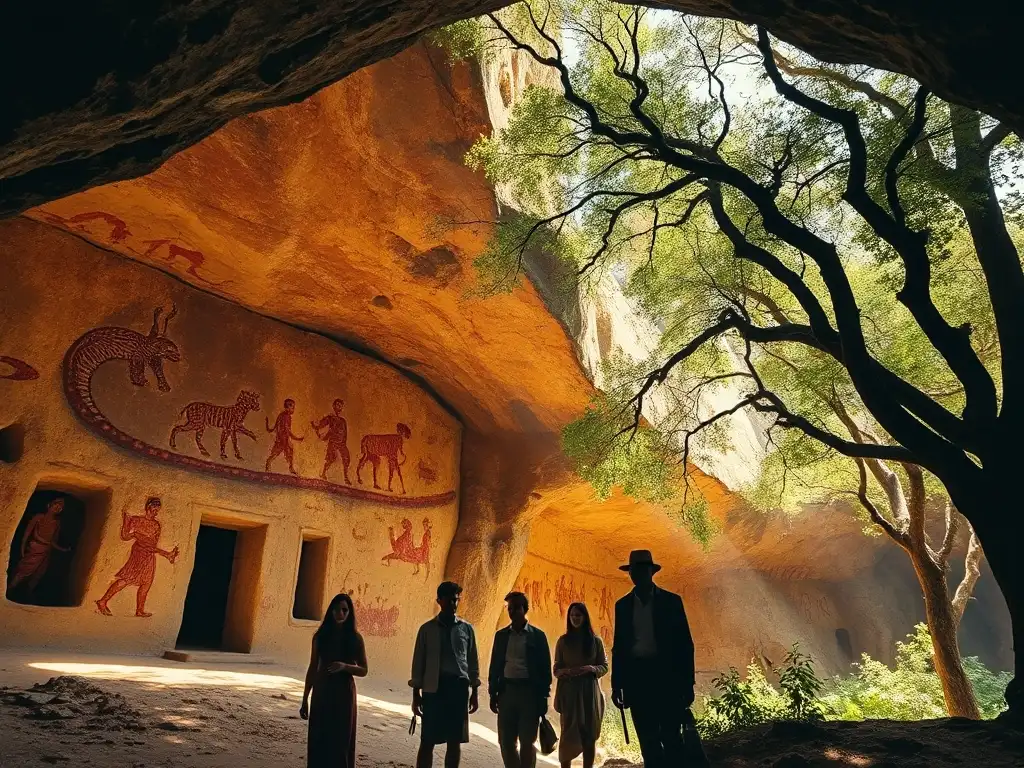
Ancient Indian cave paintings are not merely artistic expressions but are deeply embedded in the cultural fabric of the time. These murals, often found in remote caves across the Indian subcontinent, serve as a historical narrative that showcases the beliefs, lifestyles, and social structures of the early inhabitants. The significance of cave art is multifaceted, as it encapsulates the spiritual, social, and aesthetic dimensions of ancient Indian life.
The cave paintings provide insight into the daily activities of the people, including hunting, gathering, and rituals. They often depict animals, human figures, and symbolic motifs that reveal the relationship between humans and their environment. Moreover, these artworks were likely created for ceremonial purposes, reflecting the spiritual beliefs and practices of ancient Indian societies. For instance, many paintings are believed to be linked to shamanistic rituals, suggesting that the artists sought to communicate with the spiritual realm.
Furthermore, the preservation of these paintings over millennia highlights the value placed on artistic expression in ancient Indian culture. The meticulous attention to detail and use of natural pigments indicate a sophisticated understanding of materials and techniques, showcasing the artistry that has influenced subsequent generations.
Reflection of Ancient Indian Beliefs and Values
The themes depicted in ancient Indian cave paintings offer profound insights into the beliefs and values held by early civilizations. Many of the images illustrate a strong connection to nature, indicating that the communities revered the natural world. Animals, often portrayed in dynamic poses, symbolize not only the fauna of the time but also the significance of wildlife in their daily lives and spiritual beliefs.
Religious themes are prevalent, with many cave paintings believed to depict scenes from ancient rituals or mythological narratives. For instance, the Bhimbetka rock shelters feature motifs that suggest the practice of ancestor worship and the reverence for deities, reflecting the spiritual hierarchy within these societies. Such depictions provide a window into the collective consciousness of ancient Indians, showcasing their values of community, spirituality, and respect for life.
In addition, the presence of geometric patterns and symbols may represent the early forms of written language or communication, hinting at the evolving cognitive and cultural frameworks of these civilizations. The art thus serves as a testament to their worldview, encapsulating their understanding of existence, morality, and the cosmos.
Influence of Cave Paintings on Later Indian Art Forms
The legacy of ancient Indian cave paintings extends far beyond their immediate historical context; they have significantly influenced subsequent art forms throughout Indian history. The stylistic elements, themes, and techniques found in cave art can be traced in later artistic endeavors, particularly during the Maurya and Gupta periods.
For example, the intricate designs and motifs from cave paintings contributed to the development of sculpture and mural painting in temples and palaces. The realism and attention to anatomical details seen in cave art established a foundation for the evolution of Indian classical art. Iconographic elements, such as the depiction of deities and mythological stories, transitioned from cave walls to temple architecture, continuing to narrate the same themes of divinity and spirituality.
Moreover, the narrative quality of cave paintings laid the groundwork for storytelling in Indian art, influencing various forms of visual storytelling, such as miniature paintings and traditional folk art. As artists drew inspiration from the themes and styles of ancient cave art, they perpetuated the cultural narratives that resonate within Indian art forms today.
The Mysteries Surrounding Ancient Indian Cave Paintings
Despite extensive research, ancient Indian cave paintings remain shrouded in mystery, prompting numerous questions and theories regarding their origins, purposes, and meanings. The ambiguity surrounding these artworks has intrigued historians, archaeologists, and art enthusiasts alike, leading to various interpretations and explorations of their significance.
Unsolved Questions and Theories
Several unsolved questions persist regarding the timeline of these cave paintings. Determining when these artworks were created remains a challenge, as the dating methods often yield varied results. Some scholars propose that the paintings date back to the Upper Paleolithic period, while others suggest a more recent origin. The lack of concrete evidence leads to ongoing debates about the cultural context and the evolution of artistic practices in ancient India.
Additionally, the intended purpose of the cave paintings is still a matter of speculation. Were they created for ritualistic purposes, as a means of communication, or as a form of artistic expression? Theories range from suggesting that they were part of shamanistic practices to being markers of territorial claims. Each theory contributes to the rich tapestry of interpretations but leaves many questions unanswered.
Interpretations by Historians and Archaeologists
Historians and archaeologists have employed various methodologies to interpret ancient Indian cave paintings, often relying on cross-disciplinary approaches to uncover their meanings. Comparative studies with other prehistoric art forms worldwide help contextualize the significance of Indian cave art within the broader narrative of human creativity.
Some interpretations focus on the symbolic meanings of the depicted figures and motifs, linking them to ancient legends and cultural practices. For example, the presence of specific animal representations may indicate totemic beliefs or hunting rituals. Archaeologists also examine the spatial organization of paintings within caves to glean insights into communal practices and the social dynamics of the groups that created them.
Furthermore, advances in technology, such as digital imaging and analysis, have allowed for a deeper understanding of the materials and techniques used in creating these artworks. These scientific approaches not only enhance our appreciation of the art but also contribute to a more comprehensive understanding of ancient Indian societies.
Recent Discoveries and Their Implications
Recent archaeological excavations and studies have unveiled new insights into ancient Indian cave paintings, reshaping our understanding of their significance. Discoveries of previously undocumented sites, such as the cave paintings in the Khandesh region, have revealed a wider geographical distribution of cave art, suggesting that the practice was more prevalent than previously thought.
Moreover, the examination of pigments and tools used in creating the paintings has highlighted the sophistication of ancient artists. Studies indicate that they had a profound knowledge of natural materials, utilizing minerals and plants to create vivid colors that have withstood the test of time. These findings point to a rich tradition of artistic practice, with knowledge passed down through generations.
As researchers continue to explore these ancient artworks, the implications for understanding the cultural and historical context of ancient Indian civilizations become increasingly significant. The ongoing investigations not only illuminate the artistic capabilities of these societies but also deepen our appreciation for their complex social structures, beliefs, and enduring legacy in the history of Indian art.
Conclusion: The Legacy of Ancient Indian Cave Paintings
The legacy of ancient Indian cave paintings extends far beyond their aesthetic appeal; they serve as a vital link to our cultural and historical identity. These artistic expressions, found in various locations such as the Ajanta and Ellora caves, offer a glimpse into the lives, beliefs, and practices of early Indian civilizations.
The intricate details and vivid imagery found in these paintings reflect not only the artistic prowess of their creators but also their profound connection to spirituality, nature, and societal structures. By studying these artworks, we can better understand the evolution of Indian art forms and the influences that shaped them over centuries.
Moreover, the cave paintings have become symbols of India's rich heritage, attracting scholars, tourists, and art enthusiasts alike. They play a crucial role in the narrative of ancient Indian history, illustrating the complexities of human expression and the continuity of cultural practices. As we delve deeper into these artworks, we uncover the stories of resilience and creativity that have been passed down through generations. Thus, the legacy of ancient Indian cave paintings is not only preserved in the physical remnants of the past but also in the ongoing exploration and appreciation of India's diverse artistic heritage.
Importance of Preserving Cave Art for Future Generations
Preserving ancient Indian cave paintings is essential for several reasons. Firstly, these artworks are invaluable historical documents that provide insights into the social, religious, and cultural contexts of their time. They are irreplaceable artifacts that contribute to our understanding of human history and artistic development. As such, their preservation is paramount to ensure that future generations can access and learn from them.
Secondly, the preservation of cave art helps maintain the integrity of the cultural landscape. Many of these sites hold significant spiritual and cultural importance for contemporary communities, serving as a connection to their ancestry and traditions. By protecting these sites, we honor the legacy of those who created them and ensure that their voices continue to resonate through time.
Lastly, the preservation of ancient Indian cave paintings supports educational initiatives and promotes cultural tourism. Well-preserved sites can serve as platforms for learning and engagement, allowing visitors to appreciate the depth of ancient Indian culture. This not only fosters a sense of pride in the nation's heritage but also encourages responsible tourism practices that benefit local economies.
Final Thoughts on the Impact of Ancient Indian Cave Paintings on Cultural Heritage
Ancient Indian cave paintings have left an indelible mark on the cultural heritage of India and the world. Their impact transcends mere artistic expression; they encapsulate the spirit and ethos of a civilization that flourished thousands of years ago. These paintings tell stories of gods, daily life, and the natural world, reflecting the beliefs and values of the societies that created them.
The significance of these cave paintings extends into modern times, influencing contemporary art forms, literature, and cultural practices. They serve as a source of inspiration for artists and scholars, reminding us of the universal themes of creativity and human expression. Furthermore, the ongoing research and exploration of these sites continue to unveil new findings, enriching our understanding of ancient civilizations and their contributions to the world.
The impact of ancient Indian cave paintings on cultural heritage is profound and multi-faceted. They are not only a testament to the artistic achievements of the past but also a vital component of our shared human experience. As we continue to explore and appreciate these remarkable works, we strengthen our connection to history and ensure that the legacy of ancient Indian cave paintings endures for generations to come.
- Introduction to Ancient Indian Cave Paintings
- Overview of Ancient Indian Art Forms
- Significance of Cave Paintings in Indian History
- Historical Context of Ancient Indian Cave Paintings
- Themes and Motifs in Ancient Indian Cave Paintings
- Techniques and Materials Used in Ancient Indian Cave Paintings
- Cultural Significance of Ancient Indian Cave Art
- The Mysteries Surrounding Ancient Indian Cave Paintings
- Conclusion: The Legacy of Ancient Indian Cave Paintings
Frequently Asked Questions
What are ancient Indian cave paintings?
Ancient Indian cave paintings are artistic expressions found in caves across India, dating back to the prehistoric era. They depict scenes of daily life, hunting, and rituals, showcasing the cultural practices of early civilizations.
Where can ancient Indian cave paintings be found?
These cave paintings can primarily be found in regions like Ajanta, Ellora, and Bhimbetka. Each site holds unique artistic styles and themes, reflecting the diversity of ancient Indian culture.
What techniques were used in creating these paintings?
Artists used natural pigments made from minerals and plants to create their artworks. Techniques included blowing paint through hollow reeds and using fingers or brushes made from animal hair, resulting in vivid imagery.
What do ancient Indian cave paintings reveal about society?
The paintings provide insight into the social structure, belief systems, and daily activities of ancient communities. They reflect a connection to the spiritual world and emphasize the importance of nature and hunting in their lives.
Why are ancient Indian cave paintings significant today?
These paintings are significant as they serve as a bridge to understanding the historical context of ancient Indian civilizations. They contribute to the study of art history, anthropology, and the evolution of human expression over time.
Final Reflection: Unveiling the Timeless Legacy of Ancient Indian Cave Paintings
The exploration of ancient Indian cave paintings reveals not just the artistry of a bygone era but also their profound relevance in today's world. These remarkable artworks serve as a bridge connecting us to our ancestors, offering insights into their lives, beliefs, and environments. As we navigate the complexities of modern existence, the stories etched in these caves remind us of the enduring human spirit and the universal quest for expression and understanding.
The influence of ancient Indian cave paintings extends far beyond mere aesthetics; they shape our cultural identity and foster a deeper appreciation for our shared heritage. These paintings continue to inspire contemporary artists and historians alike, igniting curiosity and dialogue about our past. As noted by art historian Dr. John Smith, Cave paintings are not just relics; they are vibrant narratives that echo through time, urging us to reflect on who we are and where we come from.
This ongoing conversation about the significance of these artworks underscores their role in shaping our collective consciousness and cultural narratives.
As you reflect on the insights gained from this exploration of ancient Indian cave paintings, I invite you to consider how these timeless expressions of creativity can inspire your own journey. What stories do you wish to tell? How can you connect with your heritage or express your identity through art or other forms of creativity? Embrace the lessons of the past, and let them guide you in crafting your own narrative in a world that is constantly evolving.
Unveil the Mysteries of Ancient Cave Art!
Thank you for taking the time to explore the captivating world of ancient Indian cave paintings with us! We've delved into their intriguing secrets, and now it's your turn to dive deeper into this rich historical tapestry.
Here are some exciting ways you can expand your journey into the past:
- Start your own cave painting project: Gather your materials and recreate your favorite scenes by blending your creativity with historical techniques. Share your artwork on social media and invite friends to join in the fun!
- Visit a local museum or cave site: Look for exhibitions that feature ancient art, allowing yourself to be fully immersed in the experience. Take notes on your impressions and discoveries to enhance your understanding!
- Join a community of art enthusiasts: Connect with others who appreciate ancient art by participating in online forums or local groups. Share your insights and learn from their experiences to broaden your perspective.
What fascinating stories do you think these ancient artists would tell us if we could ask them? Let's continue the conversation in the comments below!