
The Unique Aspects of Jain Architecture in Ancient India

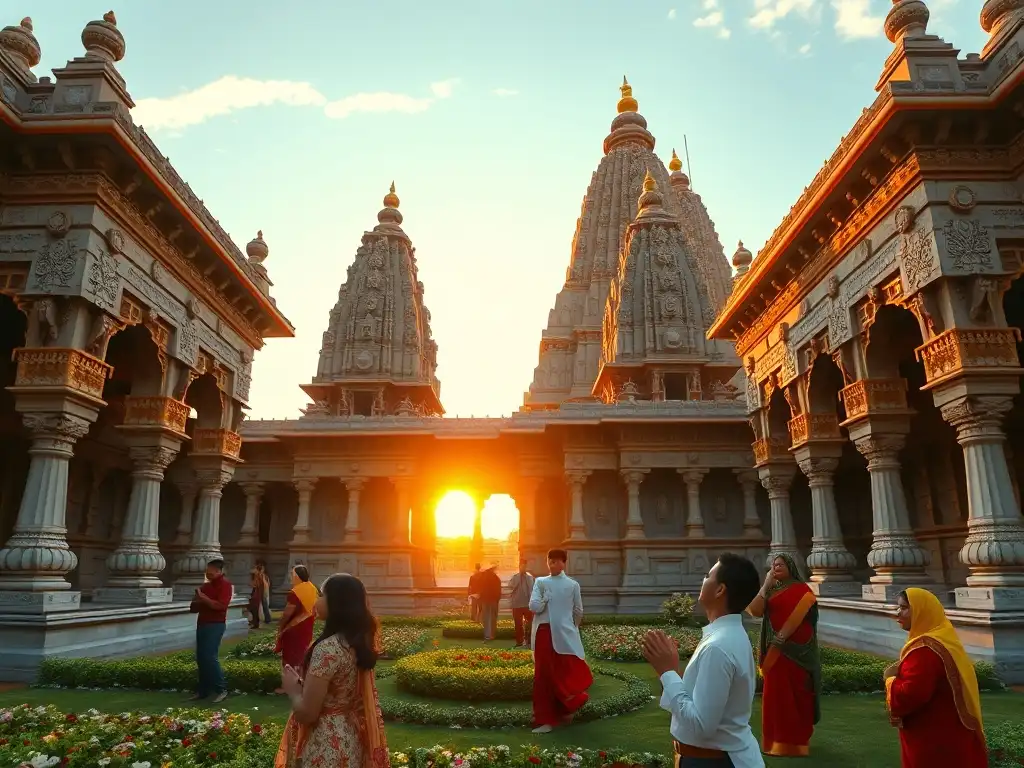
Welcome to Ancient India History, where we embark on a fascinating journey through the rich tapestry of India's past! Here, we delve into the unique aspects of Jain architecture in ancient India, a stunning reflection of the philosophical and artistic achievements of one of the subcontinent's most intriguing civilizations.
As you explore this captivating article, prepare to uncover how intricate designs and spiritual symbolism intertwine to tell the story of a culture that values peace and harmony. Join us as we unlock the mysteries of ancient stone and faith, inviting you to delve deeper into the profound legacy of Jainism and its architectural wonders!
- Introduction to Jain Architecture in Ancient India
- Historical Context of Jain Architecture
- Key Features of Jain Architecture
- Prominent Examples of Jain Architecture in Ancient India
- Comparison of Jain Architecture with Other Indian Architectural Styles
- The Philosophical Underpinnings of Jain Architecture
- Preservation of Jain Architecture Today
- Conclusion: The Enduring Legacy of Jain Architecture in Ancient India
- Frequently Asked Questions
- Final Reflection: The Enduring Legacy of Jain Architecture in Ancient India
- Unveil the Timeless Beauty of Jain Architecture!
Introduction to Jain Architecture in Ancient India
Jain architecture in ancient India stands as a testament to the rich cultural and spiritual heritage of the Jain community, reflecting their values, beliefs, and artistic expressions. This architectural style, characterized by intricate carvings, detailed sculptures, and the use of exquisite materials, emerged as a significant aspect of India's diverse architectural landscape.
From the majestic temples of the Indus Valley to the monumental structures of the Gupta Empire, Jain architecture not only showcases the technical prowess of the artisans but also embodies the philosophical essence of Jainism, which emphasizes non-violence, truth, and asceticism. As we delve deeper into this fascinating subject, we will explore the historical context, spiritual significance, and artistic achievements of Jain architecture, illuminating its unique aspects and enduring legacy in ancient India.
Overview of Jainism and Its Influence on Architecture
Jainism, one of the oldest religions in India, emerged around the 6th century BCE and has played a pivotal role in shaping various facets of Indian culture, including its architecture. The core principles of Jainism revolve around ahimsa (non-violence), satya (truth), asteya (non-stealing), brahmacharya (celibacy), and aparigraha (non-possessiveness). These values are not only central to the Jain way of life but are also reflected in their architectural endeavors.
The influence of Jainism on architecture can be observed in the following ways:
- Design Philosophy: Jain temples are typically designed to embody simplicity and purity, with an emphasis on open spaces that facilitate meditation and reflection. The use of natural light and ventilation is paramount, creating an atmosphere conducive to spiritual practices.
- Symbolism: Jain architecture is replete with symbolic representations that convey religious and philosophical meanings. For instance, the presence of the swastika and the hand symbol (representing non-violence) are common motifs seen in many Jain structures.
- Materials and Techniques: The materials used in Jain architecture often reflect a commitment to non-violence. For example, the extensive use of marble and sandstone showcases the artisans' skills while adhering to the tenets of Jainism by avoiding materials associated with harm or destruction.
Importance of Jain Architecture in Ancient Indian Culture
The significance of Jain architecture in ancient Indian culture extends beyond mere aesthetics; it serves as a vital link to the spiritual and social fabric of the time. Here are some key aspects of its importance:
- Cultural Identity: Jain temples not only serve as places of worship but also as centers for community gathering and cultural expression. They play a crucial role in preserving and promoting Jain traditions, festivals, and rituals.
- Historical Legacy: The architectural marvels constructed by the Jains, such as the famous Dilwara Temples in Rajasthan and the Ranakpur Temple, stand as enduring symbols of the artistic and engineering prowess of ancient Indian civilizations. These structures provide valuable insights into the historical context and societal values of their time.
- Artistic Contributions: Jain architecture is renowned for its intricate carvings and detailed sculptures that depict various scenes from Jain mythology and philosophy. These artistic contributions not only enhance the visual appeal of the temples but also serve as important educational tools, conveying the essence of Jain teachings to devotees and visitors alike.
Jain architecture in ancient India is a unique blend of spirituality, artistry, and cultural identity, making it a significant chapter in the rich tapestry of Indian history. Through its distinctive features and profound influence on society, Jain architecture continues to inspire and educate future generations about the values and contributions of the Jain community.
Historical Context of Jain Architecture
Origins of Jain Architecture in Ancient India
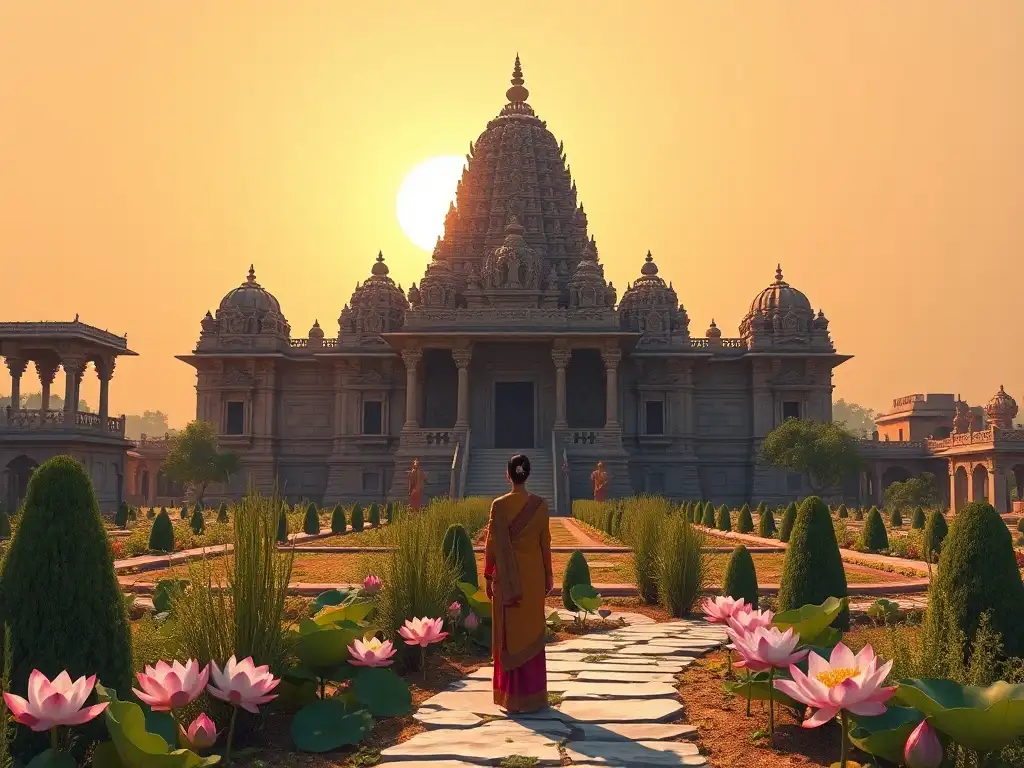
Jain architecture in ancient India has its roots in the early religious practices of the Jain community, which dates back to the 6th century BCE. The foundational principles of Jainism emphasize non-violence, truth, and asceticism, which are reflected in the architectural styles that developed over the centuries. The earliest examples of Jain architecture can be traced back to the Indus Valley Civilization, where evidence of ritualistic structures suggests the presence of early spiritual practices that align with Jain principles.
As Jainism began to gain prominence, particularly with the teachings of Mahavira, the 24th Tirthankara, the architectural expression of the religion started to manifest more distinctly. The construction of temples became a crucial aspect of Jain religious life, serving as spaces for worship, meditation, and community gatherings. The temples were often adorned with intricate carvings that depicted various Tirthankaras and other significant symbols of Jain cosmology, reinforcing the community’s beliefs and values.
Evolution Through Different Periods: From the Indus Valley to the Gupta Empire
The evolution of Jain architecture can be categorized into several key periods, each contributing unique elements to the architectural style:
- Indus Valley Period (c. 3300–1300 BCE):
- Early structures such as granaries and public baths could have served communal functions, laying the groundwork for future religious architecture.
- The absence of definitive Jain structures in this period suggests that formal temple architecture developed later, although the seeds of community worship were already present.
- Maurya Period (c. 322–185 BCE):
- The Mauryan Emperor Ashoka’s reign had a significant impact on the spread of Jainism. Temples began to be constructed, although they were often influenced by Buddhist architecture.
- Rock-cut caves, such as those at Uparkot, emerged, showcasing early Jain motifs and the beginning of temple-like structures.
- Post-Maurya and Early Medieval Period (c. 200 BCE–700 CE):
- The construction of elaborate cave temples became prevalent, notably in locations like Ajanta and Ellora, where Jain caves were carved with exquisite detail.
- The Chaumukha Temple in Ranakpur, built in the 15th century, is a prime example of the intricate designs that characterized this era, with 1,444 pillars, each uniquely carved.
- Gupta Period (c. 240–550 CE):
- This era is often referred to as the "Golden Age" of Indian art and architecture. Jain temples were characterized by their graceful proportions and intricate carvings.
- The Dilwara Temples in Rajasthan, built during the 11th and 12th centuries, are a testament to the architectural brilliance of this period, showcasing marble craftsmanship and a focus on spiritual ambiance.
The design of Jain temples often includes features such as shikharas (spires), mandapas (halls), and jali (lattice work), which not only enhance aesthetic appeal but also serve symbolic purposes, reflecting the spiritual journey of the soul towards liberation. The use of natural light and water elements in temple layouts further emphasizes the Jain philosophy of harmony with nature.
The evolution of Jain architecture in ancient India is a reflection of the community’s rich spiritual heritage and artistic expression, with each period contributing to its unique architectural identity. The intricate details, spiritual symbolism, and dedication to craftsmanship found in Jain temples continue to influence architectural practices in India today.
Key Features of Jain Architecture
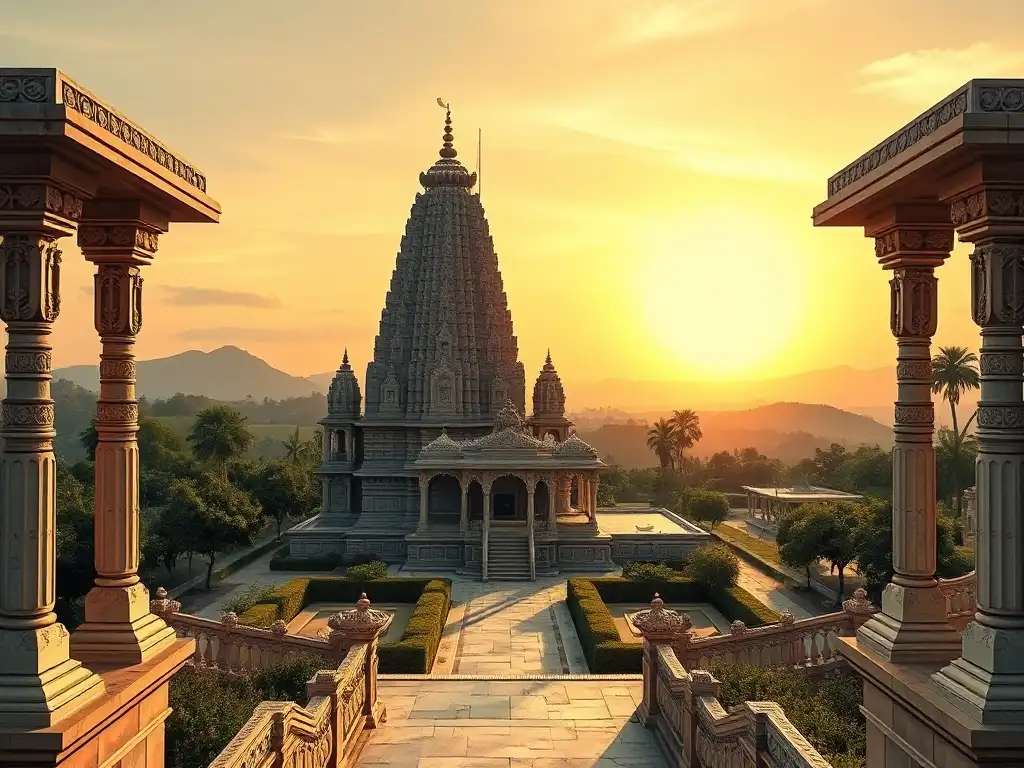
Jain architecture in ancient India is renowned for its distinct style and intricate detailing that reflects the values and beliefs of Jainism. The temples and monuments built by Jain communities showcase a harmonious blend of art, spirituality, and architectural innovation. This section will explore the key features that define Jain architecture, focusing on its distinctive elements and unique aspects.
Distinctive Elements of Jain Temples
Jain temples are characterized by their elaborate designs and meticulous craftsmanship. They often serve as a testament to the devotion of the Jain community and their commitment to non-violence and truth. The distinctive elements of Jain temples can be categorized into two significant areas: the use of intricate carvings and sculptures, and the architectural styles such as Shikhara and Chaitya.
Use of Intricate Carvings and Sculptures
One of the most striking features of Jain architecture is the intricate carvings and sculptures that adorn the temples. These carvings typically depict various Tirthankaras, celestial beings, and scenes from Jain mythology. The level of detail in the stonework is remarkable, often requiring skilled artisans to execute the designs.
- Materials: Most Jain temples were constructed using fine-grained sandstone or marble, which allowed for intricate detailing.
- Themes: Common themes in the carvings include:
- Jain cosmology
- Symbolic representations of the universe
- Flora and fauna, reflecting the Jain principle of ahimsa (non-violence)
The art of sculpture in Jain temples not only serves an aesthetic purpose but also plays a crucial role in conveying the teachings and philosophies of Jainism.
Architectural Styles: Shikhara and Chaitya
Jain temples exhibit unique architectural styles, primarily characterized by Shikhara and Chaitya designs.
- Shikhara: This refers to the towering spire that rises above the sanctum of the temple. The Shikhara is often elaborately decorated, symbolizing the connection between the earthly realm and the divine.
- Chaitya: This architectural style is characterized by a vaulted roof and a large hall that leads to the sanctum.
| Architectural Style | Description | Notable Features |
|---|---|---|
| Shikhara | A tall, spire-like structure | Elaborate carvings and often multiple tiers |
| Chaitya | A prayer hall with a vaulted roof | Arched openings and a spacious layout |
These architectural styles not only enhance the aesthetic appeal of Jain temples but also create a spiritual ambiance conducive to worship and contemplation.
Unique Aspects of Jain Monuments
Jain monuments, including temples and other structures, possess unique aspects that further distinguish them from other architectural styles in ancient India. This section highlights the role of natural elements in design and the symbolism embedded in architectural features.
The Role of Natural Elements in Design
In Jain architecture, natural elements play a significant role in the design and layout of monuments. The incorporation of natural light, water, and greenery enhances the spiritual experience and reflects the Jain philosophy of living in harmony with nature.
- Use of Light: Jain temples are designed to allow natural light to illuminate the interiors, creating a serene and calming atmosphere for worshippers.
- Water Features: Many Jain temples include water bodies, such as ponds or fountains, symbolizing purity and serving as a reminder of the importance of water in life.
- Landscaping: Surrounding gardens and natural landscapes are carefully integrated into the temple complex, further emphasizing the connection to the environment.
Symbolism in Jain Architectural Elements
Symbolism is a critical aspect of Jain architecture, with many architectural elements representing key tenets of Jainism.
- Lotus Motif: The lotus is a recurring symbol, representing purity and spiritual enlightenment. It is often incorporated into carvings and designs.
- Swastika and Other Symbols: Common symbols associated with Jainism, such as the swastika, are strategically placed throughout the architecture to convey messages of peace and well-being.
- Tirthankara Statues: The presence of Tirthankara statues in the sanctum serves as a focal point for worship and represents the ideals of Jain teachings.
These symbolic elements not only enhance the aesthetic quality of Jain architecture but also serve to educate and inspire followers in their spiritual journeys.
The distinctive elements and unique aspects of Jain architecture in ancient India reflect the profound beliefs and values of Jainism, making it a remarkable subject of study within the broader context of ancient Indian architectural marvels.
Prominent Examples of Jain Architecture in Ancient India
The Dilwara Temples: A Marvel of Jain Architecture
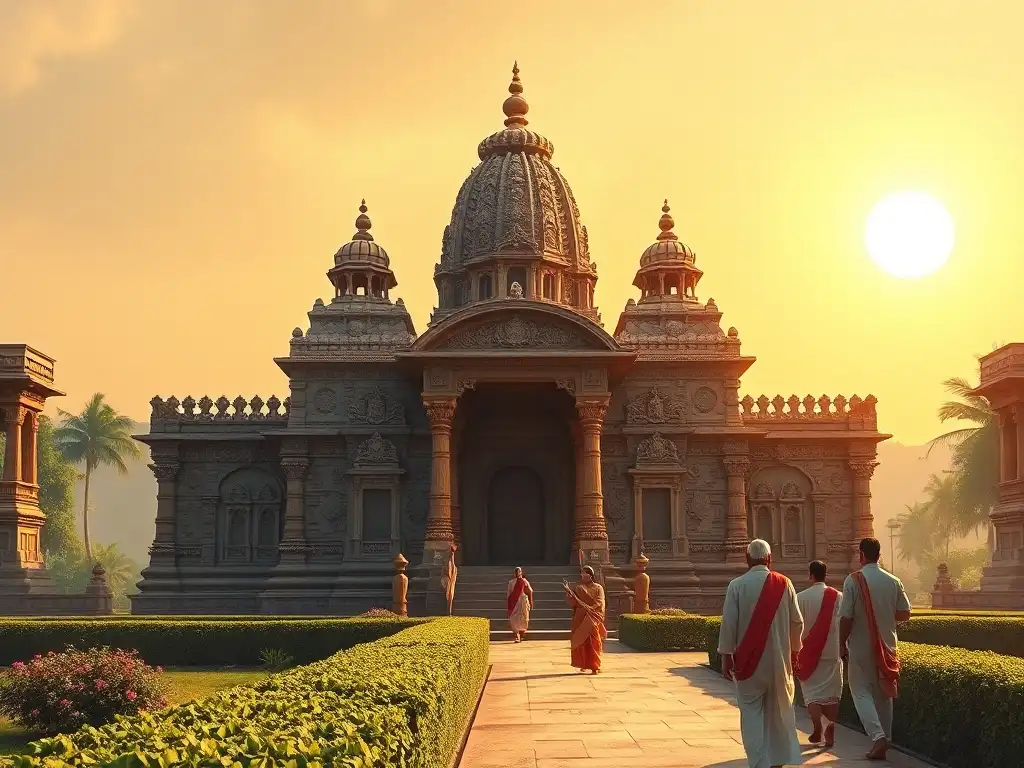
The Dilwara Temples, located in Mount Abu, Rajasthan, are among the most exquisite examples of Jain architecture in ancient India. Constructed between the 11th and 13th centuries, these temples are renowned for their stunning marble workmanship, intricate carvings, and serene ambiance. The craftsmanship on display is not just a testament to the artisans of that era but also reflects the spiritual devotion of the Jain community.
The Dilwara Temples comprise five main temples, each dedicated to different tirthankaras. Key features that stand out include:
- Intricate Carvings: The temples feature detailed carvings that depict various aspects of Jain cosmology, flora, and fauna. The use of white marble enhances the elegance and beauty of these sculptures.
- Innovative Design: The temples adhere to the principles of Jain architecture, emphasizing simplicity and functionality while also incorporating elaborate artistic elements. The layouts are meticulously planned to facilitate meditation and worship.
- Architectural Techniques: The construction techniques employed at Dilwara demonstrate advanced engineering skills, including the use of interlocking stones that provide stability without the need for mortar.
Visiting the Dilwara Temples allows one to witness the harmonious blend of spirituality and artistry, making it a significant pilgrimage site for Jains and an architectural marvel for visitors.
The Ranakpur Jain Temple: Architectural Significance
The Ranakpur Jain Temple, situated in the Ranakpur village of Rajasthan, is another exemplary representation of Jain architecture in ancient India. Built in the 15th century, this temple is dedicated to Tirthankara Adinatha and is recognized for its unique structural design and artistic finesse.
The temple's significance can be highlighted through several distinctive features:
- Complex Structure: The Ranakpur Temple is one of the largest Jain temples and is built in a chaumukha (four-faced) design. This layout symbolizes the four cardinal directions and is a hallmark of Jain architectural philosophy.
- Elaborate Pillars: The temple boasts over 1,400 intricately carved pillars, each uniquely designed. This multitude of pillars not only supports the structure but also serves as a canvas for depicting various Jain themes, stories, and motifs.
- Natural Light and Space: The architectural design incorporates natural light through strategic openings, creating a serene and tranquil atmosphere conducive to meditation and reflection.
- Symbolism: Many of the carvings and motifs within the temple embody Jain principles, encapsulating themes such as non-violence (Ahimsa) and truth (Satya).
The Ranakpur Jain Temple stands as a testament to the artistic and spiritual heights achieved by Jain architects and craftsmen during ancient times.
The Khajuraho Temples: Jain Influence within a Broader Context
The Khajuraho Temples, primarily known for their erotic sculptures, also exhibit significant Jain architectural elements, highlighting the coexistence and influence of Jainism within the broader context of Indian temple architecture. Built between the 9th and 11th centuries, these temples are a UNESCO World Heritage Site and demonstrate the artistic and cultural richness of their time.
Key aspects of Jain influence in Khajuraho include:
- Architectural Style: While the Khajuraho Temples are predominantly Hindu, the Jain temples within the complex, such as the Parshvanath Temple and the Adinath Temple, reflect the intricacies of Jain architectural design, including the ornamentation and layout.
- Symbolic Narratives: Jain temples at Khajuraho incorporate carvings that narrate the lives of tirthankaras, emphasizing Jain values and stories alongside Hindu deities, showcasing the syncretic nature of Indian culture.
- Material Use: The use of sandstone in the construction of Jain temples at Khajuraho exhibits the same level of craftsmanship found in the Hindu temples, signifying a shared artistic tradition during that period.
- Spiritual Significance: The presence of Jain temples within the Khajuraho complex underscores the importance of Jainism in ancient Indian society and its contributions to the region's architectural heritage.
By examining the features of Jain architecture in the Khajuraho Temples, one can appreciate the rich tapestry of ancient Indian civilization, where multiple faiths and artistic expressions converged to create timeless masterpieces.
Comparison of Jain Architecture with Other Indian Architectural Styles

Jain Architecture vs. Hindu Architecture
Jain architecture in ancient India showcases a unique style characterized by intricate carvings, detailed sculptures, and a focus on spiritual symbolism. When compared to Hindu architecture, several distinctive features emerge that highlight the differences between these two rich traditions.
- Material and Techniques:
- Jain temples often utilize white marble, which is not only visually striking but also symbolizes purity. In contrast, Hindu temples commonly employ sandstone and other local materials.
- Jain artisans displayed remarkable skill in stone carving, often creating elaborate reliefs depicting Jain Tirthankaras (spiritual teachers) and celestial beings. Hindu architecture, while also featuring intricate carvings, tends to focus more on mythological narratives from epics like the Ramayana and Mahabharata.
- Temple Layout and Design:
- Jain temples are typically designed in a simple, symmetrical layout with a central shrine (garbhagriha) surrounded by a pillared hall (mandapa). This layout emphasizes an inward focus on meditation and worship.
- Hindu temples, on the other hand, often feature a more complex design with multiple sanctums (shrikuls), elaborate towers (shikharas), and a grand entrance (gopuram), reflecting a more outward expression of devotion.
- Use of Iconography:
- Jain architecture emphasizes the representation of Tirthankaras, often depicted in meditative poses. Figures are generally portrayed with minimal adornment, reflecting Jainism’s principles of non-attachment.
- In Hindu architecture, deities are often depicted with intricate adornments and elaborate iconography, showcasing their divine attributes and narratives.
- Symbolic Elements:
- Jain architecture features several symbolic elements, such as the swastika, which represents peace and the cycle of life. Additionally, the trident is often present, symbolizing the three jewels of Jainism: right faith, right knowledge, and right conduct.
- Hindu temples frequently incorporate symbols like the lotus, which signifies purity and divine beauty, and various animal motifs that represent different deities.
Jain Architecture vs. Buddhist Architecture
Jain architecture also bears notable distinctions from Buddhist architecture, each reflecting the unique philosophies and practices of these religions.
- Structural Characteristics:
- Jain temples are primarily built as free-standing structures with elaborate facades and detailed interiors. This contrasts sharply with many Buddhist structures, which often include rock-cut caves (such as those at Ajanta and Ellora) and stupas, which serve as reliquaries.
- Jain architecture places significant emphasis on verticality and the use of multiple domes, while Buddhist architecture often features a more horizontal layout and larger, more open spaces within their stupas.
- Decorative Style:
- The decoration in Jain temples is often more intricate, with a focus on ornamental sculptures and detailed carvings that tell stories of Jain saints and principles. The use of motifs like floral patterns and celestial beings is prevalent.
- In contrast, Buddhist architecture emphasizes iconography of the Buddha, with stupas often adorned with symbolic representations rather than figurative sculptures. The emphasis is on the doctrine rather than the narrative.
- Philosophical Underpinnings:
- Jain architecture embodies the principles of ahimsa (non-violence) and asceticism, reflected in its minimalistic approach and focus on spiritual purity.
- Buddhist architecture, while also advocating for peace, centers around the life and teachings of the Buddha, which is reflected in its expansive and open designs, meant to accommodate large gatherings for meditation and teaching.
- Regional Variations:
- Jain architecture is predominantly found in regions like Gujarat, Rajasthan, and Madhya Pradesh, where the temples reflect local styles and materials.
- Buddhist architecture spans a broader geographical area, with significant sites in Maharashtra, Uttar Pradesh, and Bihar, showcasing a range of styles influenced by the regions' cultural contexts.
Both Jain and Buddhist architectures reflect their respective philosophies and religious practices, while simultaneously contributing to the rich tapestry of ancient Indian architectural heritage. Understanding these distinctions enhances appreciation for the diversity and complexity of Jain architecture in ancient India.
The Philosophical Underpinnings of Jain Architecture

Influence of Jain Philosophy on Architectural Design
Jain architecture in ancient India is deeply rooted in the core principles of Jain philosophy, which emphasizes the spiritual journey of the soul towards liberation (moksha). This philosophical foundation significantly influenced the design and construction of Jain temples and structures. The key philosophical tenets, such as non-violence (ahimsa), truth (satya), and asceticism, are not merely abstract concepts but are embodied in the very fabric of Jain architectural practices.
One of the most striking aspects of Jain architecture is its meticulous attention to detail, which reflects the Jain value of respecting all forms of life. The intricate carvings on temples often depict scenes from Jain cosmology and the lives of Tirthankaras, emphasizing their teachings and the importance of spiritual discipline.
The architectural layout of Jain temples is also deeply symbolic. For instance, many temples are designed in a way that leads devotees through a series of sanctified spaces, each representing different stages of spiritual enlightenment. This journey through the temple mirrors the soul's journey towards moksha, making the architectural experience both a physical and a spiritual pilgrimage.
| Architectural Element | Symbolic Meaning |
|---|---|
| Garbhagriha (sanctum) | The innermost sanctuary housing the idol, symbolizing the ultimate spiritual goal. |
| Mandapa (pillared hall) | A space for congregation that signifies community and shared devotion. |
| Pradakshina Patha (circumambulatory path) | Represents the cycle of birth and rebirth, encouraging devotees to reflect on their spiritual journey. |
The Concept of Ahimsa in Jain Architectural Practices
Ahimsa, or non-violence, is a fundamental principle that permeates every aspect of Jain architecture. This principle manifests in various ways, particularly in the sourcing of materials, the construction process, and the overall design of structures.
When it comes to materials, Jains often favored eco-friendly and non-destructive resources. For example, the use of local stone and sustainable practices to minimize environmental impact was common. This approach not only aligns with the philosophy of non-violence but also emphasizes the importance of harmony with nature.
In architectural practices, the construction of Jain temples is often carried out with a great sense of care and reverence. Craftsmen were trained to be mindful of the impact of their work, ensuring that no harm came to living beings during the construction process. This commitment to ahimsa extended to the finishing touches of the temples, where ornamental carvings, often depicting flora and fauna, serve to celebrate life rather than exploit it.
Moreover, many Jain temples feature open spaces and natural light, creating an atmosphere of tranquility conducive to meditation and reflection. This design choice aligns with the Jain belief in the sanctity of all life forms, encouraging a peaceful coexistence between the built environment and the natural world.
The unique aspects of Jain architecture in ancient India are profoundly influenced by Jain philosophical principles, with ahimsa serving as a guiding force in both the materials used and the methods of construction. Through a thoughtful integration of these philosophies, Jain architecture not only stands as a testament to spiritual devotion but also as an enduring symbol of ethical living and environmental consciousness.
Preservation of Jain Architecture Today
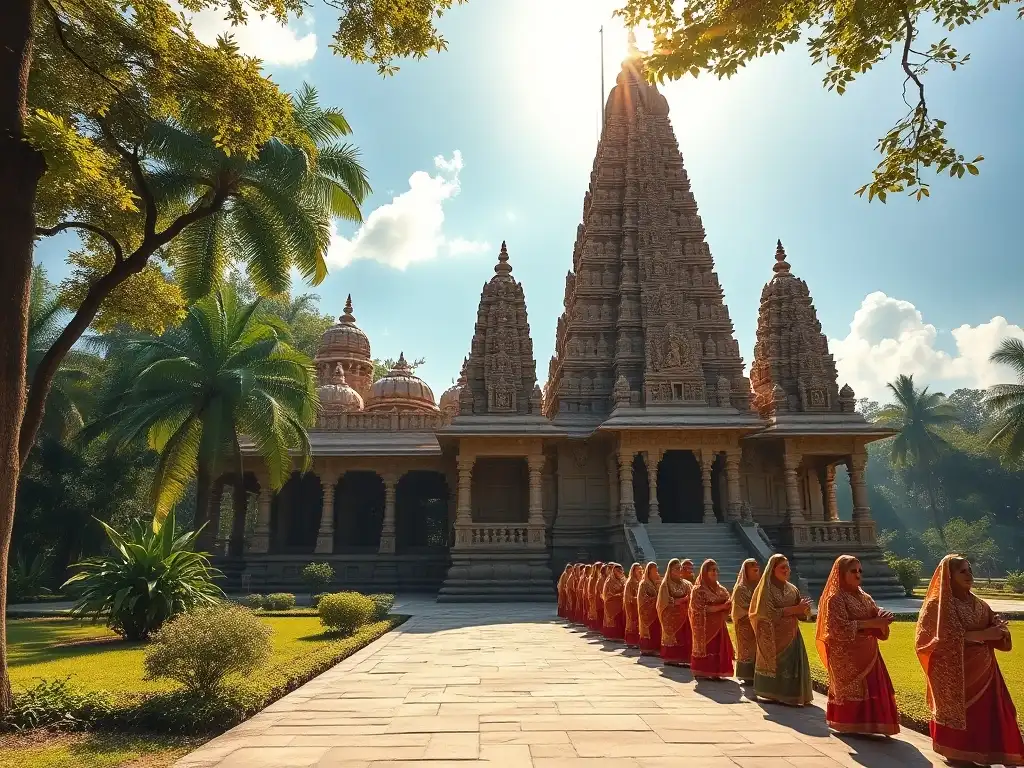
Jain architecture in ancient India is not only a testament to the religious devotion of the Jain community but also an invaluable part of India's cultural heritage. The preservation of these architectural marvels today is crucial for maintaining the historical narrative and understanding the artistic achievements of past civilizations. This section explores the ongoing efforts and the role of modern communities in preserving this unique architectural legacy.
Efforts in Conservation of Ancient Jain Structures
The conservation of ancient Jain structures involves a multifaceted approach that includes restoration, research, and community engagement. Various organizations, both governmental and non-governmental, are actively involved in these efforts. Notable initiatives include:
- Documentation and Research: Scholars and archaeologists conduct extensive studies on Jain temples and monuments, documenting their architectural features, inscriptions, and historical contexts. This research helps to create a comprehensive database for future conservation efforts.
- Restoration Projects: Restoration programs often focus on significant sites such as the Dilwara Temples in Mount Abu and the Ranakpur Temple in Rajasthan. These projects aim to restore the structural integrity and aesthetic qualities of the temples while adhering to original construction techniques and materials.
- Government Initiatives: The Archaeological Survey of India (ASI) plays a pivotal role in protecting and preserving Jain monuments. They implement preservation guidelines and provide funding for restoration projects, ensuring that these sites are maintained for future generations.
- Community Involvement: Local Jain communities often participate in preservation efforts by funding restoration projects, organizing awareness campaigns, and volunteering for clean-up drives at temples and heritage sites.
The Role of Modern Jain Communities in Preserving Heritage
Modern Jain communities have a profound impact on the preservation of Jain architecture in ancient India. Their commitment to safeguarding their heritage manifests in various ways:
- Financial Support: Wealthy Jain philanthropists frequently contribute funds for the maintenance and restoration of ancient temples. This financial backing is crucial for sustaining preservation efforts.
- Cultural Programs: Many Jain organizations host cultural events, workshops, and seminars focused on the significance of Jain architecture and its conservation. These programs educate the younger generation about their heritage and inspire them to take an active role in preservation efforts.
- Advocacy for Heritage Protection: Jain communities often advocate for the legal protection of heritage sites. They work with local governments to establish regulations that prevent encroachment and degradation of historical sites.
- Global Outreach: The Jain diaspora around the world plays a significant role in raising awareness about Jain architecture. Through international conferences and collaborations, they highlight the importance of preserving this heritage on a global scale.
- Technological Integration: Modern Jain communities are increasingly using technology, such as 3D modeling and virtual reality, to document and promote Jain architectural sites. This innovative approach not only aids in preservation but also enhances public engagement with Jain heritage.
The ongoing efforts in conservation and the active role of modern Jain communities ensure that the unique aspects of Jain architecture in ancient India continue to be celebrated and preserved for future generations. By recognizing the historical significance and cultural richness of these structures, we can appreciate the lasting legacy of Jainism in the architectural landscape of India.
Conclusion: The Enduring Legacy of Jain Architecture in Ancient India
The legacy of Jain architecture in ancient India is a testament to the rich cultural and spiritual landscape that flourished over centuries. This architectural form not only embodies the principles of Jain philosophy but also reflects the socio-economic and artistic evolution within the Indian subcontinent. The intricately carved temples, with their stunning facades and detailed sculptures, are not merely places of worship but also serve as repositories of history, art, and devotion.
Reflection on the Cultural Significance of Jain Architectural Marvels
Jain architecture in ancient India holds a unique position in the broader context of Indian art and architecture. The temples, such as those found in Dilwara, Ranakpur, and Mount Abu, showcase the distinctive styles that emerged under the influence of Jain beliefs, emphasizing non-violence, simplicity, and minimalism.
- Philosophical Underpinnings: Each temple's design and layout often reflect core Jain values, including the concept of ahimsa (non-violence) and the pursuit of spiritual enlightenment. The use of light and space in these structures creates an atmosphere conducive to introspection and meditation.
- Artistic Expressions: The exquisite carvings depicting Tirthankaras, celestial beings, and intricate floral motifs illustrate the advanced craftsmanship of the time. These artistic expressions serve as a visual narrative of Jain teachings and the importance of asceticism.
- Cultural Interactions: Jain architecture also highlights the interactions between Jains and other communities. For example, the stylistic influences observed in temples suggest a blend of local artistic traditions with Jain ideals, showcasing the adaptability and resilience of Jain culture.
Future Prospects for Jain Architectural Studies and Preservation
The future of Jain architectural studies appears promising, with increasing interest in the preservation and promotion of these historical sites. As research continues to uncover the depths of Jain contributions to Indian architecture, several prospects can be envisioned:
- Enhanced Academic Research: With more scholars focusing on Jain architecture, we can expect a deeper understanding of its historical contexts, architectural styles, and cultural significance. This may lead to the publication of comprehensive studies and resources that document Jain architectural heritage.
- Conservation Efforts: The need for preservation of Jain temples and monuments is critical, given their age and vulnerability to environmental factors. Collaborative efforts between government bodies, NGOs, and local communities can foster effective conservation strategies, ensuring these marvels endure for future generations.
- Public Awareness and Education: Increasing awareness about Jain architecture and its significance can be achieved through educational programs, workshops, and exhibitions. By engaging the public, we can cultivate a greater appreciation for this unique aspect of India’s cultural heritage.
- Tourism Development: Promoting Jain architectural sites as tourist destinations can contribute to their preservation and local economies. Responsible tourism initiatives can encourage visitors to explore these historical sites while maintaining respect for their cultural and spiritual significance.
Jain architecture in ancient India is not just an architectural style but a reflection of a profound philosophical and cultural legacy. As we move forward, it is essential to preserve and celebrate these architectural marvels, ensuring that they continue to inspire and educate future generations about India's rich heritage.
Frequently Asked Questions
What is Jain architecture in ancient India?
Jain architecture refers to the distinctive style of temples and structures built by the Jain community during ancient times, characterized by intricate carvings and elaborate designs that reflect their religious beliefs.
How did Jain architecture influence other architectural styles?
Jain architecture significantly influenced the development of regional styles in India, merging with local techniques and contributing to the artistic evolution of temples across various cultures, especially during the Medieval period.
What are some key features of Jain temples?
Key features of Jain temples include ornate columns, detailed sculptures, and high ceilings. These elements are often designed to create an atmosphere of serenity and devotion for worshippers.
Where can one find prominent examples of Jain architecture?
Prominent examples of Jain architecture can be found in places like Ranakpur, Mount Abu, and Jaisalmer. These locations house some of the most magnificent temples showcasing the rich artistic heritage of Jainism.
What role did Jain architecture play in ancient Indian culture?
Jain architecture played a vital role in reflecting the spiritual values and artistic endeavors of ancient Indian culture, serving as symbols of faith, community, and the pursuit of knowledge.
Final Reflection: The Enduring Legacy of Jain Architecture in Ancient India
The intricate beauty and philosophical depth of Jain architecture in ancient India continue to resonate in today's world, reminding us of the profound connection between spirituality and artistry. As we explore the unique aspects of this architectural style, we uncover not only the aesthetic brilliance but also the ethical principles that guided its creation. In a time when modern architecture often prioritizes functionality over meaning, Jain architecture stands as a testament to the power of intention and reverence in design.
Jain architecture has significantly shaped the cultural and social landscape of India, influencing countless generations in their pursuit of harmony and peace. The structures, adorned with intricate carvings and symbolic motifs, serve as a reminder of the values of non-violence and respect for all living beings that are central to Jain philosophy. Architecture is the thoughtful making of space.
This quote encapsulates the essence of Jain architecture, where every element is designed with purpose, inviting us to reflect on our own relationship with the spaces we inhabit.
As we conclude this exploration, I invite you to reflect on the lessons embedded in Jain architecture and consider how they can inspire your own life. Whether it's embracing simplicity, fostering compassion, or seeking beauty in the everyday, let the principles of Jain architecture guide you toward a more meaningful existence. In a world that often feels chaotic, may we find solace in the timeless wisdom of those who came before us and strive to create spaces—both physical and emotional—that honor our shared humanity.
Unveil the Timeless Beauty of Jain Architecture!
Thank you for diving into the fascinating world of Jain architecture in Ancient India! Your interest in this unique subject not only broadens your understanding of art and culture but also enriches your appreciation for the intricate designs and spiritual significance of these historical structures. Now, it’s time to take the next step!
Here’s how you can deepen your exploration of Jain architecture and contribute to the conversation:
- Dive deeper into the history: Visit a local library or explore online resources to research specific Jain temples or architectural styles that captivate you.
- Share your insights: Join our community by commenting below or on social media – let us know which aspects of Jain architecture have inspired you the most!
- Plan a visit: If possible, visit a nearby Jain temple or a historical site to experience the beauty firsthand. Look for guided tours that can enhance your understanding!
What unique features of Jain architecture do you find most striking, and how do you think they reflect the cultural values of the time?