
Agricultural Innovations of the Chola Dynasty: A Model for Prosperity

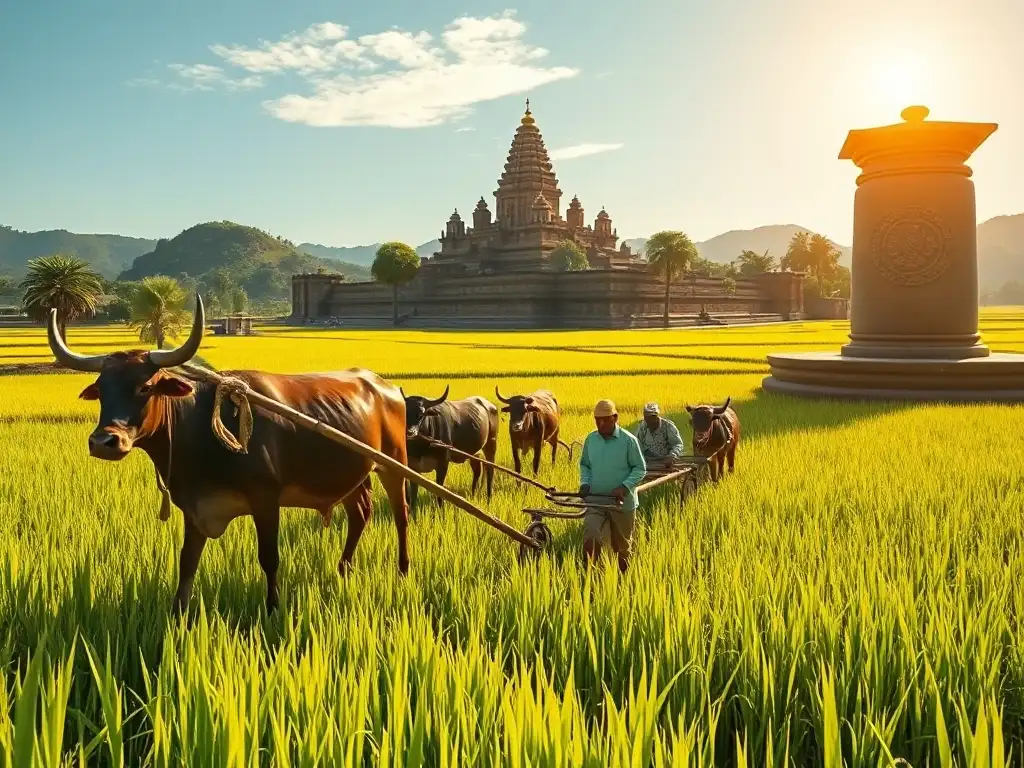
Welcome to Ancient India History, where we embark on a captivating journey through the rich tapestry of India's past! Today, we delve into the Chola Dynasty, renowned not just for its formidable empire but also for its groundbreaking agricultural innovations that transformed the landscape of ancient farming. Discover how these advancements not only fueled economic prosperity but also laid the groundwork for a thriving civilization. Are you ready to uncover the secrets behind the Chola Dynasty's success in agriculture? Dive into our featured article and let the exploration begin!
- Introduction to Chola Dynasty Agricultural Innovations
- Historical Context of Agricultural Practices in the Chola Dynasty
- Key Agricultural Innovations of the Chola Dynasty
- Impact of Chola Agricultural Innovations on Society
- Case Studies of Successful Agricultural Practices
- Lessons from Chola Dynasty Agricultural Innovations
- Conclusion: The Legacy of Chola Dynasty Agricultural Innovations
-
Frequently Asked Questions
- What were the major agricultural innovations of the Chola Dynasty?
- How did the Chola Dynasty’s innovations impact their economy?
- What crops were primarily cultivated during the Chola Dynasty?
- Did the Chola Dynasty influence other regions with their agricultural practices?
- What role did temples play in the agricultural system of the Chola Dynasty?
- Final Reflection: Embracing the Legacy of Chola Dynasty Agricultural Innovations
- Unlock the Secrets of Agricultural Success!
Introduction to Chola Dynasty Agricultural Innovations
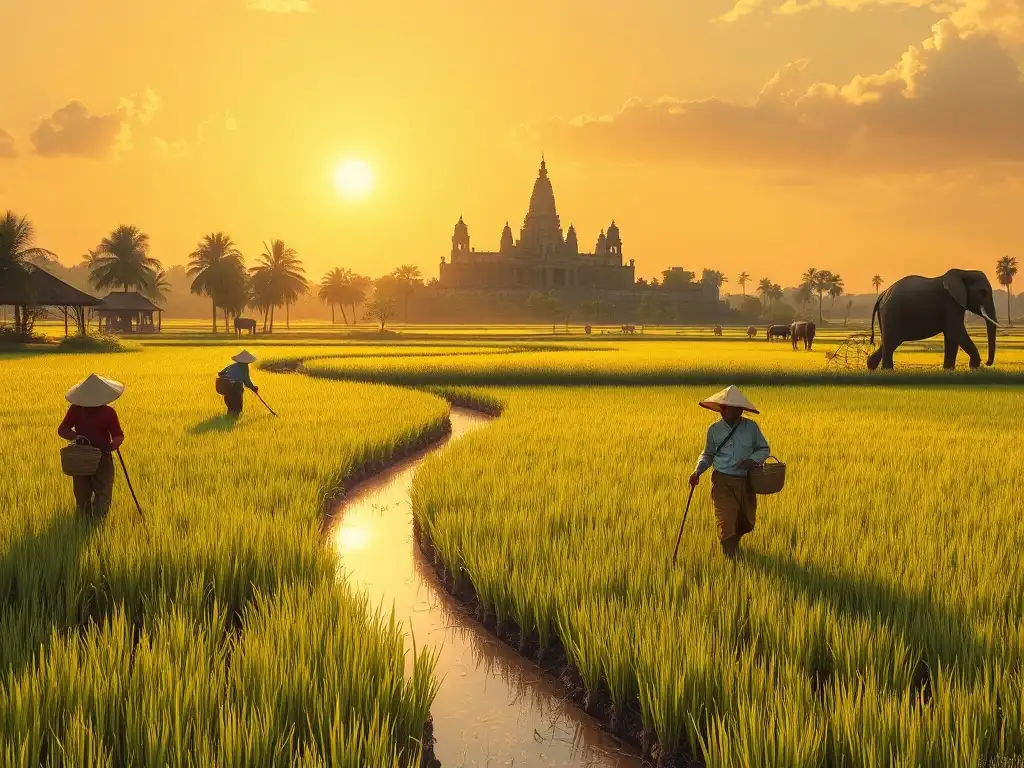
The Chola Dynasty, one of the longest-ruling dynasties in South Indian history, is renowned for its remarkable contributions across various fields, particularly in agriculture. From the 9th to the 13th centuries, the Cholas not only expanded their territory but also established a robust agricultural framework that significantly influenced the economy and society of their time. This article delves into the Chola Dynasty agricultural innovations, highlighting how their advanced practices laid the groundwork for prosperity and sustainability. By exploring their methodologies, we can uncover valuable lessons that resonate even in contemporary agricultural practices.
Overview of the Chola Dynasty
The Chola Dynasty emerged as a dominant force in southern India around the 9th century CE, characterized by an impressive lineage of kings who expanded their empire and enhanced cultural advancements. Under rulers such as Rajaraja Chola I and his son Rajendra Chola I, the dynasty reached its zenith, not only in military conquests but also in administrative sophistication and economic prosperity.
- Territorial Expansion: The Cholas extended their influence beyond India, reaching parts of Southeast Asia, which facilitated trade and cultural exchange.
- Cultural Contributions: The period saw a flourishing of art, architecture, and literature, with grand temples and exquisite bronze sculptures marking the era.
- Administrative Innovations: The Chola rulers implemented effective governance mechanisms, which included land revenue systems that directly impacted agricultural productivity.
Significance of Agriculture in Chola Society
Agriculture was the backbone of the Chola economy, deeply interwoven with the social and cultural fabric of society. The Chola kings recognized the importance of agricultural advancements and invested in innovations that would enhance productivity and sustainability.
- Irrigation Systems: The Cholas are particularly noted for their sophisticated irrigation techniques, including the construction of large reservoirs and an intricate network of canals. This not only ensured a steady water supply but also maximized arable land.
- Crop Diversification: The introduction of various crops, including rice, pulses, and millets, allowed for a more resilient agricultural system that could withstand climatic variations.
- Agricultural Administration: The establishment of local bodies to oversee agricultural practices ensured that farmers received the necessary support, thereby boosting productivity.
Purpose of the Article
This article aims to thoroughly examine the agricultural innovations of the Chola Dynasty, shedding light on how these practices not only fostered economic stability during their reign but also served as a model of prosperity for future generations. By delving into the technological advancements and administrative frameworks established by the Cholas, we can appreciate the ingenuity of ancient Indian agricultural practices and their enduring legacy in today's agricultural landscape. Through this exploration, we hope to inspire contemporary agricultural strategies that draw from historical successes while addressing modern challenges.
Historical Context of Agricultural Practices in the Chola Dynasty

The Chola Dynasty, flourishing from approximately the 9th to the 13th century CE, is renowned not only for its military conquests and architectural achievements but also for its significant advancements in agricultural practices. Understanding the historical context of agricultural practices during this period provides insight into how the Chola rulers transformed agriculture into a pillar of economic prosperity.
Agricultural Background Before the Chola Era
Before the rise of the Chola Dynasty, agriculture in South India was primarily centered around subsistence farming. The predominant crops included rice, millets, and pulses, cultivated using traditional methods that had remained largely unchanged for centuries.
- Irrigation Practices: The region's agricultural success was constrained by the monsoon climate, leading to the establishment of basic irrigation systems, which included:
- Tanks and Reservoirs: Earthen dams and reservoirs were constructed to store rainwater, enabling farmers to cultivate during dry spells.
- Canal Systems: Simple canals were utilized to divert water from rivers into fields, although these systems varied significantly in complexity and effectiveness.
- Crop Varieties: The crops grown were largely dependent on local climatic conditions and soil fertility. Rice was the staple food, but the cultivation of other cereals and legumes was common.
- Social Structure: The agrarian society was stratified, with land ownership concentrated in the hands of a few wealthy families or temples, while the majority of farmers worked as tenants or laborers. This social structure limited the incentives for agricultural innovation.
The agricultural practices of this era laid the groundwork for the transformative changes that would come with the emergence of the Chola Dynasty, setting the stage for a more organized and productive agricultural system.
Emergence of the Chola Dynasty and Agricultural Transformation
The rise of the Chola Dynasty marked a significant turning point in the agricultural landscape of South India. Under the leadership of kings like Vijayalaya Chola and Rajaraja Chola I, a series of innovations and reforms were implemented that revolutionized agriculture in the region.
- Irrigation Engineering: One of the hallmark innovations of the Chola Dynasty was the development of sophisticated irrigation systems. The Cholas recognized the importance of water management, leading to:
- Large-Scale Canals: The construction of extensive canal networks allowed for the efficient distribution of water to farmlands, significantly increasing the area under cultivation.
- Water Harvesting Techniques: The implementation of advanced water harvesting techniques, such as the construction of check dams, contributed to improved water retention and soil fertility.
- Crop Diversification: The Chola rulers encouraged the cultivation of a wider variety of crops, promoting not only rice but also cash crops such as sugarcane, cotton, and various spices. This diversification not only improved food security but also increased trade opportunities.
- Agricultural Policies: The Chola administration implemented policies that incentivized agricultural production, including:
- Tax Reforms: The introduction of a more structured tax system based on agricultural yields motivated farmers to increase their productivity and invest in their lands.
- Support for Farmers: The establishment of agricultural cooperatives and the provision of loans and resources to farmers facilitated access to better tools and seeds.
- Cultural and Religious Influence: The Chola Dynasty also integrated cultural and religious practices into agriculture, with temples playing a vital role in agricultural communities. Temples often acted as centers for agricultural knowledge, providing guidance on best practices and serving as community hubs.
The agricultural innovations of the Chola Dynasty not only enhanced productivity but also laid the foundation for a robust economy that supported trade and cultural exchange. The success of these agricultural practices serves as a model for prosperity, illustrating how effective governance and innovation can lead to sustainable agricultural development.
Key Agricultural Innovations of the Chola Dynasty


The Chola Dynasty, which flourished in southern India between the 9th and 13th centuries, is renowned for its remarkable agricultural innovations that significantly contributed to the prosperity of its empire. The Cholas not only improved agricultural productivity but also established sustainable practices that ensured food security and economic stability. This section explores the key agricultural innovations of the Chola Dynasty, focusing on advanced irrigation techniques, crop diversification, and the cultivation of staple crops like rice.
Advanced Irrigation Techniques
The Chola Dynasty is celebrated for its sophisticated irrigation systems, which played a crucial role in transforming agriculture in the region.
Construction of Canals and Water Tanks
One of the most notable innovations was the extensive construction of canals and water tanks. The Chola rulers invested heavily in hydraulic engineering, creating an intricate network of irrigation channels that diverted water from rivers and streams to agricultural fields.
- Grand Anicut: One of the most famous constructions is the Grand Anicut (Kallanai), built across the Kaveri River by King Karikala Chola. This dam helped regulate water flow and facilitated the irrigation of vast tracts of land.
- Water Management: The Cholas implemented a system of water management that included the maintenance of reservoirs and the periodic desilting of canals to ensure optimal water flow. This approach maximized agricultural productivity, even during dry spells.
Role of Monsoons in Chola Agriculture
The monsoon season was critical to the agricultural success of the Chola Dynasty. The timing and intensity of monsoon rains were carefully monitored, and the irrigation systems were designed to complement the seasonal rainfall.
- Rainfed Agriculture: While the Chola farmers relied on the monsoon for natural irrigation, their advanced systems allowed them to store excess rainwater in tanks for use during drier months.
- Crops and Seasons: The Cholas adeptly timed their sowing and harvesting cycles to align with the monsoon patterns, ensuring that crops received adequate moisture and maximizing yields.
Crop Diversification and Improvement
The Chola Dynasty also emphasized the importance of crop diversification and the introduction of improved crop varieties, which were crucial for sustaining agricultural growth.
Introduction of New Crop Varieties
To enhance food production, the Cholas actively promoted the cultivation of various crop varieties beyond traditional staples. They were particularly known for:
- Introduction of Pulses: Alongside rice, pulses were introduced as essential crops that enriched the soil and provided essential proteins to the diet.
- Spices and Cash Crops: The Cholas also cultivated spices, which became important cash crops. This diversification helped stabilize the economy and provided farmers with multiple sources of income.
The Importance of Rice Cultivation
Rice was the cornerstone of the Chola agricultural system and was cultivated extensively across the region.
- Terracing and Paddy Fields: The Cholas innovatively used terracing techniques to maximize arable land, particularly in hilly regions, which allowed for efficient rice cultivation.
- Culinary and Cultural Significance: Rice held not only economic importance but also cultural significance in Chola society, being central to various rituals and daily meals. The emphasis on rice cultivation contributed to the overall prosperity and stability of the dynasty.
The agricultural innovations of the Chola Dynasty, particularly in irrigation techniques and crop diversification, set a remarkable precedent for sustainable agricultural practices. These developments not only ensured food security but also fostered economic growth, making the Chola Dynasty a model of agricultural prosperity in ancient India.
Agricultural Tools and Equipment
The Chola Dynasty, known for its remarkable contributions to agriculture, emphasized the importance of effective tools and equipment to enhance productivity. The innovations in agricultural tools during this period were pivotal in transforming farming practices, enabling farmers to cultivate land more efficiently and yield better harvests. These tools were made from locally available materials, such as iron and wood, reflecting the resourcefulness of Chola artisans.
Among the key agricultural tools used were:
- Ploughs: The Chola plough was an advanced version, often made of wood with iron tips that aided in turning the soil effectively. This allowed for deeper tillage, which is crucial for root development in crops.
- Sickles: Used for harvesting, sickles had curved blades that made cutting crops like rice and wheat easier and more efficient.
- Water Lifting Devices: The use of devices such as the persian wheel (a type of water wheel) facilitated irrigation by lifting water from rivers and canals to fields, ensuring crops received adequate moisture.
These tools not only improved agricultural efficiency but also contributed to the overall prosperity of the Chola Empire, making it a leader in agricultural innovation during its time.
Innovations in Farming Implements
The Chola Dynasty witnessed several innovations in farming implements that significantly enhanced agricultural practices. One of the most notable advancements was the introduction of the seed drill, which allowed for the precise sowing of seeds at the correct depth and spacing. This method reduced seed wastage and ensured more uniform crop growth, leading to higher yields.
Additionally, the Chola farmers began to adopt multi-cropping techniques, which involved growing different crops simultaneously on the same land. This practice was supported by the development of specialized tools that enabled farmers to manage various crops effectively. The use of improved irrigation techniques complemented these innovations, allowing farmers to cultivate multiple harvests throughout the year, thus maximizing land productivity.
The Chola administration also played a crucial role in promoting these innovations through the establishment of agricultural colleges and institutions that focused on research and development. The dissemination of knowledge regarding new farming practices and tools contributed to widespread adoption among farmers, leading to an overall increase in agricultural output.
Use of Animal Power in Agriculture
Animal power was a cornerstone of agricultural practices during the Chola Dynasty, significantly enhancing productivity and efficiency. The Cholas utilized various animals, including oxen and buffalo, to assist in farming activities. These animals were primarily employed for ploughing fields, which was essential for preparing the land for sowing.
The introduction of yokes and harnesses further optimized the use of animal power. The design of these implements allowed animals to pull heavier loads and exert more force, making the process of tilling land much easier. This not only saved time but also reduced the physical burden on farmers, enabling them to focus on other essential farming tasks.
Furthermore, the Chola Dynasty's innovations extended to the management of livestock. Farmers were encouraged to breed stronger and more resilient animals, which contributed to improved agricultural productivity. The integration of animal husbandry with crop production created a sustainable agricultural model that supported the economic stability of the region, allowing the Chola Empire to flourish during its peak.
Impact of Chola Agricultural Innovations on Society

Economic Prosperity and Agricultural Surplus
The Chola Dynasty, which thrived between the 9th and 13th centuries CE, is renowned for its significant agricultural innovations that laid the groundwork for economic prosperity. These innovations primarily revolved around advanced irrigation techniques, crop rotation, and the introduction of new crops, which collectively fostered agricultural surplus.
- Irrigation Techniques: The Cholas mastered irrigation systems, particularly through the construction of extensive canal networks. For instance, the famous Grand Anicut (Kallanai) built by King Karikala Chola is a remarkable feat of engineering that diverted the waters of the Kaveri River to ensure a steady supply of water for agriculture. This system allowed for the cultivation of multiple crops each year, elevating productivity.
- Crop Rotation and Diversification: The practice of crop rotation became prominent during the Chola era, enabling farmers to grow a variety of crops such as rice, sugarcane, and pulses. This not only improved soil fertility but also reduced the risk of crop failure due to pests or diseases, resulting in a more stable food supply.
- Agricultural Surplus: With these advancements, the Chola Empire experienced unprecedented agricultural surplus, which not only supported local populations but also allowed for the growth of urban centers. The surplus facilitated the rise of a market economy, where agricultural products could be exchanged for goods and services, thereby boosting the overall economy.
As a result, the innovations in agriculture during the Chola Dynasty are often cited as a model for prosperity, showcasing how effective agricultural practices can transform an empire's economic landscape.
Influence on Trade and Commerce
The agricultural innovations of the Chola Dynasty significantly influenced trade and commerce, both locally and internationally. The surplus created by advanced agricultural practices allowed the Chola Empire to engage actively in trade, thereby enhancing its economic stature.
- Trade Routes: The Chola Dynasty established robust trade routes across the Indian Ocean, connecting with regions such as Southeast Asia. This not only facilitated the export of surplus agricultural products but also encouraged cultural exchanges and the spread of ideas.
- Merchant Class and Economy: With increased agricultural output, a thriving merchant class emerged, who dealt in various commodities, including rice, spices, and textiles. This economic boom contributed to the prosperity of cities like Thanjavur and Kanchipuram, which became bustling trade centers.
- International Relations: The Cholas engaged in maritime trade with foreign nations, which brought wealth and resources into the empire. The import of goods such as horses and precious metals complemented the agricultural surplus, enhancing the empire's overall economy.
The intricate relationship between agriculture and trade during the Chola Dynasty demonstrates how agricultural innovations can drive commercial success and strengthen international relations.
The agricultural innovations of the Chola Dynasty also had profound effects on the social structure and the agricultural workforce, reshaping societal dynamics in the empire.
- Rise of a Landed Gentry: The increase in agricultural productivity led to the emergence of a wealthy landed gentry class. Landowners accumulated wealth and power, which transformed the traditional feudal system. This new class played a crucial role in local governance and the administration of agricultural practices.
- Labor Force and Tenant Farmers: The need for a robust agricultural workforce led to the establishment of a system of tenant farming. Many laborers, who were previously subsistence farmers, became tenant farmers, renting land from the wealthy landowners. This change not only provided them with employment but also altered their social status and economic security.
- Cultural Integration and Social Mobility: The agricultural surplus allowed for the diversification of occupations beyond farming, leading to the growth of artisan and merchant classes. This integration fostered social mobility, as individuals could now pursue various trades and crafts, contributing to a more dynamic society.
Overall, the agricultural innovations of the Chola Dynasty redefined the social structure, creating new classes and opportunities, which in turn influenced the cultural and economic fabric of ancient Indian society.
Case Studies of Successful Agricultural Practices

Example 1: The Fertile Delta Region
Description of Agricultural Practices
The Chola Dynasty, flourishing from the 9th to the 13th centuries, is renowned for its innovative agricultural practices, particularly in the fertile delta regions of Tamil Nadu. The delta, nourished by the Kaveri River, provided a perfect backdrop for advanced irrigation techniques.
The Cholas developed a sophisticated system of canals and tanks to manage water resources effectively. These irrigation methods allowed for the cultivation of multiple crops throughout the year, enhancing productivity. Farmers utilized floodwater farming, where they carefully timed their planting schedules to take advantage of the seasonal floods, ensuring optimal moisture levels.
Additionally, the practice of mixed cropping was prevalent, where different crops were cultivated together to maximize land use and minimize pest damage. This integration of various crops not only improved yield but also contributed to soil health through crop diversity.
Outcomes and Benefits
The agricultural innovations in the fertile delta region led to a remarkable increase in productivity. Historical records indicate that rice, the staple crop, flourished, with yields significantly surpassing those of surrounding regions. This agricultural abundance supported a burgeoning population and contributed to the economic prosperity of the Chola Dynasty.
Moreover, the efficient irrigation systems established during this period laid the groundwork for sustainable agricultural practices that would benefit generations to come. The food surplus facilitated trade and commerce, making the delta a thriving hub of economic activity. As a result, the Chola Dynasty became a model of agricultural success, showcasing how effective management of natural resources can lead to prosperity.
Example 2: Crop Rotation Techniques
Implementation and Impact
The Chola Dynasty was among the early adopters of crop rotation techniques, a practice that significantly improved agricultural output while preserving soil fertility. Farmers systematically rotated different crops in a specific sequence to prevent soil depletion and control pests and diseases.
For instance, a common rotation included pulses, which are nitrogen-fixing crops, followed by cereals. This method not only enriched the soil but also diversified the diet of the population, leading to improved nutrition. The implementation of this technique was facilitated by the extensive knowledge of agronomy possessed by Chola farmers.
The Chola administration also played a pivotal role in promoting these techniques through local agricultural councils, which educated farmers on best practices. This emphasis on knowledge-sharing fostered a community-based approach to agriculture, enabling widespread adoption of sustainable practices.
Long-term Sustainability
The long-term sustainability of agricultural practices during the Chola Dynasty can be attributed to the focus on ecological balance and resource management. By employing crop rotation, farmers were able to maintain soil health, reduce dependency on chemical fertilizers, and enhance biodiversity.
The success of crop rotation not only ensured the stability of food supply but also contributed to the resilience of agricultural systems against climatic variations. This foresight in agricultural planning laid the foundation for future generations, illustrating the importance of sustainable practices in achieving long-term agricultural success.
The Chola Dynasty's agricultural innovations, particularly in irrigation and crop rotation, are exemplary models of how strategic practices can lead to economic prosperity and environmental sustainability. Their legacy continues to influence agricultural methods in contemporary India, highlighting the enduring impact of ancient innovations.
Lessons from Chola Dynasty Agricultural Innovations

The agricultural innovations of the Chola Dynasty, which flourished between the 9th and 13th centuries in South India, provide valuable lessons for contemporary agricultural practices. The Chola rulers implemented advanced irrigation techniques, crop rotation, and land management strategies that not only boosted agricultural productivity but also fostered socio-economic stability. These practices can inspire modern agricultural systems to address current challenges related to food security, climate change, and sustainable development.
Relevance to Modern Agricultural Practices
The Chola Dynasty's emphasis on irrigation is particularly relevant today, as water scarcity becomes an increasing concern worldwide. The Cholas constructed an extensive network of canals, tanks, and reservoirs, effectively harnessing rainwater and managing water resources. This system ensured a reliable supply of water for agriculture, which is crucial for enhancing crop yields.
Key aspects of Chola irrigation practices include:
- Canal Systems: The Cholas built canals that diverted water from rivers to agricultural fields, allowing for year-round irrigation, which is essential in regions with irregular rainfall.
- Water Management: They developed methods to maintain water levels and distribute water evenly across fields, reducing wastage and promoting efficient use of resources.
- Community Involvement: The management of irrigation systems was often a community effort, which fostered collaboration and ensured that local needs were met.
These practices can inspire modern water management strategies, emphasizing sustainable and community-driven approaches to irrigation.
Sustainable Practices Inspired by the Chola Model
Sustainability was a cornerstone of the agricultural practices during the Chola Dynasty. The dynasty's approach to soil management and crop diversity offers essential insights for sustainable agriculture today. The Cholas recognized the importance of maintaining soil fertility and preventing land degradation, which remains a significant challenge in contemporary farming.
Sustainable practices from the Chola Dynasty include:
- Crop Rotation: The Chola farmers practiced crop rotation to enhance soil health and reduce pest infestations. This technique not only improved yields but also minimized the reliance on chemical fertilizers, aligning with modern organic farming principles.
- Mixed Farming: They implemented mixed farming approaches, combining crop cultivation with animal husbandry. This practice helped recycle nutrients and maintain ecological balance.
- Use of Organic Fertilizers: The Cholas utilized organic fertilizers produced from farm waste, which is a precursor to today's organic farming methods. This practice not only enriched the soil but also reduced dependence on synthetic chemicals.
Incorporating these sustainable practices into modern agricultural systems could lead to increased resilience against climate change and promote long-term food security. By learning from the Chola Dynasty's agricultural innovations, current farmers and policymakers can develop strategies that enhance productivity while safeguarding the environment for future generations.
Conclusion: The Legacy of Chola Dynasty Agricultural Innovations

The Chola Dynasty, renowned for its impressive contributions to art, architecture, and governance, also stands out for its remarkable agricultural innovations that laid the foundation for a prosperous economy. By integrating traditional methods with new techniques and technologies, the Chola rulers were able to significantly boost agricultural productivity, which played a crucial role in sustaining their expansive empire. This legacy continues to influence agricultural practices in India today.
Summary of Key Innovations
The Chola Dynasty introduced several key agricultural innovations that transformed farming in southern India. Some of the most notable innovations include:
- Irrigation Systems:
- The construction of intricate irrigation networks, including canals and reservoirs, allowed farmers to efficiently utilize water resources.
- These systems supported the cultivation of rice and other crops, even during dry seasons, enhancing crop yields.
- Crop Rotation and Diversification:
- The Cholas practiced crop rotation, which helped maintain soil fertility and reduce pest infestations.
- They encouraged the cultivation of multiple crops, including pulses, oilseeds, and millets, which improved food security and dietary variety.
- Use of Fertilizers:
- The application of organic fertilizers, such as compost and green manure, was common during this period.
- This not only enriched the soil but also promoted sustainable farming practices.
- Agricultural Tools and Techniques:
- Innovations in tools, such as the plough and sickle, improved labor efficiency.
- The introduction of better seed varieties also played a critical role in increasing productivity.
Lasting Impact on Indian Agriculture and Society
The agricultural innovations of the Chola Dynasty had a profound and lasting impact on both agriculture and society in India:
- Economic Prosperity:
- The enhanced agricultural output contributed to the wealth of the Chola Empire, enabling trade expansion and urbanization.
- This prosperity laid the groundwork for a flourishing economy that benefitted not just the ruling class but also common farmers.
- Social Structure:
- Improved agricultural practices fostered a more stable society, reducing the likelihood of famine and enhancing the quality of life for the peasantry.
- The rise of agrarian communities encouraged social cohesion and the development of local governance systems.
- Cultural Exchange:
- As agricultural productivity increased, surplus crops facilitated trade with neighboring regions, promoting cultural exchange and interaction.
- The resulting economic stability allowed for advancements in other sectors, including education, arts, and crafts.
- Modern Relevance:
- The principles of sustainable agriculture, introduced during the Chola Dynasty, resonate with contemporary agricultural practices aimed at ecological balance.
- The importance placed on irrigation and crop diversity continues to be relevant in addressing modern challenges such as climate change and food security.
The Chola Dynasty's agricultural innovations are not merely historical anecdotes; they serve as a model for contemporary agricultural practices, emphasizing the importance of innovation, sustainability, and community well-being.
Frequently Asked Questions
What were the major agricultural innovations of the Chola Dynasty?
The Chola Dynasty introduced advanced irrigation techniques, including canal systems and water management practices, which significantly enhanced crop yields and agricultural productivity.
How did the Chola Dynasty’s innovations impact their economy?
The innovations in agriculture led to increased food production, supporting a growing population and contributing to the prosperity of the economy, allowing for trade and cultural development.
What crops were primarily cultivated during the Chola Dynasty?
The Chola Dynasty focused on cultivating rice as the staple crop, along with pulses, millets, and various fruits, which were essential for sustaining their large agrarian society.
Did the Chola Dynasty influence other regions with their agricultural practices?
Yes, the Chola agricultural practices and innovations served as a model for subsequent dynasties and were adopted in various regions across South India, enhancing overall agricultural techniques.
What role did temples play in the agricultural system of the Chola Dynasty?
Temples in the Chola Dynasty were often centers of economic activity, where lands were managed and agricultural production was promoted, linking religion with economic prosperity.
Final Reflection: Embracing the Legacy of Chola Dynasty Agricultural Innovations
The agricultural innovations of the Chola Dynasty are not merely historical footnotes; they are timeless lessons in sustainability and ingenuity that resonate profoundly in today's world. As we face pressing challenges such as climate change and food security, the Chola Dynasty's advanced irrigation systems and crop diversification strategies remind us that innovation rooted in tradition can lead to prosperity. The wisdom of the past holds the key to navigating our present and future agricultural dilemmas.
The impact of the Chola Dynasty's agricultural practices continues to shape our cultural and social landscapes. Their commitment to sustainable farming and community welfare serves as a guiding principle for modern agricultural policies. As we strive for food sovereignty and environmental stewardship, we can draw inspiration from the Chola ethos that prioritized harmony with nature. The greatest threat to our planet is the belief that someone else will save it.
– Robert Swan. This quote encapsulates the urgency of taking action, reminding us that the responsibility lies with us to implement the lessons learned from the Chola era.
As we reflect on the agricultural innovations of the Chola Dynasty, I invite you to consider how these ancient practices can inform your own approach to sustainability and community engagement. Let us honor this rich legacy by integrating these time-tested strategies into our lives, fostering a future where innovation and tradition coexist harmoniously. Together, we can cultivate a world that not only remembers the past but also thrives in the present and future.
Unlock the Secrets of Agricultural Success!
Thank you for exploring the fascinating agricultural innovations of the Chola Dynasty! We hope you found valuable insights that can inspire modern practices and approaches to farming and sustainability. Now, let's take these ideas beyond the page and make a positive impact.
Here are some simple yet powerful actions you can take right now:
- Incorporate traditional methods: Explore local agricultural practices that prioritize sustainability, such as crop rotation and organic farming. Implement these methods in your own space or community!
- Share your knowledge: Join online forums or local groups to discuss agricultural innovations from various cultures. Your perspective can influence others and enrich the conversation.
- Visit a local farm: Engage with farmers to learn about their methods and challenges. This hands-on experience can deepen your understanding and foster community connections.
What innovative agricultural technique would you like to try, and how do you think it could transform your local farming practices? Let’s discuss your thoughts in the comments below!