
How Ancient Indian Farmers Adapted to Climatic Changes

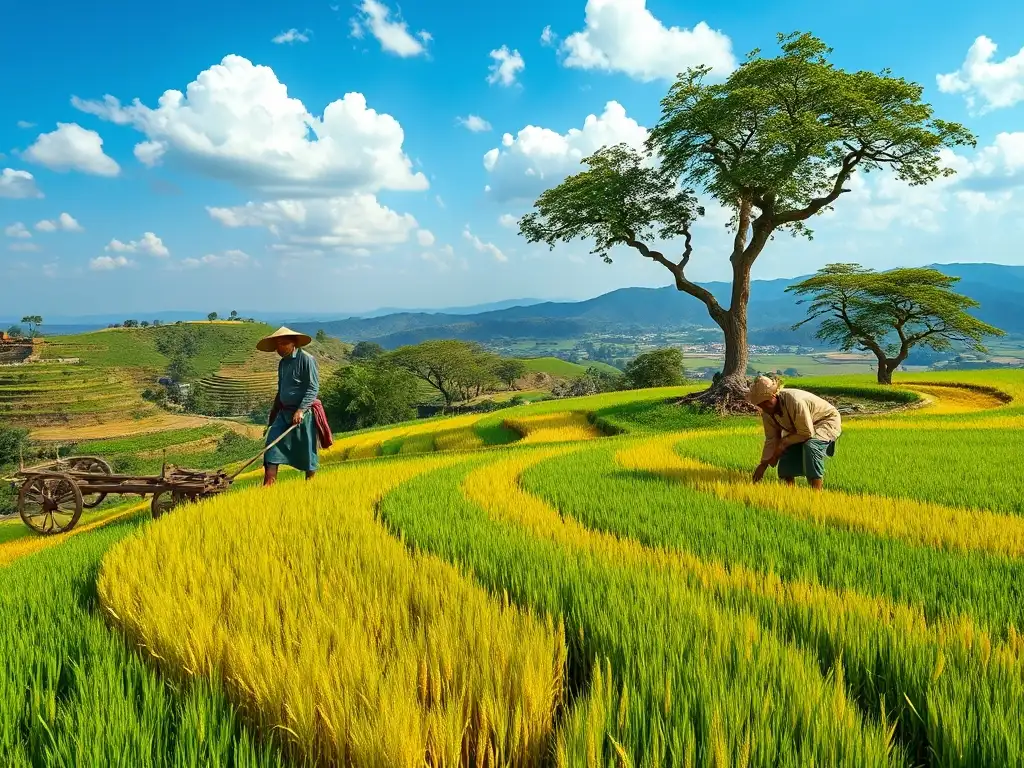
Welcome to Ancient India History, where we invite you to embark on a fascinating journey through the rich tapestry of India’s past. In our featured article, "How Ancient Indian Farmers Adapted to Climatic Changes," we delve into the innovative adaptation techniques employed by ancient Indian farmers, showcasing their resilience in the face of environmental challenges.
As you explore the intricate connections between agriculture and the evolution of society, prepare to uncover the remarkable ingenuity that shaped the livelihoods of civilizations from the Indus Valley to the Gupta Empire. Join us as we unravel the stories that have laid the foundation for India's enduring legacy!
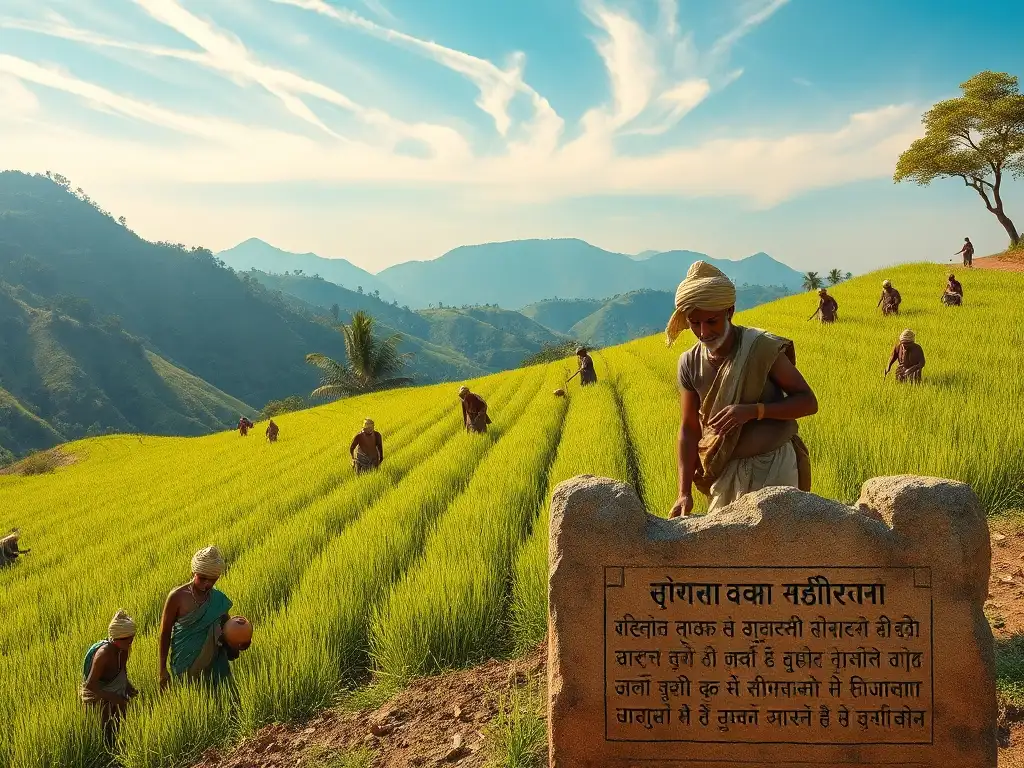
Introduction to Ancient Indian Agriculture
Ancient Indian agriculture is a fascinating subject that reveals the ingenuity and resilience of farmers who cultivated the land thousands of years ago. This article explores how ancient Indian farmers adapted to climatic changes, employing a variety of techniques that ensured the sustainability of their agricultural practices across different periods.
The ability to respond to environmental challenges was crucial for the flourishing of ancient Indian civilizations, as agriculture formed the backbone of their economy and society. Understanding these adaptation techniques not only sheds light on the agricultural evolution of the region but also highlights the profound relationship between humans and nature in ancient India.
Overview of Ancient Indian Farming Practices
Ancient Indian farmers utilized a diverse range of practices tailored to the unique geographical and climatic conditions of their regions. Some key aspects of ancient Indian agriculture included:
- Crop Diversity: Farmers grew multiple types of crops, including cereals, pulses, and vegetables, which helped mitigate the risks associated with climate variability.
- Innovative Irrigation Techniques: The construction of wells, canals, and water tanks facilitated efficient water management, particularly in arid regions.
- Seasonal Planting: Farmers adapted their planting schedules based on the monsoon patterns, ensuring that crops were sown at the optimal time for growth.
These practices not only optimized agricultural output but also demonstrated the farmers' deep understanding of their environment.
Importance of Adaptation in Agriculture
Adaptation in agriculture is essential for maintaining food security, especially in the face of climatic fluctuations. For ancient Indian farmers, adapting to changing weather patterns and environmental conditions was crucial for several reasons:
- Food Security: By adopting diverse farming techniques and crop varieties, farmers ensured a stable food supply, which was vital for sustaining large populations.
- Economic Stability: Successful agricultural practices contributed to trade, enabling farmers to exchange surplus produce and enhance their livelihoods.
- Cultural Resilience: The ability to adapt to environmental challenges fostered a sense of community and cultural identity among farmers, reinforcing traditional practices that were passed down through generations.
Understanding Climatic Challenges Faced by Ancient Indian Farmers
Types of Climatic Changes in Ancient India
The climatic challenges faced by ancient Indian farmers were varied and complex, often influenced by geographical factors and seasonal shifts. Some notable climatic changes included:
- Monsoon Variability: The Indian monsoon is characterized by its unpredictability, with fluctuations in rainfall patterns affecting crop yields.
- Drought Periods: Extended periods of drought posed significant challenges, particularly in regions reliant on rain-fed agriculture.
- Flooding Events: Conversely, heavy rainfall could lead to flooding, damaging crops and eroding soil.
These climatic challenges required farmers to develop innovative adaptation strategies to sustain their agricultural practices.
Impact of Climate on Agricultural Productivity
The impact of climate on agricultural productivity in ancient India was profound. Fluctuating weather patterns could lead to:
- Crop Failure: Inconsistent rainfall or extreme weather conditions often resulted in diminished crop yields, threatening food supplies.
- Soil Degradation: Excessive rainfall could erode fertile soil, while droughts led to soil desiccation, reducing its productivity.
- Economic Disruption: The variability in agricultural output directly affected the economy, as farmers struggled to sustain their livelihoods during adverse climatic conditions.
Understanding these impacts highlights the crucial role that adaptation techniques played in the survival and growth of ancient Indian agricultural practices.
Ancient Indian Farmers Adaptation Techniques
Ancient Indian farmers developed a range of adaptation techniques to cope with the changing climatic conditions that impacted agriculture. These techniques were essential for ensuring food security and sustainable agricultural practices in the face of unpredictable weather patterns, such as droughts and floods. The farmers utilized their deep understanding of the environment and local resources, which allowed them to innovate and apply various methods tailored to their specific regions. Here are some of the prominent adaptation techniques they employed:
Crop Rotation Methods
Crop rotation was a fundamental practice among ancient Indian farmers. This method involved alternating the types of crops grown in a particular field across different seasons or years. The benefits of crop rotation included:
- Soil Nutrient Management: Different crops have varying nutrient requirements. By rotating crops, farmers could replenish soil nutrients, reducing the need for chemical fertilizers.
- Pest and Disease Control: Changing crops helped break the life cycles of pests and diseases, minimizing infestations and promoting healthier harvests.
- Weed Management: Crop rotation also assisted in managing weeds, as certain crops could outcompete weeds or disrupt their growth cycles.
This practice not only enhanced agricultural productivity but also contributed to ecological balance and soil health.
Selection of Drought-Resistant Crops
In response to climatic variability, ancient Indian farmers often selected drought-resistant crops that could thrive in arid conditions. Some notable drought-resistant varieties included:
- Millets: Varieties such as finger millet (ragi) and pearl millet (bajra) were commonly cultivated. These grains require less water and are well-adapted to dry conditions.
- Legumes: Crops like chickpeas (chana) and pigeon peas (arhar) were favored for their ability to fix nitrogen in the soil, improving fertility while withstanding drought.
- Barley: This cereal was also grown in harsher climates due to its resilience and adaptability to low moisture levels.
By focusing on these crops, farmers enhanced their ability to sustain yields even during periods of low rainfall.
Use of Irrigation Techniques
Irrigation was a critical adaptation strategy that ancient Indian farmers employed to manage water scarcity. Various irrigation techniques were developed, including:
- Canals and Water Harvesting: Farmers constructed canals to divert water from rivers and streams to their fields, maximizing the use of available water resources.
- Wells and Tanks: The construction of wells and water tanks allowed for the storage and utilization of rainwater, especially in regions experiencing erratic rainfall.
- Flood Irrigation: In some areas, flood irrigation techniques were employed to saturate fields during the monsoon season, ensuring adequate moisture for crops.
These irrigation methods significantly improved crop yields and allowed farmers to expand cultivation into less fertile regions.
Soil Management Practices
Effective soil management was crucial for the success of ancient Indian agriculture. Farmers adopted several practices to enhance soil fertility and structure, such as:
- Organic Amendments: The use of compost, animal manure, and green manure helped enrich the soil with essential nutrients.
- Terracing: In hilly regions, farmers built terraces to reduce soil erosion and improve water retention, allowing for more effective cultivation on slopes.
- Mulching: Applying organic materials on the soil surface helped retain moisture and suppress weed growth, promoting healthier crops.
These practices not only improved soil health but also contributed to sustainable agricultural systems.
Community-Based Adaptation Strategies
Community-based adaptation strategies were integral to the resilience of ancient Indian farmers. These strategies emphasized collective efforts and the sharing of knowledge, allowing communities to respond effectively to climatic changes.
Role of Local Knowledge in Farming Adaptations
Local knowledge played a vital role in the adaptation strategies of ancient Indian farmers. This knowledge encompassed:
- Traditional Wisdom: Farmers relied on generations of experience to understand local climate patterns, soil types, and crop behavior, which informed their farming decisions.
- Biodiversity Utilization: The awareness of local biodiversity enabled farmers to select the most suitable crops and practices for their specific environments.
- Cultural Practices: Festivals and rituals often aligned with agricultural cycles, promoting community cohesion and shared responsibility for resource management.
The integration of local knowledge with agricultural practices facilitated effective adaptations to climatic challenges.
Collaborative Farming Practices Among Communities
Ancient Indian farmers often engaged in collaborative farming practices to enhance resilience against climate variability. These included:
- Shared Resources: Communities pooled resources for irrigation, tools, and labor, maximizing efficiency and reducing individual burdens.
- Collective Decision-Making: Farmers would come together to discuss and decide on crop selection, pest management, and irrigation practices, fostering a sense of unity and shared purpose.
- Crisis Response: During adverse climatic events, such as droughts or floods, communities would support each other through resource sharing and labor assistance, ensuring collective survival and recovery.
Such collaborative practices not only strengthened community bonds but also improved agricultural resilience, demonstrating the importance of social structures in adapting to environmental changes.
Case Studies of Successful Adaptation

The history of ancient Indian farmers is punctuated by remarkable examples of adaptation to climatic changes. These case studies reveal how agricultural practices evolved in response to environmental challenges, showcasing the resilience and ingenuity of ancient civilizations.
Case Study 1: The Indus Valley Civilization
The Indus Valley Civilization, which flourished between 2500 and 1900 BCE, provides a compelling case study of agricultural adaptation. This civilization was characterized by advanced urban planning and agricultural innovation, largely due to its strategic location near the Indus River and its tributaries.
Farmers in the Indus Valley developed extensive irrigation systems to manage water supply effectively. They constructed canals and reservoirs to channel river water, which was crucial during periods of drought. Furthermore, the cultivation of drought-resistant crops, such as barley and wheat, became common as a response to varying rainfall patterns.
The Indus Valley farmers also practiced crop rotation and mixed farming, which allowed them to maintain soil fertility and diversify their food sources. The evidence of granaries in cities like Mohenjo-Daro suggests that they stored surplus grains, enabling them to withstand adverse weather conditions and ensuring food security for their populations.
Case Study 2: The Gupta Empire
During the Gupta Empire (approximately 320 to 550 CE), agricultural practices continued to evolve in response to climatic changes. This period saw significant advancements in farming techniques and crop diversification, reflecting the empire's prosperity and stability.
Gupta farmers adopted new methods, such as using iron tools for plowing, which increased efficiency and productivity. The introduction of cash crops, like cotton and sugarcane, signifies a shift in agricultural focus to meet both local and trade demands.
Additionally, this era witnessed the development of sophisticated irrigation techniques, including wells and step wells, which allowed farmers to access groundwater during dry spells. The use of fertilizer from animal dung and crop residues contributed to enhanced soil health, further supporting agricultural sustainability.
Conclusion: Lessons from Ancient Indian Farmers
The adaptation techniques employed by ancient Indian farmers offer valuable insights into resilience and sustainability in agriculture. Their ability to innovate and respond to climatic challenges laid the foundation for agricultural practices that continue to influence modern farming.
Relevance of Ancient Adaptation Techniques Today
Understanding the adaptation techniques of ancient Indian farmers is increasingly relevant in today’s context of climate change and environmental degradation. The principles of sustainable agriculture, such as crop rotation, mixed farming, and efficient irrigation, are rooted in ancient practices. These techniques can inform contemporary strategies to enhance food security and mitigate the impacts of climate change.
Future Implications for Sustainable Agriculture
The lessons from ancient Indian farmers underscore the importance of adaptability and innovation in agriculture. As modern farmers face the challenges of climate variability, integrating traditional knowledge with contemporary agricultural practices can lead to more resilient farming systems. Emphasizing sustainable practices inspired by ancient techniques can not only improve crop yields but also foster environmental stewardship, ensuring a sustainable future for agriculture.
References
Key Sources on Ancient Indian Agriculture and Adaptation Techniques
-
"The Agricultural History of India" by M. N. Srinivas
This comprehensive work delves into the evolution of agricultural practices in India, highlighting the various adaptations made by ancient farmers in response to climatic changes. It provides detailed insights into crop rotation, irrigation techniques, and the cultivation of drought-resistant crops.
-
"Climate Change and Agriculture in Ancient India" by R. S. Sharma
Sharma's research focuses on the interplay between climate fluctuations and agricultural practices in ancient India. This book examines how farmers adapted their techniques to sustain productivity during periods of drought and monsoon variability, emphasizing the importance of seasonal knowledge.
-
"The Indus Valley Civilization: Agriculture and Urbanization" by J. R. A. M. Rao
This source explores the agricultural innovations of the Indus Valley Civilization, including advanced irrigation systems and water management strategies that were essential for farming in arid regions. It provides a foundational understanding of how early Indian farmers responded to environmental challenges.
-
"Agricultural Practices of Ancient India" by A. K. Mukherjee
Mukherjee's work outlines various ancient farming techniques, including the use of organic fertilizers and crop diversification. The author discusses how these methods were pivotal in enhancing soil fertility and resilience against changing climatic conditions.
-
"The Role of Agriculture in Ancient Indian Economy" by S. P. Gupta
This book discusses the broader economic implications of agricultural adaptations in ancient India. Gupta analyzes the relationship between agriculture and trade, illustrating how farming practices evolved in response to both environmental factors and market demands.
-
"Water Management Techniques in Ancient Indian Agriculture" by V. N. Rao
This publication provides an overview of the sophisticated water management systems developed by ancient Indian farmers. It highlights the construction of tanks, wells, and advanced irrigation channels that allowed for effective water use, especially during fluctuating climatic conditions.
-
"Traditional Knowledge Systems and Farming Practices in India" by L. P. Singh
Singh's book emphasizes the importance of traditional ecological knowledge in agriculture. It discusses how ancient farmers utilized local plant species and indigenous practices to adapt to varying climate patterns, ensuring food security and sustainability.
-
"Understanding the Environmental History of Ancient India" by K. D. Bhattacharya
This work examines the broader environmental context in which ancient farming practices developed. Bhattacharya discusses the impacts of climate change on agriculture and how farmers adapted their techniques over centuries.
These key sources provide a robust foundation for understanding the adaptation techniques employed by ancient Indian farmers in response to climatic changes, highlighting their innovative spirit and resilience.
- Introduction to Ancient Indian Agriculture
- Understanding Climatic Challenges Faced by Ancient Indian Farmers
- Ancient Indian Farmers Adaptation Techniques
- Community-Based Adaptation Strategies
- Case Studies of Successful Adaptation
- Conclusion: Lessons from Ancient Indian Farmers
- References
- What adaptation techniques did ancient Indian farmers use to cope with climatic changes?
- How did the Indus Valley civilization influence farming practices?
- What role did the monsoon play in ancient Indian agriculture?
- How did ancient Indian farmers manage soil fertility?
- What was the impact of the Gupta Empire on agricultural advancements?
Frequently Asked Questions
What adaptation techniques did ancient Indian farmers use to cope with climatic changes?
Ancient Indian farmers employed various adaptation techniques, such as crop rotation, multi-cropping, and rainwater harvesting, to enhance agricultural resilience against changing weather patterns.
How did the Indus Valley civilization influence farming practices?
The Indus Valley civilization introduced advanced irrigation methods and urban planning, which significantly improved agricultural productivity and laid the foundation for future farming practices in ancient India.
What role did the monsoon play in ancient Indian agriculture?
The monsoon was crucial for ancient Indian agriculture, providing essential rainfall that supported crop growth. Farmers developed sowing techniques timed to coincide with the monsoon season to maximize yields.
How did ancient Indian farmers manage soil fertility?
Ancient Indian farmers used techniques such as crop rotation and the addition of organic matter, like manure, to maintain and improve soil fertility, ensuring sustainable farming practices.
What was the impact of the Gupta Empire on agricultural advancements?
During the Gupta Empire, there was a significant emphasis on agricultural innovations, including the use of new tools and techniques, which led to improved crop yields and enhanced food security for the population.
Final Reflection: Embracing Resilience Through Ancient Wisdom
The remarkable adaptability of ancient Indian farmers serves as a powerful reminder of our own capacity to navigate the challenges posed by climate change today. As we grapple with increasingly unpredictable weather patterns and environmental shifts, the innovative techniques employed by these farmers—such as crop rotation, water conservation, and soil management—highlight the importance of sustainable practices that can inform our modern agricultural strategies. Their legacy is not just a historical account; it is a clarion call for us to embrace resilience and adaptability in the face of adversity.
The cultural and social landscape shaped by these ancient practices continues to resonate in contemporary discussions about sustainability and environmental stewardship. The wisdom of ancient Indian farmers transcends time, offering insights that remain relevant as we confront ecological crises. As Mahatma Gandhi once said, “The earth provides enough to satisfy every man's needs, but not every man's greed.” This quote encapsulates the essence of balance and respect for nature that these farmers exemplified, urging us to reflect on our relationship with the environment and the choices we make today.
As we conclude this exploration of ancient Indian farmers' adaptation techniques, I invite you to reflect on how these lessons can be integrated into your own life. Consider how you can adopt sustainable practices, whether in your gardening, consumption habits, or community initiatives. Let the ingenuity and resilience of those who came before us inspire you to take action, fostering a deeper connection with the earth and contributing to a more sustainable future for generations to come.
Embrace the Resilience of Ancient Wisdom!
Thank you for diving into the incredible journey of ancient Indian farmers and their innovative responses to climatic changes! By exploring their adaptability, you’ve gained valuable insights into sustainable practices that can inspire us even today.
Now, let’s take this knowledge forward and make a difference in our own lives:
- Engage with the Community: Participate in local workshops focused on sustainable agriculture or climate resilience. This is a great opportunity to learn from and share experiences with others.
- Explore Ancient Techniques: Implement permaculture or crop rotation methods in your garden or community, drawing inspiration from traditional practices.
- Spread the Word: Share this article with friends or on social media to encourage others to connect with our rich agricultural heritage.
How can the lessons you’ve learned from ancient farmers influence your approach to sustainability today? Let's discuss your thoughts in the comments below!