
The Artistic Techniques of the Indus Valley Craftsmen

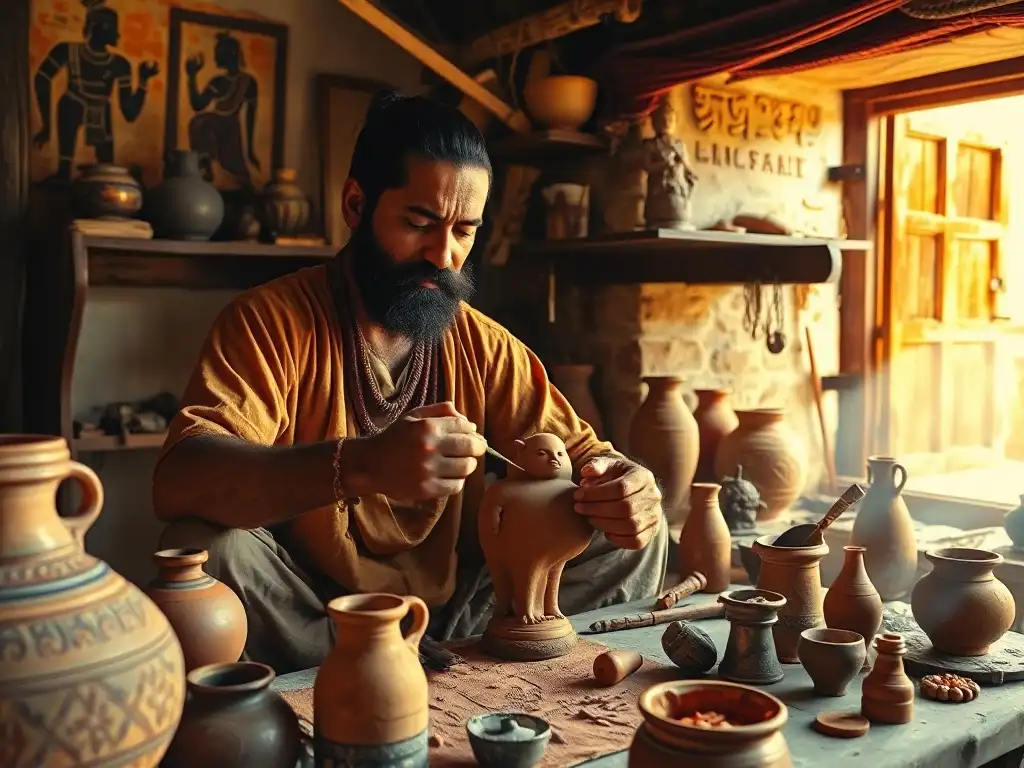
Welcome to Ancient India History, where we invite you to embark on a captivating journey through the rich tapestry of ancient Indian civilizations. Here, you'll uncover the remarkable artistic techniques of the Indus Valley craftsmen, whose creativity and innovation laid the foundations for a vibrant cultural legacy. As you delve into this fascinating article, prepare to explore the intricate artistry, advanced craftsmanship, and enduring influence that define this enigmatic era. What secrets lie within the artworks of the past? Join us as we unveil the stories waiting to be discovered!
Introduction to Indus Valley Artistic Techniques
The artistic techniques of the Indus Valley Civilization (IVC) represent a remarkable facet of ancient Indian history, showcasing a sophisticated understanding of materials and aesthetics that flourished around 2500 BCE. Spanning a vast geographical area, from modern-day Pakistan to northwest India, the IVC is best known for its urban planning, advanced drainage systems, and, notably, its artistic prowess.
The craftsmen of this era employed a variety of techniques that not only reflect their innovative spirit but also provide insight into their cultural practices and societal values. Understanding these artistic techniques is crucial to appreciating the overall contributions of the Indus Valley to ancient Indian civilization.
Overview of the Indus Valley Civilization
The Indus Valley Civilization, also known as the Harappan Civilization, thrived along the fertile plains of the Indus River. It was characterized by well-planned cities such as Mohenjo-Daro and Harappa, where evidence of advanced urban planning and architecture has been uncovered. The civilization reached its peak between 2600 and 1900 BCE and is distinguished by its remarkable achievements in various domains, including trade, agriculture, and, importantly, the arts.
The artistic legacy of the IVC is evident in several artifacts discovered during archaeological excavations. These artifacts, ranging from terracotta figurines to intricately designed seals, provide a glimpse into the craftsmanship of the time and highlight the significance of art in their daily lives. The techniques employed by these artisans reveal not just their skills but also the values and beliefs that permeated their society.
Importance of Art in Ancient Indian Culture
Art in ancient Indian culture served as a vital means of expression and communication. It played a significant role in religious practices, social interactions, and trade. The aesthetic appeal of art was not merely for decorative purposes; it also held symbolic meanings and conveyed the philosophical and spiritual beliefs of the time.
In the context of the Indus Valley Civilization, the artistic techniques employed by craftsmen provided insights into the socio-economic structure, trade relations, and cultural exchanges with neighboring civilizations. The intricate artistry found in various mediums reflects a profound understanding of form, function, and symbolism, underscoring the importance of art in shaping the identity of ancient Indian societies.
Key Artistic Techniques Employed by Indus Valley Craftsmen
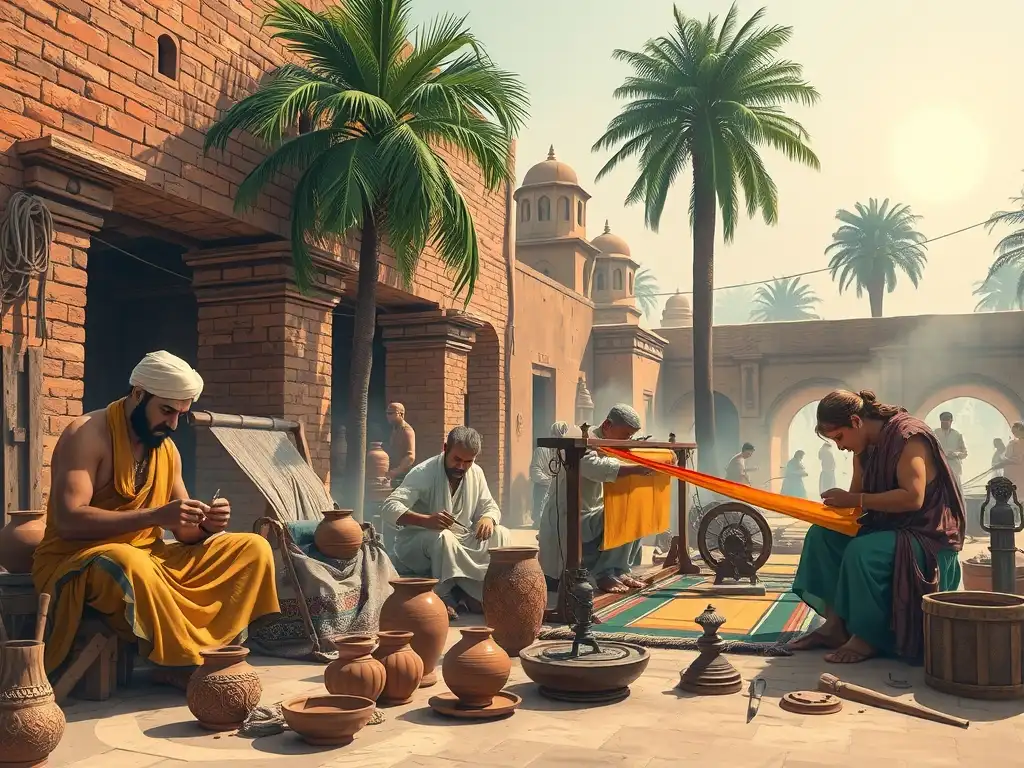
The craftsmen of the Indus Valley employed several key artistic techniques that showcased their skills and creativity. These techniques can be broadly categorized into pottery, sculpture, and textile production.
Pottery Techniques
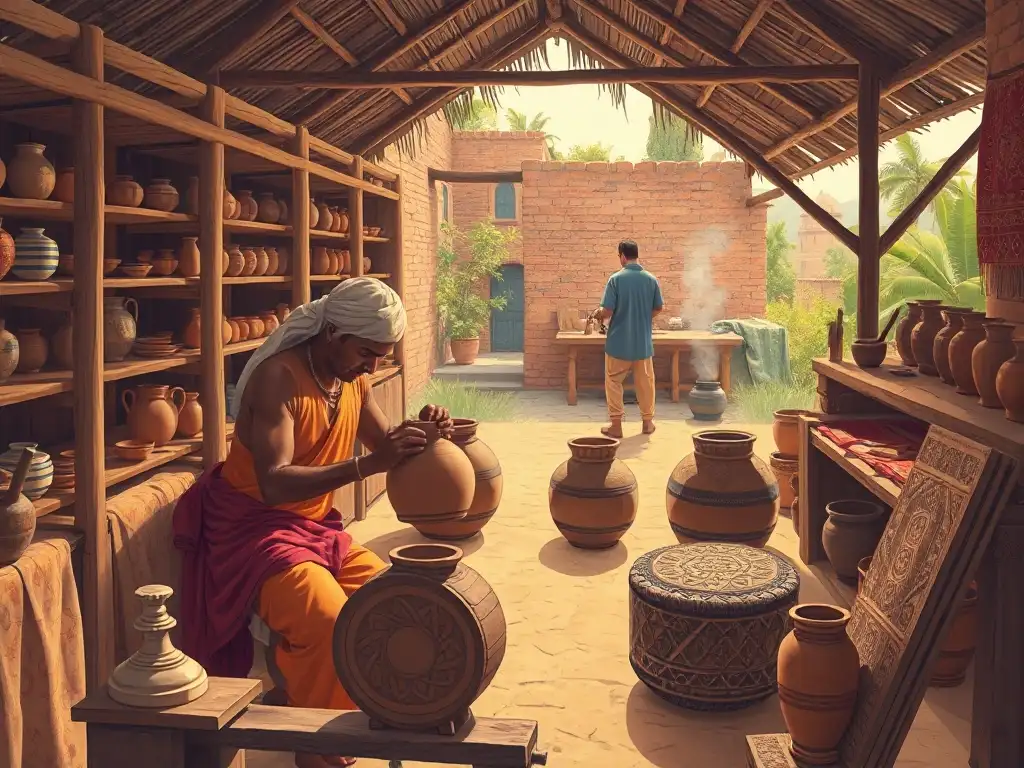
Pottery was a significant art form in the Indus Valley, with artisans creating a wide variety of functional and decorative pieces. They used several techniques, including:
- Wheel Throwing: The potter's wheel was used to create symmetrical and refined shapes, indicating advanced craftsmanship.
- Burnishing: The surface of pottery was polished to a high sheen, enhancing its aesthetic appeal.
- Painting and Glazing: Many pottery pieces featured intricate designs, often painted in natural pigments, showcasing the artistic flair of the craftsmen.
Sculpture Techniques
Sculpture in the Indus Valley was often characterized by its realism and attention to detail. Key techniques included:
- Carving: Artisans used stone, terracotta, and ivory to create intricate sculptures, including figurines and seals.
- Modeling: The use of clay allowed for the creation of lifelike forms, such as animals and human figures, demonstrating a strong grasp of anatomy and proportion.
- Lost Wax Casting: This technique was used for metal sculptures, facilitating the production of detailed and durable artworks.
Textile and Weaving Techniques
The textile industry of the Indus Valley was highly developed, with artisans skilled in various weaving techniques:
- Spinning and Weaving: Cotton was cultivated and spun into thread, which was then woven into textiles, indicating the advanced knowledge of fabric production.
- Dyeing: Natural dyes were used to color textiles, often resulting in vibrant patterns that reflected the artisans' creativity.
- Embroidery: Decorative stitching techniques enhanced the beauty of textiles, showcasing intricate designs and motifs.
The artistic techniques of the Indus Valley craftsmen not only reflect their skills and creativity but also serve as a testament to the rich cultural heritage of ancient India. Through pottery, sculpture, and textiles, these artisans contributed significantly to the legacy of the Indus Valley Civilization, leaving an indelible mark on the history of art and culture in ancient India.
Tools and Materials Used by Indus Valley Artisans
The artisans of the Indus Valley Civilization employed a variety of tools and materials that were integral to their artistic techniques. Their craftsmanship is noted for its precision and intricacy, reflecting a deep understanding of both the tools at their disposal and the materials they transformed into art. From pottery to bead-making, these tools and materials played a pivotal role in the creation of artifacts that still resonate today.
Common Tools of the Trade
Indus Valley craftsmen utilized several common tools that facilitated their artistic processes:
- Chisels and Hammers: Essential for stone carving, these tools allowed artisans to create detailed sculptures and architectural elements.
- Potter's Wheel: Introduced during this era, the potter's wheel revolutionized pottery-making, enabling the production of uniform and intricate designs.
- Saws and Drills: Used in woodwork and bead-making, these tools helped artisans achieve precision in their creations.
- Molds: Indus Valley artisans employed molds for casting metals and shaping pottery, allowing for mass production of similar items.
The combination of these tools indicates a highly developed craft culture that prioritized both functionality and artistry.
Sourcing of Raw Materials
The artisans of the Indus Valley had access to a diverse array of raw materials, which they sourced from their surrounding environment. Key materials included:
- Clay: Abundant in the region, clay was the primary material for pottery and figurines.
- Metals: Copper, bronze, and, to a lesser extent, gold and silver were used in jewelry and tools. The knowledge of metallurgy in the Indus Valley was sophisticated for its time.
- Semi-precious Stones: Carnelian, lapis lazuli, and agate were sourced locally and from trade routes, used primarily for making beads and decorative items.
- Wood and Ivory: These materials were essential for crafting intricate small objects and furniture, highlighting the artisans' versatility.
The strategic location of the Indus Valley allowed artisans to access a rich variety of materials, which significantly influenced their artistic techniques.
Influence of Geography on Artistic Techniques
The geographic features of the Indus Valley played a crucial role in shaping the artistic techniques of its craftsmen. The availability of natural resources, coupled with trade routes, facilitated a flourishing of artistic expression that was unique to this civilization.
Natural Resources and Their Impact on Art
The Indus Valley region was endowed with a wealth of natural resources, which had a direct impact on the artistic output of its civilization:
- River Systems: The Indus and Ghaggar-Hakra rivers provided fertile land for agriculture, which supported a stable population and increased demand for artistic goods.
- Rich Mineral Deposits: The presence of minerals enabled the extraction of metals and stones, allowing for a variety of artistic mediums. This access led to innovations in metallurgy and jewelry-making.
- Climate and Geography: The varied climate allowed for the growth of diverse flora, which provided materials for dyes and pigments, enriching the color palette available to artisans.
These geographic advantages not only supported the artisans' practices but also encouraged the development of unique artistic styles.
Trade Relationships and Cultural Exchange
The Indus Valley Civilization was a hub of trade, which significantly influenced its artistic techniques through cultural exchange:
- Trade Networks: Extensive trade routes connected the Indus Valley with neighboring regions, including Mesopotamia and Persia. This exchange facilitated the flow of ideas, materials, and artistic techniques.
- Cultural Influences: Artifacts discovered in the Indus Valley exhibit influences from other cultures, suggesting that artisans were not only skilled in their local traditions but also adaptable to new styles and methods learned through trade.
- Collaborative Techniques: The interaction with foreign traders likely led to the introduction of new tools and techniques, further diversifying the artistic practices of Indus Valley craftsmen.
The combination of abundant natural resources and robust trade relationships allowed the Indus Valley artisans to develop distinctive artistic techniques, resulting in a rich cultural legacy that continues to be studied and admired today.
Comparison of Indus Valley Techniques with Other Ancient Civilizations
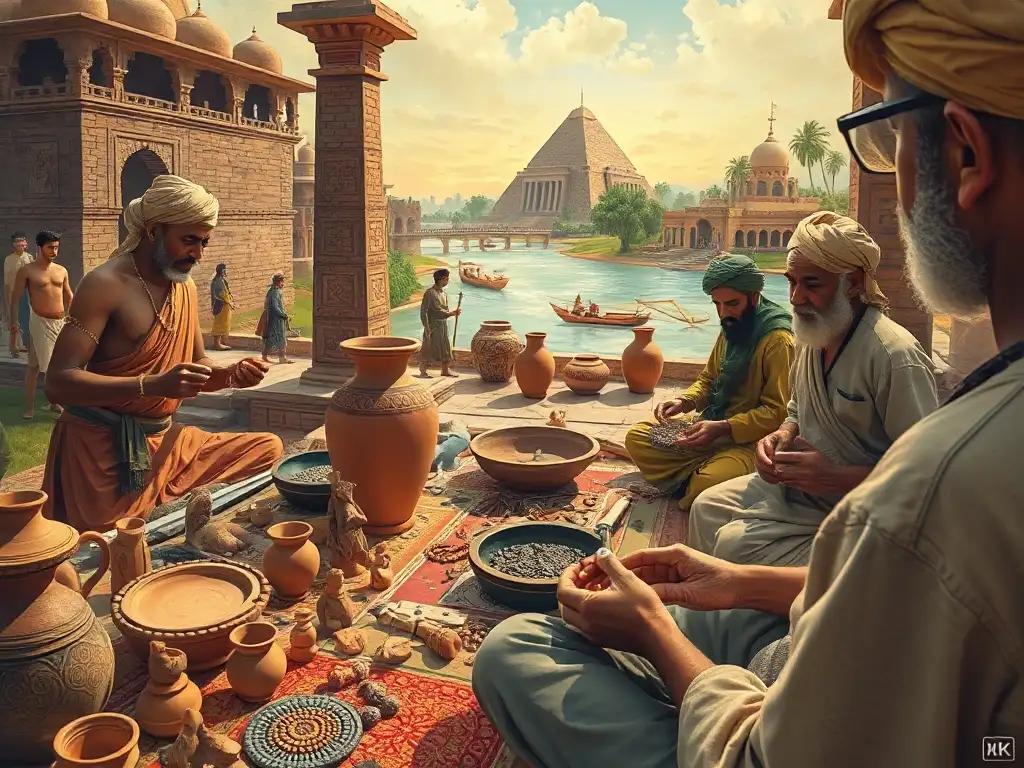
The artistic techniques of the Indus Valley Civilization exhibit remarkable sophistication, particularly when compared to contemporary ancient civilizations such as Mesopotamia and Egypt. This comparison reveals both shared characteristics and unique innovations that define the Indus Valley artisans' contributions to art and craftsmanship.
Similarities with Mesopotamian Art
The Indus Valley craftsmen shared several artistic techniques with their Mesopotamian counterparts, largely influenced by trade and cultural exchanges. Both civilizations employed:
- Use of Natural Materials: Both utilized readily available materials such as clay, copper, and stone, showcasing their resourcefulness.
- Pottery: The pottery of the Indus Valley often featured similar motifs and decorative techniques to those found in Mesopotamia, including geometric patterns and animal representations.
- Sculpture: Statues and figurines from both cultures display a keen attention to detail and realism, particularly seen in the portrayal of human figures and animals.
Despite these similarities, the artistic expressions of each civilization reflected their cultural identities, with Indus Valley art often leaning towards abstraction and stylization, contrasting with the more narrative-driven art of Mesopotamia.
Unique Aspects of Indus Valley Artistic Techniques
Indus Valley artistic techniques stand out for their distinctive characteristics that set them apart from other ancient civilizations. Some unique aspects include:
- Seals and Engravings: The creation of intricately carved seals, often depicting animals and script, was a hallmark of Indus Valley craftsmanship. These seals served both decorative and administrative purposes, showcasing a blend of function and artistry.
- Terracotta Figurines: The use of terracotta to create figurines, which often had exaggerated features and stylized forms, reflects a unique aesthetic sensibility. These figures likely had religious or ceremonial significance.
- Urban Planning and Sculpture Integration: The integration of art within urban planning is evident in the careful arrangement of public spaces adorned with sculptures and reliefs, indicating a sophisticated approach to aesthetics in everyday life.
The combination of these elements not only highlights the ingenuity of Indus Valley artisans but also their ability to create a cohesive artistic language.
The Legacy of Indus Valley Artistic Techniques
The artistic techniques developed by Indus Valley craftsmen have left an indelible mark on the history of Indian art and continue to influence contemporary practices.
Preservation of Art Techniques through Time
The preservation of artistic techniques from the Indus Valley Civilization can be attributed to several factors:
- Cultural Continuity: The techniques and styles evolved but were retained and adapted by successive cultures in the Indian subcontinent. Many motifs and methods can be traced through the ages, indicating a strong lineage of artistic tradition.
- Craftsmanship in Local Communities: The skills and knowledge of artisans were passed down through generations, often in familial or community settings, ensuring the continuation of traditional techniques.
- Archaeological Discoveries: Findings from sites like Harappa and Mohenjo-Daro have provided invaluable insights into the materials and methods used, allowing modern craftsmen to revive and reinterpret ancient practices.
These factors underscore the resilience of Indus Valley artistic techniques over millennia.
Influence on Later Indian Art Forms
The influence of Indus Valley artistic techniques on later Indian art forms is profound and can be observed in various ways:
- Sculptural Techniques: The emphasis on detailed craftsmanship and the use of stone and metal in sculptures can be traced back to Indus Valley practices, impacting subsequent styles in Buddhist and Hindu art.
- Motifs and Patterns: Many geometric patterns and iconographic elements originating from the Indus Valley reappeared in later artistic expressions, including textiles, pottery, and architectural decorations.
- Integration with Religion: The transition from the secular art of the Indus Valley to more religiously themed art forms in later periods shows a continuity of artistic expression that reflects changing cultural contexts.
The legacy of Indus Valley artistic techniques is thus a foundational element in the broader tapestry of Indian art history, influencing styles and methods well into the present.
Conclusion
The artistic techniques of the Indus Valley craftsmen represent a remarkable blend of innovation, skill, and cultural expression that has left an indelible mark on the history of art and architecture in ancient India. Their work provides vital insights into the daily lives, religious beliefs, and social structures of one of the world's earliest urban civilizations. From intricate seals to sophisticated pottery, the craftsmanship of the Indus Valley is a testament to their advanced understanding of materials and techniques, which continues to fascinate historians, archaeologists, and art enthusiasts alike.
Recap of the Importance of Indus Valley Artistic Techniques
The artistic techniques employed by the craftsmen of the Indus Valley Civilization were not only significant for their aesthetic qualities but also for their functional and symbolic roles. The use of materials such as terracotta, stone, and metal highlighted their resourcefulness and adaptability to their environment. The seals, often engraved with intricate designs, served both administrative and commercial purposes, indicating a complex socio-economic structure.
Moreover, the motifs and symbols found in their art provide a glimpse into the spiritual and cultural life of the Indus people, reflecting their beliefs and values. Overall, the artistic techniques of this civilization serve as a crucial link to understanding the societal advancements of ancient India.
Future Research Directions in Indus Valley Art Studies
As interest in the Indus Valley Civilization continues to grow, future research directions in the study of their artistic techniques may include:
- Technological Analysis: Utilizing advanced technologies such as 3D imaging and chemical analysis to gain deeper insights into the materials and methods used by Indus craftsmen.
- Comparative Studies: Examining artistic techniques in relation to contemporary civilizations, such as Mesopotamia and Ancient Egypt, to better understand cultural exchanges and influences.
- Symbolism and Iconography: Further exploration of the meanings behind various motifs and symbols to unravel the complexities of Indus Valley spiritual and cultural life.
- Regional Variations: Investigating how artistic techniques varied across different regions of the Indus Valley, potentially revealing localized practices and traditions.
- Environmental Impact: Studying how environmental factors influenced the materials and techniques used in art production, contributing to a more holistic understanding of the civilization's adaptation to their surroundings.
These research avenues hold the potential to enhance our understanding of the Indus Valley artistic techniques and their wider implications within the context of ancient civilizations.
- Introduction to Indus Valley Artistic Techniques
- Overview of the Indus Valley Civilization
- Importance of Art in Ancient Indian Culture
- Key Artistic Techniques Employed by Indus Valley Craftsmen
- Tools and Materials Used by Indus Valley Artisans
- Influence of Geography on Artistic Techniques
- Comparison of Indus Valley Techniques with Other Ancient Civilizations
- The Legacy of Indus Valley Artistic Techniques
- Conclusion
- What were the primary artistic techniques used by Indus Valley craftsmen?
- How did the artistic styles of the Indus Valley differ from other ancient civilizations?
- What materials did Indus Valley artisans commonly use in their work?
- How did religion influence the artistic techniques of the Indus Valley?
- What legacy did the artistic techniques of the Indus Valley leave for future generations?
Frequently Asked Questions
What were the primary artistic techniques used by Indus Valley craftsmen?
Indus Valley craftsmen utilized advanced pottery techniques, metalworking, and sculpting skills, showcasing their creativity and innovation.
How did the artistic styles of the Indus Valley differ from other ancient civilizations?
The artistic styles of the Indus Valley were characterized by intricate designs, mathematical precision, and a unique approach to figurative art, distinguishing them from other contemporary cultures.
What materials did Indus Valley artisans commonly use in their work?
Artisans commonly used clay, bronze, gold, and semi-precious stones, reflecting their access to diverse resources and their expertise in material manipulation.
How did religion influence the artistic techniques of the Indus Valley?
Religious beliefs played a significant role, as many artworks featured symbolic motifs and figures associated with rituals and spiritual practices, influencing the choice of subjects and styles.
What legacy did the artistic techniques of the Indus Valley leave for future generations?
The artistic techniques of the Indus Valley laid the foundation for subsequent Indian art forms, influencing later styles and contributing to the cultural heritage of the region.
Final Reflection: The Enduring Legacy of Indus Valley Artistic Techniques
The artistic techniques of the Indus Valley craftsmen are not just relics of the past; they are a vibrant testament to human creativity and innovation that resonate even today. As we explore the intricate craftsmanship and sophisticated methodologies employed by these ancient artisans, we uncover a rich tapestry of cultural expression that continues to influence modern art and design. The precision and beauty of their work remind us that artistry transcends time, serving as a bridge between our present and their remarkable legacy.
The impact of Indus Valley artistic techniques extends far beyond their historical context; they have woven themselves into the fabric of contemporary culture. From the geometric patterns that inspire modern textiles to the meticulous pottery techniques that echo in today's ceramics, the influence of these ancient artisans is palpable. As we reflect on their contributions, we are reminded of the words of art historian John Onians: Art is the most beautiful of all lies.
This notion invites us to appreciate the artistry of the Indus Valley not merely as historical artifacts but as enduring symbols of human expression that continue to inspire creativity across generations.
As we conclude this exploration of the Indus Valley artistic techniques, I invite you to reflect on how the principles of craftsmanship, attention to detail, and cultural storytelling can enrich your own creative endeavors. Consider how you can incorporate these timeless techniques into your life, whether through art, design, or personal expression. Let the legacy of these ancient craftsmen inspire you to explore your creativity and embrace the beauty of artistic expression in all its forms.
Unveil Your Creative Potential Inspired by the Indus Valley!
Thank you for diving into the fascinating world of the Indus Valley craftsmen! We hope you found inspiration in their innovative techniques and rich artistry. Now it's time to take that inspiration and transform it into action.
Here are some steps you can take to elevate your creative journey:
- Start your own artistic project inspired by the craftsmanship discussed. Gather materials and create your rendition of pottery or textile designs reminiscent of the Indus Valley.
- Join an art community or workshop to connect with fellow enthusiasts! Share your creations inspired by the Indus Valley and exchange techniques.
- Explore historical art forms further by visiting local museums or online exhibits dedicated to ancient crafts and artistry.
What unique artistic expression do you feel inspired to create that reflects the spirit of the artisans from the Indus Valley?