
The Influence of Sanskrit on Indian Art and Architecture

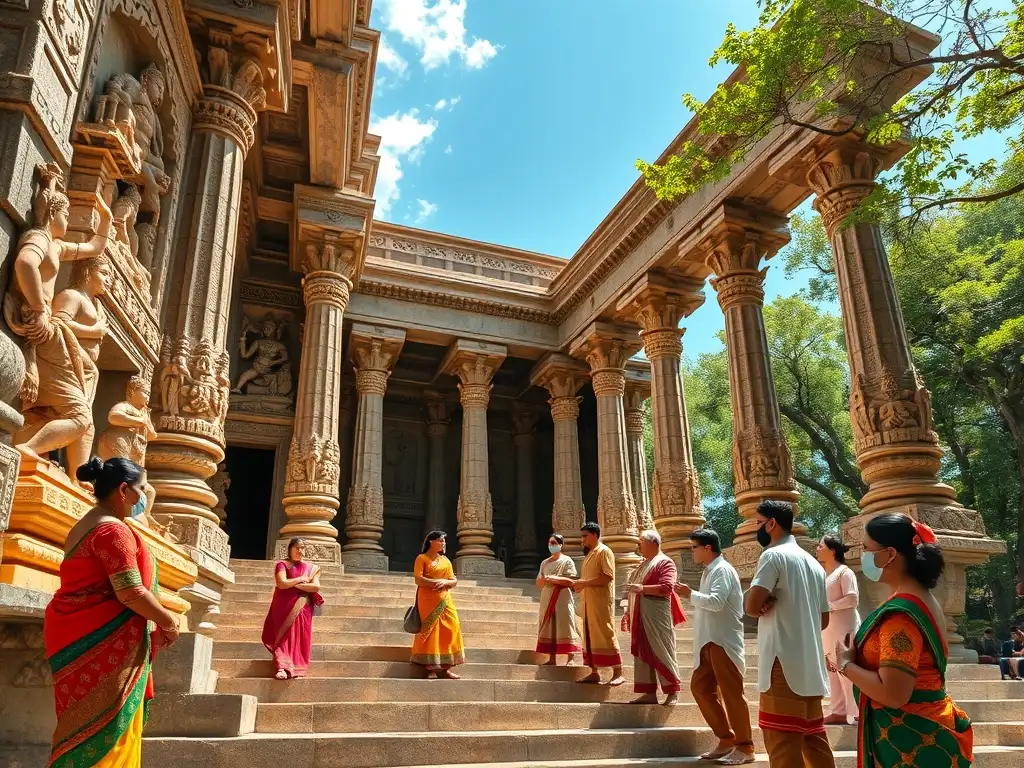
Welcome to Ancient India History, where we embark on a journey through the rich tapestry of time that shaped one of the world's oldest civilizations. In this exploration, we delve into the profound influence of Sanskrit on Indian art and architecture, uncovering how this ancient language not only served as a medium of communication but also inspired a multitude of artistic expressions. Get ready to discover the intricate connections between language and creativity that have left an indelible mark on India's cultural heritage. Dive in, and let your curiosity guide you through the captivating stories that await!
Introduction to Sanskrit and Its Cultural Significance
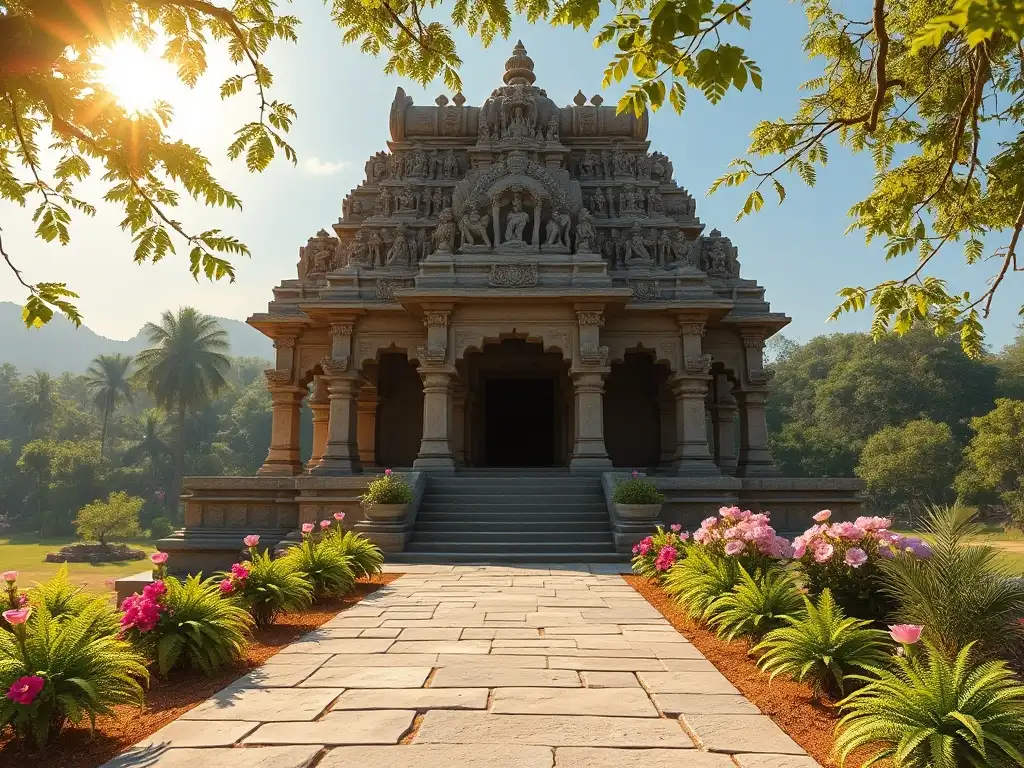
Sanskrit, one of the oldest languages in the world, holds a pivotal place in the cultural and artistic tapestry of ancient India. It is not merely a means of communication; rather, it serves as a vessel of knowledge, philosophy, and spirituality that has profoundly influenced various aspects of Indian civilization, including art and architecture.
The intricate relationship between Sanskrit and Indian art is a testament to how language can shape aesthetic expression, reflecting the beliefs, values, and historical contexts of its time. This article delves into the role of Sanskrit as a foundation for artistic expression in India, exploring its historical roots, cultural significance, and the lasting impact it has had on the visual and architectural arts.
Overview of Sanskrit as an Ancient Language
Sanskrit is classified as a classical language of India, known for its rich literary heritage that encompasses religious texts, poetry, and philosophical discourse. Originating from the Indo-Aryan branch of the Indo-European language family, Sanskrit has been a medium for some of the most revered texts in Hinduism, Buddhism, and Jainism, such as the Vedas, Upanishads, and Puranas. The grammar and structure of Sanskrit, meticulously detailed by ancient grammarians like Panini, have provided a framework that has influenced not only Indian languages but also the linguistic development of neighboring cultures.
The Role of Sanskrit in Shaping Indian Culture
The significance of Sanskrit extends beyond its linguistic attributes; it has played a crucial role in shaping Indian culture and identity. Through its literary works, it has preserved and transmitted knowledge across generations, fostering a sense of unity among diverse communities. The use of Sanskrit in religious rituals and ceremonies has imbued cultural practices with a sense of sanctity and tradition. Consequently, the language has become synonymous with Indian heritage, serving as a bridge between the past and present, and influencing various forms of artistic expression, including literature, dance, and visual arts.
Historical Context of Sanskrit in Indian Art
The influence of Sanskrit on Indian art cannot be overstated, as it has been intricately woven into the fabric of artistic expression throughout different historical periods. From the early Indus Valley civilization to the flourishing Gupta Empire, Sanskrit has left an indelible mark on the artistic landscape of India.
Origins of Sanskrit in Ancient India
The origins of Sanskrit can be traced back to the Vedic period (approximately 1500-500 BCE), where it emerged as the language of the Vedas. This era marked a significant cultural and religious awakening in ancient India, leading to the development of various art forms that were often inspired by Vedic texts. The themes and narratives found in these scriptures began to influence the visual representations in sculptures, murals, and architecture, establishing a distinct connection between language and artistic output.
Key Periods of Artistic Development Influenced by Sanskrit
Throughout Indian history, several key periods have witnessed the profound influence of Sanskrit on art and architecture:
- Maurya Period (322-185 BCE): The edicts of Ashoka, inscribed in Brahmi and Kharoṣṭhī scripts, were influenced by Sanskrit, demonstrating the language's role in governance and moral edification.
- Gupta Period (circa 320-550 CE): Often referred to as the Golden Age of India, this era saw a flourishing of art and literature, with Sanskrit being the primary language of communication. Temples like those in Khajuraho showcase intricate carvings that depict narratives from Sanskrit literature.
- Medieval Period (circa 600-1200 CE): The resurgence of Sanskrit literature led to the creation of numerous texts that inspired artistic forms, such as paintings and sculptures, that celebrated divine figures and mythological tales.
The synergy between Sanskrit and these artistic periods not only illustrates the language's role in the evolution of Indian art but also highlights its enduring legacy in shaping the aesthetic identity of the subcontinent.
The Impact of Sanskrit on Indian Art Forms
Sanskrit, often regarded as the mother of many Indian languages, has profoundly influenced various forms of Indian art, shaping their themes, motifs, and structures. This classical language not only served as a medium for literary expression but also became a vital source of inspiration for artists and architects throughout ancient India. The relationship between Sanskrit and Indian art is a testament to the cultural and intellectual achievements of the civilization, as it enabled the dissemination of ideas, religious beliefs, and aesthetic values.
From ancient sculptures to intricate paintings, the influence of Sanskrit is evident in the themes depicted in these artworks. Many artists drew upon Sanskrit literature, particularly epics like the Mahabharata and Ramayana, and religious texts such as the Vedas and Puranas, to create visual narratives that resonate with viewers. The incorporation of Sanskrit in inscriptions and iconography not only added depth to the artworks but also communicated complex philosophical and spiritual concepts to the audience.
Visual Arts and Sanskrit: A Harmonious Relationship
The visual arts of ancient India, including painting, sculpture, and pottery, exhibit a deep connection with Sanskrit literature. This relationship is particularly evident in the depictions of various deities and mythological scenes that are often derived from Sanskrit texts. For instance, the intricate carvings found in temples frequently illustrate stories and characters from the epics, providing a narrative context to the sacred spaces.
Moreover, the use of Sanskrit inscriptions in sculptures and on temple walls serves as a crucial link between the artwork and its cultural significance. These inscriptions often contain hymns, prayers, and philosophical teachings, enhancing the spiritual experience of the viewer. The stylistic elements of the visual arts were also influenced by the linguistic features of Sanskrit, as the rhythm and meter of the language informed the composition and arrangement of visual elements.
The interplay between Sanskrit and visual arts ultimately contributed to a unique aesthetic that embodies the spiritual and philosophical ethos of ancient Indian civilization. This harmonious relationship not only enriched the artistic expression but also ensured the preservation and transmission of cultural values across generations.
Architecture and Sanskrit: A Structural Influence
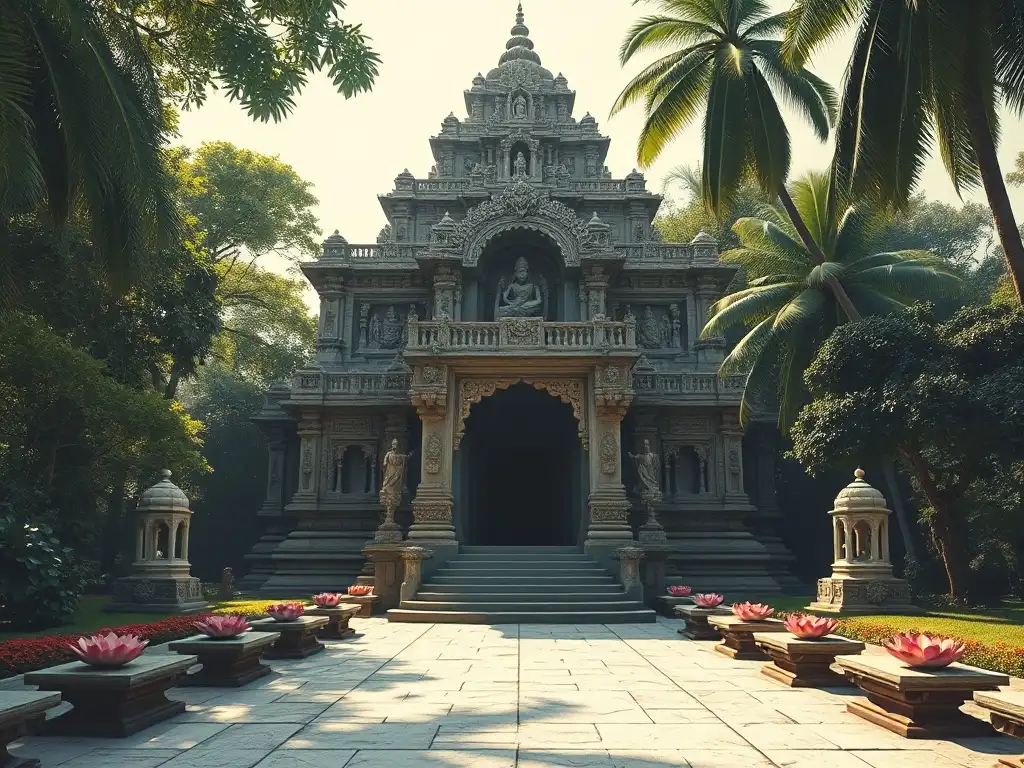
Sanskrit has played a pivotal role in shaping the architectural landscape of ancient India. The principles of construction, design, and spatial organization in temples and other monumental structures were often guided by the philosophical concepts articulated in Sanskrit texts. Architectural treatises such as the Manasara and Vastu Shastra provide comprehensive guidelines on temple architecture, emphasizing the significance of proportions, symmetry, and alignment with cosmic principles.
The influence of Sanskrit is particularly noticeable in the naming conventions of temples and structures, which often reflect their deities or mythological significance rooted in Sanskrit nomenclature. For example, many temples are dedicated to gods and goddesses whose names are derived from Sanskrit, reinforcing the connection between the architectural form and the spiritual narrative it represents.
Furthermore, the intricate carvings and sculptures adorning temple exteriors often depict scenes from Sanskrit literature, creating a visual dialogue that complements the architectural framework. This synergy between Sanskrit and architecture not only enhances the aesthetic appeal of the structures but also serves to educate worshippers and visitors about the cultural and religious narratives of the time.
Sanskrit Texts and Artistic Inspiration
Sanskrit literature has been a wellspring of inspiration for artists and architects, providing rich narratives and themes that have been creatively interpreted across various art forms. The interplay between literature and art is evident in the way artists have illustrated stories from epic poems, dramas, and philosophical texts, translating the written word into visual expression.
The significance of Sanskrit texts in inspiring artistic endeavors lies not only in their content but also in their poetic and rhythmic qualities, which have influenced the aesthetic sensibilities of artists. This influence is reflected in the elaborate compositions and intricate details found in various art forms, which strive to capture the essence of the narratives described in these texts.
Major Sanskrit Texts Influencing Art and Architecture
Several major Sanskrit texts have played a crucial role in influencing Indian art and architecture:
- Mahabharata and Ramayana: These epic narratives have inspired countless sculptures, paintings, and dance forms. Their characters and stories continue to be depicted in various artistic expressions.
- Vedas and Puranas: As foundational texts of Hindu philosophy, these scriptures have provided themes and iconographies that are frequently represented in temple art and architecture.
- Natya Shastra: This ancient treatise on performing arts has impacted not only dance but also the visual arts by providing guidelines on aesthetics and expression.
- Kamasutra: While primarily known for its discussions on love and relationships, this text also addresses aesthetics, influencing sculpture and architectural ornamentation.
The enduring legacy of these texts highlights the profound impact of Sanskrit on the cultural and artistic heritage of India, fostering a rich tapestry of creativity that continues to inspire contemporary artists and architects.
Case Studies of Sanskrit Influence in Notable Artworks
The influence of Sanskrit on Indian art and architecture can be observed through various historical and cultural examples. These case studies reveal how the language not only shaped the aesthetic dimensions of art but also enriched it with philosophical and spiritual meanings. Notable artworks such as the Ajanta Caves and the Khajuraho Temples serve as prime illustrations of this influence, showcasing how Sanskrit narratives and inscriptions have been integral to the artistic expression of their times.
The Ajanta Caves: A Fusion of Art and Sanskrit
The Ajanta Caves, a UNESCO World Heritage Site, date back to the 2nd century BCE and showcase some of the finest examples of ancient Indian art. The rock-cut caves are adorned with vibrant frescoes and intricate sculptures that depict the life of the Buddha and various Jataka tales, many of which are rooted in Sanskrit literature.
In these caves, inscriptions in Sanskrit play a crucial role, as they provide context to the artworks and convey the spiritual messages embedded within them. The use of Sanskrit in the narratives depicted highlights the cultural and religious significance of the artworks, allowing viewers to connect with the philosophical teachings of Buddhism. The artistic techniques employed in the Ajanta Caves, such as the use of perspective and naturalistic representations, were heavily influenced by the literary traditions of Sanskrit, demonstrating a deep interplay between language and visual expression.
Khajuraho Temples: Sculptural Narratives in Sanskrit Context
The Khajuraho Temples, built during the Chandela dynasty between 950 and 1050 CE, are renowned for their intricate sculptures and architectural grandeur. These temples are not just places of worship but also serve as a testament to the flourishing of art and culture in ancient India, heavily influenced by Sanskrit texts.
Sanskrit inscriptions found on the temple walls often explain the narratives depicted in the sculptures, which include themes of love, mythology, and daily life. The dynamic poses and expressive figures in Khajuraho’s sculptures reflect the aesthetic principles outlined in ancient Sanskrit texts such as the Natya Shastra. This text discusses the importance of movement and emotion in art, guiding artists in their creative processes. The temples thus function as a visual representation of Sanskrit literature, where each sculpture tells a story that resonates with the viewer on multiple levels.
Modern Interpretations of Sanskrit Influence in Art
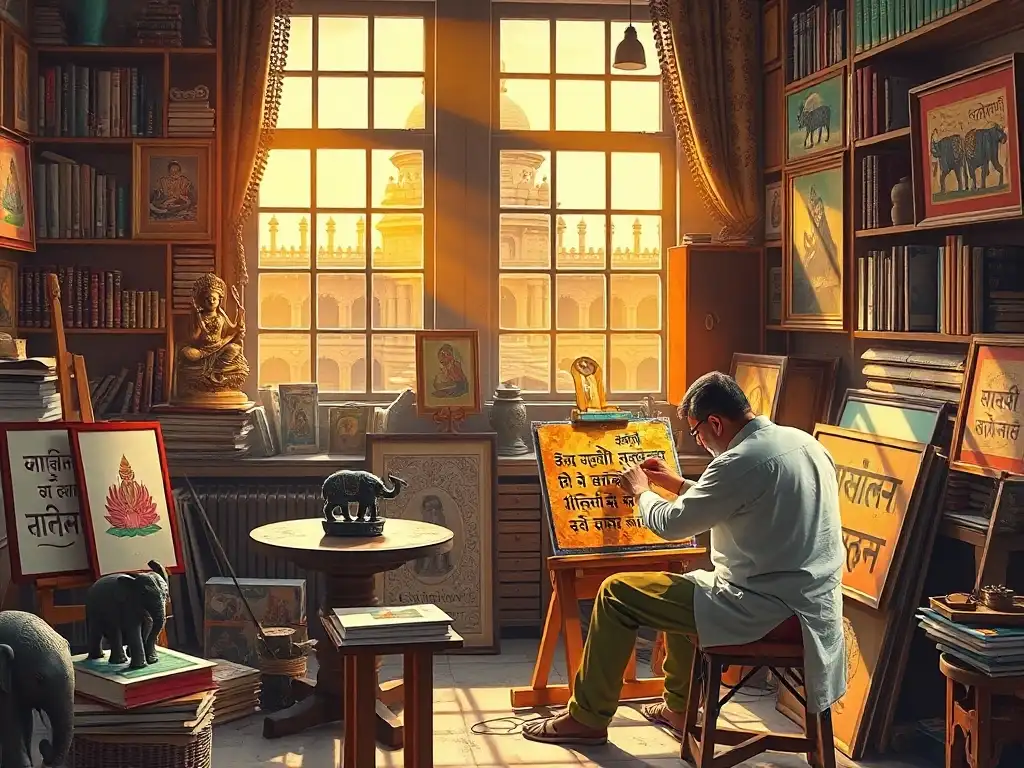
Sanskrit's influence on Indian art continues to resonate in contemporary times, where modern artists draw inspiration from ancient traditions. This revival not only honors the rich heritage of Sanskrit but also allows for innovative interpretations that connect the past with the present.
Contemporary Artists and Their Engagement with Sanskrit
Modern artists have increasingly engaged with Sanskrit as a means of exploring cultural identity and heritage. Artists like Nandalal Bose and Ravi Varma drew upon classical themes and narratives found in Sanskrit literature to create works that reflect both tradition and modernity.
Their art often incorporates Sanskrit verses or motifs, blending traditional techniques with contemporary styles. For instance, the use of Sanskrit shlokas in paintings serves to enrich the visual narrative while also providing a deeper philosophical context. This engagement highlights how Sanskrit continues to inspire creativity, allowing artists to bridge the gap between ancient wisdom and modern expression.
Reviving Ancient Techniques: The Role of Sanskrit Today
The revival of ancient art techniques is another way in which Sanskrit influences modern art. Artists and artisans are turning back to traditional methods that have been documented in Sanskrit texts, such as Shilpa Shastra, which outlines guidelines for sculpture and architecture.
These ancient techniques emphasize a meticulous approach to craftsmanship, where every detail is imbued with meaning. Today, workshops and institutions dedicated to preserving these skills often incorporate the study of Sanskrit texts, ensuring that the knowledge is passed down through generations. This revival not only honors the legacy of Sanskrit but also fosters a deeper appreciation for the art forms that have been shaped by this profound language.
The enduring influence of Sanskrit on Indian art is reflected in historical masterpieces and modern interpretations alike, bridging the ancient and contemporary worlds.
Conclusion: The Enduring Legacy of Sanskrit in Indian Art and Architecture
The influence of Sanskrit on Indian art and architecture is profound and far-reaching, shaping not only the aesthetic dimensions of these forms but also embedding deeper philosophical and cultural narratives within them. From the intricate carvings of temples to the lyrical verses inscribed on ancient manuscripts, Sanskrit serves as a bridge connecting the spiritual and material realms of Indian civilization. The legacy of Sanskrit is not merely an echo of the past; it continues to resonate in contemporary artistic expressions and architectural endeavors, reflecting a timeless appreciation for beauty, harmony, and meaning.
As we reflect on the enduring legacy of Sanskrit, it becomes evident that its impact is woven into the very fabric of Indian cultural heritage. The artistic traditions that emerged under the guidance of Sanskrit texts have laid the foundation for a rich tapestry of visual and performing arts, which still thrive today. Artists and architects continue to draw inspiration from the principles enshrined in ancient texts, ensuring that the influence of Sanskrit remains vibrant and relevant across generations.
Reflection on the Continued Relevance of Sanskrit Influence
Sanskrit's relevance in the context of Indian art and architecture extends beyond historical significance; it is a living tradition that informs contemporary practices. Modern artists often revisit the themes and motifs found in Sanskrit literature, infusing them with new interpretations while honoring their ancient roots. This is particularly evident in various art forms, such as dance, sculpture, and painting, where stories from Sanskrit epics are portrayed with fresh perspectives.
Moreover, the philosophical concepts embedded in Sanskrit continue to inspire artists to explore themes of spirituality, nature, and human experience. The language's ability to encapsulate complex ideas in a concise manner makes it a vital source for creative expression. In this way, Sanskrit not only influences the visual aspects of art but also enriches the conceptual frameworks that guide artistic production, fostering a dialogue between the past and the present.
Future Directions for Research on Sanskrit and Art
The study of Sanskrit's influence on Indian art and architecture presents numerous avenues for future research. Scholars can explore the interplay between different art forms and various Sanskrit texts, examining how specific verses or concepts have shaped artistic practices over time. Additionally, interdisciplinary approaches that incorporate anthropology, history, and linguistics can provide a more nuanced understanding of how Sanskrit has influenced regional art styles across India.
Another promising area of research is the examination of vernacular adaptations of Sanskrit, revealing how local traditions have reinterpreted and integrated Sanskritic elements into their artistic expressions. This could lead to a richer understanding of the diverse ways in which Sanskrit has permeated various cultural contexts throughout India. Furthermore, exploring the global resonance of Sanskrit's artistic influence can shed light on its role in cross-cultural exchanges and its impact on art beyond Indian borders.
References and Further Reading
Books and Articles on Sanskrit Influence in Indian Art
- "Sanskrit and the Arts: The Role of Language in Indian Aesthetics" by Dr. Ananya Banerjee
- This book delves into the relationship between Sanskrit literature and various forms of art, exploring how language shapes artistic expression.
- "The Aesthetics of Sanskrit Poetry and its Influence on Indian Art" by Prof. Ravi Sharma
- This scholarly article examines specific instances where Sanskrit poetry has inspired visual arts, including sculptures and paintings.
- "Temples as Texts: The Sanskrit Influence on Architectural Design" by Dr. Meera Joshi
- This work analyzes how Sanskrit texts have influenced the architectural styles and spatial designs of significant temples across India.
Online Resources for Exploring Sanskrit's Artistic Impact
-
Digital Sanskrit Library
An extensive collection of Sanskrit texts, translations, and commentaries that provide insights into the philosophical and artistic dimensions of the language.
-
Sanskrit & Indian Culture Online Course
An educational platform offering courses that explore the intersection of Sanskrit, art, and architecture, providing learners with a comprehensive understanding of the subject.
-
The Indian Art History Archive
A repository of articles, images, and videos that document the influence of Sanskrit on various art forms, including dance, music, and visual arts.
- Introduction to Sanskrit and Its Cultural Significance
- Historical Context of Sanskrit in Indian Art
- The Impact of Sanskrit on Indian Art Forms
- Visual Arts and Sanskrit: A Harmonious Relationship
- Architecture and Sanskrit: A Structural Influence
- Sanskrit Texts and Artistic Inspiration
- Case Studies of Sanskrit Influence in Notable Artworks
- Modern Interpretations of Sanskrit Influence in Art
- Conclusion: The Enduring Legacy of Sanskrit in Indian Art and Architecture
- References and Further Reading
- What is the significance of Sanskrit in Indian art and architecture?
- How did Sanskrit literature contribute to Indian art?
- Can you name some famous artworks influenced by Sanskrit?
- What role did Sanskrit play in the development of architecture in ancient India?
- How does the influence of Sanskrit continue in modern Indian art?
Frequently Asked Questions
What is the significance of Sanskrit in Indian art and architecture?
Sanskrit is significant because it serves as the foundation for many artistic expressions in India, influencing themes, narratives, and the aesthetic of various art forms.
How did Sanskrit literature contribute to Indian art?
Sanskrit literature, such as epics and poetry, provided rich narratives and themes that artists used to create visual representations, thereby enhancing the cultural depth of Indian art.
Can you name some famous artworks influenced by Sanskrit?
Many sculptures, temple carvings, and miniature paintings draw inspiration from Sanskrit texts like the Mahabharata and Ramayana, showcasing stories and characters that resonate with audiences.
What role did Sanskrit play in the development of architecture in ancient India?
Sanskrit was pivotal in defining architectural styles and terms, influencing the design of temples and monuments, which often incorporated inscriptions in Sanskrit.
How does the influence of Sanskrit continue in modern Indian art?
The influence of Sanskrit persists in modern art through the revival of traditional themes, the use of Sanskrit scripts, and an ongoing appreciation for its historical significance in artistic expressions.
Final Reflection: The Enduring Legacy of Sanskrit in Indian Art
The profound connection between Sanskrit and Indian art is not merely a historical footnote; it is a living testament to the cultural richness that continues to shape our contemporary landscape. Today, as we navigate a world increasingly defined by globalization and cultural exchange, the influence of Sanskrit on Indian art serves as a reminder of the deep roots that inform our identities. The intricate designs, poetic inscriptions, and philosophical themes found in Indian art are reflections of a language that has transcended time, embodying a legacy that is as vibrant now as it was centuries ago.
Sanskrit's impact on the cultural and social fabric of India is undeniable, weaving a tapestry that connects generations through shared heritage and artistic expression. The echoes of this ancient language resonate in the intricate carvings of temples, the lyrical verses of classical dance, and the vibrant colors of traditional paintings. As noted by art historian Dr. Vidya Dehejia, Sanskrit is not just a language; it is a key that unlocks the door to understanding the soul of Indian art.
This ongoing influence invites us to appreciate the depth of our cultural narratives and recognize the ways in which they continue to evolve while remaining rooted in tradition.
As we reflect on the themes explored in this article, let us embrace the call to honor and celebrate the Sanskrit influence on Indian art in our own lives. Consider how you can engage with this rich heritage—whether through visiting art exhibitions, studying classical texts, or simply sharing stories that highlight the beauty of our artistic traditions. By doing so, we not only preserve the legacy of Sanskrit but also contribute to a vibrant cultural dialogue that inspires future generations to explore and cherish the art that defines us.
Unveil the Beauty of Sanskrit's Legacy in Art and Architecture!
Thank you for exploring the profound influence of Sanskrit on Indian art and architecture with us! Your engagement in this rich historical tapestry has equipped you with insights into how language shapes culture. Now, let’s amplify that knowledge into action.
Here are some ways to deepen your connection with this beautiful legacy:
- Explore local museums or galleries showcasing Indian art that reflects the essence of Sanskrit; take photos and note what resonates with you.
- Share your thoughts on social media using a unique hashtag related to Sanskrit art, and connect with others who appreciate this vibrant history.
- Consider joining or attending art workshops that focus on ancient techniques and styles inspired by Sanskrit to enhance your skills and understanding.
What aspect of Sanskrit’s influence on art and architecture intrigues you the most, and how do you think it reflects in today's creative expressions?