
How Ancient Indian Inscriptions Tell Stories of Everyday Life

Welcome to Ancient India History, where we embark on a captivating journey through the rich tapestry of India's past. Discover the profound significance of ancient Indian inscriptions as they unveil the stories of everyday life, culture, and societal norms that shaped civilizations from the Indus Valley to the Gupta Empire. Have you ever wondered how these inscriptions serve as windows into the daily experiences of ancient peoples?
Prepare to be intrigued as we delve deeper into their meanings and uncover the invaluable insights they provide. Join us in exploring this fascinating topic and let the echoes of history guide your curiosity!
- Introduction to Ancient Indian Inscriptions
- The Historical Context of Ancient Indian Inscriptions
- Types of Ancient Indian Inscriptions
- Everyday Life as Reflected in Ancient Indian Inscriptions
- Case Studies of Significant Ancient Indian Inscriptions
- The Significance of Ancient Indian Inscriptions in Modern Times
- Conclusion: The Lasting Legacy of Ancient Indian Inscriptions
- References and Further Reading on Ancient Indian Inscriptions
- Frequently Asked Questions
- Final Reflection: The Enduring Significance of Ancient Indian Inscriptions
- Unearth the Stories of Everyday Life in Ancient India!
Introduction to Ancient Indian Inscriptions
Inscriptions from ancient India serve as invaluable treasures that illuminate the daily lives, beliefs, and practices of a civilization that flourished for thousands of years. These inscriptions, ranging from the sophisticated edicts of emperors to simple messages carved in stone, provide a window into the social, economic, and cultural fabric of early Indian societies. As we delve into the significance of these ancient Indian inscriptions, we uncover not only historical facts but also the stories of everyday life that resonate through the ages.
Overview of Ancient Indian Inscriptions Significance
The significance of ancient Indian inscriptions lies in their multifaceted role as primary sources of historical information. These inscriptions, often written in various scripts such as Brahmi and Kharosthi, serve as:
- Historical Records: They document significant events, reigns of rulers, and important treaties, allowing historians to piece together timelines and understand political dynamics.
- Cultural Insights: Inscriptions reveal cultural practices, religious beliefs, and societal norms, providing a deeper understanding of the values and traditions that shaped ancient Indian life.
- Linguistic Evolution: They offer a glimpse into the development of languages and scripts over time, showcasing the linguistic diversity that existed in ancient India.
- Economic Transactions: Many inscriptions detail trade agreements, land grants, and other economic activities, shedding light on the economic structure and prosperity of ancient societies.
By examining these inscriptions, we not only gain knowledge of historical events but also connect with the lives of ordinary people who lived in those times.
The Role of Inscriptions in Understanding History
Inscriptions play a crucial role in reconstructing the historical narrative of ancient India. They serve as reliable evidence that complements literary sources, which can often be biased or fragmented. Here are some key aspects of how inscriptions contribute to our understanding of history:
- Chronology and Dating: Inscriptions often include dates and names of rulers, allowing historians to establish a chronological framework for historical events.
- Cultural Exchange: Through inscriptions, we learn about interactions between different cultures and regions. For instance, trade relations with distant lands are often documented, showcasing the extent of ancient Indian influence.
- Local Governance: Many inscriptions record local laws and administrative decisions, providing insights into governance systems and community organization at the grassroots level.
- Archaeological Context: The context in which inscriptions are found—whether in temples, public spaces, or private residences—adds another layer of understanding regarding their purpose and significance.
Ancient Indian inscriptions are not mere artifacts; they are storytellers that bridge the past and present, offering narratives that shape our understanding of history, culture, and society in ancient India. As we explore these inscriptions further, we unravel the complexities of a civilization that laid the foundations for much of what we know today.
The Historical Context of Ancient Indian Inscriptions
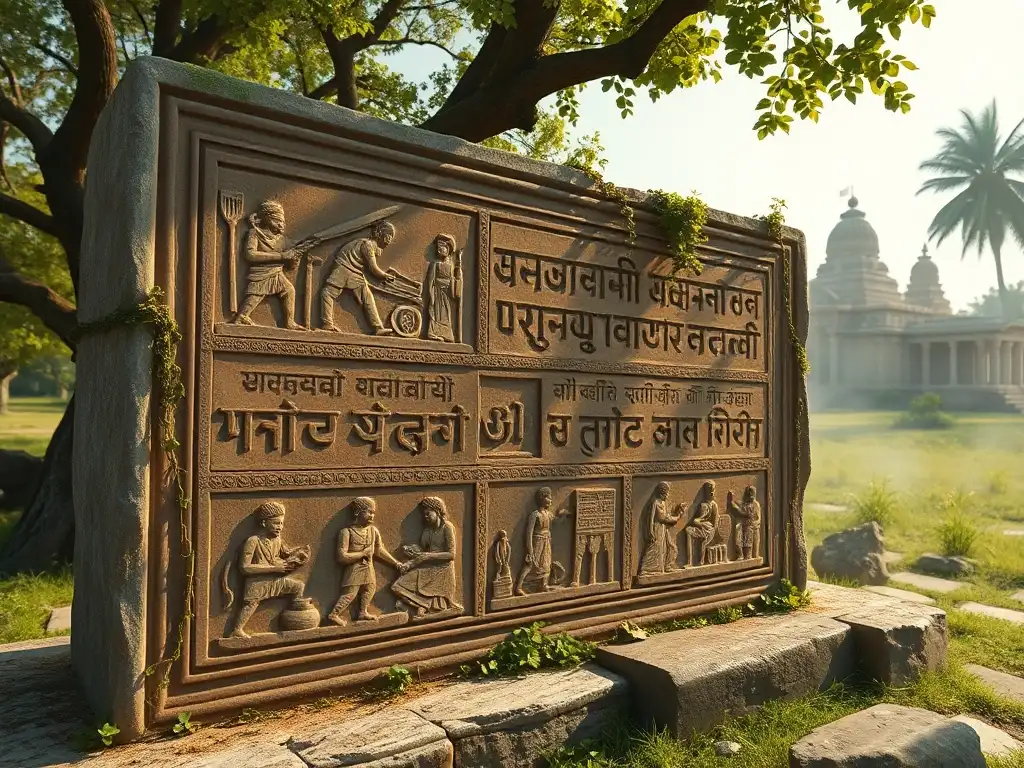
Ancient Indian inscriptions serve as invaluable artifacts that provide a glimpse into the daily life, governance, and cultural practices of past civilizations. These inscriptions, found on various materials like stone, metal, and pottery, date back to the Indus Valley Civilization and continue through the Maurya and Gupta Empires. Understanding the historical context of these inscriptions is crucial for deciphering the rich narratives they convey about ancient Indian society.
Timeline of Major Ancient Indian Civilizations
The timeline of ancient Indian civilizations is marked by distinct eras, each contributing to the evolution of inscriptions. Here’s a concise overview:
| Civilization | Approximate Dates (BCE) | Key Contributions |
|---|---|---|
| Indus Valley Civilization | 3300 - 1300 | Urban planning, trade, early writing systems |
| Vedic Period | 1500 - 500 | Development of Vedic texts and oral traditions |
| Maurya Empire | 322 - 185 | Edicts of Ashoka, spread of Buddhism |
| Gupta Empire | 320 - 550 | Flourishing of arts, science, and inscriptions |
The Indus Valley Civilization, known for its advanced urban infrastructure, also produced some of the earliest forms of writing, though much of it remains undeciphered. Following this period, the Vedic period introduced oral traditions, which later influenced written forms. The Maurya Empire is notable for the famous edicts of Ashoka, which were inscribed on pillars and rocks across the subcontinent, conveying messages of governance and moral conduct. Finally, the Gupta Empire is often referred to as the "Golden Age of India," where literature and inscriptions flourished, reflecting the era's cultural zenith.
Cultural Background Influencing Inscriptions
The cultural background of ancient India significantly influenced the content and style of inscriptions. Various factors contributed to the themes and purposes of these inscriptions:
- Religious Beliefs: Many inscriptions were religious in nature, often dedicated to deities or used in temples. For instance, the use of Sanskrit in inscriptions during the Gupta period reflected the growing prominence of Hinduism and Buddhism.
- Political Authority: Rulers utilized inscriptions to assert their authority, document achievements, and communicate laws. The edicts of Ashoka serve as prime examples of how inscriptions were employed to promote dharma (moral law) and unity across his empire.
- Economic Activities: Inscriptions often recorded economic transactions, land grants, and trade agreements. These documents provide insights into the economic life of ancient societies, showcasing relationships between merchants and rulers.
- Cultural Practices: Inscriptions also highlight social customs, festivals, and daily life. The use of local dialects in some inscriptions indicates a blend of cultures and the importance of regional identities.
Through the study of ancient Indian inscriptions, historians can piece together narratives that illuminate the complexities of daily life, governance, and cultural practices. The significance of these inscriptions lies not only in their historical value but also in their ability to connect contemporary society with its ancient roots.
Types of Ancient Indian Inscriptions
Epigraphs: Definition and Importance
Epigraphs are inscriptions engraved on hard surfaces such as stone, metal, or clay, and they represent a vital source for understanding ancient Indian civilizations. These inscriptions date back to various periods, with some of the earliest examples found in the Indus Valley Civilization. The significance of epigraphs lies in their ability to provide direct evidence of the socio-political, economic, and cultural life of ancient societies.
Epigraphs often include royal proclamations, religious texts, administrative records, and commemorative inscriptions. For instance, the Ashoka Edicts, inscribed by Emperor Ashoka in the 3rd century BCE, are pivotal for studying the spread of Buddhism and the principles of governance during his reign. These inscriptions not only convey historical facts but also reflect the values and beliefs of the time.
Moreover, the linguistic diversity found in these inscriptions, such as Prakrit, Sanskrit, and Tamil, underscores the rich tapestry of cultures that existed in ancient India. As a primary source for historians and archaeologists, epigraphs offer invaluable insights into everyday life, including trade practices, social hierarchy, and religious practices.
Types of Materials Used for Inscriptions
Ancient Indian inscriptions were made on a variety of materials, each chosen for its durability and significance. The most common materials included:
- Stone:
- Granite: Used for monumental inscriptions like the Ashoka Edicts, which have stood the test of time.
- Sandstone: Common in temple inscriptions and often adorned with intricate carvings.
- Metal:
- Copper Plates: Frequently used for land grants and royal decrees, allowing for detailed inscriptions due to their malleability.
- Bronze and Iron: Inscriptions on weapons or tools sometimes conveyed ownership or dedication.
- Clay:
- Inscriptions on pottery and terracotta objects provide insights into domestic life and trade.
- Wood:
- Less durable but sometimes used for temporary records or less significant messages.
The choice of material often reflected the purpose of the inscription, as well as the intended audience. For instance, inscriptions on stone were typically meant for public display, whereas those on metal or clay might have been more personal or administrative.
Notable Scripts in Ancient Indian Inscriptions
Ancient Indian inscriptions utilized several scripts, each contributing to our understanding of linguistic evolution and cultural exchange. Some of the notable scripts include:
- Brahmi Script:
- One of the earliest scripts used in India, Brahmi is believed to be the ancestor of many scripts in South and Southeast Asia. It was primarily used for inscriptions in Prakrit and Sanskrit.
- Kharosthi Script:
- Predominantly used in the northwestern regions of ancient India, Kharosthi is notable for its unique right-to-left writing direction. It was used for inscriptions related to trade and administration.
- Tamil-Brahmi:
- An adaptation of the Brahmi script, Tamil-Brahmi was used to inscribe early Tamil literature and is crucial in understanding the evolution of the Tamil language.
- Nagari Script:
- Emerging around the 7th century CE, Nagari became the script for Sanskrit literature and is the precursor to many modern Indian scripts, including Devanagari.
These scripts not only help in deciphering ancient texts but also illustrate the linguistic diversity and cultural richness of ancient India. By studying these scripts, researchers can uncover the significance of the inscriptions in reflecting the values, beliefs, and everyday life of ancient Indian civilizations.
Through the analysis of ancient Indian inscriptions, we gain a deeper appreciation for the complexities of historical narratives and the stories they tell about the societies that created them.
Everyday Life as Reflected in Ancient Indian Inscriptions

Ancient Indian inscriptions serve as invaluable historical records that provide insights into the everyday lives of individuals and communities. These inscriptions, often etched in stone or metal, encapsulate details about social norms, economic activities, and religious practices, thereby painting a vivid picture of life in ancient India. By examining these inscriptions, historians and archaeologists can reconstruct aspects of daily existence that might otherwise remain obscure.
Inscriptions reveal much about the family dynamics and social hierarchies prevalent in ancient Indian societies. Family units were often patriarchal, with lineage traced through the male line. Many inscriptions commemorate familial ties, such as marriages and births, which were significant events deserving of public acknowledgment.
- Marriage and Kinship:
- Inscriptions frequently reference marriage contracts, indicating the importance of alliances between families. For instance, the Kharosthi inscriptions from the Gandhara region detail matrimonial alliances that contributed to social status and wealth accumulation.
- Kinship terms found in these records often illustrate the roles of different family members, showcasing the significance of extended family units in daily life.
- Social Classes and Occupations:
- The inscriptions also delineate social classes and occupations, highlighting the stratification within society. For example, references to merchants, artisans, and laborers can be found, illustrating a diverse economic landscape.
- Some inscriptions detail gifts and endowments made to temples or local communities, revealing the charitable practices of the affluent classes and their responsibilities towards society.
Economic Activities Depicted in Inscriptions
Economic activities are richly documented in ancient Indian inscriptions, offering a glimpse into the various trades, crafts, and agricultural practices that sustained communities. These records highlight the significance of economic contributions to the social fabric of ancient India.
- Agriculture:
- Numerous inscriptions reference the irrigation systems and agricultural techniques employed in different regions. The Ashoka Edicts, for example, mention the importance of agriculture for sustaining the population, emphasizing its role in economic stability.
- Specific crops such as rice, wheat, and barley are often noted, reflecting the agrarian economy's diversity and adaptability to regional climates.
- Trade and Commerce:
- Inscriptions provide evidence of trade networks and economic transactions. The Tamil-Brahmi inscriptions from South India indicate extensive trade with foreign lands, highlighting the economic prowess of ancient Indian traders.
- Weights and measures inscribed on seals and tablets illustrate the standardized practices in commerce, ensuring fairness in trade.
Religious Practices and Beliefs in Ancient Inscriptions
Religious beliefs and practices are intricately woven into the fabric of ancient Indian inscriptions, revealing how spirituality influenced daily life. These inscriptions not only document religious events but also reflect the diverse belief systems that flourished in ancient India.
- Temple Inscriptions:
- Many inscriptions are found in the vicinity of temples, recording donations and offerings made by devotees. These inscriptions often include prayers and invocations, underscoring the deep connection between daily life and spirituality.
- The Nagarjunakonda inscriptions illustrate the patronage of Buddhist monasteries, showcasing the pivotal role of religion in community life and governance.
- Festivals and Rituals:
- Inscriptions frequently mention festivals and ceremonial practices, highlighting their significance in community cohesion. For example, references to harvest festivals reveal how agricultural cycles were intertwined with religious observances.
- The presence of mantras and ritual instructions in inscriptions further illustrates the importance of religious practices in the daily routines of individuals and families.
Ancient Indian inscriptions serve as crucial documents that illuminate the multifaceted aspects of everyday life in ancient India. Through the lens of family structures, economic activities, and religious practices, these inscriptions offer a rich narrative that enhances our understanding of ancient Indian civilization's significance.
Art and Craftsmanship Illustrated in Inscriptions
Ancient Indian inscriptions provide a fascinating glimpse into the artistic and craftsmanship skills of their time. These inscriptions, often carved on stone, metal, or pottery, are not merely text; they are representations of the cultural and aesthetic values of ancient Indian societies. Through intricate designs and motifs, they reflect the sophistication of artisanship that characterized various periods of Indian history.
One of the most prominent features of ancient Indian inscriptions is the use of decorative elements that enhance the visual appeal of the text. These elements often included floral patterns, geometric designs, and representations of animals and deities. For example, inscriptions found in the Ajanta Caves showcase elaborate carvings and paintings that depict Buddhist themes. The artistry in these inscriptions underscores the skill of craftsmen who were able to combine functionality with beauty, making the inscriptions not only informative but also visually captivating.
Moreover, the styles of inscriptions varied significantly across different regions and eras, reflecting local traditions and influences. Inscriptions from the Maurya period, such as those of Emperor Ashoka, are known for their clear and formal style, emphasizing simplicity and readability. In contrast, Gupta inscriptions exhibit a more ornate style, with elaborate decorative features and a more fluid script. This evolution in artistic expression demonstrates how craftsmanship was influenced by changing aesthetics and cultural dynamics.
The materials used in these inscriptions also tell a story of their own. Stone inscriptions, often found in temples and public spaces, exhibit durability and permanence, suggesting their importance in society. On the other hand, metal inscriptions, such as those found in the Chola dynasty, indicate a different approach to artistry, where the material itself became a canvas for intricate designs. The choice of material often reflected the intended audience and purpose of the inscriptions, showcasing the versatility of ancient Indian craftsmen.
In addition to aesthetic value, these inscriptions serve as historical documents that provide insights into the daily lives of people. They reveal information about trade practices, social hierarchies, and even domestic activities. For instance, inscriptions related to guilds and artisans highlight the various crafts practiced during that time, such as pottery, weaving, and metalwork. This connection between art and everyday life emphasizes how deeply intertwined craftsmanship was with the cultural fabric of ancient India.
Ancient Indian inscriptions are not just historical records; they are a testament to the rich artistic heritage and craftsmanship of the time. Through their intricate designs, diverse styles, and material choices, these inscriptions illuminate the everyday life of ancient societies, offering a window into the values, skills, and creativity that defined their existence. As we study these inscriptions, we gain a deeper appreciation for the artistry that has shaped India's cultural landscape through the ages.
Case Studies of Significant Ancient Indian Inscriptions

The Edicts of Ashoka: A Window into Governance and Morality
The Edicts of Ashoka, inscribed during the reign of Emperor Ashoka (circa 268-232 BCE), are among the most significant ancient Indian inscriptions. These edicts, carved on rocks and pillars across the Indian subcontinent, serve as a profound testament to his governance and moral philosophy. The inscriptions reflect Ashoka's transformation after the Kalinga War, wherein he embraced Buddhism and advocated for non-violence, compassion, and ethical governance.
- Content and Themes: The edicts emphasize key themes such as:
- Dharma (Moral Law): Ashoka underscores the importance of Dharma, encouraging subjects to adhere to ethical principles.
- Social Welfare: The inscriptions highlight initiatives for public health, infrastructure development, and care for animals.
- Religious Tolerance: Ashoka promotes respect for all religions, advocating for harmony among various faiths.
The edicts are crucial not just for their content, but also for their linguistic diversity. They are written in various scripts, including Brahmi and Kharosthi, showcasing the linguistic richness of ancient India.
The Inscriptions of the Gupta Period: Culture and Society
The Gupta Period (circa 320-550 CE) is often referred to as a golden age of Indian culture. The inscriptions from this era provide deep insights into the social, cultural, and political life of that time. Key inscriptions include the Allahabad Pillar Inscription and the inscriptions of Samudragupta, which illustrate the emperor's conquests and the cultural flourishing of the period.
- Literary Flourishing: Gupta inscriptions often reference literary works and scholars, indicating a robust cultural environment.
- Patronage of Arts: Many inscriptions highlight royal patronage of arts and sciences, promoting advancements in literature, mathematics, and astronomy.
- Religious Practices: The inscriptions reveal the coexistence of various religions, including Hinduism, Buddhism, and Jainism, reflecting a pluralistic society.
The Gupta inscriptions are not only historical records but also serve as a medium of cultural expression, capturing the essence of the era's societal values and achievements.
The Role of Inscriptions in the Indus Valley Civilization
The Indus Valley Civilization (circa 3300-1300 BCE) is one of the world's earliest urban cultures, and its inscriptions play a vital role in understanding this enigmatic civilization. Although the script remains undeciphered, the inscriptions provide valuable insights into the daily life and administrative practices of the Indus people.
- Script and Symbolism: The Indus script, consisting of brief symbols often inscribed on seals, indicates a system of writing that was likely used for trade and administration. Some key features include:
- Seals: Engraved seals, often depicting animals and deities, suggest a complex socio-economic structure.
- Weights and Measures: Inscriptions on weights indicate a standardized measurement system, essential for trade.
- Cultural Insights: The motifs and symbols found in inscriptions offer glimpses into the religious beliefs, economic activities, and social organization of the Indus Valley inhabitants.
In sum, ancient Indian inscriptions are not merely historical artifacts; they are vital keys to unlocking the everyday life, governance, and cultural practices of ancient civilizations, providing enduring significance in the study of ancient Indian history.
The Significance of Ancient Indian Inscriptions in Modern Times
Contributions to Historical Linguistics and Archaeology
Ancient Indian inscriptions are invaluable resources that contribute significantly to the fields of historical linguistics and archaeology. These inscriptions, ranging from the Brahmi script to the Prakrit languages, provide a glimpse into the linguistic evolution and cultural exchanges that occurred over centuries.
- Linguistic Diversity: The inscriptions reveal the use of various languages and dialects across different regions of ancient India. For example, the Ashoka edicts, inscribed in multiple languages including Prakrit, Sanskrit, and Greek, illustrate the linguistic diversity of the Mauryan Empire.
- Etymology and Language Evolution: By studying these inscriptions, linguists can trace the etymology of words and observe how languages transformed over time. This understanding helps scholars to reconstruct ancient languages and comprehend their impact on modern Indian languages.
- Cultural Context: Inscriptions often reflect the socio-political and cultural context of their time. For instance, inscriptions detailing royal decrees, religious edicts, or trade agreements provide insights into the governance, social hierarchy, and economic practices of ancient civilizations.
The archaeological context in which these inscriptions are found further enhances their significance. Excavated artifacts, along with inscriptions, help establish chronological frameworks and reveal interactions among different cultures, such as the influences between the Indus Valley Civilization and subsequent cultures.
Influence on Contemporary Indian Culture and Heritage
The significance of ancient Indian inscriptions extends beyond academia; they play a crucial role in shaping contemporary Indian culture and heritage.
- Cultural Identity: Many inscriptions serve as foundational texts that contribute to the cultural identity of various Indian communities. For example, the Tamil inscriptions from the 3rd century CE highlight the rich literary tradition of Tamil Nadu and are celebrated in modern Tamil culture.
- Art and Architecture: The inscriptions have inspired art and architecture throughout Indian history. Temples and monuments often incorporate inscriptions that narrate historical events, religious beliefs, or honor deities, thus preserving cultural narratives for future generations.
- Education and Scholarship: Ancient inscriptions are increasingly integrated into educational curricula, fostering a deeper understanding of India's historical roots among students. They are also a focal point for academic research, promoting scholarship that can lead to new discoveries about ancient Indian societies.
- Tourism and Heritage Sites: Many inscriptions are found at significant archaeological sites, attracting tourists and scholars alike. Sites such as the rock-cut caves of Ajanta and Ellora, which feature inscriptions, are UNESCO World Heritage Sites that celebrate India's artistic and cultural achievements.
Preservation and Challenges in Studying Inscriptions
Despite their significance, the study and preservation of ancient Indian inscriptions face various challenges that need to be addressed.
- Environmental Factors: Many inscriptions are carved on stone or metal surfaces that are susceptible to erosion, weathering, and pollution. This deterioration poses a threat to the readability and integrity of these historical texts.
- Access and Documentation: Some inscriptions are located in remote areas, making access difficult for researchers. Additionally, the lack of comprehensive documentation for certain inscriptions limits the scope of study and understanding.
- Technological Advancements: While advancements in imaging technology such as 3D scanning and digital archiving have improved the preservation and study of inscriptions, the high costs and need for specialized knowledge can hinder widespread application.
- Interpretation and Contextualization: The interpretation of ancient inscriptions requires a multidisciplinary approach, involving linguistics, archaeology, history, and cultural studies. Scholars must ensure that the context in which these inscriptions were created is well understood, to avoid misinterpretations that could distort historical narratives.
Ancient Indian inscriptions hold immense significance, offering insights into linguistic, cultural, and historical dimensions of ancient Indian life. Their study not only enriches our understanding of the past but also reinforces the cultural continuity that shapes contemporary Indian society. Addressing the challenges of preservation and research will be crucial for safeguarding these invaluable records for future generations.
Conclusion: The Lasting Legacy of Ancient Indian Inscriptions

Inscriptions from ancient India serve as a crucial link to understanding the socio-cultural fabric of past civilizations. They not only provide insight into linguistic evolution but also reveal the values, beliefs, and daily activities of people. The enduring significance of ancient Indian inscriptions lies in their ability to convey narratives that have shaped the cultural landscape of the subcontinent.
Summary of Key Insights on Inscriptions' Significance
- Cultural Reflection: Ancient Indian inscriptions reflect the daily lives, rituals, and societal norms of various civilizations, from the Indus Valley to the Gupta Empire. For instance:
- The inscriptions found at Harappa and Mohenjo-Daro depict trade practices and urban planning.
- Edicts of Emperor Ashoka reveal early principles of governance, ethics, and social welfare.
- Linguistic Development: The evolution of scripts such as Brahmi and Kharosthi showcases the linguistic diversity and development over centuries. Inscriptions provide evidence of the transition from regional dialects to more standardized forms of writing.
- Historical Documentation: These inscriptions are pivotal for historical documentation, offering precise dates, events, and dynastic information. They serve as primary sources that aid historians in constructing timelines and understanding political changes.
- Artistic Expression: Beyond their textual content, inscriptions often feature intricate designs and motifs, reflecting the artistic capabilities and aesthetic values of the time. The use of artistic elements in inscriptions contributes to our understanding of cultural priorities.
- Religious Insights: Many inscriptions are religious in nature, providing insights into the spiritual practices and beliefs of ancient Indians. They reveal the importance of rituals, deities, and the role of religion in daily life.
Future Research Directions in Ancient Indian Inscriptions
As interest in ancient Indian inscriptions continues to grow, several areas of research offer promising avenues for deeper exploration:
- Technological Advancements: Utilizing modern technology such as digital imaging and artificial intelligence can enhance the study of inscriptions. These tools can help in deciphering damaged texts and analyzing inscriptions more comprehensively.
- Interdisciplinary Approaches: Integrating methodologies from archaeology, anthropology, and linguistics can provide a more holistic understanding of inscriptions. Collaborative research across disciplines can reveal new insights into the context and significance of inscriptions.
- Regional Studies: Focusing on lesser-known inscriptions from various regions can uncover diverse narratives and cultural practices that have been overlooked. This approach can help in understanding regional variations in language, governance, and daily life.
- Public Engagement: Promoting public awareness and interest in ancient inscriptions through exhibitions, workshops, and educational programs can foster appreciation for their significance. Engaging communities in preservation efforts is essential for safeguarding these historical treasures.
- Comparative Studies: Comparing ancient Indian inscriptions with those from other civilizations can provide insights into cross-cultural influences and shared practices, enriching our understanding of ancient global interactions.
The significance of ancient Indian inscriptions extends far beyond their physical existence; they are a testament to the intellectual and cultural achievements of past civilizations. As research continues to evolve, these inscriptions will undoubtedly unveil new facets of ancient Indian life, ensuring their legacy endures for generations to come.
References and Further Reading on Ancient Indian Inscriptions
Ancient Indian inscriptions serve as invaluable sources of information, revealing insights into the daily lives, beliefs, and practices of civilizations that flourished millennia ago. For those interested in delving deeper into the topic, here are some recommended resources to enhance understanding of the significance of these inscriptions.
Recommended Books on Ancient Indian History
-
"Inscriptions of Ashoka" by John S. Strong
This book provides a comprehensive analysis of the inscriptions left by Emperor Ashoka, exploring their linguistic features and historical context. Ashoka's edicts help illuminate the principles of governance and moral philosophy during his reign.
-
"The Archaeology of Early Historic South Asia: Rise of City States" by Robin Coningham and Ruth Young
This work discusses the transition from prehistory to history in South Asia, focusing on the archaeological evidence, including inscriptions, that documents the rise of city-states and urbanization.
-
"Indian Epigraphy" by D.C. Sircar
A seminal text in the field, this book outlines the methods of studying inscriptions and their historical implications. Sircar's meticulous approach provides detailed examples from various regions and periods.
-
"The History of Ancient India" by R. C. Majumdar
This book is a comprehensive overview of ancient Indian history, offering context for the inscriptions and discussing their cultural and social significance throughout different eras.
-
"Inscriptions of Ancient India" by K. V. Ramesh
Ramesh's work presents a collection of significant inscriptions, along with translations and commentary that help interpret their meanings and importance in ancient Indian society.
Online Resources for Exploring Inscriptions
-
Digital South Asia Library
This resource offers a vast collection of digitized texts, maps, and images related to South Asian history, including a section dedicated to ancient inscriptions. Users can access translations and studies relevant to their research.
-
Indian History Congress
The congress's website provides access to research papers and proceedings that often discuss ancient inscriptions and their significance in various historical contexts.
-
South Asian Archaeology
This online platform hosts articles, conference papers, and discussions centered on archaeological findings in South Asia, with a particular emphasis on inscriptions and their interpretations.
-
The Epigraphical Society of India
This organization is dedicated to the study of inscriptions in India. Their website features resources, publications, and updates on ongoing research in the field.
-
Digital Archive of Ancient Indian Inscriptions
A collaborative project aimed at digitizing and cataloging inscriptions from various parts of India, this archive allows users to explore inscriptions by region, period, and script, enhancing accessibility to these historical documents.
By leveraging these resources, enthusiasts and scholars can gain deeper insights into the ancient Indian inscriptions significance, exploring the narratives they weave about the lives of people in ancient times.
Frequently Asked Questions
What are ancient Indian inscriptions?
Ancient Indian inscriptions are engravings or writings found on materials like stone, metal, and pottery that provide insights into the historical and cultural context of the time.
Why are ancient Indian inscriptions significant?
The significance of ancient Indian inscriptions lies in their ability to reveal information about social structure, religious beliefs, and everyday life, helping us understand the rich history of ancient civilizations.
How do inscriptions reflect everyday life in ancient India?
Inscriptions often document daily activities, trade, and administrative practices, illustrating the lifestyle and values of people from ancient societies.
What civilizations contributed to ancient Indian inscriptions?
Civilizations such as the Indus Valley, the Maurya Empire, and the Gupta Empire produced notable inscriptions, highlighting their cultural and political achievements.
Where can one find ancient Indian inscriptions today?
Many ancient Indian inscriptions can be found in archeological sites, temples, and museums across India, serving as a valuable resource for historians and researchers interested in the country's heritage.
Final Reflection: The Enduring Significance of Ancient Indian Inscriptions
The stories etched in ancient Indian inscriptions serve as a profound reminder of our shared human experience, illustrating the intricate tapestry of daily life that transcends time. These inscriptions not only provide a glimpse into the past but also resonate with our contemporary society, emphasizing the importance of preserving cultural heritage. In a world increasingly driven by technology and rapid change, the lessons from these ancient texts remind us of the value of history in shaping our identities and communities.
The significance of ancient Indian inscriptions is not just a relic of the past; it continues to influence our cultural and social landscape today. These inscriptions reveal the values, beliefs, and everyday practices of our ancestors, fostering a deeper understanding of our roots. As we navigate the complexities of modern life, we can draw inspiration from the wisdom contained within these texts. History is not a burden on the memory but an illumination of the soul.
This quote encapsulates the essence of how these inscriptions can guide us in our quest for identity and purpose in the present.
As we reflect on the insights gained from ancient Indian inscriptions, I invite you to consider how these lessons can be woven into your own life. Take a moment to explore your heritage, engage with your community, and appreciate the stories that have shaped who you are today. By embracing the significance of these inscriptions, we not only honor our past but also empower ourselves to create a more connected and meaningful future. Let us carry forward the wisdom of our ancestors and ensure that their stories continue to inspire generations to come.
Unearth the Stories of Everyday Life in Ancient India!
Thank you for diving into the fascinating world of ancient Indian inscriptions with us! You've learned how these incredible artifacts reveal the rich tapestry of daily life from a bygone era. Now, it’s time to take action and immerse yourself even more in this captivating history.
Here’s how you can continue your journey:
- Explore further: Visit your local library or online archives to uncover more ancient texts and artifacts that tell the tales of ordinary people in India. You might be surprised by what you find!
- Join the conversation: Share your thoughts and findings on our social media pages or in the comments below. Let's connect and discuss the stories behind the inscriptions and their relevance today!
- Become a historian: Start a personal project by documenting your insights on everyday life in ancient times. You could even create a blog or a journal to share your discoveries with others.
What surprising connections can you find between the inscriptions and today’s culture in India? Share your thoughts!