
The Gupta Empire's Role in the Development of Classical Dance Forms

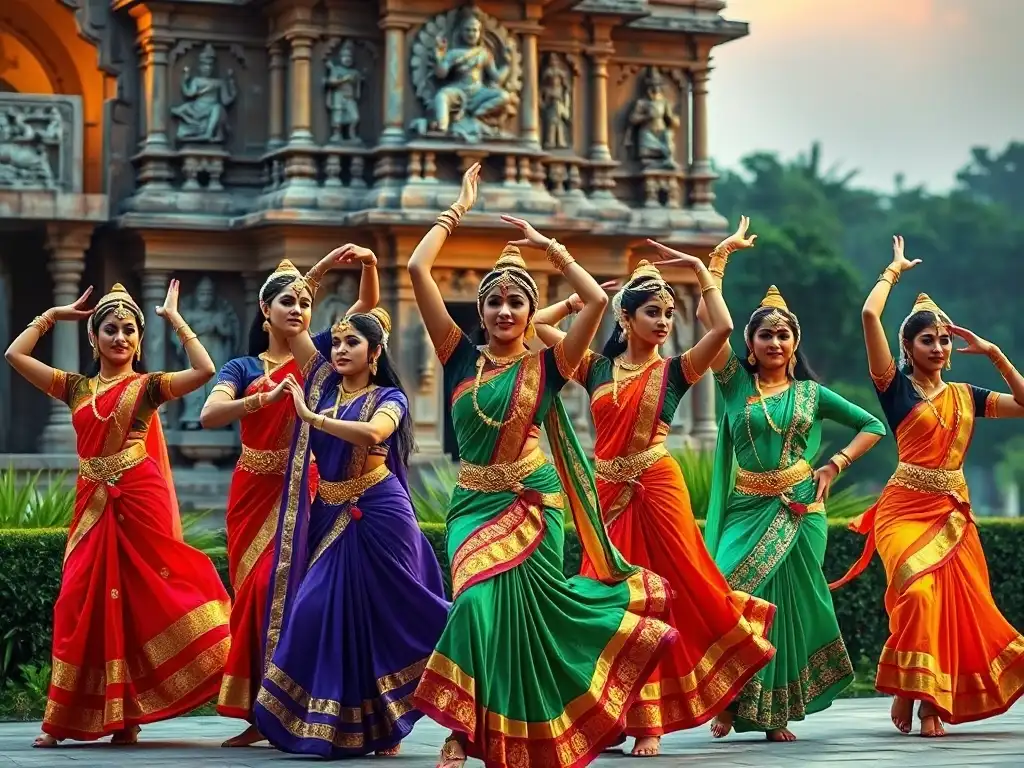
Welcome to Ancient India History, where we embark on a fascinating journey through the rich tapestry of India's past. Delve into the Gupta Empire's classical dance history, a captivating exploration of how this influential era shaped the artistic landscape of ancient India. As we unveil the intricate connections between culture and creativity, you'll discover the enchanting rhythms and movements that still resonate today. Join us as we uncover the stories behind the dance forms that flourished under Gupta patronage, and prepare to be inspired by the legacy that continues to influence the world of performing arts.
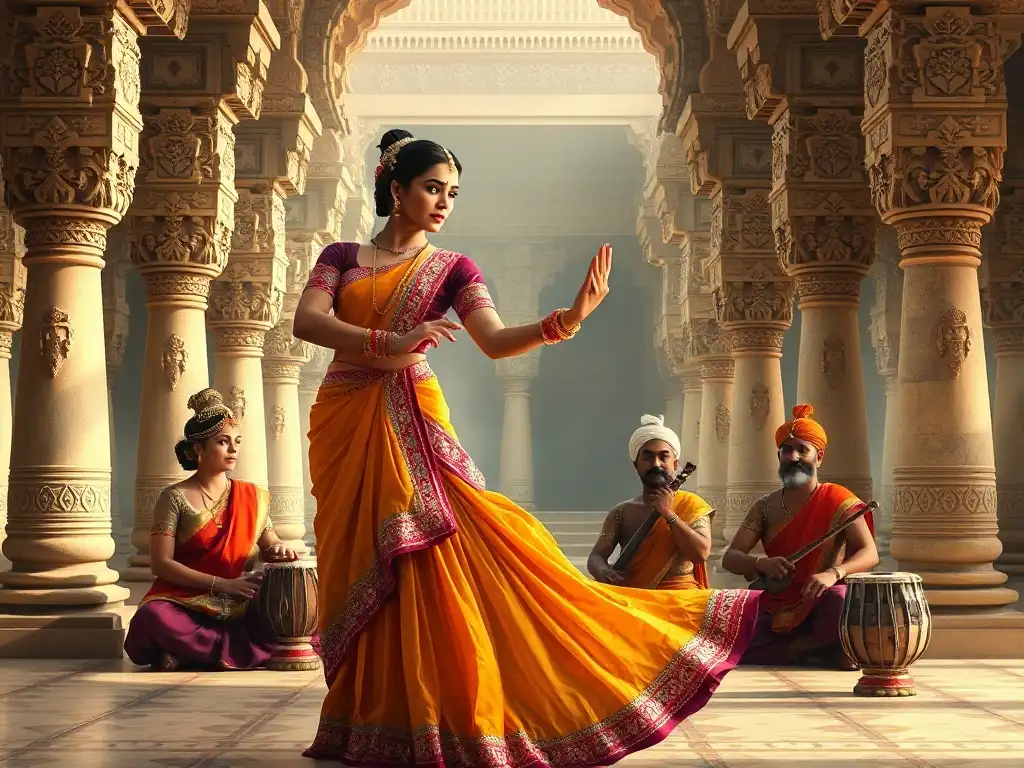
Introduction to Gupta Empire Classical Dance History
The Gupta Empire, often referred to as the "Golden Age of India," flourished between the 4th and 6th centuries CE and played a pivotal role in the cultural and artistic advancements of ancient Indian civilization. This era witnessed significant developments in various art forms, particularly classical dance, which evolved into a sophisticated medium of expression.
The Gupta Empire classical dance history is not merely a reflection of aesthetic pursuits but also a testimony to the socio-religious fabric of the time. Through this exploration, we delve into the rich tapestry of classical dance, examining its roots, evolution, and the profound impact of the Gupta Empire on this vibrant art form.
Overview of the Gupta Empire
The Gupta Empire is characterized by remarkable achievements in arts, science, and literature, which were propelled by a relatively stable political environment. Under the rule of notable emperors such as Chandragupta I and Samudragupta, the empire saw the unification of various regional cultures, allowing diverse artistic expressions to flourish. This period was marked by:
- Political Stability: Facilitated the patronage of arts and culture.
- Cultural Syncretism: Blending of various regional traditions and practices.
- Support for Scholars and Artists: The court became a hub for intellectuals and artists, fostering innovation in dance and music.
Significance of Dance in Ancient Indian Culture
Dance in ancient India transcended mere entertainment; it was a vital component of religious and cultural practices. The significance of dance during the Gupta period includes:
- Spiritual Expression: Dance was often performed as a form of worship, embodying divine narratives and mythological themes.
- Social Functions: Dance served as a medium for storytelling, community bonding, and celebrating festivals.
- Artistic Development: The period saw the codification of dance forms, leading to structured styles that would influence future generations.
Historical Context of Dance during the Gupta Period
The Gupta Empire served as a crucible for the evolution of dance, shaping it through various influences and innovations. Understanding this historical context is crucial to appreciating the classical dance forms that emerged.
Evolution of Dance Forms in Ancient India
During the Gupta period, dance underwent significant transformations, leading to the development of distinct styles. Some key aspects include:
- Integration of Regional Styles: Various regional dance forms were interwoven, creating a rich cultural amalgamation.
- Formalization of Techniques: The establishment of recognized techniques and styles contributed to the systematic training of dancers.
- Textual Documentation: Important texts, such as the Natya Shastra by Bharata Muni, became foundational in documenting dance, establishing rules for performance, and defining aesthetics.
Influence of Religion and Mythology on Dance
Religion and mythology were paramount in shaping classical dance forms during the Gupta Empire. The impact can be observed in:
- Thematic Inspirations: Many dances were based on religious tales, particularly from Hindu epics like the Ramayana and Mahabharata.
- Ritualistic Performances: Dance was integrated into temple rituals, where performances were offered to deities, reinforcing the sacred nature of the art.
- Symbolism and Gesture: The use of mudras (hand gestures) and bhavas (facial expressions) conveyed complex narratives, deeply rooted in spiritual beliefs.
The Gupta Empire's classical dance history is a fascinating area of study that reveals the intricate connections between culture, religion, and artistic expression, laying the groundwork for the classical dance forms that continue to thrive in India today.
Key Features of Gupta Empire Classical Dance
The Gupta Empire, often referred to as the Golden Age of India, witnessed a remarkable flourishing of arts, including classical dance. This period saw the integration of various dance forms that were influenced by religious, societal, and cultural factors. Key features of classical dance during the Gupta Empire include:
- Religious Significance: Dance was often intertwined with religious rituals and ceremonies, serving as a medium to express devotion to deities. Temples were adorned with intricate sculptures of dancers, highlighting the spiritual connection between dance and worship.
- Sanskrit Texts: The period saw the compilation of various texts that codified dance, such as the Natya Shastra by Bharata Muni. This foundational text provided guidelines on the techniques, expressions, and theories of dance, influencing the development of classical dance forms.
- Stylized Movements: Gupta classical dance forms were characterized by their precise and stylized movements, which conveyed specific emotions and narratives. The emphasis on mudras (hand gestures) and abhinaya (expression) played a crucial role in storytelling through dance.
- Cultural Synthesis: The Gupta Empire's vast expanse facilitated the confluence of various regional styles and traditions, creating a rich tapestry of dance forms that incorporated diverse cultural elements.
Characteristics of Classical Dance Forms
Classical dance forms that emerged during the Gupta Empire exhibited several distinct characteristics:
- Expressive Gestures: Dancers used a wide range of hand gestures (mudras) to convey emotions and narrate stories. Each mudra had a specific meaning and was crucial for the expression of bhava (emotion).
- Rhythmic Patterns: The dance forms were set to intricate rhythmic patterns, with a focus on tala (rhythm) that added complexity and depth to the performance.
- Costumes and Makeup: Elaborate costumes and makeup were integral to the performance, enhancing the visual appeal and aiding in the portrayal of characters. The use of vibrant colors and ornate jewelry reflected the cultural richness of the Gupta period.
- Integration of Music: Music played a pivotal role in classical dance, with vocal and instrumental accompaniment elevating the overall experience. The synergy between dance and music created a harmonious artistic expression.
Instruments and Music in Gupta Dance
Instruments and music were essential components of classical dance during the Gupta Empire. The musical landscape was rich and varied, featuring:
- Percussion Instruments: Drums like the dholak and mrdanga provided rhythmic support, while instruments such as the tabla later emerged as integral to accompanying dance performances.
- Melodic Instruments: String instruments like the veena and flute were commonly used, enriching the musical texture. The combination of melodic and rhythmic instruments created a captivating atmosphere for dancers.
- Vocal Music: Singing played a significant role, with compositions often based on classical ragas that aligned with the emotions conveyed in the dance. Lyrics were typically in Sanskrit, incorporating themes from mythology and spirituality.
- Musical Notation: The Gupta period saw advancements in musical notation, allowing for the preservation and transmission of musical compositions. This development ensured that the musical heritage was maintained and evolved over time.
Prominent Dance Styles Emerging from the Gupta Empire
The Gupta Empire was instrumental in the emergence and development of several prominent classical dance styles, each reflecting the cultural ethos of the time.
Bharatanatyam and its Roots in Gupta Culture
Bharatanatyam, one of the oldest classical dance forms of India, has its roots deeply embedded in Gupta culture. Characterized by its intricate footwork and expressive hand gestures, Bharatanatyam is believed to have evolved from temple dances performed by devadasis. Key aspects include:
- Temple Origins: Bharatanatyam was primarily performed in temples as a form of worship, celebrating deities through dance. This connection to spirituality remains a hallmark of the style.
- Codification: The teachings of the Natya Shastra significantly influenced Bharatanatyam, providing a framework for its technique and emotional expression.
- Narrative Style: The dance form often depicts mythological stories and themes, utilizing abhinaya to convey complex narratives, which reflects the storytelling tradition of the Gupta period.
Kathak: The Storytelling Dance of the Gupta Era
Kathak, another classical dance form that gained prominence during the Gupta Empire, is renowned for its storytelling through intricate footwork and expressive facial gestures. It emerged from the temples and later evolved into a court dance. Noteworthy aspects include:
- Narrative Techniques: Kathak performers use a combination of dance and storytelling, often depicting tales from Hindu epics like the Ramayana and Mahabharata.
- Influence of Persian Culture: Over time, Kathak absorbed influences from Persian dance, particularly during the later Mughal era, leading to the development of its unique style that blended Indian and Persian elements.
- Expressive Form: The emphasis on facial expressions and gestures makes Kathak a dynamic art form, highlighting emotions and narratives effectively.
Odissi: Tracing its Origins to the Gupta Period
Odissi, one of the classical dance forms of India, traces its origins back to the Gupta period, characterized by its graceful movements and unique posture. Key highlights include:
- Temple Dance: Odissi was traditionally performed by the maharis (female temple dancers) in temples dedicated to Lord Jagannath, emphasizing its sacred roots.
- Mature Style: The dance form showcases fluid movements, intricate footwork, and expressive gestures, reflecting the cultural richness of the Gupta Empire.
- Sculptural Influence: Many elements of Odissi dance are inspired by the temple sculptures of the era, encapsulating the artistic heritage of the Gupta period in its movements and poses.
The Role of Royal Patronage in Dance Development
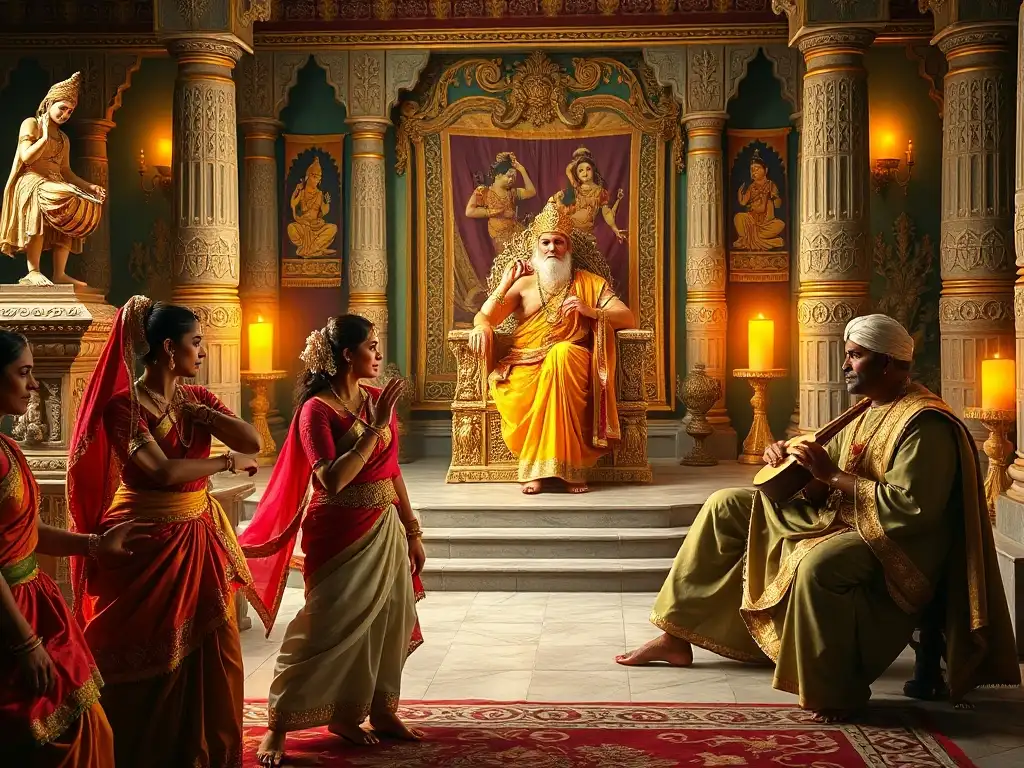
During the Gupta Empire, royal patronage played a crucial role in the flourishing of dance as an art form. The Gupta kings were known for their deep appreciation of the arts, which was reflected in their support for various cultural expressions, including dance. This patronage not only provided financial resources but also legitimized dance as a respected form of artistic and cultural expression.
The emperors often invited renowned dancers to their courts, creating an environment where dance could thrive. This led to the establishment of dance as a formal art, with distinct styles and techniques being developed and refined. The influence of the royal court extended to the general populace, inspiring local artists and dancers to emulate the sophisticated forms presented at these royal events.
Influence of Gupta Kings on the Arts
The Gupta kings, particularly Chandragupta II and Samudragupta, were instrumental in promoting the arts, including classical dance. Their reigns marked a period known as the "Golden Age" of India, characterized by significant advancements in culture and knowledge. The kings not only commissioned works of art but also participated in cultural festivities that included dance performances, thus elevating its status in society.
The influence of Gupta kings extended beyond mere patronage; they actively engaged in the arts, often hosting grand celebrations where dance was a central feature. This royal involvement established dance as a vital component of courtly life, influencing its evolution into a sophisticated and highly stylized form of expression.
Notable Patrons of Dance and their Contributions
Several notable figures during the Gupta period emerged as patrons of dance, significantly impacting its development. One such patron was King Samudragupta, who is known for his military prowess but also for his cultural contributions. His court was a hub of artistic activity, fostering an environment where dancers thrived.
Another important figure was the queen, who often played a vital role in promoting dance within the palace. Queens would organize dance festivals and engage accomplished dancers to perform, thus contributing to the preservation and evolution of dance forms. Their support helped to establish classical dance as an integral aspect of Gupta culture, ensuring its transmission to future generations.
Dance as a Medium of Expression in Gupta Society
In Gupta society, dance was more than just an artistic expression; it served as a medium for storytelling, religious devotion, and social commentary. The themes explored in dance performances often reflected the values and beliefs of the time, making it a vital tool for cultural transmission.
Dance was imbued with symbolic meanings, often portraying deities, mythological stories, and moral lessons. This multifaceted nature of dance allowed it to resonate with diverse audiences, making it an essential aspect of social and religious life during the Gupta period.
Dance in Temple Rituals and Festivals
Dance played a prominent role in temple rituals and festivals throughout the Gupta Empire. Temples were not only places of worship but also cultural centers where dance performances were integral to religious ceremonies. Dancers often performed to honor deities, with movements and gestures designed to convey devotion and reverence.
Festivals provided a platform for vibrant dance displays, engaging the community and strengthening social bonds. These performances were characterized by intricate choreography that often included storytelling elements, showcasing the rich cultural heritage of the Gupta Empire. This tradition of dance in religious contexts helped to preserve classical forms and ensure their continued relevance in society.
The Role of Dance in Royal Courts and Performances
In the royal courts of the Gupta Empire, dance was a prominent feature of cultural life, serving both entertainment and diplomatic purposes. Court performances were grand events that showcased the talents of the kingdom's finest dancers, often accompanied by musicians and elaborate costumes.
The presence of dance in courtly rituals underscored its significance in diplomatic relations, as performances were occasionally used to honor visiting dignitaries or to celebrate military victories. This blend of artistry and politics further elevated the status of dance, reinforcing its role as a vital element of Gupta cultural identity.
Through these various dimensions, dance in the Gupta Empire emerged as a sophisticated form of expression that encapsulated the artistic spirit of the time, leaving a lasting legacy in the history of classical dance.
Legacy of Gupta Empire Classical Dance in Modern Times
The Gupta Empire, often referred to as the Golden Age of India, significantly shaped the landscape of classical dance, leaving a legacy that resonates even in modern times. This period saw an amalgamation of various dance forms, which not only flourished under royal patronage but also became integral to religious and cultural ceremonies. The techniques, themes, and expressions developed during this era have been meticulously preserved and adapted, forming the bedrock of contemporary classical dance in India.
The intricate movements, emotional expressions, and narrative storytelling that characterized Gupta-era dance forms have been inherited by several modern styles. For instance, the vibrant expressions seen in Bharatanatyam and Kathak can trace their roots back to the dance traditions nurtured during the Gupta period. Over centuries, these dance forms have evolved, yet the fundamental elements established during the Gupta Empire continue to influence their practice and performance.
Continuation of Ancient Dance Forms
During the Gupta Empire, classical dance was often intertwined with religious observances, particularly in temples dedicated to deities. This connection ensured that dance forms were not merely entertainment but also served a spiritual purpose. As a result, many ancient dance forms, such as the celestial dances depicted in temple sculptures, have continued to be performed in their historical context.
The tradition of performing dance as a means of worship has persisted, with many temples still hosting classical dance performances during festivals and special occasions. The narratives often draw from ancient texts like the Natya Shastra, which codified dance, music, and drama. This continuation of ancient dance forms reflects a deep respect for cultural heritage and provides a living link between the past and present.
Influence on Contemporary Indian Dance
The Gupta Empire's influence on contemporary Indian dance is profound and multifaceted. The period fostered various styles that have evolved into recognized classical forms today, including Odissi, Manipuri, and Kathakali. Each of these forms carries forward the aesthetic and technical principles established during the Gupta period, albeit with regional adaptations.
Moreover, the themes explored in Gupta-era dance are still prevalent in contemporary performances. Love, devotion, and mythology continue to serve as primary inspirations for choreographers and dancers. The emphasis on storytelling through dance, a hallmark of Gupta-era performances, remains a defining characteristic of modern classical dance. This enduring connection underscores the Gupta Empire's pivotal role in the evolution of Indian dance.
Conclusion: The Enduring Impact of Gupta Empire on Classical Dance History
The Gupta Empire's contributions to classical dance are integral to understanding the evolution of Indian performing arts. The period not only enriched the artistic landscape of the time but also established foundational elements that continue to influence dancers today.
Summary of Contributions to Dance
The Gupta Empire's contributions to classical dance include the formalization of dance techniques, the establishment of narrative structures, and the promotion of dance as a cultural and spiritual practice. The dance forms developed during this time were characterized by their intricate footwork, expressive hand gestures (mudras), and profound emotional depth. These contributions laid the groundwork for the rich tapestry of classical dance that India boasts today.
Reflection on Cultural Heritage and Preservation
The legacy of the Gupta Empire in classical dance is a testament to the importance of cultural preservation. As modern society evolves, the dance forms originating from this golden era remind us of the rich history and diverse traditions that have shaped Indian culture. Efforts to preserve and promote these ancient dance forms are vital not only for maintaining cultural continuity but also for fostering a sense of identity and belonging in contemporary society. By engaging with these traditional practices, new generations can honor the past while contributing to the living legacy of Indian classical dance.
- Introduction to Gupta Empire Classical Dance History
- Historical Context of Dance during the Gupta Period
- Key Features of Gupta Empire Classical Dance
- Prominent Dance Styles Emerging from the Gupta Empire
- The Role of Royal Patronage in Dance Development
- Dance as a Medium of Expression in Gupta Society
- Legacy of Gupta Empire Classical Dance in Modern Times
- Conclusion: The Enduring Impact of Gupta Empire on Classical Dance History
- What was the Gupta Empire's influence on classical dance?
- Which classical dance forms originated during the Gupta Empire?
- How did religion impact classical dance in the Gupta Empire?
- What are some key texts related to dance from the Gupta period?
- How did the Gupta Empire contribute to the preservation of dance traditions?
Frequently Asked Questions
What was the Gupta Empire's influence on classical dance?
The Gupta Empire played a pivotal role in the development of classical dance forms by promoting artistic expression and cultural patronage, leading to the flourishing of various dance styles.
Which classical dance forms originated during the Gupta Empire?
During the Gupta period, several dance forms began to take shape, particularly Bharatanatyam and Kathak, which were influenced by temple rituals and storytelling traditions.
How did religion impact classical dance in the Gupta Empire?
Religious themes heavily influenced classical dance, as many performances were dedicated to deities, incorporating spiritual narratives and rituals that enriched the cultural landscape.
The Natya Shastra, authored by Bharata Muni, is a significant text from this era, detailing the theory and practice of dance, drama, and music, laying the foundation for classical dance traditions.
How did the Gupta Empire contribute to the preservation of dance traditions?
The Gupta Empire established a rich tradition of patronage and documentation, ensuring that classical dance forms were not only performed but also preserved through texts and training, influencing future generations.
Final Reflection: The Enduring Legacy of the Gupta Empire in Classical Dance
The Gupta Empire's influence on classical dance forms is not merely a historical footnote; it is a vibrant thread woven into the fabric of cultural expression today. As we explore the intricate dance styles that flourished during this golden age, we recognize their profound impact on contemporary performances and the ongoing evolution of artistic expression. The legacy of the Gupta Empire serves as a reminder that the arts are not static; they are living traditions that continue to inspire and transform.
Cultural heritage is a powerful force that shapes our identities and connects us across generations. The classical dance forms that emerged during the Gupta period, such as Bharatanatyam and Kathak, have not only survived but thrived, adapting to modern sensibilities while retaining their core essence. As we witness the revival and reinterpretation of these dances in today's performances, we are reminded of the words of the renowned dancer and choreographer, Martha Graham: Dance is the hidden language of the soul.
This sentiment encapsulates the idea that dance transcends time, serving as a medium for expressing the human experience in all its complexity.
As we reflect on the Gupta Empire's contributions to classical dance, let us embrace the invitation to explore our own connections to this rich heritage. Consider how the rhythms, movements, and stories of these ancient dances resonate within you. Whether you are an artist, a student, or simply an admirer of culture, take a moment to appreciate the beauty and significance of these art forms.
Engage with them, learn about their history, and perhaps even participate in their practice. In doing so, you not only honor the past but also contribute to the living legacy of classical dance, ensuring that its spirit continues to flourish for future generations.
Unleash Your Inner Dancer: Explore the Gupta Empire’s Legacy!
Thank you for diving into the rich history of the Gupta Empire and its profound impact on classical dance forms! You've uncovered a vibrant heritage that continues to inspire artists and enthusiasts alike. Now, it’s time to take that inspiration to the next level!
Here are a few steps to help you connect with the beauty of these dance forms:
- Join a local dance class focused on classical styles influenced by ancient traditions, and feel the rhythm of the Gupta legacy in your movements.
- Research and share a dance routine inspired by classic themes from the Gupta era with your friends or on social media, spreading joy and knowledge of this art form.
- Attend a cultural performance showcasing classical dance to experience the enchanting connection between history and artistry firsthand.
Which ancient dance tradition resonates with you the most, and how do you plan to incorporate its beauty into your life? Let’s dance into the discussion!