
The Gupta Empire's Approach to Education: Art, Culture, and Knowledge


Welcome to Ancient India History, where we embark on a fascinating journey through the rich tapestry of ancient civilizations that shaped the Indian subcontinent. In our featured article, "The Gupta Empire's Approach to Education: Art, Culture, and Knowledge," we delve into the remarkable advancements in education and culture that defined the Gupta period. Discover how this golden age fostered scholarship and artistic expression, setting the stage for a legacy that resonates even today. Join us as we uncover the profound contributions of the Gupta Empire and ignite your curiosity about a pivotal chapter in ancient Indian history!
Introduction to Gupta Empire Education and Culture
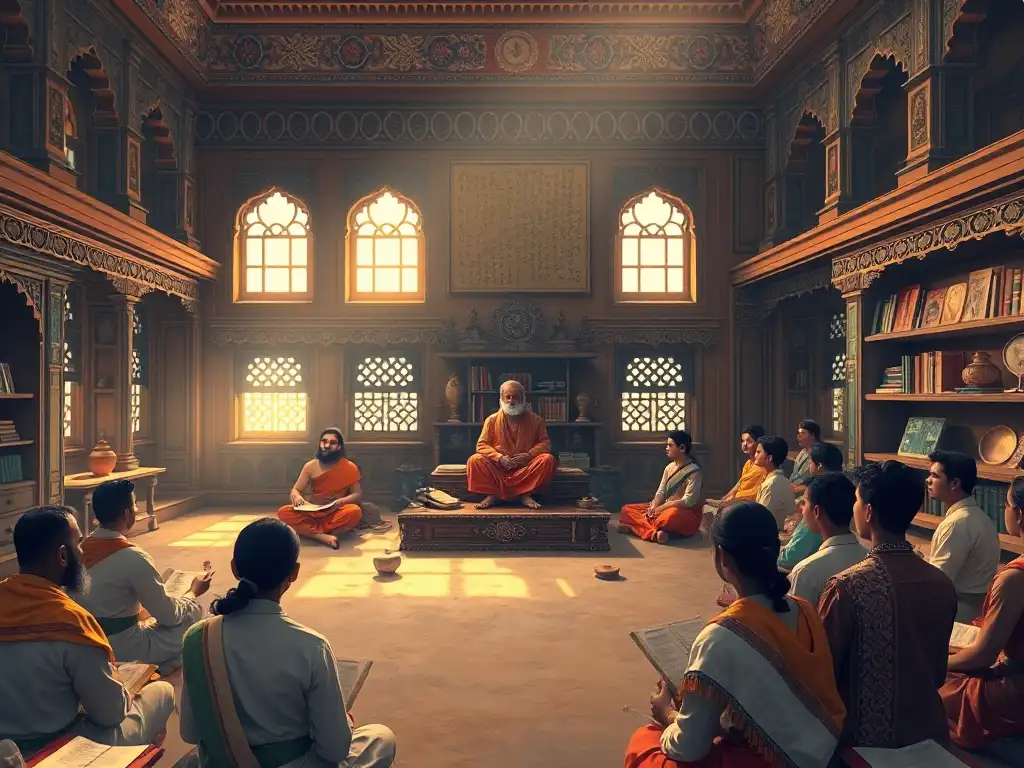
The Gupta Empire, often referred to as the Golden Age of India, flourished from approximately 320 to 550 CE and is renowned for its remarkable advancements in various fields, particularly in education and culture. This era witnessed a profound emphasis on learning, art, and intellectual pursuits, which laid the foundations for many contemporary educational practices.
The Gupta rulers, recognizing the importance of knowledge as a catalyst for societal development, established a system of education that was both innovative and inclusive. In this article, we will explore the multifaceted approach to education during the Gupta Empire, examining how it influenced art, culture, and the dissemination of knowledge.
Overview of the Gupta Empire
The Gupta Empire was marked by significant territorial expansion, political stability, and economic prosperity. Founded by Maharaja Sri Gupta, the empire reached its zenith under the reign of Chandragupta II, encompassing a large part of the Indian subcontinent. This period saw the flourishing of arts, literature, and sciences, with notable figures such as the poet Kalidasa and the mathematician Aryabhata emerging from this vibrant cultural milieu. The Gupta Empire's commitment to fostering education was reflected in its patronage of scholars and the establishment of prominent educational institutions.
Significance of Education in Gupta Society
In Gupta society, education was not merely a means to acquire knowledge; it was viewed as a moral and ethical responsibility. The Gupta rulers promoted education as a way to cultivate virtuous citizens who could contribute positively to society. As a result, education became accessible to various strata of society, including the Brahmins, Kshatriyas, and even some members of the Vaishya and Shudra classes. The emphasis on education fostered critical thinking and creativity, leading to advancements in various disciplines such as mathematics, astronomy, medicine, and philosophy.
The Educational Institutions of the Gupta Empire
Nalanda University: A Beacon of Learning
Nalanda University stands as a testament to the Gupta Empire's commitment to education and intellectual growth. Established in the 5th century CE, Nalanda became one of the world's first residential universities, attracting students from far and wide, including China, Tibet, and Korea. The university offered a comprehensive curriculum that included subjects such as philosophy, logic, grammar, medicine, and mathematics. With its vast library housing thousands of texts, Nalanda was a hub for scholarly debate and discourse, playing a crucial role in shaping the educational landscape of ancient India.
Other Prominent Centers of Education
In addition to Nalanda, several other centers of education flourished during the Gupta Empire. Institutions such as Vikramshila and Takshashila contributed significantly to the dissemination of knowledge. These centers not only provided formal education but also encouraged the study of various arts and sciences, fostering an environment where intellectual curiosity thrived. The collaborative efforts of these institutions formed a network of learning that interconnected scholars across the empire and beyond.
Curriculum and Subjects Taught
The curriculum in Gupta educational institutions was diverse and comprehensive, reflecting the empire's cultural richness. Students were exposed to a wide array of subjects, including:
- Mathematics: Significant advancements in arithmetic and geometry, with scholars like Aryabhata making groundbreaking contributions.
- Astronomy: The study of celestial bodies and their movements, with practical applications in agriculture and navigation.
- Philosophy: Exploration of ethical and metaphysical questions, fostering critical thinking and debate.
- Medicine: The development of Ayurvedic practices and surgical techniques, emphasizing the importance of health and well-being.
- Arts and Literature: Encouragement of artistic expression through poetry, drama, and visual arts, reflecting the cultural vibrancy of the time.
Through this rich tapestry of education, the Gupta Empire not only advanced knowledge but also enriched its cultural heritage, leaving a lasting legacy that continues to influence modern educational practices.
Key Philosophies and Influences in Gupta Education
The Gupta Empire, often regarded as the Golden Age of India, witnessed a remarkable development in educational philosophies that were deeply intertwined with the cultural and spiritual fabric of the society. Central to these educational ideologies was the emphasis on holistic learning, which incorporated not only academic subjects but also moral and ethical teachings. The educational institutions of this era, particularly the renowned Nalanda University, became centers of excellence, fostering critical thinking and intellectual discourse among scholars from various regions.
The philosophies guiding education during the Gupta period were influenced by a blend of traditional Indian values and emerging global ideas, primarily those from neighboring cultures. Prominent among these were the principles of Dharma (righteousness) and Karma (action and its consequences), which shaped the moral frameworks within which education was imparted. This integration of ethics into education aimed to prepare students not just for careers but for responsible citizenship and spiritual growth.
Influence of Hinduism on Educational Practices
Hinduism played a pivotal role in shaping the educational practices of the Gupta Empire. The Vedas, Upanishads, and other Hindu texts served as foundational texts in educational curricula, emphasizing philosophy, ethics, and the pursuit of knowledge. Education was largely conducted in a Gurukul system, where students lived with their teachers (gurus) and engaged in a rigorous program of study that included scriptures, grammar, mathematics, astronomy, and more.
This educational paradigm focused on the idea of Vidya (knowledge) as a means to achieve Moksha (liberation). Students were encouraged to explore various fields of knowledge, reflecting the belief that understanding the universe and the self was essential for spiritual enlightenment. The reverence for learning and scholarship during this period is evident from the patronage provided by Gupta rulers, who supported scholars and educational institutions.
The Role of Buddhism in Shaping Educational Thought
Buddhism also significantly influenced Gupta education, particularly in the fields of philosophy and ethics. The teachings of Buddhism, which emphasized compassion, mindfulness, and the importance of knowledge in overcoming ignorance, were integrated into the educational frameworks of the time. Monasteries served as centers of learning, where students studied not only Buddhist texts but also Hindu scriptures and other philosophical works.
The synthesis of Buddhist thought with Hindu educational practices led to a rich intellectual environment characterized by debates and discussions. This inclusive approach encouraged students to question and analyze various doctrines, fostering a culture of critical thinking. Furthermore, the spread of Buddhism during the Gupta period contributed to the establishment of educational institutions that attracted scholars from across Asia, enhancing cross-cultural exchanges of ideas.
Integration of Arts and Sciences in Learning
The Gupta Empire was notable for its unique integration of arts and sciences within the educational curriculum. Scholars were encouraged to explore subjects such as mathematics, astronomy, and medicine alongside literature, music, and visual arts. This multidisciplinary approach reflected the belief that knowledge was not compartmentalized but rather interconnected, with each field enriching the others.
Mathematics during the Gupta period saw significant advancements, including the development of the concept of zero and decimal numerals, which were taught alongside artistic disciplines. The interplay between the sciences and arts fostered a sense of creativity and innovation, enabling students to apply their knowledge in practical and artistic endeavors. This holistic educational philosophy contributed to the overall cultural richness of the Gupta Empire, producing notable achievements in various domains.
The Contribution of Art to Gupta Education and Culture
Art served as a vital component of education and culture during the Gupta Empire, facilitating the transmission of knowledge and values through various mediums. The empire's artistic endeavors were not merely aesthetic but were imbued with educational significance, reflecting the philosophical and cultural ideals of the time.
Architectural Marvels and Their Educational Role
The architectural achievements of the Gupta Empire, such as the construction of temples, stupas, and monasteries, were not only religious structures but also centers of learning. These architectural marvels were designed to inspire awe and contemplation, serving as physical manifestations of spiritual and educational principles.
Temples often housed libraries and classrooms where students learned about philosophy, ethics, and religious texts. The intricate carvings and sculptures on these structures depicted various mythological themes and educational narratives, effectively communicating cultural values and stories to the populace. Thus, architecture in the Gupta Empire functioned as an educational tool, blending artistic expression with spiritual and intellectual instruction.
The Influence of Sculpture and Painting on Cultural Education
Sculpture and painting were integral to Gupta education, serving as visual aids in teaching and preserving cultural heritage. The remarkable sculptures of the era, characterized by their intricate details and expressive forms, often illustrated important religious narratives and moral lessons. These artworks were employed in educational contexts to impart ethical values and cultural stories to students and the broader community.
Similarly, paintings, especially those found in cave complexes like Ajanta, conveyed complex narratives through visual storytelling. These artistic expressions not only enhanced the aesthetic environment of educational settings but also provided rich content for analysis and discussion among students. The integration of visual arts into education enriched the learning experience, allowing for a deeper understanding of cultural themes.
Literature and Performing Arts as Educational Tools
Literature and performing arts played a significant role in Gupta education, serving as both educational tools and means of cultural expression. The period saw a flourishing of literary works, including poetry, plays, and philosophical treatises, which were integral to the curriculum. Famous playwrights like Kalidasa produced works that explored human emotions, ethics, and societal values, offering students a lens through which to engage with complex ideas.
Performing arts, including dance and music, were also valued in educational settings. These forms of expression not only entertained but also conveyed moral lessons and cultural narratives, reinforcing the teachings found in literature. Festivals and performances were often intertwined with educational practices, creating vibrant communal experiences that fostered learning and cultural identity.
The Gupta Empire's approach to education was characterized by a rich interplay of philosophical thought, artistic expression, and cultural values, creating a holistic educational environment that laid the foundation for future generations.
The Impact of Gupta Education on Society
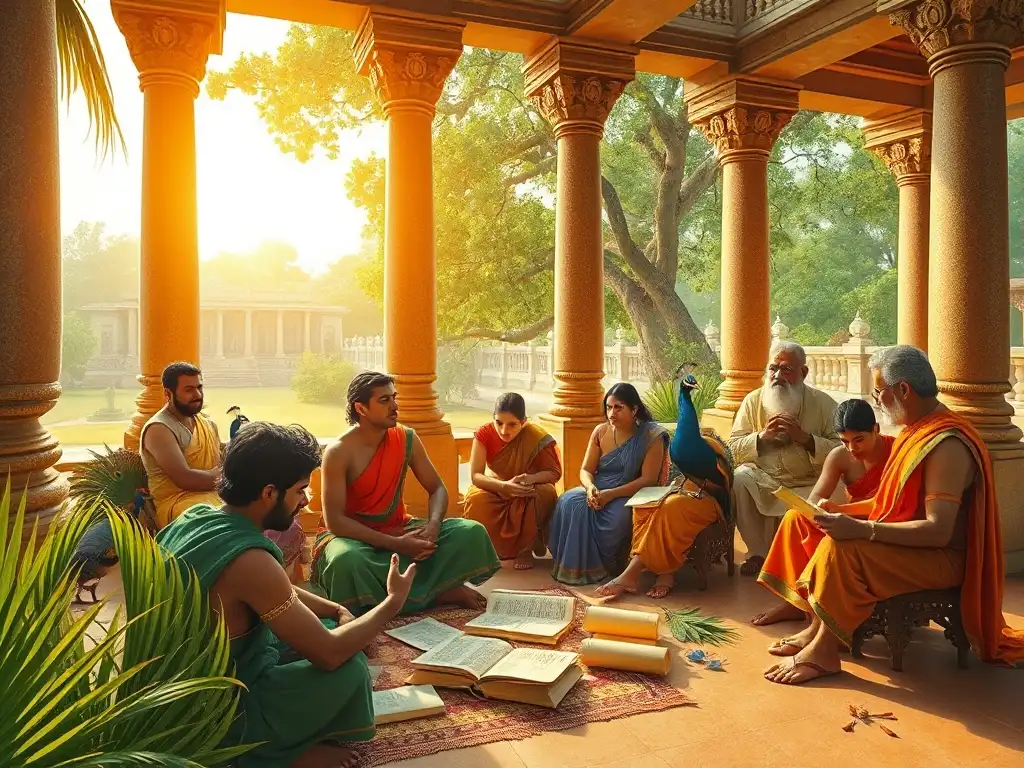
The education system of the Gupta Empire had a profound impact on society, shaping the cultural landscape of ancient India. At its core, Gupta education emphasized not only the acquisition of knowledge but also the holistic development of individuals. This system was characterized by the establishment of universities, such as the famed Nalanda and Takshashila, which became centers of learning that attracted students from various regions. The curriculum was diverse, encompassing subjects like philosophy, mathematics, astronomy, medicine, and the arts, thereby fostering a well-rounded intellect among the populace.
Moreover, the Gupta Empire's commitment to education facilitated the rise of a literate society. The proliferation of educational institutions meant that more individuals had access to knowledge, which in turn nurtured a culture of inquiry and debate. This intellectual vibrancy contributed to advancements in various fields, including literature, science, and technology, marking the Gupta period as a golden age of learning in ancient India.
Social Mobility and Access to Education
In the Gupta Empire, education was seen as a vehicle for social mobility. Unlike in some other ancient civilizations where education was the privilege of the elite, the Gupta educational system was relatively inclusive. While the highest echelons of society, particularly the Brahmins, predominantly occupied roles in teaching and scholarship, there were opportunities for individuals from lower castes to seek education, especially in the arts and sciences.
The emergence of universities played a crucial role in democratizing access to education. For instance, students from various backgrounds could attend these institutions, provided they demonstrated aptitude and dedication. This openness not only allowed for a more equitable society but also enriched the academic environment, as diverse perspectives fostered deeper discussions and innovations.
The Role of Education in Promoting Cultural Values
Education during the Gupta Empire was intricately linked to the promotion of cultural values. The curriculum included teachings on ancient scriptures, philosophy, and ethics, ensuring that students not only gained practical knowledge but also developed a moral compass. The emphasis on arts, such as literature and music, reinforced the values of creativity and expression, which were integral to Gupta culture.
Moreover, education served as a means to perpetuate the rich heritage of the empire. Through the study of classical texts and historical narratives, the youth were instilled with a sense of pride in their cultural identity. This cultural education helped unify the diverse populations within the empire by fostering a shared understanding of their history and values, ultimately strengthening social cohesion.
Preservation of Knowledge Through Education
The Gupta Empire played a critical role in the preservation of knowledge, particularly through its educational institutions. Scholars of the time were dedicated to transcribing and maintaining ancient texts, ensuring that the wisdom of previous generations was not lost. This effort was crucial, especially during periods of instability and change in the region.
Furthermore, the system of education encouraged rigorous intellectual practices, such as debate and discourse, which not only preserved existing knowledge but also stimulated original thought. The synthesis of various schools of thought led to significant advancements in fields like mathematics, where concepts such as zero and the decimal system were refined and popularized.
Conclusion: Legacy of Gupta Empire Education and Culture
The legacy of the Gupta Empire's educational practices is profound, as it laid the foundational framework for subsequent Indian civilizations. The emphasis on a well-rounded education, accessible knowledge, and the promotion of cultural values created a vibrant intellectual atmosphere that would influence future generations.
Lasting Influence on Subsequent Indian Civilizations
The educational advancements of the Gupta Empire had a lasting influence on later Indian civilizations, particularly during the medieval period. The emphasis on universities as centers of learning continued, with many institutions replicating the Gupta model. Additionally, the subjects and methodologies established during this time became integral to the curriculum in later educational systems. The focus on arts and sciences fostered a tradition of scholarship that would thrive well into the modern era.
Contemporary Relevance of Gupta Educational Practices
Today, the principles of the Gupta Empire's approach to education remain relevant. The emphasis on holistic education, critical thinking, and cultural awareness resonates in contemporary educational philosophies. As societies strive to cultivate knowledgeable and socially responsible individuals, the Gupta model serves as an inspiring example of how education can shape not only individuals but also the broader culture. Integrating diverse subjects and promoting inclusivity can lead to a richer understanding of the world, echoing the timeless wisdom of the Gupta Empire.
References and Further Reading on Gupta Empire Education and Culture
The Gupta Empire, often regarded as a golden age of Indian history, made significant contributions to education, art, and culture. To deepen your understanding of this fascinating period, the following resources provide valuable insights and analysis.
Suggested Books and Articles
-
"The Gupta Empire: A Comprehensive Study" by R. C. Majumdar
This book offers an in-depth analysis of the Gupta Empire, focusing on its political structure, economic prosperity, and cultural advancements, including education.
-
"The History of Ancient India" by Upinder Singh
Upinder Singh's work provides a detailed narrative of ancient Indian history with a specific emphasis on the significant educational reforms and cultural achievements of the Gupta period.
-
"Indian Art and Culture" by Bharatiya Vidya Bhavan
This publication explores the artistic expressions and cultural developments during the Gupta Empire, highlighting the integration of education in the arts.
-
"Education in Ancient India: From Vedic to Gupta Period" by R. N. Sharma
This article examines the evolution of educational systems from the Vedic age through the Gupta Empire, discussing the curriculum, pedagogy, and notable educational institutions.
-
"The Science and Culture of the Gupta Era" by A. K. Sharma
A focused study that delves into the scientific advancements and cultural practices that flourished during the Gupta period, revealing the interconnectedness of education and culture.
Online Resources for Further Exploration
-
Digital South Asia Library (DSAL)
The DSAL provides access to a wealth of primary sources, maps, and historical texts related to ancient India, including the Gupta Empire's educational practices.
-
The Internet Archive
This platform hosts numerous digitized books and articles on the Gupta Empire, offering a broad spectrum of scholarly materials for those interested in further research.
-
BBC History: Ancient India
This online resource presents articles and multimedia content discussing various aspects of ancient Indian civilizations, including the Gupta Empire’s contributions to education and culture.
-
Stanford Encyclopedia of Philosophy - Indian Philosophy
This comprehensive entry covers the philosophical developments during the Gupta period, highlighting the educational context and cultural significance of philosophical discourse.
-
YouTube - Gupta Empire Documentaries
Several educational documentaries are available on YouTube, providing visual insights into the Gupta Empire's culture, art, and educational achievements, perfect for visual learners.
These resources will enrich your knowledge of the Gupta Empire's approach to education and its lasting impact on culture and society.
- Introduction to Gupta Empire Education and Culture
- The Educational Institutions of the Gupta Empire
- Key Philosophies and Influences in Gupta Education
- The Contribution of Art to Gupta Education and Culture
- The Impact of Gupta Education on Society
- Conclusion: Legacy of Gupta Empire Education and Culture
- References and Further Reading on Gupta Empire Education and Culture
- What was the significance of education during the Gupta Empire?
- How did the Gupta Empire influence art and culture?
- What were the primary subjects taught in Gupta educational institutions?
- Did the Gupta Empire have any notable scholars?
- How did the Gupta Empire's educational system differ from previous civilizations?
Frequently Asked Questions
What was the significance of education during the Gupta Empire?
The Gupta Empire placed a strong emphasis on education, fostering an environment where knowledge flourished, particularly in fields like mathematics, astronomy, and literature.
How did the Gupta Empire influence art and culture?
The Gupta period is renowned for its artistic achievements, including sculpture and architecture, which significantly influenced subsequent Indian styles and contributed to a rich cultural heritage.
What were the primary subjects taught in Gupta educational institutions?
Education during the Gupta Empire focused on subjects such as philosophy, mathematics, astronomy, and the arts, reflecting the empire's dedication to a well-rounded curriculum.
Did the Gupta Empire have any notable scholars?
Yes, the Gupta Empire was home to many prominent scholars, such as Aryabhata, who made groundbreaking contributions to mathematics and astronomy, showcasing the empire's intellectual prowess.
How did the Gupta Empire's educational system differ from previous civilizations?
Unlike earlier civilizations, the Gupta Empire's educational system was more structured, promoting institutional learning through universities like Nalanda, thus enhancing the accessibility of education to a broader populace.
Final Reflection: The Enduring Legacy of Gupta Empire Education and Culture
The exploration of the Gupta Empire's approach to education and culture reveals a profound connection between knowledge and societal advancement that remains relevant today. In an era where education is often viewed through the lens of economic utility, the Gupta Empire reminds us that the pursuit of knowledge is not merely a means to an end but a vital component of cultural identity and human flourishing. The emphasis on art, literature, and scientific inquiry during this period underscores the idea that a well-rounded education fosters innovation and creativity, which are essential for progress in any society.
The influence of Gupta education and culture can still be felt in contemporary discussions about the value of a liberal arts education and the importance of cultural literacy. As we navigate the complexities of modern life, the lessons from the Gupta Empire resonate deeply, encouraging us to appreciate the interconnectedness of knowledge and culture. Education is the most powerful weapon which you can use to change the world.
– Nelson Mandela. This quote encapsulates the essence of the Gupta legacy, highlighting how education can empower individuals and transform societies, a notion that continues to inspire movements for educational reform and cultural appreciation across the globe.
As we reflect on the Gupta Empire's contributions to education and culture, let us take this opportunity to embrace a holistic approach to learning in our own lives. Consider how you can cultivate a deeper appreciation for the arts, history, and sciences, and recognize their role in shaping your worldview. The lessons from the Gupta Empire encourage us to not only seek knowledge for personal gain but to contribute to the cultural tapestry of our communities. Together, let us honor this legacy by fostering curiosity, creativity, and a commitment to lifelong learning.
Ignite Your Curiosity: Dive Deeper into the Gupta Legacy!
Thank you for taking the time to explore the profound impact of the Gupta Empire on education, art, and culture. You've just uncovered the foundation of knowledge that shaped ancient India and influenced generations. Now, it's your turn to build on this rich legacy!
Here’s how you can continue your journey:
- Explore a nearby museum or digital exhibit featuring Gupta art and artifacts to see these historical treasures firsthand!
- Join an online forum or a local group focused on ancient Indian history, and share your thoughts on the Gupta Empire's contributions.
- Create a blog post or a social media update highlighting your key takeaways from this article, and encourage your friends to learn about the Gupta period as well!
Which aspect of the Gupta Empire’s educational practices inspires you the most, and how do you think it relates to today's learning systems?