
The Role of Artisans in Ancient Indian Commerce and Trade

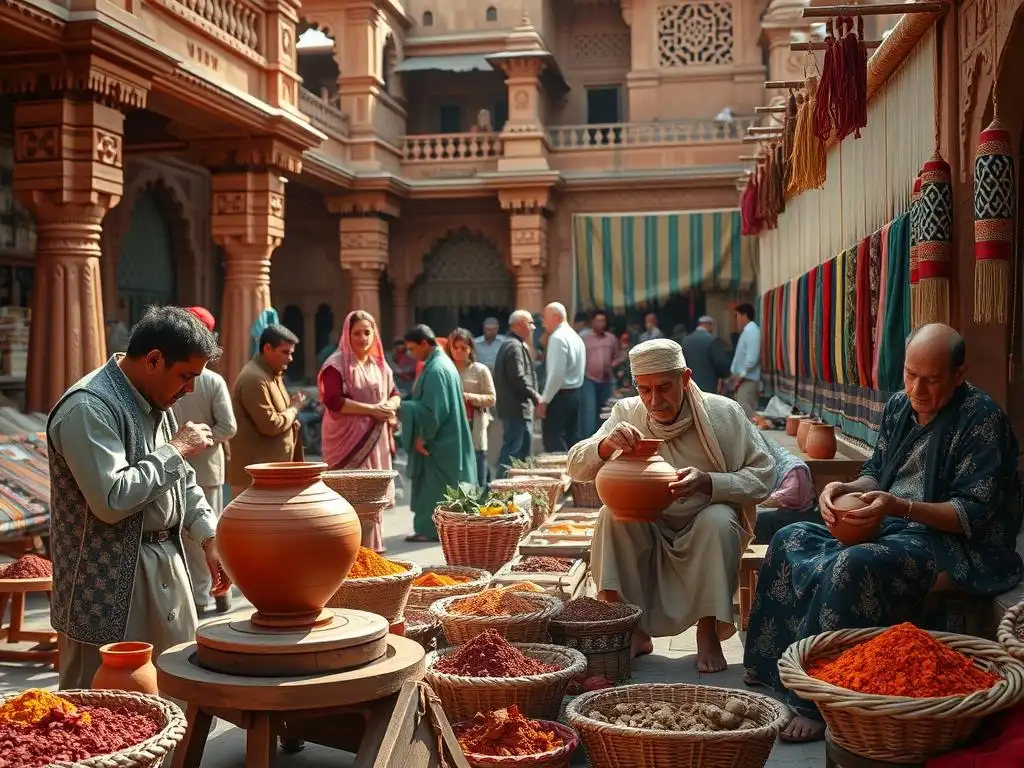
Welcome to Ancient India History, where we embark on a fascinating journey through the vibrant tapestry of ancient Indian civilizations. Here, we delve into the incredible contributions of ancient Indian artisans to commerce and trade, revealing their pivotal role in shaping the economic landscape of their time.
As you explore our latest article, "The Role of Artisans in Ancient Indian Commerce and Trade," prepare to uncover the stories of skilled craftsmen whose artistry and innovation not only enriched their communities but also bridged cultures across continents. Join us as we unlock the secrets of a bygone era that continues to influence our world today!
Introduction to Ancient Indian Artisans and Trade
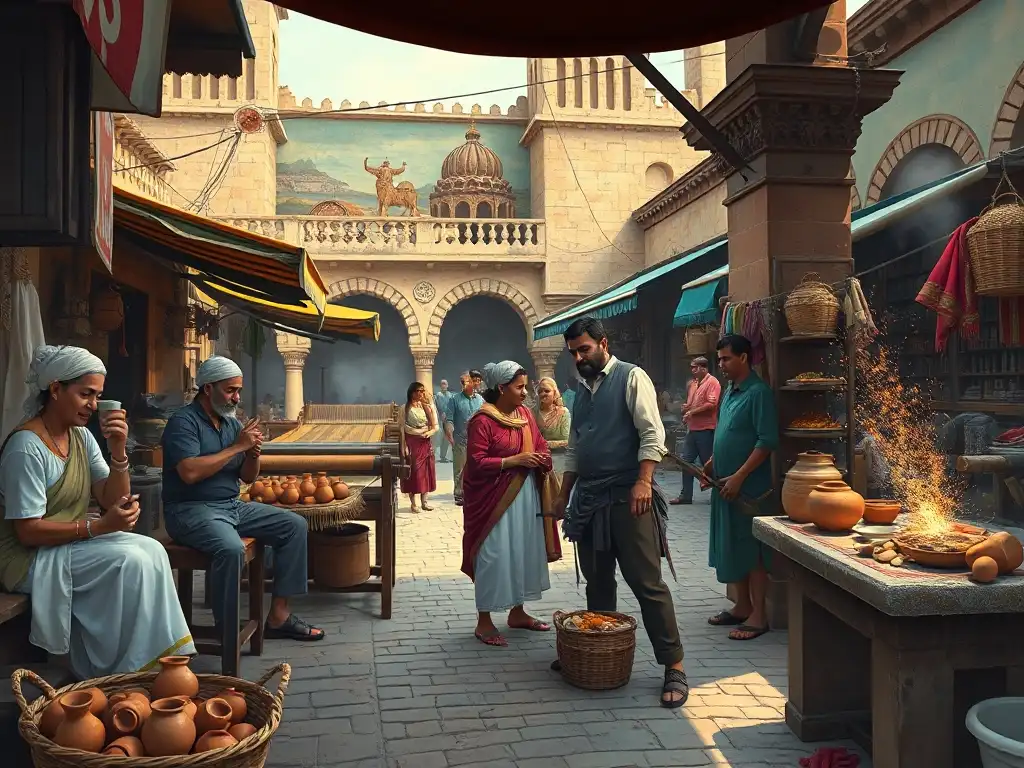
The intricate tapestry of ancient Indian commerce and trade is woven with the skilled hands of artisans who played a pivotal role in the flourishing economies of various civilizations. From the innovative crafts of the Indus Valley Civilization to the sophisticated trade networks established during the Gupta Empire, artisans were not merely creators of goods; they were essential contributors to the economic and cultural exchanges that shaped ancient India.
Their expertise in diverse crafts, coupled with their ability to adapt to changing market demands, significantly influenced the dynamics of trade, both domestically and internationally. This article delves into the vital contributions of ancient Indian artisans to commerce and trade, highlighting their significance in the broader context of economic development.
Definition of Artisans in Ancient India
Artisans in ancient India can be defined as skilled craftsmen and women who specialized in creating various goods through manual labor and artistic techniques. They worked with a wide range of materials, including:
- Textiles: Weavers produced intricate fabrics, such as silk and cotton, which were highly sought after in both local and international markets.
- Metals: Blacksmiths and goldsmiths crafted tools, ornaments, and ceremonial items, showcasing their advanced metallurgical skills.
- Pottery: Potters created functional and decorative ceramics, often adorned with elaborate designs and motifs.
- Woodwork and Stone Carving: Skilled woodworkers and stone masons produced furniture, sculptures, and architectural elements that reflected the rich cultural heritage.
These artisans not only contributed to the local economies through their crafts but also played a crucial role in establishing trade connections with distant lands, facilitating the exchange of goods, ideas, and cultural practices.
Overview of Ancient Indian Commerce and Trade
Ancient India's commerce and trade were characterized by a robust network that connected various regions, both within the subcontinent and beyond. The trade practices were facilitated by:
- Land Routes: Major trade routes like the Silk Road linked India to Central Asia, enabling the exchange of goods such as spices, textiles, and precious stones.
- Maritime Trade: Indian ports, such as Lothal and Calicut, served as crucial hubs for international trade, connecting India with markets in Africa, the Middle East, and Southeast Asia.
The flourishing trade not only enriched the economies but also encouraged cultural exchanges, leading to a vibrant synthesis of ideas, religions, and artistic expressions. The contributions of artisans were integral to this thriving trade landscape, as they provided the high-quality goods that were in demand by merchants and consumers alike.
Historical Context of Artisans in Ancient Indian Trade
The Significance of Artisans in Economic Development
Artisans played a critical role in the economic development of ancient India by enhancing the quality and diversity of products available for trade. Their craftsmanship not only reflected the cultural identity of different regions but also created a competitive market that stimulated economic growth. The ability of artisans to innovate and adapt to market trends ensured that their products remained relevant and sought after. For instance, the introduction of new dyeing techniques or weaving patterns often resulted in unique textile offerings that captivated buyers, both locally and abroad.
Additionally, the establishment of guilds and cooperative associations among artisans fostered collaboration, leading to improved production methods and marketing strategies. These organizations not only provided a support network for artisans but also facilitated the sharing of skills and knowledge, further strengthening their impact on trade and commerce.
Timeline of Trade Practices in Ancient India
The timeline of trade practices in ancient India is a testament to the enduring legacy of artisans in shaping the economic landscape. Key milestones include:
- Indus Valley Civilization (circa 3300–1300 BCE): Early evidence of trade with Mesopotamia, showcasing the exchange of goods such as beads, textiles, and ceramics.
- Vedic Period (circa 1500–500 BCE): The emergence of trade routes and market systems that allowed artisans to flourish within local economies.
- Mauryan Empire (circa 322–185 BCE): The establishment of a vast trade network across the Indian subcontinent, supported by a standardized currency, which facilitated transactions and commerce.
- Gupta Empire (circa 320–550 CE): A golden age of art and trade, where artisans produced exquisite crafts that were celebrated not only in India but also in foreign markets.
This historical context underscores the vital contributions of ancient Indian artisans to the trade practices that laid the foundation for India's rich economic heritage. Their legacy continues to inspire modern crafts and trade practices, reminding us of the enduring impact of skilled labor on commerce and culture.
Contributions of Artisans to Ancient Indian Commerce
The contributions of artisans to ancient Indian commerce were pivotal in shaping the economy and cultural identity of the region. Artisans were not just skilled laborers; they were integral to the production of goods that facilitated trade, both locally and regionally. Through their craftsmanship, artisans enhanced the aesthetic and functional quality of products, which in turn increased their market value and demand. As a result, the work of artisans directly influenced the economic landscapes of ancient Indian civilizations, fostering trade relationships that extended beyond geographical boundaries.
Craftsmanship and Its Impact on Trade
Artisans in ancient India were renowned for their exceptional craftsmanship, which encompassed a variety of skills, from weaving and pottery to metalworking and sculpture. Their ability to create high-quality goods played a significant role in trade, as meticulously crafted items often commanded higher prices and attracted traders from distant lands.
- Quality and Aesthetics: The aesthetic appeal of artisan products, such as intricately designed textiles and finely crafted metal ornaments, made them highly sought after in both local and international markets. This emphasis on quality encouraged trade interactions and established reputations for various artisans and their workshops.
- Cultural Exchange: The unique craftsmanship of artisans also facilitated cultural exchange. As goods were traded, they carried with them the cultural narratives, techniques, and innovations of different regions. This exchange enriched the local craft traditions and allowed artisans to incorporate diverse influences into their work.
- Economic Backbone: Artisans contributed significantly to the economy by creating jobs and stimulating local markets. Their workshops often became centers for commerce, attracting traders and consumers alike, thus embedding artisanship within the fabric of ancient Indian economic life.
Major Artisanal Goods and Their Market Value
Artisans produced a wide array of goods that were integral to ancient Indian trade. Some of the most notable artisanal products included:
- Textiles: Cotton and silk textiles, particularly from regions like Gujarat and Bengal, were prized for their quality and intricate designs. These textiles were a major export and played a crucial role in trade networks.
- Pottery: Fine pottery, often decorated with intricate designs, was not only used locally but also traded extensively. The discovery of artifacts in trade hubs reveals the high demand for pottery in various regions.
- Metals and Jewelry: Artisans skilled in metallurgy produced tools, weapons, and exquisite jewelry that were highly valued both domestically and abroad. The adoption of techniques such as goldsmithing exemplified the artisanal advance that contributed to trade.
- Sculptures and Carvings: Artistic creations, such as sculptures and temple carvings, served both religious and commercial purposes, attracting pilgrims and traders who sought these unique items.
The market value of these goods was determined by their quality, craftsmanship, and the prestige of the artisans themselves, which often led to the establishment of specific centers for trade.
The Role of Artisans in Trade Networks
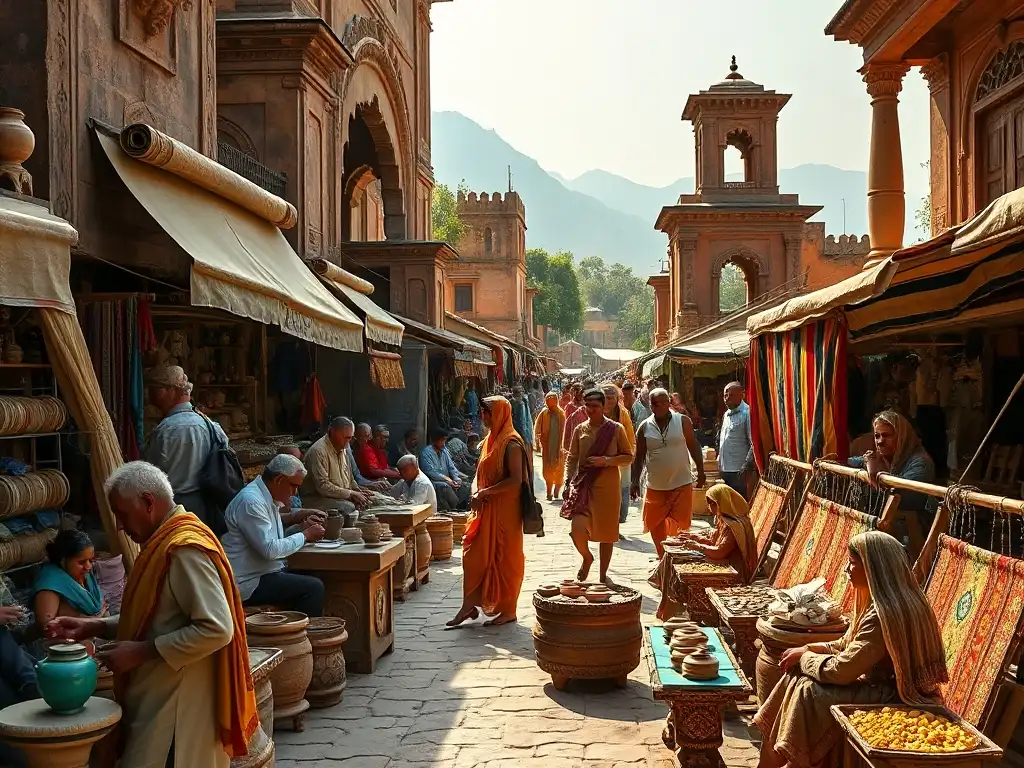
Artisans were not just isolated producers; they were integral players in the broader trade networks that connected ancient India to various regions across Asia and beyond. Their roles extended beyond mere production, as they actively engaged in the commerce that facilitated the exchange of goods and ideas.
Local Markets and Regional Trade
In ancient India, local markets were vibrant hubs of activity where artisans showcased their products. These markets allowed artisans to interact directly with consumers and traders, fostering a dynamic economy.
- Market Dynamics: Artisans often set up stalls or workshops in local markets, allowing them to sell their goods directly. This direct interaction helped artisans understand market demands and adapt their production accordingly.
- Regional Trade: Artisans contributed to regional trade by creating products tailored to the tastes and preferences of neighboring areas. The exchange of goods among local artisans and traders established a network of commerce that strengthened regional economies.
- Community and Collaboration: Local artisans often collaborated with one another, forming guilds or associations that helped standardize practices and improve quality. These collaborations enhanced their bargaining power in trade negotiations.
Long-Distance Trade Routes and Their Importance
Long-distance trade routes, such as the Silk Road and maritime paths, were crucial for the exchange of artisanal goods. Artisans played a significant role in this expansive network of trade.
- Trade Connections: Artisans’ products traveled along these routes, reaching markets in Persia, the Mediterranean, and Southeast Asia. This not only increased their economic prospects but also introduced their work to diverse cultures.
- Cultural Significance: The presence of Indian artisanal goods in foreign markets facilitated cultural interactions and exchanges, showcasing the skills and creativity of Indian artisans on a global stage.
- Economic Impact: The revenue generated from long-distance trade significantly contributed to the wealth of ancient Indian kingdoms, enabling them to invest in infrastructure, arts, and further develop trade networks.
The role of artisans in ancient Indian commerce was multifaceted, with their craftsmanship, participation in local and regional markets, and involvement in long-distance trade networks creating a dynamic economy that was both prosperous and culturally rich.
Socio-Economic Status of Artisans in Ancient India
The socio-economic status of artisans in ancient India was a complex interplay of skill, craft, community, and social hierarchy. Artisans played a crucial role in the economy, not only by creating goods for local consumption but also by contributing to trade networks that spanned vast regions. They were often organized into specialized communities, allowing them to hone their skills and maintain traditions across generations.
Artisans typically belonged to the shudra varna in the traditional Hindu caste system, which classified society into four main groups. Despite their lower social standing, artisans enjoyed a certain degree of economic independence, as their crafts were in high demand. Skilled artisans, such as weavers, potters, and metalworkers, could achieve a respectable lifestyle, earning a good income through the sale of their products both in local markets and through long-distance trade.
While artisans were essential for economic prosperity, their status varied significantly based on the type of craft and the region. For instance, those who produced luxury goods, like jewelry or fine textiles, might gain more recognition and wealth compared to those engaged in more utilitarian crafts. The socio-economic dynamics also shifted with the rise and fall of empires, impacting the demand for artisanal goods and consequently the artisans' status.
Class Structure and Artisan Communities
Artisans in ancient India were organized into distinct communities, often associated with particular crafts. This structure not only facilitated skill transmission but also created a sense of identity among artisans. Each community had its own customs, practices, and sometimes even dialects, fostering a strong bond that aided in cooperative ventures and collective bargaining.
The class structure within these artisan communities varied. While some artisans, particularly those with unique skills or those producing high-value items, could gain elevated status and wealth, many others remained in a precarious position. The division of labor within these communities meant that some artisans specialized in specific tasks, leading to a reliance on one another for the completion of complex products.
Moreover, artisans often formed guilds, which played a pivotal role in regulating the trade practices and ensuring quality control. Guilds were responsible for training new members, protecting the interests of their craft, and maintaining trade secrets, thus reinforcing the social cohesion within artisan communities.
Influence of Guilds and Associations on Trade Practices
Guilds and associations were fundamental to the functioning of artisan trades in ancient India. These organizations provided a structured framework within which artisans could operate, ensuring fair practices and mutual support. Guilds often set regulations regarding pricing, quality standards, and working conditions, allowing artisans to safeguard their livelihoods and the integrity of their crafts.
In addition to regulating trade practices, guilds facilitated networking opportunities among artisans, which was crucial for expanding market reach. They organized exhibitions and fairs, where artisans showcased their goods, attracting both local buyers and traders from distant regions. This exposure not only boosted sales but also encouraged the exchange of ideas and techniques, fostering innovation within crafts.
Furthermore, guilds played a significant role in negotiating with local rulers and merchants, advocating for favorable trade conditions. Their influence was particularly evident during periods of significant trade expansion, such as during the Maurya and Gupta empires, where artisans thrived through enhanced trade networks.
Case Studies of Notable Artisans and Their Contributions
The contributions of artisans in ancient India are exemplified through various case studies that highlight their skills and impact on commerce. From the intricate work of Indus Valley artisans to the sophisticated craftsmanship of the Maurya and Gupta periods, these artisans were essential in shaping the economic landscape of their time.
Prominent Artisans in the Indus Valley Civilization
The Indus Valley Civilization, known for its advanced urban planning and trade networks, was home to numerous skilled artisans. Notable among them were the potters, jewelry makers, and textile weavers. Artifacts such as terracotta figurines, intricately designed seals, and exquisite beadwork showcase their craftsmanship and artistic sensibility.
Potters, utilizing the region's abundant clay, produced high-quality pottery, which was not only functional but also aesthetically pleasing. The craftsmanship displayed in painted pottery and intricate designs reflects a high level of skill and innovation. Similarly, jewelry artisans created elaborate ornaments from gold, silver, and semi-precious stones, indicating a thriving trade in luxury goods.
Textile weavers also played a crucial role in the economy, producing fine fabrics that were traded extensively. The evidence of loom weights and spindle whorls found in archaeological sites points to a sophisticated textile industry, which likely catered to both domestic and international markets.
Contributions of Artisans during the Maurya and Gupta Empires
During the Maurya and Gupta empires, artisans reached new heights in their contributions to trade and commerce. The Mauryan period is characterized by significant advancements in metalwork, particularly in the production of coins and tools. Artisans skilled in metallurgy created high-quality iron tools and weapons, which were essential for agricultural expansion and military conquests.
The Gupta Empire is often referred to as the "Golden Age" of India, during which artisans excelled in various fields. Noteworthy were the sculptors and architects who contributed to the construction of temples and stupas, such as the famous Ajanta Caves and Sanchi Stupa. Their work not only adorned the landscape but also reflected the cultural and religious ethos of the time.
Moreover, the Gupta period saw a flourishing of textile production, with artisans producing fine silk and cotton garments that were sought after in both domestic and international markets. This era highlighted the interconnectedness of artisans and traders, as skilled craftsmen worked closely with merchants to ensure their products reached far-off lands, thus playing a critical role in the ancient Indian economy.
Challenges Faced by Artisans in Ancient Trade
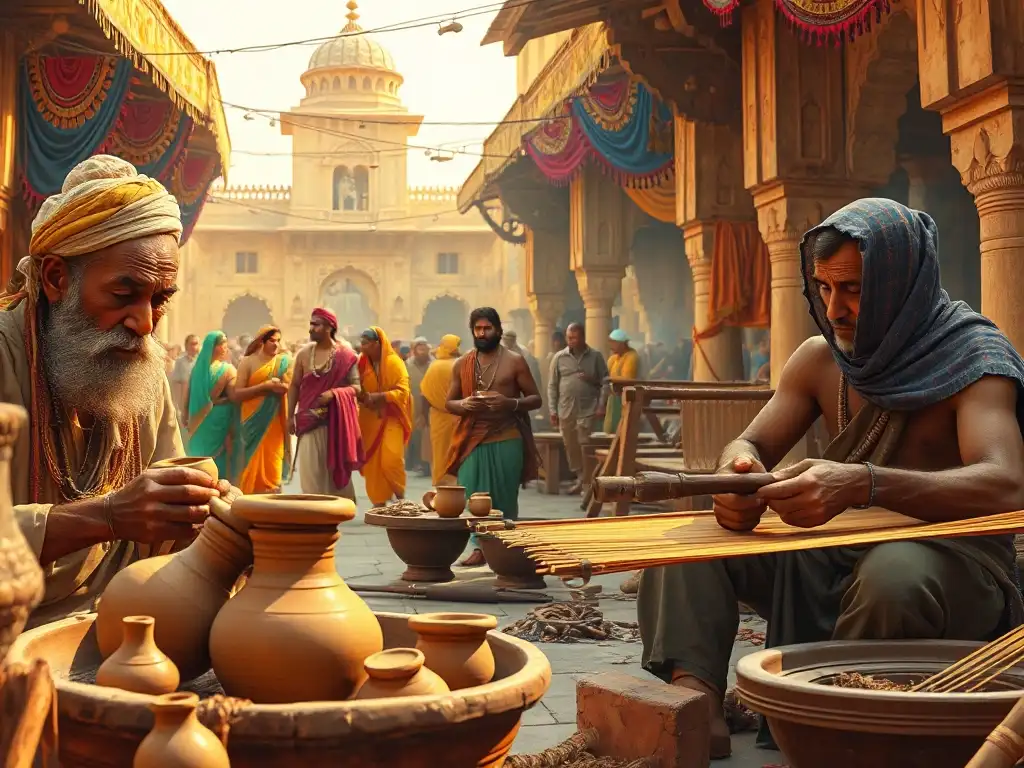
The role of artisans in ancient Indian commerce and trade was pivotal, yet it was fraught with numerous challenges that impacted their livelihoods and contributions. These challenges were not merely economic but also social and political, shaping the way artisans operated within the broader framework of ancient Indian society. Understanding these obstacles provides insight into the resilience and adaptability of artisans as they navigated the complexities of trade.
Economic Limitations and Market Access
One of the primary challenges faced by artisans was the economic limitations imposed by their local markets. Artisans often relied on regional trade networks, which could be restrictive in terms of both supply and demand. The lack of access to broader markets meant that artisans had to depend heavily on local resources and clientele, limiting their potential for growth.
Additionally, fluctuations in demand due to seasonal changes or political instability could lead to significant economic strain. Artisans were often at the mercy of the prevailing economic climate, which could affect their ability to source materials or sell their goods. The lack of infrastructure, such as roads and transportation systems, further complicated their access to larger markets.
Moreover, artisans frequently faced challenges in obtaining fair pricing for their products. Middlemen often controlled trade routes, leading to scenarios where artisans received minimal compensation for their labor, despite the high value of their craftsmanship. This economic disparity hindered artisans' ability to invest in better tools or expand their operations, ultimately stifling innovation.
Competition and Evolving Trade Practices
Competition also played a significant role in shaping the artisan landscape in ancient India. As trade expanded, especially during the Mauryan and Gupta empires, artisans encountered not only local competitors but also foreign artisans who introduced new techniques and goods. This influx of competition necessitated that artisans continually adapt their skills and offerings to stay relevant in an evolving market.
Furthermore, the rise of trade guilds established standards and practices that artisans were expected to follow, often limiting their creative freedom. While guilds provided a degree of protection and support, they also enforced conformity, making it difficult for individual artisans to innovate or differentiate their products.
The evolution of trade practices, including the transition from barter systems to currency, introduced new dynamics. While currency facilitated easier transactions, it also meant that artisans had to navigate pricing strategies and understand the fluctuations in value, adding another layer of complexity to their trade practices.
Conclusion: Lasting Legacy of Ancient Indian Artisans in Trade
The legacy of ancient Indian artisans in trade is a testament to their resilience and adaptability in the face of numerous challenges. Despite the economic limitations, competition, and evolving trade practices, artisans played a crucial role in shaping the cultural and economic landscapes of ancient India. Their craftsmanship not only contributed to local economies but also fostered connections with distant lands through trade.
Reflection on the Importance of Artisans in Economic History
Artisans were not merely producers; they were vital contributors to the economic history of ancient India. Their skills and creativity helped drive trade, enhance cultural exchanges, and support local economies. The intricate artworks and goods produced by artisans reflected the societal values and technological advancements of their time, making them central figures in the narrative of ancient commerce.
By examining the contributions of artisans, we gain a deeper understanding of the complexities of ancient trade systems. Their ability to innovate and adapt laid the groundwork for future generations, highlighting their critical role in shaping economic practices that resonate even today.
The Influence of Ancient Indian Artisans on Modern Trade Practices
The influence of ancient Indian artisans extends beyond their immediate historical context; it can be seen in modern trade practices as well. The principles of craftsmanship, quality control, and the importance of trade networks that were established by artisans have continued to inform contemporary approaches to commerce.
Moreover, the legacy of artisans in promoting cultural heritage through their crafts has given rise to a global appreciation for handmade goods. The emphasis on sustainability and ethical production in modern trade can be traced back to the values upheld by ancient artisans, who took pride in their craftsmanship and community ties.
The enduring impact of ancient Indian artisans on trade practices serves as a reminder of their invaluable contributions, not only to the economy of their time but also to the ongoing evolution of global commerce today.
References for Further Reading on Ancient Indian Artisans and Trade
To gain a deeper understanding of the contributions of ancient Indian artisans to trade and commerce, several scholarly texts and resources are available. These works provide insights into the socio-economic structures that supported artisan activities, the types of crafts practiced, and their impacts on both local and external trade networks.
-
"The Archaeology of Ancient Indian Cities" by Rita Lucarelli
This book explores the urbanization in ancient India, highlighting the role of artisans in city development and commerce. It discusses various crafts and their significance within trade networks.
-
"Trade and Traders in Western India, 1000-1300" by D. R. SarDesai
SarDesai examines the intricate trading systems in western India, focusing on the artisans’ contributions and how their crafts influenced trade dynamics during this period.
-
"Crafts and Craftspeople in Ancient India" by H. C. Sharma
This comprehensive study details various crafts practiced in ancient India and the artisans behind them, providing context on how these crafts contributed to trade both within and outside the subcontinent.
-
"The Economic History of India: From 1200 to 1700" by Tapan Raychaudhuri and Irfan Habib
This work offers a broad overview of India’s economic history, including a discussion of artisan contributions to trade, economic policies, and the significance of craftsmanship in trade relationships.
-
"India's Economic Relations with the World: A Historical Perspective" by B. R. Ambedkar
This book highlights the historical context of India’s trade relations, emphasizing the role of artisans in developing trade routes and connections with other cultures.
-
"The Indus Valley Civilization: A Historical Perspective" by Gregory Possehl
Possehl's work sheds light on the early artisans of the Indus Valley civilization, detailing their crafts, trade practices, and technological innovations, which laid the foundation for later trade systems.
-
"Artisans and the Economy of the Gupta Empire" by R. S. Sharma
This text focuses on the Gupta period, examining how artisans thrived under the Gupta Empire and their contributions to trade expansion and economic prosperity.
-
Journal Articles and Papers
- "Artisans of Ancient India: A Historical Overview": in the Journal of Asian Studies – This article provides an overview of the artisans in ancient India and their role in shaping trade.
- "Trade Routes and Artisan Networks in Ancient India" in South Asian History and Culture – This paper discusses the interconnections between trade routes and artisan communities.
These references not only highlight the integral role of artisans in the ancient Indian economy but also provide a comprehensive foundation for understanding how their crafts influenced commerce and trade across various regions. For anyone interested in exploring this topic further, these resources offer valuable perspectives and information.
- Introduction to Ancient Indian Artisans and Trade
- Historical Context of Artisans in Ancient Indian Trade
- Contributions of Artisans to Ancient Indian Commerce
- The Role of Artisans in Trade Networks
- Socio-Economic Status of Artisans in Ancient India
- Case Studies of Notable Artisans and Their Contributions
- Challenges Faced by Artisans in Ancient Trade
- Conclusion: Lasting Legacy of Ancient Indian Artisans in Trade
- References for Further Reading on Ancient Indian Artisans and Trade
- What were the primary contributions of ancient Indian artisans to trade?
- How did artisans influence the economy of ancient India?
- What types of goods did ancient Indian artisans produce for trade?
- How did the social status of artisans vary in ancient India?
- What role did trade routes play in the success of artisans in ancient India?
Frequently Asked Questions
What were the primary contributions of ancient Indian artisans to trade?
Ancient Indian artisans significantly contributed to trade by producing high-quality crafts such as textiles, pottery, and metalwork, which were highly sought after both locally and internationally.
How did artisans influence the economy of ancient India?
Artisans played a crucial role in the economy by supporting local markets and engaging in trade networks, thereby enhancing commerce and the exchange of goods across different regions.
What types of goods did ancient Indian artisans produce for trade?
They produced a variety of goods including jewelry, textiles, pottery, and metal items, which were often traded along key routes such as the Silk Road.
The social status of artisans varied; some were highly respected and belonged to influential guilds, while others, especially in lower castes, faced social limitations despite their skilled craftsmanship.
What role did trade routes play in the success of artisans in ancient India?
Trade routes facilitated the movement of goods and ideas, allowing artisans to reach a wider market, which significantly boosted their trade contributions and economic impact across regions.
Final Reflection: The Enduring Legacy of Ancient Indian Artisans in Trade
The contributions of ancient Indian artisans to trade are not just historical footnotes; they are the bedrock of cultural exchange and economic development that resonate even today. In a world increasingly driven by globalization, the intricate craftsmanship and innovative spirit of these artisans remind us of the importance of local skills and traditions in shaping a vibrant economy. Their ability to blend artistry with commerce laid the groundwork for trade networks that spanned continents, showcasing the profound impact of creativity on economic prosperity.
The legacy of ancient Indian artisans continues to influence contemporary society, as we witness a resurgence of interest in traditional crafts and sustainable practices. The skills honed by these artisans not only enriched their communities but also fostered connections that transcended geographical boundaries. As Mahatma Gandhi once said, “The best way to find yourself is to lose yourself in the service of others.” This sentiment echoes the ethos of artisans who dedicated their lives to their craft, serving both their community and the broader world through their trade.
As we reflect on the remarkable contributions of ancient Indian artisans, let us consider how we can honor their legacy in our own lives. Embrace the values of craftsmanship, sustainability, and cultural appreciation in our daily choices.
Whether it is supporting local artisans, engaging with traditional crafts, or simply recognizing the stories behind the products we consume, we all have a role to play in preserving the rich tapestry of our shared heritage. Take a moment to reflect on how you can contribute to this ongoing narrative, ensuring that the spirit of ancient Indian artisans continues to inspire future generations.
Unveil the Legacy of Ancient Indian Artisans!
Thank you for diving into the fascinating world of Ancient Indian commerce and trade! You've uncovered how artisans played a pivotal role in shaping economic landscapes and cultural exchanges. Now, let's take that knowledge further and bring the remarkable legacy of these craftsmen into your life.
Here are some actionable steps you can take today:
- Explore the craftsmanship: Visit local markets or museums that showcase artisan works to appreciate their skills and history. Look for exhibitions that highlight the rich tradition of Indian artisanship!
- Join a workshop: Sign up for a craft class that teaches traditional methods—whether it’s pottery, weaving, or metalwork—to connect with the art of ancient artisans.
- Share the story: Discuss what you’ve learned with friends or on social media. Help raise awareness of the cultural significance of artisans in historical trade!
What aspect of artisan life in ancient India intrigues you the most, and how do you see it influencing modern crafts today?