
The Best Times to Visit Ancient Indian Sites for a Luxurious Experience

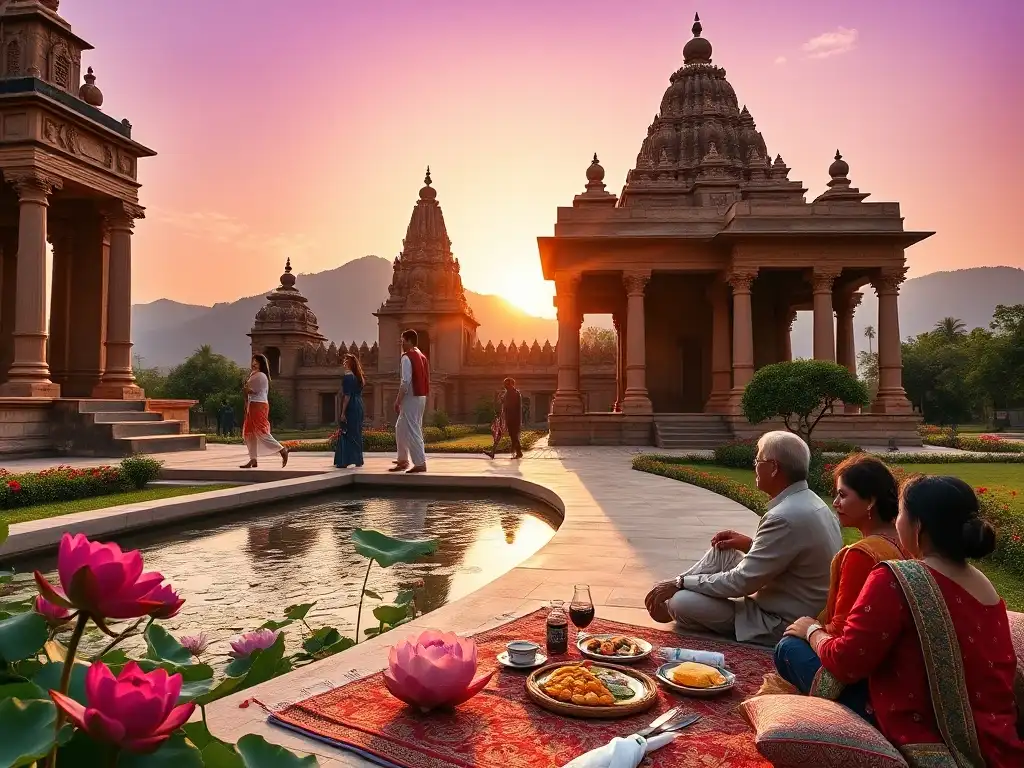
Welcome to Ancient India History, where we invite you to embark on an enchanting journey through time! Dive into the fascinating world of luxurious ancient Indian site visits that reveal the grandeur of civilizations long past. From the intricate artistry of the Indus Valley to the majestic palaces of the Gupta Empire, discover the opulent experiences awaiting you at these historical treasures. Are you ready to uncover the best times to indulge in these magnificent explorations? Join us as we unravel the secrets of Ancient India's rich heritage and culture—your adventure begins now!
Introduction to Luxurious Ancient Indian Site Visits
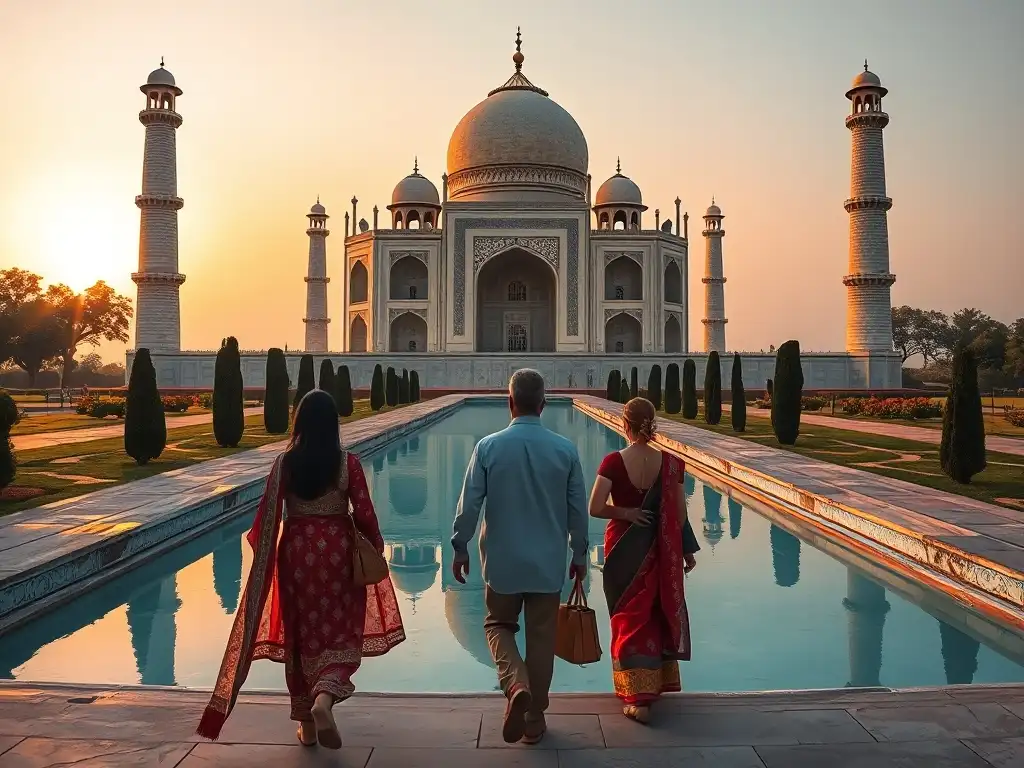
Exploring the grandeur of ancient Indian civilizations offers a unique opportunity to immerse oneself in a world where history, culture, and architectural marvels converge. From the meticulously planned streets of the Indus Valley Civilization to the opulent palaces of the Gupta Empire, India’s ancient sites are a testament to the ingenuity and richness of its heritage. For travelers seeking a luxurious experience, timing your visit can greatly enhance the enjoyment and comfort of your journey.
When we talk about luxurious ancient Indian site visits, we refer not only to the stunning historical landmarks but also to the exclusive experiences that accompany them, such as high-end accommodations, private guided tours, and exquisite culinary offerings. The right timing can mean less crowded sites, more personalized service, and an overall elevated experience.
Here's what makes timing essential for a luxurious visit:
- Weather Conditions: India experiences diverse weather patterns; understanding these can help you choose the most comfortable time to explore.
- Festival Seasons: Certain festivals can transform a site into a vibrant spectacle, but they can also attract large crowds.
- Tourist Seasons: Peak and off-peak seasons can drastically affect both the cost and the experience of visiting these ancient sites.
By carefully selecting the best times to visit, travelers can indulge in a luxurious experience that allows them to truly appreciate the beauty and significance of ancient Indian sites. Let's delve deeper into the optimal seasons for experiencing the richness of India's historical treasures.
- What are some luxurious ancient Indian site visits recommended for travelers?
- When is the best time to visit ancient Indian sites for a luxurious experience?
- Are there any luxurious accommodations near ancient Indian sites?
- What activities can enhance the luxurious experience at these sites?
- How can I ensure a stress-free visit to ancient Indian sites?
Understanding the Seasons: Ideal Times for Luxurious Visits
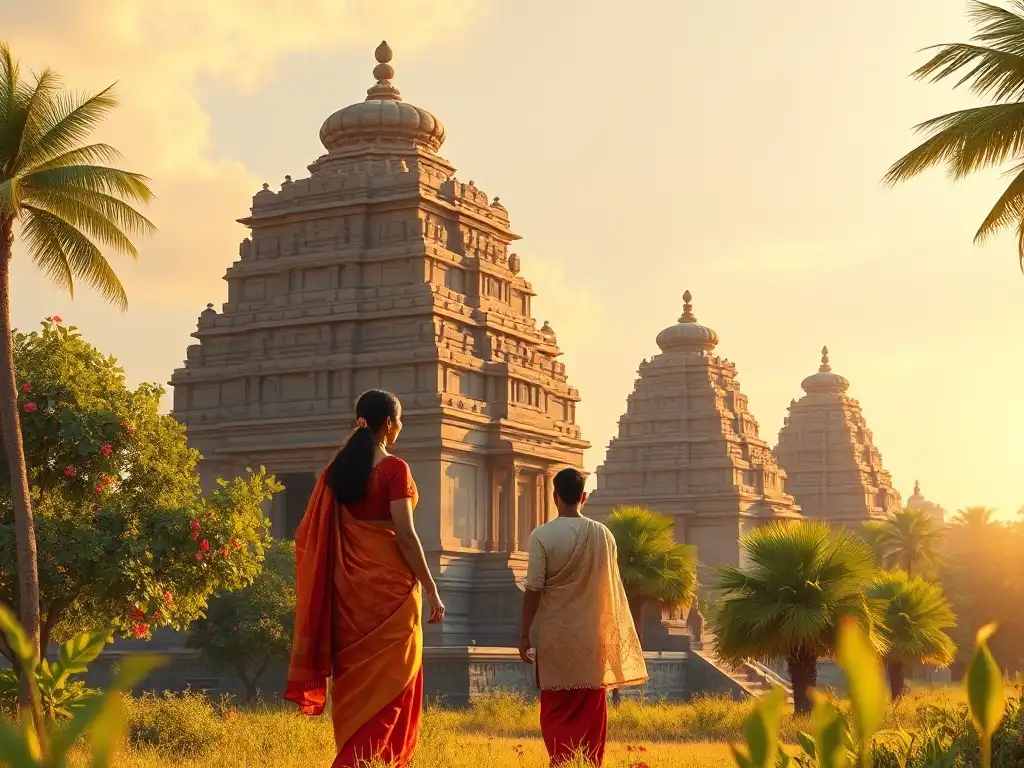
When planning for luxurious ancient Indian site visits, understanding the seasonal dynamics of India is crucial. The country experiences a diverse range of climates, which can significantly impact the travel experience. By choosing the right time to visit, travelers can enjoy not only pleasant weather but also fewer crowds and enhanced services, making their experience more luxurious.
The Indian Climate: A Guide for Travelers
India's climate can be broadly categorized into four seasons:
- Winter (December to February):
- Temperature: Cool, with temperatures ranging from 10°C to 25°C (50°F to 77°F).
- Ideal for: Comfortably exploring outdoor sites like the Ajanta and Ellora Caves, Khajuraho Temples, and visiting the Hampi ruins.
- Luxury Tip: Consider staying at heritage hotels that offer warmth and hospitality during this season.
- Summer (March to June):
- Temperature: Hot, especially in northern and central India, with temperatures soaring above 40°C (104°F).
- Ideal for: Visiting cooler hill stations or coastal regions like Goa and Kumarakom where you can explore ancient sites in a more temperate climate.
- Luxury Tip: Look for air-conditioned luxury accommodations with spa facilities to unwind after day trips.
- Monsoon (July to September):
- Temperature: Humid, with temperatures ranging from 25°C to 35°C (77°F to 95°F).
- Ideal for: Exploring lush landscapes and sites like Mahabalipuram while enjoying the serene ambiance that the rain brings.
- Luxury Tip: Opt for resorts that offer rain-themed experiences, such as Ayurvedic treatments or culinary classes using local ingredients.
- Post-Monsoon (October to November):
- Temperature: Pleasant, with temperatures between 20°C and 30°C (68°F to 86°F).
- Ideal for: Visiting sites like the Taj Mahal, Jaipur, and various temples across the country without the crowds.
- Luxury Tip: This is also the festive season in India; consider indulging in luxury packages that offer cultural experiences, like private guided tours during Diwali.
Best Seasons for Luxurious Ancient Indian Site Visits
For the most luxurious ancient Indian site visits, the best seasons to consider are:
- Winter Months (December to February):
- This is the peak season for tourism in India. The weather is ideal for visiting various sites without the discomfort of extreme temperatures. Luxurious experiences include guided tours with knowledgeable historians, exclusive access to sites, and fine dining at renowned restaurants.
- Post-Monsoon Season (October to November):
- As the rains recede, the landscape becomes vibrant and lush, providing a stunning backdrop for site visits. This period is excellent for exploring ancient cities, enjoying cultural festivals, and experiencing the rich heritage of India with fewer tourists around.
Summary of Ideal Seasons:
| Season | Temperature Range | Best for Luxurious Visits | Luxury Experience Suggestions |
|---|---|---|---|
| Winter | 10°C to 25°C (50°F to 77°F) | Outdoor explorations (e.g., Ajanta, Hampi) | Heritage hotels, guided private tours |
| Summer | Above 40°C (104°F) | Hill stations, coastal sites | Air-conditioned luxury stays, spa services |
| Monsoon | 25°C to 35°C (77°F to 95°F) | Lush landscapes, serene ambiances | Rain-themed experiences, Ayurvedic retreats |
| Post-Monsoon | 20°C to 30°C (68°F to 86°F) | Cultural festivals, vibrant explorations | Private cultural tours, exclusive experiences |
By aligning your travel plans with these optimal seasons, you can ensure a luxurious ancient Indian site visit that is both comfortable and enriching.
Planning Your Visit: Key Considerations for a Luxurious Experience
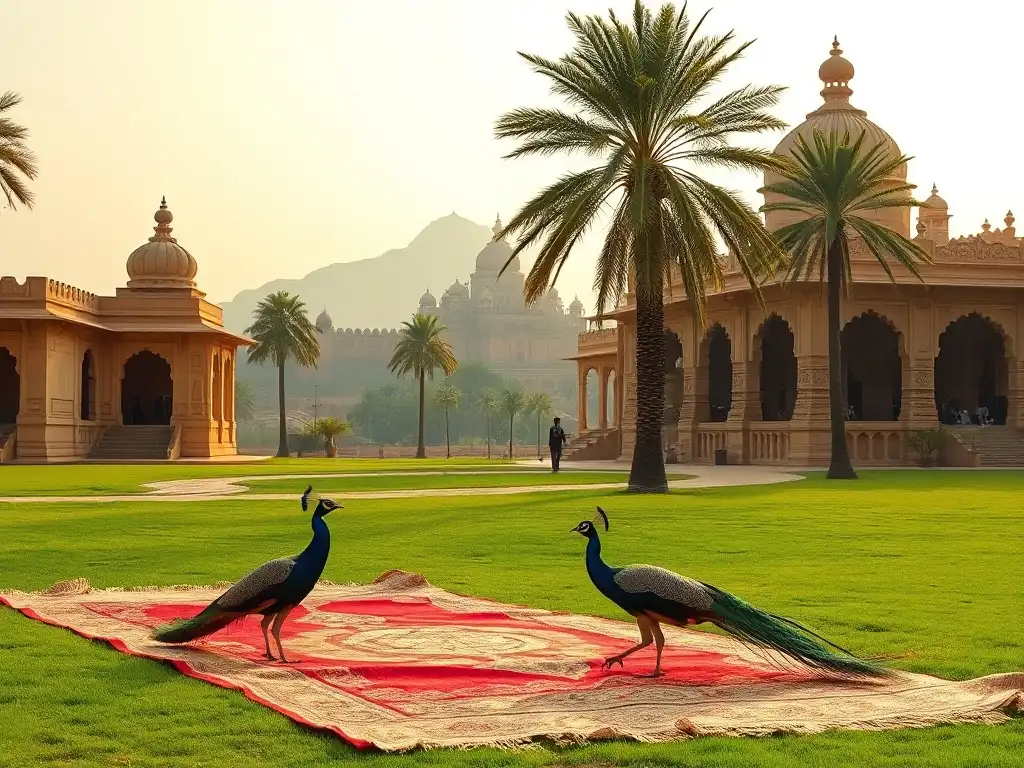
When planning a visit to ancient Indian sites for a luxurious experience, several key considerations can enhance your journey. From the timing of your visit to the choice of accommodations and tours, each aspect plays a vital role in ensuring a memorable and opulent trip. Here are some essential factors to keep in mind:
Choosing the Right Time Based on Festivals
Timing your visit to coincide with local festivals can significantly elevate your experience. Ancient Indian sites are often surrounded by rich cultural traditions, and participating in these festivities allows you to immerse yourself in the local heritage.
- Maha Shivaratri: Celebrated in many temples, this festival usually falls in February or March. Visitors can enjoy elaborate rituals and decorations.
- Diwali: Known as the Festival of Lights, experiencing Diwali in cities like Varanasi or Jaipur is truly breathtaking, with illuminated ancient structures and vibrant celebrations in October or November.
- Holi: This colorful festival, typically held in March, celebrates the arrival of spring and offers a joyful atmosphere at sites like Vrindavan and Mathura, where the festivities are particularly grand.
Advantages of Festival Visits
- Cultural Immersion: Engage with locals and partake in traditional practices.
- Unique Experiences: Enjoy exclusive events, performances, and food that are not available at other times.
- Stunning Visuals: The atmosphere is transformed with decorations and lights, making ancient sites even more enchanting.
Booking Luxurious Accommodations Near Ancient Sites
Selecting the right accommodation is crucial for a luxurious experience. Here are some options to consider:
- Heritage Hotels: Many ancient sites are near former palaces or forts that have been converted into luxurious hotels. Examples include:
- Taj Lake Palace in Udaipur, which offers stunning views of the City Palace and Lake Pichola.
- Samode Haveli in Jaipur, providing a royal experience with traditional Rajasthani architecture.
- Luxury Resorts: For those seeking modern amenities alongside historical charm, upscale resorts can be found near popular sites. Consider:
- The Oberoi Amarvilas in Agra, which boasts views of the Taj Mahal.
- Rambagh Palace in Jaipur, known for its opulent interiors and sprawling gardens.
Tips for Selecting Accommodations
- Proximity to Sites: Choose places close to the ancient landmarks to minimize travel time and maximize exploration.
- Exclusive Services: Look for hotels offering concierge services, private guides, or bespoke experiences tailored to your interests.
- Spa and Wellness: Consider resorts with wellness facilities for rejuvenation after a day of exploring.
Exclusive Guided Tours for Luxurious Experiences
Opting for exclusive guided tours can transform your visit to ancient Indian sites into an unparalleled experience. Here are some offerings to consider:
- Private Tours: Many companies provide bespoke private tours that cater specifically to your interests. This ensures a personalized experience and allows you to explore at your own pace.
- Cultural Experiences: Some tours include unique cultural encounters, such as:
- Cooking Classes: Learn to prepare traditional Indian dishes with local chefs.
- Artisan Workshops: Engage with artisans to understand traditional crafts like pottery or textile weaving.
Benefits of Exclusive Tours
- Personalized Attention: Enjoy one-on-one interaction with expert guides who can share in-depth knowledge about the sites.
- Skip-the-Line Access: Bypass crowds and gain quick entry to popular attractions, maximizing your time.
- Luxury Transportation: Travel in style, with options for private cars or luxury vehicles that enhance your comfort.
By considering these key aspects of planning your visit, you can ensure a luxurious experience while exploring the rich history of ancient Indian sites, making your trip not only enjoyable but also deeply enriching.
Highlighted Ancient Sites for Luxurious Visits
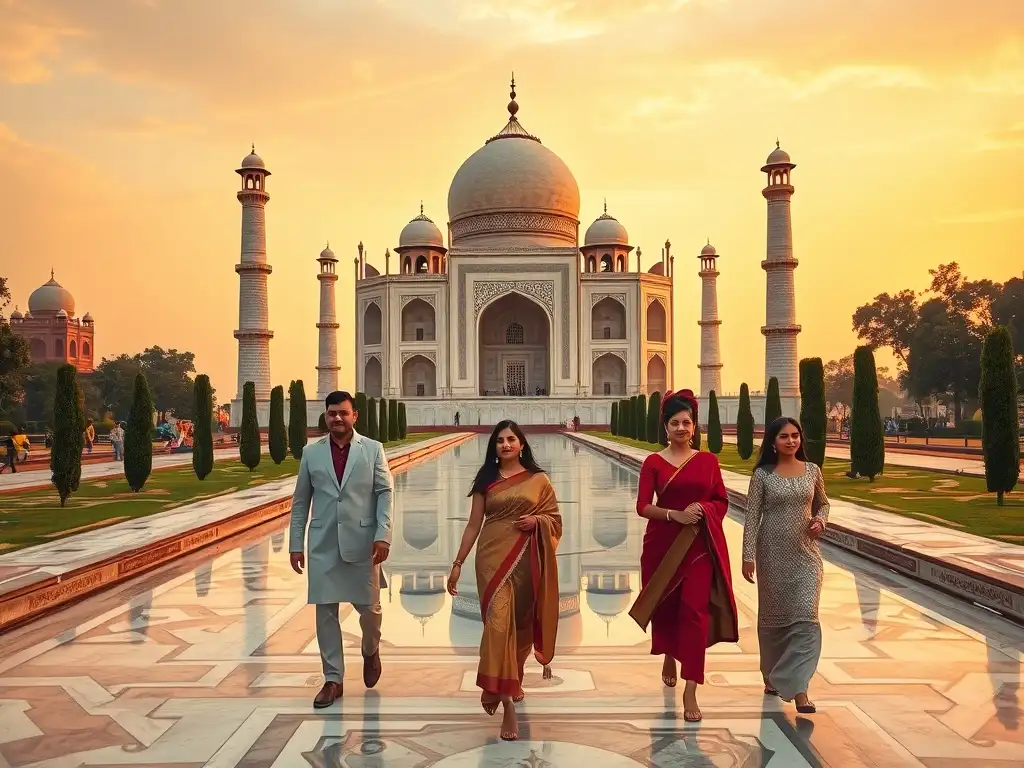
The Taj Mahal: A Timeless Wonder
The Taj Mahal, an iconic symbol of love and architectural grandeur, stands as one of the most luxurious ancient sites to visit in India. Commissioned by Emperor Shah Jahan in memory of his beloved wife Mumtaz Mahal, this UNESCO World Heritage Site draws millions of visitors every year. To enhance the experience of a luxurious visit to the Taj Mahal, consider the following:
- Private Guided Tours: Opt for a private tour that allows for a deeper understanding of the history and intricacies of the Taj Mahal. Knowledgeable guides can provide insights that enrich your experience.
- Sunrise or Sunset Visits: Timing your visit for sunrise or sunset not only avoids the crowds but also presents the Taj Mahal in stunning light. The changing colors of the marble create an ethereal atmosphere that adds to the luxury of the experience.
- Exclusive Access: Some luxury travel companies offer exclusive access to certain areas of the Taj Mahal, allowing you to explore the site with minimal disturbance. This can include private viewing of the inner sanctum where the tombs lie.
- Luxury Accommodations: Stay at a nearby five-star hotel such as the Oberoi Amarvilas, which offers breathtaking views of the Taj Mahal from your room, along with top-notch amenities and services.
Jaipur's Historical Forts: A Royal Experience
Jaipur, the capital of Rajasthan, is known for its majestic forts and palaces that echo its royal past. Visiting these historical sites can be transformed into a luxurious experience through various offerings:
- Amber Fort: This stunning fort combines impressive architecture with beautiful gardens. Consider taking an elephant ride to the fort's entrance for an authentic royal experience.
- City Palace: A blend of Mughal and Rajput architecture, the City Palace houses a museum and a royal residence. Guided tours can often be arranged, providing insights into the life of the royal family and exclusive access to certain areas.
- Luxury Heritage Hotels: Many of Jaipur's forts have been converted into luxury hotels, such as the Taj Rambagh Palace. Staying in these heritage properties allows you to experience royal hospitality while enjoying amenities like spa treatments and fine dining.
- Cultural Experiences: Engage in curated experiences such as traditional Rajasthani cuisine cooking classes or private folk dance performances, which can elevate your visit to a luxurious level.
Varanasi: Spiritual Luxuries
Varanasi, one of the oldest continuously inhabited cities in the world, offers a unique blend of spirituality and luxury. The city is renowned for its ghats along the Ganges River, where rituals and ceremonies take place daily. Here’s how to enhance your visit:
- Luxury River Cruises: Opt for a private boat cruise on the Ganges at dawn or dusk. This experience offers a serene view of the ghats and the rituals performed, creating a tranquil atmosphere.
- Stay at Luxury Hotels: Consider accommodations like the BrijRama Palace, which is located on the banks of the Ganges. This heritage property offers a perfect blend of luxury and history, with stunning views and world-class amenities.
- Personalized Spiritual Experiences: Engage with local priests for personalized blessings or rituals at the ghats. Some luxury hotels offer packages that include these spiritual experiences, ensuring a deeper connection to the city's rich traditions.
- Ayurvedic Wellness Retreats: Incorporate wellness into your luxurious visit by indulging in Ayurvedic treatments available in various luxury hotels. These treatments not only promote relaxation but also provide insights into ancient Indian health practices.
By choosing to explore these highlighted ancient sites with a focus on luxurious experiences, you can immerse yourself in the rich history and culture of ancient India while enjoying the highest standards of comfort and service.
Hampi: A UNESCO World Heritage Site
Hampi, once the capital of the Vijayanagara Empire, is a treasure trove of ancient architecture and history, recognized as a UNESCO World Heritage Site since 1986. Nestled in the southern Indian state of Karnataka, Hampi offers a captivating blend of stunning landscapes and remarkable ruins that date back to the 14th century. The site sprawls over 25 square kilometers, providing an expansive canvas for luxurious explorations.
Architectural Marvels
The architecture of Hampi is a stunning reflection of the Vijayanagara style, characterized by intricately carved temples, palaces, and monuments. The Virupaksha Temple, dedicated to Lord Shiva, stands as one of the most significant structures, showcasing grand gopurams (towering gateways) and exquisite sculptures. Visitors can indulge in a luxurious experience by opting for guided tours that delve into the historical significance of each structure, ensuring a deeper appreciation of Hampi's architectural prowess.
Scenic Landscapes
Beyond its historical edifices, Hampi is renowned for its surreal landscapes, featuring boulder-strewn hills, lush valleys, and serene rivers. The nearby Tungabhadra River adds to the allure, creating picturesque spots for relaxation and reflection. Luxury resorts such as the Evolve Back Kamalapura Palace offer breathtaking views of these landscapes, allowing guests to unwind in comfort while soaking in the natural beauty. Evening walks during the golden hour or private boat rides on the river can enhance the overall experience.
Cultural Immersion
A visit to Hampi is incomplete without immersing oneself in the vibrant culture that continues to thrive in the region. Local festivals, traditional dance performances, and artisanal crafts provide a glimpse into the rich heritage of the area. Luxury travelers can enjoy exclusive cultural experiences, such as private dinners featuring local cuisine or personalized workshops with artisans. This cultural immersion adds a unique touch to the luxurious ancient Indian site visits, making it a memorable experience.
Best Time to Visit
The ideal time to visit Hampi for a luxurious experience is during the cooler months, from October to February. During this period, the weather is pleasant, making it perfect for exploring the ruins and surrounding landscapes. Additionally, numerous cultural festivals like the Hampi Utsav are celebrated during these months, offering visitors a chance to engage with the local traditions in a luxurious setting.
Hampi is not just a historical site; it is a destination where luxury and heritage intertwine. From its magnificent architecture to its stunning landscapes and rich cultural offerings, Hampi promises an unforgettable experience for those seeking to explore the luxuries of ancient Indian history.
Enhancing Your Luxurious Ancient Indian Site Visits
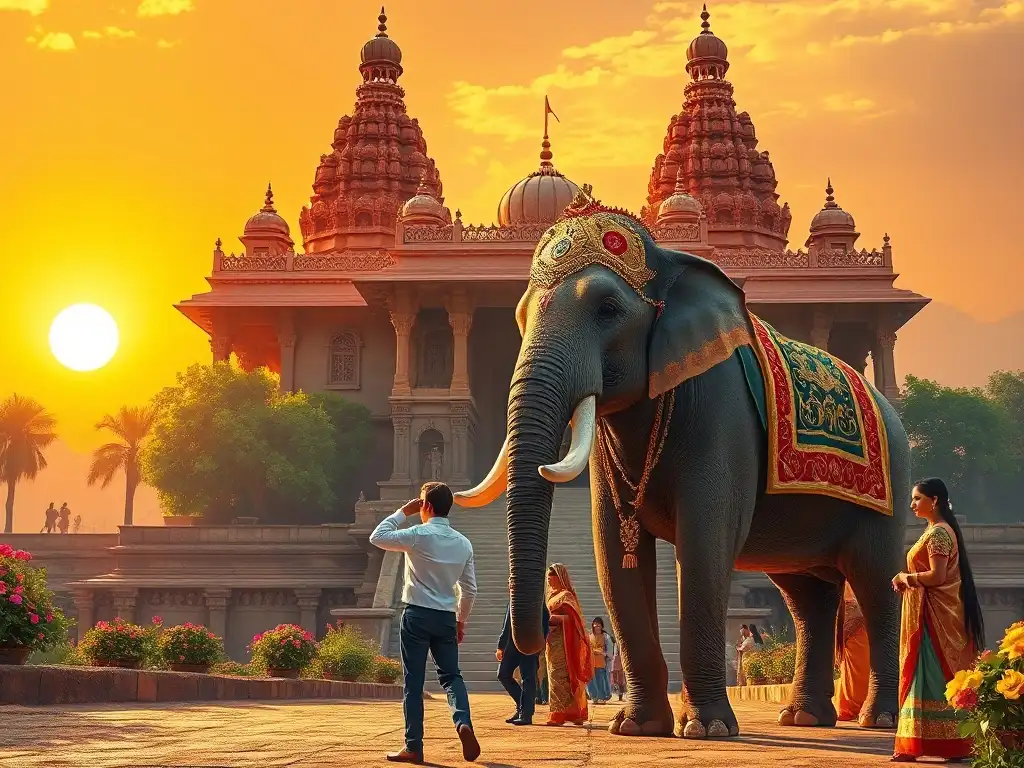
When planning a luxurious visit to ancient Indian sites, enhancing your experience goes beyond mere sightseeing. It involves immersing yourself in the rich heritage, appreciating the architectural marvels, and engaging with the local culture. Here are some essential tips to ensure your visit is both luxurious and memorable.
Cultural Etiquette: Making the Most of Your Experience
Understanding and respecting cultural etiquette is crucial when exploring ancient Indian sites. Here are some key points to consider:
- Dress Modestly:
- It’s advisable to wear loose-fitting, modest clothing, especially when visiting temples or other religious sites. Lightweight fabrics are ideal for the hot climate.
- Respect Local Customs:
- Greeting: A traditional Indian greeting is the "Namaste," where you press your palms together and bow slightly.
- Photography: Always seek permission before photographing local people or religious ceremonies.
- Participate Respectfully:
- Engage with local traditions, such as participating in rituals or festivals, but do so with mindfulness and respect.
- Support Local Artisans:
- Purchase handicrafts and local products from artisans to support the community. This not only enriches your experience but also promotes sustainable tourism.
By adhering to these cultural practices, you not only enhance your own experience but also show appreciation for the rich heritage of ancient India.
Photography Tips for Capturing Luxurious Experiences
Capturing the essence of ancient Indian sites through photography can elevate your travel experience. Here are some tips to help you take stunning photos that reflect the luxury of your journey:
- Golden Hours:
- The best time for photography is during the early morning or late afternoon. The soft light during these hours enhances the beauty of ancient structures and landscapes.
- Use a Tripod:
- For capturing detailed architecture or low-light situations, a tripod is essential. It ensures stability and clarity in your shots.
- Focus on Details:
- Ancient sites are rich in intricate details. Zoom in on carvings, textures, and patterns to showcase the craftsmanship of the era.
- Incorporate Local Elements:
- Include local flora, people, and landscapes in your shots to create a narrative that reflects the luxurious experience of visiting these ancient sites.
- Editing Tools:
- Utilize photo editing apps to enhance colors, contrasts, and sharpness post-capture. This can significantly improve the quality of your photos.
By following these photography tips, you can create a visual diary that captures the unique luxury of your visits to ancient Indian sites, allowing you to relive those moments long after your journey is over.
Frequently Asked Questions
What are some luxurious ancient Indian site visits recommended for travelers?
Some recommended sites include the Indus Valley Civilization ruins, the Ajanta and Ellora Caves, and the Ajmer Sharif Dargah, which offer both historical richness and luxurious amenities.
When is the best time to visit ancient Indian sites for a luxurious experience?
The winter months from October to March are ideal, as the weather is pleasant and many sites host special events and luxury accommodations are more accessible.
Are there any luxurious accommodations near ancient Indian sites?
Yes, many ancient sites are surrounded by luxurious hotels and resorts that provide a blend of modern comforts and local heritage, enhancing your overall experience.
What activities can enhance the luxurious experience at these sites?
Activities such as guided private tours, gourmet dining, and cultural experiences like traditional performances can significantly elevate the luxurious aspect of your visit.
How can I ensure a stress-free visit to ancient Indian sites?
Booking through reputable travel agencies, planning ahead for entry tickets, and opting for private transport can help create a more relaxed and luxurious experience at these historical sites.
Final Reflection: Embracing the Luxury of Ancient Indian Heritage
In an era where travel is often synonymous with fleeting experiences, the allure of luxurious ancient Indian site visits offers a profound connection to history and culture. The opulence of these sites is not merely in their architectural grandeur but in the stories they tell and the emotions they evoke. As we navigate through modernity, the wisdom and artistry of ancient civilizations remind us of the richness that lies in our past, urging us to appreciate the beauty that has stood the test of time.
The impact of exploring these ancient sites extends far beyond personal enjoyment; it shapes our cultural consciousness and fosters a deeper appreciation for heritage. Visiting these majestic locations allows us to engage with the narratives of our ancestors, creating a tapestry of understanding that binds us to our roots. As Mahatma Gandhi once said, "> A nation's greatness is measured by how it treats its weakest members." This sentiment resonates deeply when we consider how preserving and celebrating our ancient sites enriches not only our own lives but also the lives of future generations.
As you contemplate your next travel adventure, I invite you to reflect on the lessons embedded within these ancient walls and to seek out experiences that resonate with your spirit. Let the luxurious ancient Indian site visits inspire you to not only explore but also to connect, learn, and grow. Embrace the opportunity to immerse yourself in the splendor of history, allowing it to transform your perspective and enrich your journey through life.
Embark on Your Luxurious Journey to Ancient India!
Thank you for exploring the timeless beauty of ancient Indian sites with us! We hope you’ve gained inspiring insights into the luxurious visits that await you. Now, it’s time to turn that inspiration into action!
- Book your next getaway to one of the magnificent ancient sites and indulge in a lavish experience that will create unforgettable memories.
- Share your travel plans with friends and fellow travel enthusiasts—invite them to join you on this journey of discovery and luxury!
- Consider exploring hidden treasures. Research unique ancient locations that may offer a more personalized, upscale experience.
What luxurious ancient site will you visit first, and what unique experiences do you hope to uncover there?