
The Art of Indus Valley Seals: A Window into Trade and Society

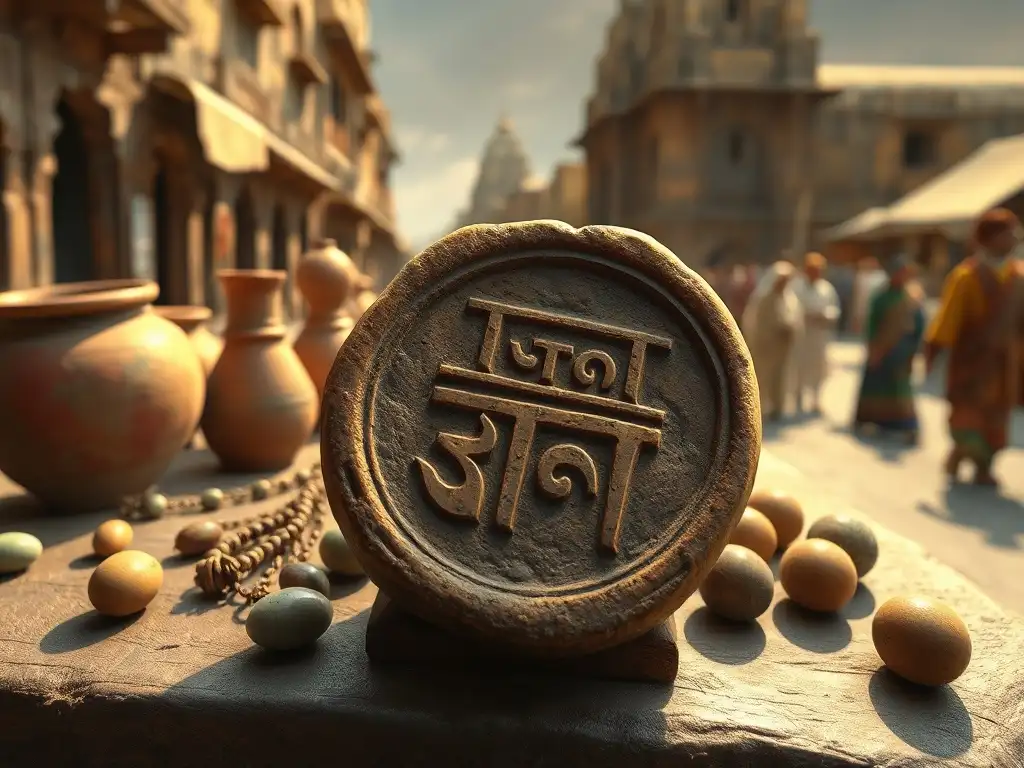
Welcome to Ancient India History, where we embark on a fascinating journey through the rich tapestry of ancient Indian civilizations. From the enigmatic Indus Valley to the illustrious Gupta Empire, our exploration unveils the cultural and historical treasures that shaped modern India.
In our featured article, "The Art of Indus Valley Seals: A Window into Trade and Society," we delve into the significance of Indus Valley seals and what they reveal about the intricate trade networks and societal structures of this remarkable era. Prepare to be captivated as we open the door to a world where art, commerce, and culture intertwine, inviting you to discover the legacies that continue to influence us today.
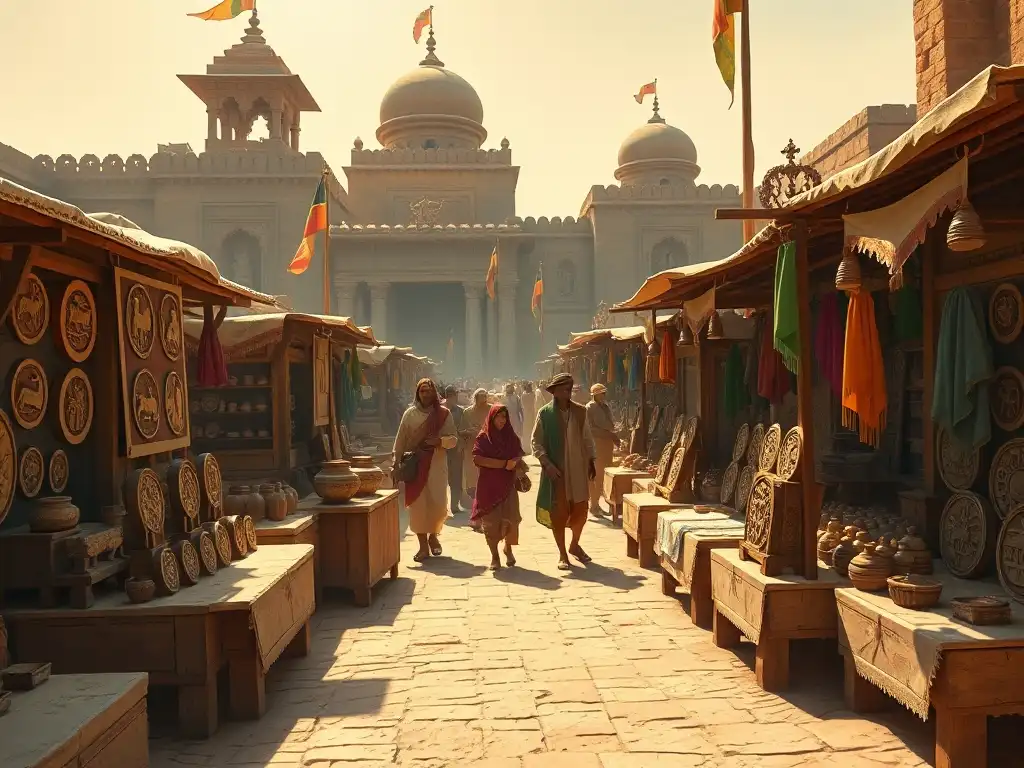
The Indus Valley Civilization (IVC), one of the world's earliest urban cultures, flourished around 2500 BCE in present-day Pakistan and northwest India. Known for its advanced city planning, architecture, and social organization, the IVC has left behind a rich legacy that continues to intrigue historians and archaeologists alike.
Among its many artifacts, Indus Valley seals stand out as significant cultural markers that provide insight into trade practices, societal structures, and artistic expression of the time. This article delves into the significance of these seals, examining their artistic features and the role they played in trade, thereby revealing the intricate web of socio-economic interactions that characterized ancient Indian civilization.
Introduction to Indus Valley Civilization
Overview of the Indus Valley Civilization
The Indus Valley Civilization, also referred to as the Harappan Civilization, reached its peak between 2600 and 1900 BCE, encompassing major urban centers such as Harappa and Mohenjo-Daro. This civilization is noted for its sophisticated urban planning, with grid-like streets, drainage systems, and standardized fired-brick construction. The people of this civilization engaged in agriculture, trade, and craft production, which signifies a complex economic framework.
- Key Features:
- Urban Centers: Cities like Harappa and Mohenjo-Daro.
- Agricultural Practices: Cultivation of crops such as wheat, barley, and cotton.
- Trade Networks: Extensive trade with regions as far as Mesopotamia.
Importance of Art in Ancient Societies
Art has always held a fundamental role in human societies, serving not only as a means of expression but also as a reflection of cultural values, beliefs, and practices. In ancient civilizations, art often provided insights into daily life, religious practices, and social hierarchies. The seals of the Indus Valley are exemplary of this concept, as they were not merely decorative objects but served practical purposes in trade and administration.
- Functions of Art in Ancient Societies:
- Cultural Identity: Artworks often reflect the unique identity of a civilization.
- Religious Significance: Many artifacts had spiritual or ritualistic importance.
- Social Hierarchy: Artistic styles and materials could signify status and power.
Understanding Indus Valley Seals
Definition and Characteristics of Indus Valley Seals
Indus Valley seals are small, flat, rectangular objects made primarily of steatite, which were intricately carved with various motifs, inscriptions, and images. Typically measuring about 2 inches square, these seals often featured animals, human figures, and symbols that are still not fully deciphered. The seals were used for stamping, likely in trade transactions, serving as a form of identification or branding.
- Key Characteristics:
- Material: Mainly made of steatite, but also found in terracotta and metal.
- Designs: Common motifs include animals (like unicorns), deities, and geometric patterns.
- Script: The seals often bear inscriptions in the Indus script, which remains undeciphered.
The Material and Techniques Used in Seal Production
The production of Indus Valley seals involved advanced techniques that showcase the craftsmanship of the civilization. Artisans skillfully carved the seals using hard tools, demonstrating a high level of craftsmanship and aesthetic awareness. The choice of materials not only reflects the resources available but also indicates the trade connections with other regions.
- Materials Used:
- Steatite: A soft stone that was easy to carve and polish.
- Terracotta: Used for creating less durable seals.
- Metal: Some seals were made from bronze and copper.
- Techniques:
- Carving: Intricate designs were created using abrasive tools.
- Firing: Seals made from clay underwent firing for durability.
- Polishing: Finished seals were often polished to enhance their appearance.
The study of these seals not only illuminates the artistic capabilities of the Indus Valley civilization but also underscores their significance in trade and societal organization, making them a vital area of exploration in understanding ancient Indian history.
Trade Significance of Indus Valley Seals
The Indus Valley Civilization (IVC), flourishing around 2500 BCE, is renowned for its advanced urban planning, sophisticated architecture, and remarkable art forms, particularly its seals. These seals are more than mere artistic expressions; they are vital artifacts that provide significant insights into the trade practices of the time. The seals, often made from materials like steatite, were inscribed with intricate designs and symbols that played essential roles in economic transactions.
The widespread distribution of these seals across various archaeological sites indicates a robust trade network extending beyond the Indus Valley, reaching regions such as Mesopotamia, Persia, and even Central Asia. They served as identifiers for merchants, enabling them to authenticate goods and establish ownership. This aspect of trade significance is underscored by the presence of seals in distant lands, suggesting that the IVC was an integral player in regional commerce, facilitating exchanges of goods such as textiles, metals, and precious stones.
Moreover, the seals often featured motifs and symbols that may represent specific trade goods or industries, further highlighting their importance in commercial activities. The use of seals in trade not only emphasizes the economic interconnections of the IVC but also hints at the societal organization that enabled such extensive commerce.
Role of Seals in Trade Networks
The seals of the Indus Valley Civilization served primarily as tools for trade and commerce. Their design and inscriptions indicate that they were used to mark ownership and authenticate transactions. Each seal typically featured a unique motif—ranging from animals to abstract symbols—which could signify the identity of the trader or the nature of the goods being exchanged.
The presence of seals across various archaeological sites, such as Harappa and Mohenjo-Daro, suggests that these artifacts were widely accepted in trade networks, acting as a form of currency or trade token. Furthermore, evidence shows that some seals were used to impress clay tags, which accompanied goods during transport, ensuring traceability and accountability in trade practices.
This functionality of seals points towards a sophisticated understanding of commerce within the IVC. The seals not only facilitated trade within the civilization but also established connections with far-reaching regions, indicating the IVC’s role as a central hub in ancient trade networks. The trade routes that emerged during this period were instrumental in the exchange of ideas, culture, and technology, further enhancing the significance of these seals in understanding the economic landscape of ancient India.
Societal Insights from Indus Valley Seals
The Indus Valley seals are not just artifacts of trade; they also offer profound insights into the societal structures, cultural practices, and daily life of the people inhabiting the region. Through the motifs and inscriptions found on these seals, researchers can glean valuable information about the values, beliefs, and social organization of the Indus Valley Civilization.
Depictions of Daily Life and Cultural Practices
Many seals feature intricate depictions of animals, mythical creatures, and scenes that may represent daily life and cultural practices within the IVC. For instance, seals often showcase animals such as bulls and elephants, which could symbolize agricultural wealth or religious significance. Additionally, some seals illustrate human figures engaged in various activities, suggesting the presence of rituals, trade, or communal gatherings.
These artistic representations offer a glimpse into the social fabric of the civilization, highlighting aspects such as diet, clothing, and communal activities. The frequent depiction of animals indicates their importance in daily life, potentially as sources of labor, food, or religious symbolism. Furthermore, the consistent themes seen across different seals suggest a shared cultural identity and set of beliefs among the people of the Indus Valley.
Hierarchical Structures Reflected in Seal Imagery
The iconography of Indus Valley seals also provides clues about the hierarchical structures that may have existed within the civilization. Certain seals are believed to represent elite status, often featuring complex designs or rare materials, indicating that they were likely owned by individuals of higher social standing. The presence of seals with specific motifs could suggest that certain families or groups held monopolies over particular trade goods or resources, reflecting a stratified society.
Moreover, the existence of seals with inscriptions that could represent names or titles further implies a system of governance and social organization. This suggests that the Indus Valley Civilization had a form of administrative structure capable of regulating trade and maintaining social order, which is essential for understanding the complexity of its societal dynamics.
The seals of the Indus Valley Civilization serve as a multifaceted window into the trade significance and societal characteristics of this ancient culture. They illuminate the interconnections of commerce and provide a rich tapestry of daily life, cultural practices, and social hierarchies that defined the civilization.
Symbolism and Iconography in Indus Valley Seals
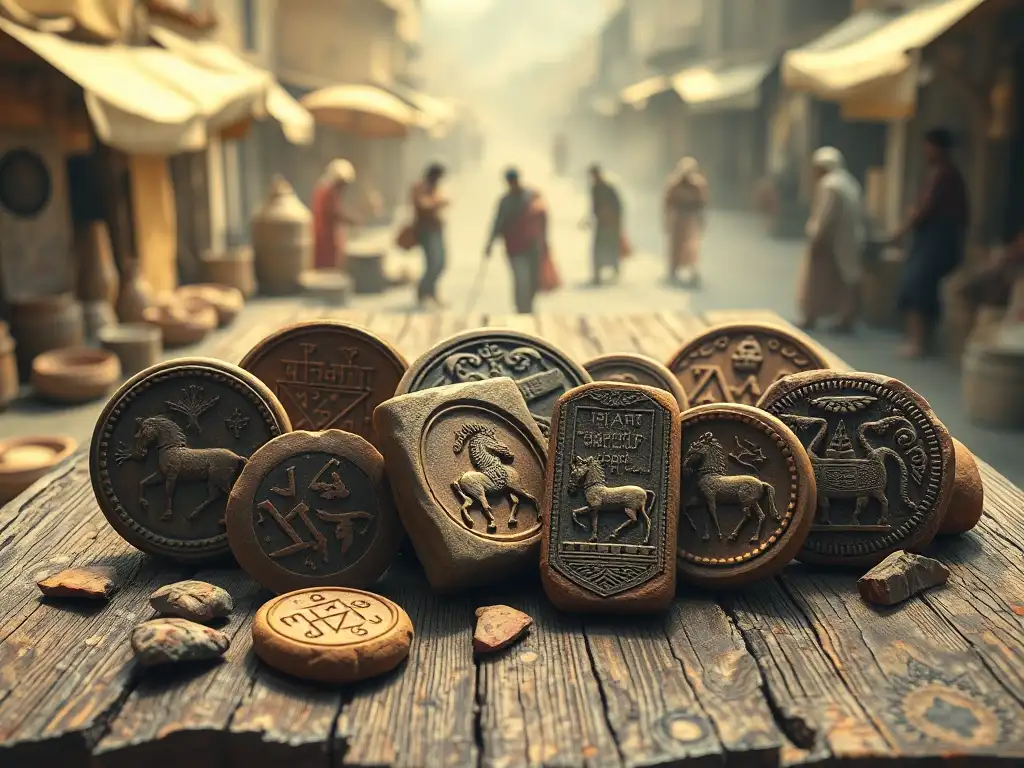
The Indus Valley seals are a remarkable aspect of ancient Indian art, serving not only as trade tools but also as a rich source of symbolism and iconography. These small, often rectangular objects were typically made from steatite and engraved with intricate designs, including a variety of symbols and motifs that reflect the beliefs, practices, and daily life of the Indus Valley Civilization (IVC). The seals often feature mythical creatures, geometric patterns, and script, which suggests a complex system of communication and representation.
The symbolism embedded within these seals can provide insights into social structures, religious beliefs, and economic activities. The consistent use of specific symbols across various seals indicates a shared cultural context, allowing historians to piece together the social fabric of this ancient civilization. Scholars believe that the seals played a critical role in administrative functions, possibly serving as identifiers for trade goods and ownership, which points to a sophisticated understanding of commerce and regulation.
Common Symbols and Their Meanings
Among the most frequently encountered symbols on Indus Valley seals are animals, geometric patterns, and human figures. Each of these symbols carries distinct meanings:
- Animals: Creatures such as elephants, tigers, and bulls are prevalent, often thought to represent strength, ferocity, and fertility. The presence of these animals may indicate their significance in trade or cultural narratives.
- Geometric Patterns: These patterns, including circles, triangles, and grids, are often interpreted as representing natural elements or cosmic principles, suggesting the IVC's connection to the environment and possibly ritualistic practices.
- Human Figures: The depiction of humans, sometimes in ceremonial attire, points to the importance of social roles and possibly religious or cultural rituals within the society.
The diversity of symbols and their meanings illustrate the complexity of the Indus Valley civilization, hinting at a society that valued both trade and spirituality.
Interpretation of Animal Motifs in Seals
Animal motifs on Indus Valley seals have garnered considerable attention from researchers, as they provide crucial insights into the cultural and economic aspects of the civilization. Commonly depicted animals include the unicorn, buffalo, and rhinoceros, each believed to have specific connotations. For instance, the unicorn, often considered a mythical creature, may symbolize purity or a link to the divine, while the buffalo could represent agricultural wealth and sustenance.
The portrayal of animals often appears in conjunction with human figures, suggesting interactions between humans and animals, possibly indicative of domestication or ritual significance. This interplay may reflect the society's dependence on livestock for trade and sustenance, emphasizing the economic foundations of the civilization.
Moreover, certain animals are associated with specific seals that bear inscriptions, hinting at the possibility of these seals functioning as branding tools in trade, where the animal depiction could signify a particular merchant or trade group. This interpretation underlines the multifaceted role of animal motifs in both the spiritual and commercial spheres of the Indus Valley Civilization.
The archaeological excavations of the Indus Valley Civilization have unveiled a plethora of seals, contributing significantly to our understanding of their trade practices and societal organization. Discoveries at key sites such as Harappa and Mohenjo-Daro have provided evidence of an extensive network of trade, supported by the findings of numerous seals that have been discovered in various contexts.
Major Excavations and Findings
Significant excavations in the 1920s and 1930s, particularly those led by archaeologists like Sir John Marshall, unearthed thousands of seals, revealing intricate designs and inscriptions that were previously unknown. The site of Mohenjo-Daro alone yielded over 2,000 seals, showcasing a variety of symbols and animal motifs. These excavations have not only highlighted the artistic prowess of the Indus people but have also provided concrete evidence of trade activities, with seals found in locations as far away as Mesopotamia.
The systematic excavation of these sites has allowed archaeologists to map out the distribution patterns of seals, indicating trade routes and connections with other ancient civilizations. The seals were often discovered in layers associated with trade goods, further reinforcing their role in commercial transactions.
Implications of Seal Discoveries on Trade Understanding
The discoveries of Indus Valley seals have profound implications for understanding the trade dynamics of the civilization. The presence of seals in various archaeological contexts suggests that they were essential tools for trade, possibly used for marking ownership, indicating quality, or authenticating goods. This function is particularly evident in the seals found in trading hubs, where merchants would utilize them to facilitate transactions and establish credibility.
Moreover, the widespread distribution of these seals across regions, including the Arabian Peninsula, reflects the extensive trade networks that the Indus Valley civilization maintained. The seals not only acted as identifiers but also as cultural artifacts that communicated the sophistication of trade systems during this era.
The study of Indus Valley seals reveals a complex interplay of art, symbolism, and commerce, offering a window into the rich tapestry of trade and society within one of the world's earliest urban cultures. Through careful analysis of these artifacts, scholars continue to uncover the depth of the Indus Valley Civilization's contributions to ancient trade and societal organization.
Conclusion: The Legacy of Indus Valley Seals
The Indus Valley seals represent a fascinating intersection of art, trade, and social structure in one of the world's earliest urban civilizations. These small yet intricately designed artifacts serve not only as a testament to the artistic skills of the people of the Indus Valley but also as crucial evidence of the extensive trade networks that connected ancient India with other cultures. The seals, often made from steatite, were engraved with symbols, animals, and figures, providing insights into the religious beliefs, economic practices, and social organization of the time.
The legacy of Indus Valley seals extends beyond their immediate historical context; they challenge our understanding of ancient trade and its cultural implications. By examining the seals, researchers can infer the nature of commerce, including the goods traded, the methods of transactions, and the social hierarchies that governed these exchanges. Their discovery and study have significantly shaped our comprehension of the interconnectedness of ancient civilizations and the role of trade in societal development.
Lasting Impact on Understanding Ancient Trade and Society
The impact of Indus Valley seals on our understanding of ancient trade and society is profound. These artifacts provide substantial evidence that the Indus Valley Civilization engaged in sophisticated trade practices, both domestically and internationally. The variety of seals found at various archaeological sites indicates a standardized method of branding goods, which points to a regulated trading system that likely involved intricate economic relationships between different communities.
Moreover, the imagery and inscriptions on the seals open a window into the cultural and social fabric of the civilization. They reflect the values, beliefs, and identities of the people, suggesting that trade was not only a means of economic sustenance but also a way to express cultural affiliations and relationships. The presence of seals in diverse geographical locations highlights their role as markers of cultural exchange and interaction, reinforcing the notion that trade was a significant driver of social cohesion and cultural diffusion.
Future Research Directions on Indus Valley Seals and Trade Significance
As research on Indus Valley seals continues to evolve, several future directions hold promise for enhancing our understanding of their trade significance. One key area of exploration is the application of advanced technologies, such as digital imaging and 3D scanning, to analyze the seals in greater detail. Such tools can uncover hidden markings, allow for virtual reconstructions, and facilitate comparisons across different artifacts.
Another important avenue is the interdisciplinary approach that combines archaeology, anthropology, and economics. By integrating methods and insights from these fields, researchers can develop a more comprehensive picture of the trade networks and socio-economic structures of the Indus Valley Civilization. Investigating the raw materials used in seal production and their sources could also shed light on trade routes and the movement of goods.
Finally, expanding the geographical scope of research to include surrounding regions, such as Mesopotamia and Persia, can enhance our understanding of the broader trade dynamics of the ancient world. By examining how the Indus Valley interacted with these cultures, researchers will be able to contextualize the significance of Indus Valley seals within a global framework of ancient trade and cultural exchange.
- Introduction to Indus Valley Civilization
- Understanding Indus Valley Seals
- Trade Significance of Indus Valley Seals
- Societal Insights from Indus Valley Seals
- Symbolism and Iconography in Indus Valley Seals
- Archaeological Discoveries Related to Seals
- Conclusion: The Legacy of Indus Valley Seals
- What are Indus Valley seals, and why are they important?
- How did the seals contribute to trade in ancient India?
- What do the inscriptions on the seals reveal about society?
- How have archaeologists studied the significance of these seals?
- What impact did the seals have on the understanding of ancient Indian history?
Frequently Asked Questions
What are Indus Valley seals, and why are they important?
Indus Valley seals are small carved stones used for trade and communication. They feature unique designs and inscriptions that provide insight into the socio-economic structure of the civilization.
How did the seals contribute to trade in ancient India?
The seals played a crucial role in facilitating trade by identifying merchants and goods. Their uniformity suggests a systematic approach to commerce, possibly indicating a centralized trading authority.
What do the inscriptions on the seals reveal about society?
The inscriptions often contain symbols and script that remain undeciphered, hinting at the complexity of Indus Valley society. They may also reflect aspects of religion and administration.
How have archaeologists studied the significance of these seals?
Archaeologists analyze the materials, designs, and distribution of the seals to understand trade networks and cultural exchanges. Their findings highlight the economic interconnectedness of the Indus Valley civilization with surrounding regions.
What impact did the seals have on the understanding of ancient Indian history?
The study of Indus Valley seals enhances our understanding of trade dynamics and societal organization, shedding light on the cultural richness and innovative practices of ancient India, particularly during the Harappan period.
Final Reflection: The Enduring Legacy of Indus Valley Seals in Trade and Society
The exploration of Indus Valley seals reveals their profound significance in understanding ancient trade networks and societal structures. Today, as we navigate a globalized world, the intricate connections established by these early civilizations remind us of the importance of trade in fostering cultural exchange and economic development. The artistry and craftsmanship of these seals not only served practical purposes but also symbolized the sophistication of a society that thrived on commerce and communication.
Clearly, the legacy of Indus Valley seals continues to shape our understanding of cultural interactions and economic systems. The intricate designs and inscriptions on these seals provide invaluable insights into the social hierarchies and trade practices of the time. As historian Jonathan Mark Kenoyer aptly stated, The seals of the Indus Valley Civilization are not merely artifacts; they are the keys to understanding the complexities of ancient trade and society.
This ongoing relevance highlights the importance of studying these artifacts, as they connect us to our shared human history and the evolution of trade as a fundamental aspect of civilization.
As we reflect on the significance of Indus Valley seals, let us consider how the lessons from this ancient society can inspire our own practices today. How can we foster connections and understanding through trade and cultural exchange in our modern world? I invite you to contemplate the role of commerce in your life and community, recognizing that, much like the artisans of the Indus Valley, we too have the power to shape our societies through meaningful interactions and shared experiences. Embrace the art of connection, and let it guide you toward a future enriched by collaboration and understanding.
Unlock the Secrets of Indus Valley Trade!
Thank you for joining us on this fascinating journey into the world of Indus Valley seals. You've uncovered valuable insights into how these artifacts reflect trade practices and societal structures of an ancient civilization. Now, it’s time to take your newfound knowledge and turn it into action!
- Dive deeper: Explore more about other artifacts from the Indus Valley Civilization by visiting our comprehensive articles on ancientindiahistory.com.
- Share your discoveries: Discuss what you learned with friends or family, or join a local history group to share insights and engage in dynamic conversations.
- Create your own seal: Why not try your hand at crafting a replica seal? Use clay and simple tools to let your creativity flow while connecting with the artistry of the ancients!
What aspect of the Indus Valley seals intrigues you the most, and how might this new knowledge change your perspective on ancient trade?