
Discovering the Significance of Public Spaces in Indus Cities

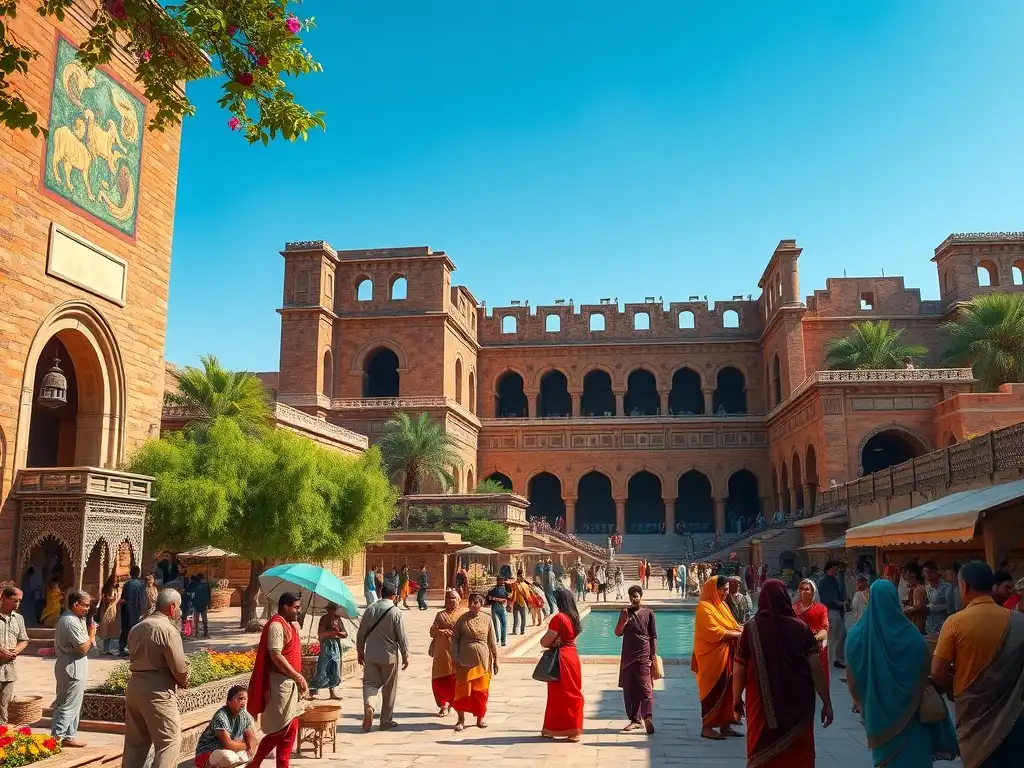
Welcome to Ancient India History, where we embark on an exhilarating journey through the rich tapestry of ancient Indian civilizations. As we delve into our featured article, “Discovering the Significance of Public Spaces in Indus Cities,” prepare to uncover the vibrant life that thrived in the bustling streets and communal areas of the Indus Valley. What secrets do these ancient public spaces hold about the social, cultural, and economic fabric of one of the world's earliest urban centers?
Join us as we explore the monumental contributions of the Indus Valley and unlock the mysteries of its extraordinary legacy. Your adventure into the past starts here!
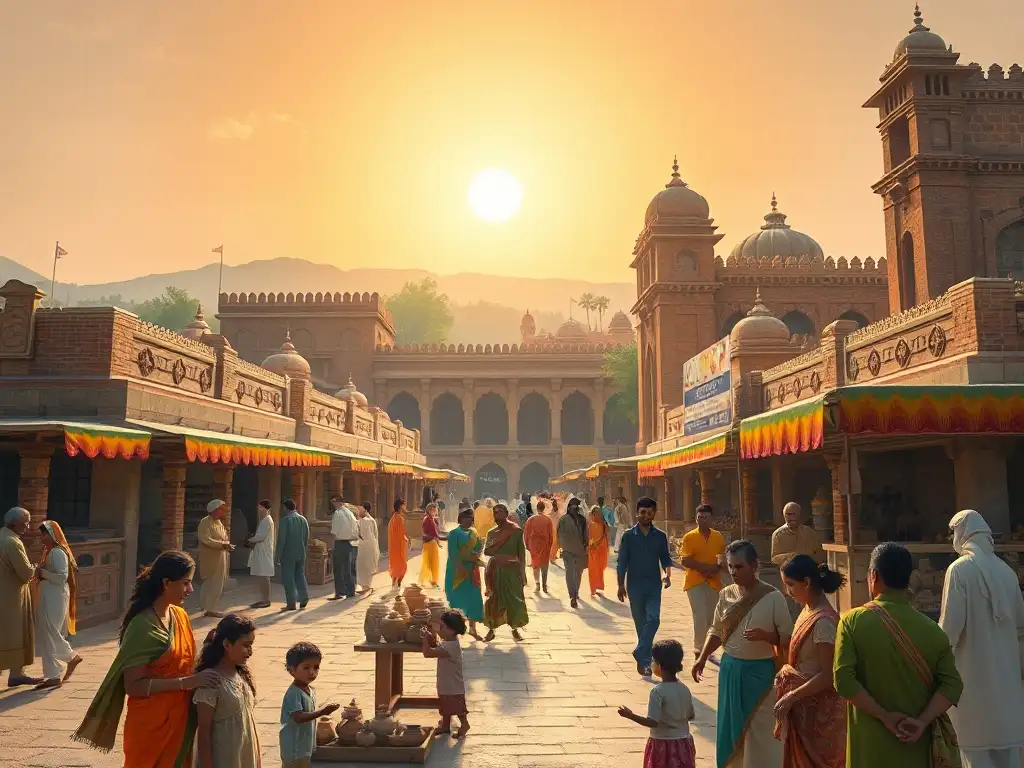
Introduction to Public Spaces in Indus Valley
The concept of public spaces in the Indus Valley Civilization offers a fascinating glimpse into the urban planning and social organization of one of the world's earliest urban societies. This ancient civilization, which thrived between approximately 3300 BCE and 1300 BCE, is renowned for its advanced architecture, intricate drainage systems, and remarkable urban layouts. Public spaces, such as marketplaces, public baths, and assembly areas, played a crucial role in fostering community interaction, trade, and cultural exchange.
Understanding these spaces not only highlights the sophistication of the Indus Valley cities but also sheds light on the social dynamics that shaped their inhabitants' daily lives. This article will delve into the significance of these public spaces, their role in urban life, and how they reflect the broader cultural and historical context of the civilization.
Understanding the Concept of Public Spaces
Public spaces can be defined as areas that are open and accessible to all members of a community, serving as venues for social interaction, commerce, and cultural activities. In the context of the Indus Valley Civilization, these spaces were meticulously planned and constructed to accommodate a variety of functions.
- Types of Public Spaces:
- Marketplaces: Centers for trade, where goods were exchanged and social interactions flourished.
- Public Baths: Important for hygiene and social gatherings, reflecting the civilization's advanced understanding of sanitation.
- Assembly Areas: Spaces for communal decision-making and gatherings, highlighting the democratic elements of their society.
Importance of Public Spaces in Ancient Civilizations
Public spaces have always been pivotal in shaping the social fabric of civilizations. In ancient societies, they were not merely functional areas but also symbols of cultural identity and community cohesion.
- Social Interaction: These spaces provided opportunities for individuals to engage with one another, strengthening communal bonds.
- Economic Activity: Markets facilitated trade and economic growth, essential for the sustenance of the civilization.
- Cultural Exchange: Public spaces acted as venues for festivals, rituals, and other cultural events, fostering a rich cultural tapestry.
Historical Context of Indus Valley Civilization
Overview of the Indus Valley Civilization
The Indus Valley Civilization, also known as the Harappan Civilization, was one of the world's earliest urban cultures, flourishing in the northwestern regions of South Asia, primarily in present-day Pakistan and northwest India. This civilization is characterized by its sophisticated city planning, advanced drainage systems, and distinct architectural styles.
- Key Features:
- Urban Planning: Cities like Harappa and Mohenjo-Daro were laid out in a grid pattern, showcasing an advanced understanding of urban design.
- Material Culture: The use of standardized fired bricks and weights indicates a high level of industrial development.
Characteristics of Indus Valley Cities
Indus Valley cities were remarkable for their strategic layout and innovative infrastructure. The cities were designed with a focus on functionality and community well-being, reflecting the significance of public spaces in their urban environment.
- City Layout:
- Grid Pattern: Streets were organized in a grid pattern, facilitating movement and accessibility.
- Public Amenities: Public baths and granaries were centrally located, ensuring easy access for all citizens.
- Drainage Systems: Advanced drainage and waste disposal systems were integral to maintaining hygiene and public health, demonstrating the civilization’s commitment to public welfare.
The public spaces of the Indus Valley Civilization were vital components of urban life, serving not only practical purposes but also enhancing social interaction and cultural identity. As we explore the intricacies of these spaces, we gain a deeper appreciation for the complexities of life in ancient Indus cities.
Types of Public Spaces in Indus Valley Cities
The Indus Valley Civilization, one of the earliest urban cultures in human history, showcased a remarkable understanding of urban design and communal living. The public spaces in these cities can generally be categorized into several distinct types:
- Civic Centers: These were central areas where administrative functions likely occurred. They facilitated governance and civic activities, serving as the heart of the city’s public life.
- Religious Sites: Temples and altars formed a crucial part of the public landscape, reflecting the spiritual and cultural values of the society.
- Marketplaces: These bustling centers were essential for trade, where goods were exchanged, and social interactions took place.
- Public Baths: Particularly significant in cities like Mohenjo-Daro, these spaces were not only for hygiene but also served as venues for social and ritual gatherings.
The thoughtful design and integration of these spaces contributed significantly to the social fabric and daily life of the Indus Valley inhabitants.
Urban Planning and Layout of Indus Cities
The urban planning of Indus Valley cities exemplifies advanced engineering and architectural skills. Cities like Harappa and Mohenjo-Daro were meticulously planned with a grid layout, featuring wide streets and well-defined blocks. This rational organization allowed for efficient movement and access to public spaces.
Key features of urban planning include:
- Drainage Systems: Sophisticated drainage and sanitation systems were integrated, emphasizing the importance of hygiene in public spaces.
- Zoning: Different zones for residential, commercial, and administrative functions were established, allowing for a structured community layout.
- Public Spaces: Parks, plazas, and open areas were strategically placed to enhance social interaction and community gatherings.
This careful urban design not only facilitated daily activities but also reflected the values of the society, prioritizing order, accessibility, and communal life.
Major Public Spaces: The Great Bath
One of the most iconic features of the Indus Valley Civilization is the Great Bath, located in Mohenjo-Daro. This large, public water tank measures approximately 12 meters by 7 meters and is about 2.4 meters deep, showcasing advanced engineering techniques.
The significance of the Great Bath includes:
- Ritual Purity: It is believed that the bath served a religious purpose, allowing for ritual cleansing and purification.
- Social Gathering: The Great Bath likely functioned as a communal area where people gathered for social and cultural activities.
- Architectural Innovation: The construction techniques used in creating the Great Bath, including waterproofing with bitumen, demonstrate the advanced engineering skills of the civilization.
The Great Bath remains a profound symbol of the communal and religious life of the Indus Valley people.
Marketplaces and Their Role in Indus Society
Marketplaces in Indus Valley cities were vibrant hubs of economic activity and social interaction. These open spaces facilitated trade and were essential for the functioning of the urban economy.
The role of marketplaces includes:
- Economic Exchange: They served as venues for the exchange of goods, including agricultural products, crafts, and textiles, which were crucial for sustaining the community.
- Social Interaction: Marketplaces were not only places of commerce but also social gathering spots where people could meet, share news, and engage in cultural exchanges.
- Cultural Exchange: The interaction between different communities through trade fostered cultural diffusion, enriching the social fabric of Indus Valley society.
These marketplaces highlight the importance of public spaces in sustaining both the economy and the community's social life.
Religious and Cultural Significance of Public Areas
Public areas in Indus Valley cities were deeply intertwined with religious and cultural practices. These spaces acted as venues for rituals and community gatherings, reflecting the civilization's spiritual values.
Key aspects of their significance include:
- Cultural Rituals: Public spaces hosted various cultural events and festivals that reinforced community bonds and cultural identity.
- Religious Practices: Temples and altars located in public areas were focal points for worship, where rituals and offerings to deities took place.
- Artistic Expression: The decoration and architecture of public spaces often featured intricate designs and motifs that showcased the artistic talents of the civilization.
The religious and cultural significance of these public areas underscores their role in shaping the identity of the Indus Valley communities.
Functions and Uses of Public Spaces in Indus Valley
Public spaces in the Indus Valley served multiple functions that were crucial for the community's social, economic, and cultural life. These areas were designed to facilitate interactions and foster a sense of community among the inhabitants.
Social Interaction and Community Building
Public spaces acted as vital venues for social interaction, enabling the formation of relationships and community ties. These spaces allowed for:
- Gatherings and Events: Festivals, markets, and communal gatherings fostered social cohesion and interaction among the residents.
- Civic Engagement: The layout encouraged discussions about governance and community issues, promoting civic engagement and participation.
- Cultural Exchange: Interactions in public spaces facilitated the exchange of ideas, customs, and traditions, enriching the community’s cultural landscape.
The emphasis on social interaction in public areas highlights the importance of community and cooperation in Indus Valley society.
Trade and Economic Activities in Public Spaces
Public spaces in the Indus Valley were essential for trade and economic activities, contributing significantly to the civilization's prosperity. Their functions included:
- Market Exchanges: These areas hosted diverse marketplaces where goods were bought and sold, stimulating economic growth.
- Commercial Networks: Trade routes connected Indus Valley cities with other regions, and public spaces facilitated the exchange of goods and ideas across these networks.
- Occupational Specialization: The presence of thriving marketplaces encouraged the development of specialized crafts and trades, further diversifying the economy.
The economic activities that transpired in public spaces were foundational to the sustainability and growth of the Indus Valley communities.
Rituals and Religious Gatherings in Public Areas
Public spaces were integral to the religious life of the Indus Valley civilization, serving as venues for rituals and gatherings that reinforced spiritual beliefs. Their significance encompasses:
- Ritual Practices: Public areas provided space for collective rituals, which were essential for maintaining religious traditions and community bonds.
- Festivals and Celebrations: These gatherings often coincided with agricultural cycles, celebrating harvests and other significant events that were vital for communal identity.
- Spiritual Reflection: The design of these spaces often included altars and sacred symbols, encouraging spiritual reflection and communal worship.
The intertwining of religious and public life in these areas underscores the centrality of spirituality in the daily lives of the Indus Valley people.
Architectural Features of Public Spaces in Indus Cities
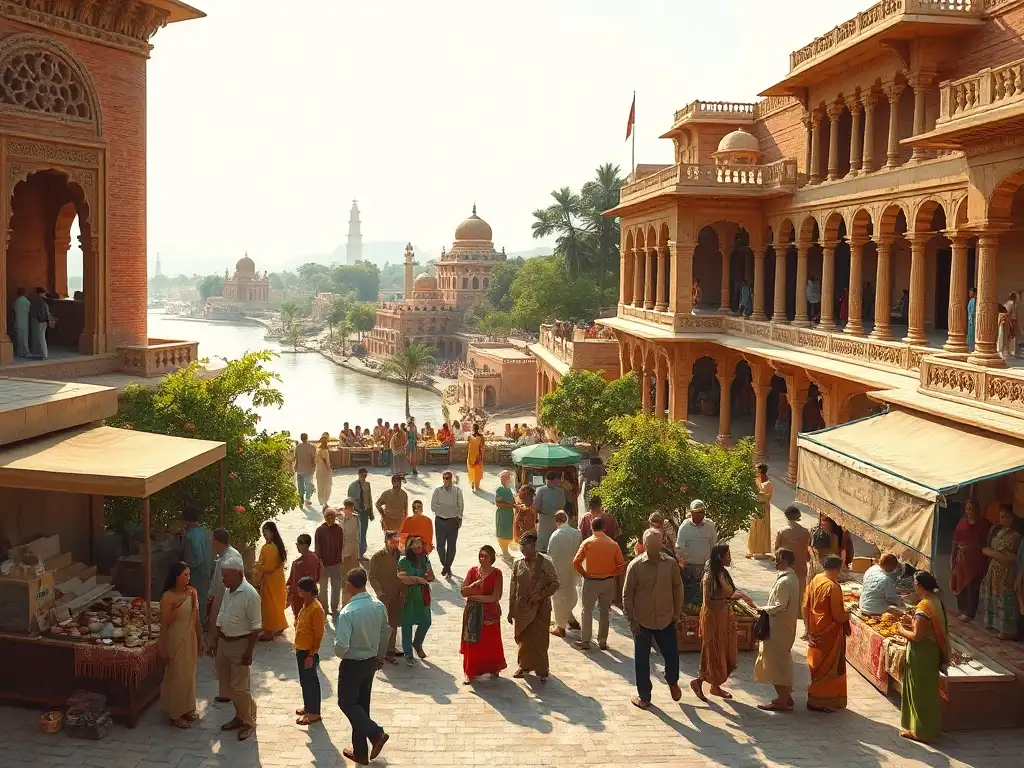
The public spaces in Indus Valley cities, such as Mohenjo-Daro and Harappa, are characterized by their meticulous planning and sophisticated architecture. These spaces included large plazas, baths, and marketplaces, which were integral to the social and cultural life of the inhabitants. The layout of these cities was highly organized, with grid patterns that facilitated movement and accessibility.
Central to these public spaces was the Great Bath of Mohenjo-Daro, which exemplified the advanced engineering skills of the Indus Valley civilization. This large, rectangular pool was constructed with fired brick and featured sophisticated drainage systems, highlighting the importance of ritual bathing and public hygiene.
Moreover, the presence of public granaries and assembly areas indicates that these spaces were not just functional but also served as centers for trade, governance, and community gatherings. The architectural features of these public spaces reflect a society that valued organization, cleanliness, and communal well-being.
Design Elements of Public Spaces
The design of public spaces in Indus cities was marked by several key elements that showcased the civilization’s architectural ingenuity.
- Symmetry and Axial Alignment: Many public spaces were designed with symmetry in mind, providing a sense of order and balance. For instance, the layout of the Great Bath and surrounding structures emphasized axial alignment, creating a focal point for community activities.
- Open Courtyards: These spaces often included open courtyards that served as venues for various public events, including festivals and markets. These courtyards were crucial for facilitating social interactions among the residents.
- Drainage Systems: A notable design feature was the sophisticated drainage systems that flowed through public spaces. This not only showcased advanced engineering but also indicated an understanding of public health and sanitation.
- Landscaping and Aesthetics: The use of landscaping elements, such as trees and gardens, further enhanced the aesthetic appeal of public spaces, creating a welcoming atmosphere for community members.
Materials and Construction Techniques Used
The construction of public spaces in the Indus Valley was marked by the use of durable materials and innovative techniques, which contributed to the longevity of these structures.
- Fired Brick: The primary material used in the construction of public buildings was fired brick, which provided strength and resilience. This choice of material also allowed for the creation of precise architectural details.
- Mortar and Plaster: The use of lime mortar and plaster contributed to the stability and weather resistance of structures. Evidence suggests that these materials were used to create smooth surfaces and intricate designs.
- Advanced Drainage Systems: The construction techniques employed for drainage systems were remarkable, using an intricate network of channels and pipes to efficiently manage water flow. This system not only catered to sanitation needs but also prevented flooding in public spaces.
- Standardized Measurements: The consistent use of standardized measurements in construction indicates a high level of craftsmanship and planning, ensuring that public spaces were designed for functionality and aesthetic appeal.
Comparative Analysis of Public Spaces
The public spaces of the Indus Valley civilization can be compared to those of other ancient civilizations, highlighting both similarities and unique characteristics.
Comparison with Other Ancient Civilizations' Public Spaces
When analyzing public spaces across various ancient civilizations, several comparisons emerge. For example:
- Mesopotamia: While both the Indus Valley and Mesopotamian civilizations had public spaces that facilitated trade and community gatherings, Mesopotamian cities often featured ziggurats that served religious purposes, whereas Indus public spaces were more secular in nature.
- Ancient Egypt: Egyptian public spaces, such as temples and marketplaces, were often tied to religious practices and royal authority. In contrast, Indus public spaces were more democratic, serving the community at large without the pronounced influence of monarchy or religious hierarchy.
- Mesoamerica: The plazas of Mesoamerican civilizations like the Maya were often adorned with monumental architecture and served significant ceremonial purposes. Conversely, Indus public spaces were more functional and practical, focusing on daily life and communal activities.
Unique Features of Indus Valley Public Spaces
Indus Valley public spaces exhibit distinctive features that set them apart from those of other ancient civilizations:
- Focus on Hygiene and Sanitation: The emphasis on cleanliness, as seen in the Great Bath and advanced drainage systems, reflects a unique cultural value placed on public health.
- Grid Planning: The systematic grid layout of Indus cities was unlike the more organic growth patterns of other civilizations, allowing for efficient urban planning and movement.
- Community-Centric Design: The design of public spaces in the Indus Valley was inherently community-focused, promoting social interaction and inclusivity, as opposed to being dominated by religious or political structures.
The public spaces in Indus Valley cities were not merely functional areas but integral parts of a sophisticated urban environment that reflected the values and priorities of its society. Their architectural features, design elements, and unique characteristics contribute to our understanding of this remarkable civilization.
The Legacy of Public Spaces in Indus Valley
Public spaces in the Indus Valley Civilization (IVC), particularly in cities like Harappa and Mohenjo-Daro, played a crucial role in shaping the social, economic, and cultural dynamics of these ancient societies. These spaces were not merely functional; they were integral to the community's identity and cohesion. The careful planning and design of public areas, such as the Great Bath and assembly halls, highlight the advanced urban planning skills of the Indus people. These spaces served as venues for social gatherings, religious ceremonies, and trade, fostering a sense of community among residents.
The architectural features of these public spaces reveal a sophisticated understanding of urban design. For example, the Great Bath, with its elaborate drainage system and water management techniques, signifies the importance of ritualistic bathing and communal activities. Similarly, the presence of well-planned streets and public squares indicates an organized approach to urban life, emphasizing accessibility and communal interaction. The legacy of these public spaces endures, as they reflect the values and priorities of the Indus Valley civilization, particularly the emphasis on community and collaboration.
Influence on Later Indian Urban Planning
The public spaces of the Indus Valley Civilization laid the groundwork for urban planning in subsequent Indian cultures. Elements such as grid layouts, drainage systems, and designated public areas can be traced through history, influencing cities established during the Maurya and Gupta empires. For instance, the city planning observed in ancient Pataliputra and later in medieval Indian cities echoes the principles seen in IVC urban centers.
Moreover, the focus on public spaces as centers for social interaction and governance can be seen in the construction of public plazas, temples, and marketplaces in later Indian urban designs. This continuity highlights how the IVC's architectural innovations and urban planning philosophies permeated through time, adapting to the socio-cultural needs of later civilizations. The influence of these ancient designs is still evident in modern Indian cities, where public spaces remain vital for community engagement and urban life.
Modern-Day Relevance of Ancient Public Spaces
The concept of public spaces, as established in the Indus Valley, continues to resonate in contemporary urban planning. In a world that increasingly values community interaction and sustainable living, the lessons learned from the IVC can inform modern city designs. Public spaces serve as gathering places for cultural expression, social bonding, and civic engagement, mirroring the roles they played in ancient times.
Additionally, these ancient public spaces provide a framework for discussions around inclusivity and accessibility in urban environments. By examining the layout and function of IVC public areas, modern planners can strive to create spaces that accommodate diverse populations and promote social equity. The relevance of these ancient designs is evident in current movements advocating for pedestrian-friendly urban centers and community-driven public spaces that encourage interaction and connectivity among residents.
Conclusion: The Importance of Preserving Public Spaces
Preserving the legacy of public spaces from the Indus Valley Civilization is essential for understanding the historical narrative of urban development in India. These spaces are not merely archaeological remnants; they are vital components of cultural heritage that offer insights into the societal values, communal activities, and artistic achievements of ancient civilizations. Efforts to preserve and study these sites contribute to a deeper appreciation of the interconnectedness of urban planning and cultural identity.
Reflection on the Role of Public Spaces in Cultural Heritage
Public spaces in the Indus Valley serve as a testament to the civilization's collective ethos and social organization. They reflect the cultural practices and communal interactions that defined the lives of the people. By studying these areas, researchers gain valuable insights into how public spaces contributed to the sense of identity and belonging among ancient communities. This reflection underscores the necessity of safeguarding these sites, as they are crucial for understanding the cultural heritage that shapes contemporary Indian society.
Future Research Directions in Indus Valley Studies
As interest in the Indus Valley Civilization continues to grow, future research should focus on the multifaceted roles of public spaces in urban life. Scholars can explore how these spaces facilitated trade, governance, and cultural exchange, providing a comprehensive understanding of their significance. Additionally, interdisciplinary approaches that incorporate archaeology, anthropology, and urban studies could yield new insights into the societal impacts of these public areas.
Moreover, advancements in technology, such as remote sensing and 3D modeling, can enhance archaeological investigations, allowing for a more nuanced exploration of public spaces in the IVC. By delving deeper into the spatial dynamics and cultural implications of these areas, researchers can contribute to a richer narrative of ancient Indian civilization and its enduring legacy in modern urban contexts.
- Introduction to Public Spaces in Indus Valley
- Historical Context of Indus Valley Civilization
- Types of Public Spaces in Indus Valley Cities
- Functions and Uses of Public Spaces in Indus Valley
- Architectural Features of Public Spaces in Indus Cities
- Comparative Analysis of Public Spaces
- The Legacy of Public Spaces in Indus Valley
- Conclusion: The Importance of Preserving Public Spaces
- What were the main types of public spaces in Indus Valley cities?
- How did public spaces contribute to the social structure of Indus Valley civilizations?
- What is the role of the Great Bath in understanding public spaces?
- How did the design of public spaces reflect the urban planning of Indus Valley cities?
- Why are public spaces significant in the study of ancient Indian civilizations?
Frequently Asked Questions
What were the main types of public spaces in Indus Valley cities?
The Indus Valley cities featured various public spaces including baths, markets, and public assembly areas, which facilitated trade and social gatherings.
Public spaces played a crucial role in fostering community interactions and trade, thereby reinforcing the social hierarchy and enhancing civic life.
What is the role of the Great Bath in understanding public spaces?
The Great Bath is a prominent example of public spaces that highlight the importance of ritualistic practices and community cohesion in Indus Valley society.
How did the design of public spaces reflect the urban planning of Indus Valley cities?
The layout of public spaces in Indus Valley cities demonstrates sophisticated urban planning, with carefully structured streets and drainage systems to support communal activities.
Why are public spaces significant in the study of ancient Indian civilizations?
Public spaces are essential for understanding the cultural practices, social interactions, and economic activities that shaped the lives of ancient Indian civilizations, particularly in the Indus Valley.
Final Reflection: Embracing the Legacy of Public Spaces in Indus Valley
The significance of public spaces in Indus Valley cities is not just a relic of the past; it resonates deeply with our contemporary urban experiences. As we navigate the complexities of modern life, the lessons learned from the Indus Valley civilization remind us of the essential role that communal areas play in fostering social interaction, cultural exchange, and community well-being. The intricate designs and thoughtful placements of these spaces were not mere architectural choices but reflections of a society that valued connection and inclusivity.
Clearly, the legacy of public spaces in the Indus Valley continues to shape our cultural and social landscapes today. From bustling markets to serene gardens, these areas serve as vital hubs where people gather, share stories, and build relationships. The enduring influence of these historical public spaces can be seen in our modern cities, where the need for community and belonging remains paramount. Public spaces are the heart of a city; they are where life unfolds and community thrives.
This quote encapsulates the essence of why we must cherish and cultivate our public spaces, drawing inspiration from the past to enhance our present.
As we reflect on the importance of public spaces in our lives, I invite you to consider how you can engage with and advocate for these vital areas in your own community. Take a moment to explore your local parks, plazas, and gathering spots—think about how they contribute to your sense of belonging and community.
Each small action, whether it’s participating in a local event or simply spending time in a shared space, can help revive the spirit of connection that the Indus Valley civilization so beautifully exemplified. Let us honor their legacy by ensuring that our public spaces remain vibrant, inclusive, and essential to the fabric of our communities.
Uncover the Vital Role of Public Spaces in Our Heritage!
Thank you for exploring the significance of public spaces in ancient cities with us! Your investigation into this topic enhances our understanding of urban life in the past and its relevance in the present. Now, it’s time to take what you’ve learned and connect it to your own experiences.
Here are some actionable steps you can take to deepen your engagement with this fascinating subject:
- Visit a Local Historical Site: Explore a nearby public space or historical landmark, reflecting on its design and purpose.
- Start a Conversation: Share your insights about public spaces with friends and family; ask them how they think these areas contribute to community life today.
- Join Online Forums: Participate in discussions on various platforms where you can share ideas and learn from enthusiasts around the world.
What’s one way you believe modern public spaces can draw inspiration from the design and function of those in ancient cities?