
The Gupta Empire and the Birth of Classical Indian Music

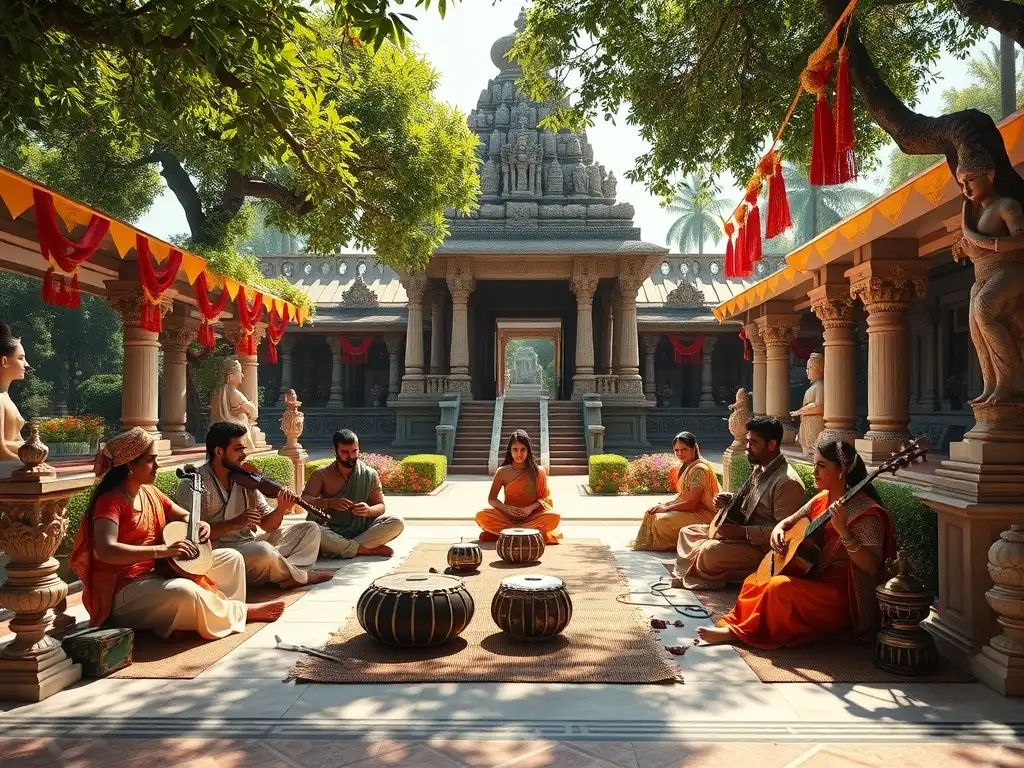
Welcome to Ancient India History, where we embark on a captivating journey through the rich tapestry of India's past. As you delve into our featured article, "The Gupta Empire and the Birth of Classical Indian Music," prepare to uncover the harmonious blend of history and culture that gave rise to one of the world's most profound musical traditions. Why did this era become a cornerstone for classical music? What influences shaped its evolution? Let your curiosity guide you as we explore the vibrant legacies of ancient Indian civilizations and their enduring impact on music and beyond.
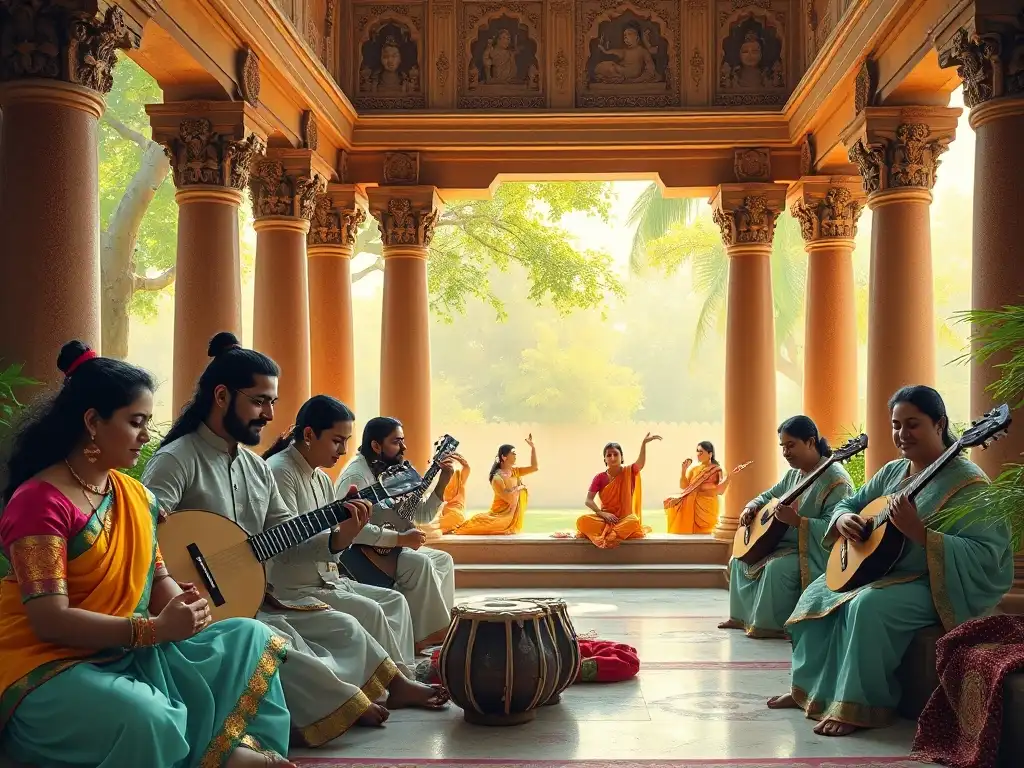
Introduction to the Gupta Empire
The Gupta Empire, which flourished from approximately 320 to 550 CE, is often referred to as the Golden Age of India due to its remarkable advancements in various fields, including art, science, and philosophy. During this period, India witnessed a cultural renaissance that laid the foundation for classical Indian music, among other artistic expressions.
This article explores how the Gupta Empire not only nurtured the roots of music but also established a rich cultural framework that influenced future generations. Understanding the historical context of this era is crucial for appreciating the evolution of classical Indian music history, which emerged from a confluence of cultural, religious, and artistic influences.
Overview of the Gupta Dynasty
The Gupta Dynasty, founded by Maharaja Sri Gupta, saw its zenith under the reign of Chandragupta I and his successors, Samudragupta and Chandragupta II. This dynasty is characterized by:
- Political Stability: The Gupta rulers established a centralized government that maintained peace across the subcontinent.
- Cultural Integration: A blend of diverse cultures due to extensive trade and interactions with neighboring regions.
- Significant Contributions: Innovations in mathematics, astronomy, and literature, including notable figures such as Aryabhata and Kalidasa.
The empire's governance promoted a flourishing environment for the arts, whereby music began to evolve into a sophisticated form of expression, deeply intertwined with the spiritual and cultural ethos of the time.
Significance of the Gupta Period in Indian History
The Gupta period is pivotal in Indian history for several reasons:
- Cultural Revival: It marked a resurgence of Hindu culture after centuries of foreign rule, leading to a renaissance in art and philosophy.
- Literature and Scholarship: The era produced seminal texts and vast literary works that continue to influence Indian culture today.
- Artistic Innovation: This period saw the emergence of distinctive styles in sculpture, painting, and music, which were often inspired by religious themes.
The Gupta Empire's promotion of the arts laid the groundwork for what would become the classical traditions of music and dance that are celebrated in India today.
The Cultural Flourishing of the Gupta Empire
The Gupta Empire was not just a political entity; it was a vibrant cultural hub that fostered artistic expression and innovation. The cultural dynamics of this period significantly influenced classical Indian music, as various forms began to emerge and evolve.
Patronage of Arts and Music in the Gupta Era
The Gupta rulers were known for their patronage of the arts, which included music, dance, and drama. The support from the royal court led to:
- Development of Music: Musicians enjoyed the patronage of wealthy nobles and temples, leading to the professionalization of music.
- Public Performances: Music became an integral part of festivals and religious ceremonies, enhancing its cultural significance.
- Documentation of Musical Theory: Scholars began to codify musical practices, which contributed to the theoretical framework of Indian classical music.
This patronage not only elevated music as an art form but also facilitated its integration into broader cultural practices, making it accessible to diverse audiences.
Influence of Religion on Music and Art
Religion played a crucial role in shaping the music of the Gupta Empire. The intertwining of spiritual beliefs and artistic expression resulted in:
- Sacred Music: Devotional songs and chants became prominent, often linked to Hindu deities and rituals.
- Incorporation of Classical Elements: Elements from Vedic chants and folk traditions began to merge, creating a distinctive sound that would influence later classical forms.
- Symbolic Representation: Music was often used to convey spiritual messages and emotions, reinforcing the connection between the divine and the artistic.
The Gupta Empire's cultural landscape was thus marked by a symbiotic relationship between music and religion, which laid the groundwork for the rich tapestry of classical Indian music history that would follow.
Classical Indian Music History: Origins and Development
The history of classical Indian music is a rich tapestry that reflects the cultural and spiritual ethos of ancient Indian civilization. It can be traced back to the Vedic period, where hymns and chants formed the basis of musical expression. These early forms laid the groundwork for the evolution of various musical styles, culminating in what we now recognize as classical Indian music. The Gupta Empire, often referred to as the Golden Age of India, played a significant role in the formalization and development of these musical traditions, fostering an environment where art and culture flourished.
During this period, music was not merely an art form but intertwined with religious practices, philosophy, and the social fabric of society. The Gupta rulers were patrons of the arts, and their support helped in the codification of musical theories and the establishment of various schools of thought in music. The contributions made during this era are crucial to understanding the foundations of classical Indian music as it evolved through the centuries.
Early Forms of Indian Music Before the Gupta Period
Before the Gupta period, Indian music was characterized by various indigenous styles and practices that can be traced back to the Vedas, particularly the Samaveda, which consists of melodies (sama) used in rituals. The early forms of music were largely devotional, focusing on praise and worship of deities. These hymns were often accompanied by simple instruments such as the veena and the flute, and were performed in temples and during religious ceremonies.
Regional variations also existed, with folk traditions adding diversity to the musical landscape. The influence of the Natyashastra, a treatise on performing arts attributed to Bharata Muni, provided insights into the relationship between music, dance, and drama. This holistic approach to the performing arts set the stage for the more sophisticated styles that would emerge during the Gupta Empire.
Transition to Classical Music: Influences and Changes
The transition from early forms of Indian music to classical music was marked by several important developments during the Gupta Empire. This period saw the synthesis of regional musical styles and the introduction of new elements that enriched the musical vocabulary. The influence of Persian music, particularly following the advent of Islamic rule in later centuries, began to shape the musical landscape, but during the Gupta period, the focus remained on indigenous forms.
The codification of musical scales (ragas) and rhythmic patterns (talas) became more pronounced. Notable texts, such as the "Sangita Ratnakara" by Sharngadeva, emerged later but were rooted in the earlier developments of the Gupta period. These texts provided a framework for understanding the complexities of melody and rhythm, establishing the foundations for classical Indian music as a formalized art form.
Key Features of Classical Indian Music during the Gupta Period
The Gupta Empire's contribution to classical Indian music is characterized by several key features that define its essence. This period emphasized a structured approach to music, integrating theory with practice. One of the most significant aspects was the establishment of ragas, which are melodic frameworks that evoke emotions and moods, thereby enhancing the performance's expressiveness.
Moreover, the notion of performance became more formalized, with dedicated spaces for music and dance, such as courts and temples. Musicians began to be recognized as artists rather than mere entertainers, leading to an increased appreciation of the craft. The Gupta period also marked the beginning of systematic music education, where aspiring musicians were trained under the guidance of masters.
Instruments Used in Classical Indian Music
During the Gupta period, a variety of musical instruments played a crucial role in shaping classical Indian music. The veena, a string instrument, was prominent in both vocal and instrumental music, while the mridangam and tabla became essential percussion instruments, providing rhythmic support to performances. Other instruments like the flute (bansuri) and the sitar emerged, showcasing the diversity of sounds and textures that enriched the music.
Each instrument had its unique place and significance in classical music, and their development reflected the technical advancements of the time. The craftsmanship involved in creating these instruments also reached new heights, contributing to the overall quality of musical performances.
Vocal Traditions and Styles in Gupta Music
Vocal traditions during the Gupta period were integral to classical Indian music, with various styles emerging that highlighted the rich heritage of the era. The use of ragas was central to vocal music, with singers trained to evoke specific emotions through their renditions. The practice of improvisation became an essential aspect of vocal performance, allowing artists to showcase their creativity and skill.
Different forms of vocal music, including dhrupad and bhajan, began to take shape during this time. Dhrupad, known for its solemn and devotional nature, emphasized the purity of sound and the depth of expression. Bhajans, on the other hand, were more lyrical and accessible, often sung in praise of deities, thus bridging the gap between the sacred and the secular. The Gupta Empire’s rich tapestry of musical traditions laid the groundwork for the classical music that continues to thrive in India today.
Notable Composers and Musicians of the Gupta Empire
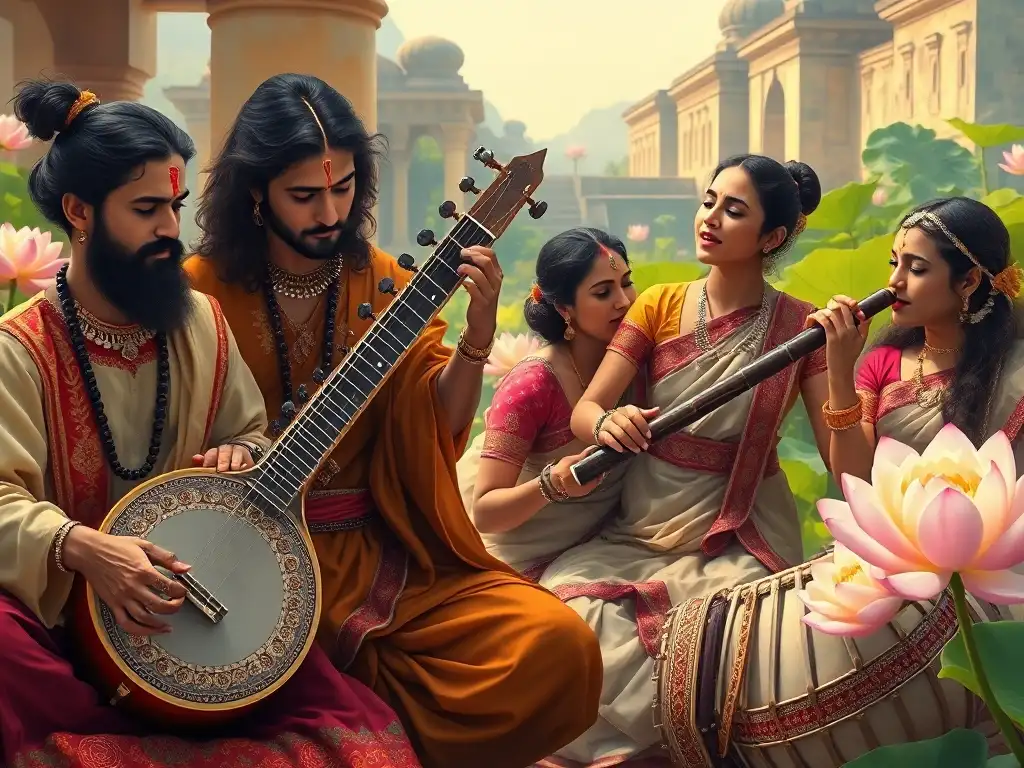
The Gupta Empire, often referred to as the Golden Age of India, was a period marked by significant advancements in art, science, and culture, including the realm of music. Among the notable composers and musicians of this era, Bharata Muni stands out as a pivotal figure. His work, the Natya Shastra, although primarily a treatise on dramatic arts, laid the foundational principles of music theory and performance in Indian classical music.
Another influential figure was Vatsyayana, the author of the Kama Sutra, who not only focused on aesthetics and pleasure but also emphasized the role of music in enhancing these experiences. Their contributions helped cultivate a musical culture that thrived on both theoretical understanding and practical application.
In addition, the Gupta period saw various local musicians gaining recognition, with many performers emerging from temple traditions, which further enriched the musical landscape of the time. The patronage of royal courts also encouraged the evolution and diversification of musical forms, leading to the emergence of various regional styles that would influence classical Indian music in subsequent centuries.
Influential Figures in Classical Indian Music
The Gupta Empire was home to several influential figures who played crucial roles in shaping the trajectory of classical Indian music. Kalidasa, famed for his poetic works, also celebrated music and dance in his plays, elevating their status as important art forms. His writings highlighted the interconnection between music and poetry, a relationship that remains central to Indian classical music today.
Moreover, Anangabhatt, a noted musician and composer, was crucial in developing musical forms that were both devotional and entertaining. His compositions often featured intricate melodies and rhythmic patterns, reflecting the advanced musical sensibilities of the time.
Additionally, the emergence of dhrupad, one of the oldest forms of classical music, can be traced back to this period. It was characterized by its emphasis on vocal rendition and intricate ragas, which were elaborately developed by these early masters.
Contributions of Musicians to the Evolution of Music
Musicians during the Gupta Empire made significant contributions to the evolution of music, particularly through innovation and experimentation with musical instruments and forms. The introduction and refinement of instruments like the veena and mridangam became commonplace, leading to diverse musical expressions.
Musicians also played a key role in the formalization of ragas—melodic frameworks that serve as the basis for improvisation. The codification of these ragas during this time allowed for a systematic approach to performance, ensuring that the rich musical heritage was preserved and transmitted through generations.
Moreover, the influence of musicians extended into various cultural and societal realms, as they often participated in royal courts, religious ceremonies, and public festivities, intertwining music with the very fabric of Gupta society. This engagement helped to elevate the status of musicians, acknowledging their role as cultural custodians.
The Role of Music in Gupta Society
Music in Gupta society was not merely an art form; it served as a vital social and cultural instrument that influenced various aspects of life. The Gupta rulers were known for their patronage of the arts, and their support for musicians fostered an environment where music could flourish.
Music was integral to entertainment, education, and spiritual practices, making it a multifaceted component of daily life. The rich tapestry of musical performance included various genres that catered to different occasions, from courtly celebrations to private gatherings.
Furthermore, the intertwining of music with other art forms, such as dance and theater, created a holistic cultural experience that resonated with audiences, thus reinforcing its significance in society.
Music in Religious and Cultural Practices
During the Gupta Empire, music held a prominent place in religious and cultural practices. Temples became centers of musical activity where rituals were accompanied by devotional songs and hymns, enhancing the spiritual experience of worshippers.
The use of music in religious ceremonies was not limited to Hindu practices; Buddhist and Jain traditions also incorporated music, reflecting the diverse spiritual landscape of the time. Instruments were often used in processions and rituals, creating a profound auditory experience that enriched the overall atmosphere.
Additionally, the cultural festivals of the Gupta period showcased music as a means of communal celebration, where performances would bring together people from various backgrounds, fostering a sense of unity and shared cultural identity.
The Social Context of Music during the Gupta Empire
The social context of music during the Gupta Empire was deeply intertwined with the hierarchies and dynamics of the time. Musicians often occupied a unique position in society; while they were sometimes viewed as entertainers, they also held significant cultural authority. In royal courts, musicians were esteemed members of the court, often enjoying patronage from kings and nobles, which provided them with social status and respect.
Furthermore, music acted as a vehicle for social commentary, allowing musicians to express thoughts on societal issues, love, and spirituality through their compositions. This dual role of music as both entertainment and a medium for reflection illustrates its importance in the social fabric of Gupta society.
The education of musicians also reflected the social structure, as many were trained in the courts or by established masters, highlighting a lineage of knowledge transmission that was critical for the preservation of musical traditions. Overall, music in the Gupta Empire was not only an art form but also a reflection of the era's cultural, social, and religious complexities, contributing significantly to the rich history of classical Indian music.
The Legacy of Gupta Classical Music in Modern India
The Gupta Empire, often regarded as a golden age in Indian history, left an indelible mark on the cultural landscape of the subcontinent, particularly in the realm of music. The classical music that flourished during this period laid the foundations for various styles and traditions that continue to thrive in contemporary India. The musical advancements made in the Gupta era contributed not only to the technical aspects of music but also to the philosophical and spiritual dimensions associated with it.
One of the most significant legacies of Gupta classical music is the systemization of ragas and talas, which has influenced countless musicians and composers over the centuries. These foundational elements of Indian music have been preserved and adapted, creating a rich tapestry that reflects both historical traditions and modern interpretations. The profound emphasis on improvisation and emotional expression that characterized Gupta music has also informed contemporary performances, ensuring that the essence of this ancient art form remains vibrant.
Impact on Contemporary Indian Classical Music
The influences of Gupta classical music are evident in several contemporary genres of Indian classical music, such as Hindustani and Carnatic music. The ragas developed during the Gupta period continue to be a central component of performances, with musicians employing these melodic frameworks to convey emotions and narratives. This connection to the past enriches the listening experience for audiences, providing a sense of continuity and tradition.
Additionally, the Gupta Empire's integration of music with dance and drama has shaped modern classical performances. The synthesis of these art forms, which was prevalent during the Gupta period, is reflected in the classical dance styles of today, such as Bharatanatyam and Kathak. These art forms not only showcase the technical proficiency of the performers but also celebrate the cultural heritage that dates back to the Gupta era.
Preservation and Revival of Gupta Musical Traditions
Efforts to preserve and revive the musical traditions of the Gupta Empire have gained momentum in recent years. Scholars and musicians are increasingly engaged in research to uncover and document ancient texts, manuscripts, and oral traditions that provide insights into Gupta music. This revival is not merely about historical accuracy; it serves as a means to reconnect with the artistic heritage of India and to inspire new generations of musicians.
Institutions dedicated to classical music education have begun to incorporate elements of Gupta music into their curricula, ensuring that students gain a comprehensive understanding of the evolution of Indian classical music. Workshops, festivals, and performances featuring traditional instruments and compositions from the Gupta period are also being organized to promote awareness and appreciation of this rich musical heritage.
Conclusion
Summary of the Gupta Empire's Contribution to Classical Indian Music History
The Gupta Empire's contributions to classical Indian music history are manifold. The era witnessed the establishment of foundational musical principles that have endured through the ages, influencing various forms of Indian music. The emphasis on ragas, talas, and the integration of music with other art forms have created a lasting legacy that continues to resonate within contemporary practices. Additionally, the Gupta period's focus on emotional expression and improvisation laid the groundwork for the artistic freedoms that characterize modern Indian classical music.
Final Thoughts on the Cultural Significance of the Gupta Period
In reflecting on the cultural significance of the Gupta period, it is clear that this era was instrumental in shaping the arts in India, particularly music. The classical music developed during this time not only enriched the cultural fabric of ancient India but also provided a blueprint for future generations of artists.
As contemporary musicians draw upon the rich traditions of the Gupta Empire, they ensure that the spirit of this golden age remains alive, fostering a deeper appreciation for the complexities and beauties of classical Indian music history. The Gupta Empire serves as a reminder of the profound impact that a flourishing cultural environment can have on the arts and the human experience.
- Introduction to the Gupta Empire
- The Cultural Flourishing of the Gupta Empire
- Classical Indian Music History: Origins and Development
- Key Features of Classical Indian Music during the Gupta Period
- Notable Composers and Musicians of the Gupta Empire
- The Role of Music in Gupta Society
- The Legacy of Gupta Classical Music in Modern India
- Conclusion
- What was the Gupta Empire known for in relation to music?
- How did classical Indian music evolve during the Gupta Empire?
- What are the key contributions of the Gupta Empire to classical music?
- Who were some notable figures in the classical music scene of the Gupta Empire?
- How did the cultural environment of the Gupta Empire influence music?
Frequently Asked Questions
What was the Gupta Empire known for in relation to music?
The Gupta Empire is often recognized as a golden age for the arts, including music, which saw significant development and patronage during this period.
How did classical Indian music evolve during the Gupta Empire?
During the Gupta Empire, classical Indian music evolved through the integration of regional styles and the establishment of a more structured musical notation system.
What are the key contributions of the Gupta Empire to classical music?
The Gupta period contributed to classical music by promoting theoretical texts, enhancing musical instruments, and encouraging performances in courts and temples.
Who were some notable figures in the classical music scene of the Gupta Empire?
Notable figures included scholars and musicians like Bharata Muni, who wrote the Natyashastra, detailing the relationship between music, dance, and drama.
How did the cultural environment of the Gupta Empire influence music?
The cultural environment of the Gupta Empire, marked by religious diversity and patronage of the arts, fostered a vibrant atmosphere for the growth and diversification of classical Indian music.
Final Reflection: The Enduring Legacy of Classical Indian Music
The Gupta Empire's profound influence on the development of classical Indian music is not just a historical footnote; it is a vibrant thread woven into the fabric of contemporary culture. Today, as we listen to the intricate melodies and rhythms that define classical Indian music, we are reminded of its rich heritage and the artistic innovations that emerged during this golden age. The legacy of the Gupta Empire continues to resonate, illustrating how music transcends time and connects generations.
Classical Indian music has shaped not only the artistic landscape of India but also its cultural identity on a global scale. The principles and techniques established during the Gupta period have laid the groundwork for countless musicians and composers who continue to draw inspiration from this era. As noted by renowned musicologist Dr. Raghavendra Rao, The roots of classical Indian music run deep, and its branches reach far and wide, nurturing creativity and expression across cultures.
This ongoing evolution highlights the importance of understanding our musical heritage and its role in shaping contemporary art forms.
As we reflect on the significance of classical Indian music history, I invite you to explore your own relationship with music and its power to inspire and unite. Consider how the lessons from the past can inform your own creative journey, and let the melodies of the Gupta Empire guide you in discovering your unique voice. Embrace the beauty of this ancient art form and allow it to enrich your life, fostering a deeper appreciation for the cultural narratives that continue to thrive today.
Unleash Your Inner Musician: Dive Into the World of Classical Indian Music!
Thank you for taking the time to explore the fascinating history of the Gupta Empire and its profound influence on classical Indian music. Through your journey, you've uncovered the rich heritage that shaped a vibrant musical tradition. Now, let’s harness that inspiration!
Here’s how you can take your newfound knowledge further:
- Begin your musical journey by learning an Indian classical instrument—whether it's the sitar, tabla, or flute, explore online tutorials or local classes that cater to beginners.
- Share your favorite musical piece from the classical Indian repertoire on social media and invite your friends to experience its beauty and depth.
- Join a community group or online forum dedicated to Indian classical music to connect with fellow enthusiasts and deepen your understanding of this rich tradition.
What aspect of classical Indian music resonates with you the most, and how do you plan to incorporate it into your daily life?